
Singapore
Overseas Family School
low confidence· 4/6 cats · 0 avg sourcesOpen-access IB Diploma policy admits every student, no preselection, inside a 70-nation Pasir Ris campus.
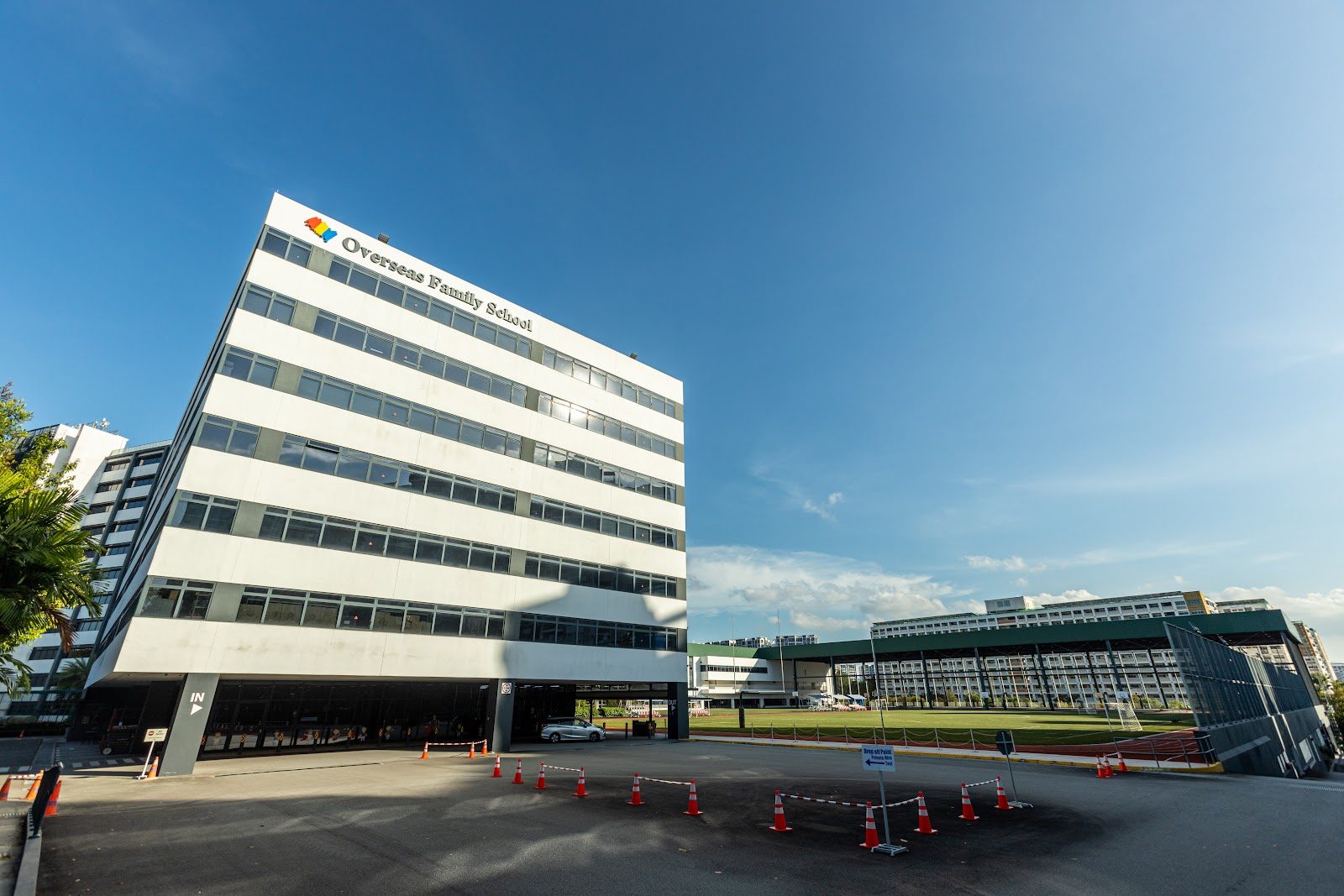
Photo © Overseas Family School via Google Maps
Type
Day
Ages
3–18
Curriculum
IB
Qualifications
IB PYP · IB MYP · IB Diploma
Ratio
12:1
The Verdict
Editor's commitment
Right for
Families who value access over selectivity: OFS runs English-medium day schooling from ages 3–18 with a 12:1 ratio.
Wrong for
Parents chasing academic filtration or a narrow intake; this 1991-founded non-religious school admits all comers to the IB Diploma.
Watch out for
Average class size is 20, and a 70-nation campus brings range, not coherence; check whether your child wants scale or intimacy.
Ranking breakdown
Overseas Family School · #874 of 1591
Composite score 64.1. 8 weighted criteria.
By criterion
Academic Outcomes
Weight 20%
#959
of 1529 scored
University Placement
Weight 16%
#965
of 1529 scored
Prestige & Heritage
Weight 12%
#967
of 1571 scored
Alumni Network
Weight 12%
#619
of 1530 scored
Facilities
Weight 12%
#666
of 1533 scored
Transparency & Communications
Weight 8%
#922
of 1532 scored
Peer & Industry Review
Weight 10%
#893
of 1548 scored
Admissions Selectivity & Demand
Weight 8%
#726
of 1529 scored
Score history
Overseas Family School · 2026
Movement across 2024–2026. Peer average overlaid.
Overall — 2024–2026
64.1/ 100
▲ +29.3 vs 2025
year on year
Peer & Industry Review
How Overseas Family School is regarded in the sector
65
Respected · medium confidence
Overseas Family School occupies a respected, if not top-tier, position in Singapore's crowded international school market, prized chiefly for its academic consistency and near-unmatched diversity. The Good Schools Guide judges it "probably as international as an international school gets" and says it "should be on any internationally minded family's radar", noting that leavers with strong IB scores head off to Oxford and Imperial College. WhichSchoolAdvisor's data-led verdict confirms the school as a "Best of school" per its parent-survey rankings, with a 2025 IB average of 35, above the global average, and a 94% pass rate. Both reviews candidly note that some families still gravitate toward more brand-name rivals such as UWC, marking OFS as a solid, credible performer rather than a unanimous top-tier choice.
Evidence sources
Editors' overview
Overseas Family School occupies a distinct niche in Singapore’s crowded international market: it runs an IB pathway inside a genuinely multinational community and, crucially, does not treat the IB Diploma as a gated prize for a hand-picked academic tier. The school’s defining feature is its open-access Diploma policy. In a city where many schools protect headline results through quiet filtering, that matters. It signals a different institutional choice: inclusion over selectivity, breadth over polish, and a willingness to teach the full ability range through to graduation. For families who dislike academic triage, that is a serious differentiator. Founded in 1991, OFS also has longevity in a market full of newer entrants.
This is a large, socially mixed, expatriate school for families who value community as much as academic branding. The headline promise is not exclusivity; it is access. The campus culture draws strength from its international mix, with students from around 70 nations, and that scale gives OFS a cosmopolitan texture that smaller schools cannot replicate. The published student–teacher ratio of 12:1 and average class size of 20 indicate workable teaching conditions rather than boutique intimacy. Parents looking for a polished status school or a tightly curated high-performance cohort will find stronger fits elsewhere. Parents looking for *an unpretentious international environment*, broad peer exposure and a school that will keep the door open to the IB Diploma will find OFS compelling.
Who thrives here? Students who benefit from a broad social field, settle well in diverse classrooms, and do not need an aggressively selective atmosphere to stay motivated. This suits internationally mobile families, children arriving mid-journey from different systems, and teenagers who want the prestige of the IB without the internal hurdle of proving they are “Diploma material” first. It also suits families who read schools for values as well as outcomes: OFS backs its inclusivity with structure, not slogans. The trade-off is clear. An open-access model carries wider academic spread and less of the rarefied edge that attaches to Singapore’s most selective names. For many families, that is not a weakness. It is the point.
Academic Performance
OFS’s academic performance sits in a different category of comparison from Singapore’s more selective international schools. Because it admits every student to the Diploma rather than reserving that route for a filtered top set, raw headline outcomes need harsher scrutiny and smarter interpretation. A school that protects its averages through internal selection can post cleaner statistics; a school that teaches the full range through graduation takes on a harder brief. That makes any published Diploma results central. The problem is simple: OFS does not publish enough in the public domain to judge its external examination performance with precision. We have not seen aggregate Diploma scores, pass rates, subject-level distributions or multi-year trends. That is a real weakness in a market where serious competitors disclose at least the basics.
Relative to peers, then, OFS does not occupy the obvious “results-first” bracket. Families choosing this school are not buying the exam-factory sheen of the city’s most academically managed names; they are buying access, continuity and a broader academic intake. That does not mean weak outcomes. It means opaque outcomes. Without published data, no responsible editor can place OFS securely against schools that release full IB results and university destinations. Parents with academically ambitious teenagers should ask for recent Diploma averages, pass rates and score distributions before treating OFS as a strong-results option.
Facilities
For facilities, OFS’s main strength is scale tied to breadth. A school serving pupils from early years through graduation on one site needs full-spectrum provision, and that matters more here than architectural theatre. Parents should expect the core international-school essentials: specialist spaces for science, sport, arts and younger children, with enough capacity to support a large day-school operation rather than a boutique setup. That gives OFS a practical, high-traffic campus rather than a manicured showpiece. In peer terms, this places it above cramped city campuses that struggle to separate age groups or timetable specialist rooms efficiently, but below Singapore’s most capital-intensive schools, where facilities double as a prestige signal.
The more important question is fit. OFS’s campus supports a broad-use school, not an elite performance machine built around selective sport, conservatoire-level arts or laboratory bragging rights. Families choosing between OFS and higher-fee rivals should ask for specifics: pool access, indoor sports capacity, theatre quality, design and technology workshops, library depth, sixth-form study space and how easily students actually get into specialist rooms during the week. That is where good facilities become usable facilities. We have not seen enough public detail to rank OFS among Singapore’s best-equipped campuses, and that lack of disclosure matters. Still, for a school with a community drawn from around 70 nations, breadth and functionality count for more than glossy excess.
A community drawn from around 70 nations produces a daily experience that is genuinely international rather than expatriate in name only
Prestige
OFS carries limited prestige in the status-conscious end of Singapore’s international-school market. Its name does not function as a shorthand for elite selectivity, inherited cachet or exam-machine polish. That is not an accident; it flows from the school’s core choice to educate a broad intake rather than curate a narrow one. Among internationally mobile families, that gives OFS a respectable reputation for access and continuity. Among parents chasing the most coveted badges of schooling, it places OFS below the city’s high-gloss names. Prestige here rests less on exclusivity than on character: a large, stable school community with students from around 70 nations, and a model that does not reserve senior academic routes for a protected top tier.
That leaves OFS with a mixed prestige profile. Socially, it has weight with families who value diversity over hierarchy and who want a school that feels grounded rather than theatrical. Academically, the prestige ceiling is lower because the school does not publish the kind of public results data that confer hard-edged external authority. In this market, opacity dilutes standing. So does an identity built around inclusion rather than scarcity. Still, there is a form of esteem in refusing academic gatekeeping. For the right family, OFS offers principled credibility instead of polish: less status trophy, more durable trust. That is real, but it is not the same currency as elite prestige.
The school’s defining feature is its open-access Diploma policy
Communications
OFS’s parent communications follow the logic of the school itself: functional, inclusive and aimed at a broad community rather than a narrow professional elite. A school serving families from around 70 national backgrounds has to prioritise clarity, frequency and administrative competence. Parents need straightforward information on routines, transitions, events, pastoral matters and senior-school choices, not brand theatre. That gives OFS an advantage in tone. The school’s identity does not depend on mystique, so communication has less incentive to be stage-managed or self-congratulatory. The published staffing ratio also points to a school with enough adult capacity for parent contact to matter in daily practice, not just on paper. For mobile expatriate families, that kind of plain operational reliability counts for more than polished messaging.
The limitation is transparency at the top end. On the questions parents care about most once children reach the examination years — academic outcomes, comparative performance, destination strength — OFS is too guarded. The school does not publish the level of public results data that would let parents test institutional claims against hard evidence, and that weakens confidence. Good communication is not just warmth or responsiveness; it is disclosure. OFS reads as a school that can keep families informed about day-to-day school life, but less willing to expose itself to hard-edged scrutiny where performance is concerned. That leaves communications competent but incomplete: reassuring for community, weaker for accountability.
Uniqueness
What makes OFS distinct is not a slogan about diversity or a generic claim to internationalism. It is the combination of a genuinely mixed student body and a school structure built for families who move, join midstream and do not fit a narrow academic mould. A campus community drawn from around 70 nations changes the daily experience of school: friendship groups cross passport categories, classroom discussion carries more than one cultural default, and new arrivals enter an environment where mobility is normal rather than awkward. That matters for children who have already changed countries, systems or expectations. OFS does not ask them to assimilate into a high-status local clique or a tightly filtered expatriate tribe.
The second point is more important. OFS keeps senior academic routes open to the whole cohort instead of protecting outcomes through internal gatekeeping. In practice, that gives students time to mature, recover from uneven earlier schooling, and aim high without first winning entry to an internal elite. For steady, late-developing or internationally disrupted students, that is a substantive advantage. The payoff is not glamour. It is psychological room: less premature sorting, less institutional message that some children count more than others, and a stronger sense that the school educates the whole child population in front of it. In a market full of carefully managed exclusivity, that is uncommonly principled.
In a city where many schools protect headline results through quiet filtering, that matters
Student Profile
The student body is the school’s strongest social asset. A community drawn from around 70 nations produces a daily experience that is genuinely international rather than expatriate in name only. Children who have moved countries, joined schools mid-phase, or grown up outside a single national script fit well here. So do families who want their child among peers with mixed accents, mixed biographies and mixed academic profiles, not a narrow band of polished strivers. OFS suits students who are socially open, adaptable and comfortable in a campus where difference is normal. It also works for children who need room to settle without being judged against a status-driven pecking order from the start.
The better question is who does not fit. This is not the right school for families chasing a high-pressure, prestige-first cohort or a student culture built around sharp academic sorting. Highly competitive teenagers who draw energy from a relentlessly selective peer group may find the atmosphere too broad and the academic spread too wide. By contrast, steady students, late developers and children whose schooling has been interrupted by relocation have a clearer runway here. The published staffing ratio of 12:1 reinforces that fit: enough adult attention to support a varied intake, without the boutique intensity of a tiny school. OFS works best for families who value belonging, continuity and access over exclusivity.
For families who dislike academic triage, that is a serious differentiator
Co-curricular strengths
Arts & sport, on a separate axis
Overall 8.5/10
Scored 0-10 from the school's own published evidence. This axis is editorial-only — it does not feed the main WTS ranking.
Sports
9/10
Swimming and basketball are explicitly listed in the school's extracurriculars, but there is no further detail on teams, facilities, fixtures, or results.
Drama
8.5/10
Drama productions, which goes beyond a bare mention of drama by evidencing actual staged activity, but gives no facility, department, or recurring named production details.
Dance
8/10
Music
8.5/10
Choir and string ensemble are explicitly listed, showing structured music participation beyond a bare mention, but there is no named facility, department, specialist staff, or competition evidence.
Visual Arts
8.5/10
Visual Arts is explicitly named in the extracurriculars, but there is.
Editor first-pass · editor-reviewable · 7/27/2026
Strengths
- +IB curriculum throughout school
- +English-medium teaching
- +12:1 student-teacher ratio
- +Average class size: 20
Considerations
- −Day school only
- −No religious affiliation
- −Founded in 1991
Availability
Primary entry gate & tests
Academic Record
Gallery
Photo © Overseas Family School via Google Maps
Photo © Overseas Family School via Google Maps
Recommended reading
Independent write-ups of this school from editorial outlets we trust.
- Overseas Family School, Singapore ReviewWhichSchoolAdvisor
Parent reviews
Have you sent your child here?
Voice reviews carry the strongest trust badge — we transcribe them for you to tidy up before they go live. Prefer to type? A written review is fine too.
Add your voice
In 60 seconds, tell other parents: what's the best thing about Overseas Family School, and what surprised you when your child joined?
We ask for a Google sign-in so every review has a real face behind it — no anonymous drive-by attacks on schools, and no faked positive reviews. Your email is never shown publicly.
Send this profile to a friend
International parents rely on word-of-mouth. Share this review with someone weighing the same decision.
Schools with places
Similar schools to Overseas Family School with places available now.
Singapore American School
Singapore · Singapore
- 2026-27
- WAITPOOLGrade-specific / Waitpools
- 2027-28
- PLACES OPENRolling
Tanglin Trust School
Singapore · Singapore
- 2026-27
- CLOSEDNo late apps
- 2027-28
- PLACES OPEN
United World College of South East Asia
Singapore · Singapore
- 2026-27
- CLOSEDStandard route
- 2027-28
- OPENS SOONOpens 1 Sept '26 (Closes 2 Nov)
Anglo-Chinese School (Independent)
Singapore · Singapore
- 2026-27
- CLOSEDStandard route
- 2027-28
- WAITPOOLDSA completing; PSLE & JAE pending
Availability first, then country, area, curriculum, price, co-curricular
Consider also
Also worth looking at alongside Overseas Family School.
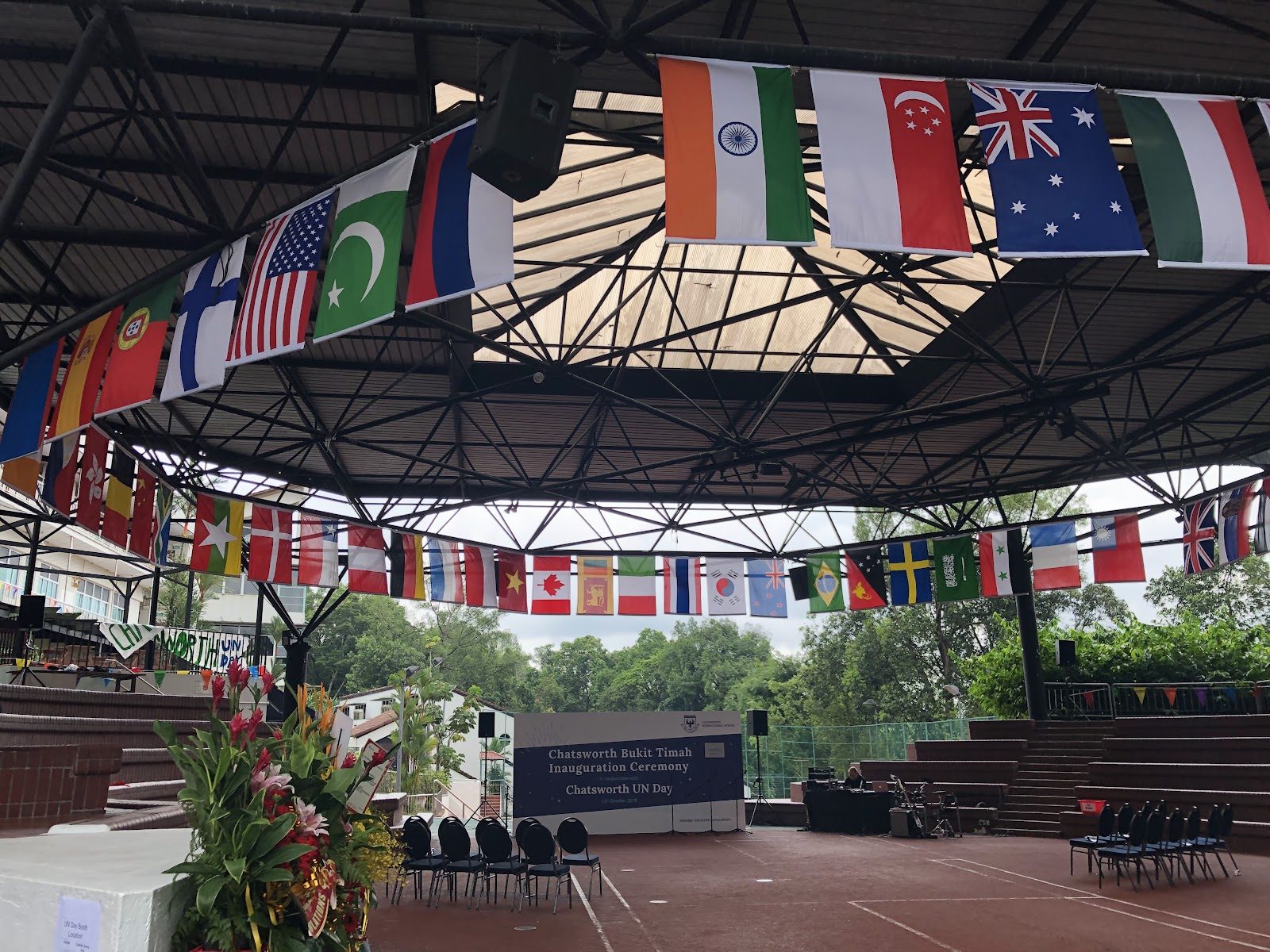
Chatsworth International School
Singapore · Singapore
Set beside Singapore's only tropical rainforest, a non-selective full IB continuum runs through a close-knit, village-like community.
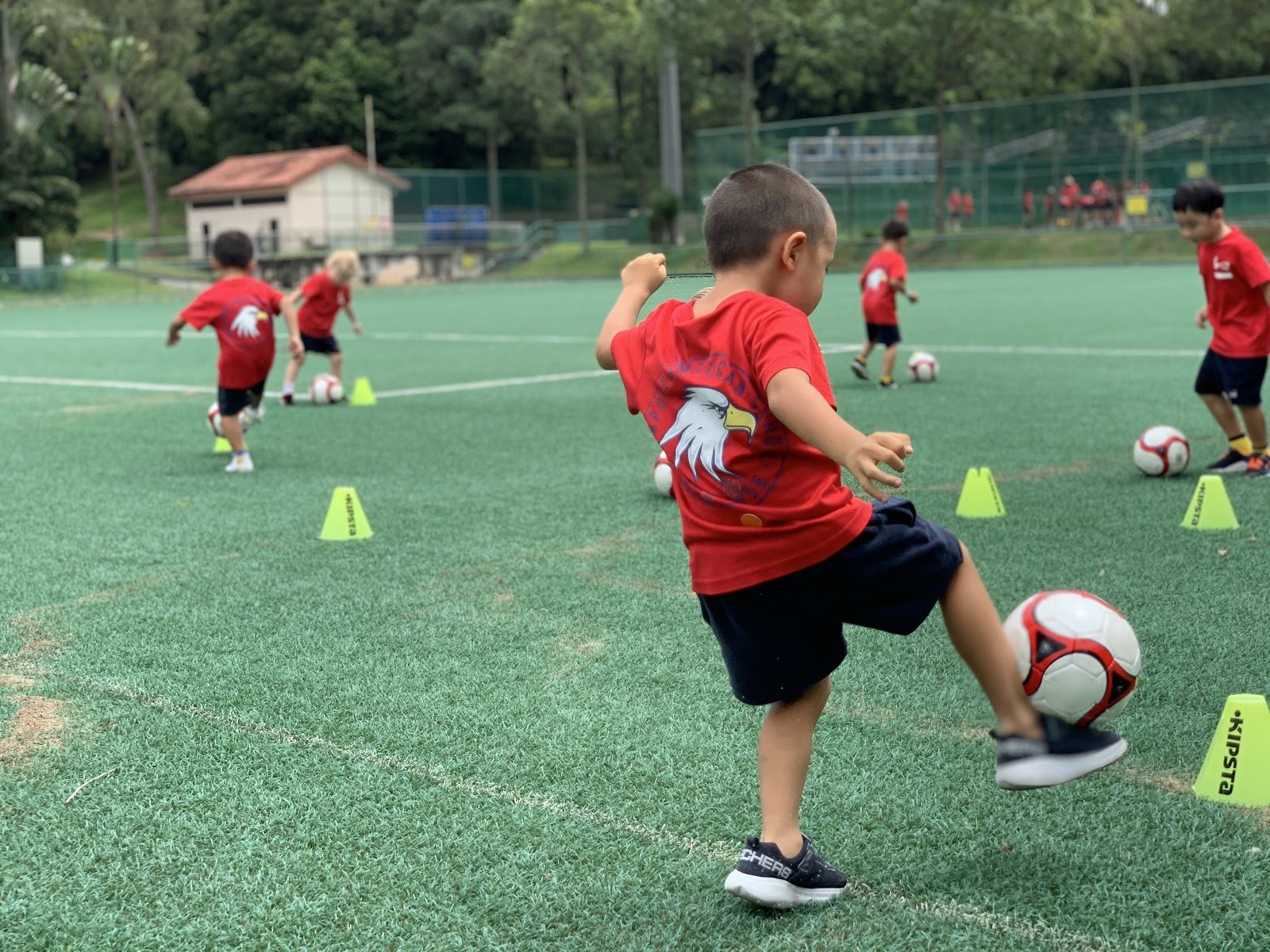
Singapore American School
Singapore · Singapore
A 36-acre Woodlands campus with a rainforest classroom and AP breadth, run on an American blueprint with IB rigor at the edges
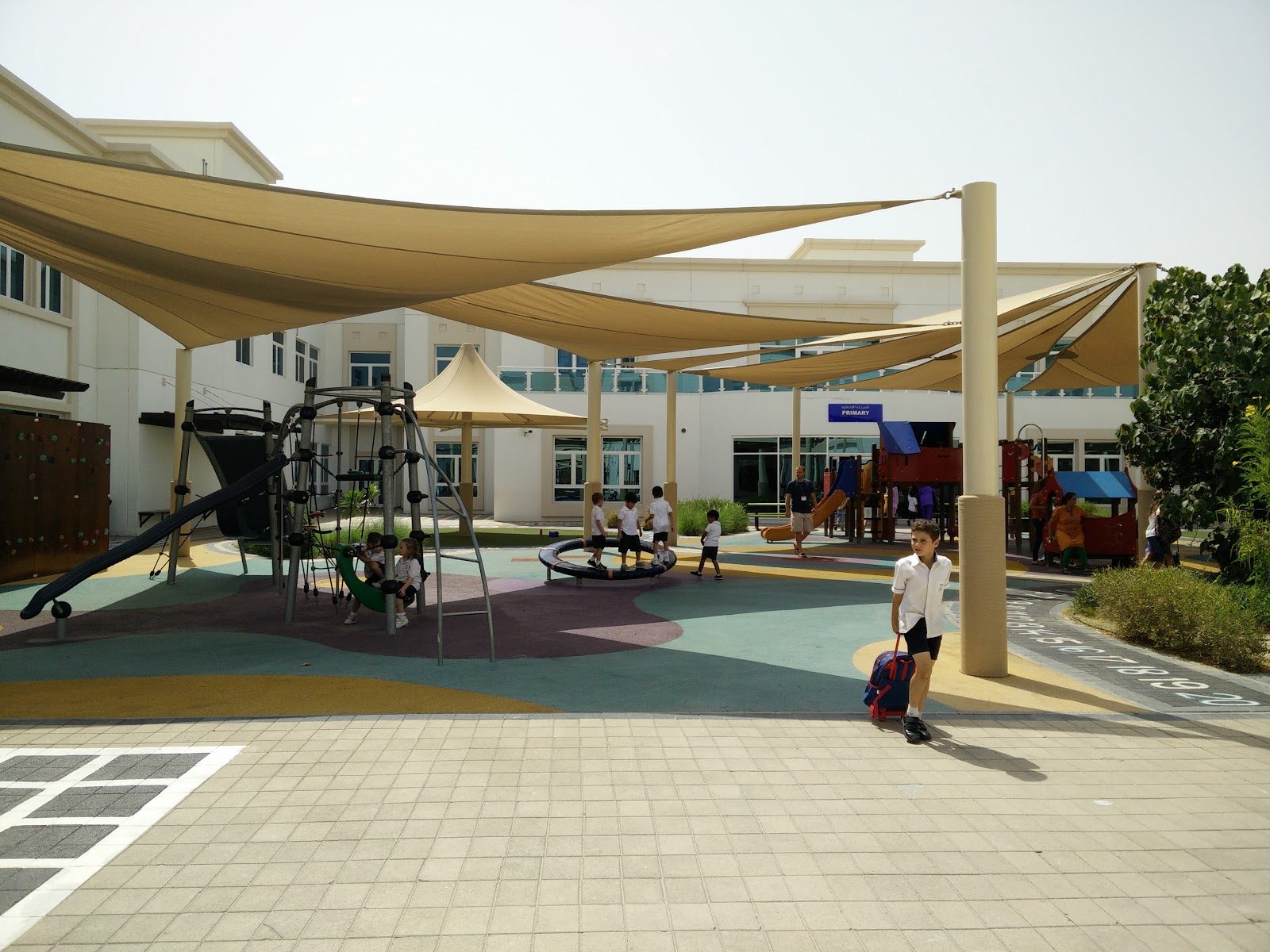
Uptown International School
Dubai · United Arab Emirates
In Mirdif, one of Dubai's earliest IB continuum schools pairs a notably strong Emirati cohort with deep-rooted support for students of determination.
UWC Atlantic
Llantwit Major · United Kingdom
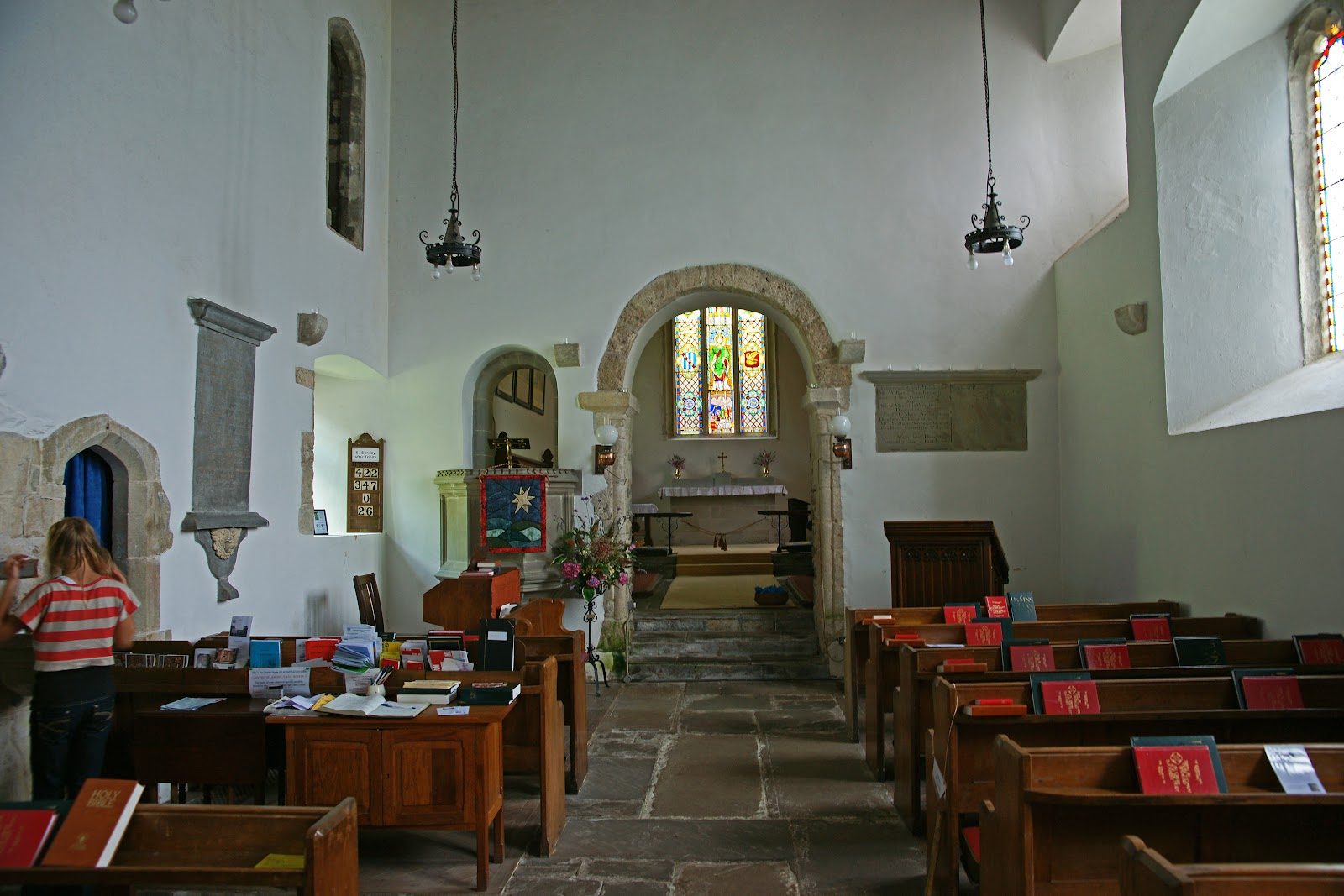
In a seafront medieval castle in Wales, the founding United World College still teaches the IB curriculum it helped invent.
Same country and curriculum — closest matches within ±10 points either way