
Ontario
Trinity College School
low confidence· 4/6 cats · 1 avg sourcesPredating Confederation itself, this Lake Ontario campus anchors ten storied houses around one of Canada's few AP Capstone diplomas.
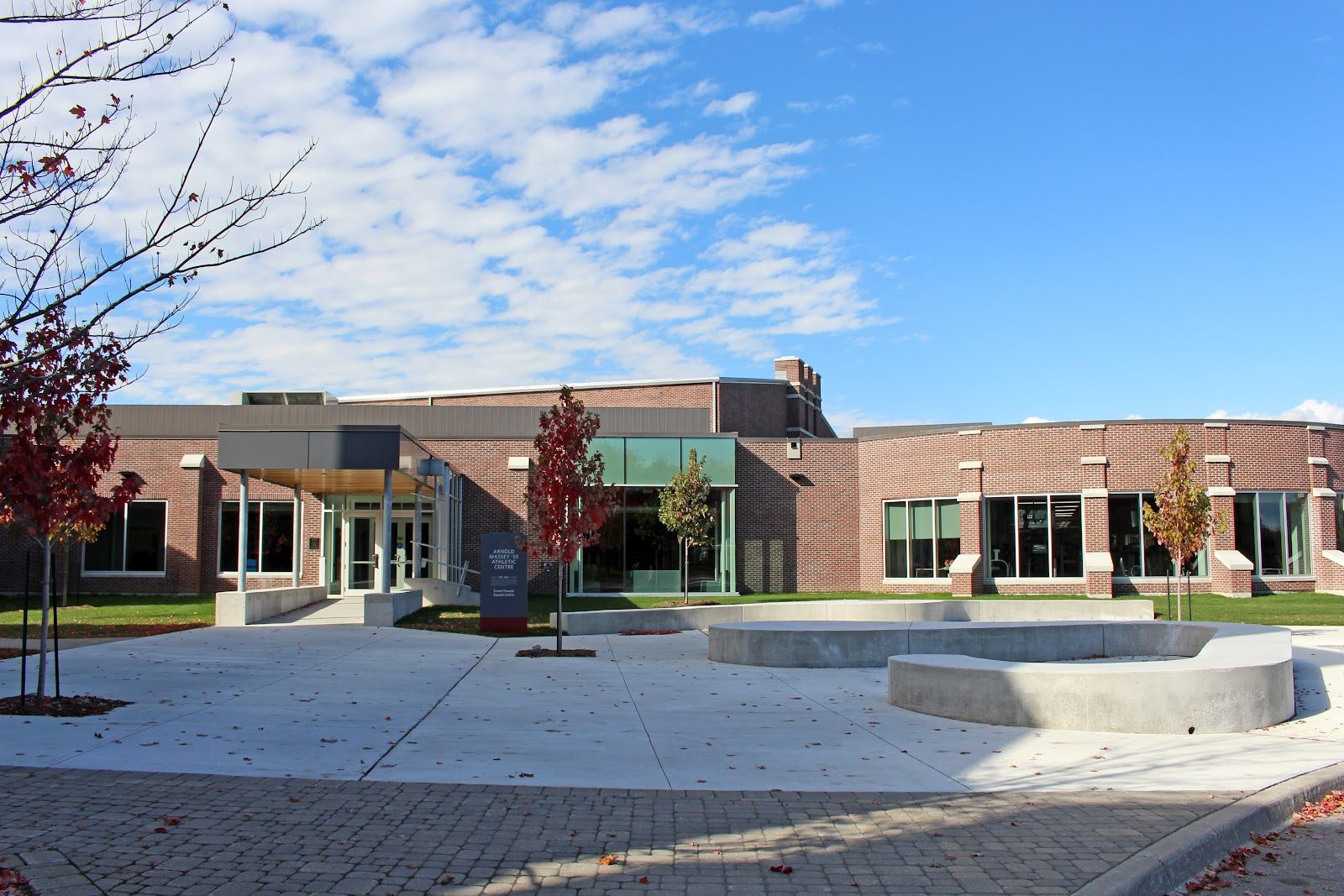
Photo © Trinity College School via Google Maps
Type
Both
Ages
10–18
Curriculum
Ontario
Qualifications
AP
Ratio
8:1
The Verdict
Editor's commitment
Right for
Families wanting a 1865 Anglican school with Grades 5–12, a 100-acre Port Hope campus and boarding at the centre.
Wrong for
Parents after a huge urban school or non-boarding culture; the Senior School has about 500 students and 60% are boarders.
Watch out for
Day fees average CAD 41,250 and boarding CAD 83,000; this CAIS, Round Square and TABS school charges at the top end.
Ranking breakdown
Trinity College School · #387 of 1591
Composite score 70.8. 8 weighted criteria.
By criterion
Academic Outcomes
Weight 20%
#511
of 1529 scored
University Placement
Weight 16%
#516
of 1529 scored
Prestige & Heritage
Weight 12%
#372
of 1571 scored
Alumni Network
Weight 12%
#231
of 1530 scored
Facilities
Weight 12%
#392
of 1534 scored
Transparency & Communications
Weight 8%
#592
of 1532 scored
Peer & Industry Review
Weight 10%
#604
of 1548 scored
Admissions Selectivity & Demand
Weight 8%
#438
of 1529 scored
Peer & Industry Review
How Trinity College School is regarded in the sector
75
Strong · medium confidence
Trinity College School is one of Canada's oldest and most established boarding/day schools, consistently listed among Canada's top private schools in independent rankings and guides (e.g., Our Kids, Canadian private school directories) and is a member of Round Square and CAIS, signaling strong peer recognition. It has a notable alumni network including business leaders and Olympic athletes, and is frequently referenced in Canadian private-school comparison media, though it receives less international press coverage (e.g., Tatler, Good Schools Guide) than UK or globally-focused institutions.
Evidence sources
Editors' overview
Ten houses on a 100-acre campus give Trinity College School a shape and rhythm that few Canadian schools can match. This is not a suburban day school with a boarding wing bolted on. It is a full boarding-and-day institution in Port Hope, an hour east of Toronto, founded in 1865 and built around the habits of residential school life. The split matters: the senior school covers Grades 9 to 12 with about 500 students, and 60 per cent are boarders; the junior school covers Grades 5 to 8 with just over 100 day students. Parents looking for a serious boarding culture rather than a token one will find it here.
What puts TCS on a shortlist is its combination of age, scale and structure. Canada has no shortage of independent schools, but few have this depth of institutional memory, this level of boarding critical mass, and this kind of campus setting on Lake Ontario. The school declares the Ontario curriculum, teaches in English, and carries accreditations that matter in its market: CAIS, Round Square, TABS and OSSD. Its Anglican foundation still forms part of the school’s identity, though the stronger practical point for most families is the house system and the social architecture that grows from it. The editorial tagline’s reference to one of Canada’s few AP Capstone diplomas adds another layer of distinction, though families should note that the school does not publish enough here to judge AP outcomes in aggregate. Fees place it firmly in the premium bracket: an average CAD 83,000 a year for boarding and CAD 41,250 for day places.
The right student for TCS is not hard to identify. This school suits children who want a structured, tradition-heavy environment, who will use a large campus properly, and who can handle the social intensity of house-based life. Boarders who value community, routine and institutional character will get more from it than students who want a loose, urban, sixth-form style experience. Day pupils need to buy into the same culture; the junior school’s day-only model then feeds into a senior school where boarding dominates the centre of gravity. For the right child, that creates a cohesive, high-commitment education. For the wrong one, it will feel too enclosed and too prescribed.
Academic Performance
Academic performance is the one area where Trinity College School asks families to trust reputation more than data. The school’s editorial profile points to one of Canada’s few AP Capstone offerings, which matters: AP Capstone adds research and seminar components that sit above a standard menu of subject APs and signals a school willing to build a more academically serious extension for strong students. That places TCS in a narrower peer set than many Ontario independents. Yet the crucial numbers are missing. We have not seen aggregate AP score distributions, AP participation rates, Diploma completion figures, university destination breakdowns, or province-wide outcome comparisons. For a school of this stature and price, that opacity is a material weakness.
Relative to peers, then, TCS sits in a strong but not fully proven bracket. The school has the scale, longevity and institutional confidence associated with established Canadian independents, and the presence of a recognised AP enrichment layer gives it more academic edge than schools content with the baseline provincial diploma alone. But parents comparing top-tier boarding and day schools need harder evidence than programme labels. Without published external-results data, TCS cannot claim the results-driven clarity offered by the best-reporting competitors. The working conclusion is plain: academically credible, enriched beyond the minimum, but insufficiently transparent where it matters most.
Facilities
The campus is the facility story. A waterfront boarding school with 10 houses and a 100-acre estate offers something many Canadian independents cannot: room for the full machinery of school life to happen on site rather than in borrowed municipal space or a tight urban footprint. For boarders, the houses are not decorative branding; they are the core infrastructure of supervision, belonging and routine. For day families, that matters too, because it means extracurricular life has a proper physical base and a social centre of gravity. Against peers, this is a serious residential plant, closer in spirit to established Anglo-Canadian boarding schools than to compact city schools with a dorm attached.
What we do not get is the level of facility disclosure that top schools now publish as standard. There is enough to identify scale and setting, but not enough to judge specialist provision with confidence: no clear public accounting of science labs, theatre and music spaces, design and technology workshops, athletic venues or high-performance training resources. That gap matters because competitors at this price point tend to document those assets in detail. So the verdict on facilities is split. The physical setting and house infrastructure are a genuine competitive strength and give TCS a distinctive sense of place. The specialist academic and sporting estate, by contrast, remains under-explained and hard to benchmark precisely.
Ten houses on a 100-acre campus give Trinity College School a shape and rhythm that few Canadian schools can match
Prestige
Trinity College School carries real national standing in a narrow Canadian category: the old, residential independent school with enough institutional heft to feel established rather than aspirational. In that market, prestige does not rest on glossy branding or urban visibility. It rests on durability, admissions selectivity, alumni loyalty, house culture and the confidence that comes from a boarding community large enough to shape the school’s identity. TCS has that. The senior school is dominated by boarders, and the house structure gives it the social gravity and tribal cohesion that parents associate with legacy boarding schools rather than standard fee-paying day schools. The campus scale reinforces that impression. A school spread across 100 acres with 10 houses projects permanence.
That said, TCS sits in the upper tier of reputation more securely than in the top tier of publicly evidenced outcomes. Its name carries weight in Canadian independent-school circles, and the combination of long history, Anglican roots and a substantial residential population gives it genuine old-school cachet. But prestige at this level needs academic disclosure to match the aura. The school does not publish the hard performance data that would turn esteem into proof. So the verdict is clear: TCS is prestigious because of institutional character, social architecture and market position, not because it has made an indisputable public case on results. That distinction matters for families paying CAD 83,000 for boarding.
Academic performance is the one area where Trinity College School asks families to trust reputation more than data
Communications
Parent communication at Trinity College School carries the same logic as the school itself: structured, communal and shaped by institutional routine. In a house-based senior environment where boarders form the centre of daily life, weak communication would create friction fast. The school therefore has strong incentive to keep parents informed about pastoral matters, schedules, expectations and the cadence of termly life. That structure works in TCS’s favour. Families are not dealing with a loose collection of departments; they are dealing with a school built around defined communities and established lines of oversight. For parents, that usually translates into a clearer sense of who holds responsibility when something goes wrong. The junior-to-senior transition also gives communication extra weight, because day families moving into a more residential culture need plain dealing and firm explanation, not vague reassurance.
The limitation is transparency at the top end. TCS communicates its identity and culture well; it communicates outcomes less well. That matters because communication is not only about event notices and pastoral updates. At this fee level, parents need publication of hard academic data, richer detail on specialist provision and a sharper public account of what students achieve. On that front, the school is too guarded. The same institutional confidence that strengthens tone can harden into unhelpful opacity. So the verdict is mixed: operational communication to families is disciplined and coherent; public-facing communication about performance is weaker than it should be for a school charging an average CAD 83,000 for boarding and CAD 41,250 for day places.
Uniqueness
What sets Trinity College School apart is not a single programme or selling point but a rare institutional mix: a junior school that feeds into a senior school whose culture is organised around boarding, houses and shared routine. In Canada, many independent schools offer fragments of that formula. Few sustain it as a whole. The result is a school with real internal coherence. Children do not move through a loose collection of classes and clubs; they enter a social system with clear loyalties, recurring rituals and an expectation of participation. The house structure is the key differentiator. With 10 houses, TCS can create smaller communities inside a larger school, which matters in adolescence: students get identity, oversight and belonging without the anonymity that bigger institutions can breed.
For students, that brings gains that are practical as much as atmospheric. A strong house system builds social resilience, leadership opportunities and a habit of contributing to communal life rather than consuming a service. The AP Capstone reference also gives the school an unusual academic signature within its national market, adding a research-led strand that sits well with a tradition-heavy setting. There is a trade-off. This is a high-commitment environment, and that intensity will not suit every child. Students who want independence without much institutional pull may chafe. Students who thrive on structure, shared standards and a school that asks a lot of them will get something more distinctive than a conventional fee-paying education.
Parent communication at Trinity College School carries the same logic as the school itself: structured, communal and shaped by institutional routine
Student Profile
The students who do best here are the ones who want to belong to something larger than their timetable. This school suits children who can live comfortably inside a visible social order: houses, rituals, expectations, supervision and the daily reality of sharing space with peers. In the senior years, where boarders make up 60% of the cohort, the centre of school life sits with students who are ready for communal intensity, constant participation and the give-and-take of residential living. That means resilience, social stamina and a tolerance for being known well by adults and peers alike. Self-contained, highly private children, or those who want to drift at the edges of school life, will find the culture too immersive.
There is also a clear age split in the intake. The junior years draw day families, then feed into a senior environment with a different social temperature and a stronger institutional pull. That transition will suit children who grow into structure and accept that independence here is earned inside a framework, not granted by default. The house system matters: with 10 houses, students are sorted into smaller communities that reward loyalty, contribution and healthy competitiveness. The best fit is a child who likes team identity, responds to high adult oversight, and has the confidence to throw themselves into a school that asks for commitment. This is a full-engagement place, not a loose fit for the casually enrolled.
But parents comparing top-tier boarding and day schools need harder evidence than programme labels
Co-curricular strengths
Arts & sport, on a separate axis
Overall 8.66/10
Scored 0-10 from the school's own published evidence. This axis is editorial-only — it does not feed the main WTS ranking.
Sports
9.6/10
Drama
9/10
Dance
6.5/10
Music
9.2/10
Visual Arts
9/10
Editor first-pass · editor-reviewable · 7/30/2026
Strengths
- +Founded in 1865, Trinity College School is one of Canada's oldest independent schools, with an established Anglican-founded history and alumni network dating back over 150 years.
- +The 100-acre Port Hope campus sits roughly one hour east of Toronto, giving boarding and day families reasonable access to a major international airport and city amenities.
- +The school offers a broad co-curricular liberal arts program with over 120 courses spanning academics, arts, athletics and service learning, per the school's own admissions material.
- +TCS awards more than 3 million CAD in bursaries annually, indicating a meaningful institutional commitment to need-based financial assistance for qualifying families.
- +Notable alumni include physician Sir William Osler and Booker Prize-winning novelist Yann Martel, evidencing a long track record of producing high-achieving graduates.
Considerations
- −Boarding fees run as high as 83,000 to 91,000 CAD per year for international students, placing the school firmly in the premium fee bracket even by Canadian boarding-school standards.
- −Although the school is coeducational overall, boarding and day houses are strictly single-sex, an important structural detail for families expecting mixed-house living or socializing.
- −The rural Port Hope setting, while within reach of Toronto, still means an hour's drive from the city, a consideration for families wanting frequent weekend access to urban life.
- −The school follows the Ontario curriculum rather than an international framework such as the IB, which may matter to expat families anticipating university applications outside Canada.
Availability
Primary entry gate & tests
SSAT + Interview
Gallery
Photo © Greg Banton via Google Maps
Photo © Jennifer Yuen via Google Maps
Photo © Jemma Konyecsni via Google Maps
Photo © Trinity College School via Google Maps
Photo © Trinity College School via Google Maps
Parent reviews
Have you sent your child here?
Voice reviews carry the strongest trust badge — we transcribe them for you to tidy up before they go live. Prefer to type? A written review is fine too.
Add your voice
In 60 seconds, tell other parents: what's the best thing about Trinity College School, and what surprised you when your child joined?
We ask for a Google sign-in so every review has a real face behind it — no anonymous drive-by attacks on schools, and no faked positive reviews. Your email is never shown publicly.
Send this profile to a friend
International parents rely on word-of-mouth. Share this review with someone weighing the same decision.
Schools with places
Similar schools to Trinity College School with places available now.
Ridley College
St Catharines · Canada
- 2026-27
- WAITPOOLLimited Lower/Middle day
- 2027-28
- PLACES OPENActive now
Appleby College
Oakville · Canada
- 2026-27
- CLOSEDRegular cycle closed
- 2027-28
- OPENS SOONOpens Sept '26
The York School
Toronto · Canada
- 2026-27
- CLOSEDRegular cycle closed
- 2027-28
- PLACES OPENActive now
Branksome Hall
Toronto · Canada
- 2026-27
- CLOSEDRegular cycle closed
- 2027-28
- PLACES OPENDay 1 Dec / boarding rolling
Availability first, then country, area, curriculum, price, co-curricular
Consider also
Also worth looking at alongside Trinity College School.
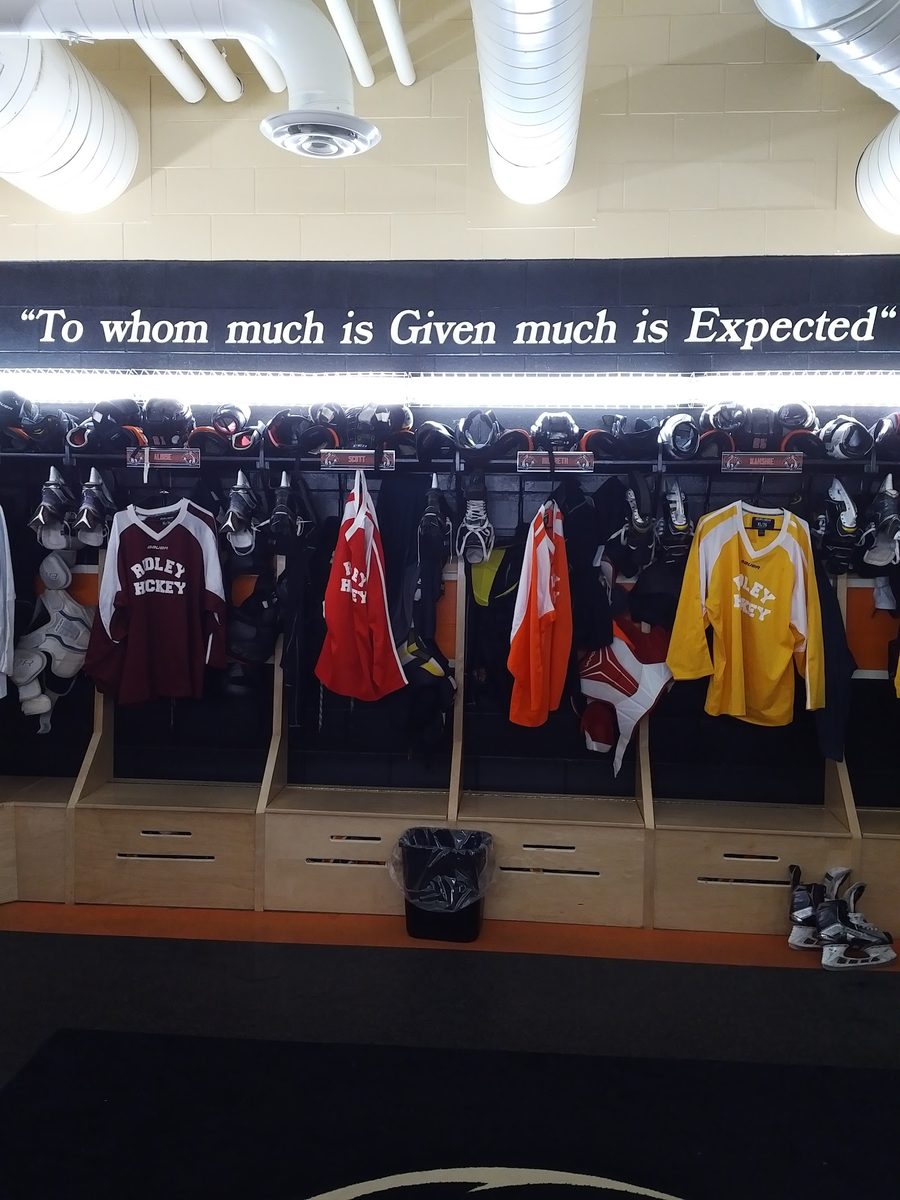
Ridley College
St Catharines · Canada
St Catharines day-and-boarding school blending Ontario's OSSD with the full IB continuum
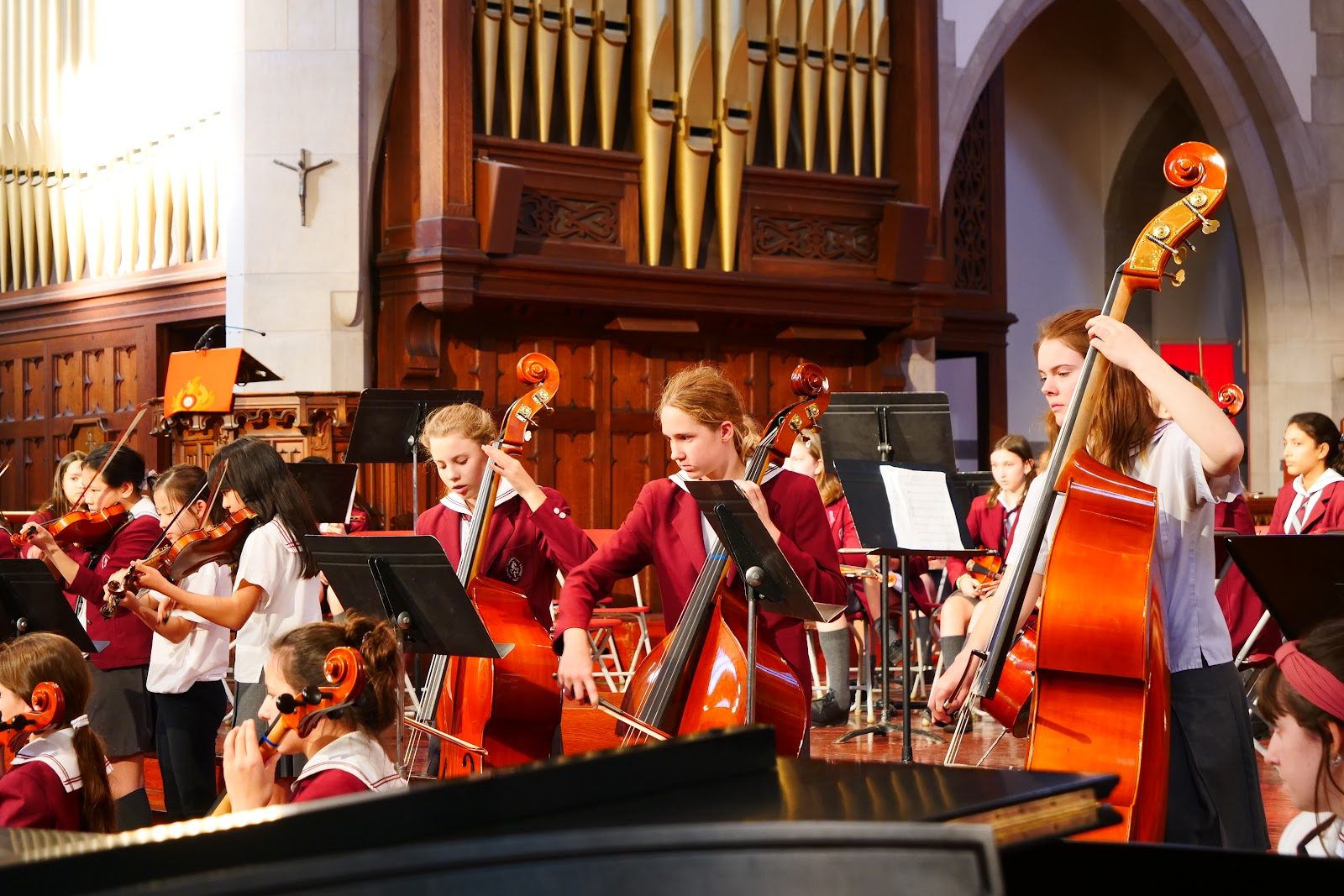
The Bishop Strachan School
Toronto · Canada
Founded in 1867 in Forest Hill, this Anglican school remains Canada's oldest continuously operating girls' day and boarding institution.
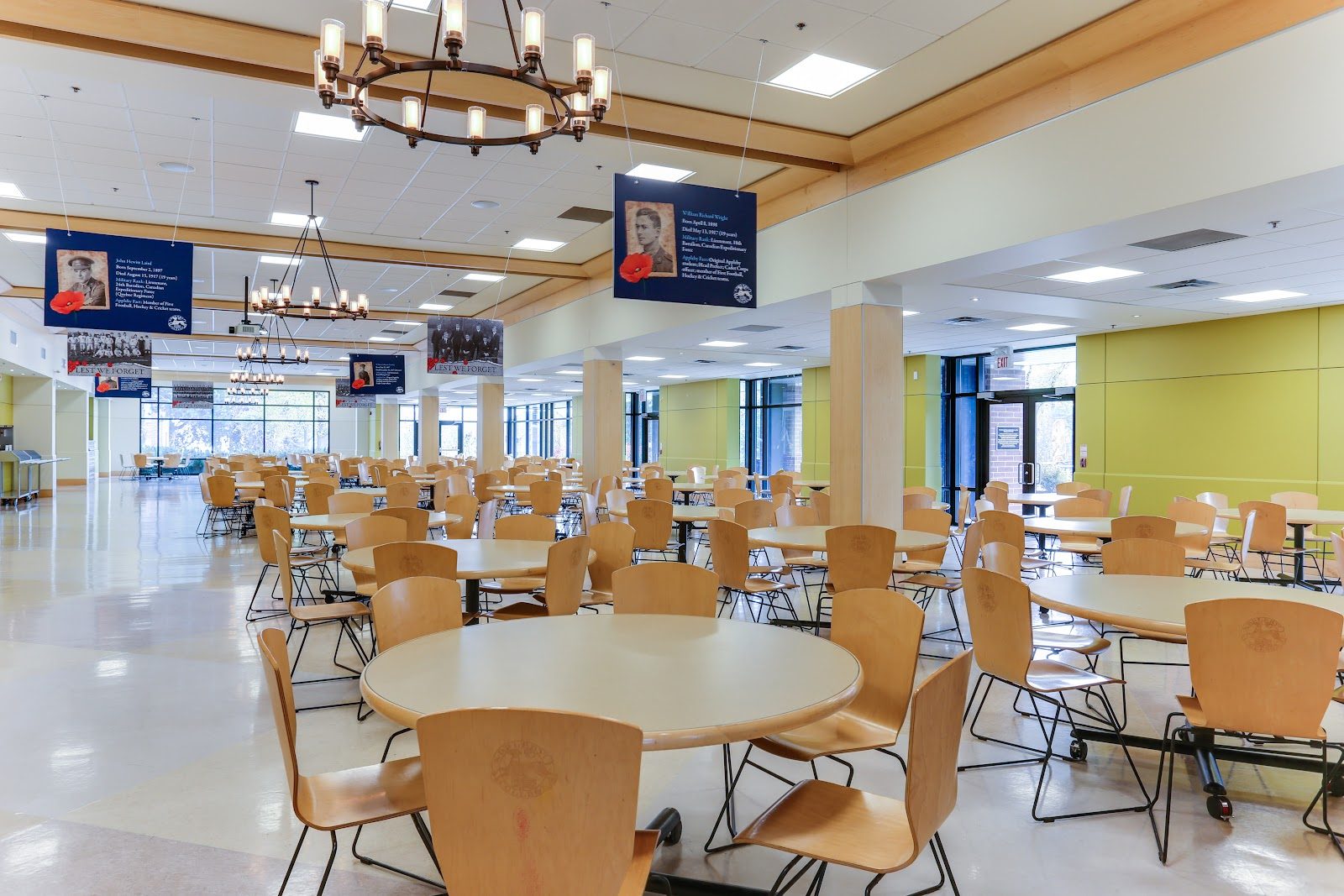
Appleby College
Oakville · Canada
A lakeside Oakville campus where every senior boards by tradition, and leadership training unfolds on a private island in Temagami.
St. George's School
Vancouver · Canada
Vancouver's only boys' boarding house pairs BC's diploma with IB and AP courses, then swaps desks for weeks in the backcountry.
Same country and curriculum — closest matches within ±10 points either way