
Delhi
Vasant Valley School
medium confidence· 4/6 cats · 1.5 avg sourcesFounded in Vasant Kunj by the India Today family in 1990, its classrooms run on no bells, only rhythm and process over outcome.
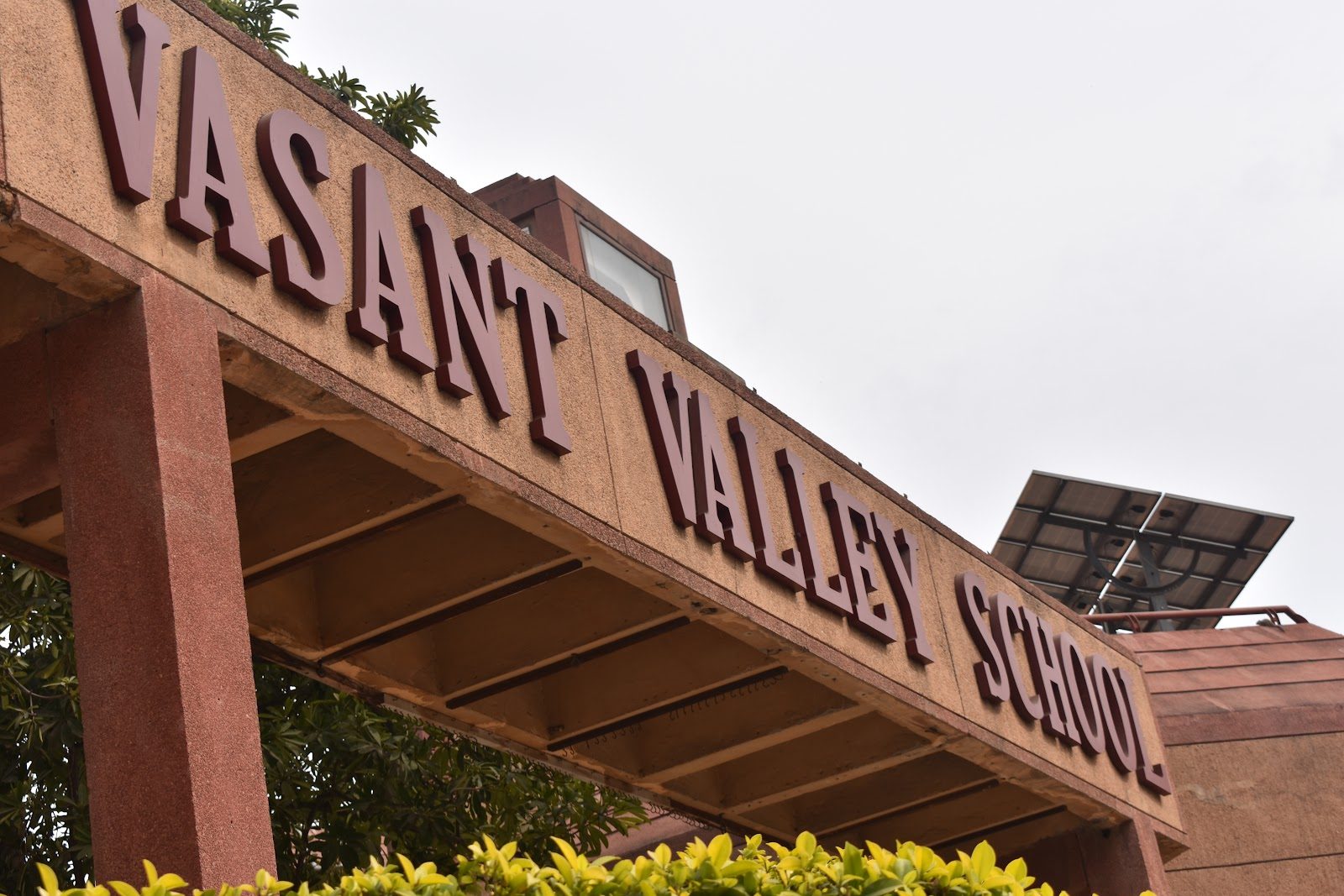
Photo © Zubin Mehra via Google Maps
Type
Day
Ages
3–18
Curriculum
Indian National
Qualifications
CBSE
Ratio
—
The Verdict
Editor's commitment
Right for
Families who want a New Delhi day school, founded in 1990, where CBSE sits alongside arts, sport and citizenship.
Wrong for
Parents chasing a narrow marks-first education at ages 3–18; Vasant Valley states process matters more than outcome.
Watch out for
The average annual fee is INR 240,276, and the no-bells culture demands self-management from children across this long day-school ladder.
Ranking breakdown
Vasant Valley School · #1156 of 1591
Composite score 59.8. 8 weighted criteria.
By criterion
Academic Outcomes
Weight 20%
#1050
of 1529 scored
University Placement
Weight 16%
#1089
of 1529 scored
Prestige & Heritage
Weight 12%
#1167
of 1571 scored
Alumni Network
Weight 12%
#951
of 1530 scored
Facilities
Weight 12%
#1255
of 1533 scored
Transparency & Communications
Weight 8%
#1154
of 1532 scored
Peer & Industry Review
Weight 10%
#1000
of 1548 scored
Admissions Selectivity & Demand
Weight 8%
#760
of 1529 scored
Peer & Industry Review
How Vasant Valley School is regarded in the sector
78
Strong · medium confidence
Vasant Valley School is consistently ranked among the top schools in Delhi/India in the annual Education World India School Rankings survey, a widely cited independent industry benchmark, and is frequently referenced in Indian press (Hindustan Times, Times of India) 'best schools' features alongside peers like Shri Ram School and Sanskriti School. It has a recognizable alumni network including prominent figures in business, media and politics, reinforcing its standing as a respected elite Delhi day school, though it lacks the international profile (Tatler, Good Schools Guide UK-style coverage) of globally benchmarked institutions.
Evidence sources
Editors' overview
No bells is a small detail, but it tells you a lot about Vasant Valley School. This is a school that has spent decades building culture through routine and expectation rather than noise and control. Founded in 1990 in Vasant Kunj, run by the Education Today Trust, and shaped early by Arun Kapur, who led the school for 30 years until 2020, Vasant Valley has a long-established identity in the Delhi market. The school’s stated hierarchy is plain: arts and sport matter as much as academics, and “being a good citizen” matters more than being a good student. That is not standard CBSE rhetoric. In a city full of schools that treat examination performance as the whole point, Vasant Valley has held to a clear-minded broader model.
That makes it distinctive, but also easier to misread. This is not an anti-academic school. It is a serious English-medium CBSE day school for ages 3 to 18, accredited by CBSE, with a leadership structure that is unusually deliberate: a principal, separate heads of junior and senior school, ten heads of department, and teacher coordinators overseeing cerebral, creative, physical, social-emotional and spiritual development. The machinery matters because the philosophy is ambitious. Schools talk loosely about holistic education; Vasant Valley has built it into its operating model. Parents who want a school that prizes process over rank-chasing, and gives the arts real status in the timetable and in the culture, will find that genuinely unusual.
The average annual day fee is 240,276 INR, which places Vasant Valley in Delhi’s premium day-school bracket without boarding-school inflation. Why shortlist it? Because it offers something harder to find than glossy facilities or slogan-heavy pastoral language: institutional coherence. The school knows what it is. It has carried that identity from its founding vision under Aroon and Rekha Purie through successive heads, with Rekha Krishnan serving from 2006 to March 2025 and Sharmila Bakshi now leading the school. For the right child, that consistency counts for more than fashionable add-ons.
The right child for Vasant Valley is bright, curious, articulate, and willing to engage beyond the exam script. Children who need constant external prodding, thrive only on competitive heat, or want a school built around relentless outcome display may find it too self-possessed and too disciplined in its ideals. Pupils who value intellectual independence, strong relationships with teachers, and a school culture that gives equal dignity to the stage, the playing field and the classroom will fit. Vasant Valley suits families who want substance over performance, and who understand that a school’s deepest quality lies in the habits it teaches every day, not in the claims it makes about itself.
Academic Performance
Vasant Valley does not publish aggregate board results, university destination tables, or the kind of subject-by-subject outcome data that lets parents benchmark a school cleanly against Delhi’s top academic names. That opacity matters. In a market where the strongest exam schools use results as proof, silence leaves parents to infer performance from reputation, selectivity and pupil progression rather than hard public evidence. The school’s own account puts heavy weight on arts, sport, citizenship and independent thought, and its leadership structure gives academic oversight real shape; none of that substitutes for disclosed results. If you want a school that shows its numbers, this is not it.
Where does that leave Vasant Valley relative to peers? In practical terms, it sits in the serious top-tier conversation for families who want strong academics without a school culture reduced to marks display. Its public philosophy rejects rank-chasing and treats academic success as one strand of a broader education, which marks it off from Delhi schools built around board-score theatre. That can be a strength, but it also means parents need more due diligence than the fee level alone justifies. The staff base of more than 150 teachers signals depth, and the school’s long-standing standing in the city signals sustained academic credibility. Still, without published aggregate exam data, Vasant Valley remains high-trust rather than high-transparency on academic performance.
Facilities
Facilities at Vasant Valley are best understood through the school’s operating priorities rather than a trophy list of buildings. The public picture points to a campus built to support breadth: arts, sport, special education and day-to-day academic life all have a defined place in the school’s structure. That matters more than a single showpiece block. The school runs with more than 150 teachers and an unusually explicit framework for cerebral, creative, physical, social-emotional and spiritual development; that only works if specialist spaces exist and are used consistently. The mention of a dedicated Special Section, sustained over many leadership cycles, also marks out provision that goes beyond token inclusion. In Delhi terms, that puts Vasant Valley in the serious all-rounder bracket rather than the exam-factory model where facilities outside classrooms exist but carry second-order status.
Against premium day-school peers, the strength here is institutional use, not published spectacle. Some rivals market auditoria, labs, pools and sports infrastructure with forensic detail; Vasant Valley does not. That restraint has an upside and a cost. The upside: the school’s identity does not rest on brochure architecture. The cost: parents do not get a clean public inventory of specialist rooms, performance venues, indoor sports provision or science infrastructure. So the verdict is clear. The facilities are strong enough to sustain a broad school culture with real weight in the arts and sport, but the school is opaque on specifics in a market where leading competitors disclose far more.
No bells is a small detail, but it tells you a lot about Vasant Valley School
Prestige
Vasant Valley carries real social and educational cachet in Delhi. Part of that rests on parent recognition: the Purie name, the school’s long entrenchment in the city’s upper professional circles, and a steady alumni base of more than 2000 graduates. Part rests on institutional seriousness. This is not a school trading on a single charismatic founder or a burst of recent branding. It has had durable leadership, a visible governance structure, more than 150 teachers, and an internal model that gives the arts, sport and citizenship equal billing with academic work. That combination matters. Prestige in Indian schooling does not come only from exam tables; it also comes from who wants entry, who stays loyal, and whether the school has built a culture that other schools talk about but do not execute.
Why not rate it even higher? Because top-flight prestige needs public proof as well as private regard. Vasant Valley has the name recognition, the fee level, the leadership depth and the social standing of a first-rank day school, but it does not publish the outcome data that would lock in unanswerable academic authority. That keeps its prestige in the high-trust, insider-led category rather than the fully evidenced category. For many Delhi families, that distinction will not matter: the school’s reputation is already secure. For hard-nosed parents comparing elite options, it does. The result is a school with substantial prestige and enduring pull, but not one that closes the argument with numbers.
In practical terms, it sits in the serious top-tier conversation for families who want strong academics without a school culture reduced to marks display
Communications
Vasant Valley communicates with parents through a layered institutional structure rather than a single front-facing personality. That has strengths. The school publishes a clear leadership map, with a principal, junior and senior school heads, an administrative head, and 10 heads of department working with year-group coordinators. For parents, that matters because accountability has named owners. The site also keeps practical routes visible: parent login, ERP access, school email and contact channels are easy to find, and the admissions and FAQ architecture is straightforward. This is process-led communication, not charisma-led communication. It fits the school’s culture: ordered, deliberate, and more interested in systems than performance.
The limitation is public-facing thinness. For a premium school with a strong market position, Vasant Valley discloses less than it should. Parents get philosophy, governance and staff-development language in abundance, but less hard operational detail on outcomes, facilities and the daily mechanics that matter once a child is enrolled. That does not mean communication with existing families is weak; the presence of portals and a defined internal hierarchy points the other way. It does mean outsiders must do more work before they can judge the school cleanly. The verdict: communication is internally serious and probably efficient for current parents, but selective in what it chooses to publish. That is effective administration, not full transparency.
Uniqueness
What marks Vasant Valley out is not a single programme or prestige signal, but a settled theory of schooling carried through the institution with unusual discipline. The school gives arts and sport equal status with academic work, and places citizenship above narrow scholastic display. Plenty of schools print that sentiment; few build their organisation around it. Here, development is divided across five domains — cerebral, creative, physical, social-emotional and spiritual — with teacher coordinators responsible for each. That is a structural commitment, not a slogan. The no-bells culture fits the same pattern: pupils are expected to regulate themselves, move with purpose and absorb rhythm through habit rather than command. For students, that brings a schooling experience that is less performative, more internally demanding, and stronger on judgement, independence and community conduct than schools driven by constant external prompting.
A second point of difference lies in staff culture. With more than 150 teachers, and a teacher-enrichment model that runs through the year and reaches beyond pedagogy into counselling, mindfulness, art and literature, Vasant Valley treats adults as learners too. The school also states that its staff includes NCERT and CBSE content creators, advisers, writers, musicians, theatre artists and sportspersons. That breadth matters. Students gain from teachers who do more than deliver a syllabus: they mentor, model intellectual range and give the co-curricular life real authority. The result is a school whose distinctiveness sits in institutional habits, serious adult culture and an education that gives equal dignity to the classroom, the stage and the field.
Because top-flight prestige needs public proof as well as private regard
Student Profile
The students who thrive here are self-directed, verbally confident and willing to take responsibility for their own conduct. A school built around no bells, cross-domain development and a clear moral idea of education does not suit children who need constant prompting or who measure their worth by public scorekeeping. It suits pupils who can handle autonomy without drifting, who enjoy the serious business of discussion, rehearsal, practice and reflection, and who will use a broad school day rather than hide inside the narrow safety of exam technique. The presence of more than 150 teachers, including practitioners from the arts, sport and writing, also points to a student body expected to engage with adults as mentors, not just subject deliverers.
Socially, this is a strong fit for children who can live inside a high-expectation culture without needing theatrics, bells or institutional hand-holding. The school’s long-running emphasis on citizenship matters here: bright but self-absorbed children, chronic coasters and status-driven competitors will test the limits of the culture fast. Pupils who do best are curious, collaborative and internally motivated; they can move between classroom work, performance, games and community life without treating any of those as decorative extras. For the right family, that mix is deeply civilising. For children who want relentless external pressure, constant ranking signals or a more transactional route through school, it is the wrong fit.
This is a school that has spent decades building culture through routine and expectation rather than noise and control
Co-curricular strengths
Arts & sport, on a separate axis
Overall 8.22/10
Scored 0-10 from the school's own published evidence. This axis is editorial-only — it does not feed the main WTS ranking.
Sports
8.2/10
Drama
8.2/10
Dance
8/10
Music
8.3/10
Visual Arts
8.4/10
Editor first-pass · editor-reviewable · 7/30/2026
Strengths
- +Established in 1990 on a spacious campus in Vasant Vihar, New Delhi, giving it more green space and sporting facilities than many central Delhi day schools.
- +CBSE-affiliated with a long-standing reputation for a strong arts, drama and music programme alongside academics.
- +Attracts a well-connected, cosmopolitan Delhi parent body, including diplomatic and business families, which supports an active alumni and community network.
- +Known for early emphasis on environmental education and community service as part of the school ethos.
- +Single, purpose-built campus (rather than a split-site setup) simplifies logistics for day students across primary and senior years.
Considerations
- −Entry, especially at Nursery/KG level, is highly competitive with a lengthy waitlist; lateral entry into senior years is limited.
- −As a CBSE day school, it does not offer IB or A-Level pathways, which may not suit families anticipating a return to UK/US systems.
- −Being centrally located in Vasant Vihar, daily commute times can be significant for families based in Gurgaon, Noida or other NCR suburbs.
- −Fee levels are not publicly itemised on the school website in a way that allows independent verification against other Delhi private schools.
Availability
Primary entry gate & tests
Academic Record
Gallery
Photo © Zubin Mehra via Google Maps
Photo © Zubin Mehra via Google Maps
Photo © Zubin Mehra via Google Maps
Photo © subhash chander Tandon via Google Maps
Photo © Sajid Wazir via Google Maps
Parent reviews
Have you sent your child here?
Voice reviews carry the strongest trust badge — we transcribe them for you to tidy up before they go live. Prefer to type? A written review is fine too.
Add your voice
In 60 seconds, tell other parents: what's the best thing about Vasant Valley School, and what surprised you when your child joined?
We ask for a Google sign-in so every review has a real face behind it — no anonymous drive-by attacks on schools, and no faked positive reviews. Your email is never shown publicly.
Send this profile to a friend
International parents rely on word-of-mouth. Share this review with someone weighing the same decision.
Schools with places
Similar schools to Vasant Valley School with places available now.
Availability first, then country, area, curriculum, price, co-curricular
Consider also
Also worth looking at alongside Vasant Valley School.
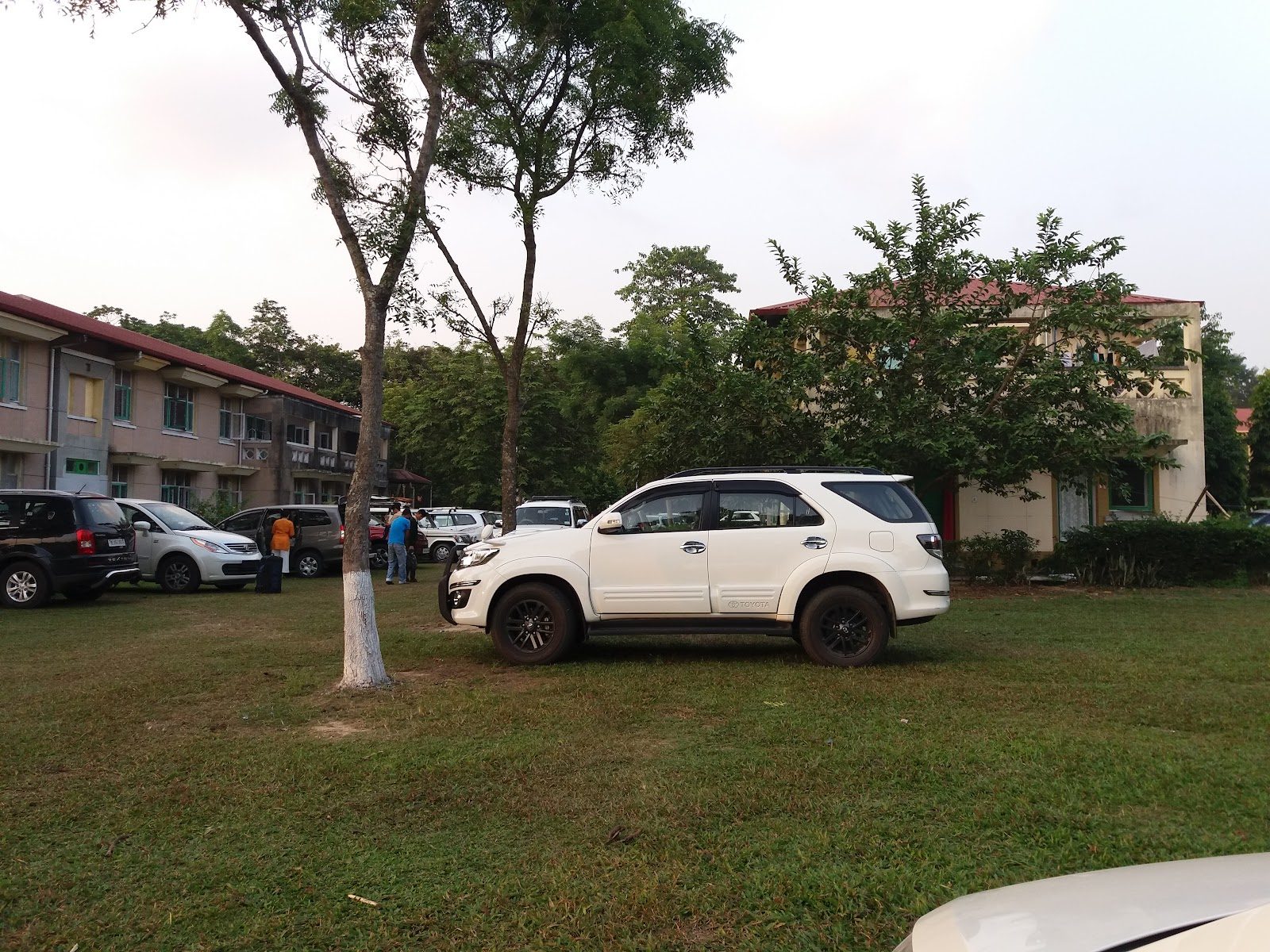
Assam Valley School
Balipara · India
Set inside a working tea estate in Sonitpur, this co-ed boarder carries the Williamson Magor legacy into North-East India's only pan-Indian residential school.
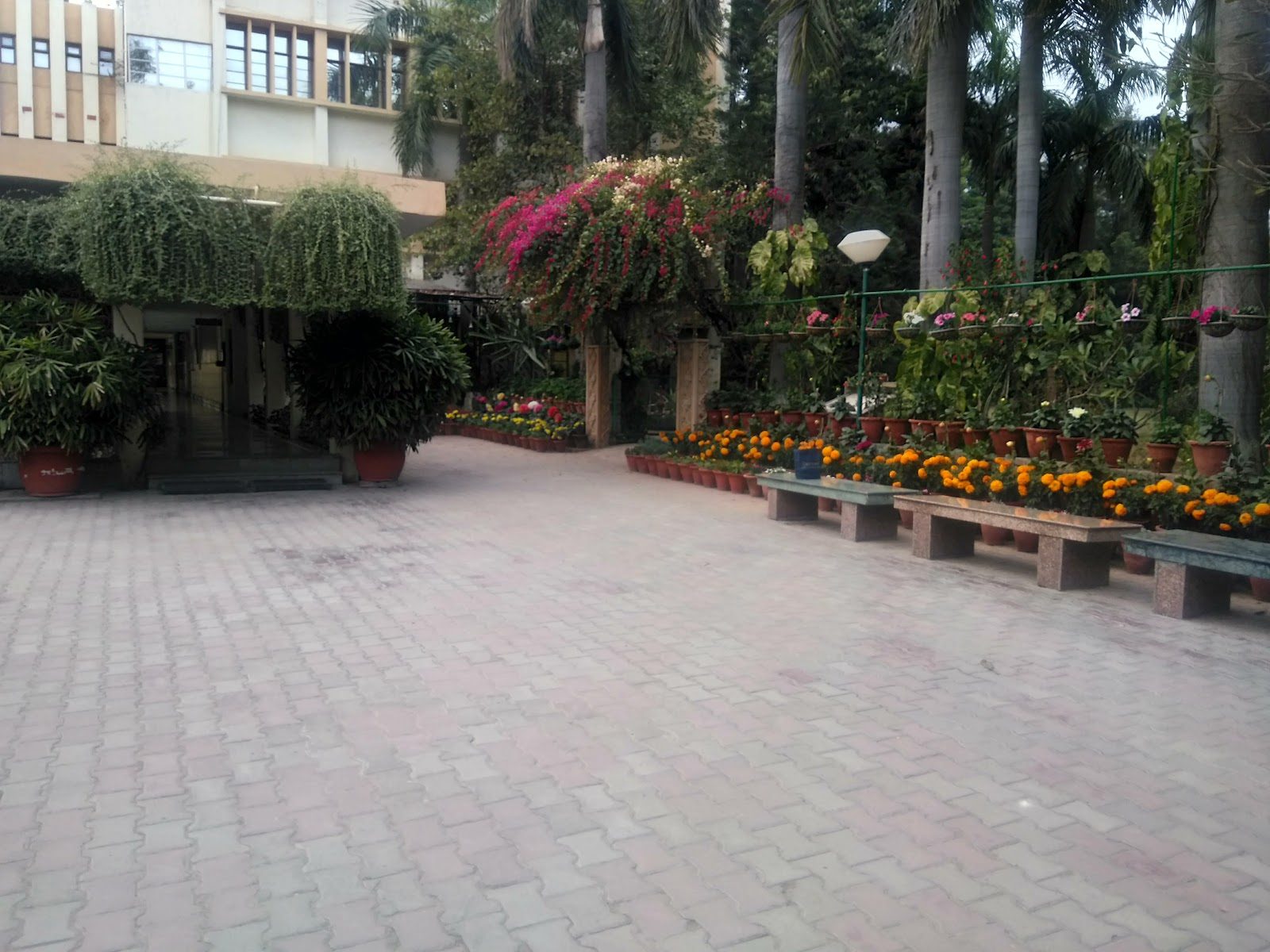
Sardar Patel Vidyalaya
New Delhi · India
In Lodi Estate, primary classes run in Hindi, not English -- a stance no other private school in India makes.
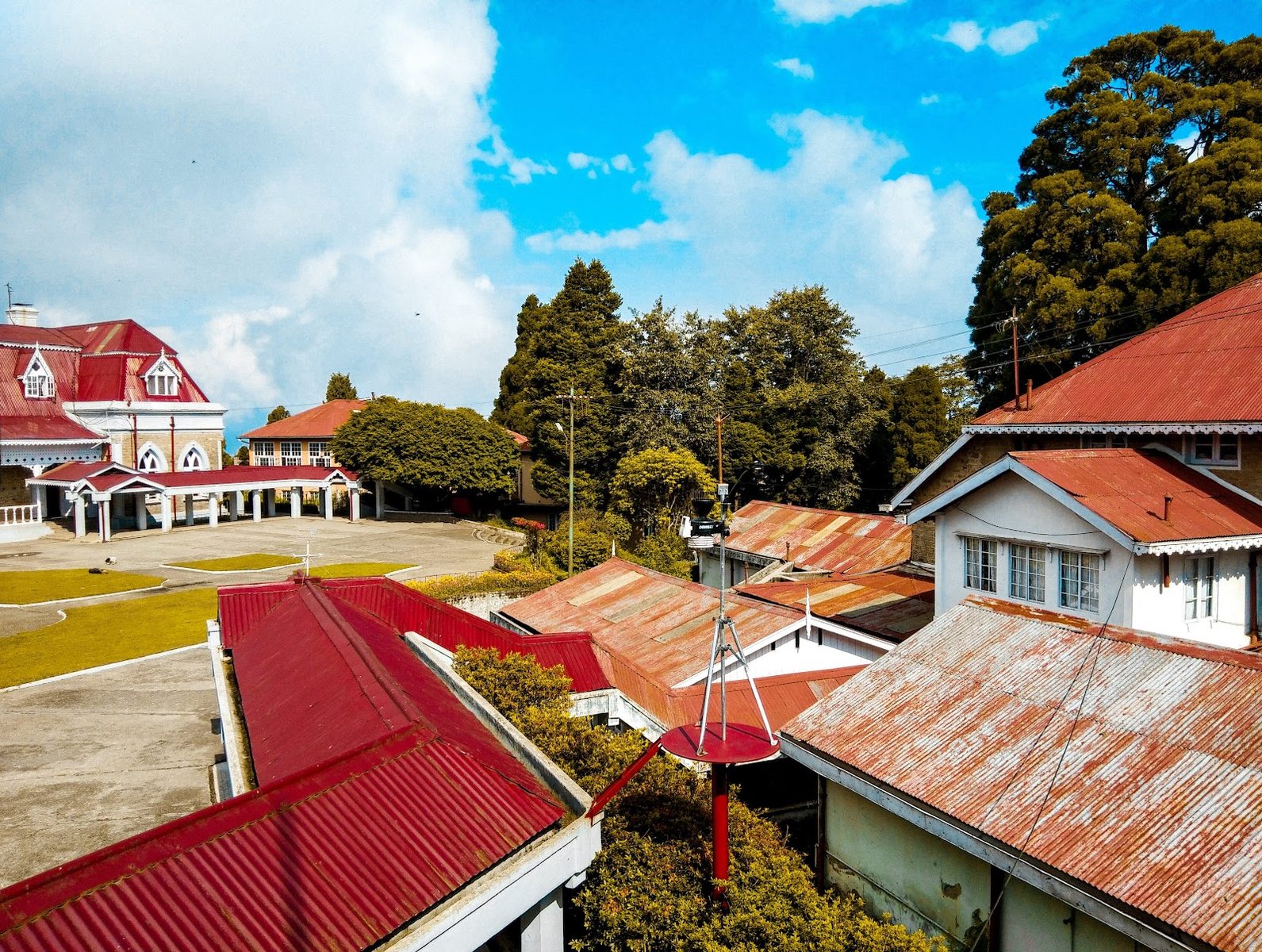
St. Paul's School, Darjeeling
Darjeeling · India
Founded in 1823 and perched near 7,600 feet in the Jalapahar hills, this boys' boarding school still runs on a century-old house system.
Bishop Cotton School
Shimla · India
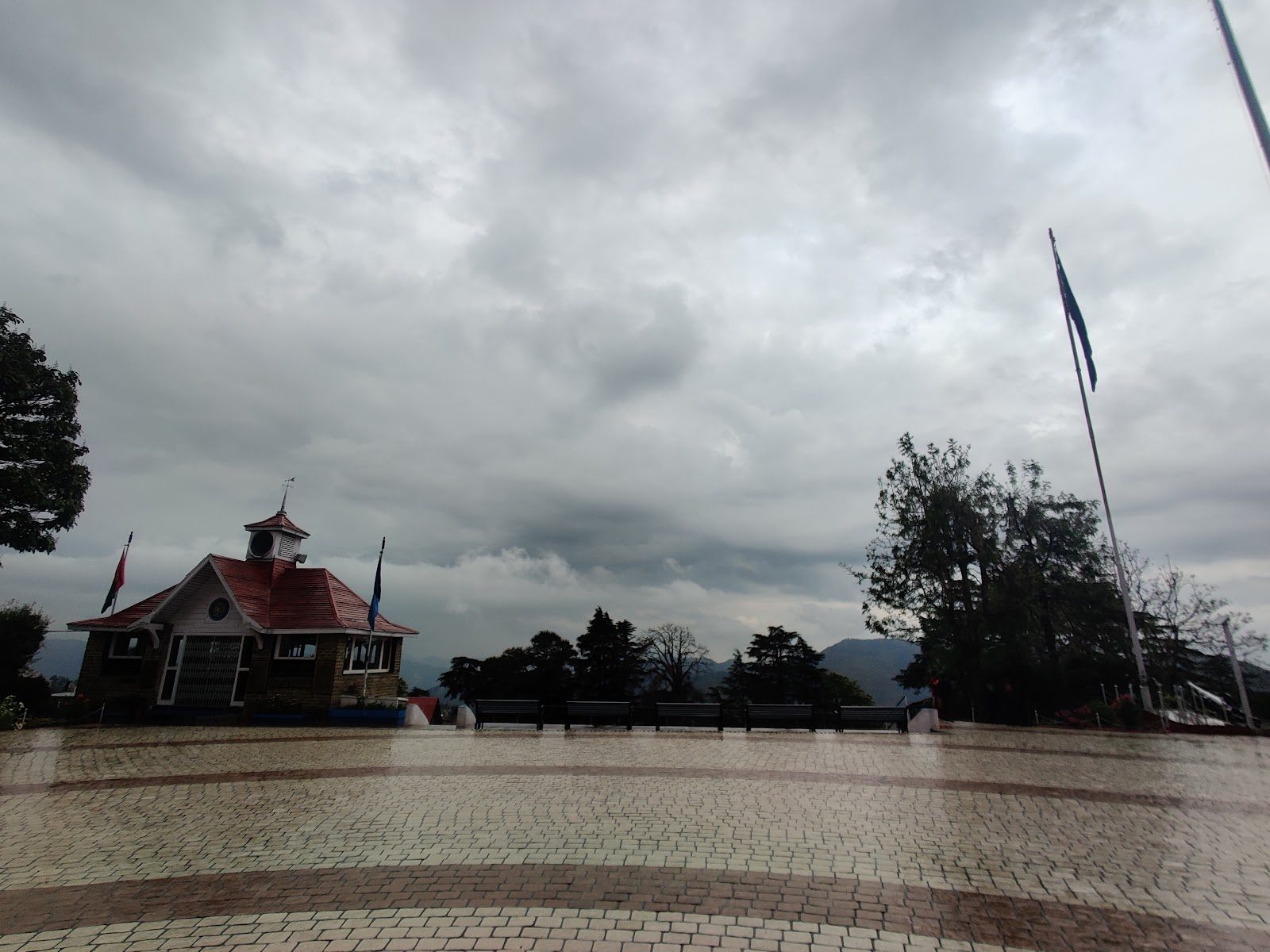
Perched on a Himalayan ridge since 1859, this all-boys campus pioneered India's first house system of schooling.
Same country and curriculum — closest matches within ±10 points either way