
West Bengal
St. Paul's School, Darjeeling
medium confidence· 4/6 cats · 2 avg sourcesFounded in 1823 and perched near 7,600 feet in the Jalapahar hills, this boys' boarding school still runs on a century-old house system.
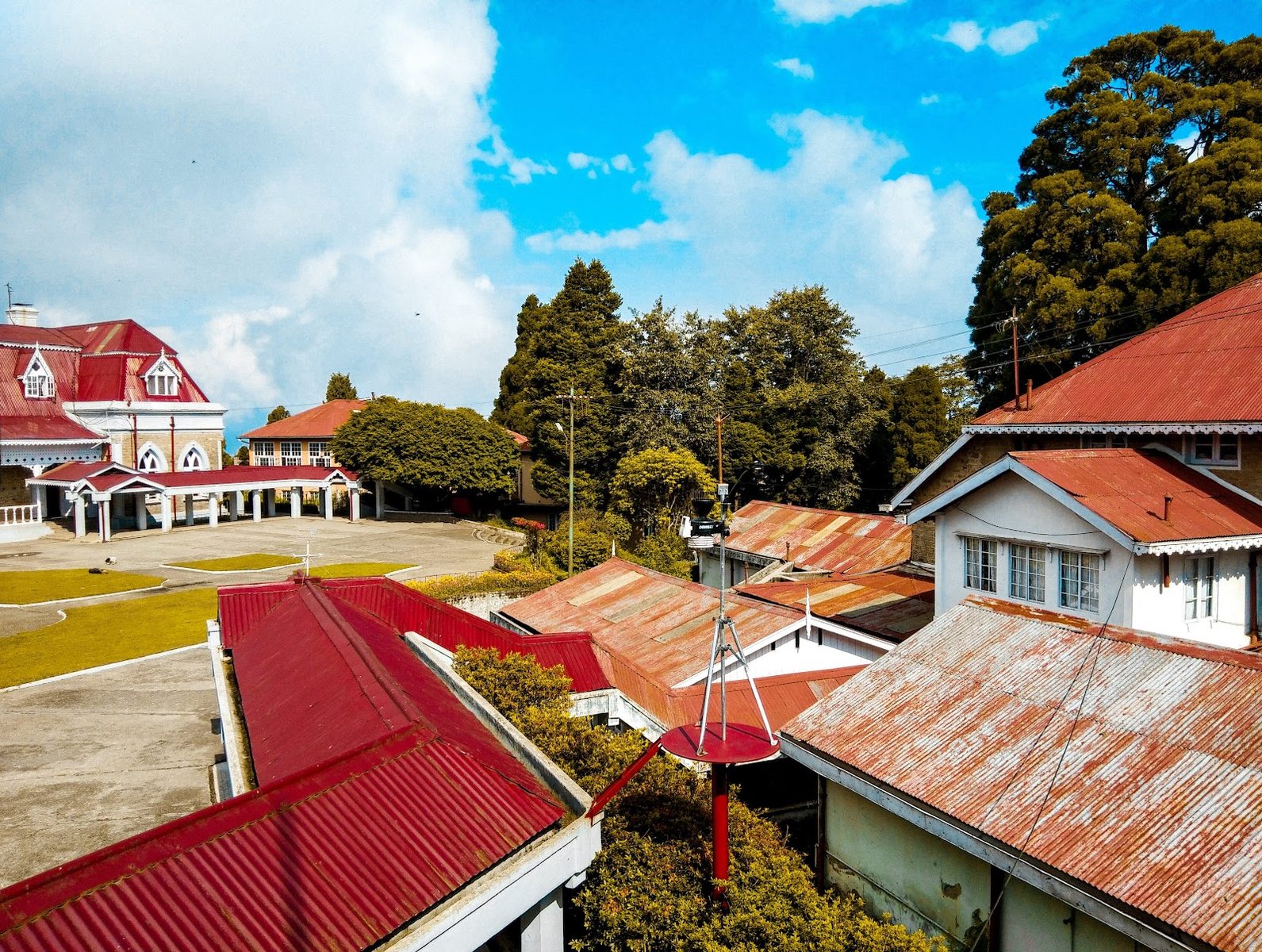
Photo © Akshat Anunay via Google Maps
Type
Boarding
Ages
10–18
Curriculum
Indian National
Qualifications
ICSE · ISC
Ratio
—
The Verdict
Editor's commitment
Right for
Boys aged 10–18 who want full boarding in Darjeeling, ICSE to Class 10 and ISC in Sixth Form.
Wrong for
Girls, day pupils, and families wanting co-education, IB or A Levels; St. Paul's is a boys' boarding school.
Watch out for
Founded in 1823 and accredited by CISCE and HMC, it trades on old-school prestige; the school does not publish outcome data here.
Ranking breakdown
St. Paul's School, Darjeeling · #883 of 1591
Composite score 63.9. 8 weighted criteria.
By criterion
Academic Outcomes
Weight 20%
#959
of 1529 scored
University Placement
Weight 16%
#965
of 1529 scored
Prestige & Heritage
Weight 12%
#734
of 1571 scored
Alumni Network
Weight 12%
#481
of 1530 scored
Facilities
Weight 12%
#1054
of 1533 scored
Transparency & Communications
Weight 8%
#1019
of 1532 scored
Peer & Industry Review
Weight 10%
#893
of 1548 scored
Admissions Selectivity & Demand
Weight 8%
#726
of 1529 scored
Peer & Industry Review
How St. Paul's School, Darjeeling is regarded in the sector
72
Respected · medium confidence
St. Paul's School, Darjeeling is one of India's oldest and most prestigious boarding schools, frequently cited in Indian and international press as among the top heritage boarding schools alongside The Doon School, Mayo College, and Bishop Cotton. It has a notable alumni network including figures in Indian politics, business, and the arts, and is regularly referenced in 'best boarding schools of India' listicles in outlets like Outlook, India Today, and Condé Nast Traveller India, though it lacks the frequency of specialist Western press coverage (e.g., Tatler, Good Schools Guide) that better-known international schools receive.
Evidence sources
Editors' overview
St. Paul’s School, Darjeeling trades on assets that newer Indian boarding schools cannot manufacture: age, altitude and ritual. Founded in 1823, it is one of the oldest boarding schools in Asia, set at roughly 7,600 feet in the Jalapahar hills above Darjeeling. That geography matters. The school offers physical remove, a cooler climate and a campus life shaped by enclosure and routine rather than city distraction. It is a boys’ boarding school with Christian roots, teaching in English and following the Indian National pathway through ICSE to Class 10 and ISC in the sixth form years. The old house system is not decorative. It structures loyalty, competition and social life in a way that gives the school its deep sense of continuity and ceremonial confidence.
What distinguishes St. Paul’s is not curricular innovation but institutional character. Parents looking for glossy claims about “future-ready learning” will find a less fashionable proposition here: tradition, discipline, pastoral containment and a strong inherited culture. The school’s “Eton of the East” label is famous, but the useful point is narrower. St. Paul’s offers a classic Anglophone boarding model in an Indian setting, with the social codes, hierarchy and communal expectations that come with that. That will suit families who want serious boarding structure, old-school independence and a school life built around collective identity rather than constant parental management. It will not suit parents who want a progressive, co-educational, high-transparency academic brand with extensive published outcome data. The school does not trade in that language, and families should not expect it.
This school belongs on a shortlist for boys aged 10–18 who will thrive in a traditional residential environment and do not need continual hand-holding. The right student is robust, sociable, game for house loyalties, and comfortable with rules, routine and a strong institutional personality. He will value mountain-top seclusion, earned self-reliance and the prestige that attaches to one of India’s old boarding names. Boys who need a softer culture, extensive curricular choice or a more modern pastoral style will find stronger fits elsewhere. For the family that wants heritage, containment and a boarding education with real backbone, St. Paul’s remains a compelling contender.
Academic Performance
St. Paul’s does not publish the kind of exam dashboard that allows clean comparison with India’s most data-forward independent schools. We have not seen aggregate ICSE or ISC score distributions, subject toppers across multiple years, university destinations tied to grades, or value-added analysis. That matters. In a market where stronger academic operators now put hard numbers into the public domain, St. Paul’s asks parents to buy into reputation and institutional longevity without the same level of proof. For a school with such a commanding legacy, that opacity is a weakness. It does not mean weak results; it means results without public scrutiny.
Relative to peers, St. Paul’s sits in the category of old, brand-name boarding schools whose academic standing rests as much on selectivity, culture and expectation as on published performance metrics. Entrance tests are held every September, which tells parents the school controls intake rather than operating as an open-access boarding option. That usually supports classroom standards, but it is not a substitute for disclosed outcomes. Families comparing St. Paul’s with hard-driving day schools or newer boarding schools that release detailed exam data will find less transparency here. Families comparing it with other tradition-heavy hill and heritage schools will find a familiar pattern: prestige first, numbers second. The school’s academic reputation is credible but under-evidenced in public.
Facilities
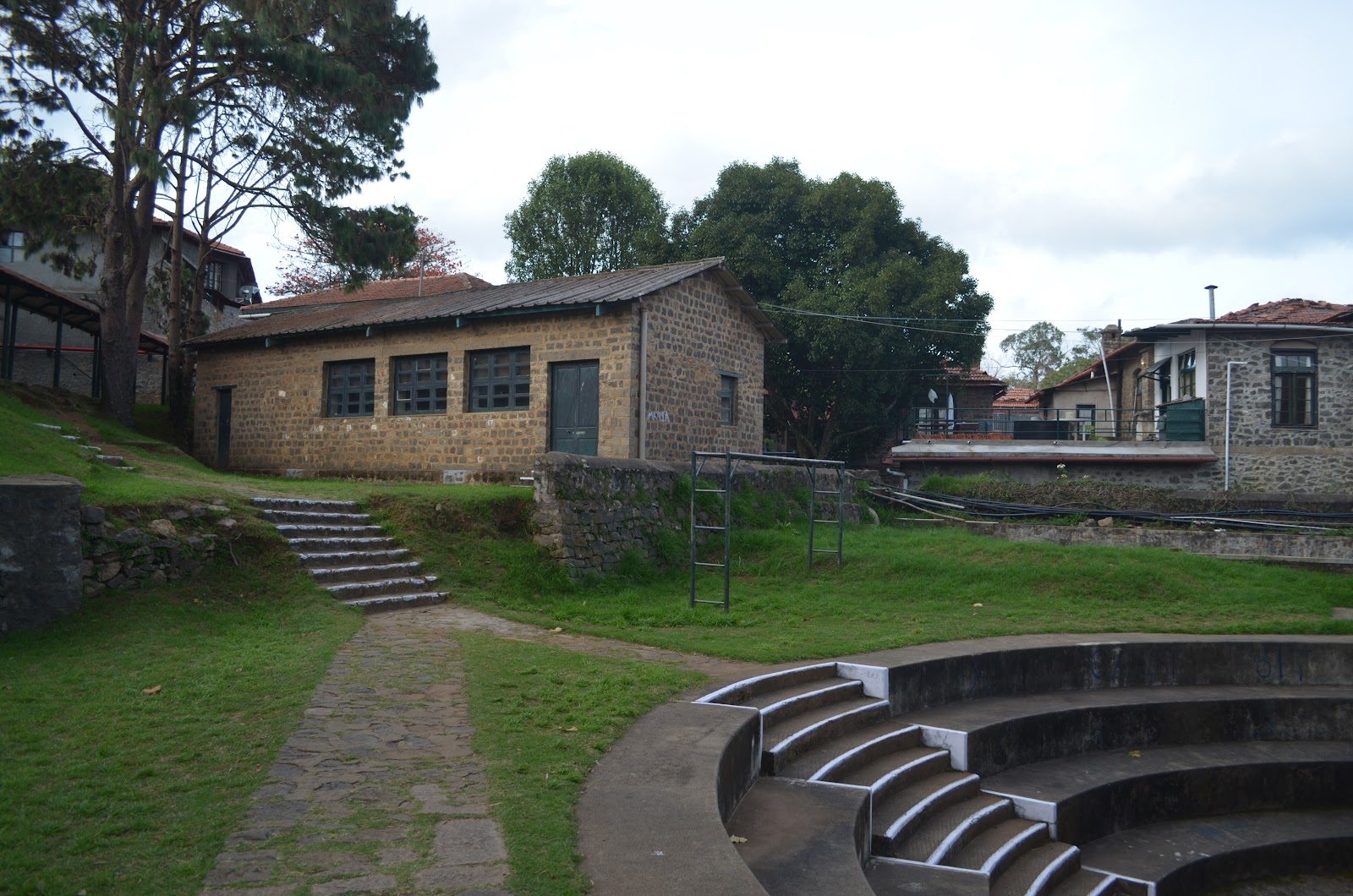
The setting does a lot of the work. A school perched at roughly 7,600 feet in the Jalapahar hills has a built-in advantage over lowland campuses: space, air, separation and a daily rhythm shaped by terrain rather than traffic. For a full boarding school, that matters more than flashy specialist blocks. The core facility here is the campus itself as a contained residential environment, with boarding life, house identity and outdoor movement folded into one another. Against newer Indian independents with slick STEM centres and glass-fronted performance venues, St. Paul’s offers something different: atmosphere, containment and a harder-edged boarding ecology. Parents choosing this school are not buying architectural novelty. They are buying a place where the physical environment reinforces discipline, independence and collective life.
That cuts both ways. Heritage campuses in the hill-school tradition carry romance and wear in equal measure, and St. Paul’s does not publish the kind of detailed facilities inventory that would let parents audit laboratories, arts provision, sports infrastructure or boarding-room standards with precision. On facilities transparency, peers with stronger websites do better. On lived setting, many do not. The important benchmark is therefore not whether St. Paul’s matches the newest premium campuses feature for feature; it does not advertise itself that way. The better question is whether it delivers the immersive residential setting families expect from a serious boys’ boarding school. On that front, the school’s physical proposition is distinctive, old-world and still potent.
He will value mountain-top seclusion, earned self-reliance and the prestige that attaches to one of India’s old boarding names
Prestige
St. Paul’s carries real old-school prestige in the Indian boarding market. The school’s status rests on durability, ritual and name recognition, not on modern brand management. “Eton of the East” is a loaded sobriquet and the school did not invent it, but the phrase has stuck because St. Paul’s occupies that slice of the market: a boys’ school with patrician cultural capital, a long institutional memory and a style of schooling built around house allegiance, hierarchy and inherited custom. Its setting in the hills adds to the aura. So does the fact that it remains fully residential, which keeps school identity intense rather than diluted. This is prestige rooted in tradition and social texture, not in polished data disclosure or contemporary educational fashion.
That distinction matters. St. Paul’s has strong cachet among families who value legacy schools and the codes that travel with them: self-containment, toughness, ceremony and an assumption that boarding life itself is formative. Admission by entrance test each September reinforces that selective, clubbable character. The prestige is therefore substantial but specific. It is strongest with parents who want an Indian analogue of the classic British public-school model. It is weaker with families who judge status by published outcomes, global university placement lists or sleek international-school signalling. In plain terms: St. Paul’s remains a high-prestige heritage name, but its authority comes from history and institutional culture, not from transparent proof of present-day academic supremacy.
On that front, the school’s physical proposition is distinctive, old-world and still potent
Communications
Parent communication here follows the logic of an old boarding school: institutional first, parent-facing second. That does not make it careless, but it does make it narrower than families now get from schools that treat communication as a core service. We know the school runs admission entrance tests every September, which gives one fixed point of procedural clarity, yet beyond that the public picture is thin. The school does not publish the kind of granular academic reporting, facilities detail or outcomes data that would reassure detail-driven parents from a distance. That matters more in a full residential setting, where families need steady confidence in how information travels. The communication style therefore reads as traditional, sparse and school-led rather than dialogic.
For some parents, that will be enough. Families drawn to a high-control, old-guard institution often accept that the school sets the tone and parents receive information on its terms. For others, it will feel dated. Strong communication in boarding schools means clear routines, prompt updates, transparent academic reporting and visible pastoral channels. St. Paul’s does not project that level of public-facing openness. That does not prove weak internal communication, but it does leave parents to infer too much. In editorial terms, communications look serviceable rather than sophisticated: adequate for families comfortable with hierarchy and deference, weaker for parents who expect real-time clarity, accessible points of contact and a school that treats communication as part of the educational contract, not an administrative afterthought.
Uniqueness
What marks St. Paul’s out is not one feature but a combination that very few schools can replicate: a mountain-bound boarding culture, a boys-only social world, and a house structure that still carries real force rather than ceremonial residue. The school sits at around 7,600 feet, and that altitude is not a brochure detail. It shapes daily life through physical separation, climate, routine and a stronger sense of enclosure than most urban or semi-urban schools can offer. Add a house system with genuine internal loyalties and you get a school experience built less around individual customisation and more around shared ordeal, shared pride and collective memory. That gives the place a strong institutional grip on its pupils.
For students, the gain is clear. Boys who respond well to structure get a setting that pushes self-command, resilience and ease with communal living. The school’s old public-school inheritance also gives pupils access to a social education that many modern campuses no longer provide: learning how to live with hierarchy, rules, competition and interdependence without constant adult mediation. That is valuable for the right child and hard on the wrong one. St. Paul’s is not a soft landing. It suits boys who want identity through belonging to something larger and older than themselves, and who will grow through a boarding life that demands stamina rather than convenience.
Paul’s School, Darjeeling trades on assets that newer Indian boarding schools cannot manufacture: age, altitude and ritual
Student Profile
The right boy for St. Paul’s is sturdy, sociable and unromantic about comfort. He does not need constant affirmation, and he does not wilt under routine, hierarchy or communal scrutiny. This is a school for pupils who can live in close company, absorb house loyalties and find energy in competition rather than shrink from it. The entrance test each September filters for boys who can cope academically, but fit here turns on temperament as much as score. A child who wants endless choice, soft edges and continual adult smoothing will struggle. A boy who enjoys team spirit, shared standards and a firmly ordered environment will settle faster. The age span, from 10–18, also matters: younger entrants need emotional robustness, because the school asks for independence early and keeps asking for it.
The social fit is equally clear. St. Paul’s suits boys who like belonging to an institution with a strong internal code and who can take pride in wearing its traditions rather than questioning each one. It will reward the pupil who is game, resilient and thick-skinned; it will test the boy who is highly sensitive, resistant to authority or dependent on frequent home contact. Families need to judge that plainly. This is not a therapeutic setting and not a modern, parent-managed adolescence in the hills. It is a school for boys who want to be shaped by collective life, and who can turn a demanding residential culture into confidence, self-command and durable friendships.
Founded in 1823, it is one of the oldest boarding schools in Asia, set at roughly 7,600 feet in the Jalapahar hills above Darjeeling
Co-curricular strengths
Arts & sport, on a separate axis
Overall 7.86/10
Scored 0-10 from the school's own published evidence. This axis is editorial-only — it does not feed the main WTS ranking.
Sports
8.8/10
Drama
8/10
Dance
6.5/10
Music
8.5/10
Visual Arts
7.5/10
Editor first-pass · editor-reviewable · 7/30/2026
Strengths
- +One of India's oldest boarding schools, founded in 1823, giving it a long-established institutional history and alumni network.
- +Set in Darjeeling's hill station environment, offering a distinctive Himalayan campus setting away from urban pollution and congestion.
- +Follows the ICSE/ISC curriculum, a well-recognised Indian board pathway accepted by universities across India.
- +Full boarding structure with resident staff, suited to families wanting a traditional immersive boarding experience rather than a day-school model.
- +Long-standing Christian missionary educational heritage that has shaped a defined institutional culture and set of traditions.
Considerations
- −All-boys school, which rules it out for families seeking co-education or a school for daughters.
- −Remote hill-station location means longer, weather-dependent travel from major airports (nearest is Bagdogra) and limited easy access during monsoon or landslide season.
- −Curriculum is limited to the Indian ICSE/ISC board, with no IB or A-level option for families wanting international-curriculum portability.
- −Cold, high-altitude climate and older colonial-era infrastructure may not suit every family's expectations of modern campus facilities.
Availability
Primary entry gate & tests
Academic Record
Gallery
Photo © St. Paul's School via Google Maps
Photo © Meghadri Ganapati via Google Maps
Photo © Sukriti Das via Google Maps
Photo © DULAL DAS via Google Maps
Photo © PW via Google Maps
Parent reviews
Have you sent your child here?
Voice reviews carry the strongest trust badge — we transcribe them for you to tidy up before they go live. Prefer to type? A written review is fine too.
Add your voice
In 60 seconds, tell other parents: what's the best thing about St. Paul's School, Darjeeling, and what surprised you when your child joined?
We ask for a Google sign-in so every review has a real face behind it — no anonymous drive-by attacks on schools, and no faked positive reviews. Your email is never shown publicly.
Send this profile to a friend
International parents rely on word-of-mouth. Share this review with someone weighing the same decision.
Schools with places
Similar schools to St. Paul's School, Darjeeling with places available now.
Woodstock School
Mussoorie · India
- 2026-27
- CLOSED
- 2027-28
- OPENS SOONOpens 17 Aug '26
The Lawrence School, Sanawar
Solan · India
- 2026-27
- WAITPOOLSpace-dependent
- 2027-28
- PLACES OPENRolling
The Scindia School
Gwalior · India
- 2026-27
- WAITPOOLSpace-dependent
- 2027-28
- PLACES OPENRolling
Kodaikanal International School
Kodaikanal · India
- 2026-27
- CLOSEDStandard route closed
- 2027-28
- OPENS SOONExpected Autumn '26 Reg
Availability first, then country, area, curriculum, price, co-curricular
Consider also
Also worth looking at alongside St. Paul's School, Darjeeling.
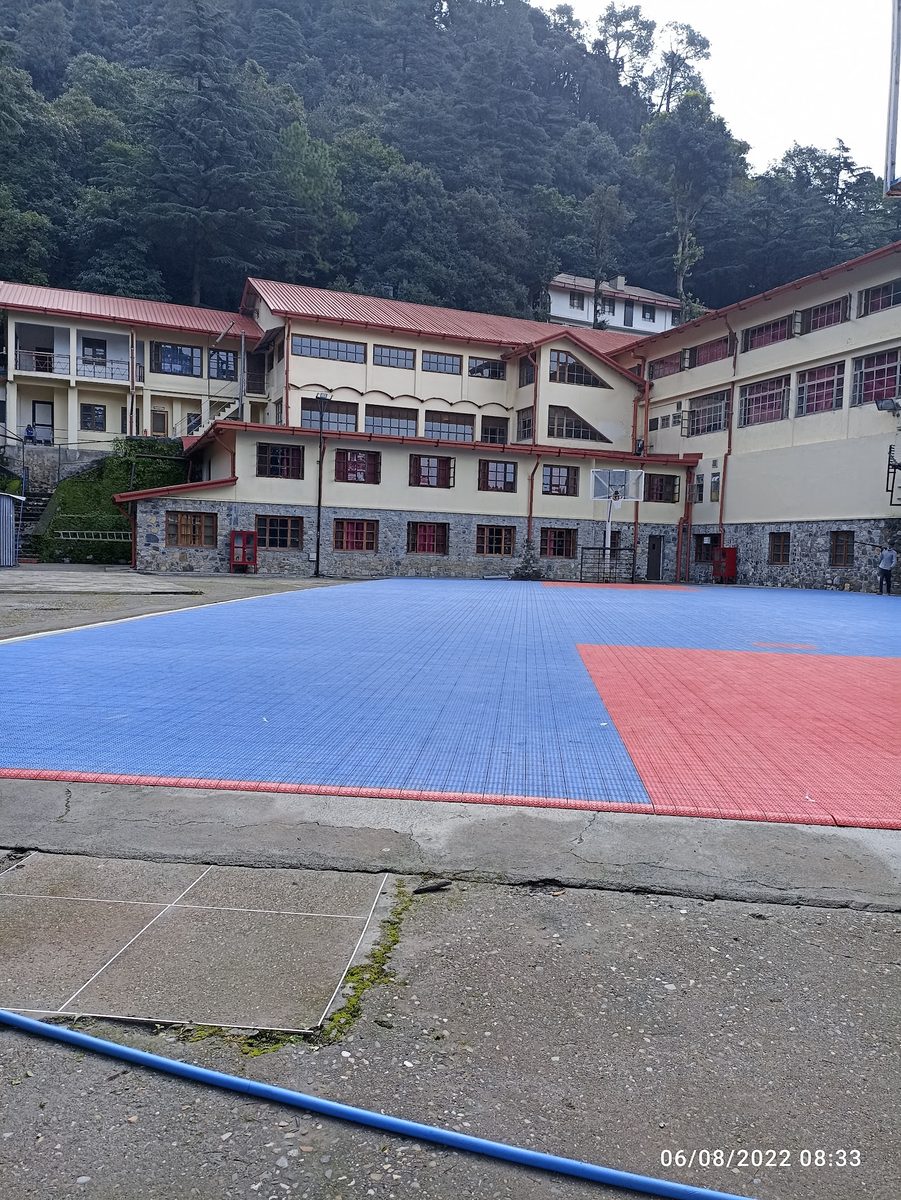
Woodstock School
Mussoorie · India
IB, American Diploma and Cambridge boarding amid the Himalayan foothills since 1854
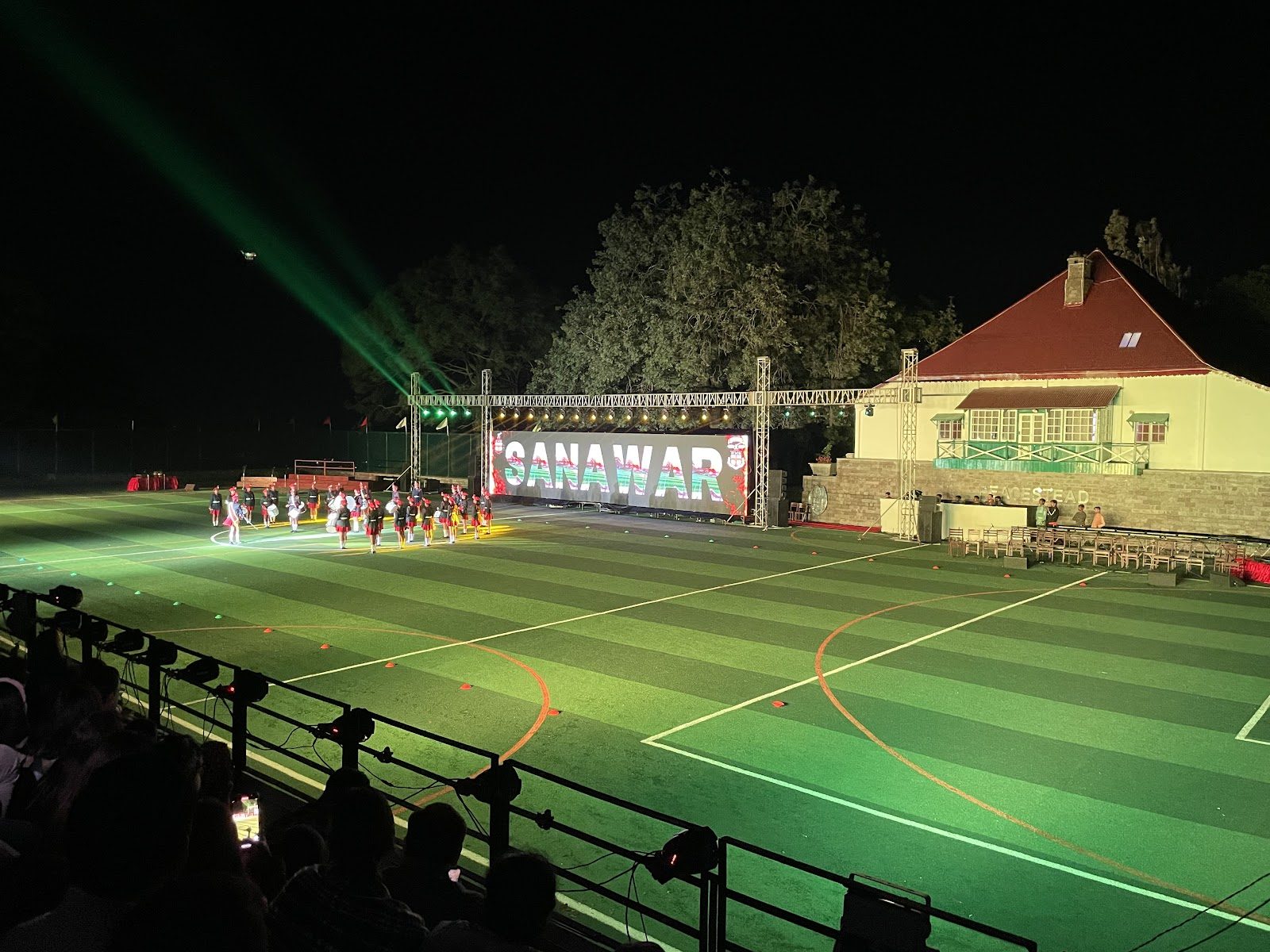
The Lawrence School, Sanawar
Solan · India
Perched at 1,750 metres in the Shivaliks, Asia's oldest co-educational boarding school sent the first team to summit Everest in 2013.
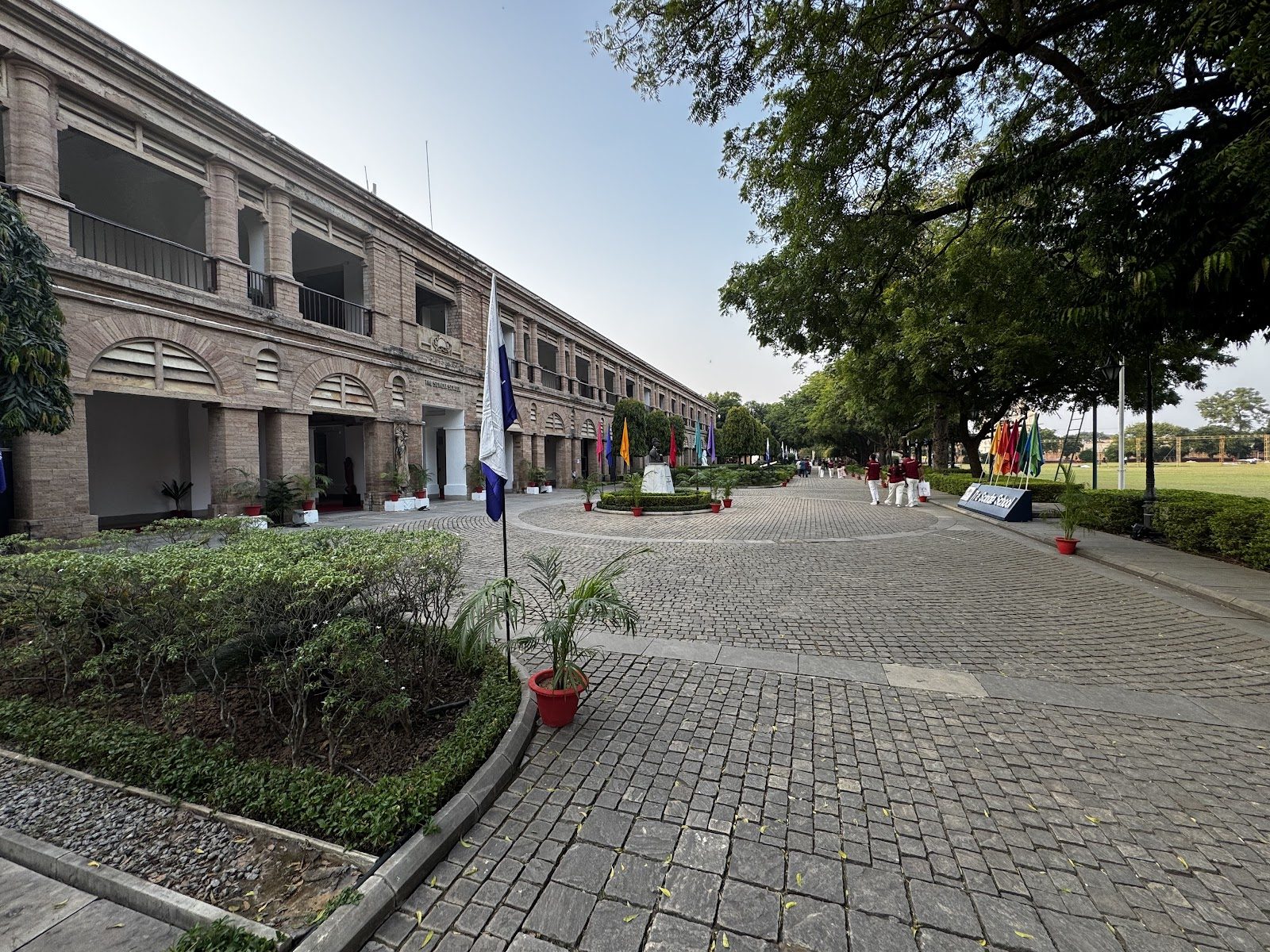
The Scindia School
Gwalior · India
Storied boys' boarding school inside Gwalior Fort, delivering a CBSE curriculum with a British public-school ethos.
Kodaikanal International School
Kodaikanal · India
Founded in 1901 at 6,998 feet in the Palani Hills, it became India's first IB school and runs its own 135-acre wilderness campus for outdoor learning.
Same country and curriculum — closest matches within ±10 points either way