
Hertfordshire
Watford Grammar School for Boys
low confidence· 6/6 cats · 0 avg sourcesFounded in 1704 as a charity school, now a partially selective state academy whose A-level results rival the fee-paying sector
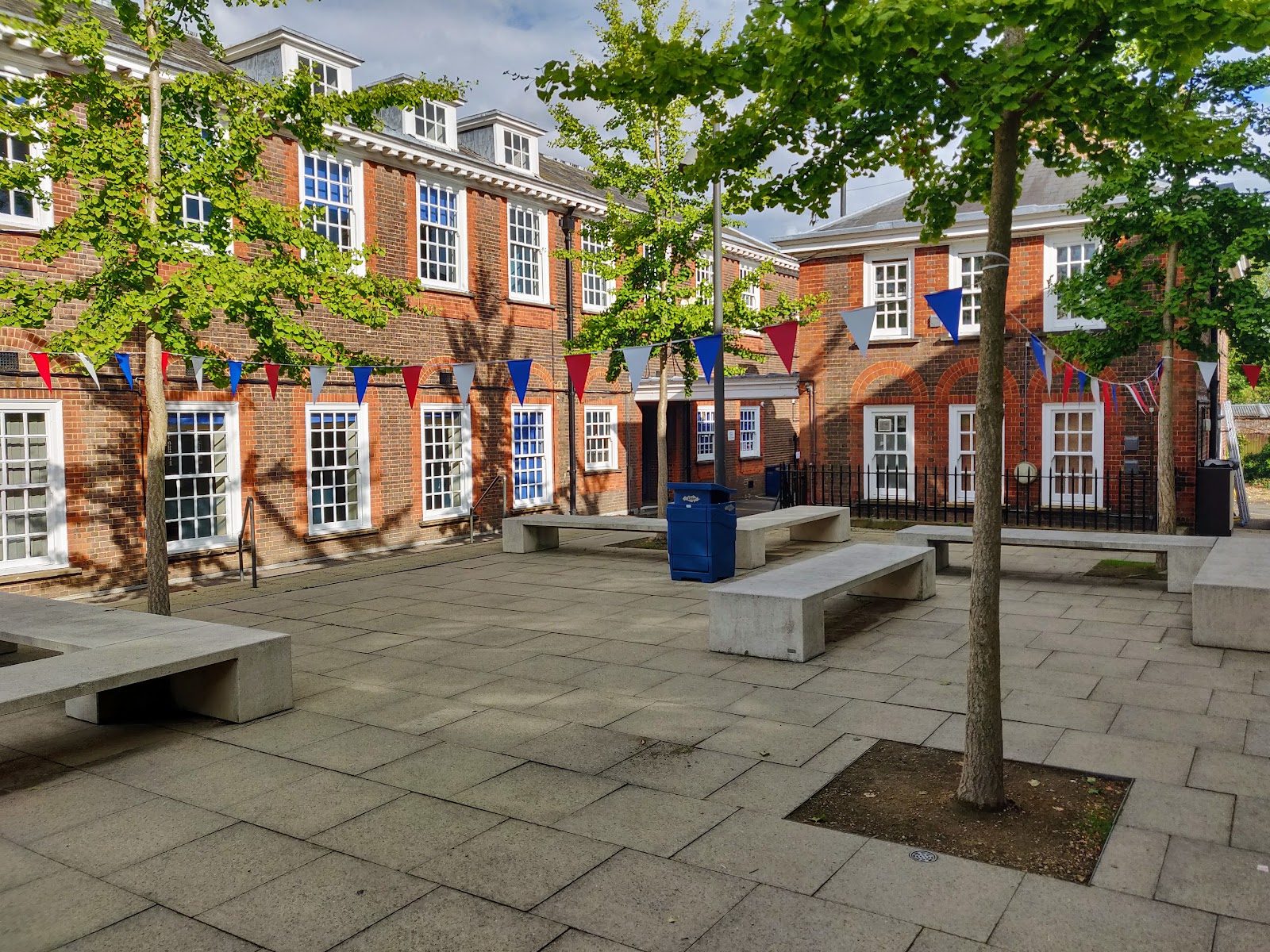
Photo © Matt Auld via Google Maps
Type
Day
Ages
11–18
Curriculum
British
Ratio
14:1
The Verdict
Editor's commitment
Right for
Families wanting a day school in Watford with British curriculum, ages 11–18, and A-level results that rival fee-paying schools.
Wrong for
Parents wanting a fully comprehensive intake, tiny classes, or co-education: this is a partially selective boys' academy, average class size 28.
Watch out for
Founded in 1704 and still state-funded, it mixes old grammar-school ambition with a 14:1 student-teacher ratio; competition and scale are built in.
Ranking breakdown
Watford Grammar School for Boys · #1146 of 1591
Composite score 59.8. 8 weighted criteria.
By criterion
Academic Outcomes
Weight 20%
#1003
of 1529 scored
University Placement
Weight 16%
#1057
of 1529 scored
Prestige & Heritage
Weight 12%
#1202
of 1571 scored
Alumni Network
Weight 12%
#785
of 1530 scored
Facilities
Weight 12%
#1333
of 1533 scored
Transparency & Communications
Weight 8%
#1098
of 1532 scored
Peer & Industry Review
Weight 10%
#998
of 1548 scored
Admissions Selectivity & Demand
Weight 8%
#686
of 1529 scored
Peer & Industry Review
How Watford Grammar School for Boys is regarded in the sector
62
Respected · medium confidence
Watford Grammar School for Boys is a well-regarded partially selective state grammar with a solid, if regional rather than national, sector footprint. The Good Schools Guide's independent verdict calls it an extremely popular semi-selective school where boys really do lap up the academic stretch, along with some great extracurricular opportunities, especially on the musical and sporting fronts, with parents quoted describing its music provision as "dazzling". Its Outstanding Ofsted rating and a 2016 Independent newspaper ranking placing it as the 7th Best Comprehensive or Partially Selective in the United Kingdom lend it credible third-party validation beyond marketing. Coverage is concentrated in UK-domestic outlets such as the Good Schools Guide and general press rather than the specialist international-schools publishers most relevant to expat audiences, so while its standing among UK grammar-school peers is solid, its footprint in the global expat parent conversation is more modest.
Evidence sources
Editors' overview
Watford Grammar School for Boys occupies a distinctive place in the Hertfordshire market: a state day school with deep local roots, selective pressure, and a sixth form that competes directly with independent schools on ambition and outcomes. Founded in 1704 as a charity school, it carries genuine institutional weight rather than borrowed heritage. The modern offer is British, English-medium, non-religious, and academically serious. This matters because parents looking at the London fringe often face a blunt choice between oversubscribed grammars, expensive independents and ordinary comprehensives. Watford Boys offers a fourth route: a partially selective academy with real academic traction, a long-established name, and the breadth of a large state school.
What stands out is the combination of scale and range. The school is not a niche tutoring factory. The public face points to a broad operational machine: dedicated sixth form provision, a strong sports culture, music through the Watford School of Music link, LAMDA, clubs and societies, trips, careers guidance, wellbeing, pastoral structures and a visible character curriculum built around endeavour, creativity, integrity and kindness. That breadth gives the school proper institutional energy. It also gives able boys more than one route to distinction. A child who thrives only in classrooms has options here; a child who wants academic stretch plus sport, performance, debating, robotics or leadership has more. The published 14:1 student-teacher ratio and average class size of 28 place it firmly in the high-performing state sector rather than the boutique end of the market. Parents paying private-school fees for smaller classes need to judge that trade-off directly.
Why shortlist it? Because this is one of the few schools that can credibly attract families who want *state-school value with selective-school standards*. The sixth form presence strengthens that case: there is a clear attempt to treat ages 16–18 as a serious phase, with facilities, bursary information and destinations guidance given prominence. The school also benefits from the twin pull of tradition and momentum. A history archive, alumni activity and a still-active school magazine reinforce continuity; current news in sport, arts, academic blogging and student leadership shows that the place is busy rather than ceremonial. The caveat is clear: this is not a soft environment. Large, established, and competitive schools demand self-management from day one. Boys who need heavy hand-holding or a very intimate pastoral setting may find the scale hard work.
The best fit is a boy aged 11–18 who is bright, resilient and happy in a high-expectation, fast-moving culture. He does not need to be one-dimensional. In fact, the school suits boys with competitive drive and enough confidence to seize a wide menu of opportunities. It will also appeal to families who value historic credibility but do not want religious framing. In market terms, Watford Boys sits in the narrow band of schools that deliver prestige without fees. That alone puts it on a serious parent’s shortlist.
Academic Performance
Watford Boys trades heavily on academic seriousness, but the public picture on hard results is thinner than it should be. The school has a dedicated Results section, an Exams area, a Sixth Form course guide and a Destinations page, which tells you attainment matters operationally. What we have not seen in the public domain here are the headline aggregates parents use to benchmark a school properly: no published school-wide GCSE profile, no A-level grade distribution, no proportion entering Russell Group universities, and no comparative data set set out clearly on the main public-facing pages. For a school with this reputation, that opacity is a weakness. Ambition is visible; clean, comparable outcome data is not.
Even so, the academic ecosystem points to a school that sits above the standard non-selective state offer. The sheer range matters: subject information across the curriculum, a visible academic blog, sixth form destinations guidance, careers provision, LAMDA, robotics, classics, fieldwork and writing trips all indicate an intellectually busy institution rather than an exam factory. The question is not whether standards are high; they are. The question is how high relative to strong grammars, partially selective academies and the fee-paying day schools nearby. Without transparent headline results, Watford Boys fits best in the bracket of high-attaining, high-pressure state schools whose reputation runs ahead of the published evidence. That keeps it competitive. It also leaves parents doing more homework than they should.
Facilities
The most important facilities sit where the school’s priorities are clearest: sport, sixth form, music and the infrastructure of a large academic operation. Sport has enough weight to warrant its own dedicated SOCS platform as well as venue hire, which marks it out from ordinary state schools where fixtures and facilities are an afterthought. The sixth form also gets distinct treatment, with its own facilities section rather than a few generic pages folded into the main school site. Add a library, subject-specific areas, IT provision through Google Classroom access, LAMDA, catering, medical care and a long menu of clubs, and you get a campus built for constant use rather than show. The link to Watford School of Music matters too: that gives music visible institutional heft, not the token provision many state schools settle for.
Against peer schools, this is a strong functional offer rather than a luxury one. You do not get the sales language, image-heavy estate promotion or specialist-centre chest-beating common in the fee-paying sector, and the school does not publish the kind of granular facilities detail that top independents use to impress parents. That lack of specificity is a gap. Still, the breadth is well above standard for a state day school: serious sport, a proper sixth form environment, performing arts support and enough operational scale to sustain a busy, opportunity-rich week. Parents comparing it with selective state rivals will find a facilities picture that is competitive. Parents comparing it with affluent independents will find less polish, less theatre and no attempt to disguise that.
What makes Watford Boys distinctive is not heritage on its own, and not selectivity on its own, but the collision of the two inside the state sector
Prestige
Watford Boys carries real local prestige and more than local recognition. In the English state sector, “grammar” in the name still has social weight, and this school adds something more valuable: a long-established reputation for academic competition, selective admissions pressure and a sixth form that families use as an alternative to paying for an independent school. That combination gives it status without fees. The link with its sister school, the archive-minded sense of institutional continuity, and the visible alumni presence all reinforce that standing. So does demand: the site gives admissions testing and allocation data clear prominence, which tells you entry matters and places are contested. Prestige here rests on earned market position, not glossy branding.
That said, this is not prestige in the purest grammar-school sense, because the school is not a fully selective academic institution and does not publish the kind of headline outcomes data that would settle its rank cleanly against the strongest state selective schools. Its reputation is strong; its public evidence base is less so. I rate it as high-prestige for a state day school, and as one of the more socially and academically desirable options in its part of the country, but not as an untouchable national-name school. The staffing picture and class structure — 14:1 and 28 — also place it in the high-performing state mainstream rather than the rarified end of the independent market. That distinction matters.
Founded in 1704 as a charity school, it carries genuine institutional weight rather than borrowed heritage
Communications
Parent communication is more structured than polished. The website carries the core practical machinery in plain view: term dates, calendar, newsletters, announcements, reporting and assessment, attendance, safeguarding, medical care, catering, parent pay, financial support, change-of-address procedures and direct contact details. There is also a clear parent-facing route into admissions, appeals, primary transition and sixth form application steps. That breadth matters. It tells parents where to go without forcing them through layers of branding copy. The school also pushes regular current notices rather than leaving the site to stagnate; the event and news feed is active across academics, trips, sport, arts and student leadership. For a large, busy state school, that is operationally competent communication, not decorative communication.
Its weakness is depth and synthesis. Information is distributed across many pages and sub-sections, which suits confident, experienced parents and punishes anyone who wants one crisp, consolidated account of school life. There is a Headmaster’s newsletter, a prospectus, policy pages and a full calendar, but the public presentation still feels like an institution talking in departments rather than with one clean editorial voice. That does not make it confusing; it makes it workmanlike. The sixth form pages are a stronger example of audience-specific communication, with destinations, bursary information, facilities and application guidance separated out sensibly. Overall, parent communication is effective and serious, with enough frequency and practical detail to do the job, but not enough elegance or data transparency to count as first-rate.
Uniqueness
What makes Watford Boys distinctive is not heritage on its own, and not selectivity on its own, but the collision of the two inside the state sector. This is a school with the social weight of an old civic institution and the tempo of a hard-driving modern academy. The “grammar” name still carries force, yet the school does not operate as a narrow classical relic or a small, cloistered selective enclave. It runs as a large public institution with admissions testing, a substantial sixth form, visible alumni culture, and enough extracurricular machinery to give boys multiple routes to standing. That mix produces a rare state-school proposition: prestige without private fees, competition without the boutique scale, and tradition without religious framing.
For students, that translates into a culture where ambition is normalised early and reinforced in more than one arena. A boy can build status through academics, sport, music, performance, leadership or specialist societies rather than through one sanctioned mould. The separate sixth form identity sharpens that effect: older pupils are treated as young adults with destinations, bursary support and course choice in view, not as an afterthought. The benefit is obvious for self-propelled boys: they get serious momentum, a broad field of opportunity, and the confidence that comes from operating in a school with a long memory and high social capital. The cost is just as obvious. This is not a gentle place. Boys who need constant coaxing or a highly sheltered atmosphere will struggle to extract the best from it.
The modern offer is British, English-medium, non-religious, and academically serious
Student Profile
The natural fit is a boy who likes pace, competition and a crowded week. This is not a school for drifting through adolescence unnoticed. The culture rewards boys who will put themselves forward for teams, performances, societies, leadership roles or academic extras, then cope with the organisational load that follows. The visible menu — sport, music, LAMDA, trips, robotics, classics, writing, house activity and sixth form leadership — points to a student body that is busy by default. Boys who enjoy measured competition, can absorb setbacks without drama, and do not need constant adult prompting will do well. Boys who want to hide at the back, resist structure or need a soft-edged environment will find the atmosphere harder.
Socially, the school suits families comfortable with ambition in a state setting. The average class size of 28 tells its own story: students need to speak up, self-advocate and keep track of deadlines without the intimacy of a small independent school. The student-teacher ratio of 14:1 reinforces that this is a substantial institution, not a hand-held one. The best match is a boy with decent resilience, strong habits and enough confidence to navigate a large peer group without losing himself in it. That does not mean he must be an extrovert. Quiet boys can thrive here too, if they are internally driven, academically steady and willing to claim opportunities rather than wait to be invited.
Watford Boys offers a fourth route: a partially selective academy with real academic traction, a long-established name, and the breadth of a large state school
Co-curricular strengths
Arts & sport, on a separate axis
Overall 7.5/10
Scored 0-10 from the school's own published evidence. This axis is editorial-only — it does not feed the main WTS ranking.
Sports
8.8/10
Drama
8.2/10
Dance
3.8/10
Music
8.7/10
Visual Arts
8/10
Strengths
- +Founded in 1704; long-established, academically selective local institution.
- +British curriculum taught in English throughout.
- +11–18 age range avoids mid-school transitions.
- +Elite sport and music provision, with outstanding drama and visual arts.
- +Publishes examination results and university destinations openly.
Considerations
- −Boys-only; unsuitable for families wanting co-education.
- −Academically selective entry narrows the social range of the intake.
- −Average class size of 28 may feel large to some pupils.
- −Dance provision is only developing.
Availability
Primary entry gate & tests
Written Exams + Interview
Gallery
Photo © John Mosquera via Google Maps
Photo © John Mosquera via Google Maps
Photo © John Mosquera via Google Maps
Photo © John Mosquera via Google Maps
Photo © Alexander Bah via Google Maps
Photo © John Mason via Google Maps
Photo © John Mason via Google Maps
Photo © Kane Ramsay via Google Maps
Parent reviews
Have you sent your child here?
Voice reviews carry the strongest trust badge — we transcribe them for you to tidy up before they go live. Prefer to type? A written review is fine too.
Add your voice
In 60 seconds, tell other parents: what's the best thing about Watford Grammar School for Boys, and what surprised you when your child joined?
We ask for a Google sign-in so every review has a real face behind it — no anonymous drive-by attacks on schools, and no faked positive reviews. Your email is never shown publicly.
Send this profile to a friend
International parents rely on word-of-mouth. Share this review with someone weighing the same decision.
Schools with places
Similar schools to Watford Grammar School for Boys with places available now.
Haileybury
Hertford · United Kingdom
- 2026-27
- CLOSEDStandard route
- 2027-28
- PLACES OPEN16+ Active; 13+ Std Closed; 13+ Late enquire
Haberdashers' Boys' School
Elstree · United Kingdom
- 2026-27
- CLOSEDStandard route
- 2027-28
- PLACES OPENCloses Nov
Merchant Taylors' School
Northwood · United Kingdom
- 2026-27
- CLOSEDStandard route
- 2027-28
- PLACES OPEN11+/16+ Active (Closes Oct 31)
Availability first, then country, area, curriculum, price, co-curricular
Consider also
Also worth looking at alongside Watford Grammar School for Boys.
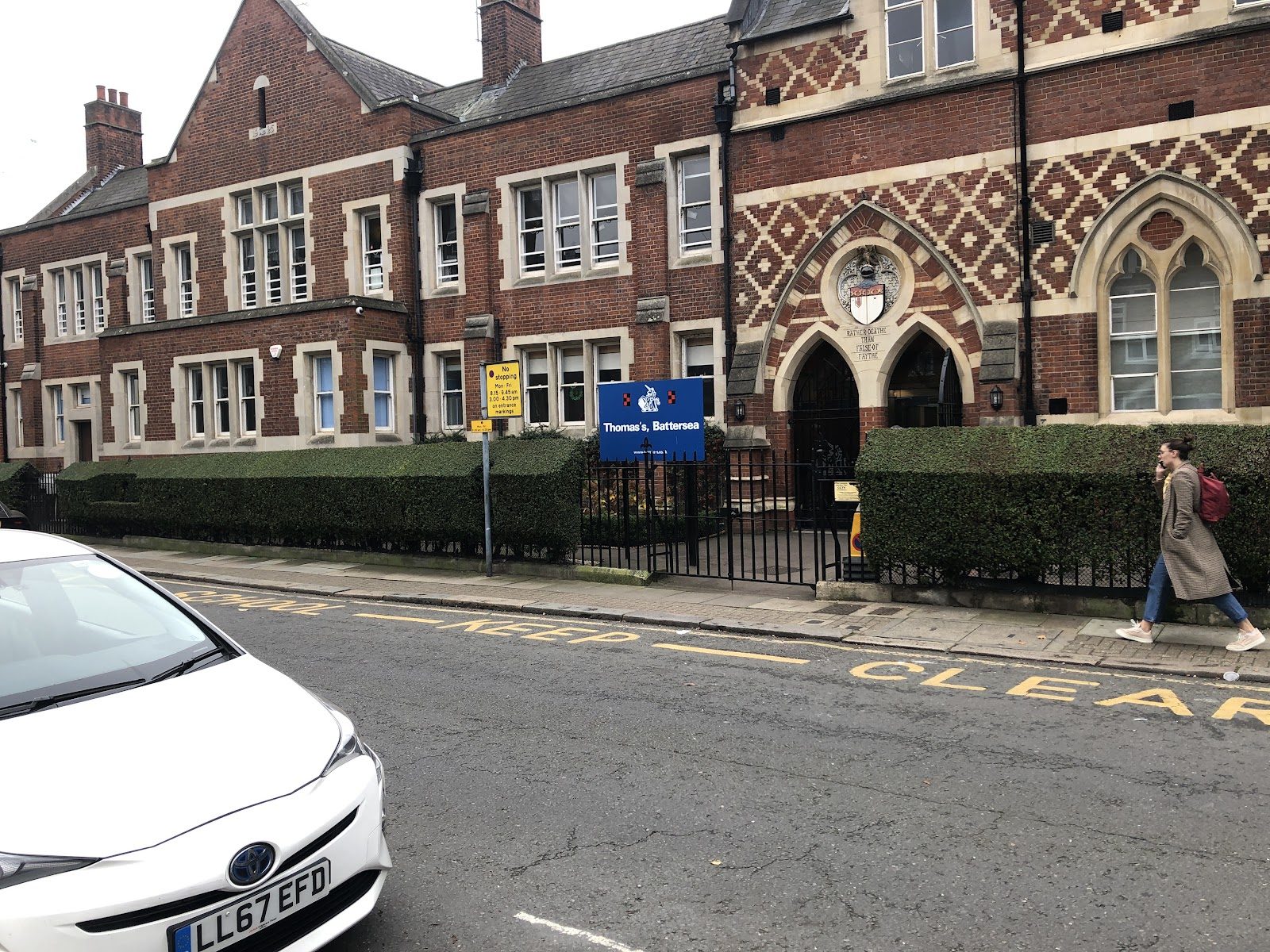
Thomas's Battersea
London · United Kingdom
In a former Victorian art school, an 'enquiry mindset' and a 'Be Kind' ethos feed London's top senior schools.
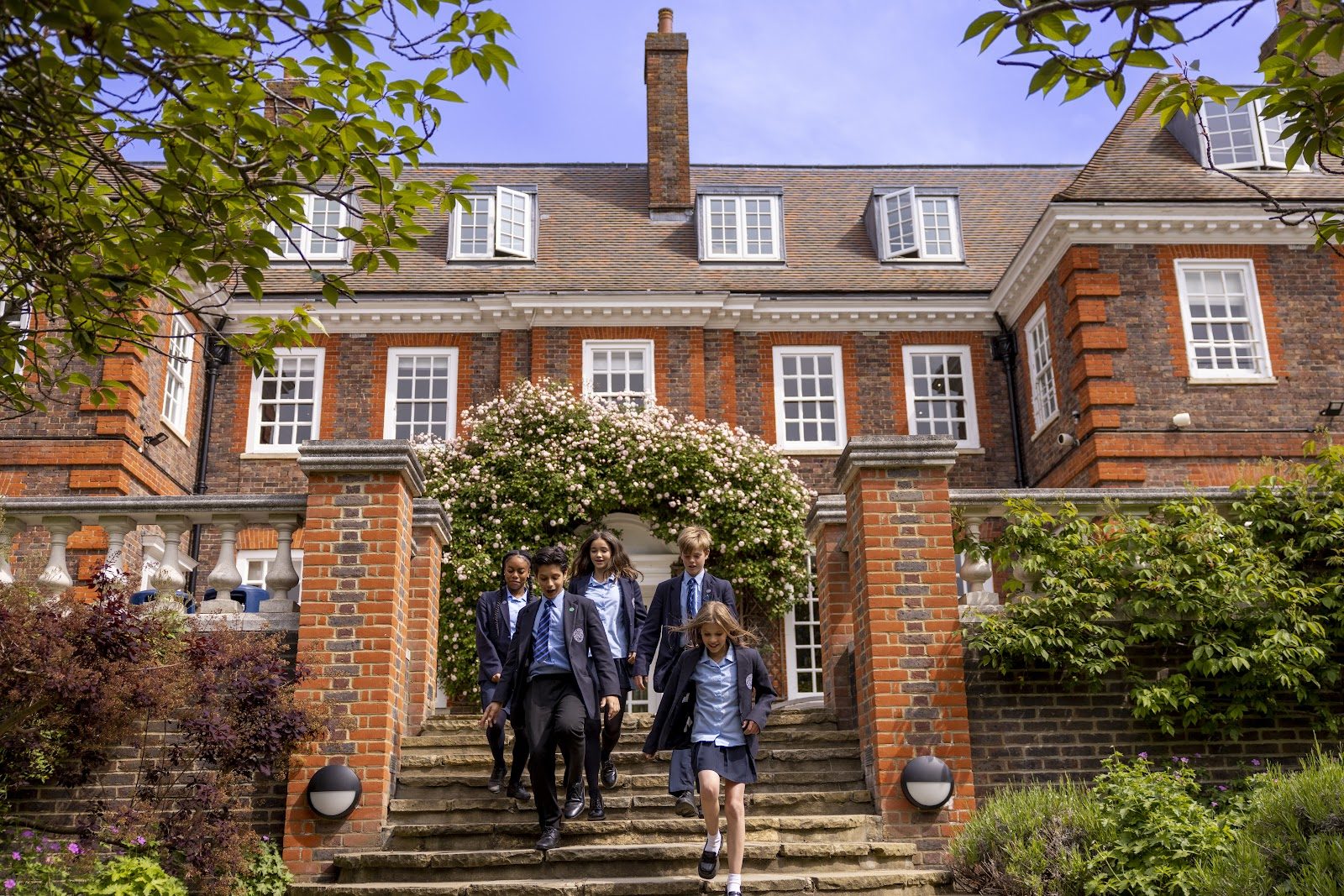
Ibstock Place School
London · United Kingdom
On the fringe of Richmond Park, a Froebel-founded day school has championed co-education since 1894.

Millfield School
Street · United Kingdom
Sixty-plus sports and an Olympic-length pool anchor a 240-acre Somerset campus built for athletes and scholars alike.
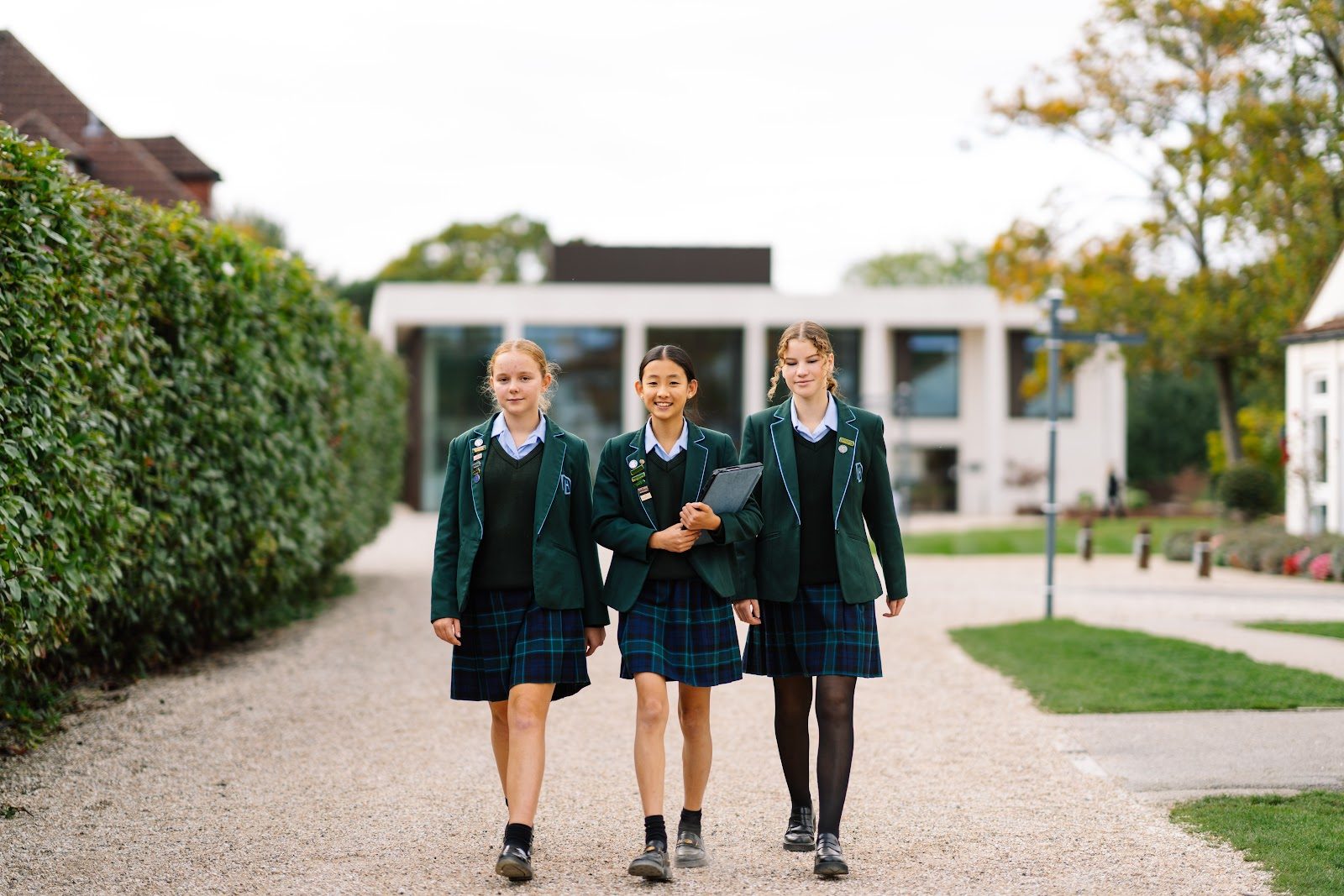
Downe House School
Cold Ash · United Kingdom
Rooted in Charles Darwin's former home, now a 110-acre Berkshire estate where science thrives and Oxbridge ambition runs deep.
Same country and curriculum — closest matches within ±10 points either way