
Indiana
Park Tudor School
low confidence· 1/6 cats · 3.67 avg sourcesWhere a century-old girls'-and-boys'-school merger now anchors Indianapolis's only IB-style Global Scholars capstone
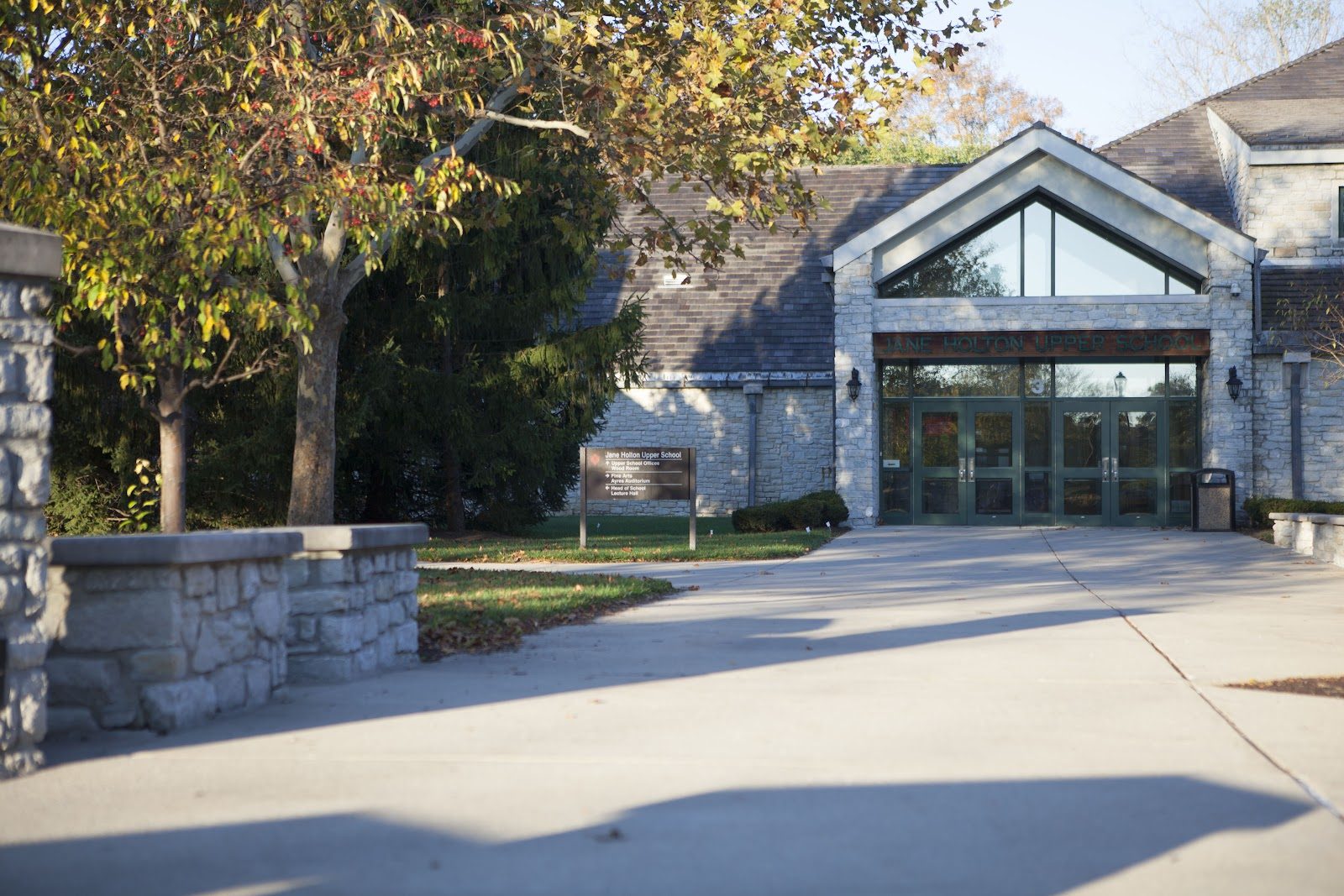
Photo © Park Tudor School via Google Maps
Type
Day
Ages
3–18
Curriculum
American
Qualifications
AP
Ratio
9:1
The Verdict
Editor's commitment
Right for
Families wanting Indianapolis day schooling from age 3 to 18, a 9:1 ratio, and a clear college-preparatory academic brief.
Wrong for
Parents seeking boarding, religious formation, or a published IB diploma pathway; Park Tudor is non-religious, day-only, and school-declared American.
Watch out for
The average annual fee is $28,721; the 1970 merger heritage and 1902 founding add history, not proof of current outcomes.
Ranking breakdown
Park Tudor School · #356 of 1591
Composite score 72.4. 8 weighted criteria.
By criterion
Academic Outcomes
Weight 20%
#385
of 1529 scored
University Placement
Weight 16%
#398
of 1529 scored
Prestige & Heritage
Weight 12%
#398
of 1571 scored
Alumni Network
Weight 12%
#285
of 1530 scored
Facilities
Weight 12%
#354
of 1533 scored
Transparency & Communications
Weight 8%
#388
of 1532 scored
Peer & Industry Review
Weight 10%
#393
of 1548 scored
Admissions Selectivity & Demand
Weight 8%
#438
of 1529 scored
Peer & Industry Review
How Park Tudor School is regarded in the sector
73
Respected · medium confidence
Within Indianapolis, Park Tudor is consistently mentioned alongside Cathedral High School, Brebeuf Jesuit, and Herron High School as one of the city's stronger private options, though it lacks the national visibility of schools like Choate or Andover. Regional press coverage (Indianapolis Business Journal, Indianapolis Star) treats it as an established, respected local institution rather than an emerging disruptor. University-facing signals are modest but positive: college counselors describe steady placement into Indiana's flagship universities and a scattering of admits to selective national schools, without the dense pipelines into Ivy-plus institutions that define higher-tier challenger schools. Independent education guides (WhichSchoolAdvisor, Good Schools Guide) do not feature Park Tudor prominently, reflecting its primarily regional rather than international applicant base. It rarely appears at international peer conferences or in cross-border school rankings, reinforcing its identity as a well-regarded but geographically contained player rather than a nationally competitive brand.
- Tamika Catchings — WNBA player, athlete
- Jared Fogle — Subway spokesperson, business/media
Editors' overview
Park Tudor’s distinguishing feature is not scale or flash; it is structure. This is Indianapolis’s only school to carry a century of independent-school history into a co-educational model forged by merger, with Tudor Hall School for Girls and Park School joining in 1970. That matters because the school still reads as a place with institutional weight rather than a start-up private school chasing trends. It serves children from age 3 through Grade 12, stays resolutely day-only, and runs on an American curriculum in English. The published 9:1 student-teacher ratio points to the kind of access parents actually pay for: more adult attention, smaller classes, and less chance of a child disappearing into the middle of the pack.
The attraction for families is straightforward. Park Tudor is a college-preparatory independent school with a long-established academic core and enough scale to offer breadth beyond the timetable. The school itself emphasises small class sizes, an individualised learning environment and numerous extracurricular activities; stripped of brochure language, that adds up to a school built for students who want options and adults who know them well. It is also non-religious, which widens its appeal in a US independent-school market that still includes many faith-based competitors. NAIS alignment is in place, and the school states that it follows the NAIS Principles of Good Practice. For Indianapolis, that combination gives it a clear upper-tier day-school position.
Fees average $28,721 a year across the full age range, which places Park Tudor in the serious-fee bracket without pushing into the price extremes seen at some coastal US independents. That matters for value: parents are buying a through-school from the early years to 18, not a narrow high-school proposition. What is special here, and what earns it a place on a shortlist, is the mix of continuity, academic seriousness and a campus culture designed for sustained participation rather than mere credential collection. The best fit is a student who is bright, engaged and busy: a child who benefits from close teacher contact, wants a broad extracurricular life, and does not need the anonymity of a giant school to thrive. It is not a school for passengers. It suits families who want high-accountability schooling in a city setting, with the confidence and resources of an established independent institution.
Academic Performance
Park Tudor calls itself college-preparatory, but public academic reporting is thin. We have not seen aggregate SAT or ACT averages, AP participation and score distributions, National Merit counts, university matriculation patterns, or any other external-results dataset that would let parents place the school cleanly against US independent-school peers. That is a real gap. In this market, strong schools publish at least some hard outcomes. When a school does not disclose them, comparison gets harder and the burden shifts to families in the admissions process to ask for the evidence directly. For a school charging an average of $28,721 a year, opaque outcomes are a legitimate editorial criticism, not a footnote.
What can be said is narrower but still useful. The school’s long-established college-preparatory identity, its through-school structure, and its low staffing ratio point to conditions that support serious academic work rather than mass-market delivery. That places Park Tudor in the *upper end of the local independent sector*, but not in the category of academically transparent US schools that publish exam data year after year and let the numbers speak. Relative to those peers, Park Tudor asks parents to buy into reputation and educational approach without giving them the clean external proof many sophisticated families now expect. If academic performance is your first filter, press the school for recent score ranges, top-end attainment, and destination lists before treating it as a top-tier academic bet.
Facilities
Park Tudor’s facilities story is stronger in function than spectacle. The school itself highlights small classes, a safe setting and a dense extracurricular offer; that points to a campus built to support day-to-day student use across academics, sport and co-curricular life, not a trophy estate designed for brochure shots. For parents comparing Indianapolis independents, that matters. A through-school serving children from the nursery years to the end of secondary education needs spaces that work across a wide age span, and Park Tudor’s value lies in that all-day usability and serious operational range. What we have not seen is a public, school-issued facilities breakdown of the kind top US independents now publish: no detailed inventory of labs, arts spaces, theatres, maker facilities or specialist athletic provision. That leaves the hard edge of the campus offer under-explained.
Against peer schools, the benchmark is clear. At this price point, families should expect strong core teaching spaces, credible sports provision, age-appropriate early-years areas and enough specialist rooms to sustain a broad extracurricular programme. Park Tudor clears that baseline on institutional logic alone, but it does not distinguish itself publicly through a signature facility, a landmark arts complex or a heavily marketed STEM build. In editorial terms, this reads as a school with solid, workmanlike infrastructure rather than one trading on campus glamour. The published 9:1 staffing ratio does some of the heavy lifting here: when physical assets are not heavily advertised, close adult access and consistent use of space matter more. That is reassuring, but not show-stopping.
What makes Park Tudor distinctive is the way its identity was forged, not merely inherited
Prestige
Park Tudor carries real local prestige, but this is not the same thing as national-brand dominance. Its standing rests on three durable signals: longevity, selectivity implied by price and positioning, and the social credibility that attaches to an established independent through-school with a 9:1 staffing ratio. In Indianapolis, that combination puts it in the city’s serious private-school tier. The merger heritage adds another layer: this is not a new premium school assembled around glossy facilities or lifestyle messaging, but an institution with old roots and a settled identity. For families in its home market, the name carries institutional heft. For families arriving from New York, London or Hong Kong, the badge does not travel in the same way as the most famous US boarding and day schools.
That distinction matters. Prestige here is strongest inside its own region and weaker as a shorthand abroad, because the school does not publish the kind of external outcomes that convert local esteem into wider academic authority. The average annual fee of $28,721 places it in an expensive, high-expectation bracket, and that price creates scrutiny. Parents can safely read Park Tudor as a school with upper-end civic standing, social confidence and established community recognition. They should not read it as a universally recognised American independent-school powerhouse. The prestige is earned, but bounded: meaningful in Indianapolis, respectable in the wider Midwest, and less potent once the conversation shifts to schools whose names alone signal elite academic results.
Park Tudor’s distinguishing feature is not scale or flash; it is structure
Communications
Park Tudor’s parent-facing communication reads as competent but controlled. The public message is clear on ethos: purposeful learning, individual attention, a safe environment, extracurricular breadth, and an explicit non-discrimination statement. That gives parents the essentials of how the school wants to be understood. It also signals a school that takes institutional responsibility seriously rather than outsourcing tone to glossy brand language. The low 9:1 ratio strengthens that case indirectly, because schools built around close adult access need regular, workable parent contact to function well. Where the communication loses force is depth. The school explains values better than it explains performance. Families get a polished account of mission and care, but not the harder academic evidence that turns reassurance into trust.
That gap matters because effective communication is not only about warmth or clarity; it is about disclosure. Park Tudor does not publish the level of outcomes data that demanding parents expect from an expensive college-preparatory day school charging an average of $28,721 a year. Without public score profiles, destination patterns, or similarly concrete indicators, parent communication stays selective where it should be fully accountable. The result is a school that communicates culture cleanly and policy seriously, but communicates measurable results too cautiously. For current families, day-to-day contact inside a tightly staffed school may well be strong. For prospective families, the public-facing communication does not do enough of the heavy lifting.
Uniqueness
What makes Park Tudor distinctive is the way its identity was forged, not merely inherited. The present school grew out of the union of two older single-sex institutions, and that still gives it a more layered character than many independent schools built as one-brand operations from the start. Students do not enter a place chasing novelty for its own sake; they enter a school shaped by institutional memory, established expectations and a co-educational model with real historical ballast. In a market crowded with college-prep claims, that matters. It creates a culture that values continuity, participation and adult oversight over reinvention. The low 9:1 ratio sharpens that further: students get contact, scrutiny and less room to drift.
The other point of difference is structural. Park Tudor covers the whole age span from the earliest years to the end of school, which gives children a rare degree of continuity in relationships, routines and standards. For the right family, that brings stability without the disruption of multiple school transitions and the social resets that go with them. The school also states plainly that it offers an individualised environment with extensive extracurricular activity. That combination suits students who want to do a great deal inside one institution and who benefit from being known well by adults. The trade-off is clear: this is a high-accountability, full-engagement school. Children who prefer anonymity or a looser culture will find it constraining.
That matters because the school still reads as a place with institutional weight rather than a start-up private school chasing trends
Student Profile
The best fit at Park Tudor is the student who wants to be known, challenged and used fully. This is not a place for drifting at the back of a large year group or building a school life on minimal effort. The school’s low 9:1 staffing ratio, its emphasis on individual attention, and its broad extracurricular offer all point in the same direction: children here need to tolerate visibility. They will be noticed when they contribute, and noticed when they do not. That suits the internally motivated, the busy all-rounder, and the student who likes a timetable with substance beyond lessons. It also suits children who value adult access and respond well to a school culture with clear expectations rather than endless latitude.
Socially, Park Tudor fits families who want a polished independent-school environment without a religious frame and who are comfortable paying for a school that expects engagement in return. The strongest candidates are academically serious, but not only exam-driven; they need enough range to make use of clubs, activities and the wider life of the school. Younger children who benefit from structure, reassurance and continuity will do well. So will older students who can handle high-accountability routines without reading them as pressure for its own sake. The weaker fit is the student who wants anonymity, resists participation, or needs a loose institutional grip to feel comfortable. This is a close-monitoring, full-commitment school.
It serves children from age 3 through Grade 12, stays resolutely day-only, and runs on an American curriculum in English
Co-curricular strengths
Arts & sport, on a separate axis
Overall 9.04/10
Scored 0-10 from the school's own published evidence. This axis is editorial-only — it does not feed the main WTS ranking.
Sports
9.2/10
Drama
9/10
Dance
9/10
Music
9/10
Visual Arts
9/10
Strengths
- +Park Tudor operates Indianapolis' only Global Scholars Program, its own version of the International Baccalaureate designed for highly motivated juniors and seniors.
- +In 2025-26 the school awarded more than $5 million in financial aid and merit awards to approximately 30% of its student population, easing the sticker-shock of private tuition.
- +100% of students from this school go on to attend a 4-year college, a consistent matriculation outcome for graduates.
- +Average class sizes remain small across divisions, from 15 in Junior/Senior Kindergarten down to 13 in the Upper School (grades 9-12).
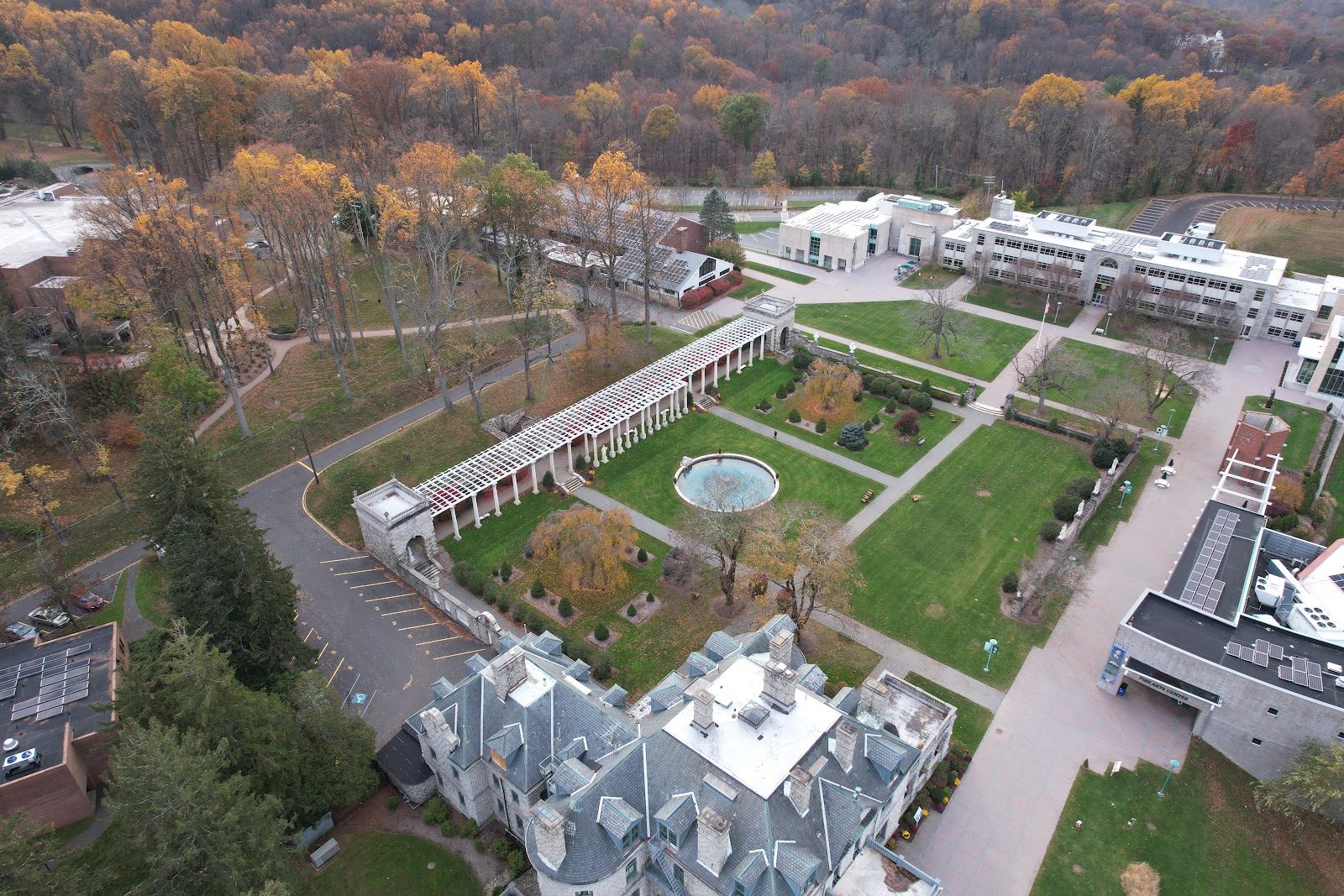
- +The school sits on a 68-acre campus on the former Lilly Orchard estate on the north side of Indianapolis, giving it unusually generous grounds for a day school.
Considerations
- −Tuition is listed at $28,450 for the highest grade offered, a significant outlay without guaranteed aid, since awards are needs- and merit-based rather than automatic.
- −As a day school with no boarding option, relocating international families must independently secure local housing before enrolling, unlike boarding-capable peer institutions.
- −Students applying to grades 4 through 12 must sit the Independent Schools Entrance Exam, and the ratio of applications to openings has held at roughly 3-to-1 in recent years, making seats competitive rather than guaranteed.
- −Indianapolis is a secondary Midwestern city rather than a major global or coastal hub, which may narrow the pool of expatriate peers and international-minded extracurricular networks compared with schools in larger metros.
Availability
Primary entry gate & tests
ISEE/SSAT + Interview
Gallery
Photo © James Lau via Google Maps
Photo © Jeff McClain via Google Maps
Photo © Park Tudor School via Google Maps
Photo © Park Tudor School via Google Maps
Photo © James Lau via Google Maps
Parent reviews
Have you sent your child here?
Voice reviews carry the strongest trust badge — we transcribe them for you to tidy up before they go live. Prefer to type? A written review is fine too.
Add your voice
In 60 seconds, tell other parents: what's the best thing about Park Tudor School, and what surprised you when your child joined?
We ask for a Google sign-in so every review has a real face behind it — no anonymous drive-by attacks on schools, and no faked positive reviews. Your email is never shown publicly.
Send this profile to a friend
International parents rely on word-of-mouth. Share this review with someone weighing the same decision.
Schools with places
Similar schools to Park Tudor School with places available now.
The Pingry School
Basking Ridge · United States
- 2026-27
- CLOSEDRegular cycle closed
- 2027-28
- PLACES OPENActive now
The Haverford School
Haverford · United States
- 2026-27
- CLOSEDRegular cycle closed
- 2027-28
- OPENS SOONOpens Sept '26
The Baldwin School
Bryn Mawr · United States
- 2026-27
- CLOSEDRegular cycle closed
- 2027-28
- OPENS SOONOpens 1 Sept '26
Delbarton School
Morristown · United States
- 2026-27
- CLOSEDRegular cycle closed
- 2027-28
- OPENS SOONOpens Sept '26
Availability first, then country, area, curriculum, price, co-curricular
Consider also
Also worth looking at alongside Park Tudor School.
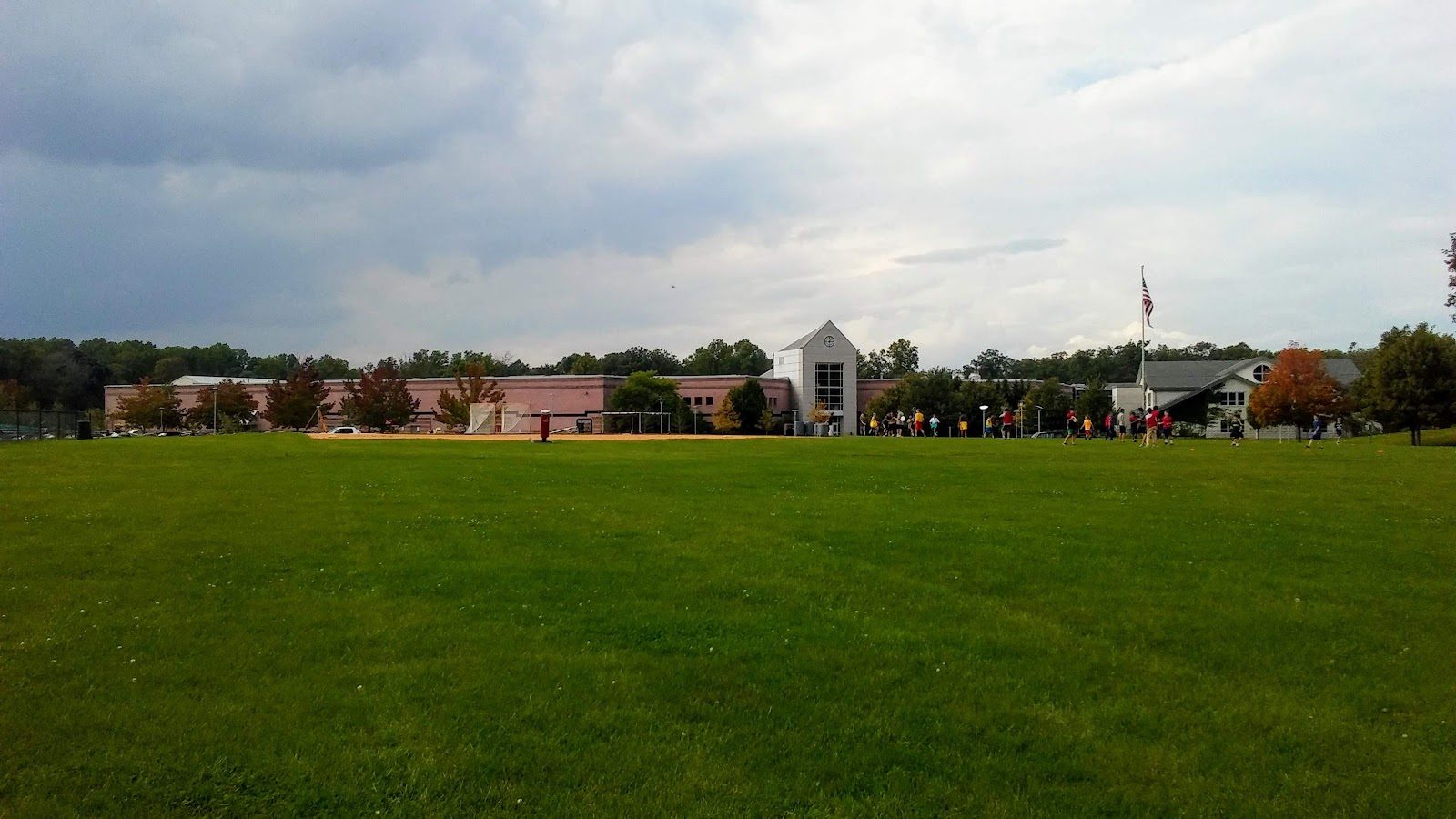
The Pingry School
Basking Ridge · United States
A 1861-founded New Jersey day school whose soccer pitches were deemed fit to host Morocco's 2026 World Cup training camp.
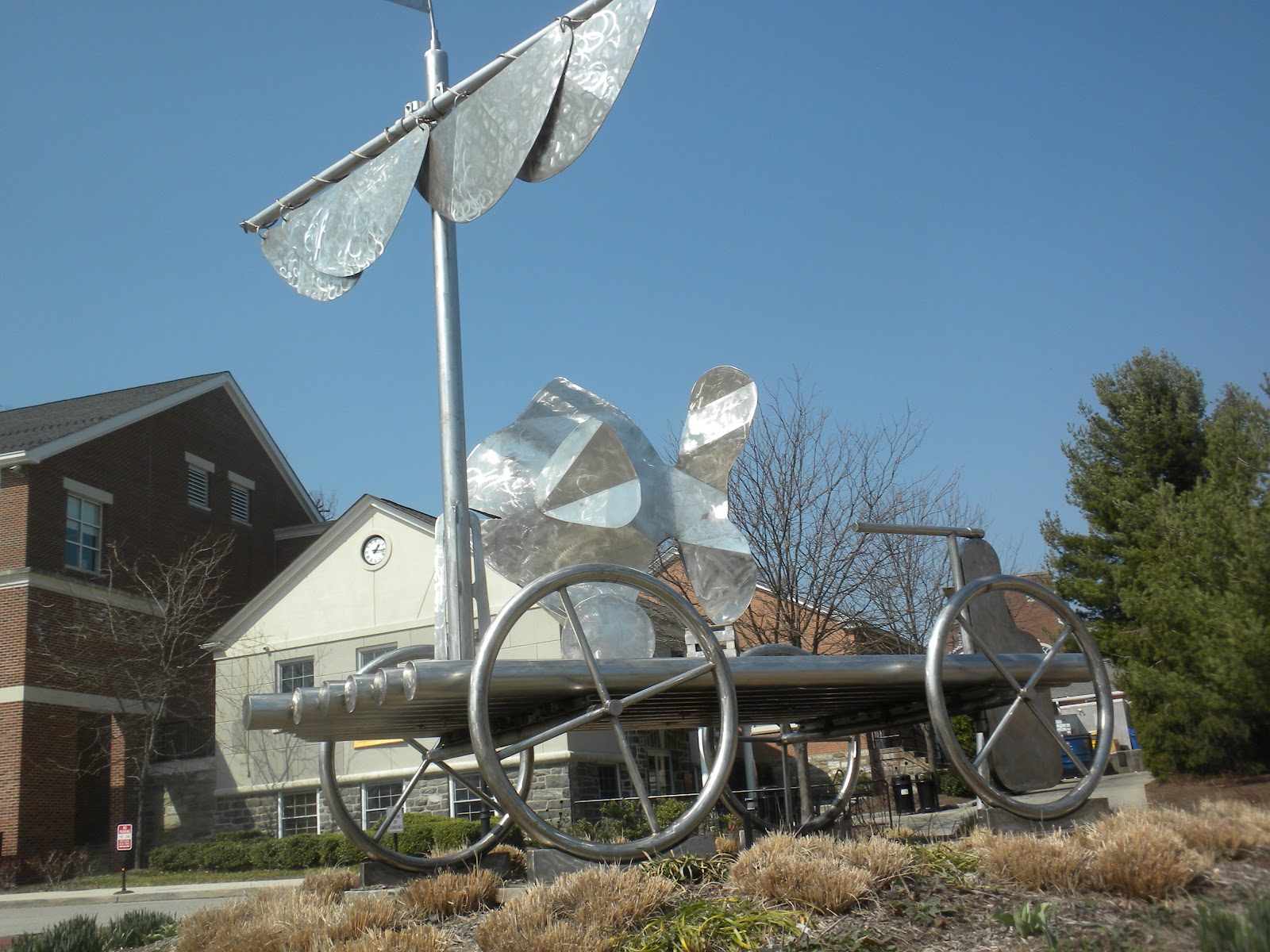
The Haverford School
Haverford · United States
Since 1884 on Philadelphia's storied Main Line, an all-boys campus balances rigorous academics with athletics and the arts.
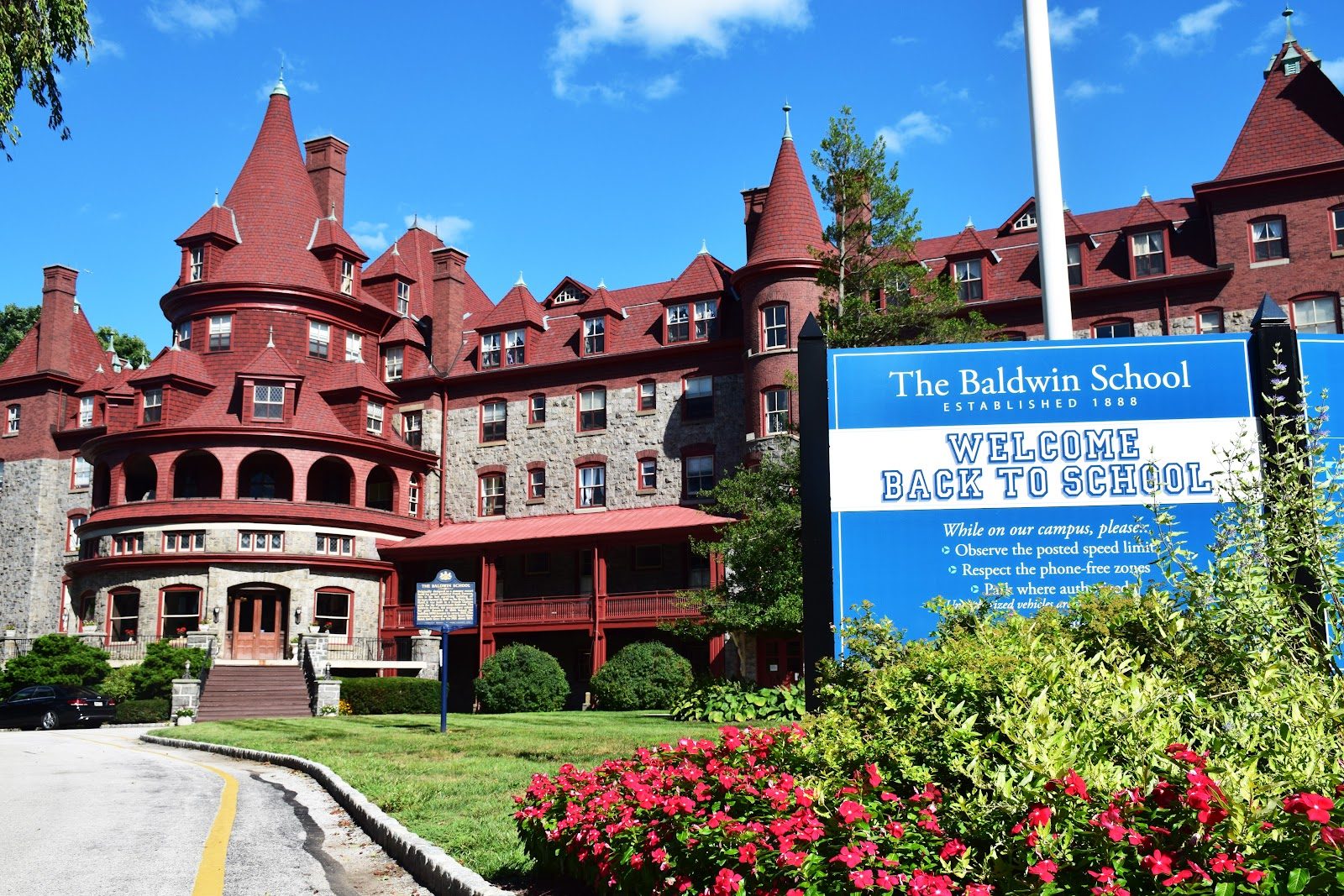
The Baldwin School
Bryn Mawr · United States
Since 1888, a single-sex college-prep tradition on Philadelphia's Main Line, housed in Frank Furness's landmark former Bryn Mawr Hotel.
Delbarton School
Morristown · United States
On a 187-acre abbey campus outside Morristown, Benedictine monks still guide a rigorous, near-1,500-year-old liberal arts tradition.
Same country and curriculum — closest matches within ±10 points either way