
California
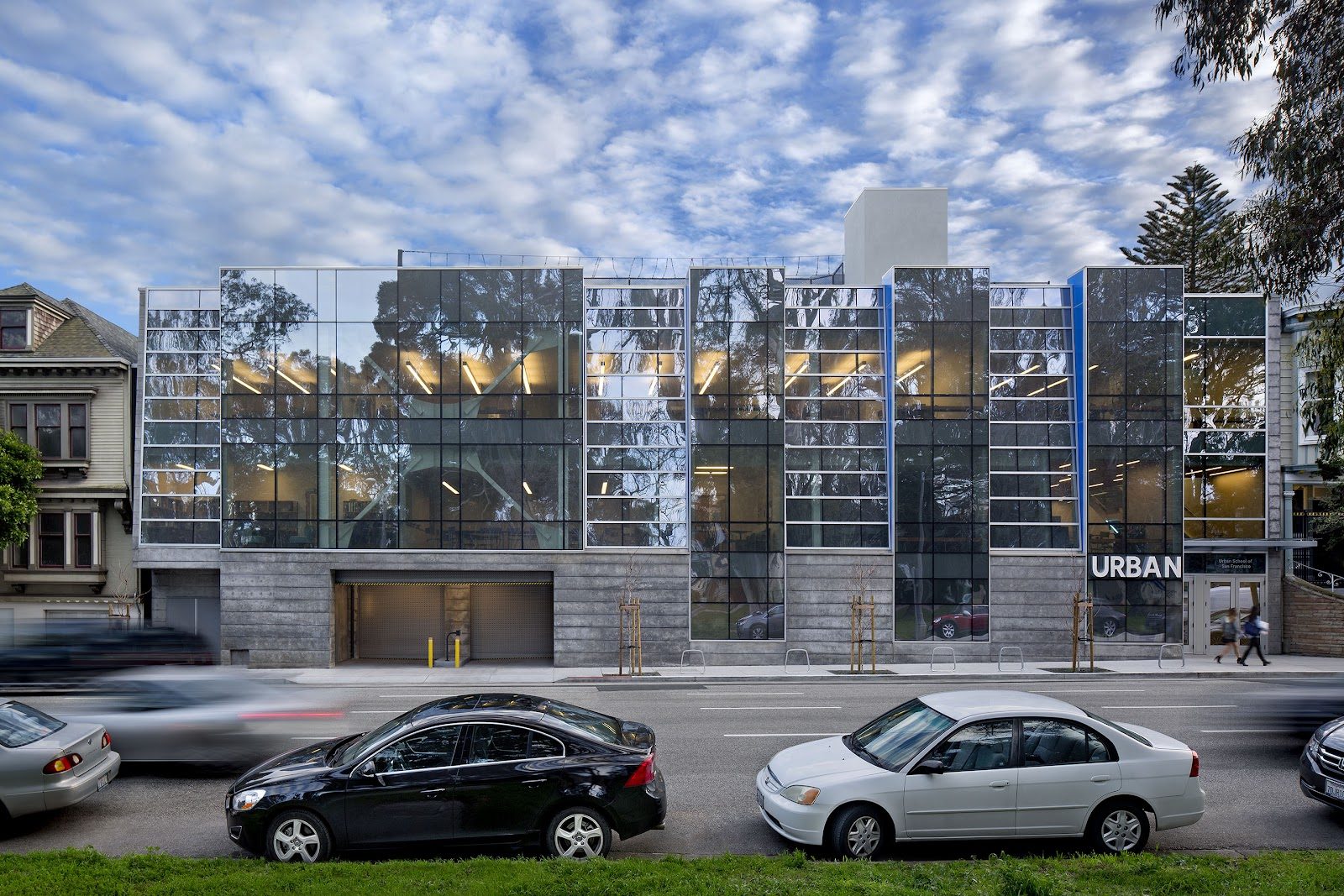
Born in Haight-Ashbury in 1966 as SF's first co-ed independent school, pioneering block scheduling and service learning.
Type
Day
Ages
14–18
Curriculum
American
Qualifications
AP
Ratio
9:1
The Verdict
Editor's commitment
Right for
Students aged 14–18 who want a day school founded in 1966, with a 1:8 ratio and a serious line on student agency.
Wrong for
Families wanting boarding, religious formation or a conventional 14–18 school; Urban is non-religious, day-only and trades on challenge over comfort.
Watch out for
CAIS and NAIS membership give reassurance, but the school does not publish headline academic results here; prestige rests on ethos, not disclosed outcomes.
Ranking breakdown
The Urban School of San Francisco · #288 of 1591
Composite score 72.4. 8 weighted criteria.
By criterion
Academic Outcomes
Weight 20%
#333
of 1529 scored
University Placement
Weight 16%
#354
of 1529 scored
Prestige & Heritage
Weight 12%
#442
of 1571 scored
Alumni Network
Weight 12%
#289
of 1530 scored
Facilities
Weight 12%
#558
of 1534 scored
Transparency & Communications
Weight 8%
#355
of 1532 scored
Peer & Industry Review
Weight 10%
#380
of 1548 scored
Admissions Selectivity & Demand
Weight 8%
#369
of 1529 scored
Peer & Industry Review
How The Urban School of San Francisco is regarded in the sector
73
Respected · medium confidence
Among San Francisco's cluster of academically elite day schools, Urban is generally regarded as the most pedagogically distinctive rather than the most conventionally competitive; heads at schools such as Lick-Wilmerding, SFUHS and Head-Royce treat it as a genuine peer for cross-applicant families, even though its rejection of AP coursework sets it apart from the norm those schools largely retain. College admissions officers familiar with the Bay Area independent-school landscape generally read Urban transcripts on their own terms rather than penalizing the absence of AP labels, reflecting the school's established record of placing students at selective universities. Regional press, including the San Francisco Chronicle, has periodically profiled the school's experiential curriculum with interest rather than skepticism. It holds accreditation from the California Association of Independent Schools and NAIS membership, situating it within recognized peer networks, though it registers less in formal league-table coverage than in qualitative, word-of-mouth standing among Bay Area families and counselors.
Editors' overview
The Urban School of San Francisco occupies a specific niche in the Bay Area market: a small, academically serious, non-religious day school for teenagers who want intellectual stretch without old-guard formality. Founded in 1966 in Haight-Ashbury as San Francisco’s first co-educational independent school, it still trades on that origin story: progressive in instinct, urban in setting, and explicit about student voice, agency and engagement with the wider world. The school’s long association with block scheduling and service learning matters because those choices shape daily life. This is not a place built around passive compliance or narrow grade-chasing. It is built around student voice, academic challenge and a belief that adolescence is worth taking seriously.
What sets Urban apart is the combination of a compact scale and a strong sense of purpose. A 1:8 student-teacher ratio points to real access to adults, and the school talks in direct terms about belonging, imagination, gumption and care. That language can drift into Californian uplift, but there is substance underneath it: a strategic vision through 2030, a new Performing Arts and Community Center, and visible attention to contemporary questions around pluralism, equity, wellbeing and civic engagement. Urban’s location in the Haight also counts for something. This is not a sealed suburban campus; it is a city school, and the school leans into that fact. Parents looking for manicured tradition, overt conservatism or a highly scripted environment should look elsewhere. Parents looking for a school with spirited ambition, rooted in care, and a live connection to San Francisco will pay attention.
Urban belongs on a shortlist because it offers a clear proposition in a crowded independent-school market: rigorous American high school education, strong adult support, and a culture that expects students to think, speak, participate and care about the world beyond the campus gates. Its accreditations through CAIS and NAIS add credibility, but the stronger draw is cultural rather than bureaucratic. The school’s public face is confident, even audacious, and that confidence fits the institution. It knows what it values. It also knows that the right students are not the ones who want to disappear into the crowd.
The best fit is a teenager aged 14–18 who is bright, articulate and ready to engage — the kind of student who likes discussion, welcomes responsibility and does not need constant external policing to do serious work. Urban will suit students drawn to the life of the mind, civic seriousness and creative or performing arts opportunities, as well as those who want teachers to know them well. It will not suit every child. A student who wants a conventional, hierarchical, tradition-heavy school experience will find Urban too self-aware and too progressive. A student energised by ideas, community and the rhythm of city life will find a school that speaks their language.
Academic Performance
Urban does not publish aggregate external examination outcomes. We have not seen school-wide AP score distributions, SAT or ACT averages, National Merit counts, university matriculation tables, or any equivalent set of hard comparative data. That makes precise benchmarking against Bay Area independent-school peers impossible, and it matters. In a market where academically ambitious schools often use results to validate their claims, this level of opacity is a weakness. Parents who want a clean academic audit trail will find the public picture frustratingly thin.
That said, the school’s academic identity is clear in other ways. It talks with conviction about student voice, academic challenge and “the life of the mind”, and it points to multidisciplinary work such as Voices of the Incarcerated rather than a narrow exam factory model. That places Urban in the camp of idea-driven American independents that value intellectual range, discussion and civic seriousness alongside measurable attainment. The risk is obvious: without published outcomes, families must take too much on trust. Relative to peers that disclose AP performance or detailed college destinations, Urban gives parents less to interrogate. Relative to peers that hide behind vague rhetoric, it at least articulates a coherent academic philosophy. The missing piece is proof.
Facilities
Urban’s standout facility is the Performing Arts and Community Center, because it signals a school willing to invest in shared space rather than treat the arts as an afterthought. For a compact urban high school, that matters. The campus also centres on Page Street and the Salkind Center, and the school itself points parents towards those spaces when explaining how its values are lived. That tells you something important: Urban’s built environment is tied to community use, performance, gathering and daily interaction, not just classroom throughput. The result is a campus with clear institutional intent rather than a scatter of rooms pressed into service. Relative to larger suburban independents, Urban will not match the acreage, athletic sprawl or grand standalone science complexes that wealthier peers can field. Relative to city-based peers, the facilities package reads as strong, purposeful and current.
The weakness is straightforward: the school does not publish the kind of detailed facilities inventory that allows parents to inspect science labs, specialist design spaces, athletic provision or library scale with precision. That leaves gaps. We know the arts have had a major capital boost; we do not get the same hard picture elsewhere. Against direct competitors, that puts Urban in a good but not fully evidenced position. Families who prioritise theatre, performance and communal life will find the physical offer compelling. Families hunting for the full country-day-school spread of fields, courts and expansive specialist blocks will find the constraints of an urban site impossible to ignore.
What holds Urban back from the very top tier is not reputation inside its lane, but the absence of public academic outcome data
Prestige
Urban carries real prestige, but it is a specific kind of prestige. This is not inherited grandeur, grand-society branding or an old East Coast cachet transplanted west. Its status rests on selectivity, intellectual reputation and cultural fit within San Francisco’s independent-school world. The school’s long-standing identity as a co-educational, non-religious high school in Haight-Ashbury still matters because it marks Urban out from more traditional rivals. The low 1:8 staffing ratio adds weight: parents read that as access, attention and serious teaching rather than scale for scale’s sake. The new performing arts and community facilities also strengthen the proposition, signalling a school with donors, momentum and enough confidence to invest in visible infrastructure.
I rate the prestige level as high, but niche. Urban has the standing of a school that educated Bay Area families know and watch, especially those who want a teenager surrounded by bright, articulate peers rather than polished institutional theatre. Its language around student voice, agency, pluralism and belonging gives it a distinct ideological signature; for the right families, that raises its appeal, and for others it narrows it. That narrowing does not diminish prestige. It sharpens it. What holds Urban back from the very top tier is not reputation inside its lane, but the absence of public academic outcome data. Prestige built on culture, selectivity and community confidence is still prestige. Prestige without transparent results is also less secure under scrutiny.
Urban communicates with parents in a way that is direct, values-heavy and unusually personalised for a school of its kind
Communications
Urban communicates with parents in a way that is direct, values-heavy and unusually personalised for a school of its kind. The head’s public voice is active rather than ceremonial: Notes from Page Street, community messages, reading recommendations and references to board work all signal a leadership team that wants families to know what the school is thinking about, not just what is happening on the calendar. That matters. Too many independent schools communicate in a blur of event notices and polished reassurance. Urban does more than that. It foregrounds contentious themes — pluralism, wellbeing, equity, incarceration, parent partnership — and treats parents as adults capable of engaging with them. The willingness to cite a wellbeing partnership launched in spring 2026, with assessments administered twice yearly, adds a layer of operational seriousness.
The strength of this approach is clarity of ethos. Parents will understand the school’s moral and educational priorities quickly, and there is little institutional fog. The weakness is equally clear: communication skews philosophical. Families who want hard dashboards — academic results, comparative metrics, detailed operational disclosures — get less than they need. In that sense, Urban is articulate but selective. It excels at explaining purpose, culture and current thinking; it is less strong at publishing the cold data that allow parents to test performance claims. For aligned families, that style will feel intellectually alive and trust-building. For more sceptical parents, it will feel too curated.
Uniqueness
Urban’s distinctiveness lies in the way it treats adolescence as a serious intellectual and civic phase rather than a holding pen before university. Many independent schools talk about student voice; Urban builds its identity around it, pairing agency with expectation. The school’s Haight setting sharpens that identity. This is a high school that draws energy from the city around it and channels that into discussion, service, multidisciplinary study and public-minded work. References to pluralism, equity, wellbeing and courses such as Voices of the Incarcerated are not decorative. They mark a school with a clear moral vocabulary and a willingness to place difficult social questions inside the educational frame. For students, that brings a more adult, argument-driven experience than the polished compliance model common elsewhere.
The other point of difference is structural. Urban’s longstanding association with block scheduling changes the rhythm of learning, giving more room for sustained discussion, project work and deeper teacher-student exchange. Combined with the low 1:8 ratio, that creates the conditions for teachers to know students well and to press them hard. The new performing arts and community facilities add another layer: the school treats shared cultural life as central, not peripheral. That combination — intellectual seriousness, civic engagement, arts investment and deliberately urban identity — gives Urban a character that is hard to confuse with anyone else. For the right teenager, it produces confidence, fluency in discussion, and the habit of connecting ideas to the world beyond school.
Urban’s distinctiveness lies in the way it treats adolescence as a serious intellectual and civic phase rather than a holding pen before university
Student Profile
The students who thrive at Urban are self-starting, verbally confident and comfortable being known. This is not a school for children who want to hide at the back, do the minimum and let the institution carry them along. Urban asks for participation, judgement and a readiness to engage with ideas that spill beyond the classroom. A low 1:8 ratio reinforces that expectation: adults will notice who contributes, who prepares and who retreats. The strongest fit is a teenager who likes seminar-style discussion, can handle challenge without melodrama, and has some appetite for responsibility rather than constant supervision. The school’s language around agency, belonging and the wider world points to a student body that is articulate, socially alert and hard to bluff.
Just as important, Urban suits adolescents who want a community with a progressive moral centre and little patience for empty status performance. Creative students, performers, strong writers and intellectually curious pupils will find room here, as will those drawn to civic questions and multidisciplinary work. A family that wants deference, rigid hierarchy or a narrow test-prep culture will hit friction. So will a student who dislikes speaking up, resists self-reflection or wants school life tightly scripted. Urban is a strong fit for teenagers with independent minds, cultural fluency and enough steadiness to navigate an environment that expects both thought and voice.
The school’s long association with block scheduling and service learning matters because those choices shape daily life
Co-curricular strengths
Arts & sport, on a separate axis
Overall 8.74/10
Scored 0-10 from the school's own published evidence. This axis is editorial-only — it does not feed the main WTS ranking.
Sports
8.8/10
Focuses heavily on inclusive participation and urban recreation rather than the hyper-competitive league culture of traditional academies.
Drama
9/10
Renowned creative engine staging highly complex, experimental, and student-written theatrical works inside premium venues.
Dance
7.5/10
Dedicated dance studios offering strong composition paths that serve as a headline asset for school arts showcases.
Music
9.2/10
Rich instrumental and choral setups supporting advanced jazz combos and traveling vocal ensembles.
Visual Arts
9.2/10
Unrivaled studio integration, offering cutting-edge digital media labs, 3D printing arrays, and fine art workshops.

WTS 300 badge
The Urban School of San Francisco is one of the World's Top 300 Schools. Claim your listing to add it to your site →
Strengths
- +Urban does not evaluate standardized test scores as part of its admissions process, a deliberate equity-driven, test-free policy that broadens who can present a competitive application.
- +The school maintains a 10:1 student-to-faculty ratio within a total enrollment of only 420 students, allowing close faculty-student contact.
- +After graduation, 99% of students from this school go on to attend a 4-year college, indicating a strong college-preparatory track record.
- +Tuition assistance is provided for 30% of Urban students, totaling $5.72 million, a meaningful financial aid commitment for a day school of this size.
- +The school offers 174 unique courses, of which 68 are Advanced Studies, giving a small student body access to a comparatively wide academic menu.
Considerations
- −2026-27 tuition is $68,241, which includes $67,791 tuition and a $450 technology fee, placing it among the costlier US day schools regardless of financial aid offsets.
- −The school receives around 750 applicants per year for roughly 101-110 spots, making admission around 15% and more competitive than the national private-school average.
- −The school's commitment to a tight, self-contained campus has historically limited facilities, particularly in the performing arts, where a 90-seat theater was long overwhelmed by student performers, a structural constraint of its urban Haight-Ashbury site.
- −92% of students are drawn from San Francisco itself and only 8% from the wider Bay Area, meaning it functions essentially as a local day school with no boarding option for relocating families.
Availability
Primary entry gate & tests
ISEE/SSAT + Interview
Gallery
Photo © John Bertrand via Google Maps
Parent reviews
Have you sent your child here?
Voice reviews carry the strongest trust badge — we transcribe them for you to tidy up before they go live. Prefer to type? A written review is fine too.
Add your voice
In 60 seconds, tell other parents: what's the best thing about The Urban School of San Francisco, and what surprised you when your child joined?
We ask for a Google sign-in so every review has a real face behind it — no anonymous drive-by attacks on schools, and no faked positive reviews. Your email is never shown publicly.
Send this profile to a friend
International parents rely on word-of-mouth. Share this review with someone weighing the same decision.
Schools with places
Similar schools to The Urban School of San Francisco with places available now.
The Webb Schools
Claremont · United States
- 2026-27
- CLOSEDRegular cycle closed
- 2027-28
- PLACES OPENPortal live
The Branson School
Ross · United States
- 2026-27
- CLOSEDRegular cycle
- 2027-28
- OPENS SOONOpens Sept '26
Crystal Springs Uplands School
Hillsborough · United States
- 2026-27
- CLOSEDRegular cycle
- 2027-28
- OPENS SOONOpens Sept '26
Lick-Wilmerding High School
San Francisco · United States
- 2026-27
- CLOSEDRegular cycle
- 2027-28
- OPENS SOONOpens early Sept '26
Availability first, then country, area, curriculum, price, co-curricular
Consider also
Also worth looking at alongside The Urban School of San Francisco.
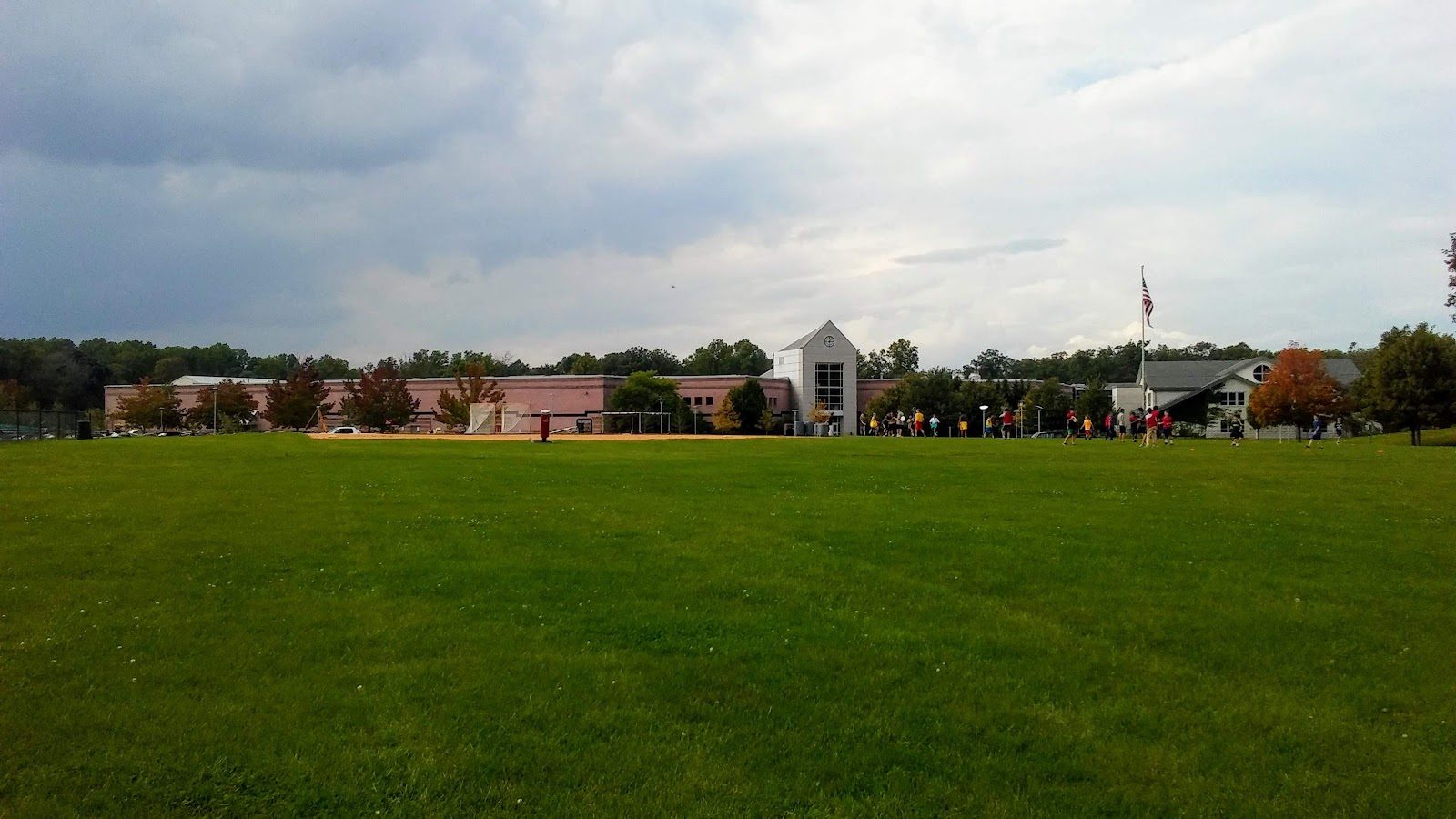
The Pingry School
Basking Ridge · United States
A 1861-founded New Jersey day school whose soccer pitches were deemed fit to host Morocco's 2026 World Cup training camp.
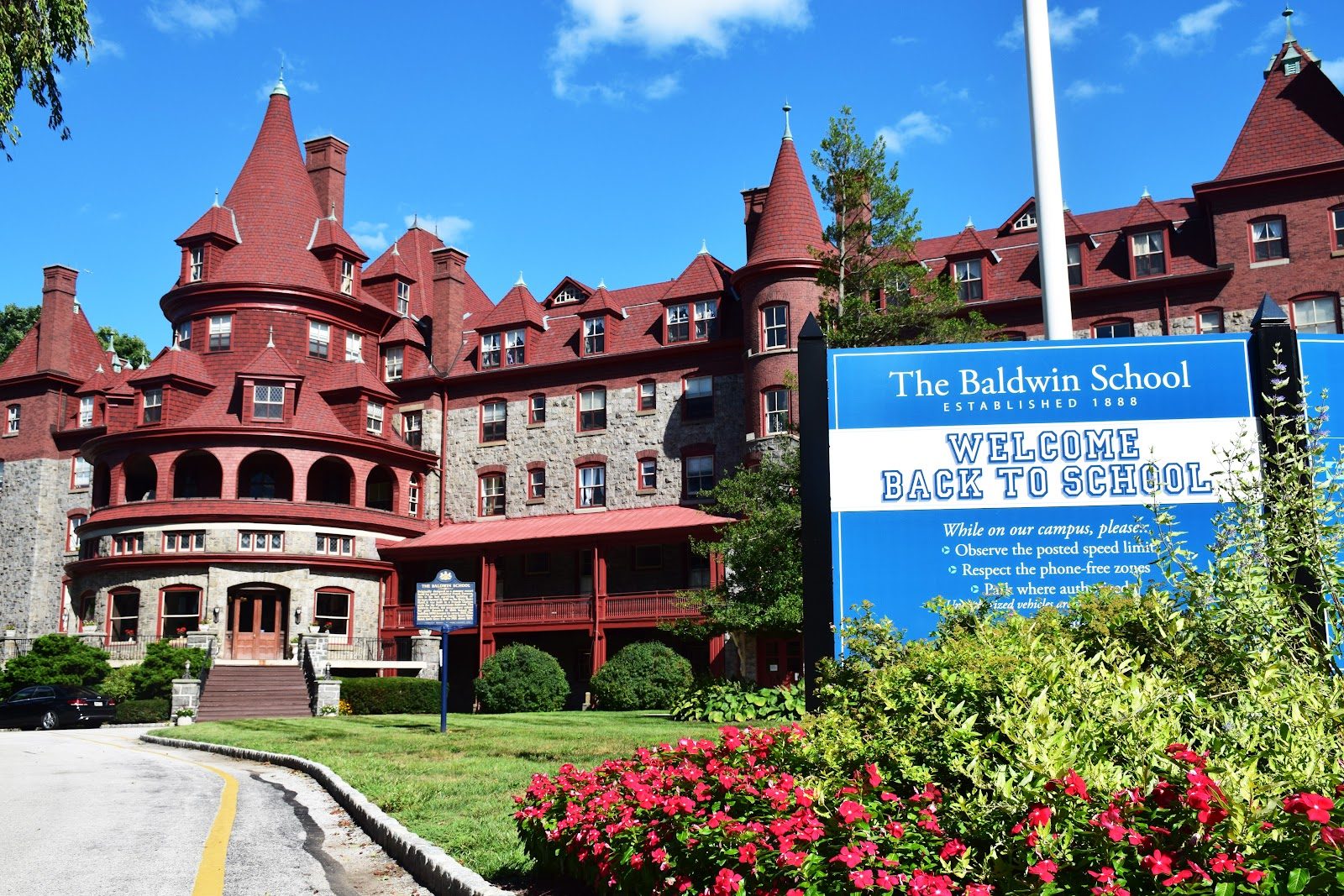
The Baldwin School
Bryn Mawr · United States
Since 1888, a single-sex college-prep tradition on Philadelphia's Main Line, housed in Frank Furness's landmark former Bryn Mawr Hotel.
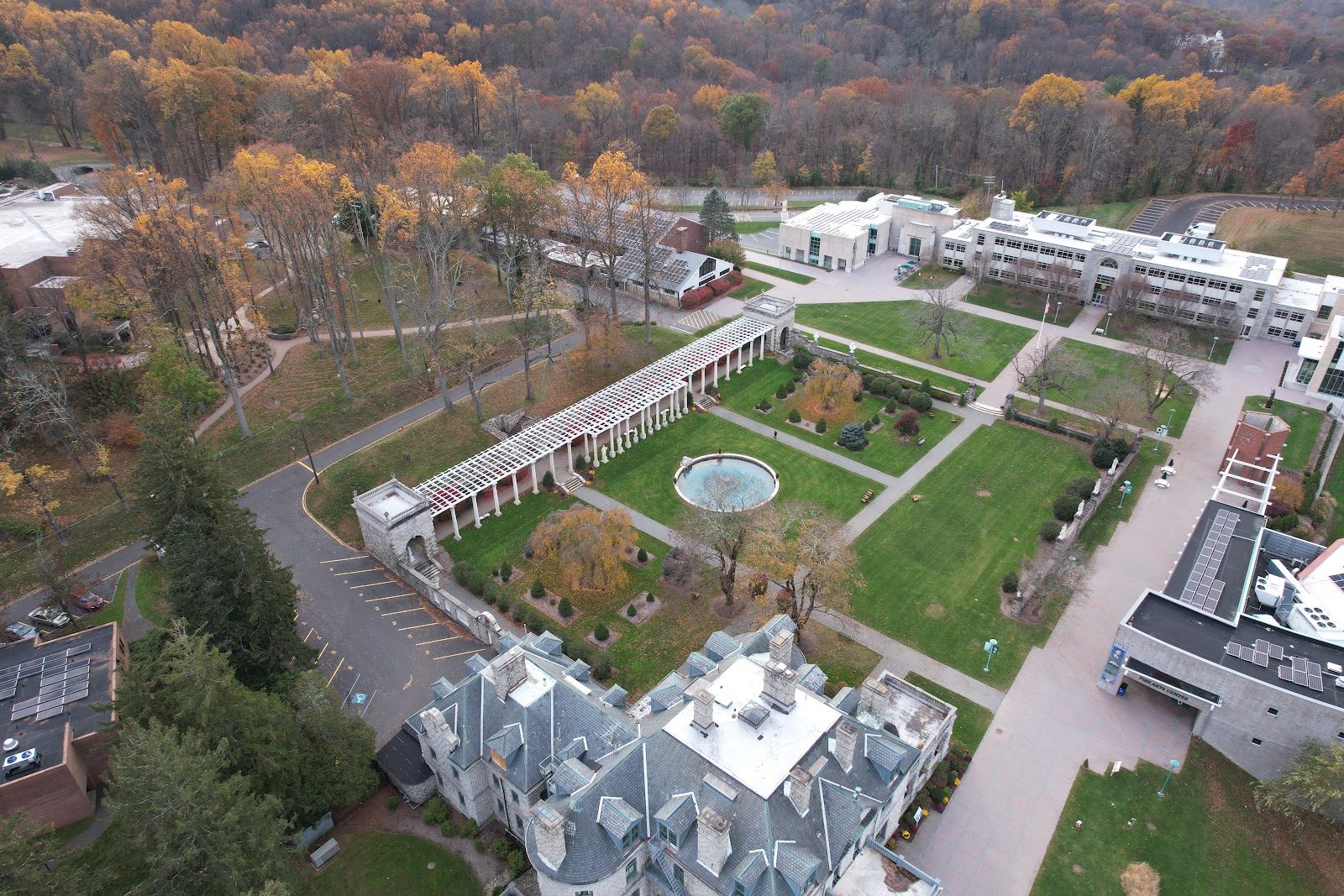
Delbarton School
Morristown · United States
On a 187-acre abbey campus outside Morristown, Benedictine monks still guide a rigorous, near-1,500-year-old liberal arts tradition.

Newark Academy
Livingston · United States
Founded in 1774, this Livingston day school remains New Jersey's only private IB Diploma provider
Same country and curriculum — closest matches within ±10 points either way