
West Midlands
A royal charter from 1552 anchors this Edgbaston day school, where a third of new boys receive means-tested fee support.
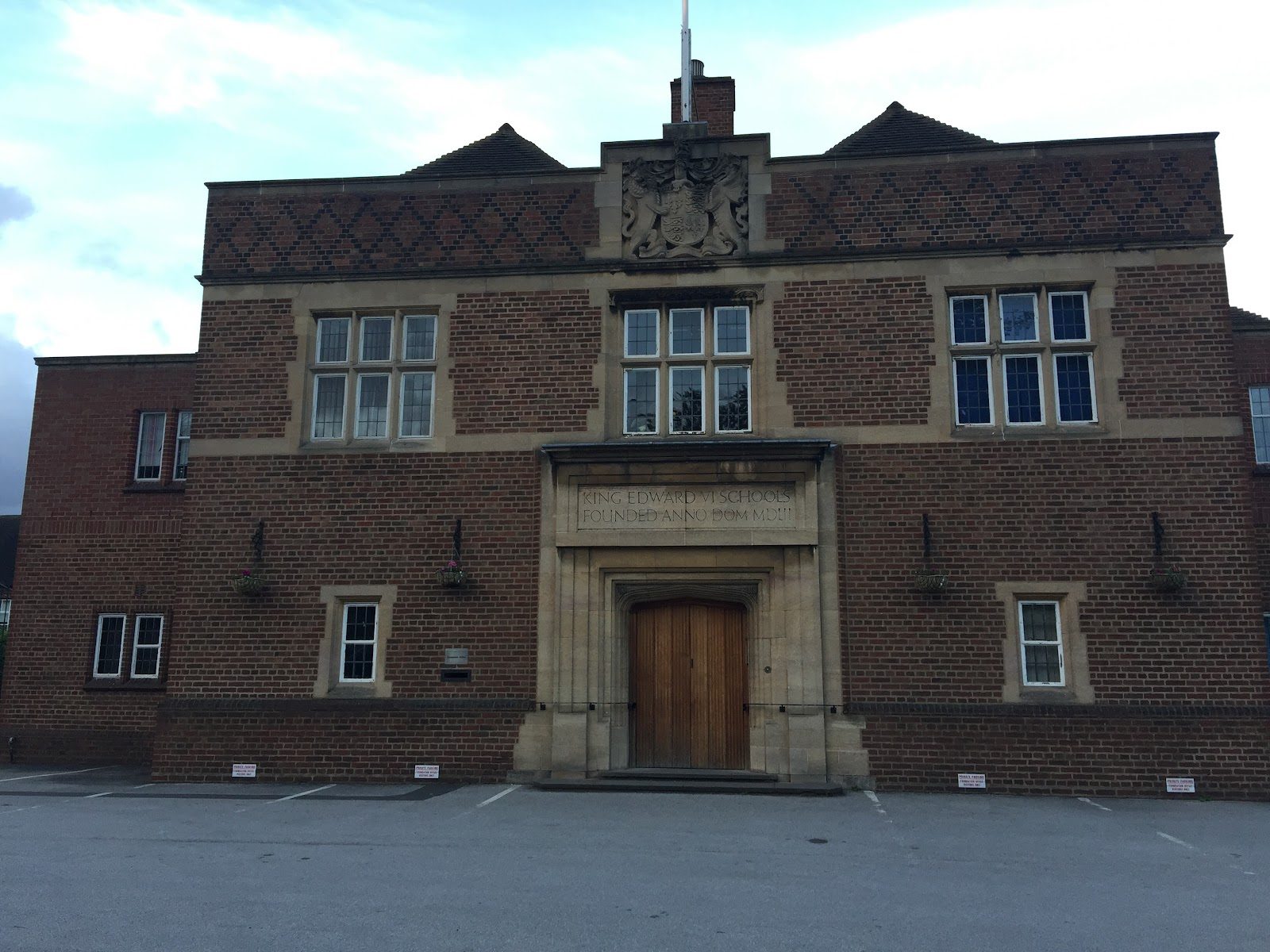
Photo © Ahmed Nahrawy via Google Maps
Type
Day
Ages
11–18
Curriculum
British
Qualifications
A-Level
Ratio
—
The Verdict
Editor's commitment
Right for
Academic boys who want a serious British education: 900 pupils, HMC membership, and 26 Oxbridge places from 135 leavers in 2024.
Wrong for
Families wanting co-education, boarding or a softer pace; this is an Anglican boys' day school for ages 11–18.
Watch out for
The average annual fee is £23,085, and the school says a third of new boys receive means-tested support.
Ranking breakdown
King Edward's School, Birmingham · #82 of 1591
Composite score 78.4. 8 weighted criteria.
By criterion
Academic Outcomes
Weight 20%
#119
of 1529 scored
University Placement
Weight 16%
#136
of 1529 scored
Prestige & Heritage
Weight 12%
#91
of 1571 scored
Alumni Network
Weight 12%
#62
of 1530 scored
Facilities
Weight 12%
#280
of 1534 scored
Transparency & Communications
Weight 8%
#204
of 1532 scored
Peer & Industry Review
Weight 10%
#164
of 1548 scored
Admissions Selectivity & Demand
Weight 8%
#153
of 1529 scored
Score history
King Edward's School, Birmingham · 2026
Movement across 2024–2026. Peer average overlaid.
Overall — 2024–2026
78.4/ 100
▲ +17.4 vs 2025
year on year
Peer & Industry Review
How King Edward's School, Birmingham is regarded in the sector
84
Strong · high confidence
King Edward's School, Birmingham sits among the most consistently benchmarked boys' day schools outside London, with the Good Schools Guide calling it "a seriously brainy school where like-minded boys spark off each other and achieve extraordinary things" and praising its meritocratic, socially inclusive ethos. WhichSchoolAdvisor notes it as one of the highest-performing IB schools in the country, having been the first UK school to switch wholesale from A Levels to the IB Diploma. Sector press reinforces this standing: the school ranks 41st nationally and third in the West Midlands on the region's independent school league tables, alongside recent Tatler Schools Guide and Sunday Times Parent Power recognition. Its 500-year history, HMC membership and alumni roster including Nobel laureates and J.R.R. Tolkien give it a durable reputation that peer schools and specialist reviewers routinely reference as a regional (and increasingly national) academic benchmark.
Editors' overview
King Edward’s School, Birmingham trades on something more substantial than heritage: it combines a Tudor foundation with a modern access mission that still has teeth. This is a boys’ day school of around 900 pupils aged 11 to 18 on a shared 50-acre Edgbaston campus with King Edward VI High School for Girls, which gives it a physical footprint and range of facilities that many urban day schools cannot match. The headline numbers are strong and concrete. In the 2024 leavers’ cohort of 135, 88% went to top-100 universities, 26 Oxbridge places were secured, and 51 boys went on to Russell Group universities. The average annual fee across the full ladder is £23,085, which places it in the upper tier of the UK day-school market without reaching the price point of London’s most expensive independents.
What marks KES out is not softness or polish but academic seriousness. The school says plainly that it is for bright boys and the rest of the profile backs that up: British curriculum, HMC membership, a long-established reputation in the West Midlands, and a sixth form that still sends sizeable numbers to Cambridge and Oxford, with Birmingham also a major destination. There is also depth behind the public results. The school states that more than £1 million a year comes from the King Edward VI Foundation for assisted places, with over £12 million raised in recent years from alumni and supporters for the same purpose. Your editorial tagline sharpens that point further: a third of new boys receive means-tested fee support. That matters. It gives the school a broader social mix than many fee-charging competitors and keeps KES connected to the grammar-school ideal of academic selection and upward mobility. The alumni footprint is also unusually rich: 206 notable alumni catalogued on Wikidata, including 50 scientists and scholars and 30 elite athletes, which tells you something about the school’s long-range intellectual and institutional reach.
This school belongs on a shortlist for families who want a fiercely academic, high-pressure boys’ education with a real tradition of scholarship and no need for boarding. It will suit boys who enjoy being stretched, who are happy in a competitive peer group, and who want a big co-curricular life alongside serious classroom expectations. It will not suit every child. A boy who needs a gentler pace, a more progressive culture, or a co-educational setting from day one will find stronger fits elsewhere. But for able boys across the West Midlands, especially those chasing selective university outcomes and families drawn to a school with genuine social mobility rather than just heritage branding, King Edward’s remains a formidable option.
Academic Performance
King Edward’s does not publish aggregate GCSE or A-level score profiles in the source set here, so any parent looking for the standard grid of A/A, 9–7 or A–B outcomes will find a gap. That matters, because schools at this level normally trade hard on public examination data. Even so, the destination pattern gives a clear enough read on academic strength. The sixth form is delivering serious selective-university traction, with 26 heading to Oxbridge in the latest leavers’ cohort and a much larger group progressing to Russell Group universities. That places KES in the company of the country’s top academic day schools, even if the absence of published aggregate exam tables denies families the full forensic picture.
Relative to peers, this is not a broad-middle independent coasting on manners, sport and history. It is an exam-driven, high-attaining boys’ school whose outcomes point to sustained strength at the top end, especially for pupils targeting medicine, law, sciences and other competitive courses. The school’s own language about educating bright boys is borne out by where leavers go. The caveat is straightforward: the destination data are excellent, but destinations are not a substitute for full exam transparency. Parents comparing KES with Westminster, St Paul’s, Manchester Grammar or the strongest London day schools will want published subject-level and grade-distribution detail. On the evidence that is public, KES sits comfortably in the nationally competitive bracket and remains formidable within the West Midlands.
Facilities
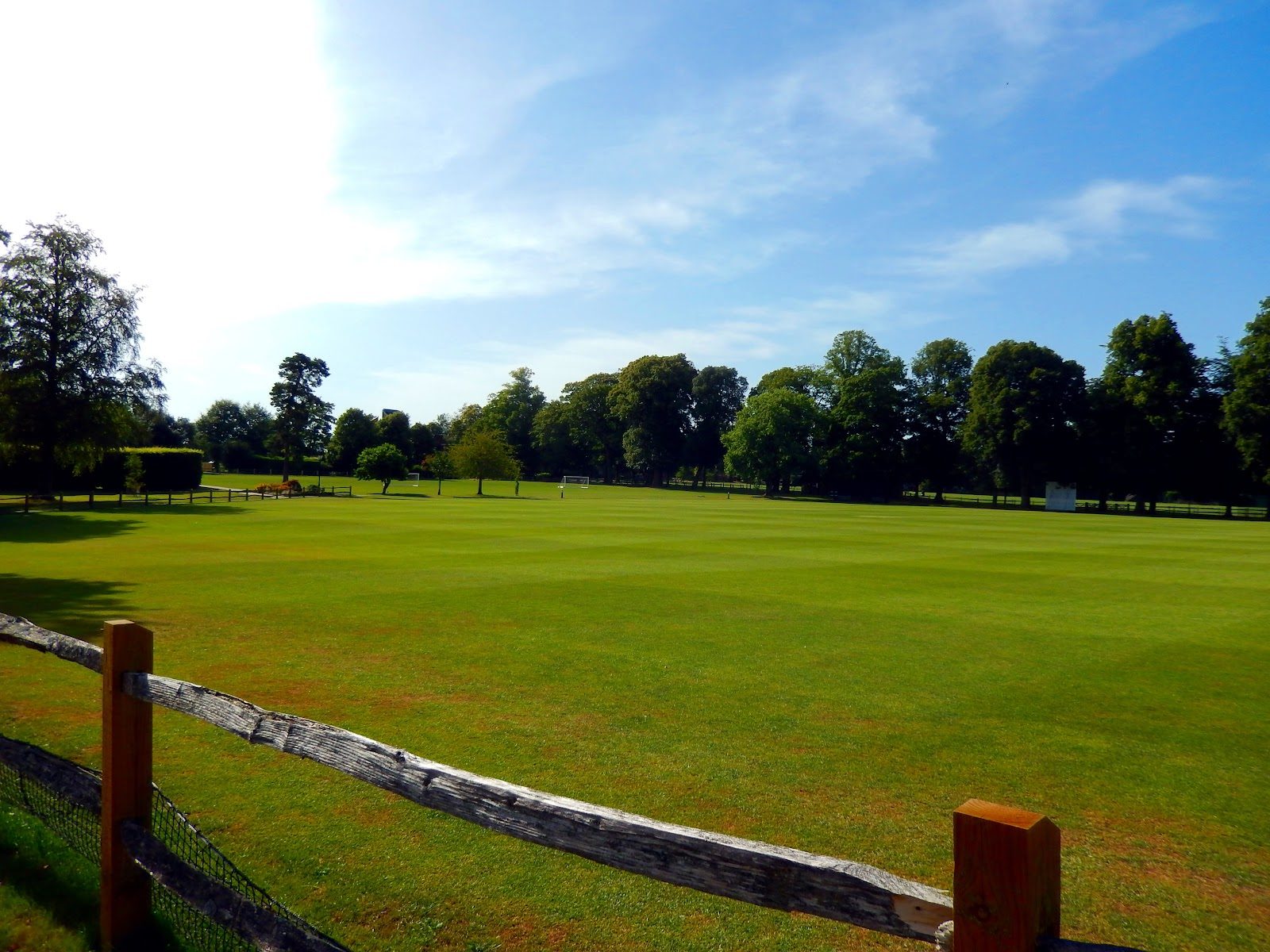
The physical proposition is stronger than most city day schools. King Edward’s shares a 50-acre Edgbaston site with its sister school, which gives it room for proper sport, specialist teaching spaces and a broader operational scale than the cramped campuses that define much of the urban independent sector. The public site map is not granular enough to let parents audit every block, but the academic and co-curricular menu is telling: separate departments across the sciences, computing, design and technology, art, drama, music, modern languages and classics; dedicated sixth form spaces; a library; food provision; and an unusually full sport and games structure. Add Combined Cadet Force units across all three services, trips, expeditions, clubs and societies, and Friday afternoon activities, and the picture is of a school with real breadth rather than a narrow exam factory.
Against peers, that matters. Many academically selective boys’ day schools deliver intellectual punch from tight urban footprints and rely on timetabling ingenuity to mask space constraints. KES has fewer excuses to make. The shared campus gives it a big-school range of facilities without the boarding-school sprawl, and that strengthens both daily sport and the performing arts. The limit is transparency: the school does not publish the kind of detailed facilities photography, technical specifications or standout capital-project narrative that some rivals use to prove exactly how good their spaces are. So the verdict is strong but not inflated: this is an amply equipped, serious-use campus with advantages many competitors lack.
In the 2024 leavers’ cohort of 135, 88% went to top-100 universities, 26 Oxbridge places were secured, and 51 boys went on to Russell Group universities
Prestige
King Edward’s carries real national prestige, not the inflated local kind that fades outside its own postcode. The school sits in that narrow band of old British independents whose name still signals intellectual selection, institutional continuity and a serious route into the country’s most competitive universities and professions. Its membership of the HMC matters here, but the stronger marker is cultural: this is a school with a long-established place in the public-school hierarchy and a distinguished old-boy network that extends well beyond the Midlands. The alumni record is deep, not decorative — 206 notable former pupils catalogued on Wikidata, with heavy representation in scholarship, public life, journalism and sport. That breadth tells you the brand has held value across generations, not just in one sector.
I rate its prestige highly because it combines historic weight with earned academic authority and a credible access ethos. Plenty of famous schools have heritage; fewer still retain seriousness without drifting into complacency or social exclusivity for its own sake. King Edward’s has kept a selective academic identity and attached it to substantial fee support, which gives the name more moral substance than many rivals. It does not have the international glamour or London concentration of Westminster or St Paul’s, and families chasing pure global cachet will place it a notch below those institutions. Within the West Midlands, though, it is top-drawer and hard to dismiss: one of the region’s defining academic schools, with prestige rooted in outcomes, tradition and social reach rather than polish alone.
What marks KES out is not softness or polish but academic seriousness
Communications
King Edward’s communicates with more discipline than flair. The website is well organised, with clear parent-facing navigation for term dates, calendars, food, uniform, travel, medical information, trips, sport and absence reporting, plus direct routes into pastoral, safeguarding and departmental pages. That matters because this is a school with a busy operational life and a high-expectation culture; parents need logistics delivered cleanly, not wrapped in sentiment. The presence of separate sections for pupil voice, policies, inspection reports, careers resources and a detailed menu of academic departments gives a stronger sense of substance than many independent-school sites, which bury practical information under image management. The admissions side also covers fees, assisted places, scholarships, entrance exams, FAQs and open days in a straightforward way. For day-to-day communication, the dual calendar structure and parent portal functions visible from the public site point to a competent, systems-led approach.
What the school does not do is overshare. There is less of the glossy storytelling, leadership messaging and real-time social media theatre that some rivals use to manufacture warmth. Some families will welcome that restraint; others will read it as cool or institutional. I rate the communication as effective because it answers practical questions quickly and exposes the school’s workings without too much varnish. I rate it below the very best because the tone is still more administrative than human, and because academic disclosure remains incomplete: parents can find destinations, but not the full exam-data picture that a school of this calibre should publish.
Uniqueness
What sets King Edward’s apart is the way it joins old public-school authority to a live access mechanism that still changes who gets through the door. Plenty of historic independents talk about opportunity; KES puts serious institutional money behind it, through foundation support and donor-funded assisted places, and your verified tagline gives the sharpest proof: a third of new boys receive means-tested help. That alters the character of the school. It produces a peer group shaped by academic selection rather than fee power alone, and that gives the place a harder intellectual edge and a broader social range than many schools with comparable cachet. For able boys, that means daily life among classmates who have won their place on merit and expect to be stretched.
There is also a distinctive duality to KES’s culture. It has the *high-expectation, traditional boys’ school* frame, but it operates on a substantial shared site with its sister school and offers a co-curricular programme that runs well beyond books and exams: performing arts, extensive sport, leadership, service, trips, expeditions and a full three-service CCF. That combination matters. Students get the focus and identity of a single-sex school without the narrowness that can dog smaller, more enclosed boys’ institutions. The result is a serious, competitive, socially wider education that prepares boys not just for selective universities, but for environments where confidence, range and stamina count.
A boy who needs a gentler pace, a more progressive culture, or a co-educational setting from day one will find stronger fits elsewhere
Student Profile
The boys who thrive here are bright, competitive and comfortable with being measured against able peers every day. This is not a school for children who need constant reassurance or a slow academic tempo. It suits boys who enjoy argument, precision and hard thinking, and who gain energy from a classroom culture that treats intellectual effort as normal rather than exceptional. Because entry is selective and the school keeps a strong access pipeline, the intake is not just affluent polish in blazers; it draws boys from a wider social spread across the region, united more by ability and drive than by one narrow social type. That gives the place a meritocratic, high-pressure feel that many families actively want and others will find unforgiving.
Fit also depends on temperament outside lessons. A boy who wants to do more than collect grades will find room for sport, music, drama, clubs, service and CCF, and the scale of the school means he is not lost in a giant system. With around 900 pupils, it is big enough to sustain depth and competition, but still small enough for a distinct house and year-group identity. The best fit is a boy who will use that range rather than hide from it: self-motivated, resilient and willing to join in. The weaker fit is clear too — boys who want a softer pastoral atmosphere, a less traditional male environment, or a more relaxed peer culture. This is a school for boys who can handle serious expectations and do not need those expectations diluted.
That matters, because schools at this level normally trade hard on public examination data
Co-curricular strengths
Arts & sport, on a separate axis
Overall 8.74/10
Scored 0-10 from the school's own published evidence. This axis is editorial-only — it does not feed the main WTS ranking.
Sports
9/10
Powerful independent day athletic pipeline, fielding dominant varsity teams in rugby, hockey, and cricket across expansive grounds.
Drama
9.2/10
Active classical drama societies and Shakespeare showcases focused on building rigorous public speaking and confidence traits.
Dance
7/10
Maintained strictly as a minor auxiliary component for theatrical physical movement blocks or house arts festivals.
Music
9.7/10
Highly elite music wing backed by the custom Recital Hall, supporting top-tier youth orchestras and symphonies in Birmingham.
Visual Arts
8.8/10
Highly structured fine art layout leaning heavily toward technical drawing, fine oils, and advanced portfolio mastery.
Editor-verified · 8/6/2026
Outcomes & destinations
Where students go next
Editorial estimateClass of 2024
135 graduates
A-Level distribution
97% covered
- A*42%
- A31%
- B19%
- C5%
Top destinations
77 placements
- Cambridge· 14
- Oxford· 12
- Birmingham· 18
- Warwick· 12
- Nottingham· 8
- UCL· 7
- Imperial College London· 6
Grammar school with strong Oxbridge tradition and Midlands Russell Group pipeline.
Editor-approximated from the school's own leavers report. Awaiting school-attested figures.
Notable alumni · Wikidata
206notable alumni
127 historic (born pre-1930) · 19 modern (born post-1970)wikidata:2026-07-28 How we source this
The story in one line
46% achieved ≥ AAB in 2+ facilitating subjects·ISI Routine Inspection 2026
AAB with 2 facilitating subjects is the Department for Education's published predictor of admission to a top-third UK university: the pupil has scored high grades in at least two of the classic Russell-Group subjects (maths, sciences, English, history, geography, or a modern language). Independent schools don't appear in the state-only HE-destinations dataset, so this is the strongest DfE-verified sixth-form signal available. Source: DfE 16-18 school and college performance data · 2023/24.
DfE-verified statistics
Official GCSE data · 2024/2025
Progress 8
—
Value-added score. State-schools only; 0 = expected progress, +1 = one grade above.
Attainment 8
23
Average grade across 8 GCSEs (score out of 90). National ≈ 46.
EBacc average score
0.74
Avg grade across the 5 EBacc pillars (English, Maths, Sciences, Language, Humanity).
EBacc slots filled
1.7
How many of the 5 EBacc pillars pupils typically enter (max 5).
A-Level attainment
Cohort · 2023/24
Avg A-Level grade
A-
APS per entry: 46.29
Best 3 grade
A-
Best-3 APS: 46.12
≥ AAB + 2 fac.
45.7%
Russell-Group predictor.
Progress (value-added)
+0.04
Average
Read with care. Independent schools frequently sit IGCSEs or Pre-U qualifications instead of standard GCSEs — DfE data only counts standard GCSEs, so these numbers may reflect a partial cohort. For a fuller picture, cross-check with the school's own annually-published results.
URN 109374Verified · DfE 2024/2025
Official inspection
ISI report · 2026
Inspectorate
Independent Schools Inspectorate
The Government-approved inspectorate for English independent schools.
Latest report
13 January 2026
Routine Inspection
Report history
Verified · Independent Schools InspectorateSource-of-truth
WTS 300 badge
2025/26 editionKing Edward's School, Birmingham is one of the World's Top 300 Schools for 2025/26. Claim your listing to add it to your site →
Strengths
- +Consistently strong A-level results, with 42 per cent of grades at A* and 73 per cent at A*-A in 2024.
- +Strong university progression, with 88 per cent of 2024 leavers heading to top-100 universities and 26 Oxbridge places (14 Cambridge, 12 Oxford).
- +Substantial bursary provision, with means-tested Assisted Places available at 11+ that widen access to less affluent families.
- +Long academic tradition, with notable alumni including author J.R.R. Tolkien.
- +Shares a 50-acre Edgbaston campus with sister school King Edward VI High School for Girls, allowing joint music, drama and some societies despite separate teaching.
Considerations
- −Single-sex boys' school, so families seeking co-education for their son, or a place for a daughter, will need to look elsewhere.
- −The school does not accept applications from international students, a significant structural limitation for relocating expat families.
- −Entry is highly selective, via the school's own maths and English entrance exam plus interview, with the large majority of places filled at 11+ and only a handful of spaces at other entry points.
- −As a day school, some pupils commute considerable distances from across the West Midlands, implying a demanding daily journey for families settling outside central Birmingham.
Availability
Primary entry gate & tests
11+ Entrance Exam (Boys)
Gallery
Photo © Soma Sekhar Yerraguntla via Google Maps
Photo © Soma Sekhar Yerraguntla via Google Maps
Photo © Soma Sekhar Yerraguntla via Google Maps
Photo © Soma Sekhar Yerraguntla via Google Maps
Photo © Soma Sekhar Yerraguntla via Google Maps
Photo © Soma Sekhar Yerraguntla via Google Maps
Photo © Soma Sekhar Yerraguntla via Google Maps
Photo © E via Google Maps
Photo © E via Google Maps
Recommended reading
Independent write-ups of this school from editorial outlets we trust.
- King Edward's School, BirminghamGood Schools Guide
Parent reviews
Have you sent your child here?
Voice reviews carry the strongest trust badge — we transcribe them for you to tidy up before they go live. Prefer to type? A written review is fine too.
Add your voice
In 60 seconds, tell other parents: what's the best thing about King Edward's School, Birmingham, and what surprised you when your child joined?
We ask for a Google sign-in so every review has a real face behind it — no anonymous drive-by attacks on schools, and no faked positive reviews. Your email is never shown publicly.
Send this profile to a friend
International parents rely on word-of-mouth. Share this review with someone weighing the same decision.
Schools with places
Similar schools to King Edward's School, Birmingham with places available now.
Alleyn's School
London · United Kingdom
- 2026-27
- CLOSEDStandard route
- 2027-28
- OPENS SOONOpens Sept '26 (11+ on 1 Sept)
Highgate School
London · United Kingdom
- 2026-27
- CLOSEDStandard route
- 2027-28
- PLACES OPEN11+ (Closes 4 Nov); 16+ (16 Oct)
Charterhouse
Godalming · United Kingdom
- 2026-27
- CLOSEDStandard route
- 2027-28
- PLACES OPEN16+ Active (Closes 23 Sept); 13+ Late
Tonbridge School
Tonbridge · United Kingdom
- 2026-27
- CLOSEDStandard route
- 2027-28
- PLACES OPEN16+ Active; 13+ Std Closed; 13+ Late enquire
Availability first, then country, area, curriculum, price, co-curricular
Consider also
Also worth looking at alongside King Edward's School, Birmingham.
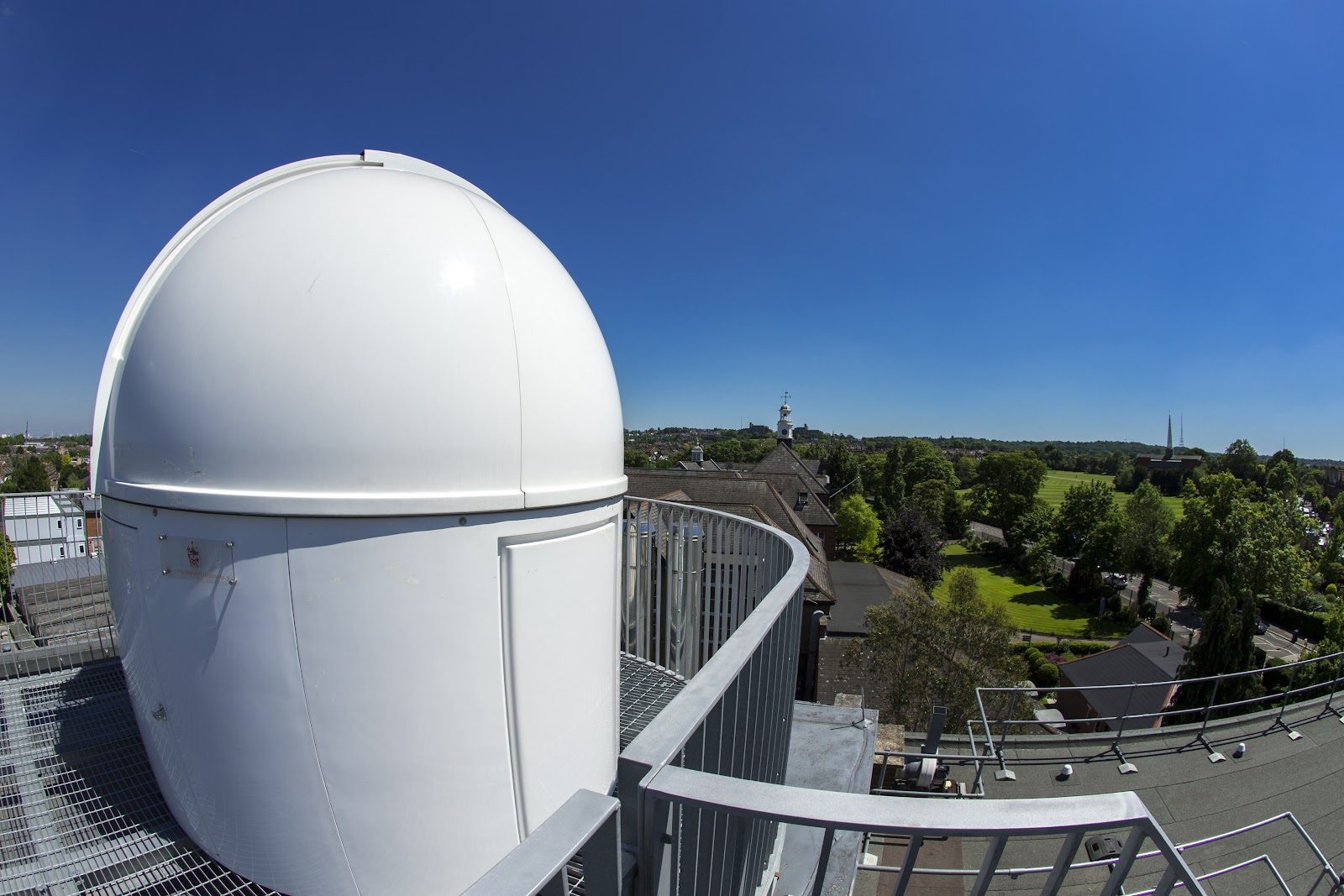
Alleyn's School
London · United Kingdom
A 1619 theatre fortune built this Dulwich day school, whose junior houses still bear the names of Edward Alleyn's playhouses.
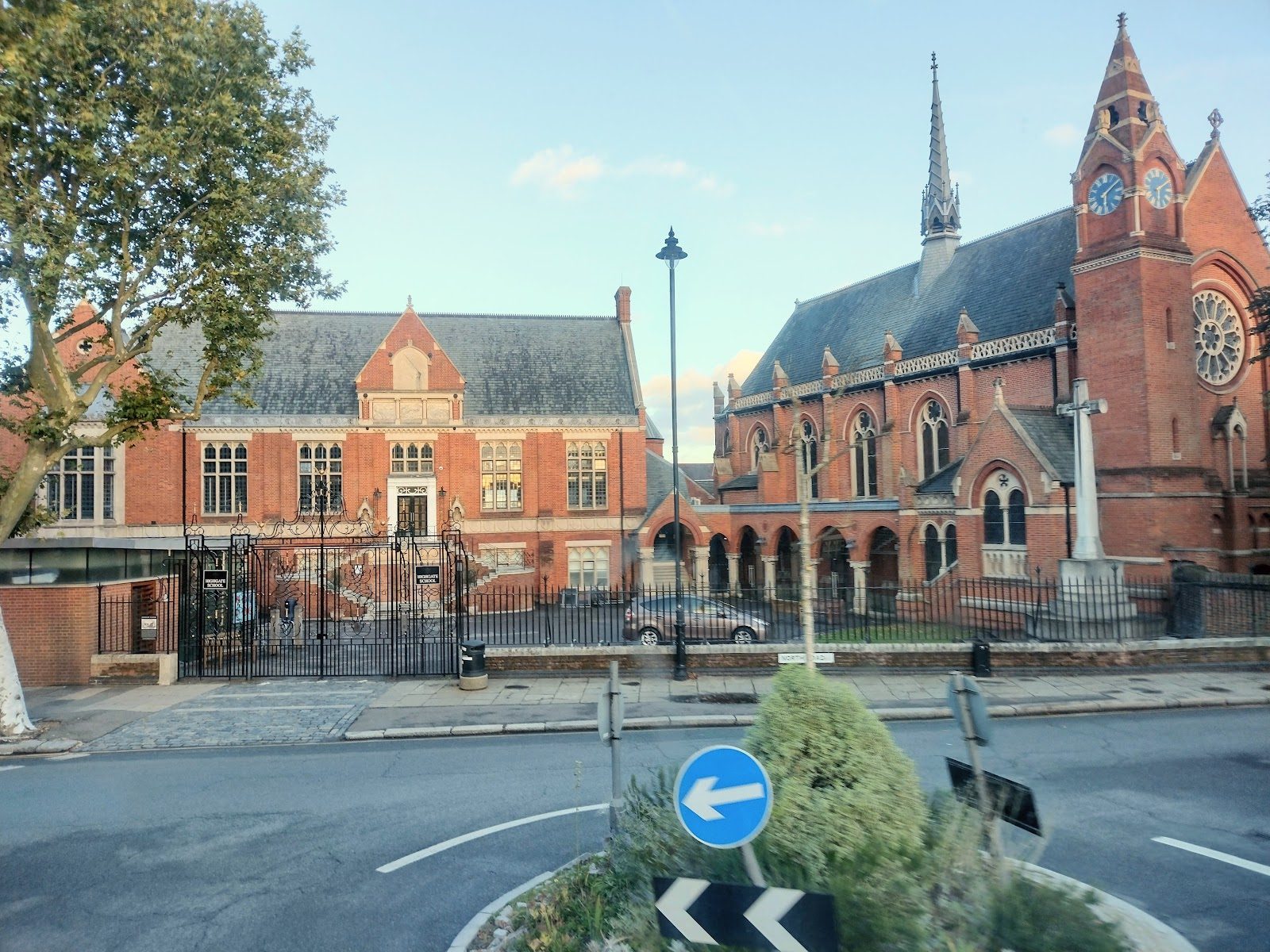
Highgate School
London · United Kingdom
Chartered by Elizabeth I in 1565, this Highgate grammar school now founds access academies alongside its Oxbridge-bound sixth form.
Charterhouse
Godalming · United Kingdom
One of England's Nine Great Public Schools, now fully coeducational, set on a 250-acre Surrey campus with IB scores averaging 37 points.
Reading School
Reading · United Kingdom
Founded within Reading Abbey in 1125, this selective state grammar for boys still sends the bulk of its leavers to Russell Group and Oxbridge places.
Same country and curriculum — closest matches within ±10 points either way