
Greater London
A 1619 theatre fortune built this Dulwich day school, whose junior houses still bear the names of Edward Alleyn's playhouses.
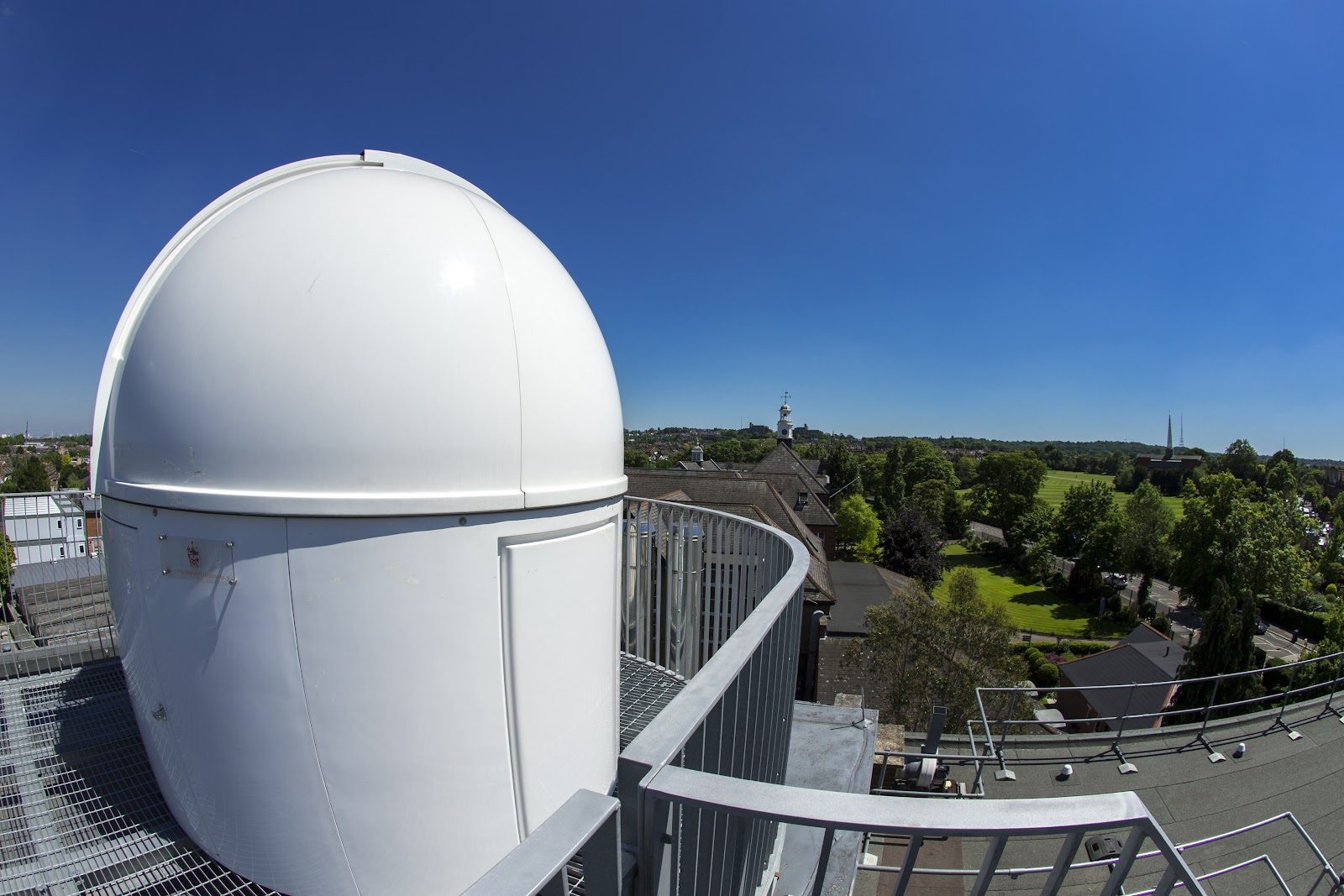
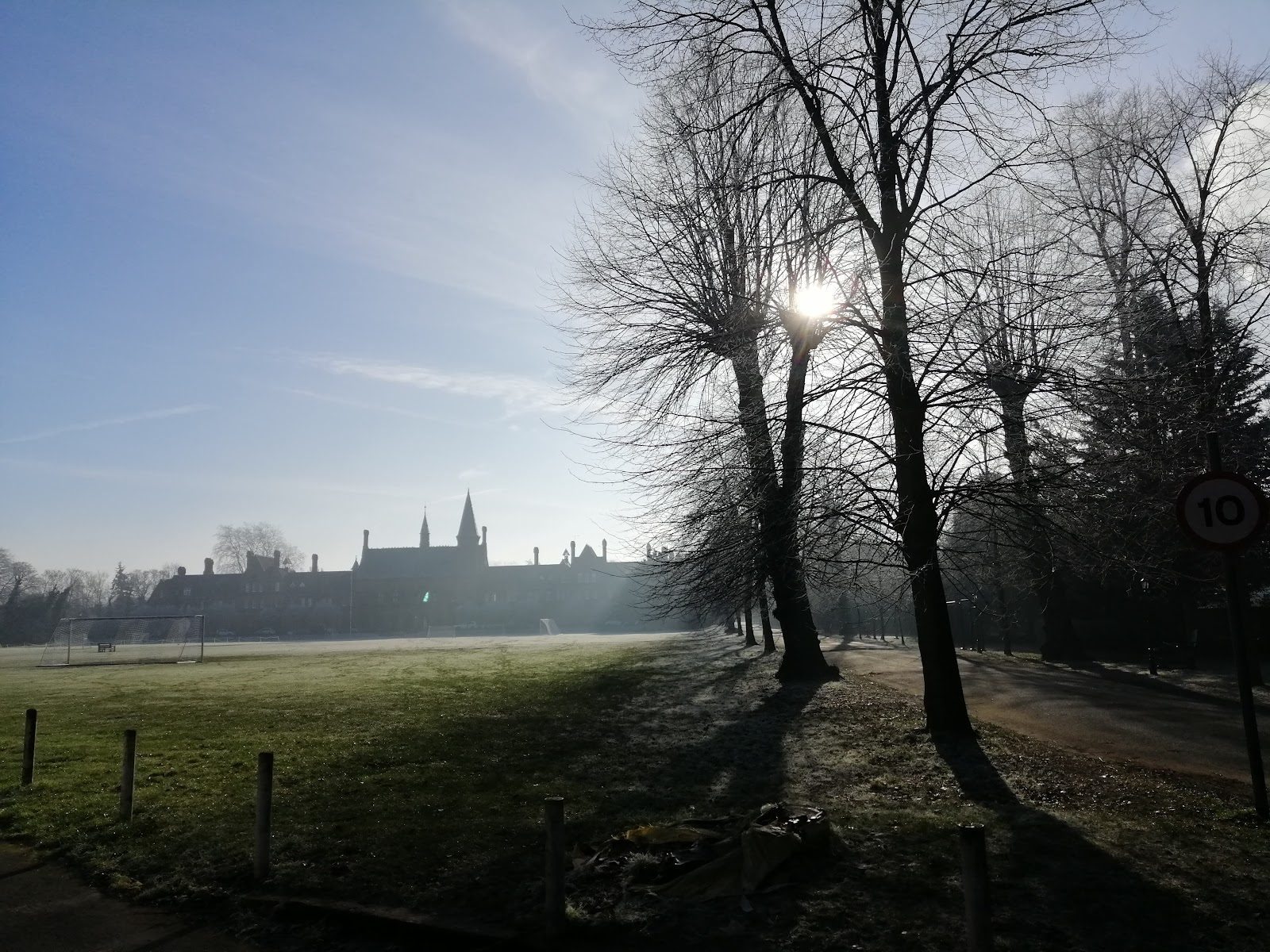
Photo © Alleyns Analytics via Google Maps
Type
Day
Ages
11–18
Curriculum
British
Qualifications
A-Level
Ratio
—
The Verdict
Editor's commitment
Right for
Families wanting a London day school with pedigree and outcomes: founded in 1619, Anglican, with 18 Oxbridge offers in 2024.
Wrong for
Parents wanting intimacy or low stakes: Alleyn's runs 11–18, sends 87% of 155 leavers to top-100 universities, and keeps standards high.
Watch out for
The average annual day fee is £30,585, and the culture runs academic: 40 Russell Group destinations in 2024, led by UCL, Cambridge and Oxford.
Ranking breakdown
Alleyn's School · #81 of 1591
Composite score 78.4. 8 weighted criteria.
By criterion
Academic Outcomes
Weight 20%
#119
of 1529 scored
University Placement
Weight 16%
#104
of 1529 scored
Prestige & Heritage
Weight 12%
#122
of 1571 scored
Alumni Network
Weight 12%
#81
of 1530 scored
Facilities
Weight 12%
#279
of 1533 scored
Transparency & Communications
Weight 8%
#153
of 1532 scored
Peer & Industry Review
Weight 10%
#164
of 1548 scored
Admissions Selectivity & Demand
Weight 8%
#153
of 1529 scored
Score history
Alleyn's School · 2026
Movement across 2024–2026. Peer average overlaid.
Overall — 2024–2026
78.4/ 100
▲ +18.6 vs 2025
year on year
Peer & Industry Review
How Alleyn's School is regarded in the sector
85
Strong · high confidence
Alleyn's School sits firmly among London's most respected co-educational day schools, with School Guide naming it its "number one ranked school in Dulwich based on our official School Guide Star Rating", ahead of long-established neighbours such as Dulwich College. The Good Schools Guide calls it "an exciting, forward-thinking 21st-century school with a distinguished history", noting roughly ten applicants for every 11+ place. Head Jane Lunnon has bolstered the school's profile further, having been named Tatler Schools' Best Head of an Independent School, while WhichSchoolAdvisor confirms the school's standing as a leading co-educational institution under her stewardship. The group's confidence in the Alleyn's name is evident in its expansion into new North and Central London sites, deliberately trading on the reputation built at the Dulwich flagship.
Editors' overview
Alleyn’s trades on two assets that many London independents claim and few can prove: real history and current academic traction. The history is unusually tangible. Edward Alleyn’s 1619 foundation still gives the school its identity, and the theatrical inheritance matters; this is not a place with a token stage bolted onto an exam factory. The public face of the school points to All Studios, TEDxAlleyns School Youth and a conspicuous spread of performing-arts activity alongside sport, MUN and wider enrichment. For parents, that adds up to a school with serious cultural ballast rather than a narrow marks-first mentality. It is still expensive at an average £30,585 a year across the 11–18 day-school ladder, but in the London independent market that buys a long-established, academically credible co-educational day school rather than a finishing-school gloss.
The academic case is straightforward. Alleyn’s sends pupils on in strong numbers: in 2024, 87% of 155 leavers went to top-100 universities, with 18 to Oxbridge and 40 to Russell Group institutions; Cambridge, Oxford and UCL were the most frequent named destinations. That is a hard outcome, not a branding exercise. The school also holds ISI and HMC accreditation, which places it squarely inside the established upper tier of British independent education. What distinguishes it from sterner competitors is breadth. The alumni footprint catalogued in Wikidata runs to 74 notable figures, with heavy representation in acting, music, writing and scholarship, and five verified top-tier drama award winners. That record points to a school that does well with intellect plus personality.
The pupil who will want Alleyn’s is not a child who wants anonymity or a one-note hothouse. This is a better fit for students who are academically ambitious, articulate and busy: the sort who want strong university outcomes but also intend to use theatres, studios, pitches and societies properly. It suits families who want a full-spectrum London day school with Anglican roots, English-medium teaching and a co-educational culture that has had time to mature. It will not suit those looking for a monastic, ultra-traditional boys’ grammar atmosphere, nor those who want a school defined by a single elite sport or by brute-force exam drilling. Alleyn’s belongs on a shortlist because it offers a *genuinely rounded high-performance education* with historic depth, visible creative confidence and results that stand up.
Academic Performance
Alleyn’s clears the first test serious parents should apply to any London independent: public accountability. The school gives exam results a dedicated place on its site, which already separates it from peers that wrap outcomes in vague destination talk and little else. What we have not seen in the public domain here are the aggregate GCSE and A-level grade profiles themselves. That matters. For a school competing in the top slice of the day-school market, headline university destinations are useful, but they do not replace the hard exam table a parent needs for precise peer comparison. On disclosure, then, Alleyn’s is better than opaque rivals but still short of full statistical candour.
Even with that limitation, the direction of travel is clear. This is not a school surviving on heritage while others do the academic heavy lifting. The leavers’ outcomes point to a cohort performing at a serious academic level, with 87% progressing to globally recognised universities and 18 securing Oxbridge places in the latest cycle. That places Alleyn’s firmly in the upper London independent bracket: below the tiny group of exam machines that publish relentless strings of top grades and Oxbridge tallies as their core product, but ahead of schools whose breadth comes at the expense of academic traction. For families weighing it against close competitors, the academic picture is *strong, credible and properly competitive*; the missing piece is a fuller published results breakdown.
Facilities
Facilities are one of Alleyn’s sharper strengths. The school does not read like a London independent trying to squeeze a modern programme into cramped inherited buildings. It advertises dedicated performing-arts facilities, sports facilities, venue hire spaces and the All Studios strand, alongside a conspicuous calendar of camps, swimming, fitness and wider activities. That breadth matters because it points to infrastructure that is used hard, not ornamental. The strongest signal is aquatic provision: Alleyn’s Active runs on-site swimming, lessons, intensive courses and even National Pool Lifeguard Qualification training. A school with that level of pool programming has a serious operational sports plant, not a token pool for brochure photography. The performing-arts side also carries weight; this is a campus where drama and production work have proper institutional backing rather than borrowed hall time.
Against London peers, that places Alleyn’s in the well-equipped upper bracket of day schools, especially for families who care about arts and all-round activity as much as exam classrooms. Some rivals beat it on sheer spectacle: bigger estates on the capital’s edge can offer more acreage, more pitches and grander standalone centres. Central London schools, by contrast, often ask parents to forgive constrained sport and fragmented specialist space. Alleyn’s sits in the more attractive middle ground: urban, established and functionally expansive. What we have not seen is a clean public inventory of laboratories, design-tech suites or library scale, so parents comparing it with the most academically intense competitors should ask for specifics on science and sixth-form study space. Even so, the facilities profile is convincingly broad and more substantial than many schools charging similar fees.
On a desktop, it functions; on a rushed mobile check between meetings, it asks more patience than the best school sites do
Prestige
Alleyn’s carries real London independent prestige, but not the kind built on social theatre alone. Its standing rests on three things that parents can verify without squinting through marketing fog: a deep institutional lineage, strong onward destinations, and an alumni record with substance outside finance-and-law cliché. The notable alumni footprint catalogued in Wikidata runs to 74, with striking weight in acting, music, writing and scholarship, plus 5 verified top-tier drama award winners. That matters. Plenty of academically able schools produce competent professionals; fewer leave a distinct cultural imprint. Alleyn’s does. The school’s Anglican foundation and long association with the Dulwich educational estate add status, but the more important point is that the name still carries current credibility, not just antique charm.
That prestige has limits, and naming them matters. Alleyn’s does not sit in the tiny British stratum whose brand alone can overpower weak fit, middling grades or a child’s unhappiness. It is not one of the myth-heavy national citadels that dominate every dinner-party ranking ritual. Its reputation is stronger than that: it is earned rather than inflated. In the London day-school market, Alleyn’s signals a pupil who has done serious work in a school with standards, breadth and social confidence. For families who want a badge with academic weight and cultural range, without the stiff self-importance of older prestige machines, Alleyn’s holds a very strong position.
The other distinctive feature is the breadth of the institution around the senior years
Communications
Alleyn’s communicates with parents in the way a large, busy London day school needs to: through a dense, functional digital hub rather than a polished trickle of image-making. The public site carries direct routes to term dates, parent information, policies, reports, contact forms, admissions enquiries and school-calendar functions, with separate navigation for senior, junior and sixth-form families. That structure matters. It tells parents where to go without forcing them through layers of branding copy first. There is also a visible operational culture behind it: camps, courses, events, venue hire, alumni activity and sports programming all sit inside the same ecosystem, which points to a school used to handling heavy information flow. The result is workmanlike, well-organised communication with institutional muscle behind it.
The weakness is clutter. Alleyn’s homepage throws a lot at the user at once, and the 3D-tour styling, notices, repeated menus and promotional blocks create digital noise that can slow basic tasks. On a desktop, it functions; on a rushed mobile check between meetings, it asks more patience than the best school sites do. That does not make communication weak, but it does make it less elegant than it needs to be. The strongest schools in this area combine volume with ruthless clarity. Alleyn’s gets the first part right. It also publishes application deadlines plainly, including the current cycle for 2027–2028, and that kind of administrative precision counts. Overall, parent communication is competent rather than exemplary: solid on access to practical information, less strong on clean presentation and speed.
Uniqueness
What separates Alleyn’s from the London independent pack is not heritage alone but the way that heritage still shapes the school’s living culture. Edward Alleyn was a theatre man, and that lineage still has force. The junior houses carry the names of his playhouses; the senior school pushes visible public-facing ventures such as All Studios and TEDxAlleyns School Youth; and the wider programme gives drama, performance and ideas work a central rather than decorative place. Many schools bolt culture on after the timetable. Alleyn’s has it in the timber. That gives students a rarer mix than the standard polished day-school formula: academic ambition with licence to speak, make, perform and organise. The result is a school that develops presence as well as polish.
The other distinctive feature is the breadth of the institution around the senior years. This is not a standalone sixth form with a thin lower-school pipeline or a prep-fed exam shop. It sits inside a larger educational ecosystem that runs across multiple junior schools, alumni structures, partnerships, active-use sports provision and public events. For students, that brings institutional depth and a stronger sense of belonging to something larger than their own year group. It also helps explain why the school produces a striking cultural alumni record: 21 actors and directors, 9 musicians and composers, and 5 top-tier drama award winners catalogued in Wikidata. That is not accidental. Alleyn’s has a *genuine habit of producing outward-facing people*.
Alleyn’s trades on two assets that many London independents claim and few can prove: real history and current academic traction
Student Profile
The pupil who thrives here is bright, verbally confident and willing to join in. Alleyn’s suits children who want more than classroom success and have the energy to use a busy school properly: productions, talks, sport, societies and the wider churn of school life. The public face of the school points to a culture that rewards students who are outward-facing, articulate and comfortable being seen. That does not mean extroverts only. Quiet students fit too, but they need a clear interest of their own and enough self-possession to pursue it in a school with momentum. Children who want to keep their heads down, do the minimum and disappear into the background will find the place demanding in tempo and thin on anonymity.
Socially, this reads as a polished but not brittle school. The co-educational setting and the strength of the creative side give it a less doctrinaire feel than more monastic London competitors. It will appeal to families who want academic seriousness without an exam-factory atmosphere, and to pupils whose strengths cut across disciplines rather than sitting in one narrow lane. The destination profile — with 18 to Oxbridge and 87% to top-100 universities — confirms that ambition is normal here, but the character of the school suits students with range, presence and initiative, not just raw grind. For the right child, that mix is high-value and humane. For the withdrawn, the passive or the intensely one-dimensional, it is the wrong fit.
For parents, that adds up to a school with serious cultural ballast rather than a narrow marks-first mentality
Co-curricular strengths
Arts & sport, on a separate axis
Overall 8.6/10
Scored 0-10 from the school's own published evidence. This axis is editorial-only — it does not feed the main WTS ranking.
Sports
8.7/10
Utilizes extensive South London grounds to field highly competitive regional football, hockey, and netball squads.
Drama
8.8/10
Home to the spectacular, Edward Alleyn-linked theatre facilities; renowned for producing professional-tier contemporary and classical stagings.
Dance
8/10
Offers dedicated, high-end choreography blocks that act as a headline asset for their collaborative musical productions.
Music
9.2/10
Staggering orchestral and choral setup, frequently performing massive symphonic works at major London concert halls.
Visual Arts
8.3/10
Sun-drenched studio spaces running advanced design pipelines, ceramics, and digital media to clear elite university portfolios.
Editor-verified · 8/7/2026
Outcomes & destinations
Where students go next
Editorial estimateClass of 2024
155 graduates
A-Level distribution
99% covered
- A*38%
- A33%
- B24%
- C4%
Top destinations
58 placements
- Cambridge· 10
- Oxford· 8
- UCL· 12
- Imperial College London· 8
- Durham· 6
- Bristol· 5
- Warwick· 5
- LSE· 4
Dulwich co-ed day school with heavy UCL flow.
Editor-approximated from the school's own leavers report. Awaiting school-attested figures.
Notable alumni · Wikidata
74notable alumni
28 historic (born pre-1930) · 20 modern (born post-1970)wikidata:2026-07-28 How we source this
The story in one line
65% achieved ≥ AAB in 2+ facilitating subjects·ISI Routine Inspection 2024
AAB with 2 facilitating subjects is the Department for Education's published predictor of admission to a top-third UK university: the pupil has scored high grades in at least two of the classic Russell-Group subjects (maths, sciences, English, history, geography, or a modern language). Independent schools don't appear in the state-only HE-destinations dataset, so this is the strongest DfE-verified sixth-form signal available. Source: DfE 16-18 school and college performance data · 2023/24. Value-added +0.31
DfE-verified statistics
Official GCSE data · 2024/2025
Progress 8
—
Value-added score. State-schools only; 0 = expected progress, +1 = one grade above.
Attainment 8
48.7
Average grade across 8 GCSEs (score out of 90). National ≈ 46.
EBacc average score
4.68
Avg grade across the 5 EBacc pillars (English, Maths, Sciences, Language, Humanity).
EBacc slots filled
3
How many of the 5 EBacc pillars pupils typically enter (max 5).
A-Level attainment
Cohort · 2023/24
Avg A-Level grade
A
APS per entry: 51.33
Best 3 grade
A
Best-3 APS: 51.61
≥ AAB + 2 fac.
64.6%
Russell-Group predictor.
Progress (value-added)
+0.31
Above average
Read with care. Independent schools frequently sit IGCSEs or Pre-U qualifications instead of standard GCSEs — DfE data only counts standard GCSEs, so these numbers may reflect a partial cohort. For a fuller picture, cross-check with the school's own annually-published results.
URN 100864Verified · DfE 2024/2025
Official inspection
ISI report · 2024
Inspectorate
Independent Schools Inspectorate
The Government-approved inspectorate for English independent schools.
Latest report
15 October 2024
Routine Inspection
Report history
Verified · Independent Schools InspectorateSource-of-truth

WTS 300 badge
2025/26 editionAlleyn's School is one of the World's Top 300 Schools for 2025/26. Claim your listing to add it to your site →
Strengths
- +Founded in 1619 by the Elizabethan actor Edward Alleyn, giving the school over four centuries of continuous history and a long-established co-educational ethos in Dulwich.
- +Strong 2024 A-Level results, with 38 per cent of grades at A* and 71 per cent at A*-A, and 87 per cent of leavers progressing to top-100 universities.
- +Extensive bursary programme offering means-tested financial assistance to widen access at the Senior School.
- +World-class music and elite drama provision, backed by a broad co-curricular programme including Combined Cadet Force and the Duke of Edinburgh's Award.
- +Rated Excellent by ISI and a member of HMC, placing it firmly within the established British independent sector.
- +Substantial south London campus with strong sport and performing-arts facilities, publicly documented on the school website.
Considerations
- −Fees are a significant commitment at £30,000 a year for day pupils.
- −Entry is academically selective and competitive, particularly at 11+, where candidates sit written papers followed by a group activity and interview, with in-year vacancies rare.
- −It is a large all-through school, which may not suit families seeking a smaller, more intimate day-school setting.
- −Day-only provision means it will not suit families needing boarding or a residential campus.
- −As an Anglican foundation with a conventional British academic identity, it is less suited to families wanting an explicitly international or markedly progressive ethos.
Availability
Primary entry gate & tests
11+ Written Exams
Gallery
Photo © Alleyns Analytics via Google Maps
Photo © Alleyns Analytics via Google Maps
Photo © Alleyns Analytics via Google Maps
Photo © Alleyns Analytics via Google Maps
Photo © Alleyns Analytics via Google Maps
Photo © Alleyns Analytics via Google Maps
Recommended reading
Independent write-ups of this school from editorial outlets we trust.
- Alleyn's SchoolGood Schools Guide
Parent reviews
Have you sent your child here?
Voice reviews carry the strongest trust badge — we transcribe them for you to tidy up before they go live. Prefer to type? A written review is fine too.
Add your voice
In 60 seconds, tell other parents: what's the best thing about Alleyn's School, and what surprised you when your child joined?
We ask for a Google sign-in so every review has a real face behind it — no anonymous drive-by attacks on schools, and no faked positive reviews. Your email is never shown publicly.
Send this profile to a friend
International parents rely on word-of-mouth. Share this review with someone weighing the same decision.
Schools with places
Similar schools to Alleyn's School with places available now.
Highgate School
London · United Kingdom
- 2026-27
- CLOSEDStandard route
- 2027-28
- PLACES OPEN11+ (Closes 4 Nov); 16+ (16 Oct)
Harrow School
London · United Kingdom
- 2026-27
- CLOSEDStandard route
- 2027-28
- PLACES OPEN16+ Active; 13+ Closed
City of London School for Girls
London · United Kingdom
- 2026-27
- CLOSEDStandard route
- 2027-28
- PLACES OPENCloses Nov
Godolphin and Latymer School
London · United Kingdom
- 2026-27
- CLOSEDStandard route
- 2027-28
- PLACES OPENCloses Nov
Availability first, then country, area, curriculum, price, co-curricular
Consider also
Also worth looking at alongside Alleyn's School.
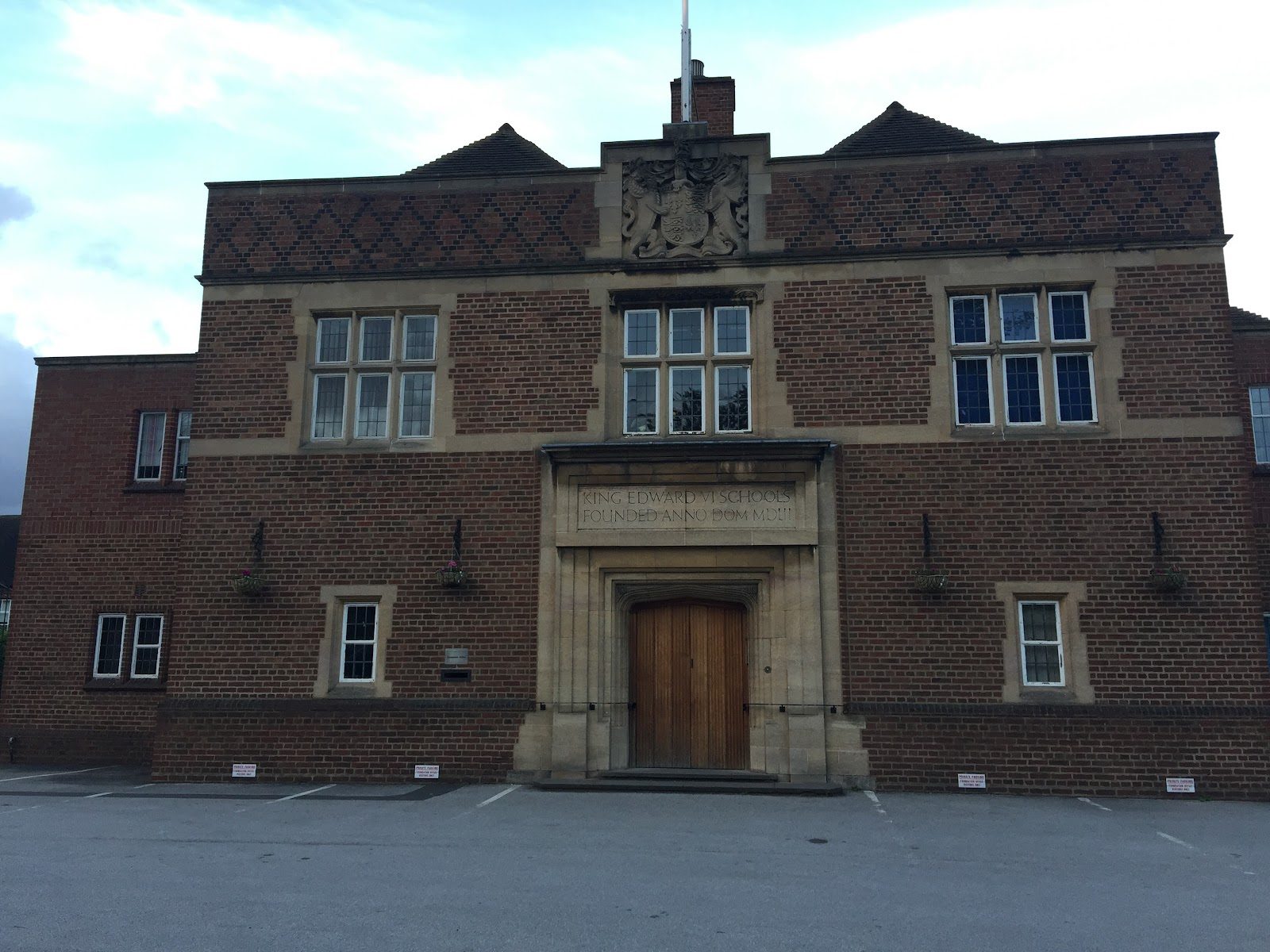
King Edward's School, Birmingham
Birmingham · United Kingdom
A royal charter from 1552 anchors this Edgbaston day school, where a third of new boys receive means-tested fee support.
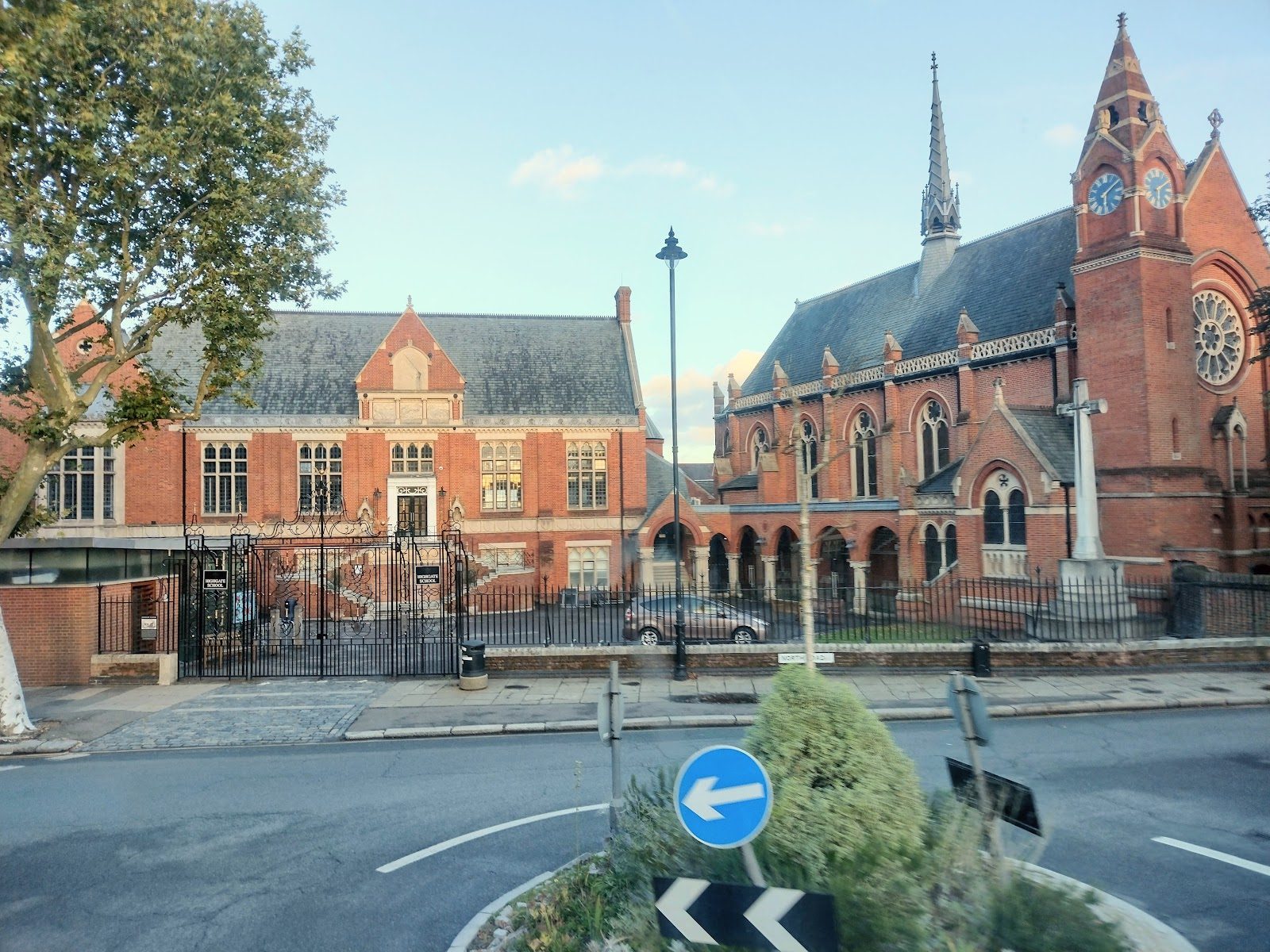
Highgate School
London · United Kingdom
Chartered by Elizabeth I in 1565, this Highgate grammar school now founds access academies alongside its Oxbridge-bound sixth form.
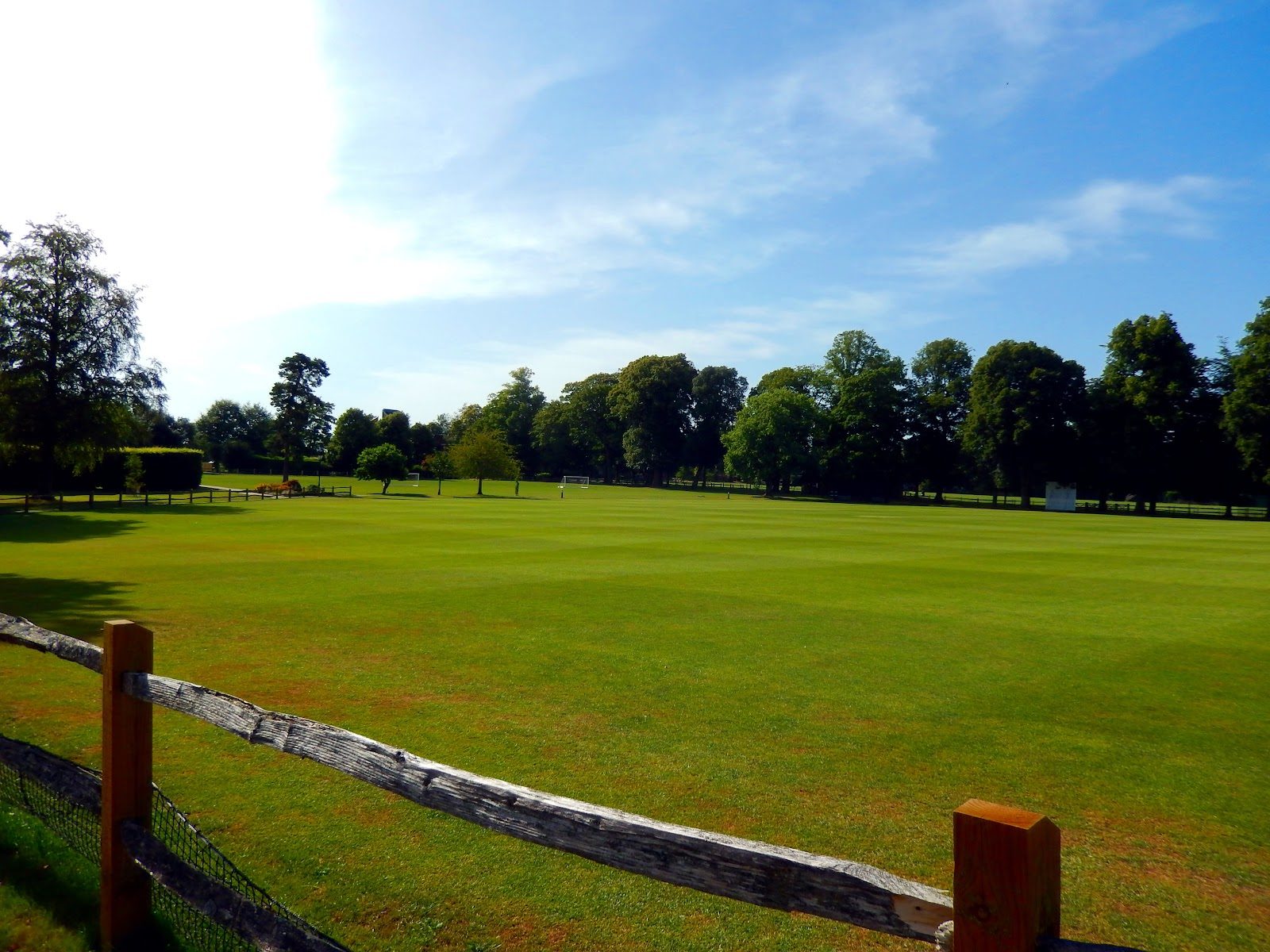
Charterhouse
Godalming · United Kingdom
One of England's Nine Great Public Schools, now fully coeducational, set on a 250-acre Surrey campus with IB scores averaging 37 points.
Reading School
Reading · United Kingdom
Founded within Reading Abbey in 1125, this selective state grammar for boys still sends the bulk of its leavers to Russell Group and Oxbridge places.
Same country and curriculum — closest matches within ±10 points either way