
California
Founded as an 1895 mechanical-arts school, it still requires wood, metal, jewelry, or electronics credits alongside AP coursework.
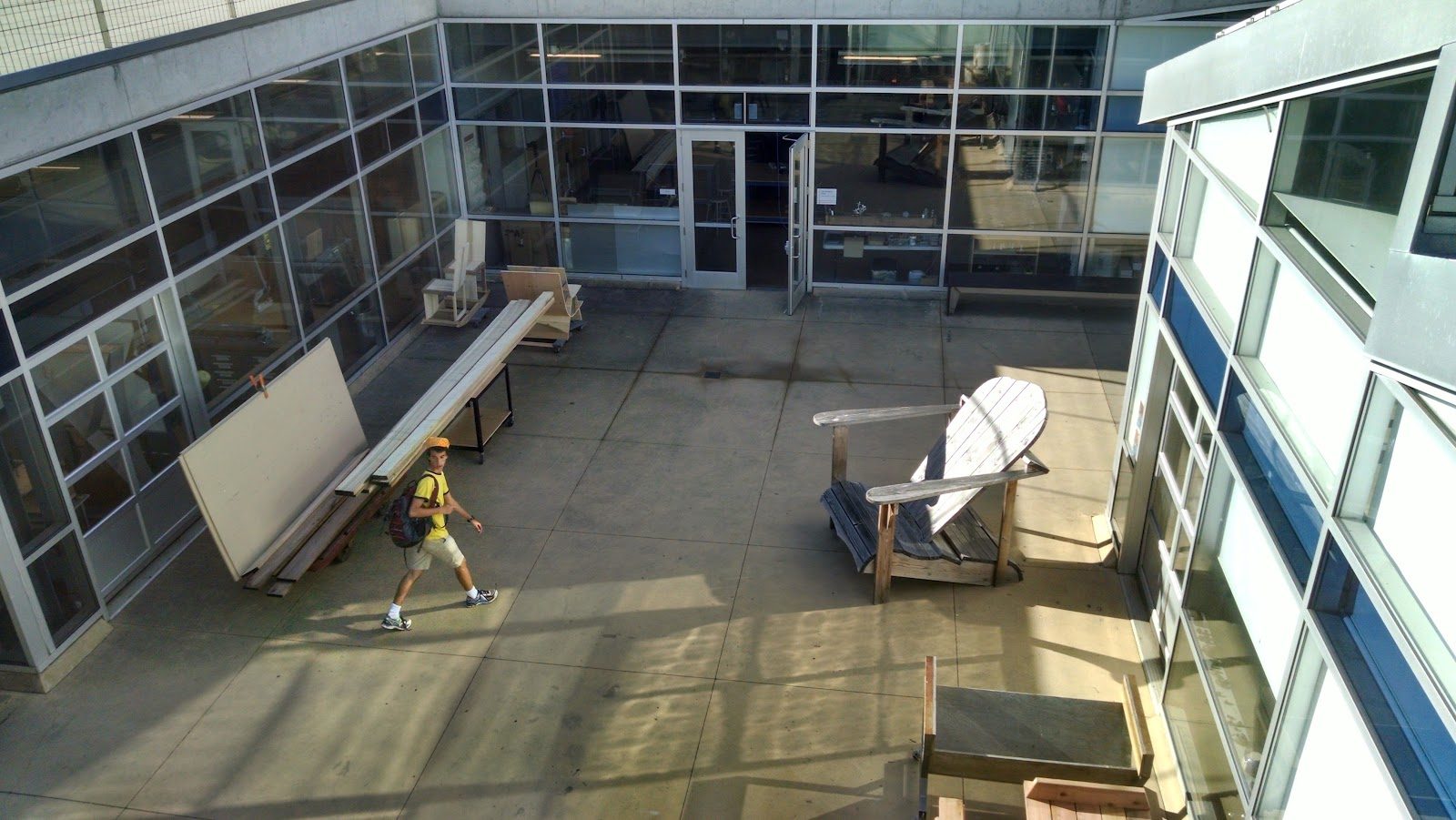
Photo © J Holman via Google Maps
Type
Day
Ages
14–18
Curriculum
American
Qualifications
AP
Ratio
8:1
The Verdict
Editor's commitment
Right for
Students who want serious academics without dropping craft: founded in 1895, LW still mandates wood, metal, jewellery or electronics credits.
Wrong for
Teenagers who want anonymity or a stripped-down exam factory; 560 students, 17 per class and a head-heart-hands ethos demand participation.
Watch out for
At $65,900 a year, this is expensive, and the social-justice mission is embedded, not decorative; 73% students of colour shape the culture.
Ranking breakdown
Lick-Wilmerding High School · #214 of 1591
Composite score 74.1. 8 weighted criteria.
By criterion
Academic Outcomes
Weight 20%
#209
of 1529 scored
University Placement
Weight 16%
#263
of 1529 scored
Prestige & Heritage
Weight 12%
#446
of 1571 scored
Alumni Network
Weight 12%
#293
of 1530 scored
Facilities
Weight 12%
#489
of 1533 scored
Transparency & Communications
Weight 8%
#288
of 1532 scored
Peer & Industry Review
Weight 10%
#385
of 1548 scored
Admissions Selectivity & Demand
Weight 8%
#198
of 1529 scored
Score history
Lick-Wilmerding High School · 2026
Movement across 2024–2026. Peer average overlaid.
Overall — 2024–2026
74.1/ 100
▲ +27.1 vs 2025
year on year
Peer & Industry Review
How Lick-Wilmerding High School is regarded in the sector
68
Respected · medium confidence
Lick-Wilmerding is consistently ranked among the top private high schools in San Francisco and the Bay Area on independent aggregators like Niche.com, and it is a recognized member of the Ten Schools Admissions Organization (TSAO), a peer group of elite Bay Area independent schools that jointly administer admissions testing, signaling strong standing among sector peers. It receives regular mention in local press (e.g., SF Chronicle, SF Gate) as a distinctive school known for blending college-prep academics with technical arts, though it lacks the national-tier visibility of boarding schools like Exeter or Andover.
Evidence sources
Editors' overview
Lick-Wilmerding still does something that many American college-prep schools have long since dropped: it makes technical arts central, not decorative. This is the rare San Francisco independent school where teenagers can take AP classes and still be required to earn credits in wood, metal, jewellery or electronics. That single fact tells parents a great deal. LWHS values making as much as talking, and it treats practical skill, design thinking and intellectual work as parts of the same education. The academic structure is serious — 137 courses, 65 electives and an 8:1 student-to-faculty ratio — but the school’s identity rests on that distinctive, stubbornly hands-on blend of liberal arts, sciences, technical arts, visual arts and performing arts.
The school is small enough to feel tightly held, with 560 students and average classes of 17, yet large enough to offer real breadth. It also draws from an unusually wide catchment: students arrive from more than 150 middle schools across five Bay Area counties. That matters. The social mix is broader than at many neighbourhood-bound independents, and the school states that 73% of students identify as students of colour. There is also serious financial backing behind access, with more than $7.8 million allocated to Flexible Tuition. Parents who care about community rhetoric matching institutional spending will notice that. So will parents who want a school with a declared civic mission rather than a narrow university-placement machine; LWHS calls itself a “private school with public purpose” and runs that through its Center for Civic Engagement.
At $65,900 a year on average, this is an expensive day school, and families are entitled to expect substance. LWHS gives them a clear proposition: high academic expectations inside a culture that prizes craftsmanship, collaboration and civic responsibility. It suits students who are intellectually strong but do not want a slick, status-driven version of private education. It also suits teenagers who want to build, perform, argue, test and make things with their hands, not just collect grades. Students looking for a more conventional, exam-fluent, prestige-coded independent school experience may find it idiosyncratic. For the right child, that is the point.
Academic Performance
Lick-Wilmerding does not publish the kind of headline exam data that would let parents benchmark it cleanly against other top US independents. We have not seen aggregate AP results, mean SAT or ACT scores, National Merit counts, Ivy or highly selective college matriculation tables, or any year-by-year outcomes breakdown. That is a real gap. In a market where many academically ambitious schools trade heavily on quantified results, LWHS asks families to trust the strength of its programme rather than inspect a public scorecard. For some parents, that will read as refreshingly unshowy; for others, it will feel needlessly opaque.
What is clear is that the school runs a demanding college-preparatory course load within a deliberately broader model than the standard test-driven American independent school. The scale of the academic offer — 137 courses and 65 electives — points to genuine breadth, not a stripped-down timetable, and the school’s insistence on technical arts credits means students carry a more deliberately unconventional academic mix than peers at pure AP factories. That matters when comparing LWHS with Bay Area rivals: this is not a school advertising itself through exam maximalism. It fits best in the group of serious, selective independents where intellectual quality is taken for granted but public results disclosure is limited. Families who need hard performance metrics will find the picture incomplete.
Facilities
Facilities at Lick-Wilmerding matter because the school’s identity depends on them. A place that requires students to work in wood, metal, jewellery or electronics needs real shops and specialist spaces, not a token maker corner tucked behind the library. The school does not publish a detailed campus inventory in the source extracts, so parents do not get the usual checklist of theatres, pools, turf fields or glossy innovation hubs. What we can say with confidence is that LWHS supports a broad programme across technical arts, visual arts and performing arts, and that more than 50+% of students take part in performing arts. That points to facilities with serious practical use, not decorative branding. The same goes for athletics participation at 74%: sport is active enough here that provision has to function at scale, even if the school leaves the specifics opaque.
Against peer schools, that puts LWHS in an unusual category. Many urban independents offer arts spaces and STEM labs; fewer make hands-on craft a graduation requirement. That alone gives its workshops more educational weight than the standard showpiece fabrication lab. The trade-off is transparency. Rival schools with comparable fees often publish exhaustive facility maps and boast point-by-point capital upgrades. LWHS does not. Parents drawn to substance over spectacle will tolerate that. Parents who want a campus arms-race brochure, or reassurance through square footage and named buildings, will find the picture frustratingly thin.
It also draws from an unusually wide catchment: students arrive from more than 150 middle schools across five Bay Area counties
Prestige
Lick-Wilmerding carries real local prestige, but it does not trade in the usual American independent-school signals of prestige. There is no public drumbeat of league-table style outcomes, no glossy fixation on elite-university conversion rates, and no attempt to flatten the school into a pure status badge. Its standing rests elsewhere: selectivity, a long-established name in Bay Area independent education, and a distinctive educational model that wealthier, highly educated families recognise as more serious than standard college-prep packaging. The draw from 157 feeder middle schools across multiple counties matters here. Schools with that kind of geographic reach do not rely on a single neighbourhood pipeline; they command attention across a whole regional market. The substantial flexible-tuition budget also strengthens its reputation, because it signals that access is built into the institution rather than added as after-the-fact window dressing.
The prestige, then, is earned rather than flaunted. This is not the school for parents who want a conspicuous, trophy-school identity with public metrics to wave around at the dinner table. It is for families who value intellectual seriousness, social conscience and a curriculum with enough confidence to keep technical arts at its core. That gives LWHS a distinctive old-San-Francisco cachet: culturally literate, civically minded, a little anti-showmanship, and comfortable charging $65,900 a year without turning itself into a luxury brand. In status terms, it sits in the top tier of local day schools. In style, it remains its own thing.
Lick-Wilmerding does not publish the kind of headline exam data that would let parents benchmark it cleanly against other top US independents
Communications
Lick-Wilmerding’s parent communication has a clear institutional voice: mission-led, values-heavy and more interested in explaining why the school exists than in selling itself through hard metrics. The public-facing message is coherent. “Head, heart, hands”, civic engagement, equity, balance and purposeful learning all run through the school’s language with remarkable consistency. Parents will understand the school’s priorities quickly, and that matters. The admissions challenge here is not basic comprehension; it is fit. LWHS tells families, in plain terms, that this is not a narrow grades factory. The breadth of the snapshot data — 137 courses, 65 electives, a large flexible-tuition commitment — also gives enough substance to stop the message drifting into self-congratulatory abstraction.
The weakness is precision. Once a parent moves past ethos and into scrutiny, the communication becomes selectively thin. We do not get the hard comparative data that many fee-paying families expect, especially around academic outcomes and the practical detail of facilities. That limits trust, because strong schools do not lose anything by publishing clear result summaries and sharper operational detail. On pastoral and community culture, the school communicates with confidence and a strong internal logic. On measurable performance, it withholds too much. The result is effective communication for families already sympathetic to the school’s philosophy, and less effective communication for parents who want evidence before commitment.
Uniqueness
What sets Lick-Wilmerding apart is not that it offers arts alongside academics, but that it refuses the usual hierarchy between them. At many strong American day schools, practical work sits at the edge of the timetable as enrichment. Here, making things is part of the core bargain. The “head, heart, hands” idea is not decorative language when students must earn technical-arts credit and can choose routes such as wood, metal, jewellery or electronics. That produces a school with a rare internal logic: intellectual work, craft, ethics and collaboration all carry weight. The result is a more fully formed education than the standard college-prep track, and a more demanding one too, because students cannot retreat into narrow academic self-definition.
That structure brings clear benefits for the right teenager. Students learn to handle tools, materials, critique and failure, not just abstractions and deadlines. They work in a community drawn from 157 feeder schools and 5 counties, which gives classroom discussion and group work a wider social range than the usual single-catchment independent school. The school’s civic language also has institutional force: the Center for Civic Engagement and more than $7.8 million in flexible-tuition allocation tie mission to practice. Put plainly, LWHS produces students who are not only university-ready but *grounded, capable and harder to stereotype*. The trade-off is equally plain: children who want a pure status-school treadmill or a narrowly test-centred experience will find its priorities uncompromising.
In status terms, it sits in the top tier of local day schools
Student Profile
The right student for Lick-Wilmerding is bright, self-motivated and willing to do more than chase grades. This school suits teenagers who can move between seminar discussion, analytical writing and hands-on work without treating one as beneath the other. It will reward students who enjoy making, testing, revising and starting again; it will frustrate those who want school to be purely cerebral or purely performative. Because the intake is drawn from 157 middle schools across 5 counties, pupils arrive without a single social script already fixed in place. That tends to favour children who are open to difference, socially agile and able to build friendships across backgrounds rather than cling to one familiar tribe.
Temperament matters here as much as raw ability. The school’s language around civic engagement, equity and leadership is not empty moral wallpaper; families choosing LWHS are buying into a community that expects students to think about contribution as well as achievement. Teenagers who thrive in status-anxious, hyper-competitive environments will find the culture a poor fit. Students who want a more grounded, intellectually adult peer group will do well. The same goes for children with an artistic, technical or design bent who do not want those interests pushed to the margins. LWHS fits the student who is capable, curious and prepared to participate fully, not the one looking to coast on talent or cultivate a polished private-school persona.
Head, heart, hands”, civic engagement, equity, balance and purposeful learning all run through the school’s language with remarkable consistency
Co-curricular strengths
Arts & sport, on a separate axis
Overall 8.84/10
Scored 0-10 from the school's own published evidence. This axis is editorial-only — it does not feed the main WTS ranking.
Sports
8/10
Powerful urban day athletic pipeline, fielding competitive varsity cross-country and soccer teams across San Francisco leagues.
Drama
9/10
Ambitious theater curriculum staging large-scale classical and contemporary plays inside their primary performing arts spaces.
Dance
9/10
Popular choreographic asset utilized to build movement and synchronization ensembles for large-scale performance showcases.
Music
9/10
Outstanding chamber orchestras, wind ensembles, and choral troupes that routinely headline major West Coast youth music festivals.
Visual Arts
9.2/10
Universally famous for its historic Technical Arts program, combining fine art, woodworking, glass-blowing, and high-end industrial design.
Editor-verified · 8/6/2026
Notable alumni · Wikidata
25notable alumni
9 historic (born pre-1930) · 13 modern (born post-1970)wikidata:2026-07-28 How we source this

WTS 300 badge
2025/26 editionLick-Wilmerding High School is one of the World's Top 300 Schools for 2025/26. Claim your listing to add it to your site →
Strengths
- +The school teaches at the junction of Design, Engineering and Craft, with hands-on courses in Coding, Electronics, Jewelry, Woodworking, Sewing, and Metal and Digital Fabrication, a distinctive feature among US day schools.
- +Roughly 33% of families are enrolled through the Flexible Tuition Program, which lets families pay an amount that meets their need given current financial circumstances.
- +Admission is highly competitive, with the school receiving almost 1,000 applications for the incoming 9th grade against only 140 open slots, indicating a rigorously selected peer group.
- +The school traces to bequests from Jellis Clute Wilmerding and a nationally recognized pioneer in vocational education, George Merrill, giving it a 130-year identity distinct from typical prep schools.
- +The school maintains a partnership with the adjacent City College of San Francisco for the use of their classrooms, laboratories, and sports facilities, expanding resources beyond its own campus.
Considerations
- −Full tuition for the 2026-2027 school year is $64,900, and new families are asked to pay a one-time $1,000 facilities fee, placing it among the costliest day schools in the region.
- −Every school year the school receives almost 1,000 applications for the incoming 9th grade, of which only 140 slots are open, so acceptance is far from assured even for strong candidates.
- −LWHS is accepting applications for rising 10th and 11th graders but, due to the Technical Arts curriculum and graduation requirements, is not able to enroll students into the 12th grade, ruling it out for late-stage transfer families.
- −Graduation from Lick-Wilmerding requires all students to take a minimum of four semesters in Technical Arts, a mandatory shop-based component rather than an optional enrichment track.
Availability
Primary entry gate & tests
ISEE/SSAT + Interview
Gallery
Photo © J Holman via Google Maps
Photo © J Holman via Google Maps
Photo © J Holman via Google Maps
Photo © PAY via Google Maps
Photo © PAY via Google Maps
Parent reviews
Have you sent your child here?
Voice reviews carry the strongest trust badge — we transcribe them for you to tidy up before they go live. Prefer to type? A written review is fine too.
Add your voice
In 60 seconds, tell other parents: what's the best thing about Lick-Wilmerding High School, and what surprised you when your child joined?
We ask for a Google sign-in so every review has a real face behind it — no anonymous drive-by attacks on schools, and no faked positive reviews. Your email is never shown publicly.
Send this profile to a friend
International parents rely on word-of-mouth. Share this review with someone weighing the same decision.
Schools with places
Similar schools to Lick-Wilmerding High School with places available now.
Crystal Springs Uplands School
Hillsborough · United States
- 2026-27
- CLOSEDRegular cycle
- 2027-28
- OPENS SOONOpens Sept '26
The Branson School
Ross · United States
- 2026-27
- CLOSEDRegular cycle
- 2027-28
- OPENS SOONOpens Sept '26
San Francisco University High School
San Francisco · United States
- 2026-27
- CLOSEDRegular cycle
- 2027-28
- OPENS SOONOpens 28 Aug '26
The Webb Schools
Claremont · United States
- 2026-27
- CLOSEDRegular cycle closed
- 2027-28
- PLACES OPENPortal live
Availability first, then country, area, curriculum, price, co-curricular
Consider also
Also worth looking at alongside Lick-Wilmerding High School.
Saint Ann's School
Brooklyn · United States
In Brooklyn Heights, narrative reports replace letter grades while nationally recognized arts programs anchor the curriculum.
Crystal Springs Uplands School
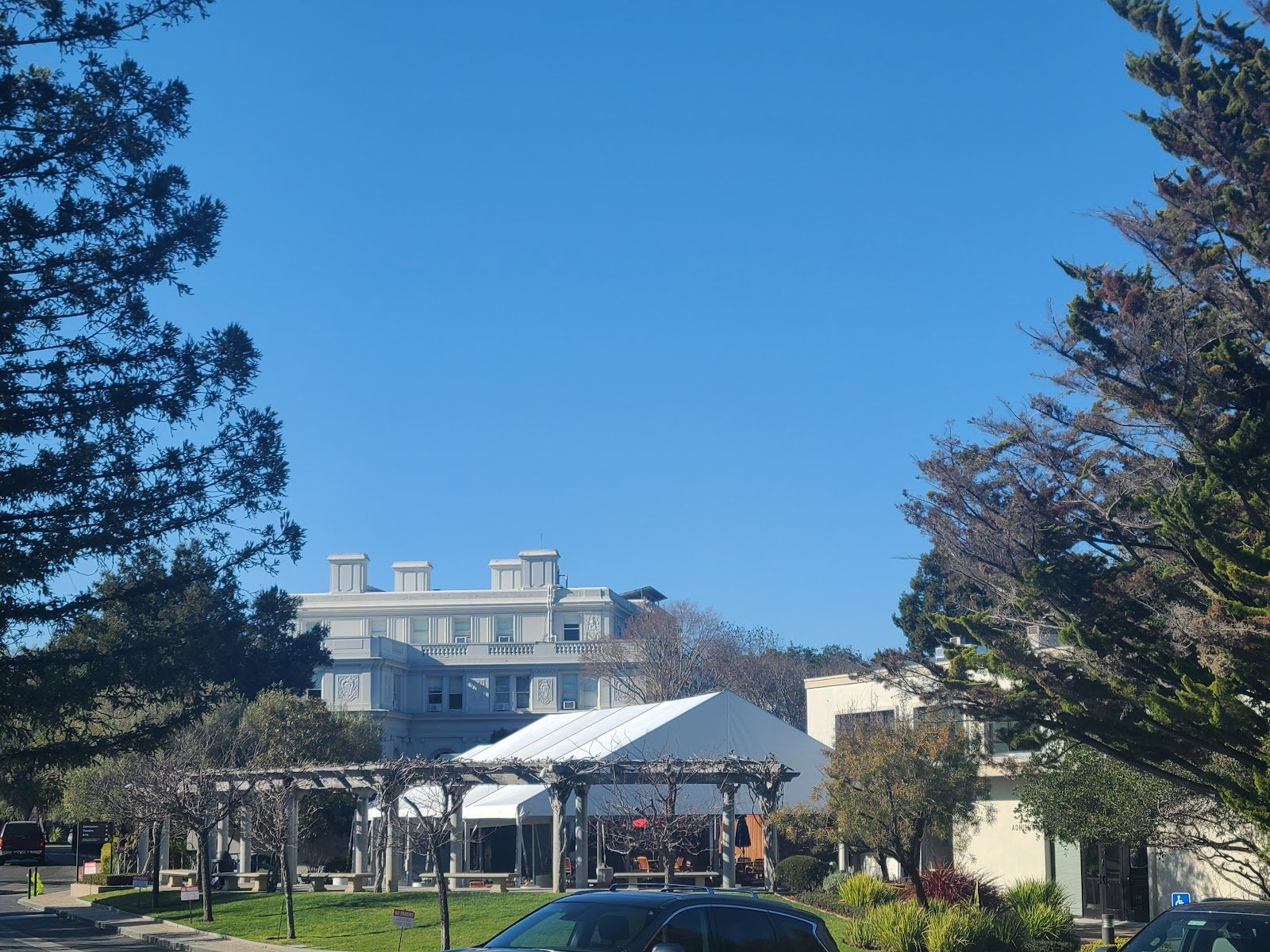
Hillsborough · United States
On a Peninsula estate once built by railroad money, this day school ditched AP courses for honors-level, student-driven research.
The Branson School
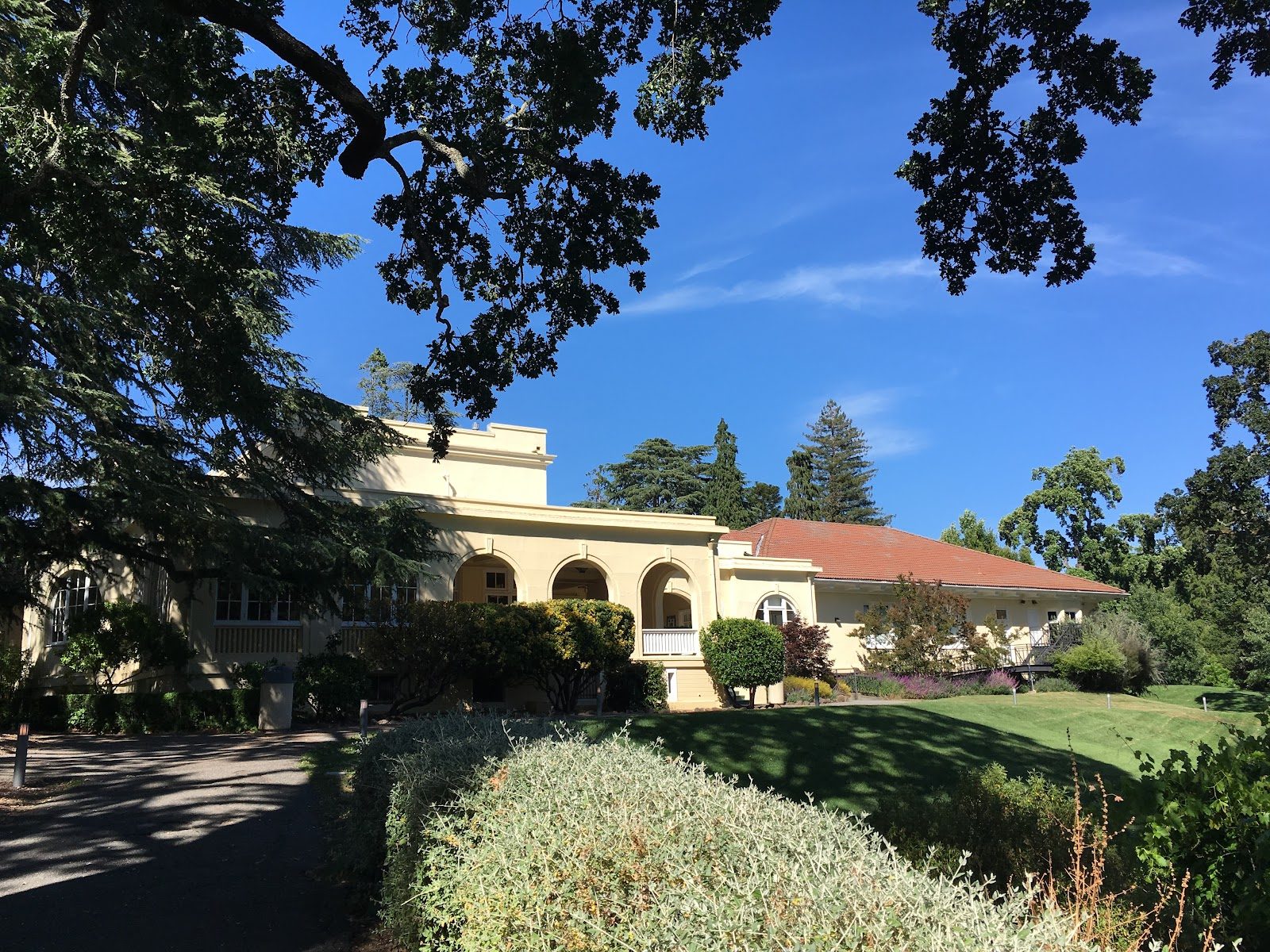
Ross · United States
A Marin hillside campus that skips AP tests for honors depth, immersive electives, and outdoor-education fieldwork.
John Burroughs School
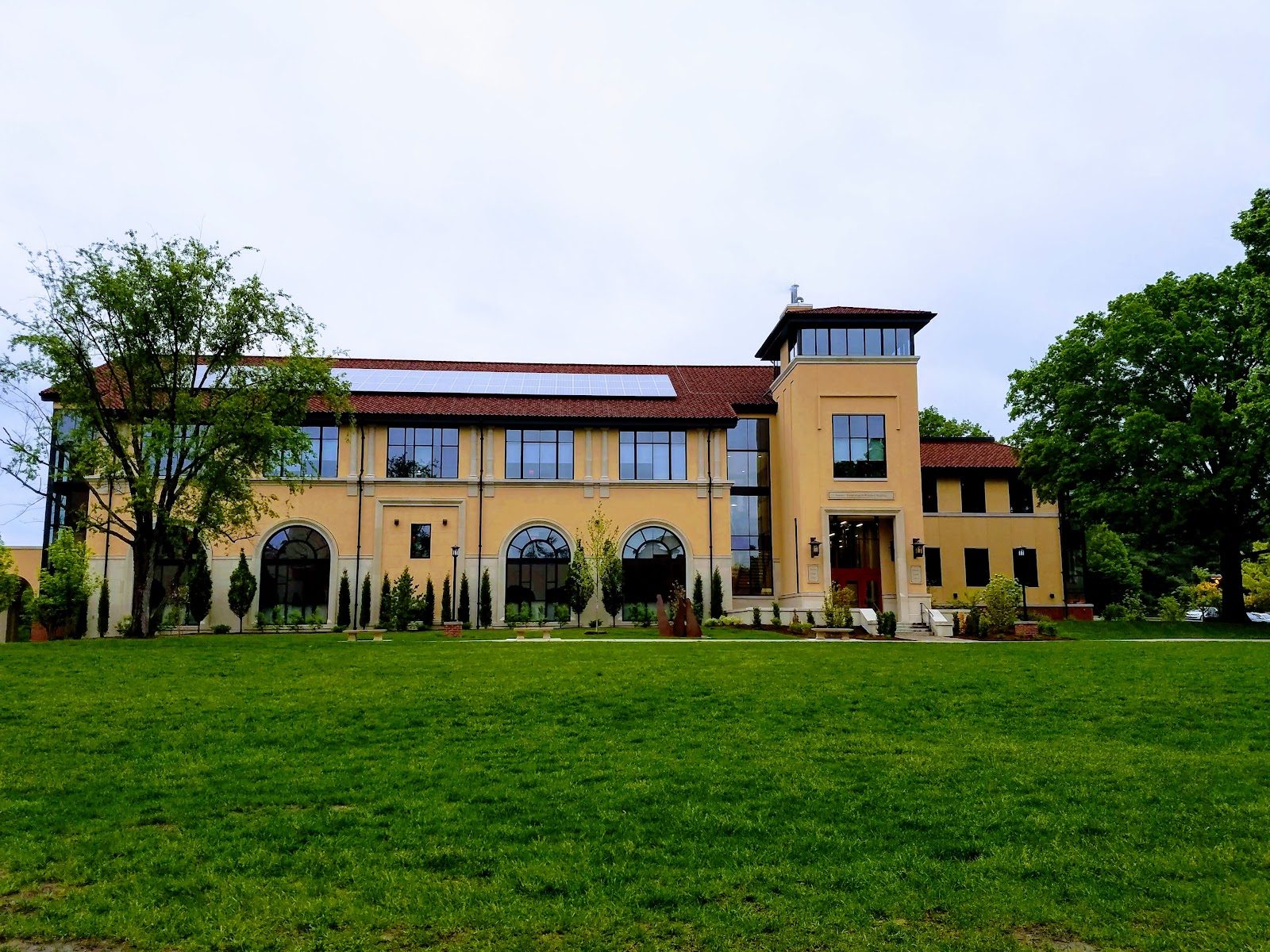
St Louis · United States
Since 1923 in the Ladue suburbs, a liberal-arts day school where family-style lunches and an Ozarks wilderness camp shape scholars as much as seminars do.
Same country and curriculum — closest matches within ±10 points either way