
Bangkok
Satit Patumwan Demonstration School
Thailand's oldest laboratory school, born in 1953 as the country's first co-educational secondary, still teaching steps from Chulalongkorn University's gates

Photo © _VS_ via Google Maps
Type
Day
Ages
12–18
Curriculum
Thai National
Qualifications
Thai Matthayom 6
Ratio
—
The Verdict
Editor's commitment
Right for
Bangkok families who want a public, non-religious day school founded in 1953, teaching the Thai National curriculum in Thai and English.
Wrong for
Parents chasing boarding, a non-Thai curriculum, or a small boutique school; Satit Patumwan is a public 12–18 school in Pathum Wan.
Watch out for
Its oldest-demonstration-school status and Chulalongkorn-adjacent location carry prestige, but the school does not publish aggregate academic outcomes in the public domain.
Ranking breakdown
Satit Patumwan Demonstration School · #750 of 1591
Composite score 58.0. 8 weighted criteria.
By criterion
Academic Outcomes
Weight 20%
#668
of 1529 scored
University Placement
Weight 16%
#516
of 1529 scored
Prestige & Heritage
Weight 12%
#262
of 1571 scored
Alumni Network
Weight 12%
#1516
of 1530 scored
Facilities
Weight 12%
#1333
of 1533 scored
Transparency & Communications
Weight 8%
#1437
of 1532 scored
Peer & Industry Review
Weight 10%
#893
of 1548 scored
Admissions Selectivity & Demand
Weight 8%
#93
of 1529 scored
Peer & Industry Review
How Satit Patumwan Demonstration School is regarded in the sector
66
Respected · medium confidence
Satit Patumwan is widely regarded within Thailand as one of the country's elite demonstration schools, operating under the Faculty of Education, Chulalongkorn University. Its reputation is largely domestic rather than international: it is consistently mentioned alongside Triam Udom Suksa School and Suankularb Wittayalai in Thai media and parent forums as among the hardest schools to enter via the national entrance examination, reflecting peer-level standing among Bangkok's top government-affiliated secondary schools. Because it teaches the Thai national curriculum rather than an international one, it falls outside the coverage universe of Western-oriented reviewers such as WhichSchoolAdvisor or the Good Schools Guide, and there are no verifiable quoted assessments from rival heads or international admissions officers. Its standing with universities is inferred primarily from its affiliation with Chulalongkorn University and its long-standing track record of graduates entering Chulalongkorn, Thammasat, and Mahidol, as well as overseas universities, though specific placement statistics are not independently published. Thai-language press references its competitive entrance exam and demonstration-school status but stops short of formal league-table rankings comparable to international school indices.
- Yingluck Shinawatra — Former Prime Minister, Politics
Editors' overview
Satit Patumwan earns attention on history alone. Founded in 1953, it is Thailand’s oldest demonstration school and the country’s first co-educational secondary school. That matters because this is not a private newcomer trading on glossy branding; it is a public institution built for teacher training and classroom practice, with a long-standing role in Thai education. Its address in central Bangkok, close to Chulalongkorn University, gives it an urban, academically minded identity. Parents who value institutional seriousness, educational pedigree and a school with roots in the national system, not outside it, will find a clear reason to shortlist it.
The school teaches the Thai National curriculum for ages 12–18, with instruction in Thai and English. That places it in a different market position from Bangkok’s international schools. Satit Patumwan suits families who want a strong Thai academic base, public-school credibility and access to English without leaving the local system. The attraction is not campus spectacle or imported prestige. It is academic discipline, cultural fluency and a school culture shaped by observation, training and scrutiny. A demonstration school lives with a higher bar for teaching practice; that legacy still gives Satit Patumwan its edge.
The ideal student for Satit Patumwan is academically able, comfortable in a competitive city environment and ready to work within a mainstream Thai framework rather than a looser international one. This is a fit for pupils who want structure over show, who do not need hand-holding, and who value being in a school with historic weight and a public mission. It will not suit families chasing boarding, niche pastoral packaging or an overseas curriculum. It will suit students who want a respected Bangkok day school with deep roots, clear purpose and a place in Thai educational history.
Academic Performance
Public data on external results is thin. The school does not publish aggregate national examination performance, university placement tables or year-on-year score distributions in the public domain. That matters. For a school with this level of historical weight and public profile, result transparency matters just as much as reputation. Parents can infer academic seriousness from selective demand and from the school’s role inside Thailand’s teacher-training tradition, but inference is not the same as evidence. On published results alone, Satit Patumwan is opaque, and that places it behind Bangkok schools that release clear IGCSE, A-level, IB or AP outcomes.
Relative to Thai-system peers, the school sits in the bracket of academically respected state and demonstration schools rather than in the data-rich international market. That distinction is important. Many strong Thai schools produce excellent university entrants without packaging their performance for foreign parents, and Satit Patumwan fits that pattern. The academic reputation is real enough; the public reporting is not. For local families who already understand the hierarchy of Bangkok’s selective schools, that may carry weight. For international parents comparing hard outcomes across schools, the lack of published exam data is a material weakness. In this area, Satit Patumwan trades on standing, not disclosed numbers.
Facilities
Facilities are not this school’s selling point, and parents need to read the campus on those terms. Satit Patumwan sits in a dense inner-city setting and operates as an established public demonstration school, not a fee-funded Bangkok campus built around spectacle. That usually means a compact, hard-working physical plant rather than vast playing fields, boarding houses or purpose-built arts blocks on international-school scale. We have not seen published detail on specialist labs, theatre provision, sports infrastructure or campus expansion, and that absence matters. Schools with strong facilities publish them. Here, the public picture is thin.
Against Bangkok’s top international schools, the facilities offer less in the arms race of aquatics centres, black-box theatres, design suites and manicured sports grounds. Against Thai-system urban peers, that gap narrows. Demonstration and selective public schools in central districts often trade space for access, seriousness and location, and Satit Patumwan fits that model. Parents should expect functional rather than lavish provision, with the practical advantage of a city address and the constraints that come with it. If your priority is premium campus life, this is the wrong shortlist. If your priority is a well-placed academic day school and you can live without architectural theatre, the facilities do not disqualify it; they just do not elevate it.
Founded in 1953, it is Thailand’s oldest demonstration school and the country’s first co-educational secondary school
Prestige
Satit Patumwan carries real domestic prestige inside Thai education. The reason is structural, not cosmetic. It sits in the demonstration-school tradition, and that status carries weight because such schools function as places where teaching is observed, tested and tied to university-level teacher development. That gives the school a serious professional aura that ordinary state schools do not command. Its reputation also rests on rarity: this is the country’s oldest school of its kind, and in Thailand that institutional lineage still matters. Among local families who know the hierarchy, Satit Patumwan reads as *established, selective and culturally important* rather than fashionable. The school’s standing is strongest with parents who value a respected route through the national system, not an international badge.
Its prestige has limits, and they are worth stating plainly. This is not the prestige of global-name branding, published overseas admissions lists or a luxury campus narrative. It is old-system prestige: public, urban, academically minded and bound up with educational legitimacy. For Thai families, that can count for more than marketing gloss. For expatriate parents who measure status through IB averages, Oxbridge headlines or polished destination data, Satit Patumwan lands differently. The name carries substance at home and less traction abroad. That still makes it a strong school name in its own market, but not a universally legible one.
Its address in central Bangkok, close to Chulalongkorn University, gives it an urban, academically minded identity
Communications
Parent communication is not a published strength. The school does not disclose a clear communications architecture for families: no detailed parent portal information, no published rhythm of reporting, and no public explanation of how academic updates, pastoral concerns or day-to-day notices move between school and home. That leaves outsiders with a patchy public picture. For a local Thai parent already fluent in the norms of selective state and demonstration schools, that gap carries less risk; such schools often run on established routines and direct notice systems that insiders already understand. For international families, it is a real handicap. If a school wants to reassure parents beyond its immediate domestic audience, it needs to show how communication works. Satit Patumwan does not do that clearly.
That does not mean communication is poor inside the school; it means the school is institutionally inward-facing and does little to explain itself. The distinction matters. Schools with strong parent communication publish calendars, reporting structures, contact routes and examples of parent-facing process. Here, that level of transparency is absent. The likely result is a serviceable system for families already embedded in the local culture, and a less accessible experience for those who need explicit guidance. In communications, Satit Patumwan reads as a school that expects parents to adapt to it, not the other way round. That suits confident local families. It is less forgiving for newcomers.
Uniqueness
What sets Satit Patumwan apart is not a branded programme or a grand campus story. It is the school’s original purpose as a demonstration school: teaching here sits under observation, linked to the training of educators, and judged against a public academic standard rather than private-school theatre. That creates a different kind of pressure around classroom practice. Lessons do not exist behind closed doors in the way they do at many ordinary schools. For students, that can bring sharper routines, more deliberate teaching and a culture that treats the classroom as serious work. The school’s claim to being the oldest of its kind also gives it institutional weight that newer schools cannot manufacture. This is a place with a public educational role, not just a student-facing one.
That uniqueness brings clear gains and clear trade-offs. Students benefit from being in a school shaped by professional scrutiny and by expectations that run deeper than branding. They study in an environment with historic authority inside Thai education, and that can build confidence, discipline and a strong sense of belonging to a recognised academic tradition. The trade-off is just as clear: demonstration schools are not built around softness, luxury or endless personal tailoring. Satit Patumwan suits pupils who thrive when standards are visible and adults take teaching seriously. For the right student, that is quietly formidable. For families seeking a high-touch or gloss-heavy experience, it is the wrong model.
The school teaches the Thai National curriculum for ages 12–18, with instruction in Thai and English
Student Profile
The students who fit here are academically strong, self-managing and comfortable in a school culture that rewards discipline over self-expression. This is not a soft landing for children who need constant reassurance, heavy pastoral packaging or a great deal of individual negotiation. A Satit Patumwan pupil needs to cope well with scrutiny, pace and the social confidence that comes with a respected public-school environment in the capital. The age span, from 13–18, also matters: this is a secondary setting with an older, more mature tone, and younger entrants need enough resilience to hold their own. The best fit is a student who values clear standards, serious classrooms and peers who treat school as work, not theatre.
Socially, the school suits families already fluent in Thai educational expectations or ready to adapt to them fast. Students who thrive here tend to be internally driven, status-aware and unbothered by a system that does not pause to explain itself at every turn. This suits children who like structure, can manage competition without drama and do not need a highly personalised experience to feel secure. It is a weak fit for pupils who want broad curricular choice, overt nurturance or a campus life built around lifestyle extras. In blunt terms, this is a school for capable, tough-minded adolescents who want a credible route through a demanding local system.
That places it in a different market position from Bangkok’s international schools
Co-curricular strengths
Arts & sport, on a separate axis
Overall 6.6/10
Scored 0-10 from the school's own published evidence. This axis is editorial-only — it does not feed the main WTS ranking.
Sports
7/10
Drama
6.5/10
Dance
6/10
Music
7/10
Visual Arts
6.5/10
Strengths
- +Established in 1953 as one of Thailand's oldest laboratory (demonstration) schools, run by the Faculty of Education at Srinakharinwirot University.
- +Entrance exams are highly competitive and the school has a strong record of producing top scorers in Thailand's national university admissions tests.
- +Offers an English Program for Talented Students (EPTS), established in 1997, which teaches most core subjects in English alongside the mainstream Thai-medium track.
- +Central downtown Bangkok location on Henri Dunant Road, directly adjacent to Chulalongkorn University and within walking distance of Siam Square and major BTS Skytrain stations.
- +As a public demonstration school its fees are a small fraction of Bangkok's international-school costs, historically listed around 25,700 baht per year.
Considerations
- −Secondary-only school covering ages 13-18 (Mathayom 1-6), so families need a separate arrangement for primary education before this school becomes relevant.
- −Entrance is by a competitive Thai-language exam, and places are reportedly limited with some seats reserved for children of university staff, which can disadvantage newly arrived expat children.
- −The core curriculum is delivered in Thai and follows the Thai National syllabus, so children without strong Thai proficiency will struggle outside the smaller EPTS bilingual stream.
- −As a large public demonstration school built for teacher training, class sizes and facilities are geared to national norms rather than the smaller, boutique setups typical of premium international schools.
Availability
Primary entry gate & tests
Patumwan Demo Entrance Exam
Gallery
Photo © _VS_ via Google Maps
Photo © Suchuj Sangsayunh via Google Maps
Photo © _VS_ via Google Maps
Photo © Theerapat Sornklin via Google Maps
Photo © Viroj Cc via Google Maps
Photo © Nut Tanagone via Google Maps
Photo © Nut Tanagone via Google Maps
Parent reviews
Have you sent your child here?
Voice reviews carry the strongest trust badge — we transcribe them for you to tidy up before they go live. Prefer to type? A written review is fine too.
Add your voice
In 60 seconds, tell other parents: what's the best thing about Satit Patumwan Demonstration School, and what surprised you when your child joined?
We ask for a Google sign-in so every review has a real face behind it — no anonymous drive-by attacks on schools, and no faked positive reviews. Your email is never shown publicly.
Send this profile to a friend
International parents rely on word-of-mouth. Share this review with someone weighing the same decision.
Schools with places
Similar schools to Satit Patumwan Demonstration School with places available now.
NIST International School
Bangkok · Thailand
- 2026-27
- WAITPOOLSpace-dependent
- 2027-28
- PLACES OPENRolling
Bangkok Patana School
Bangkok · Thailand
- 2026-27
- CLOSEDThai closed / Non-Thai open
- 2027-28
- OPENS SOONThai 1 Sept / Non-Thai rolling
Shrewsbury International School Bangkok
Bangkok · Thailand
- 2026-27
- WAITPOOLSpace-dependent
- 2027-28
- PLACES OPENRolling
International School Bangkok
Bangkok · Thailand
- 2026-27
- WAITPOOLSpace-dependent
- 2027-28
- OPENS SOONOpens Sept '26
Availability first, then country, area, curriculum, price, co-curricular
Consider also
Also worth looking at alongside Satit Patumwan Demonstration School.
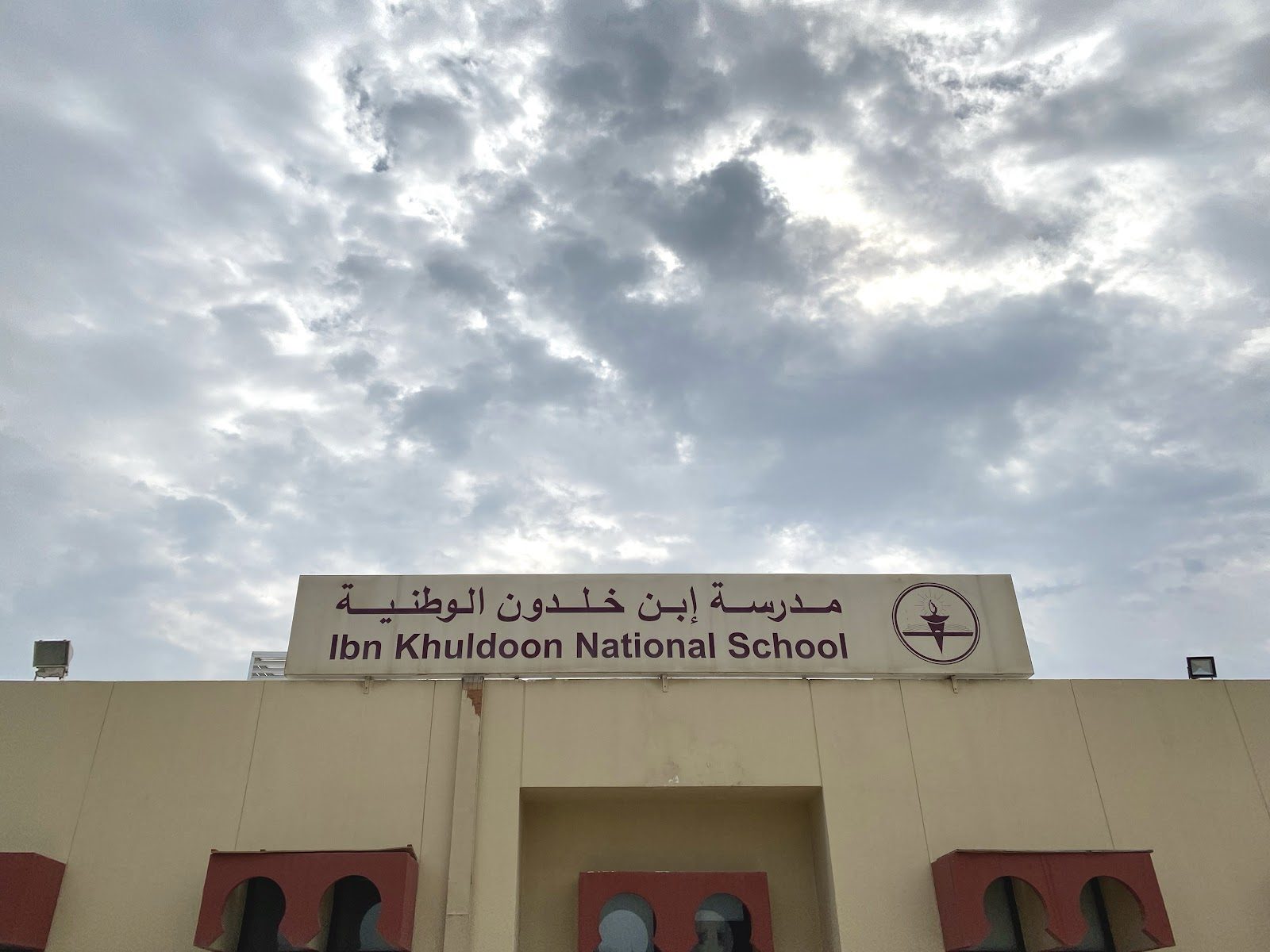
Ibn Khuldoon National School
Isa Town · Bahrain
In Isa Town, one of Bahrain's few IB Continuum schools runs its Diploma Programme alongside a parallel American track, bilingual since 1983.
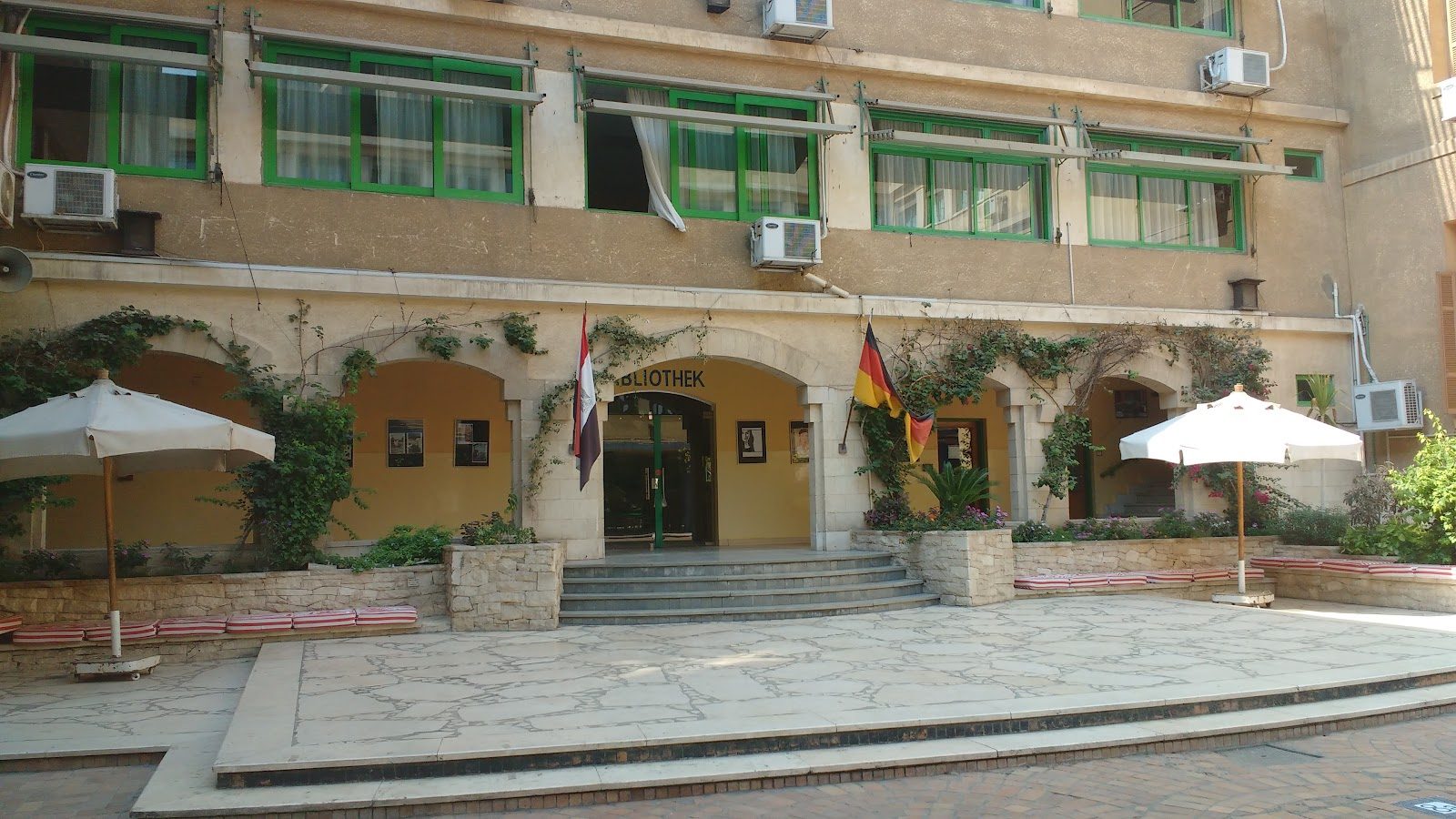
Deutsche Schule der Borromäerinnen
Cairo · Egypt
Steps from Tahrir Square, Catholic sisters have prepared Muslim and Christian girls for the German Abitur since 1904.
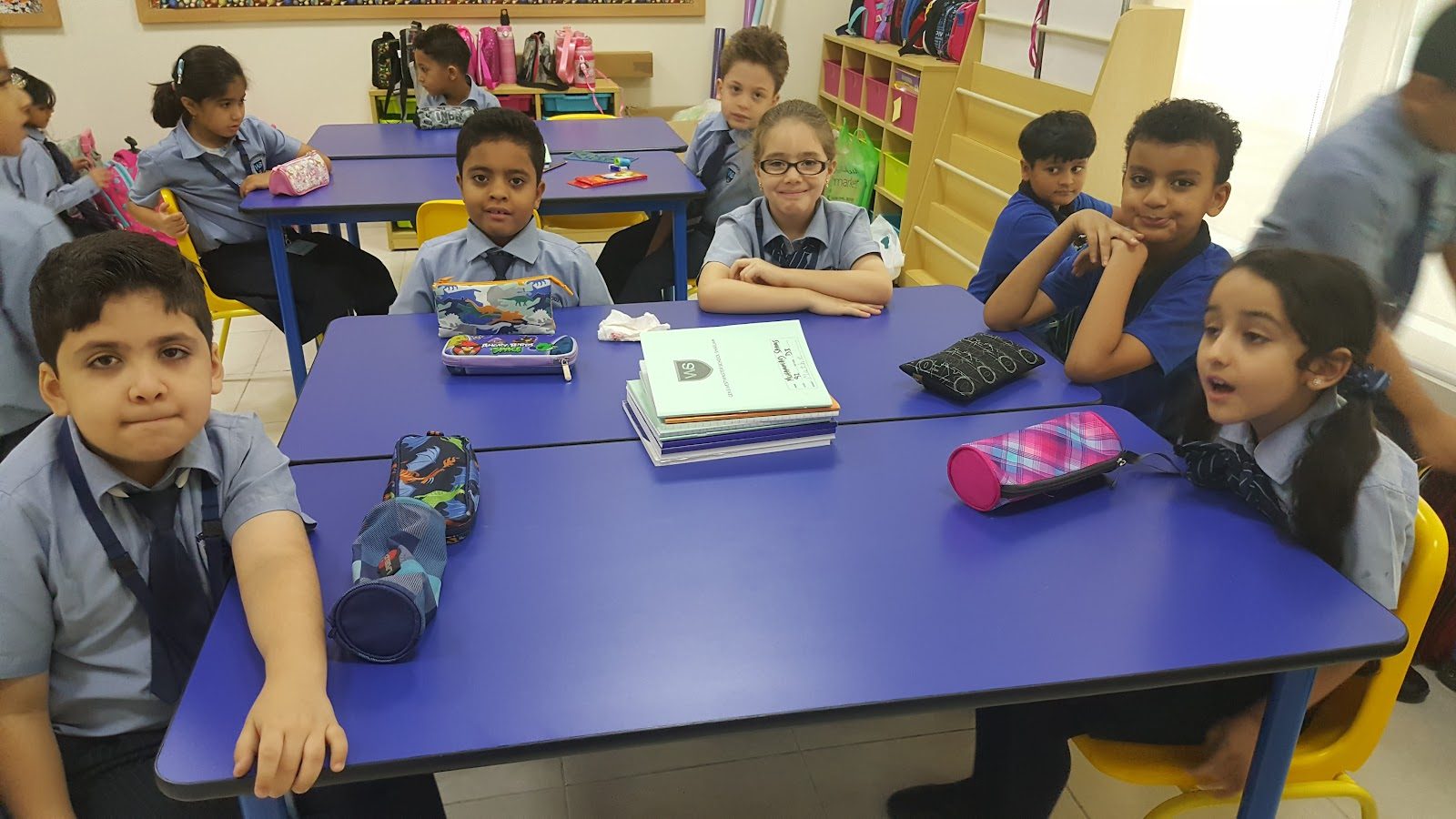
GEMS Westminster School - Sharjah
Sharjah · United Arab Emirates
A flexible two- or three-year IGCSE pathway in Muwaileh gives Sharjah families room to pace their children's British education.
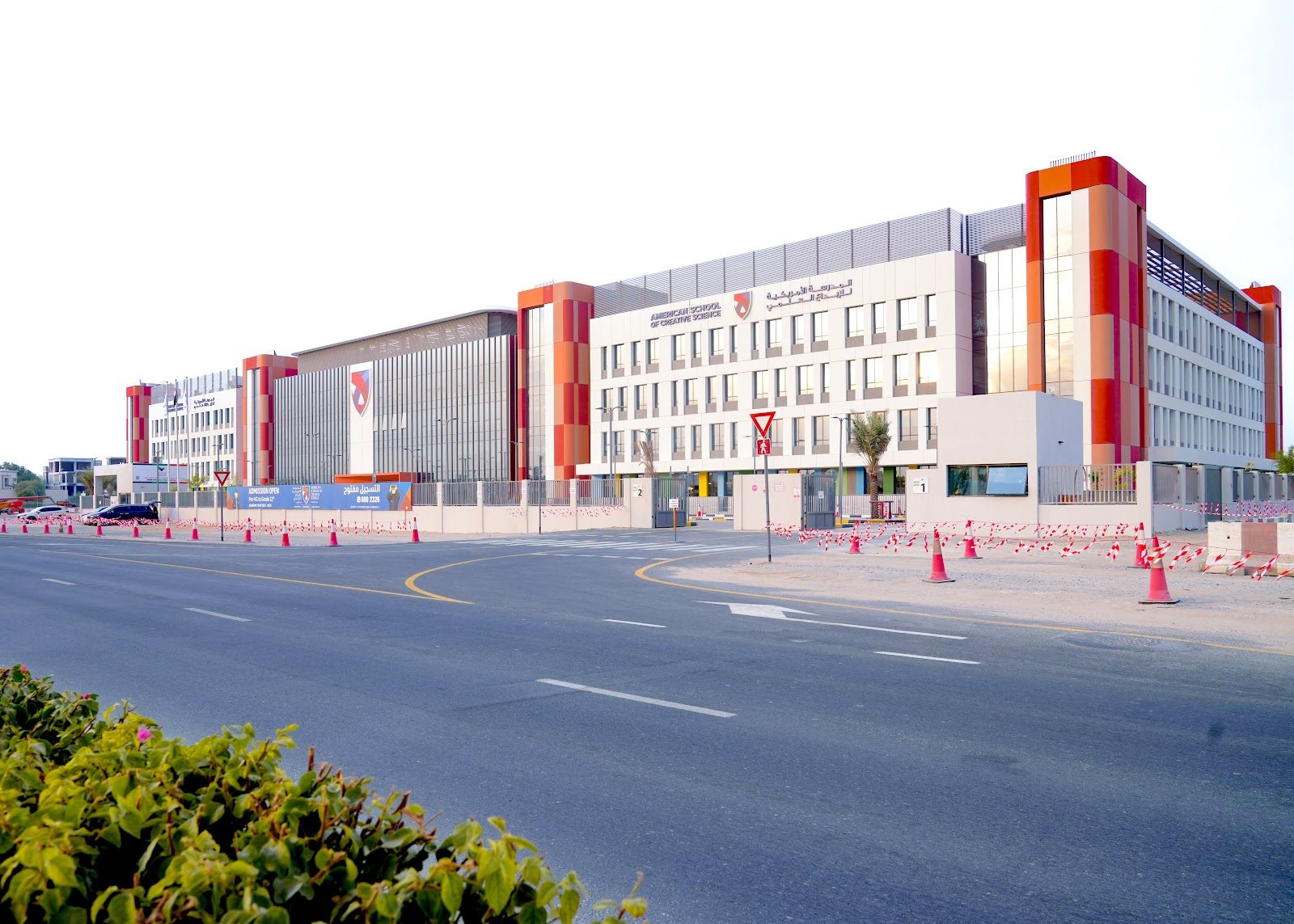
American School of Creative Science
Dubai · United Arab Emirates
Pairing California Common Core rigor with a dedicated Quran programme, this Nad Al Sheba campus is on a steady KHDA upswing
Same country and curriculum — closest matches within ±10 points either way