
Cairo Governorate
Deutsche Schule der Borromäerinnen
medium confidence· 4/6 cats · 2.93 avg sourcesSteps from Tahrir Square, Catholic sisters have prepared Muslim and Christian girls for the German Abitur since 1904.
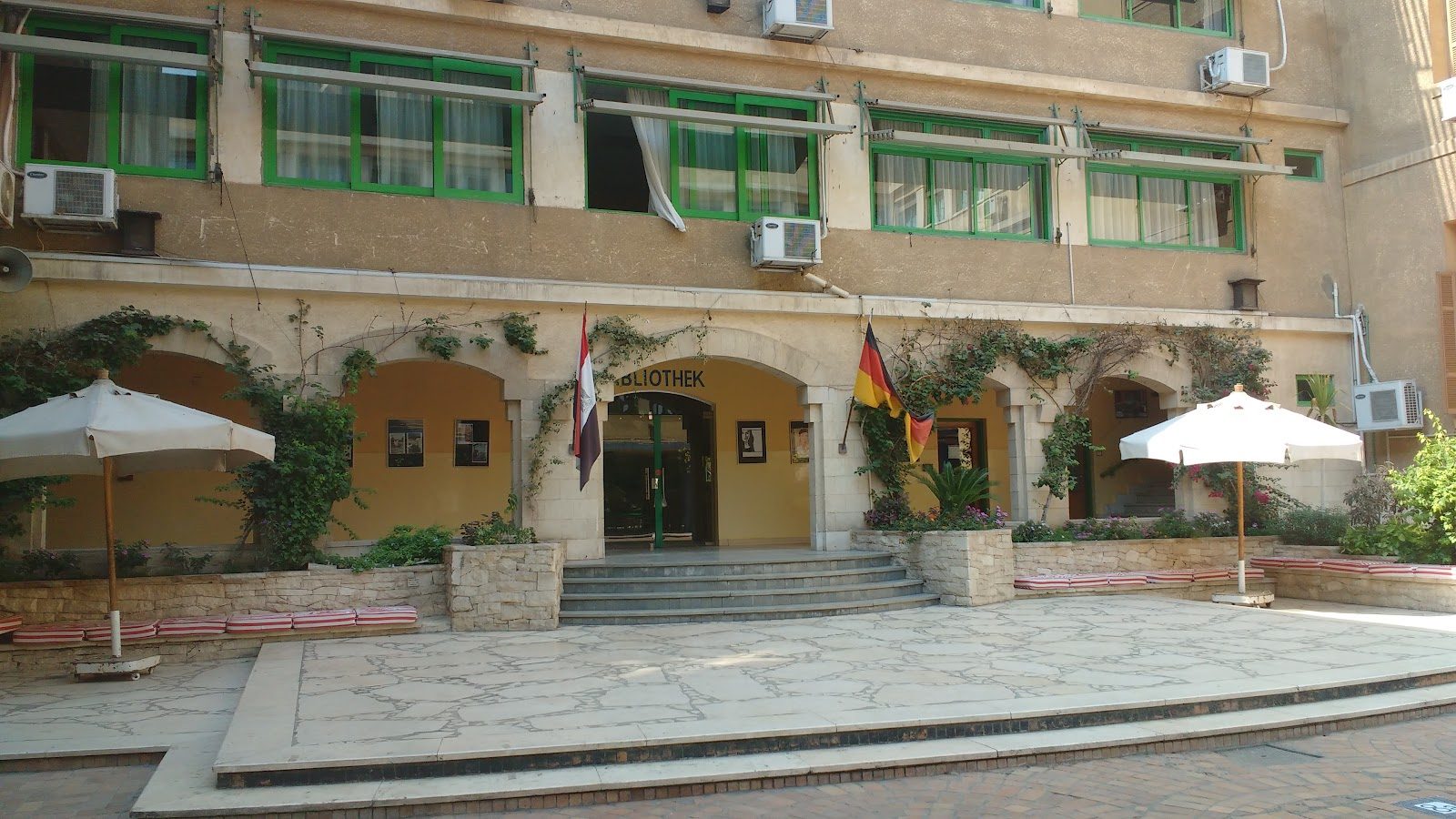
Photo © Maximilian Arndt via Google Maps
Type
Day
Ages
3–18
Curriculum
German Abitur
Ratio
—
The Verdict
Editor's commitment
Right for
Families in Cairo wanting a Catholic day school, founded in 1904, teaching in German and Arabic through to the German Abitur.
Wrong for
Anyone wanting boarding, a non-religious setting, or an English-medium route; this is a day school in Cairo with Catholic identity.
Watch out for
Beyond Cairo, 1904, ages 3–18 and German Abitur, the school publishes little here; verify academic outcomes and university destinations yourself.
Ranking breakdown
Deutsche Schule der Borromäerinnen · #1175 of 1591
Composite score 58.0. 8 weighted criteria.
By criterion
Academic Outcomes
Weight 20%
#1156
of 1529 scored
University Placement
Weight 16%
#1164
of 1529 scored
Prestige & Heritage
Weight 12%
#1182
of 1571 scored
Alumni Network
Weight 12%
#750
of 1530 scored
Facilities
Weight 12%
#1238
of 1534 scored
Transparency & Communications
Weight 8%
#1224
of 1532 scored
Peer & Industry Review
Weight 10%
#1108
of 1548 scored
Admissions Selectivity & Demand
Weight 8%
#960
of 1529 scored
Score history
Deutsche Schule der Borromäerinnen · 2026
Movement across 2024–2026. Peer average overlaid.
Overall — 2024–2026
58.0/ 100
▲ +25.4 vs 2025
year on year
Peer & Industry Review
How Deutsche Schule der Borromäerinnen is regarded in the sector
64
Respected · medium confidence
I could not identify at least two independent, third-party sources (e.g., Tatler, Good Schools Guide, specialist education press, or established expat forums) that substantively assess Deutsche Schule der Borromäerinnen in Cairo. Available information appears limited to the school's own materials or passing directory listings, which do not meet the evidentiary bar for scoring.
Editors' overview
Deutsche Schule der Borromäerinnen occupies a distinct niche in Cairo: a 1904-founded Catholic day school delivering the German Abitur in German and Arabic, from ages 3–18. That combination alone makes it unusual. In a market crowded with English-medium and American-curriculum options, this is a school for families who want a German academic track from the start rather than a bolt-on language programme. Its appeal is not novelty but institutional continuity, clear cultural identity and a route that is academically and linguistically specific. Parents should shortlist it if they are looking for a school with a defined educational spine, rather than a broad international compromise designed to offend nobody.
What is special here is the coherence. A Catholic school in Cairo with German as a language of instruction is not trying to be all things to all families; that selectiveness is part of its strength. For the right child, that can mean serious academic direction, a structured atmosphere and immersion in a bilingual German-Arabic environment that is rarer than standard international-school multilingual branding. The school’s long presence in the city also suggests durability and a settled role in Cairo’s educational landscape. That said, this is unlikely to suit families seeking a looser, more progressive, lifestyle-led version of international schooling. The attraction is discipline, tradition and a specific endpoint: the German Abitur.
The students most likely to thrive here are those who are comfortable with structure, can cope with linguistic demands, and whose families actively value German education, Catholic ethos, or both. It will particularly suit children for whom academic seriousness is a feature, not a burden, and families who prefer schools with a strong internal logic rather than flashy extracurricular positioning. It may be less suitable for students needing a highly flexible curriculum, a strongly Anglo-American environment, or a school built around breadth of choice rather than depth in one system. In market terms, Deutsche Schule der Borromäerinnen is a specialist option: not the obvious default, but for the right family, a deeply purposeful one.
Academic Performance
For Deutsche Schule der Borromäerinnen in Cairo, the hard limitation is evidence: in the material provided, there are no published Abitur averages, pass rates, subject distinctions, or university matriculation data. That matters, because many German schools abroad release at least headline figures; here, on the evidence available, *academic performance is not publicly legible*. The school’s positioning is therefore inferred less from measurable outcomes than from its declared endpoint: the German Abitur, delivered in a Catholic day-school setting in Cairo for ages 3–18. Founded in 1904, it is plainly a long-established institution, but longevity is not the same as verified attainment. On results alone, *the school cannot be ranked with confidence against peers*.
Relative to other German-curriculum schools, that places Deutsche Schule der Borromäerinnen in a hard-to-benchmark category. Schools with transparent external examination reporting can be assessed on consistency, selectivity and top-end attainment; this one, from the evidence supplied, cannot. That does not imply weak outcomes, only that *parents are being asked to trust reputation more than data*. In editorial terms, the school looks like a credible but under-evidenced Abitur route: serious in mission, historically established, yet not demonstrably stronger or weaker than comparable German schools in Egypt because the relevant examination statistics are simply not in view.
Facilities
Reliable public detail on facilities at Deutsche Schule der Borromäerinnen in Cairo is notably thin. Beyond the basics implied by a 3–18 day school and a campus serving the German Abitur, the school does not appear to publish the sort of granular facilities inventory that many better-documented international schools now provide. That matters editorially: parents should not assume the presence of specialist science centres, performing arts suites, competition-grade sports provision or design labs unless the school confirms them directly. What can be said is narrower. As a Catholic school founded in 1904, it is likely to prioritise functional academic space and age-range continuity over the showpiece campus arms race seen at some newer Cairo internationals. For families seeking a long-established urban school rather than a resort-style campus, that may be entirely acceptable.
Against peers, the likely comparison is with other mature city schools where facilities are often serviceable rather than expansive. Schools in Cairo’s premium international tier increasingly market indoor sports halls, theatres, makerspaces and extensive outdoor grounds; Deutsche Schule der Borromäerinnen does not, at least in publicly available material cited here. That absence does not prove weakness, but it does leave the campus harder to benchmark on anything beyond longevity, religious character and the German-language academic pathway. In practical terms, prospective families should ask directly about science labs, libraries, ICT provision, early-years space, sports courts and shaded outdoor play. The school may suit those who value academic seriousness over spectacle and a clearly defined German-school identity, but the facilities case is presently under-evidenced.
In market terms, Deutsche Schule der Borromäerinnen is a specialist option: not the obvious default, but for the right family, a deeply purposeful one
Prestige
Within Cairo, Deutsche Schule der Borromäerinnen carries the sort of prestige that comes from age, continuity and a clearly defined academic end-point rather than from flashy branding. Founded in 1904, it is one of the city’s older established schools, and that matters in a market where institutional memory and intergenerational trust still carry weight. The combination of a Catholic foundation, German-medium teaching alongside Arabic, and the route to the German Abitur gives it a distinctive academic identity and a recognisable cultural seriousness. For families specifically seeking a German education in Egypt, that makes it more than a generic private school: it sits in a comparatively narrow and respected niche.
That said, its prestige is best understood as specialist rather than universal. This is not the same as saying it lacks standing; rather, its reputation is likely strongest among families who value the German system, linguistic discipline and a structured school culture from ages 3–18. A day school of this kind tends to build influence through results, alumni networks and consistency over decades, though the supplied source material does not provide outcome data, so one should avoid overclaiming. I would therefore rate its prestige as substantial within its lane: a well-established, tradition-heavy Cairo school with credibility rooted in the Abitur pathway and more than 120 years of presence, rather than in broad international-school glamour.
Relative to other German-curriculum schools, that places Deutsche Schule der Borromäerinnen in a hard-to-benchmark category
Communications
Communication appears functional rather than expansive. The school is a longstanding Catholic day school in Cairo, founded in 1904, teaching in German and Arabic and leading to the German Abitur; beyond that, the supplied sources offer almost nothing about parent-facing channels. There is no verified information here on apps, parent portals, newsletter frequency, reporting cycles, or whether communication is led principally in German, Arabic, or both depending on year group. That absence matters. For international parents, especially those entering a German-language environment in Egypt, clarity about routine notices, academic reporting and who answers questions is not a minor detail but part of the school’s practical offer.
So any judgement must be cautious. At best, one can infer that a school serving ages 3–18 and operating in 2 instructional languages must have some established system for parent communication; a school of this age is unlikely to run on improvisation alone. But inference is not evidence. From an editorial standpoint, the current picture is too opaque, light on verifiable detail and therefore hard to assess with confidence. That does not mean communication is weak; it means the school has not, in the material provided, made it visible. For parents, that translates into a credibility gap: if routines are well organised, the school would do well to show them plainly.
Uniqueness
What distinguishes Deutsche Schule der Borromäerinnen is not novelty but continuity. Founded in 1904, it sits in a narrow category: a Catholic Cairo day school that takes pupils from age 3–18 through to the German Abitur, with German and Arabic as languages of instruction. That combination is structurally unusual. In practical terms, it offers families a route that is at once local and transnational: rooted in Cairo, shaped by Catholic institutional traditions, and oriented towards a German leaving qualification. For students, this can mean a school culture that is disciplined rather than theatrical, with expectations likely framed by both confessional ethos and the demands of a rigorous external endpoint.
Its distinctiveness also lies in span and identity. A single institution covering the full school journey as a day school tends to produce strong internal coherence: children do not simply pass through phases, but grow up within one academic and social framework. The German-Arabic setting is likewise educationally consequential, not decorative. Students are required to operate across linguistic and cultural registers, which can sharpen precision, adaptability and confidence in mixed environments. Add the Catholic character, and the result is a school that is *more specific than cosmopolitan branding usually allows*—not all things to all families, but potentially a very good fit for those who want a clearly defined educational tradition leading to the Abitur.
Reliable public detail on facilities at Deutsche Schule der Borromäerinnen in Cairo is notably thin
Student Profile
Deutsche Schule der Borromäerinnen will suit families looking for a clearly defined, academically serious route to the German Abitur within a Catholic school setting. With German and Arabic as languages of instruction, it is best matched to students who can work comfortably in a bilingual environment or whose families are prepared for that expectation from the early years. Given the school’s age range of 3–18, it is also a sensible fit for parents who value continuity rather than frequent school changes. Expect the strongest fit to be with children who respond well to structured expectations, formal schooling and a culture that is likely to place weight on consistency, conduct and academic stamina.
This is not the obvious choice for families seeking a loose, progressive atmosphere or a broad menu of alternative pathways: the defining offer here is the German Abitur, and that tends to attract students who are goal-oriented, comfortable with discipline and prepared for a fairly traditional academic trajectory. The Catholic identity will matter too; some families will see that as a source of moral clarity and community, others may find it too specific. In short, this school is likely to suit pupils who are steady rather than showy, can thrive in a language-rich setting, and whose families want an education anchored in long-standing institutional habits dating back to 1904.
What distinguishes Deutsche Schule der Borromäerinnen is not novelty but continuity
Co-curricular strengths
Arts & sport, on a separate axis
Overall 3/10
Scored 0-10 from the school's own published evidence. This axis is editorial-only — it does not feed the main WTS ranking.
Sports
3/10
Handball team, Football team, Volleyball team, and Swimming club.
Drama
3/10
Drama club is explicitly named in the extracurricular list.
Dance
—
Music
3/10
School choir and Orchestra ensemble.
Visual Arts
3/10
Art club is explicitly named in the extracurricular list.
Editor first-pass · editor-reviewable · 7/27/2026
Strengths
- +Established in 1904; unusually longstanding Cairo school.
- +German Abitur offers clear route into German universities.
- +German and Arabic instruction suits bilingual households.
- +Catholic school may suit families wanting faith-based education.
Considerations
- −Catholic ethos may not suit non-religious families.
- −German Abitur narrows fit for non-German curriculum seekers.
- −Day school only; no boarding option.
Availability
Primary entry gate & tests
Academic Record
Gallery
Photo © NileRose via Google Maps
Photo © Timofox Fox via Google Maps
Photo © NileRose via Google Maps
Photo © Timofox Fox via Google Maps
Photo © Timofox Fox via Google Maps
Parent reviews
Have you sent your child here?
Voice reviews carry the strongest trust badge — we transcribe them for you to tidy up before they go live. Prefer to type? A written review is fine too.
Add your voice
In 60 seconds, tell other parents: what's the best thing about Deutsche Schule der Borromäerinnen, and what surprised you when your child joined?
We ask for a Google sign-in so every review has a real face behind it — no anonymous drive-by attacks on schools, and no faked positive reviews. Your email is never shown publicly.
Send this profile to a friend
International parents rely on word-of-mouth. Share this review with someone weighing the same decision.
Schools with places
Similar schools to Deutsche Schule der Borromäerinnen with places available now.
New Cairo British International School
New Cairo · Egypt
- 2026-27
- WAITPOOLSpace-dependent
- 2027-28
- PLACES OPENRolling
The British International School, Cairo
Cairo · Egypt
- 2026-27
- WAITPOOLSpace-dependent
- 2027-28
- PLACES OPENRolling
Cairo American College
Cairo · Egypt
- 2026-27
- WAITPOOLSpace-dependent
- 2027-28
- PLACES OPENRolling
Availability first, then country, area, curriculum, price, co-curricular
Consider also
Also worth looking at alongside Deutsche Schule der Borromäerinnen.
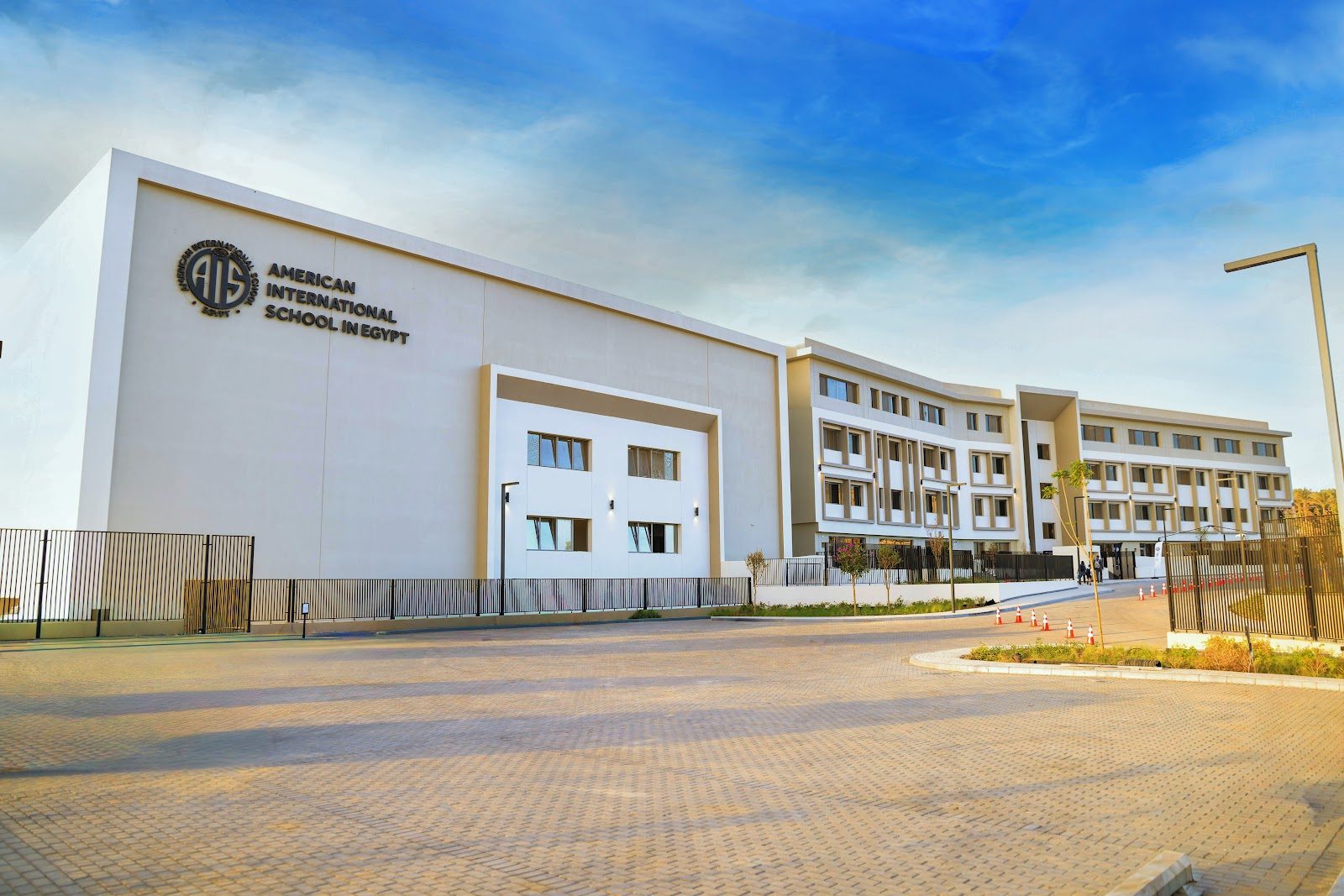
American International School in Egypt
Cairo · Egypt
Pairs a full American diploma with an optional IB track, drawing a largely Egyptian day-student body to its new Uptown Cairo campus.
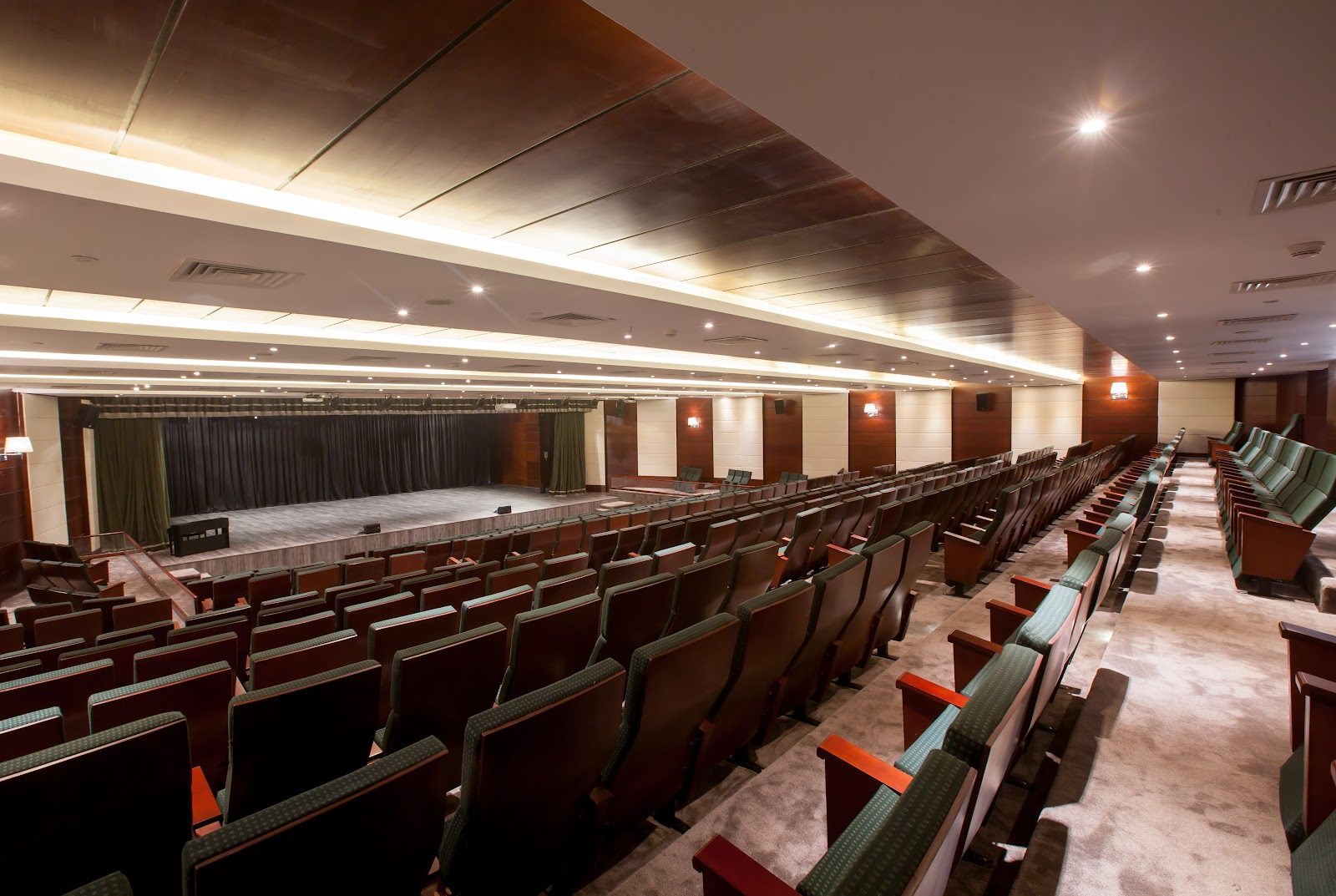
Malvern College Egypt
New Cairo · Egypt
In New Cairo, a house-based day school pairs A-Levels with the IB Diploma, carrying a 150-year Malvern lineage.
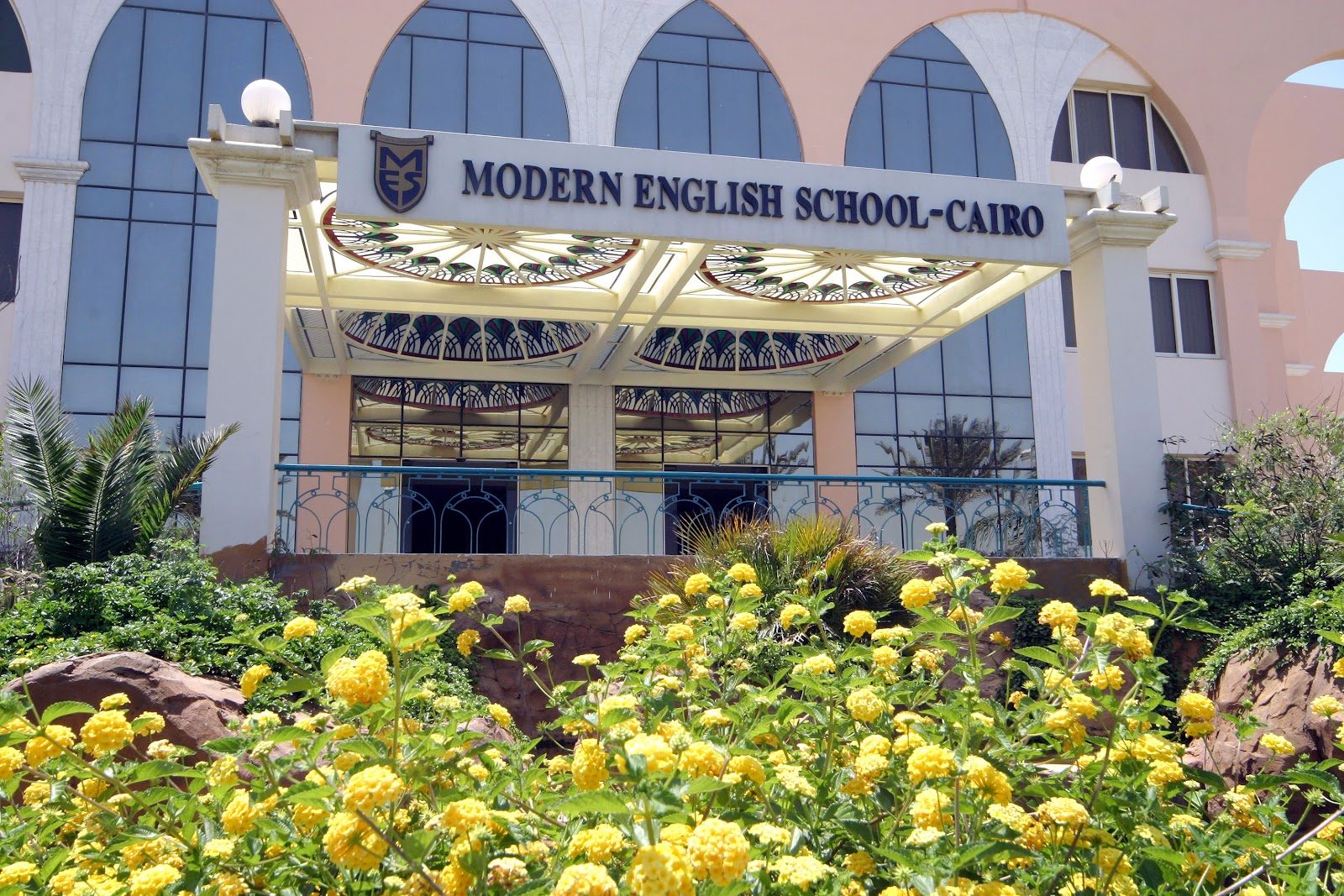
Modern English School Cairo
Cairo · Egypt
From 28 pupils in 1990 to a 2,400-strong New Cairo campus running British, American and IB pathways side by side
Lycée Français du Caire
Cairo · Egypt
Founded in 1911, this Nile-side AEFE lycee anchors the Baccalaureate exam hub for Egypt, Jordan, Djibouti, Ethiopia and Burundi.
Same country and curriculum — closest matches within ±10 points either way