
Central Java
SMA Pradita Dirgantara
Run by the Air Force beside Adi Soemarmo airport, this boarding school placed third nationally in Indonesia's 2022 entrance-exam rankings.
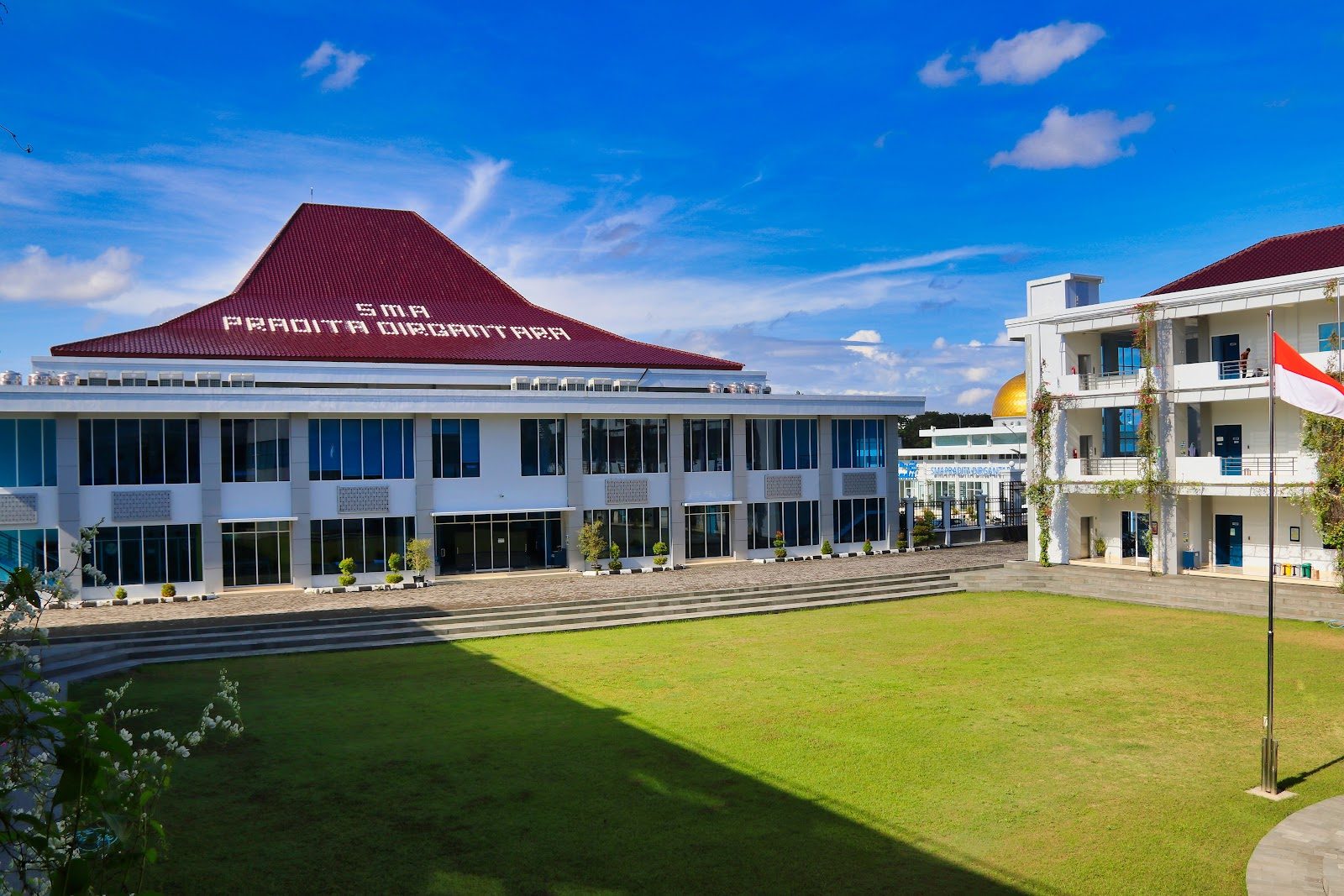
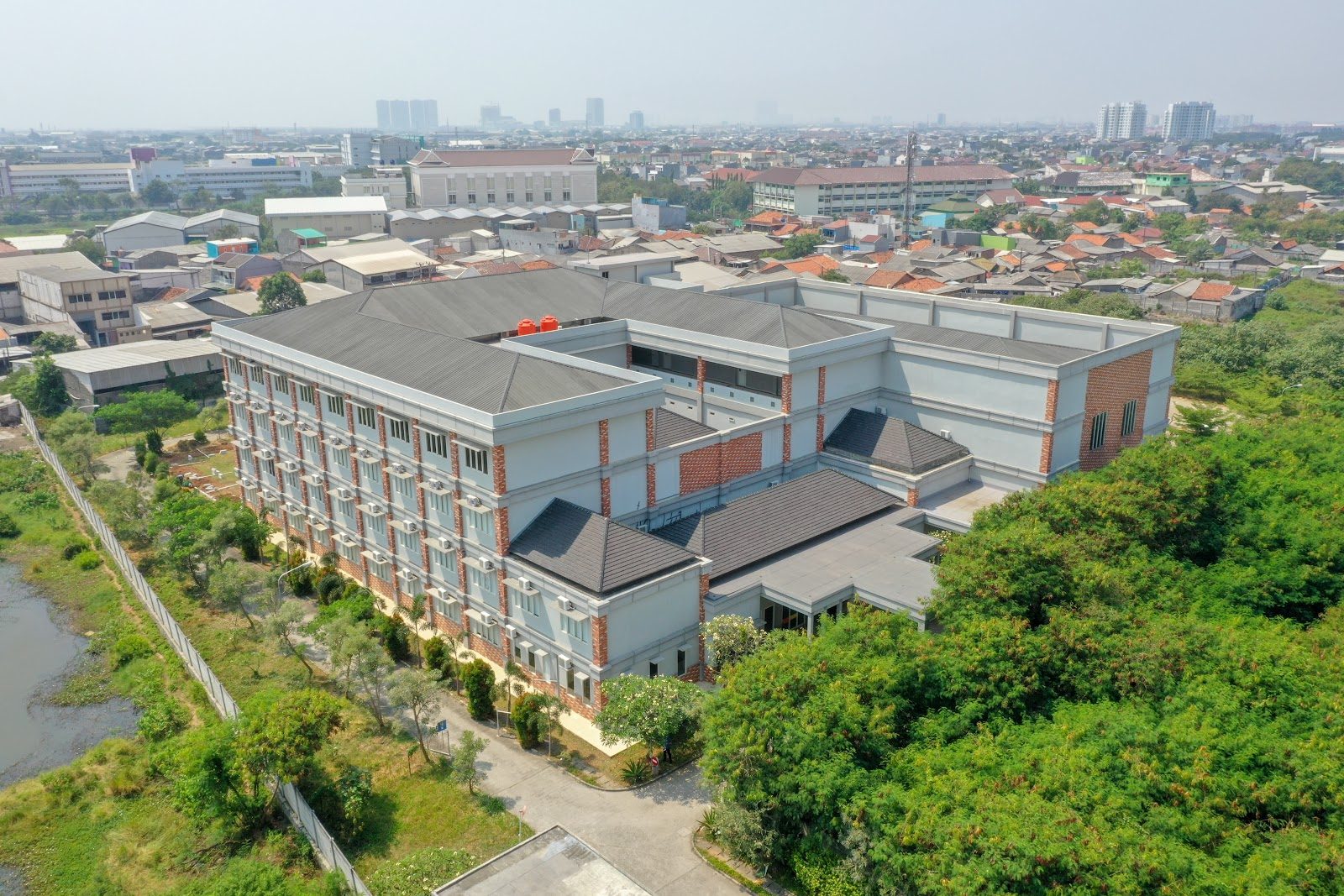
Photo © SMA Pradita Dirgantara via Google Maps
Type
Boarding
Ages
15–18
Curriculum
Indonesian
Qualifications
Indonesian national curriculum (aeronautical STEM focus)
Ratio
—
The Verdict
Editor's commitment
Right for
Able 15–18-year-olds who want boarding in Boyolali, Air Force discipline, and a school that ranked third nationally in 2022.
Wrong for
Families wanting a broad published academic track record; founded in 2018, SMA Pradita Dirgantara still trades heavily on image and anecdotes.
Watch out for
The school pushes IB language and touts 39 IB-certified teachers, but the verified curriculum here is Indonesian; parents need that clarified.
Ranking breakdown
SMA Pradita Dirgantara · #1466 of 1591
Composite score 48.7. 8 weighted criteria.
By criterion
Academic Outcomes
Weight 20%
#1432
of 1529 scored
University Placement
Weight 16%
#1462
of 1529 scored
Prestige & Heritage
Weight 12%
#1386
of 1529 scored
Alumni Network
Weight 12%
#1517
of 1529 scored
Facilities
Weight 12%
#1120
of 1529 scored
Transparency & Communications
Weight 8%
#1326
of 1529 scored
Peer & Industry Review
Weight 10%
#1478
of 1529 scored
Admissions Selectivity & Demand
Weight 8%
#888
of 1529 scored
Peer & Industry Review
How SMA Pradita Dirgantara is regarded in the sector
50
Credible · medium confidence
As a state-backed institution launched by the Indonesian Air Force (TNI AU) in 2022, SMA Pradita Dirgantara has not yet accumulated the track record that international ranking bodies like WhichSchoolAdvisor or the Good Schools Guide typically assess, and neither outlet currently profiles the school. Domestic press coverage (Antara, Kompas, and regional Central Java outlets) has focused mainly on its founding narrative -- presidential and military patronage, boarding facilities, and an aerospace-themed curriculum -- rather than independent academic evaluation. Because its first cohorts are only now progressing through secondary school, there is no published university placement data or admissions-officer commentary to cite, so comparisons with established Indonesian boarding schools (e.g., Taruna Nusantara, to which it is often informally likened given the military-education model) remain speculative in local media rather than substantiated in league tables. Within Indonesian defense and education circles it is discussed as a strategic prestige project rather than as a peer competitor benchmarked by other elite schools' heads. Overall, the school's reputation currently rests on institutional backing and infrastructure investment rather than externally verified academic or university-admissions outcomes, and it has not yet appeared in any recognized peer-reviewed education press ranking or cross-school conference circuit coverage available publicly.
Editors' overview
SMA Pradita Dirgantara is an unusual Indonesian boarding school: founded in 2018, run by the Air Force, and set beside Adi Soemarmo airport in Boyolali. That alone gives it a distinct market position. This is not a soft, pastoral boarding proposition. It is a disciplined, national-talent school with a strong selection filter and a clear bias toward science, mathematics and English. The admissions bar is explicit: a report-card average of 90 across maths, science and English, plus a minimum IQ score of 115 for its regular, scholarship and fee-support routes. For parents, that directness matters. The school tells you who it is for. It also states who it is not for: there are no transfer students. The message is plain — *high pressure, high expectation, no wasted motion*.
Its public case rests on outcomes and selectivity rather than heritage. The school claims third place nationally in the 2022 LTMPT rankings and first in Central Java, plus a MURI record tied to university admissions from its first graduating cohort. It also pushes Olympiad success and service-academy progression, which fits the institutional DNA. The website now gives heavy prominence to the International Baccalaureate, but the verified curriculum for this listing remains Indonesian, with teaching in Indonesian and English. Parents should read that carefully. The school is in transition or dual-track in its public messaging, and that creates a point to check directly. Still, the core proposition is clear: *military order, academic ambition, national reach*. This is a school for families who value structure, rank and measurable achievement over charm.
Why shortlist it? Because few Indonesian schools combine full boarding, national recruitment, a tightly defined academic threshold and a culture built around anti-bullying and anti-seniority rules. The school states “No bully, no senioritas,” and that matters in a boarding context. Facilities also read as serious rather than ornamental: language, computer and science laboratories, a library and sports provision. Scholarships and B2P fee support widen access beyond the Jakarta elite, which strengthens the intake if the selection is run well. *Competitive, unsentimental, intensely goal-driven* is the right frame. The weakness is opacity around aggregate academic data beyond rankings and publicity-led success stories. The school does not publish the kind of full exam-profile detail that would let parents benchmark cohorts with precision.
The student who will want SMA Pradita Dirgantara is academically strong, resilient, comfortable with hierarchy and ready to live away from home at 15–18. This suits pupils who enjoy competition, thrive on routine and want a peer group selected from across Indonesia. It also suits those with ambitions in engineering, science Olympiads, top domestic universities, overseas scholarships or military and public-service routes. It does not suit the child who needs a gentle pace, broad personal freedom or an arts-led identity. *Exacting, patriotic, and unapologetically selective*, Pradita belongs on a shortlist for parents who want a boarding school with sharp edges and a clear purpose.
Academic Performance
Pradita’s public academic case rests on one headline result: third nationally in the LTMPT school ranking, with top place in Central Java. In Indonesian terms, that puts it in serious national company. The school also trades hard on a MURI record tied to its first graduating cohort and states that an entire class of 30 entered public universities through the SBMPTN route. That is a striking data point, but it is also narrow. It tells parents that the school can push a selected group into competitive destinations; it does not give a full cohort view across subjects, score distributions or year-on-year exam consistency. The school does not publish aggregate national-exam style performance data, average leaving scores, or a detailed university outcomes table that would let families benchmark it cleanly against Jakarta’s strongest academic independents.
Where does that leave it relative to peers? High on selectivity, high on exam ambition, and still thin on transparent reporting. The profile fits a school that excels with driven, heavily filtered students in maths, science and English, then converts that intake into strong university admissions and Olympiad results. Recent competition news reinforces that pattern, including 8 students reaching the national stage of OSN and a gold medal at iGeo. That matters, but Olympiad medals are not the same thing as broad cohort attainment. Against Indonesia’s best-known academic schools, Pradita sits in the top-tier conversation on entrance strength and prestige signals; on published performance detail, it still has ground to make up.
Facilities
The facilities profile is practical and target-driven. The school advertises language, computer and science laboratories, a library, sports grounds, billiards and even PS5 provision. That mix tells you what matters on site: academic drilling, supervised downtime and enough physical infrastructure to support a full residential routine. The strongest assets are the core teaching spaces rather than architectural glamour. Science and language labs matter here because the school recruits pupils through hard academic filters in maths, science and English; those rooms are not decorative. The sports provision also fits the institutional style: disciplined, high-control, built for regimen rather than leisure. Against Indonesian boarding peers, that puts Pradita in the serious middle-to-upper band for functional campus kit, but not in the luxury bracket occupied by older, richer private schools with broader arts estates, theatres or specialist design spaces.
What is missing from the public picture matters too. The school does not publish the kind of granular facilities detail careful parents need: boarding-house configuration, room occupancy, pastoral spaces, dining arrangements, medical provision, maker or engineering labs, performing arts venues, or the scale of outdoor grounds. For a boarding school with a high-pressure, selection-driven identity, that is a gap. Parents can see enough to know the campus supports study and routine; they cannot yet judge the full quality of daily life. The result is a facilities offer that reads as purpose-built and unsentimental rather than expansive. The headline count of 39 IB-certified teachers strengthens the academic environment, but it does not substitute for clear campus disclosure.
SMA Pradita Dirgantara is an unusual Indonesian boarding school: founded in 2018, run by the Air Force, and set beside Adi Soemarmo airport in Boyolali
Prestige
Pradita carries real prestige in Indonesia, but it is a narrow, earned prestige, not the old-money kind attached to historic private schools. Its status comes from selectivity, state-linked institutional backing and a public record of converting top-scoring applicants into visible outcomes. The Air Force connection gives it a distinct national cachet: this is a school associated with discipline, service and elite filtering, not social polish. That matters in a market where parents read prestige through admissions difficulty and university progression. The school reinforces that status through hard-entry thresholds, a national recruitment reach and headline achievements in university admissions, Olympiads and service-academy routes. Claims such as 39 IB-certified teachers and 50 students winning overseas university scholarships add to that picture, though the school still needs to publish fuller cohort-wide destination data if it wants prestige to rest on more than selected headlines.
Why rate it highly, but not at the absolute summit? Because the name already carries serious competitive weight among families who value rank, structure and academic pressure, yet it lacks the long institutional history and deep public disclosure that underpin the strongest reputations. Its prestige is performance-led, not inherited. That can be powerful, especially for ambitious families outside Jakarta’s traditional independent-school circuit. It also makes the reputation more vulnerable to fluctuations in results and messaging. In short: Pradita is *elite in the Indonesian meritocratic sense* — hard to enter, high in visibility, and strongest for families who want prestige tied to measurable accomplishment rather than social finishing.
The student who will want SMA Pradita Dirgantara is academically strong, resilient, comfortable with hierarchy and ready to live away from home at 15–18
Communications
Pradita communicates in a blunt, campaign-style way. The website pushes admissions, rankings, scholarships, Olympiad wins and service-academy pathways with high-volume confidence. For prospective parents, that works: the entry bar, testing stages and selection timetable are laid out with unusual clarity, down to subject coverage, IQ threshold and the split between regional and central assessment. Contact routes are plain too, with a phone number, email and a dedicated admissions portal. The school also keeps its news feed active, and the stream is dense with fresh posts, event listings and institutional announcements. That gives families a steady sense of movement. The weakness is tone. Much of the communication reads like recruitment pressure rather than calm parent information, and bold claims about being the country’s best school do not substitute for hard comparative data.
For current parents, the public-facing picture is less complete. We can see a school that broadcasts achievements and logistics well; we cannot see much about pastoral communication, boarding routines, complaint routes, health provision, parent reporting cycles or day-to-day house life. That is a real gap for a residential school with a tight-control culture. The anti-bullying message is strong and repeated, which will reassure some families, but reassurance needs process behind it. The result is effective outward messaging for ambitious applicants and a less mature communications profile for parents who want operational detail. In short: excellent at selling motion, weaker at publishing substance. The standout admissions facts — 2 entry routes, a minimum IQ score of 115, and a 5-day central selection stay — are clearer than the lived-parent picture.
Uniqueness
What marks Pradita out is not prestige alone but institutional character. Few schools operate this close to the Indonesian Air Force in ethos, admissions design and daily tone. The result is a sixth-form age school with a command structure, a national catchment and a selection process that extends well beyond paperwork. Candidates pass through regional and central stages, face subject testing in maths, science and English, complete a speaking test, and then spend an on-site bootcamp-style selection period that runs for 5 days. The school also states “No bully, no senioritas,” which is more than slogan work in an Indonesian boarding context. It is an explicit attempt to strip out one of the ugliest habits of hierarchical residential schools while keeping discipline, rank and intensity intact.
That combination brings clear gains for the right student. Pupils enter a high-pressure meritocracy with peers drawn from across the country, strong enough to meet a hard admissions bar and willing to live by rules. That raises classroom pace, sharpens competition and creates a cohort defined less by family background than by performance. The school also widens that pool through scholarship and fee-support routes, which matters. Add the public emphasis on overseas scholarships, service academies and Olympiad success, and the proposition is unusually directional: Pradita does not educate in a vague, all-purpose way. It channels ambition. For resilient teenagers who want structure and traction, that is distinctive and powerful. For anyone wanting softness, anonymity or room to drift, it is the wrong school.
It also suits those with ambitions in engineering, science Olympiads, top domestic universities, overseas scholarships or military and public-service routes
Student Profile
The pupil who fits here is high-drive, competitive and comfortable being measured against strong peers every day. This school recruits teenagers who can absorb pressure without drama, follow rules without constant negotiation and keep working when the routine turns repetitive. The academic gatekeeping in science, maths and English sets that tone from the start, and the IQ floor of 115 reinforces it. So does the admissions process itself: staged selection, subject testing, speaking assessment and a residential central round. Students who enjoy clear standards and external discipline will find traction. Students who need warmth, looseness or room to reinvent themselves slowly will not.
Personality matters as much as grades. The strongest fit is a teenager with thick skin, decent self-command and a real tolerance for hierarchy. This is not a school for social drift or adolescent grandstanding. The anti-bullying and anti-seniority stance is a serious point in its favour, but it does not turn the place into a soft environment; it strips out abuse while keeping structure. Expect a cohort drawn from across Indonesia, ambitious about top universities, Olympiads, scholarships and uniformed-service routes. The school itself frames its students as national talent, and that self-image will shape daily life. For the right child, that creates a sharp, purposeful peer culture. For the wrong one, it will feel unforgiving and not for the faint-hearted.
Pradita’s public academic case rests on one headline result: third nationally in the LTMPT school ranking, with top place in Central Java
Co-curricular strengths
Arts & sport, on a separate axis
Overall 8/10
Scored 0-10 from the school's own published evidence. This axis is editorial-only — it does not feed the main WTS ranking.
Sports
8.5/10
Drama
8/10
Dance
8.5/10
Music
7.5/10
Visual Arts
7.5/10
Strengths
- +Operates as a fully scholarship-funded boarding school under the Indonesian Air Force's Yayasan Ardhya Garini foundation, so admitted students pay no tuition through graduation.
- +Ranked 3rd nationally on 2022 UTBK entrance-exam scores according to LTMPT, and 1st among schools in Central Java that year.
- +Alumni have gone on to military and police academies (AAU, Akpol, AL) as well as overseas universities including the University of Toronto and Nanyang Technological University.
- +Holds an 'A' (highest) national school accreditation rating.
- +Single-site boarding campus adjacent to Adi Soemarmo airport in Boyolali keeps students in a structured, contained learning environment.
Considerations
- −Entry demands a minimum report-card average of 90 in Maths, Science and English plus a minimum IQ score of 115, filtering out all but the most academically decorated applicants.
- −The school runs on a semi-military, Air Force-linked discipline model, which suits a particular temperament and is not a conventional civilian boarding environment.
- −Located in Boyolali, a semi-rural district of Central Java well outside Jakarta, Bali or Surabaya, meaning limited proximity to major expat communities and international transport hubs.
- −The scholarship-based national admissions process is built around Indonesian nationals applying from junior secondary school, so it is not structured as a conventional fee-paying option for relocating international families.
Availability
Primary entry gate & tests
National Selection Exam
Gallery
Photo © tulus wahyuno via Google Maps
Photo © Tri Haryanto via Google Maps
Photo © SMA Pradita Dirgantara via Google Maps
Photo © A4Jin NEET via Google Maps
Photo © AURORA KIDS COLLECTIONS via Google Maps
Photo © AURORA KIDS COLLECTIONS via Google Maps
Photo © permadhi via Google Maps
Parent reviews
Have you sent your child here?
Voice reviews carry the strongest trust badge — we transcribe them for you to tidy up before they go live. Prefer to type? A written review is fine too.
Add your voice
In 60 seconds, tell other parents: what's the best thing about SMA Pradita Dirgantara, and what surprised you when your child joined?
We ask for a Google sign-in so every review has a real face behind it — no anonymous drive-by attacks on schools, and no faked positive reviews. Your email is never shown publicly.
Send this profile to a friend
International parents rely on word-of-mouth. Share this review with someone weighing the same decision.
Schools with places
Similar schools to SMA Pradita Dirgantara with places available now.
Mentari Intercultural School Jakarta
Jakarta · Indonesia
- 2026-27
- WAITPOOLSpace-dependent
- 2027-28
- FUTURE CYCLEDates TBC
Sinarmas World Academy
Tangerang · Indonesia
- 2026-27
- WAITPOOLSpace-dependent
- 2027-28
- FUTURE CYCLEDates TBC
Beacon Academy
South Tangerang · Indonesia
- 2026-27
- WAITPOOLSpace-dependent
- 2027-28
- FUTURE CYCLEDates TBC
Bali Island School
Denpasar · Indonesia
- 2026-27
- WAITPOOLSpace-dependent
- 2027-28
- FUTURE CYCLERolling claim not independently verified for 2027/28
Availability first, then country, area, curriculum, price, co-curricular
Consider also
Also worth looking at alongside SMA Pradita Dirgantara.
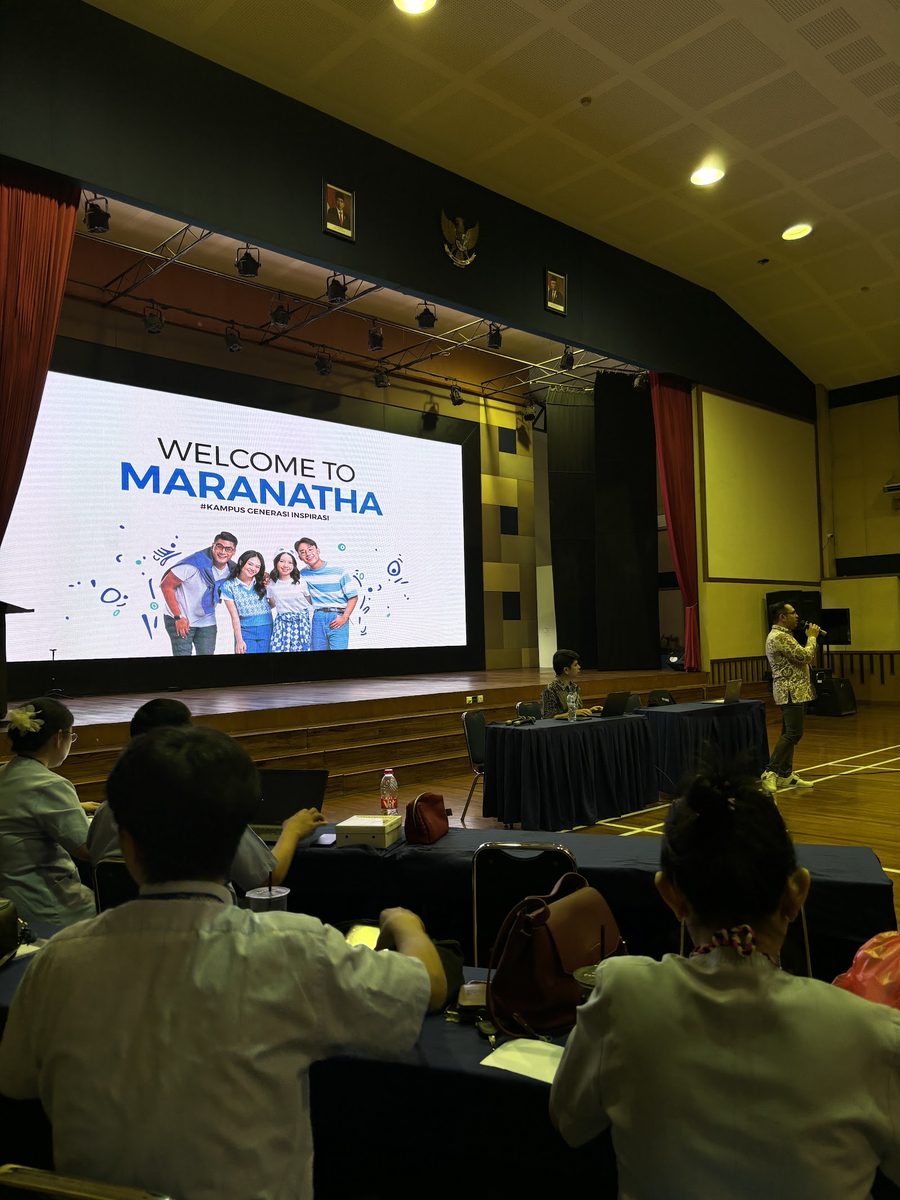
SMAK 1 BPK PENABUR Jakarta
Jakarta · Indonesia
West Jakarta's Christian science campus still holds an unbroken 1956 national physics-chemistry exam record.
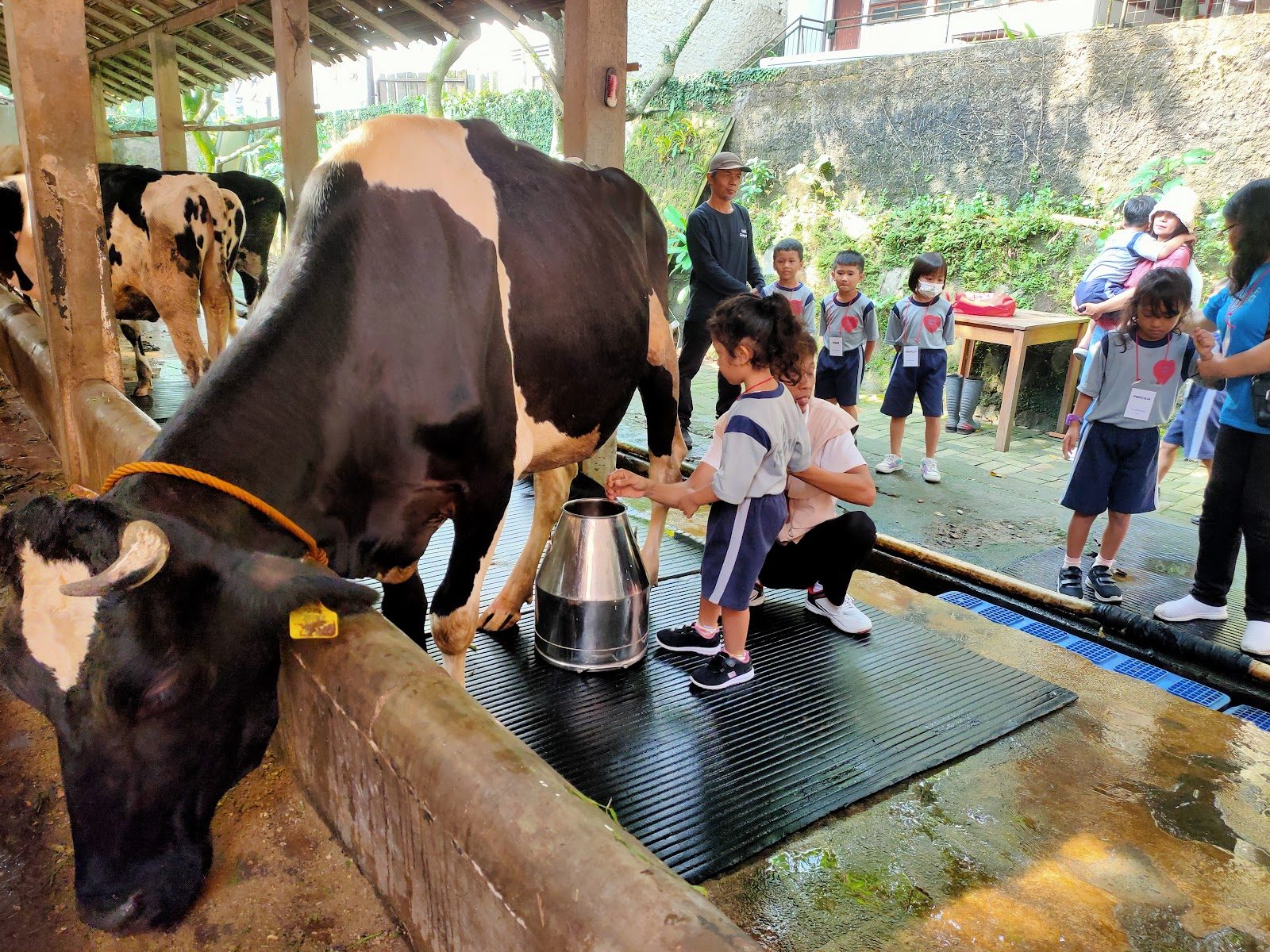
SMAK PENABUR Gading Serpong
Tangerang · Indonesia
A gifted-track Brilliant Class program has quietly produced Olympiad gold medalists in mathematics and physics
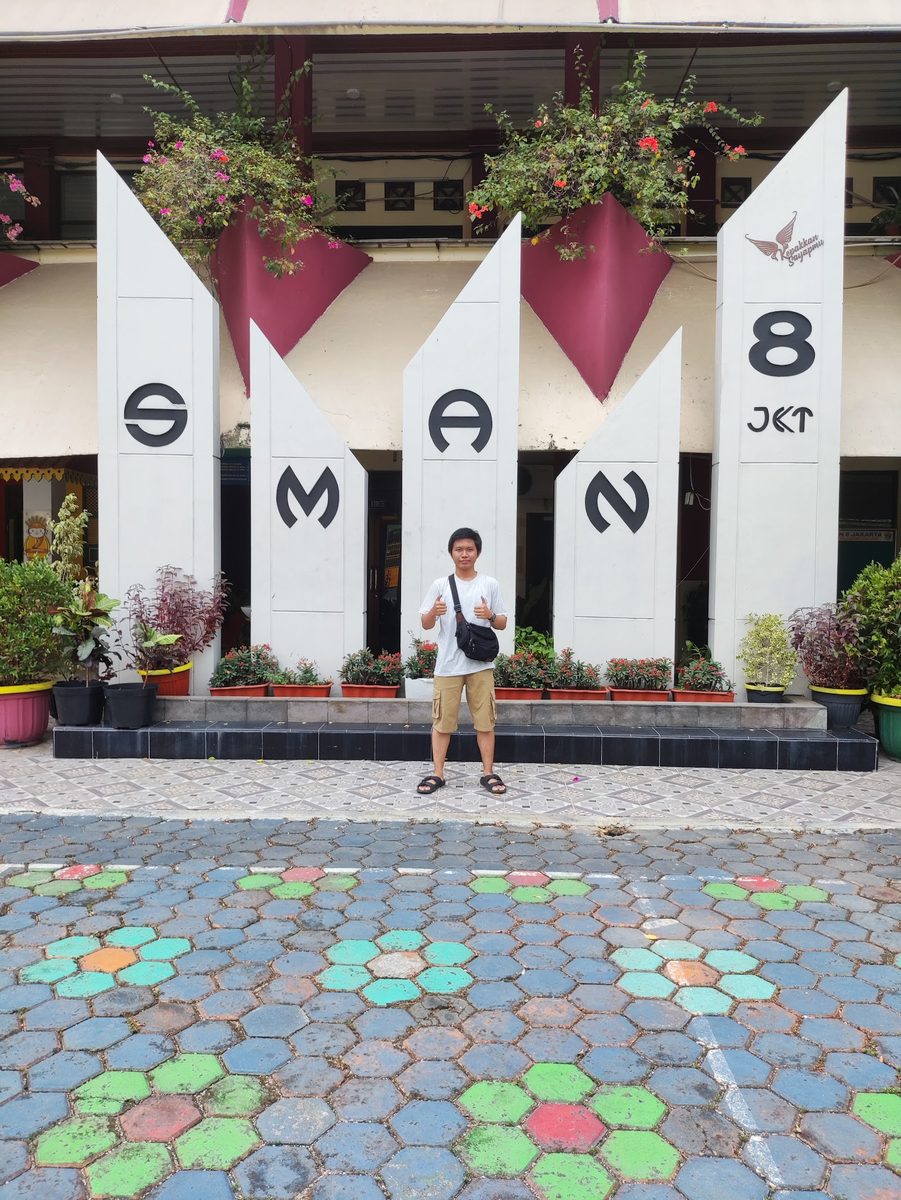
SMAN 8 Jakarta
Jakarta · Indonesia
On the Ciliwung's flood-prone banks in Tebet, this Jakarta public school has quietly stacked national science olympiad medals for decades
Mentari Intercultural School Jakarta
Jakarta · Indonesia
Born from a 1994 mothers' initiative, this Kebayoran Baru school runs full IB programmes, PYP to DP, alongside Indonesia's national curriculum.
Same country and curriculum — closest matches within ±10 points either way