
Lima
Cambridge College Lima
In quiet Chorrillos, Peruvian heritage meets Cambridge IGCSE and IB, with French fluency and London Music credentials woven in.
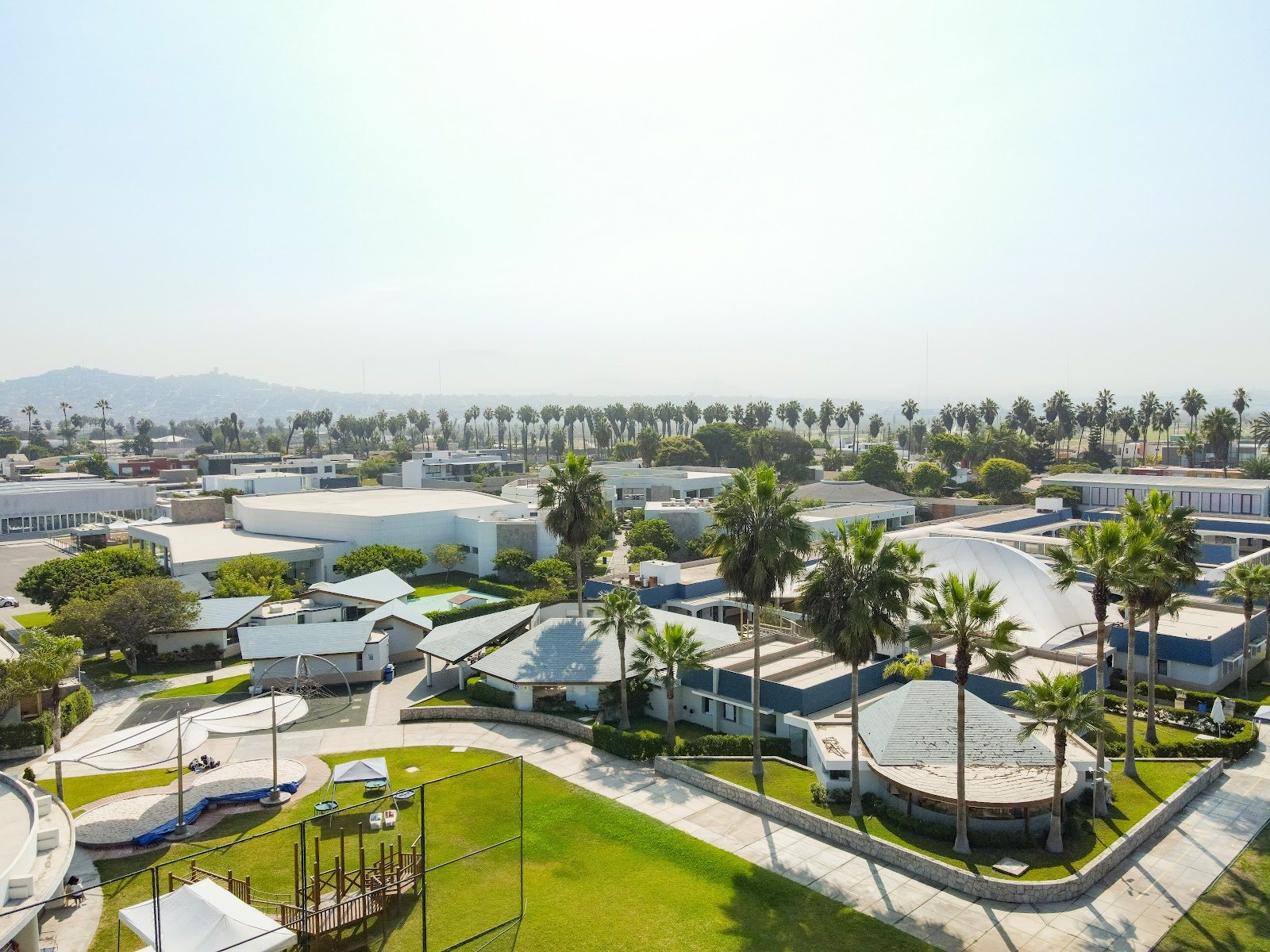
Photo © Cambridge College via Google Maps
Type
Day
Ages
3–18
Curriculum
Peruvian · British
Qualifications
IGCSE · A-Level
Ratio
—
The Verdict
Editor's commitment
Right for
Families in Lima wanting a day school in Chorrillos that runs Peruvian and British curricula, with IGCSE and IB Diploma in play.
Wrong for
Anyone wanting a single-track academic model, monolingual teaching, or boarding; Cambridge College Lima teaches in Spanish and English, ages 3–18, day only.
Watch out for
The school pushes big outcomes claims — 97% first-choice university entry, French fluency, London College of Music — but publishes no aggregate exam results.
Ranking breakdown
Cambridge College Lima · #1537 of 1591
Composite score 46.2. 8 weighted criteria.
By criterion
Academic Outcomes
Weight 20%
#1382
of 1529 scored
University Placement
Weight 16%
#1414
of 1529 scored
Prestige & Heritage
Weight 12%
#1508
of 1571 scored
Alumni Network
Weight 12%
#1247
of 1530 scored
Facilities
Weight 12%
#1334
of 1534 scored
Transparency & Communications
Weight 8%
#1497
of 1532 scored
Peer & Industry Review
Weight 10%
#1527
of 1548 scored
Admissions Selectivity & Demand
Weight 8%
#1419
of 1529 scored
Peer & Industry Review
How Cambridge College Lima is regarded in the sector
42
Regional · medium confidence
Cambridge College Lima occupies a modest but credible position within Peru's private-school landscape, well below the handful of internationally benchmarked institutions (such as Markham, Newton, or Colegio Roosevelt) that dominate local league-table coverage and international press attention. Independent outlets like WhichSchoolAdvisor and the Good Schools Guide do not maintain a dedicated review of Cambridge College Lima, and it does not feature in Peru's mainstream newspaper rankings (e.g., El Comercio's annual school features) in the way top-tier bilingual schools do. There is no verifiable public record of rival heads or university admissions officers commenting specifically on the school, nor evidence of regular presence at international peer conferences such as COBIS or CIS forums. Its Cambridge International School status (verifiable via the Cambridge International network directory) affords it recognised curriculum credibility, but reputational visibility beyond Lima's immediate school-choice market appears limited. Overall, the school reads as a solid, exam-board-affiliated institution still building the independent press and university-facing track record that would place it alongside Peru's most internationally regarded schools.
Editors' overview
Cambridge College Lima sits in a distinctive niche in the Lima market: a Peruvian-British day school with a large Chorrillos campus, bilingual teaching in Spanish and English, Cambridge IGCSE, and the IB Diploma at the top end. The point of difference is breadth. Pupils move through a school that combines the national curriculum with British academic scaffolding, adds French through Alliance Française, and layers in London College of Music certification. That mix is rare. So is the scale of the site: 48,000 m² in La Encantada de Villa, with natural-grass pitches, a semi-Olympic pool, a 450-seat basketball pavilion and a 500-seat auditorium. For parents who want one school to cover academics, sport and the arts without compromise, Cambridge has a serious case.
Its strongest selling point is not boutique intimacy; it is structured range and ambition. Up to Grade 10, pupils follow a combined British and Peruvian track, then choose between the IB and the national route. That gives families flexibility without forcing an early academic lock-in. The school also pushes hard on outcomes, citing 97% entry to students’ first-choice university and placing itself among the country’s top 10% in the IB Diploma and national early-years evaluations. Those claims are impressive, though the school does not publish the aggregate IB score or fuller destination breakdowns that would allow sharper scrutiny. That opacity matters at this price and pitch level. Parents comparing it with Lima’s most data-transparent schools will notice.
What is special here is the combination of institutional heft, bilingual fluency, serious sporting provision and a broad international finish inside a Peruvian framework. Cambridge belongs on a shortlist for families who want scale, facilities and multiple recognised exit points, not a narrow academic hothouse or a small, pastoral enclave. It will suit the child who wants to do several things well: study in two languages, keep sport or music at a high level, and leave school with options in Peru and abroad. It fits driven generalists, competitive athletes, musically committed pupils and internationally minded families who value a school with clear upward pressure and enough infrastructure to support it.
Academic Performance
Cambridge College Lima makes big claims on outcomes. The school says 97% of pupils secure entry to their first-choice university and that 30% win full scholarships at international universities. It also says it sits within the country’s top 10% in the IB Diploma and in national early-years evaluations. Those headline figures place it in the conversation with Lima’s more ambitious university-prep schools, not the middle tier. The academic model also gives pupils more than one exit route, which matters in a market where families value both local recognition and international mobility. Add IGCSE, the national leaving certificate, language credentials and London College of Music examinations, and the school offers a wide certification stack rather than a single narrow measure of success.
The problem is scrutiny. Cambridge does not publish the aggregate IB Diploma score, subject-level IGCSE outcomes, cohort pass rates, or a detailed university destination list by year and course. That leaves parents with strong headlines but limited context. A top-decile claim carries weight; without the underlying scores, it is impossible to judge whether the school sits near Lima’s academic front rank or below the city’s most data-transparent competitors. The verdict is clear: Cambridge projects serious ambition and has enough public claims to signal real strength, but its exam reporting is too opaque for a school asking parents to trust premium-level promises.
Facilities
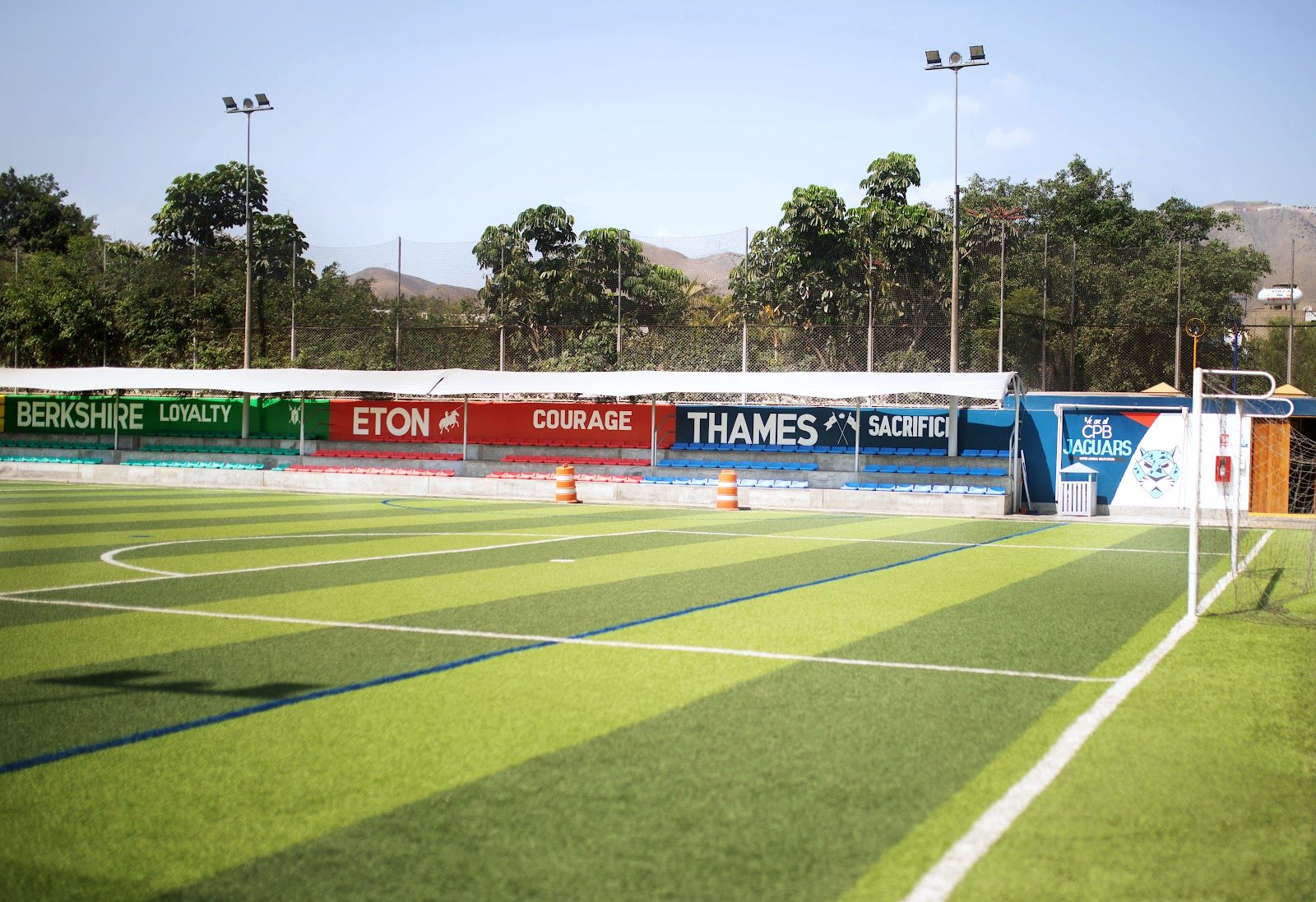
Facilities are one of Cambridge College Lima’s clearest advantages. The campus gives the school room to do sport, performance and day-to-day schooling at a level many urban competitors in Lima cannot match. The key assets are the sports complex, the auditorium, the science and innovation labs, and specialist art spaces. The basketball pavilion seats 450, the auditorium holds 500, and the school also lists a semi-Olympic pool, natural-grass pitches and a gym. That is not cosmetic provision; it supports a school that expects pupils to train, rehearse and perform in serious, high-capacity spaces rather than improvised multi-use rooms. For families comparing sites across the city, this is a material competitive edge.
Against peers, the distinction is scale and range, not architectural glamour. Plenty of strong Lima schools have competent labs, courts and assembly halls. Fewer have the footprint to separate sports, arts and academic facilities without constant timetable compromise. That matters in a day school where pupils are meant to do several things well. The trade-off is that a large campus can feel institutional rather than intimate, and families who prefer a tighter, more boutique environment will notice it. Still, for mainstream international-school buyers looking for substantial, well-developed provision across athletics and the arts, Cambridge sits above the local norm and competes well with other premium schools in its bracket.
Facilities are one of Cambridge College Lima’s clearest advantages
Prestige
Cambridge College Lima carries solid local prestige and a growing international sheen, but it does not sit in the same reputational bracket as the handful of Latin American schools whose exam data, university placements and public profile are beyond dispute. Its standing rests on three things: a long-established Peruvian-British identity, membership of Inspired, and a conspicuous record of pupils moving on to selective universities at home and abroad. The school also trades on visible success in sport and the arts, which matters in Lima’s status market. Parents looking for a school with social recognition, broad extracurricular cachet and a polished international frame will find that here. Parents looking for unimpeachable academic prestige will ask harder questions.
That distinction matters. Cambridge cites 97% first-choice university entry, 30% full scholarships at international universities, and placements at institutions such as MIT, Dartmouth, King’s College London and Sciences Po. Those are serious claims and they lift the school above the ordinary college-prep tier. Yet prestige at the top end is earned through disclosure as much as outcomes. Cambridge does not publish the aggregate IB score, full destination lists by cohort, or the deeper results data that turn institutional confidence into public proof. So the verdict is clear: this is a high-status, ambitious school with real brand power in its segment, but its prestige remains stronger in market perception and breadth of offer than in fully evidenced academic transparency.
Cambridge College Lima communicates with parents in a high-visibility, conversion-focused style
Communications
Cambridge College Lima communicates with parents in a high-visibility, conversion-focused style. The website is polished, bilingual and easy to navigate, with clear entry points for admissions, educational stages and contact. For an enquiring parent, the basics are there without friction: where the school is, what age range it serves, which programmes and external certifications it offers, and the broad shape of school life. The tone, though, is aggressively promotional. Almost every page strains for impact — prestige, excellence, global success, elite university access, waiting lists. That can work in marketing terms; it is less effective as parent communication, where trust depends on proportion, clarity and evidence. When a school makes claims such as 97% first-choice university entry and 30% full scholarships, it needs to pair them with fuller documentation. Cambridge does not.
That gap defines the communications verdict. The school is strong on presentation and weaker on proof. It gives families a vivid sense of scale, opportunity and ambition, but a thinner sense of operational detail than demanding parents will want. We have not seen the deeper public reporting that turns confidence into credibility: aggregate exam data, fuller destination lists, governance detail, or the kind of routine parent-facing transparency that reduces guesswork. The result is communication that is slick, confident and good at selling the dream, but less good at answering the harder questions a serious family asks before committing.
Uniqueness
What sets Cambridge College Lima apart is the way it stacks recognised pathways without forcing families into a single definition of success. This is not a school built only for the pure exam technician. It gives pupils a route through the Peruvian system, internationally recognised school-leaving options, formal French through Alliance Française, and music qualifications through London College of Music. That mix is unusually layered. In practical terms, it suits children whose strengths do not fit neatly into one lane. A pupil can keep academic mobility, build real linguistic range, and add external arts credentials that carry value beyond an internal school report. The school’s claim that 30% of pupils win full scholarships at international universities reinforces that outward-facing model, even if the underlying destination data need fuller publication.
The other point of difference is institutional culture. Cambridge pushes breadth with clear upward pressure: sport, arts and university guidance are not decorative extras but part of the core proposition. Membership of Inspired, BSP and ADECOPA adds organised competition and exchange beyond the campus, which gives pupils a larger stage than many local schools offer. That brings advantages for driven generalists and ambitious performers: more chances to test themselves, more external benchmarks, and more ways to leave school with a profile that is broader than grades alone. The trade-off is obvious. Families after a small-scale, deeply personal environment will find this model more expansive than intimate.
What sets Cambridge College Lima apart is the way it stacks recognised pathways without forcing families into a single definition of success
Student Profile
The pupils who fit best here are busy, outward-facing, and comfortable in a school that expects range. This is a strong match for children who want academics without living as exam monastics: the pupil who will work seriously, train after school, perform on stage, sit external music exams, or keep French moving alongside the core timetable. It also suits families who want structured ambition rather than hand-held cosiness. The school gives children more than one route through the senior years, so it works well for parents who value options and for pupils whose strengths sharpen later rather than early. A child who enjoys competition, public performance and measurable milestones will have room to build a substantial profile here.
The weaker fit is easy to identify. This is not the school for a child who needs a small, quietly protective atmosphere or who flourishes only in a low-pressure setting. The institutional tone is expansive and achievement-conscious. The website’s repeated emphasis on elite destinations, scholarships and high attainment reflects a student culture with visible upward pressure. The best-fit pupil will not be fazed by that; they will feed off it. Socially, the school suits internationally minded local families and bicultural households who want a Peruvian anchor with wider horizons. It will also appeal to parents who value external validation: university admissions, language certificates, music credentials and competitive sport all carry real weight here. The promise is breadth with standards. The demand is energy.
It also says it sits within the country’s top 10% in the IB Diploma and in national early-years evaluations
Co-curricular strengths
Arts & sport, on a separate axis
Overall 8.66/10
Scored 0-10 from the school's own published evidence. This axis is editorial-only — it does not feed the main WTS ranking.
Sports
9/10
Drama
8.8/10
Dance
8.2/10
Music
8.8/10
Visual Arts
8.5/10
Strengths
- +Follows a dual Peruvian and British (Cambridge International) curriculum, giving students access to IGCSE-style qualifications alongside the national diploma.
- +Operates as a day school, which typically keeps fees lower than Lima's boarding or fully international competitors.
- +Bilingual Spanish-English instruction supports both local Peruvian families and relocating expat households.
- +Classified within the 'rising_star_400' tier, suggesting an improving trajectory rather than a stagnant or declining institution.
- +Based in Lima, giving families access to the capital's wider expat community, embassies, and international business networks.
Considerations
- −Editorial rank of 872 places it well outside the most internationally established or highly ranked schools in Peru.
- −Publicly available data on examination results, university placement, or alumni outcomes is limited, making outcomes hard to independently verify.
- −No boarding option, so families relocating without a settled home in Lima will need separate accommodation arrangements.
- −Single-campus day school with no evident secondary sites, limiting flexibility for families based outside central Lima.
Availability
Primary entry gate & tests
Academic Record
Gallery
Photo © Cambridge College via Google Maps
Photo © Cambridge College via Google Maps
Photo © Cambridge College via Google Maps
Photo © Cambridge College via Google Maps
Photo © Cambridge College via Google Maps
Photo © Cambridge College via Google Maps
Photo © Felipe Marcos Lam Chiang via Google Maps
Parent reviews
Have you sent your child here?
Voice reviews carry the strongest trust badge — we transcribe them for you to tidy up before they go live. Prefer to type? A written review is fine too.
Add your voice
In 60 seconds, tell other parents: what's the best thing about Cambridge College Lima, and what surprised you when your child joined?
We ask for a Google sign-in so every review has a real face behind it — no anonymous drive-by attacks on schools, and no faked positive reviews. Your email is never shown publicly.
Send this profile to a friend
International parents rely on word-of-mouth. Share this review with someone weighing the same decision.
Schools with places
Similar schools to Cambridge College Lima with places available now.
Availability first, then country, area, curriculum, price, co-curricular
Consider also
Also worth looking at alongside Cambridge College Lima.
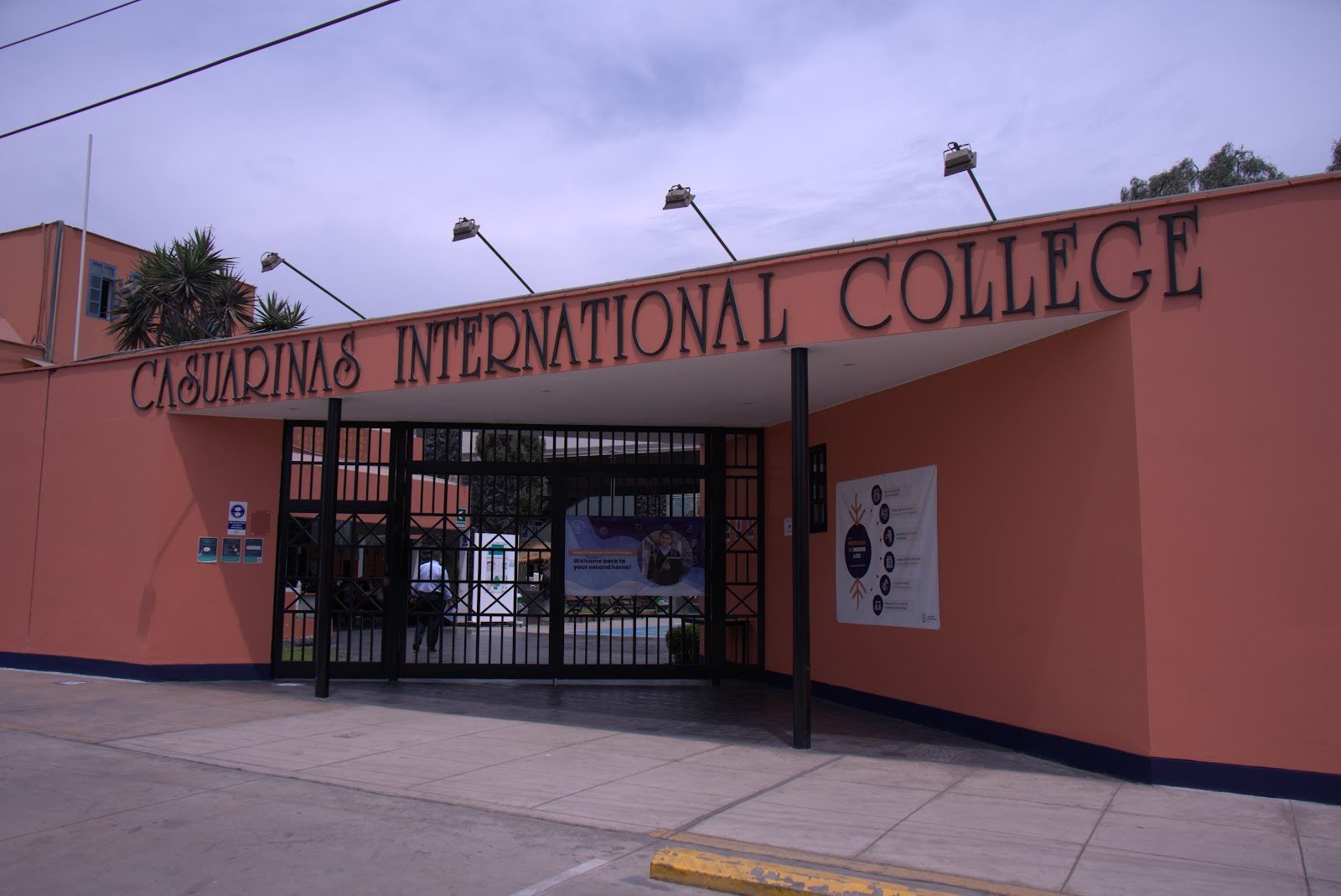
Casuarinas International College
Lima · Peru
First school certified in all four IB programmes, blending Spanish-English immersion from a Surco campus in southern Lima.
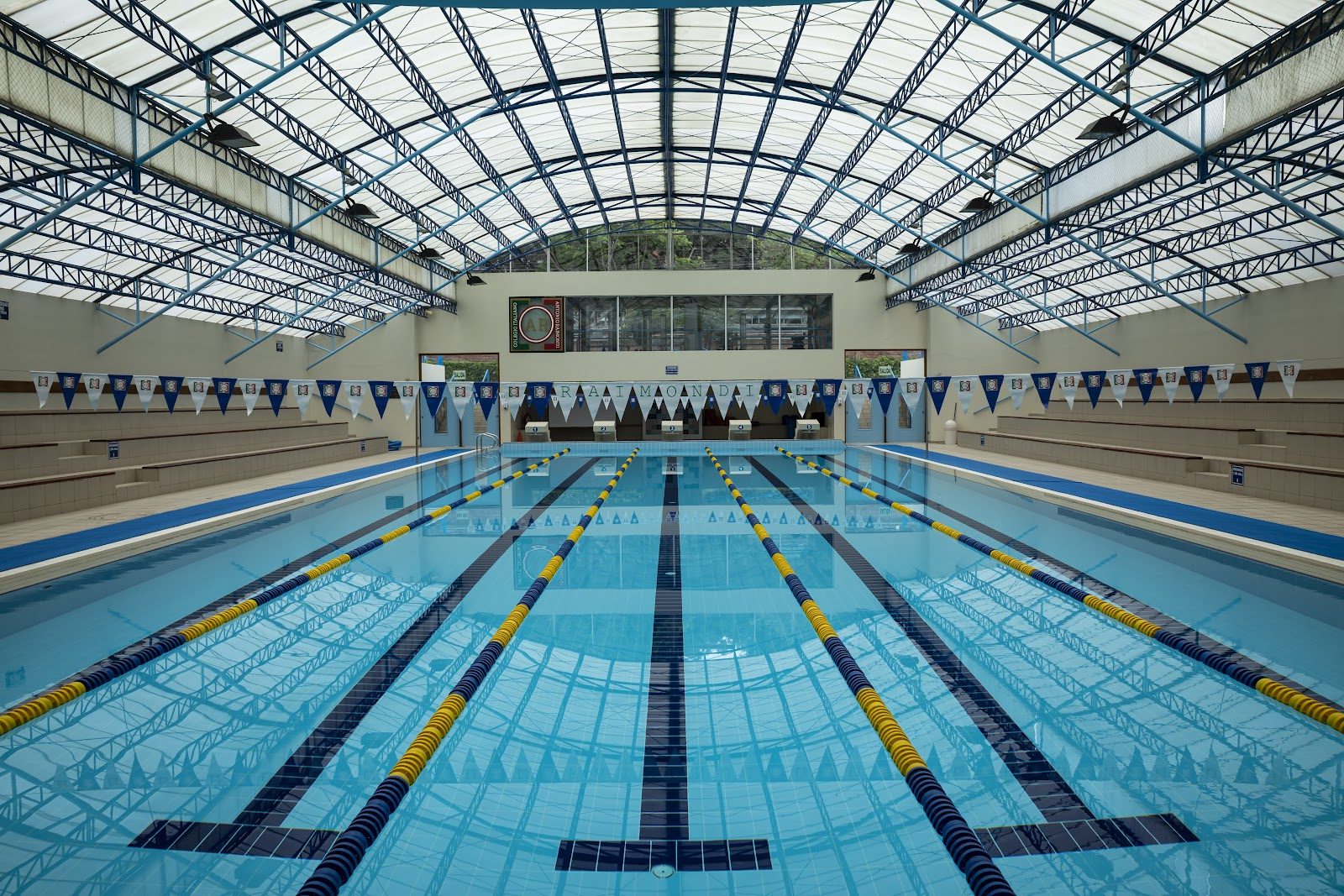
Colegio Antonio Raimondi
Lima · Peru
Since 1872, a La Molina institution weaving Italian and Peruvian schooling toward the state Diploma di Maturita.
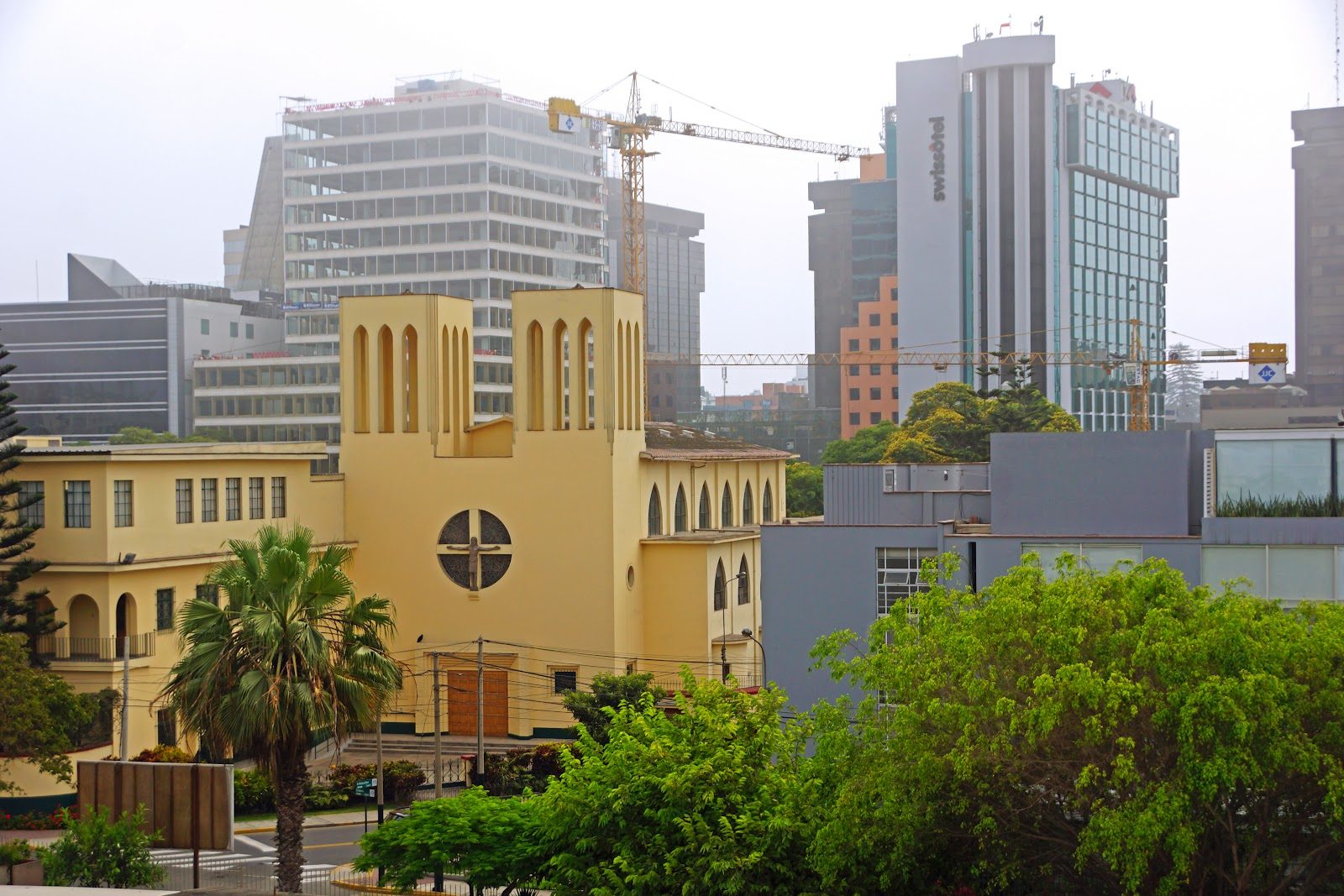
Colegio Santa Úrsula
Lima · Peru
In San Isidro, German Ursuline nuns opened a girls' school in 1936 that still pairs Montessori roots with IB rigor in two languages.
Colegio Peruano Británico
Lima · Peru
Trilingual since 1963, this Monterrico campus blends a Juilliard-shaped arts curriculum with IB rigor as Nord Anglia's first Peruvian school.
Same country and curriculum — closest matches within ±10 points either way