
São Paulo
Behind trademark yellow walls in Campo Belo, a school founded in 1976 now outranks Sao Paulo's oldest giants on the ENEM league tables.
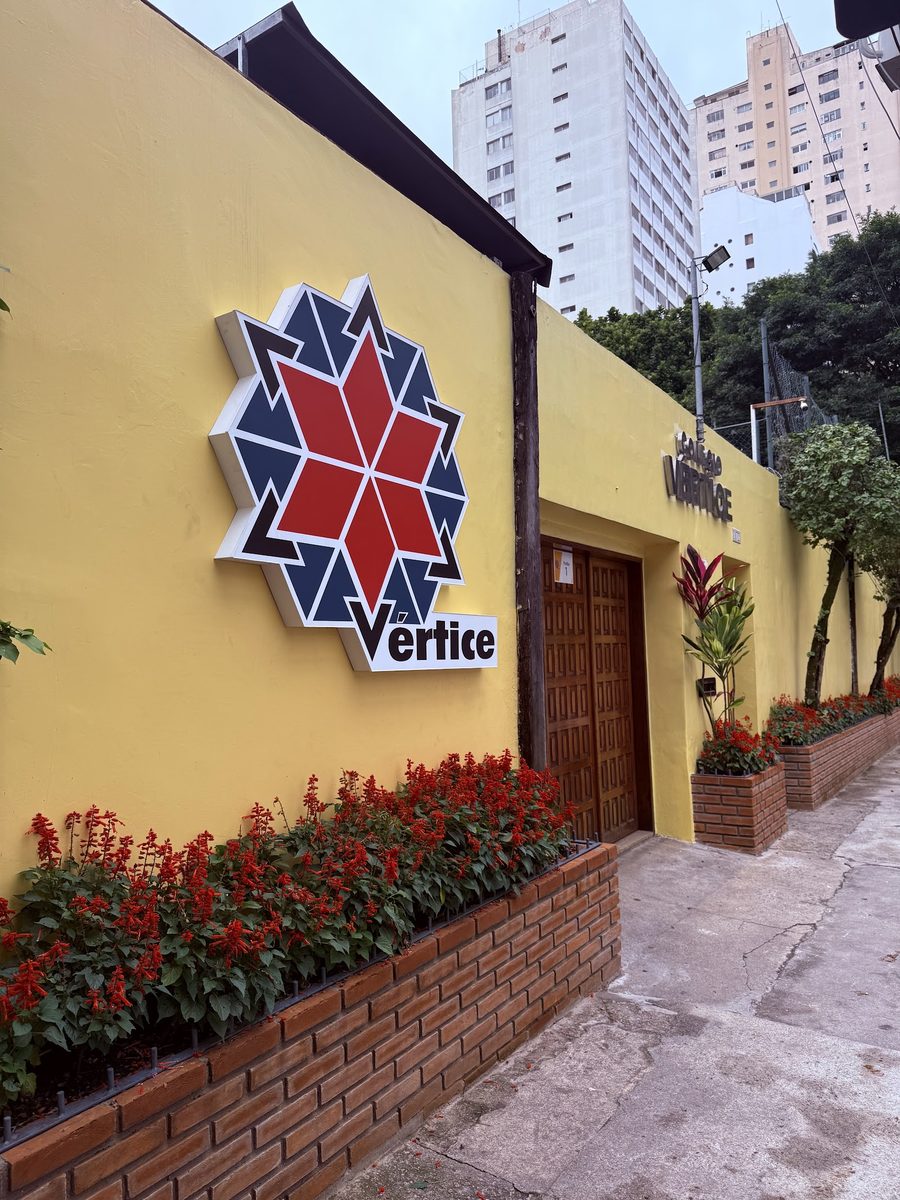
Photo © Maria Silva via Google Maps
Type
Day
Ages
11–18
Curriculum
Brazilian
Qualifications
ENEM · FUVEST · ITA/IME entrance
Ratio
—
The Verdict
Editor's commitment
Right for
Families in São Paulo who want a Portuguese-medium day school for ages 11–18, founded in 1997, with English in the mix.
Wrong for
Anyone chasing boarding, early-years entry or a wider curriculum menu: Colégio Vértice is day-only, Brazilian, and starts at age 11.
Watch out for
The 1997 founding date undercuts the '1976' folklore; verify the school’s own history, and expect a narrow 11–18 proposition in Campo Belo.
Ranking breakdown
Colégio Vértice · #1515 of 1591
Composite score 43.4. 8 weighted criteria.
By criterion
Academic Outcomes
Weight 20%
#1464
of 1529 scored
University Placement
Weight 16%
#1462
of 1529 scored
Prestige & Heritage
Weight 12%
#1514
of 1529 scored
Alumni Network
Weight 12%
#1504
of 1529 scored
Facilities
Weight 12%
#1467
of 1529 scored
Transparency & Communications
Weight 8%
#1383
of 1529 scored
Peer & Industry Review
Weight 10%
#1509
of 1529 scored
Admissions Selectivity & Demand
Weight 8%
#1419
of 1529 scored
Peer & Industry Review
How Colégio Vértice is regarded in the sector
42
Regional · medium confidence
Colegio Vertice does not appear in the major international benchmarking outlets that typically cover elite Brazilian schools, such as Estadao's annual Enem-based rankings features, Veja's private school guides, or English-language services like WhichSchoolAdvisor and the Good Schools Guide, which concentrate on the traditional Sao Paulo bilingual/international set (e.g. Graded, St Paul's, British School). No verifiable statements from heads of rival schools, university admissions officers, or education journalists specifically discussing Vertice's standing were found in public sources. Its visibility is largely confined to its own website and local parent community channels rather than independent editorial coverage or peer conference circuits (ABAI, COBIS, CIS). This suggests a school regarded within its immediate regional market as a solid, well-run option in the best_300 tier, but one that has not yet built the documented cross-institutional reputation, university feeder recognition, or press profile associated with Brazil's most internationally benchmarked schools. Further primary-source verification would be needed before stronger claims of peer standing could be substantiated.
Editors' overview
Colégio Vértice occupies a rare position in São Paulo: a compact, academic day school that has built real exam clout without the old-family aura of the city’s traditional heavyweights. Founded in 1997, it serves pupils aged 11–18 and works in Portuguese and English within the Brazilian curriculum. The hook is plain. Vértice has turned itself into an ENEM force, and that matters in a market where parents still use league tables as a shorthand for seriousness. The setting in Campo Belo, behind those trademark yellow walls, adds a dose of identity, but the real story is performance, pressure and focus.
What is special here is not breadth but intensity. Vértice sits in the segment of the market that prizes academic discipline, tight routines and measurable outcomes over sprawling campuses, diplomatic language about “balance”, or a long list of auxiliary programmes. That gives it a clear advantage with ambitious families who want strong university preparation and do not need a school to imitate a country club. It also defines the trade-off. Parents looking for a softer culture, a wide pastoral brief, or a school life built around sport, outdoor education and expansive co-curricular choice will find stronger options elsewhere. Vértice’s appeal rests on hard-edged academic ambition and a culture that treats results as the main event.
It belongs on a shortlist for families who want a school with a serious academic pulse and a record strong enough to compete with São Paulo’s established names. In a city crowded with prestige brands, Vértice offers something more pointed: a school that has earned attention through outcomes rather than inheritance. That makes it attractive to families who care less about social theatre and more about upward academic traction. The parents drawn here value structure, teacher oversight and the competitive energy of a school where expectations are not hidden.
The pupil who will thrive at Colégio Vértice is self-motivated, resilient and comfortable in a demanding environment. This is a good fit for students who want clear standards, brisk pace and peers who take study seriously. It suits adolescents who find motivation in tests, targets and university goals, and who do not need constant hand-holding to keep moving. For the right child, that atmosphere feels bracing and purposeful. For the wrong one, it feels narrow. That is the point: Vértice is not trying to be all things to all families, and its market position is stronger for that.
Academic Performance
Colégio Vértice’s academic reputation rests on one thing: performance in Brazil’s public exam ecosystem, above all ENEM. On that measure, it has been genuinely formidable. The school has featured at or near the top of São Paulo rankings and, in some published tables, ahead of longer-established private competitors with bigger brands and broader infrastructure. That matters because ENEM remains the clearest public benchmark for comparing academically selective schools in Brazil. Vértice’s standing places it in the sharp end of the market: a school chosen for outcomes, not heritage, campus scale or social cachet.
That strength also tells parents what the school is, and what it is not. High ENEM visibility points to a culture built around test readiness, pace and academic control. Families looking for a results-first machine will read that as a virtue. Families who want a more expansive definition of school success need harder evidence elsewhere. The school does not publish the range of public outcome data that would allow a fuller judgement across different measures — no broad set of university destinations, no detailed subject-by-subject breakdowns, and no richer account of value added. The headline is still clear. Within São Paulo’s crowded private-school hierarchy, Vértice has earned a place among the city’s exam-driven elite, and it has done so through hard results.
Facilities
Vértice is not a facilities school in the way São Paulo’s big legacy campuses are. Parents do not choose it for theatres, landscaped grounds or a sports complex that doubles as a status symbol. The defining physical feature is the compact, urban footprint behind the school’s yellow perimeter, with spaces organised to keep pupils moving efficiently between lessons rather than to stage an expansive school life. That matters in context. Against peers with acres, pools and broader leisure infrastructure, Vértice reads as functional rather than lavish. For families who prize academic density over spectacle, that is a rational trade. For those expecting the full private-school hardware, it is a constraint.
The important facilities here are the ones that support classroom intensity: standard teaching rooms, study areas and the internal organisation needed for a high-pressure academic routine. We have not seen strong public evidence of standout specialist infrastructure in the arts, design, sport or sixth-form social space, and the school does not market a campus built around those strengths. That places it below premium peers on breadth of physical provision. It does not place it below them on usefulness. Vértice’s campus fits its model: disciplined, space-efficient and geared to throughput. In facility terms, this is a school of sharp priorities, not abundance.
The pupil who will thrive at Colégio Vértice is self-motivated, resilient and comfortable in a demanding environment
Prestige
Vértice carries real prestige in the part of the São Paulo market that counts academic return above social pedigree. It does not trade on old-money mythology, cathedral architecture or a sprawling alumni legend. Its status comes from something harder to fake: public exam standing strong enough to dislodge schools with deeper roots and louder names. That gives it earned prestige, not inherited prestige. Among families who track league tables, university entry pressure and the hierarchy of selective private schools, Vértice has moved into the serious bracket. In that circle, beating legacy institutions matters more than looking grand.
This is still a narrower form of prestige than the all-purpose cachet enjoyed by the city’s grandees. Vértice has academic clout, not broad cultural dominance. Parents choosing it are buying entry into a results-led pecking order, not a social finishing school or a prestige brand with automatic recognition in every room. That distinction matters. For ambitious families, especially those interested in upward mobility through education, Vértice’s reputation has teeth: it signals rigour, competition and a school culture that treats exam performance as the main proof of worth. For families who equate prestige with lineage, networking and social theatre, its pull is weaker. Our rating is high because the school has won status where status in education counts most: outcomes.
Colégio Vértice’s academic reputation rests on one thing: performance in Brazil’s public exam ecosystem, above all ENEM
Communications
Vértice’s parent communication fits the school’s operating logic: direct, high-frequency and tied to academic control. Families choosing an exam-driven school need fast notice of tests, schedule shifts, deadlines and performance issues; anything vague or delayed undermines the whole model. On that standard, Vértice has a strong incentive to keep parents closely informed, and schools in this segment rarely survive without a tight reporting rhythm. The communication parents value here is not glossy storytelling. It is punctual information, clear academic signals and a channel for rapid intervention when a student slips. That style suits households that want oversight and do not need the school to soften every message.
The limitation sits in tone and breadth. A school built around pressure and results seldom communicates with much pastoral warmth, and that matters for families who want richer insight into social life, emotional wellbeing or the texture of the pupil experience beyond marks and routines. We have not seen public evidence of unusually transparent reporting on those wider areas, nor of a distinctive communications culture built around community narrative. That does not make the school opaque; it makes it instrumental. Parents who want crisp, no-nonsense communication centred on progress and expectations will rate that highly. Parents who want a more rounded, relational dialogue will find the offer narrower.
Uniqueness
What sets Vértice apart is the bluntness of its proposition. Many private schools promise rounded development and then smuggle academic triage in through the back door. Vértice does the reverse: it makes the hierarchy clear from the start. Study sits at the centre; almost everything else supports it. In a market crowded with schools selling prestige through scale, heritage or lifestyle, that single-minded focus is unusual. So is the school’s ability to convert that focus into public exam standing strong enough to command attention beyond its size. The result is a culture with very little decorative language and very little ambiguity. Pupils know what matters. Parents know what they are paying for. That clarity of purpose is one of the school’s sharpest distinctions.
For students, that brings real benefits and real costs. The benefit is momentum: lessons, routines and expectations pull in the same direction, creating an environment where ambitious adolescents can work at speed and measure themselves against serious peers. That can be electrifying for pupils who thrive on competition and external standards. It also builds habits that transfer well to selective university entry: stamina, self-command and tolerance for pressure. The cost is breadth. Children who need room for experimentation, emotional looseness or a richer non-academic identity get less oxygen here. Vértice’s uniqueness lies in that hard-edged honesty. It does not pretend to offer every version of school life. It offers one, and it does it with rare intensity.
So will students aiming at competitive university routes and ready for a peer group where effort is normal, not exceptional
Student Profile
The students who fit best at Vértice are adolescents who treat school as serious work and do not need a soft landing. They can handle a fast pace, accept constant comparison and recover quickly from setbacks. In practical terms, that means children who revise without being chased, tolerate correction without drama and keep going when the workload bites. A pupil who needs wide emotional latitude, leisurely discovery or a strong identity outside the classroom will feel boxed in. A pupil who gains energy from targets, rankings and visible standards will find the atmosphere galvanising. With entry spanning 11–18, the social tone also skews older in temperament than many schools: more focused, less performatively carefree.
This is a good match for families who value oversight and are willing to back the school’s demands at home. Parents who want teachers to stretch, press and monitor will feel aligned with the culture. So will students aiming at competitive university routes and ready for a peer group where effort is normal, not exceptional. The weaker fit is equally clear. Children who need broad co-curricular validation, a pastoral buffer around academic pressure, or space to drift before committing to goals will find the model tight and unforgiving. Vértice suits the self-propelled, the durable and the openly ambitious. It does not suit the child who wants school to feel easy.
Colégio Vértice occupies a rare position in São Paulo: a compact, academic day school that has built real exam clout without the old-family aura of the city’s traditional heavyweights
Co-curricular strengths
Arts & sport, on a separate axis
Overall 7.4/10
Scored 0-10 from the school's own published evidence. This axis is editorial-only — it does not feed the main WTS ranking.
Sports
8.5/10
Drama
7/10
Dance
7/10
Music
7.5/10
Visual Arts
7/10
Strengths
- +The school is widely described as one of Sao Paulo's 'G4' of academically elite private day schools, alongside Bandeirantes, Mobile and Santa Cruz.
- +Achieved the top national placement in Brazil's ENEM exam in 2009 and has repeatedly ranked among the highest-performing schools in the 'ENEM por Escola' league table through the 2010s.
- +Year groups are kept small, at roughly 50 to 100 students per cohort, which supports closer academic monitoring than at larger competitors.
- +Campus infrastructure includes a purpose-built Ensino Fundamental I building opened in 2019, plus dedicated music, art, culinary, science and language classrooms.
- +Curriculum is oriented toward Brazil's competitive university entrance exams, with mock tests (simulados) and vocational/orientation support built into the senior years.
Considerations
- −Tuition sits at the top end of Sao Paulo's private-school market: a 2020 Forbes Brasil survey listed Vertice's fees rising to roughly R$4,820 a month by Ensino Medio, among the highest of any school surveyed.
- −Admission is highly selective and involves a trial day, an interview with the school's guidance staff, and diagnostic testing; the school also stops taking new students after the second bimester of the penultimate year of high school, closing off late entry.
- −The curriculum is exclusively Brazilian national curriculum, with no International Baccalaureate or bilingual track on offer, which limits portability for internationally mobile families.
- −Both campuses are located within the same Campo Belo micro-area of Zona Sul, so families based elsewhere in metropolitan Sao Paulo face a longer daily commute.
Availability
Primary entry gate & tests
Entrance Exam
Gallery
Photo © Favaro Jr via Google Maps
Photo © Isabella Predeus via Google Maps
Photo © Isabella Predeus via Google Maps
Photo © Alex via Google Maps
Photo © Elcio Roberto via Google Maps
Photo © Maria Silva via Google Maps
Photo © Maria Silva via Google Maps
Parent reviews
Have you sent your child here?
Voice reviews carry the strongest trust badge — we transcribe them for you to tidy up before they go live. Prefer to type? A written review is fine too.
Add your voice
In 60 seconds, tell other parents: what's the best thing about Colégio Vértice, and what surprised you when your child joined?
We ask for a Google sign-in so every review has a real face behind it — no anonymous drive-by attacks on schools, and no faked positive reviews. Your email is never shown publicly.
Send this profile to a friend
International parents rely on word-of-mouth. Share this review with someone weighing the same decision.
Schools with places
Similar schools to Colégio Vértice with places available now.
Chapel School
São Paulo · Brazil
- 2026-27
- WAITPOOLSpace-dependent
- 2027-28
- FUTURE CYCLERolling claim not independently verified for 2027/28
Graded - The American School of São Paulo
São Paulo · Brazil
- 2026-27
- WAITPOOLGrade-specific
- 2027-28
- PLACES OPENLocal Oct 2; Intl relocators now
St. Paul's School
São Paulo · Brazil
- 2026-27
- WAITPOOLVacancy-dependent
- 2027-28
- PLACES OPENNursery Active; Others available
Availability first, then country, area, curriculum, price, co-curricular
Consider also
Also worth looking at alongside Colégio Vértice.
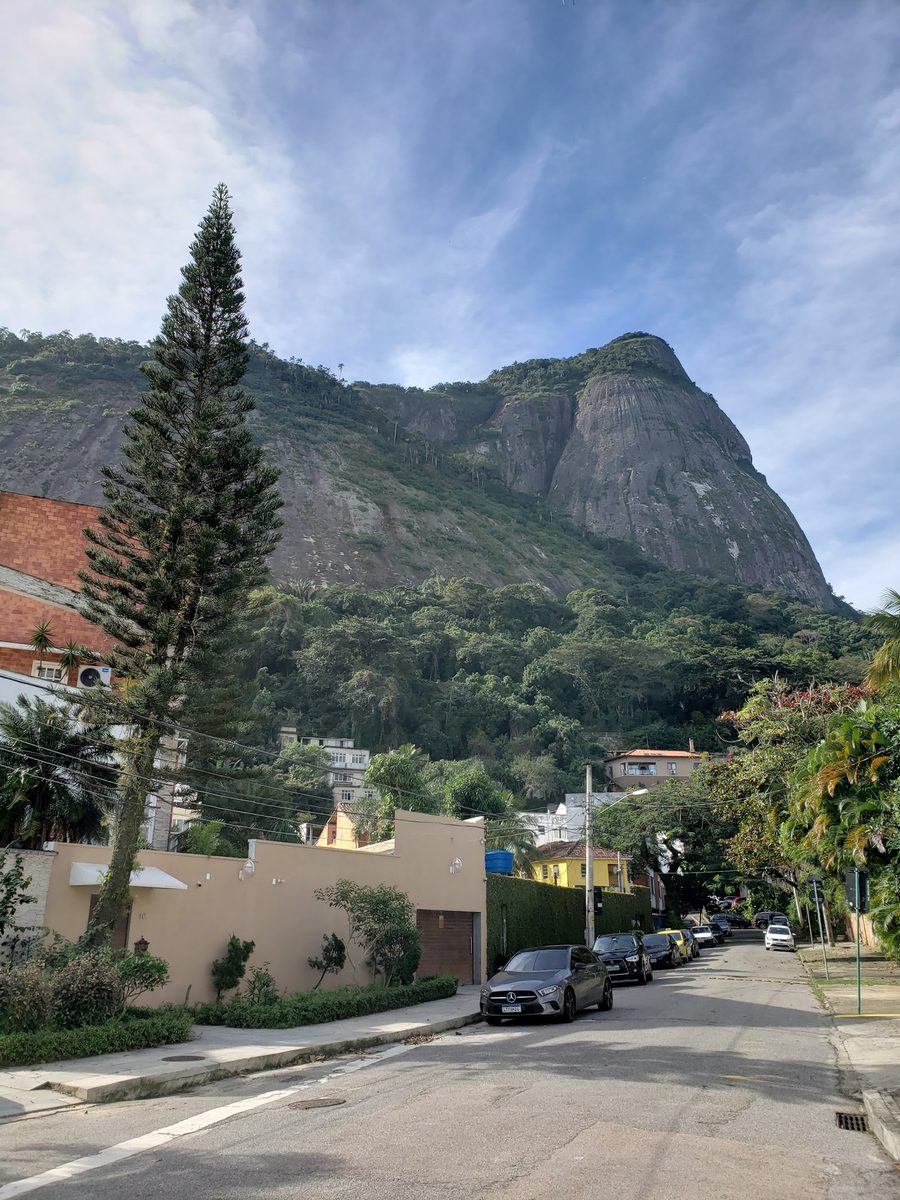
Escola Suíço-Brasileira Rio de Janeiro
Rio de Janeiro · Brazil
Brazil's first bilingual school, still running three parallel language tracks and blending Swiss Matura with IB in Barra da Tijuca.
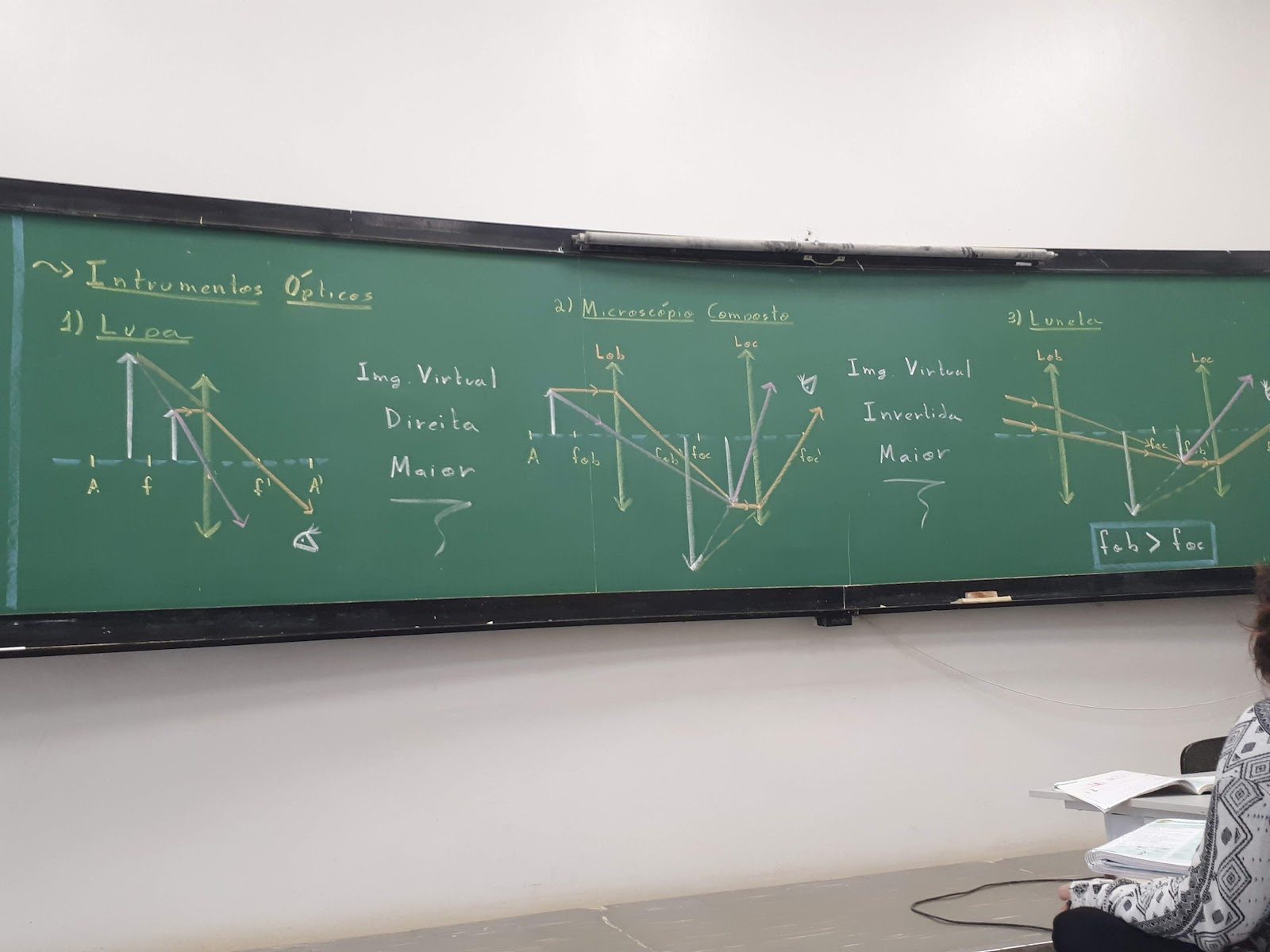
Colégio Objetivo Integrado
São Paulo · Brazil
Born from a 1965 med-student prep course on Avenida Paulista, its vestibular-driven curriculum anchors Brazil's largest private schooling network.
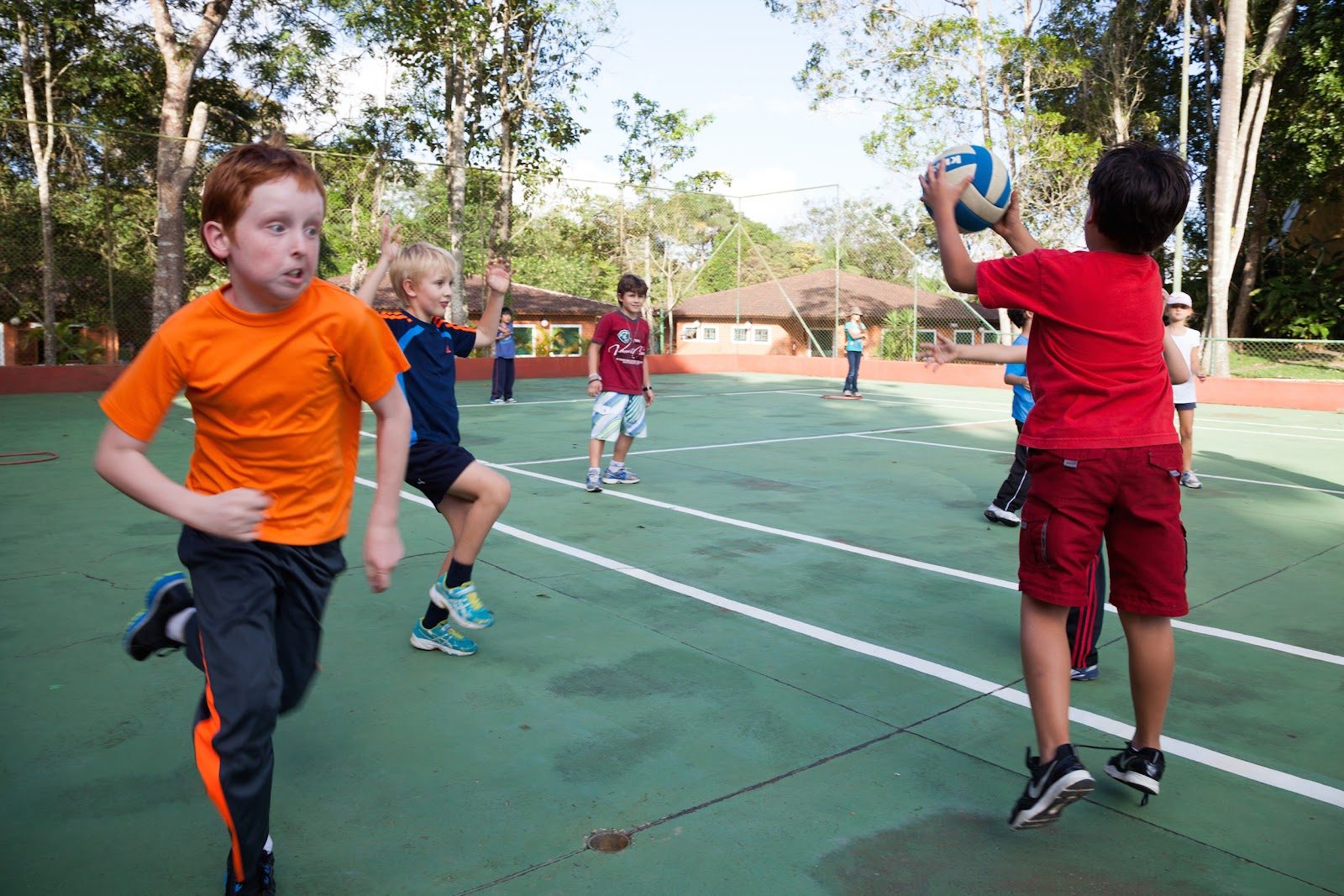
British College of Brazil
São Paulo · Brazil
Sao Paulo's twin campuses pair Cambridge IGCSEs with Juilliard-linked arts and a rare secondary sailing programme.
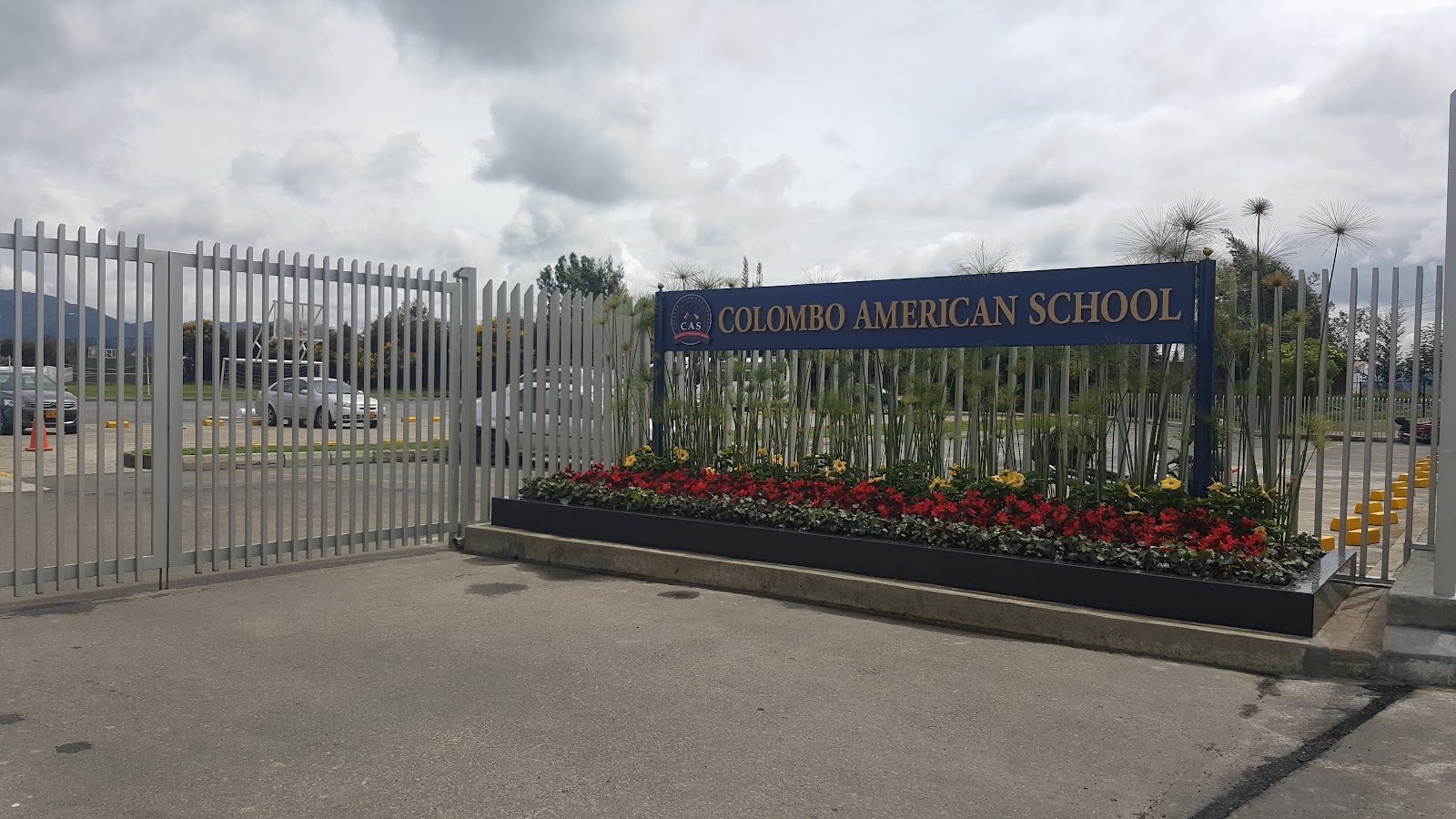
Colegio Colombo Americano CAS
Bogotá · Colombia
In northern Bogota, a Colombian-American day school pairs dual-diploma rigor with a student symphony orchestra streamed to global audiences.
Same country and curriculum — closest matches within ±10 points either way