
Thalang
UWC Thailand International School
low confidence· 4/6 cats · 1 avg sourcesIn the foothills of a Phuket national park, an IB continuum school pairs coral-reef fieldwork with mindfulness woven into daily lessons.
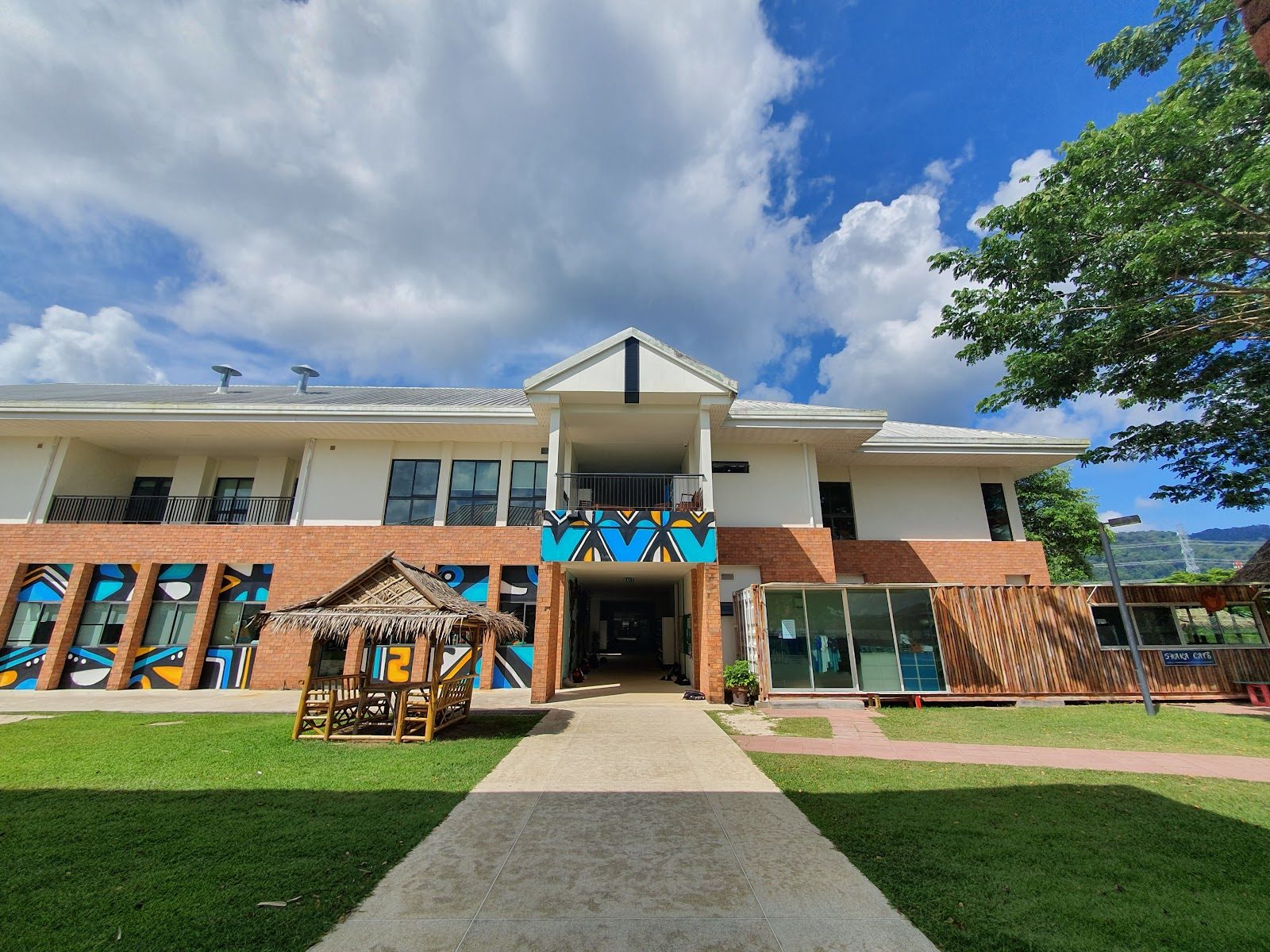
Photo © Teerk Vic via Google Maps
Type
Both
Ages
2–19
Curriculum
IB
Qualifications
IB Diploma · IB MYP · IB PYP
Ratio
6:1
The Verdict
Editor's commitment
Right for
Families in Phuket who want the full IB continuum, ages 2–19, with mindfulness and outdoor education built into daily school life.
Wrong for
Parents who want a conventional exam factory, religious framing, or a local-language model; teaching is in English at this non-religious 2009 school.
Watch out for
The UWC Movement, IB World School and CIS badges carry weight, but the school does not publish aggregate exam outcomes here.
Ranking breakdown
UWC Thailand International School · #576 of 1591
Composite score 68.0. 8 weighted criteria.
By criterion
Academic Outcomes
Weight 20%
#450
of 1529 scored
University Placement
Weight 16%
#459
of 1529 scored
Prestige & Heritage
Weight 12%
#1202
of 1571 scored
Alumni Network
Weight 12%
#995
of 1530 scored
Facilities
Weight 12%
#339
of 1533 scored
Transparency & Communications
Weight 8%
#288
of 1532 scored
Peer & Industry Review
Weight 10%
#164
of 1548 scored
Admissions Selectivity & Demand
Weight 8%
#760
of 1529 scored
Peer & Industry Review
How UWC Thailand International School is regarded in the sector
65
Respected · medium confidence
UWC Thailand benefits from the globally respected United World Colleges network reputation and IB pedagogy, and appears in Tatler Thailand's international schools guide and Good Schools Guide International listings for Phuket. However, as a relatively new campus (opened 2018), it lacks the deep alumni network and extensive specialist press coverage of more established UWC sites (e.g., UWC Atlantic, Li Po Chun), placing it as a respected but not yet top-tier regional player.
Evidence sources
Editors' overview
UWC Thailand International School occupies a distinct niche in the Phuket market: an IB continuum school, founded in 2009, that binds academic study to wellness, outdoor learning and service more tightly than its competitors. The UWC affiliation matters. It places the school inside a mission-driven international network with a clear moral vocabulary around intercultural understanding, service and global responsibility. The setting sharpens that identity. In the foothills near a national park, the school uses Phuket’s natural environment as more than scenery; it treats the island as a working classroom, from outdoor education to community engagement. For families who want an international school with a strong sense of purpose, a lived environmental conscience and more than classroom attainment, that is a serious point of difference.
The school’s academic offer is straightforward: the IB, taught in English, from ages 2–19. That brings coherence. Children who start young do not need to switch educational language or philosophy as they move through the school. UWC Thailand also pushes wellness education harder than most schools do, embedding social-emotional learning and mindfulness into daily classroom life rather than confining it to assemblies or pastoral slogans. That will appeal to parents who value calm, intentional learning and daily habits of reflection. It will not suit every child. Families chasing an exam-factory culture, relentless league-table signalling or a narrow university-prep machine will find the emphasis here wider, more human and less transactional.
The strongest reason to shortlist UWC Thailand is the integration. Many schools offer service. Many schools offer outdoor education. Many schools talk about wellbeing. UWC Thailand has built these into the spine of the school alongside the IB and its UWC mission. The result is a school for students who want intellectual breadth, who thrive in an internationally mixed environment, and who gain energy from activity beyond the desk: sport, outdoor pursuits, environmental work, community engagement. It suits self-directed children and teenagers with an outward-facing cast of mind, genuine social curiosity and a tolerance for challenge beyond academics alone.
Parents do need to ask hard questions. The school does not publish aggregate IB results in the public domain, and outcome transparency matters in a competitive market. Families should also test how well the school balances its wellness and mission language with academic stretch, subject depth and university guidance at the top end. Even so, the market position is clear. UWC Thailand is not Phuket’s default premium international school; it is the island’s clearest option for families who want an IB education shaped by service, nature and mindfulness, under the banner of the UWC movement and CIS accreditation. For the right child, that mix has real moral weight and uncommon educational texture.
Academic Performance
UWC Thailand does not publish aggregate IB Diploma results, average points, subject scores or pass rates in the public domain. That is a clear weakness in academic transparency. In a market where serious IB schools use results to prove academic strength, silence leaves parents guessing. The school’s public case for itself rests on mission, wellness, community engagement and education beyond the classroom, not on quantified examination performance. That does not prove weak outcomes; it does mean families cannot verify how the top end performs against Phuket competitors, established Bangkok IB schools or the stronger academic names across Southeast Asia. For a school asking parents to buy into a distinctive educational philosophy, that missing data matters.
Where does that place it relative to peers? Not in the openly results-driven tier. Schools with strong external outcomes publish them. UWC Thailand has chosen not to. The more convincing academic reading is that this is a school where examination success sits inside a broader, less transactional model of education, with mindfulness, outdoor learning and service carrying real weight alongside classroom study. That will suit families who value whole-child formation over score-chasing. It will frustrate parents who want hard evidence of sixth-form academic firepower before they commit. The right question in admissions is direct: what are the school’s recent Diploma results, university destinations, higher-level subject profiles and value added at the top end?
Facilities
The facilities that matter here are the ones tied to the school’s educational character: outdoor education spaces, sport, and access to Phuket’s natural environment. The school makes direct use of the island’s biodiversity and frames learning beyond the classroom as part of daily life from the earliest years onward. That gives it an advantage over many urban international schools whose “outdoor learning” amounts to a field trip calendar and a shaded playground. Families choosing UWC Thailand are not buying marble foyers or city-campus gloss; they are buying a campus geared to active, outward-facing schooling. The strong point is functional alignment. Sport and activities sit alongside community engagement and environmental learning, which gives the site more educational purpose than schools that separate academics, service and recreation into silos.
Against Phuket peers, that profile stands out. Many competitors can match standard classrooms, sports provision and the usual specialist spaces; fewer can offer a campus identity built around nature as infrastructure rather than backdrop. The school also advertises language and learning support, which matters more than flashy buildings for families with children who need tailored help. The unknown is depth. The school does not publish much hard detail on specialist facilities: no clear public inventory of science labs, performing arts spaces, design studios, libraries or elite sports amenities. That leaves a gap. On facilities, UWC Thailand looks distinctive rather than lavish: stronger on setting, outdoor use and mission-fit than on publicly documented premium hardware.
For a school asking parents to buy into a distinctive educational philosophy, that missing data matters
Prestige
Prestige here rests on brand, not on published academic proof. The UWC name carries genuine weight with internationally minded families: it signals service, intercultural purpose and an education that asks more of students than classroom performance alone. In Phuket, that gives the school a distinct social and moral cachet that many conventional international schools cannot match. Parents who value global citizenship, environmental seriousness and a child’s development beyond grades will read the badge as high-status in the right circles. The school also gains stature from being part of a network with a strong ideological spine rather than a loose franchise. That matters. It tells families what the school stands for, and the public emphasis on community engagement, outdoor learning and mindfulness gives that identity real coherence.
The limit on prestige is plain: top-tier academic prestige depends on outcomes, and UWC Thailand does not publish aggregate Diploma results or other headline performance data. That keeps it out of the most academically hard-edged bracket, where schools earn status through transparent numbers and elite university pipelines. Its prestige is therefore selective rather than universal. Among families drawn to mission-led education, it carries strong appeal. Among parents who equate prestige with examination results, old institutional heft or relentless university signalling, it has less force. We rate it as a serious but niche form of prestige: powerful for the right family, but not the default status choice.
On facilities, UWC Thailand looks distinctive rather than lavish: stronger on setting, outdoor use and mission-fit than on publicly documented premium hardware
Communications
Parent communication is strongest when the school sticks to the same organising ideas it uses everywhere else: wellness, community engagement, outdoor learning and student support. That gives families a clear read on the school’s priorities. The website is easy to navigate, with distinct sections for academics, wellness, activities and learning support, and that matters because it reduces the usual international-school fog of slogans and scattered detail. Parents can see the school’s educational philosophy without much effort. The tone is coherent and the message discipline is strong. If you are considering a place for a child aged 2–19, you will understand the broad offer quickly. That is good institutional communication.
The weakness sits in the gap between philosophy and proof. The school communicates values far better than it communicates outcomes. We have not seen much public detail on the practical questions parents ask once interest turns serious: how information flows day to day, how often academic progress is reported, how behaviour or safeguarding concerns are escalated, and how much data parents receive on attainment. The same problem shows up in results transparency. A school that talks in such confident moral language needs equally hard-edged clarity on performance and process. Without that, communication feels strong on identity, thinner on evidence. For mission-aligned families, that will be enough to start a conversation. For exacting parents, it will not be enough to close one.
Uniqueness
What sets UWC Thailand apart is not a single programme but the way the school fuses its moral agenda into the ordinary school day. Plenty of international schools bolt service onto the timetable and wellbeing onto pastoral talk. Here, mindfulness, social-emotional learning, community engagement and outdoor education sit inside the core experience from ages 2–19. That gives the school a coherent internal logic. Children are not just taught subjects; they are trained to pay attention, regulate themselves, work with others and connect learning to places and people beyond campus. The setting strengthens that design. Phuket’s natural environment is used as working educational terrain, not weekend scenery, which gives environmental learning and outdoor pursuits more substance than the polished eco-language many schools trade in.
For students, that brings a form of education with real moral texture. The gains are practical: more comfort outside the classroom, more exposure to service, more experience of teamwork and a stronger habit of reflection. It also brings trade-offs. This is not a school built around narrow status competition or exam-machine culture. Children who thrive on breadth, purpose and activity will get more from it than those who want a purely academic treadmill. The distinctive promise here is clear: an internationally minded education that asks students not just to achieve, but to become steadier, more outward-facing people.
The school’s academic offer is straightforward: the IB, taught in English, from ages 2–19
Student Profile
The best fit is a child who does not treat school as a straight line from lesson to test to university application. UWC Thailand suits students with high internal drive rather than constant external prodding: children who can handle reflection, service, outdoor activity and academic demands in the same week without resenting the mix. The school’s emphasis on social-emotional learning and mindfulness will land well with pupils who benefit from routine, self-awareness and a calmer classroom climate. It also suits internationally minded families who want their children to spend time with peers shaped by different cultures and assumptions, not just chase credentials. With an age span of 2–19, the community will include both very young children and older students, so adaptability across phases matters.
The less suitable profile is just as clear. This is not the right school for a student who wants a pure exam treadmill, measures success only in grades, or has no patience for community engagement and activity beyond the classroom. Highly competitive teenagers can still thrive here, but only if they accept that the school asks for more than academic output. Children who dislike outdoor pursuits, resist introspection or want a hard-edged, transactional school culture will find the atmosphere frustrating. Students with language or specific learning difficulties have a better chance than at schools that leave support vague; UWC Thailand states that it provides student-specific help. The strongest match is a pupil with genuine social curiosity, stamina, and a willingness to participate rather than spectate.
Children who start young do not need to switch educational language or philosophy as they move through the school
Co-curricular strengths
Arts & sport, on a separate axis
Overall 7.36/10
Scored 0-10 from the school's own published evidence. This axis is editorial-only — it does not feed the main WTS ranking.
Sports
8.5/10
Drama
7/10
Dance
6.8/10
Music
7/10
Visual Arts
7.5/10
Editor first-pass · editor-reviewable · 7/30/2026
Strengths
- +Member of the United World Colleges (UWC) global network, one of only a small number of UWC schools worldwide and the first in Southeast Asia.
- +Offers the full IB continuum (PYP, MYP, DP), giving continuity from early years through to university entrance for long-term expat families.
- +Large campus set on a nature reserve in Phang Nga near Phuket, with sustainability and environmental stewardship built into the school's design and curriculum.
- +Both day and boarding places are available, which suits families who may relocate again during a child's schooling.
- +As part of the UWC movement, the school participates in the network's mission-driven, values-based ethos and access to UWC National Committee scholarship schemes for boarding places.
Considerations
- −A relatively young school (opened in the late 2010s), so it has a shorter track record of IB Diploma results and university placement data than long-established regional IB schools.
- −Location in Phang Nga/Phuket is geographically removed from Bangkok and other major expat hubs, meaning fewer local extracurricular and cultural resources on the doorstep.
- −Day-student fees are not need-blind in the way boarding scholarship places are, so day families should expect market-rate international school costs without the same access to UWC's scholarship model.
- −As with any single-campus school built around a specific mission and community ethos, families who prioritise a purely academic, exam-results-driven culture may find the emphasis on sustainability and global citizenship less central to their priorities.
Availability
Primary entry gate & tests
Direct Day App / UWC NC
Gallery
Photo © Claire Hutley via Google Maps
Photo © A. R. via Google Maps
Photo © Claire Hutley via Google Maps
Photo © Claire Hutley via Google Maps
Photo © Claire Hutley via Google Maps
Parent reviews
Have you sent your child here?
Voice reviews carry the strongest trust badge — we transcribe them for you to tidy up before they go live. Prefer to type? A written review is fine too.
Add your voice
In 60 seconds, tell other parents: what's the best thing about UWC Thailand International School, and what surprised you when your child joined?
We ask for a Google sign-in so every review has a real face behind it — no anonymous drive-by attacks on schools, and no faked positive reviews. Your email is never shown publicly.
Send this profile to a friend
International parents rely on word-of-mouth. Share this review with someone weighing the same decision.
Schools with places
Similar schools to UWC Thailand International School with places available now.
NIST International School
Bangkok · Thailand
- 2026-27
- WAITPOOLSpace-dependent
- 2027-28
- PLACES OPENRolling
Bangkok Patana School
Bangkok · Thailand
- 2026-27
- CLOSEDThai closed / Non-Thai open
- 2027-28
- OPENS SOONThai 1 Sept / Non-Thai rolling
Shrewsbury International School Bangkok
Bangkok · Thailand
- 2026-27
- WAITPOOLSpace-dependent
- 2027-28
- PLACES OPENRolling
International School Bangkok
Bangkok · Thailand
- 2026-27
- WAITPOOLSpace-dependent
- 2027-28
- OPENS SOONOpens Sept '26
Availability first, then country, area, curriculum, price, co-curricular
Consider also
Also worth looking at alongside UWC Thailand International School.

NIST International School
Bangkok · Thailand
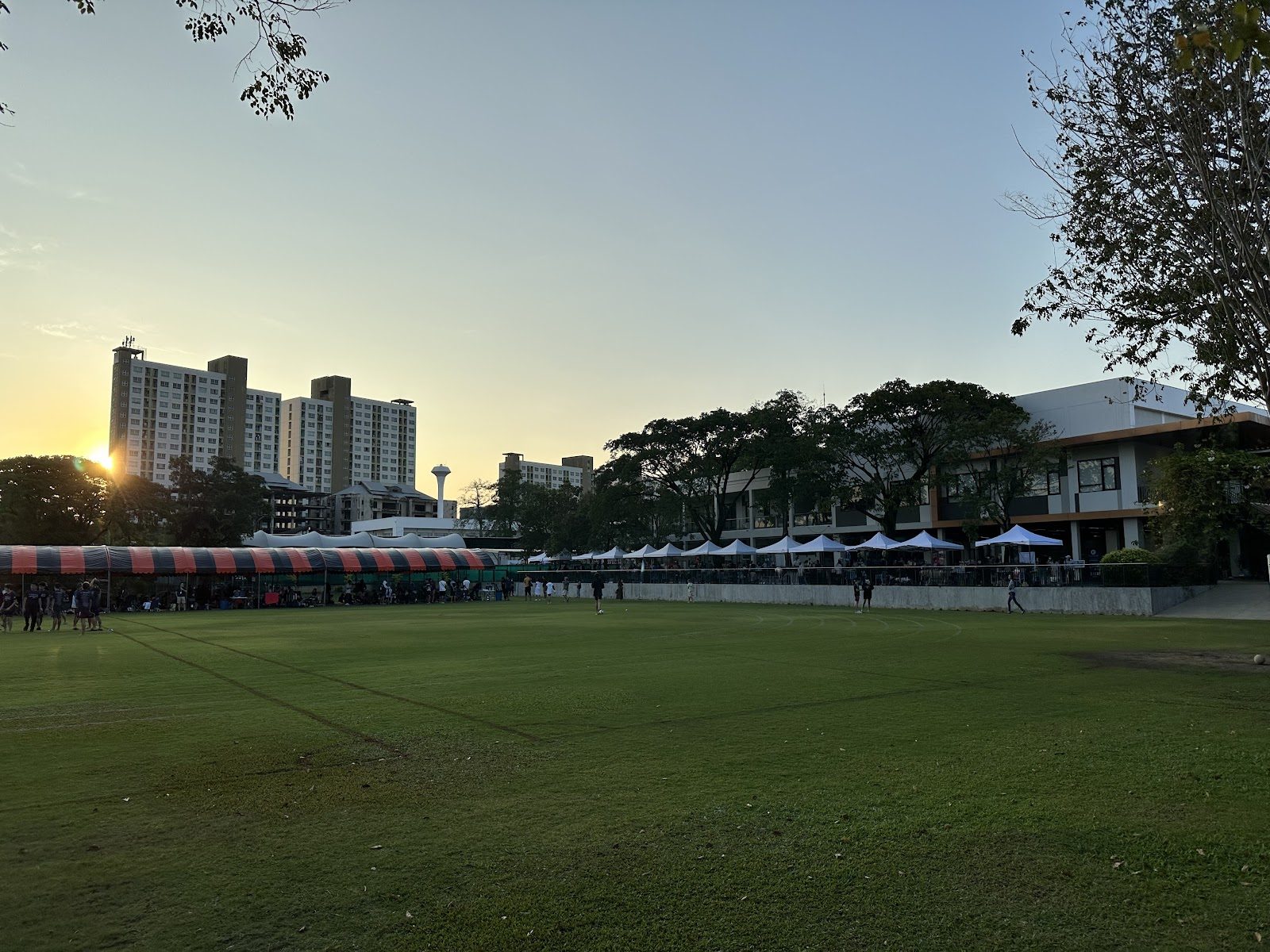
Founded in 1992 with United Nations backing, Thailand's first not-for-profit IB World School sits amid downtown Sukhumvit.
Bangkok Patana School
Bangkok · Thailand
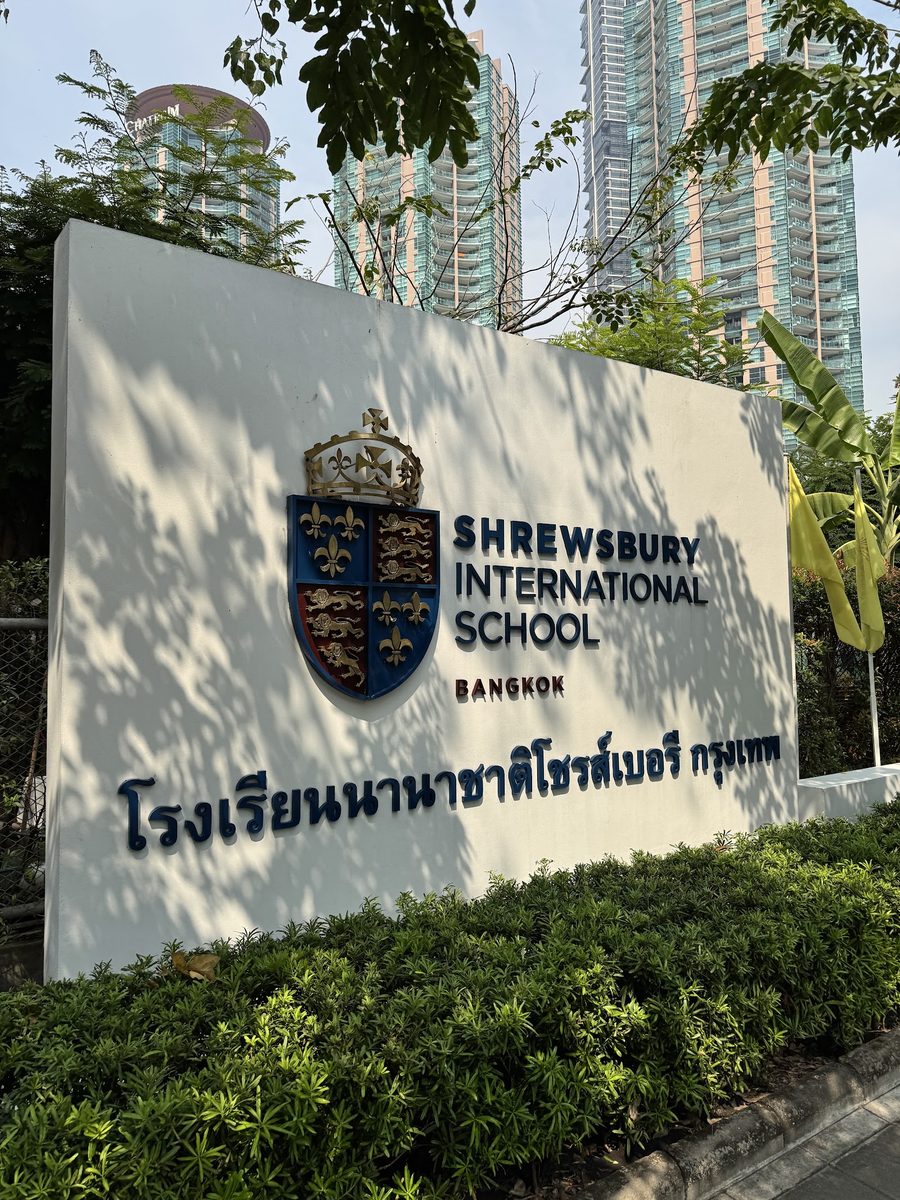
Thailand's first British school, running since 1957, blends English curriculum grounding with IB breadth across a 17-hectare Bang Na campus.
Shrewsbury International School Bangkok
Bangkok · Thailand
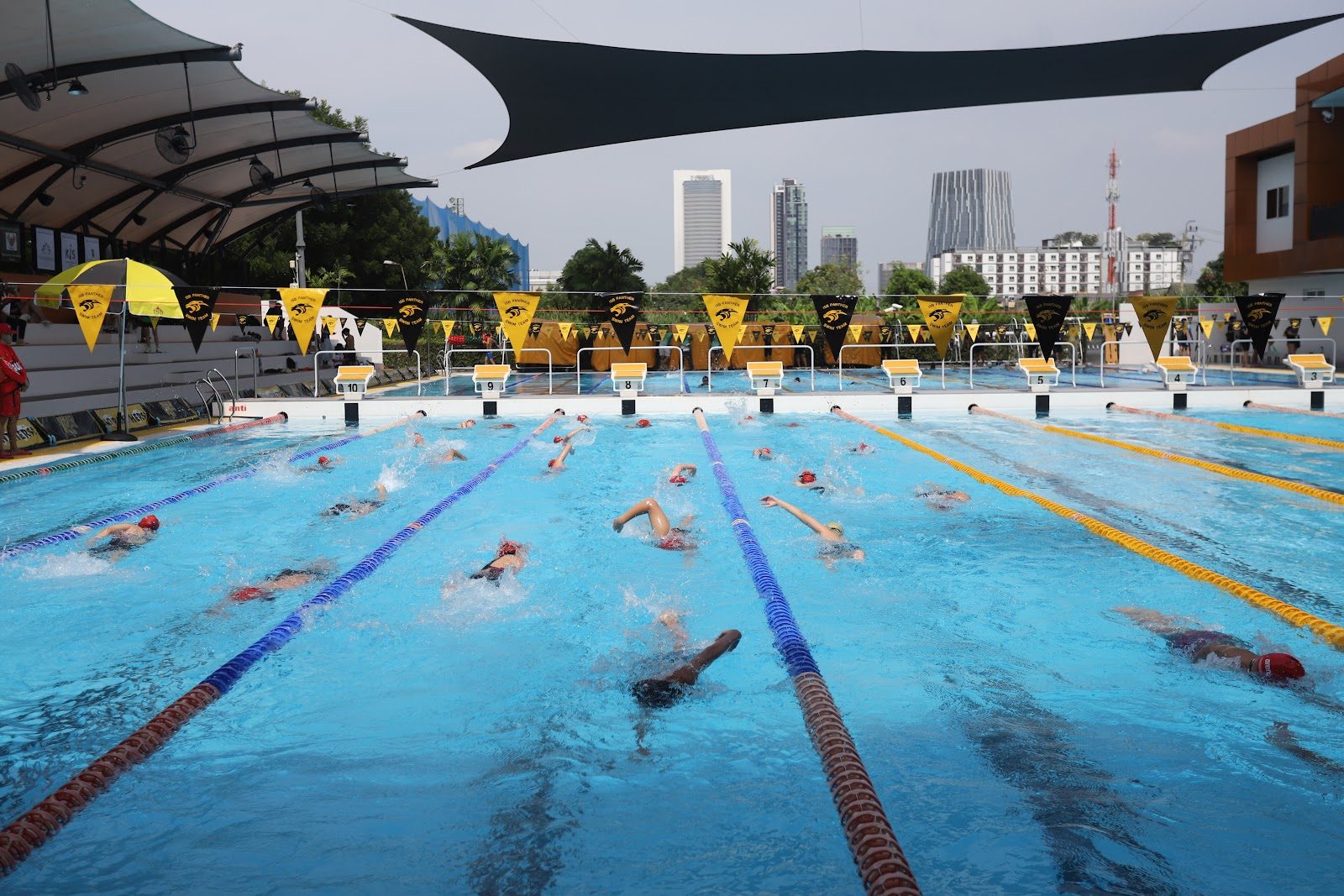
A 1552 English public-school pedigree anchors a Chao Phraya riverside campus reachable by its own school boat.
International School Bangkok
Bangkok · Thailand
Opened in 1951 as Thailand's first international school, it pioneered the country's IB Diploma and runs a wilderness campus in Phetchaburi.
Same country and curriculum — closest matches within ±10 points either way