
Europe
Lycée Français Charles de Gaulle
South Kensington’s French lycée with a full British section
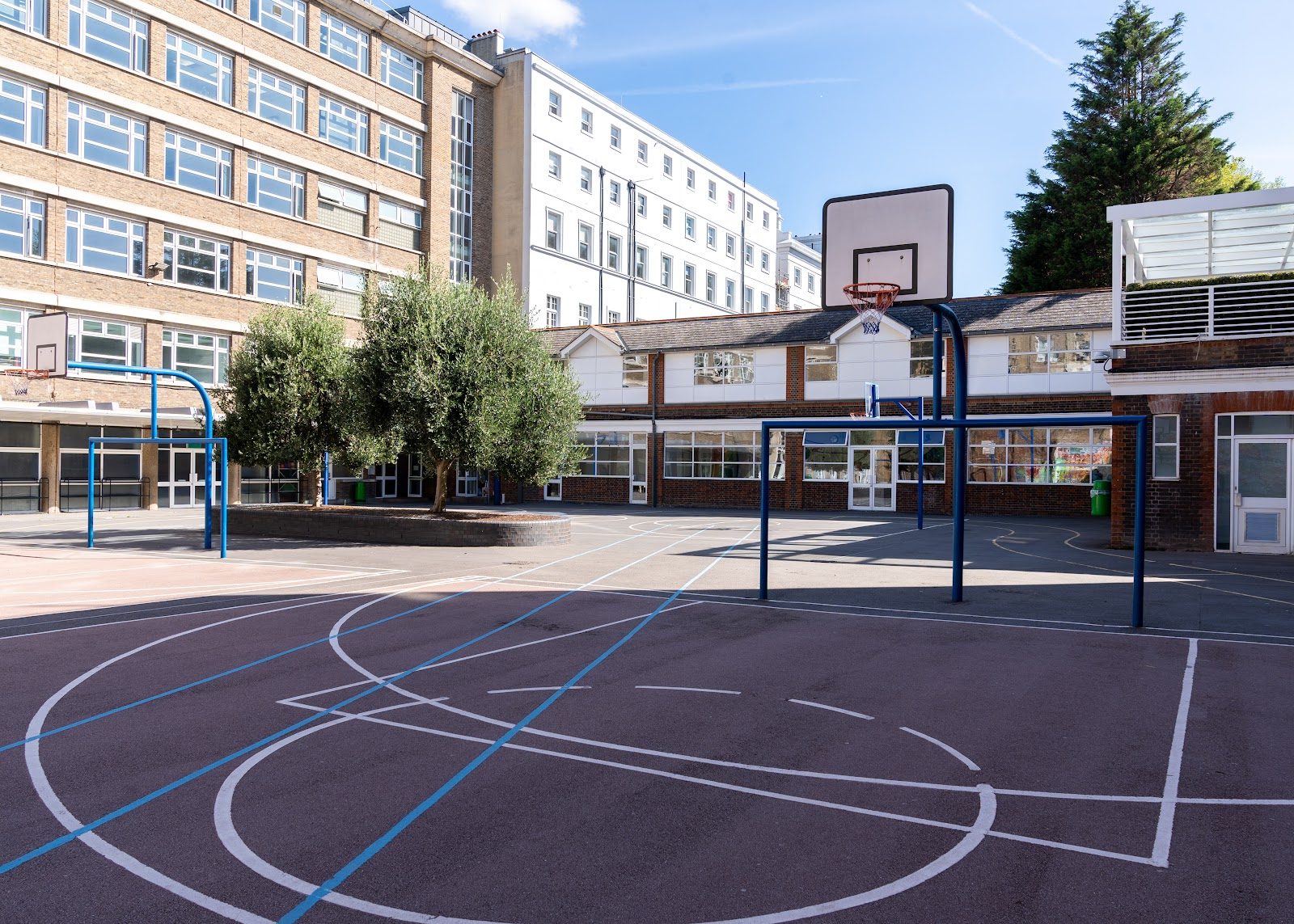
Photo © Lycée Français Charles de Gaulle de Londres via Google Maps
Type
Day
Ages
3–18
Curriculum
French · British
Ratio
—
The Verdict
Editor's commitment
Right for
Families who want a 3–18 day school in South Kensington with French and British curricula, taught in French and English.
Wrong for
Anyone wanting boarding, a religious ethos or a single-system education; this is a non-religious London day school with two tracks.
Watch out for
Founded in 1915, it has institutional heft, but the school does not publish headline outcomes here; the average annual day fee is £14,054.
Ranking breakdown
Lycée Français Charles de Gaulle · #575 of 1591
Composite score 68.0. 8 weighted criteria.
By criterion
Academic Outcomes
Weight 20%
#334
of 1529 scored
University Placement
Weight 16%
#459
of 1529 scored
Prestige & Heritage
Weight 12%
#734
of 1571 scored
Alumni Network
Weight 12%
#544
of 1530 scored
Facilities
Weight 12%
#1193
of 1533 scored
Transparency & Communications
Weight 8%
#62
of 1532 scored
Peer & Industry Review
Weight 10%
#604
of 1548 scored
Admissions Selectivity & Demand
Weight 8%
#1326
of 1529 scored
Peer & Industry Review
How Lycée Français Charles de Gaulle is regarded in the sector
Insufficient peer signal
We couldn't find enough independent third-party evidence to score this school's peer & industry standing with confidence. It doesn't mean the school isn't well regarded — only that public reputation sources we trust don't yet cover it. This axis is left blank for now and the composite score is median-imputed from the other six categories.
Editors' overview
In South Kensington, Lycée Français Charles de Gaulle occupies a distinct niche: a French lycée in London with a full British section, teaching ages 3 to 18 in both French and English. That matters. Most international schools ask families to choose one national system and live with the consequences. Here, the school offers a direct route into the French curriculum while also sustaining a British track inside the same institution. For bilingual, binational and mobile families, that is a serious structural advantage, not a branding line. Founded in 1915, it also has the permanence and civic weight that newer international schools cannot manufacture.
The attraction is clear, and so is the trade-off. This is a school for families who want intellectual discipline, linguistic fluency and a curriculum tied to a major national system, not a soft-focus version of international education. The French side will suit students who thrive on clear expectations, formal academic progression and a culture that treats schooling as properly demanding. The British section broadens the appeal for parents who want an English-medium route without leaving the institution. The school’s average annual day fee is £14,054, which places it in a strikingly accessible bracket for central London, especially for a school covering the full 3–18 age range on a single day-school model.
It belongs on a shortlist for a specific child: academically robust, comfortable in a bilingual environment, and at ease in a school that is anchored in French educational culture rather than generic international-school pastoralism. A child who wants constant hand-holding or a campus built around spectacle will find stronger fits elsewhere. A child who relishes language, structure and the chance to move between French and British educational worlds will find something genuinely unusual here. In London, that combination is hard to replicate.
Academic Performance
The school publishes exam news, including “Résultats du Brevet 2024” and “Résultats”, but it does not disclose a clean, aggregated public dataset that lets parents benchmark performance year after year against London competitors. That is the central point. There is visible academic activity at the top end — Olympiads in mathematics, biology and geosciences, a higher-education forum, and a named UCAS and US guidance role — which signals a school with serious academic intent and students operating beyond the minimum exam track. But intent is not the same as transparency. Parents can infer a culture of attainment; they cannot inspect it properly in the way they can at schools that publish full headline outcomes, subject distributions and destination patterns.
Where does that leave Lycée Français Charles de Gaulle relative to peers? Stronger on academic seriousness than many bilingual schools, less open about measurable outcomes than the best British independents, which now publish headline public-exam data as a matter of routine. The presence of a full British section and explicit university counselling widens the school’s academic reach, and the co-existence of multiple pathways is a real institutional advantage. Even so, the absence of consolidated results keeps the school out of the top tier for data clarity. For parents who value hard evidence over reputation, that is a material weakness.
Facilities
Facilities here follow the school’s academic identity: useful, urban and workmanlike, not lavish. The South Kensington site gives pupils access to specialist teaching spaces across nursery, primary, collège and lycée, and the school’s own activity list points to functioning science laboratories, a CDI library/documentation centre, theatre and performance provision, and enough sports capacity to sustain fixtures, tournaments and events such as Cadogan Hall performances, Olympiads and Duke of Edinburgh activity. The separate named primary sites — André Malraux, Marie d’Orliac and Wix — matter too. They allow the school to spread its age range more sensibly than a single cramped central-London campus could manage. For parents, the practical implication is clear: this is a proper all-through operation, not a token upper school bolted onto a prep site.
Against peers, the picture is mixed but clear. Compared with central London bilingual and embassy-linked schools, provision looks solid and credible, with real subject infrastructure and no sign of corners being cut in science, performing arts or co-curricular life. Compared with the wealthiest British independents, it lacks the showpiece glamour of vast playing fields, cathedral-like sports halls or estate-scale grounds. That is the trade. Families choosing this school are buying educational range and metropolitan access, not a country-house campus in postal-code form. For a school charging an average of £14,054 a year, the facilities offer serious functional value; they do not offer spectacle.
Where does that leave Lycée Français Charles de Gaulle relative to peers?
Prestige
Prestige here rests on institutional standing, not polish. This school carries real diplomatic and cultural weight in London: the French lycée in South Kensington, tied into the French state education network abroad and known far beyond the immediate expatriate parent market. That gives it a form of prestige that differs from the British independent-school model. It is not built on manicured exclusivity, glossy boarding mythology or aggressive results marketing. It comes from history, continuity and a role that extends beyond schooling into the French public presence in the capital. For French families, binational households and parents moving between the UK and France, that status is immediately legible. The fee level — an average of £14,054 a year across the age range — also sharpens the point: this is high-status without luxury pricing, which is rare in this part of London.
We rate its prestige highly, with limits. Inside the francophone world, the name carries serious cachet. In the broader British market, its standing is more specialised than universal. A London family chasing the social theatre of the old independent sector will find a different kind of brand capital elsewhere. Lycée Français Charles de Gaulle offers something firmer: intellectual legitimacy, cross-Channel credibility and a pupil body shaped by mobility, public life and international professional circles. That is substantive prestige, not decorative prestige. The constraint is visibility. Because the school does not publish the kind of comprehensive outcomes data British parents now expect, part of its reputation still trades on inherited esteem rather than clean public proof.
What sets Lycée Français Charles de Gaulle apart is not “internationalism” in the generic London sense
Communications
Parent communication is active, bilingual and more substantial than the average school-news feed. The site carries a steady stream of updates that range from safeguarding-adjacent topics such as anti-bullying work to academic competitions, theatre, sport, university guidance and visiting speakers. That breadth matters. It tells parents what the school values in practice, not just in slogans. The governance side is also visible: policies and reports sit in plain view, alongside decisions and delegations, careers listings and Ofsted reports. That combination of day-to-day news and institutional paperwork gives the school a disciplined, adult public voice. It reads like a school that expects families to keep up, not one that trims every message into marketing copy. The separate prompts for admissions interest in the British section also show clear audience targeting rather than a one-size-fits-all front page.
The weakness is precision. News volume is high, but the signal can get buried in the flow. Parents get plenty of evidence of activity; they get less synthesis. We have not seen a crisp public dashboard for whole-school outcomes, nor a concise parent-facing explanation of how the different sections connect in practice across the full age range. The website also carries a very large volume of recruitment notices, which reinforces the sense of a busy institution but clutters the main communication channel. Effective? Yes, in the sense that families can track school life closely. Elegant? No. This is information-rich, operationally transparent communication with a crowded front end, not a polished masterclass in parent usability.
Uniqueness
What sets Lycée Français Charles de Gaulle apart is not “internationalism” in the generic London sense. It is the coexistence of two full educational cultures inside one institution: the French lycée model, with its hard-edged academic structure, and a British section that gives families an internal alternative without forcing a school change. That is rare. Many bilingual schools teach in two languages; far fewer sustain two recognisable national pathways with enough institutional weight to matter. Add the school’s place within the French public education world abroad, and pupils grow up in a setting that feels less like a private venture and more like a serious civic outpost. For internationally mobile families, that brings continuity. For settled London families, it brings access to a transnational network that extends beyond the local parent circle.
The benefit for students is concrete. They learn to move between expectations, registers and academic habits without treating either side as decorative. A child in this environment gains more than bilingual fluency; they acquire cultural dexterity, ease with difference, and a clear sense that education can carry national character as well as content. The school’s age span from 3–18 sharpens that effect, because this is sustained over a full school career rather than added late as an enrichment layer. The result is unusually formative: students leave with a stronger sense of how to operate across French and British institutions, and with a wider field of options than a single-system school gives them.
A child who relishes language, structure and the chance to move between French and British educational worlds will find something genuinely unusual here
Student Profile
This school suits children who are comfortable with high expectation as a daily norm. The strongest fit is a student who reads well, writes willingly, copes with formal academic structure and does not need every lesson sweetened into entertainment. There is enough evidence of debating, Olympiads, Model UN, Shakespeare work, Duke of Edinburgh and university guidance to show a pupil culture that rewards intellectual application and participation beyond the timetable. The British section also broadens the social mix inside the school: this is not a monoculture, but nor is it a free-form international campus where identity stays loose and undefined. It will work best for bilingual, binational and internationally mobile families who value continuity, seriousness and a school community with clear cultural reference points.
Who will struggle? A child who wants a softly managed environment, loose discipline or a highly Americanised version of student life. The scale and tone of the public life point to students who can navigate a busy, adult world with a measure of independence. Families who want pastoral warmth wrapped around every interaction need to test that carefully in person. Families who want purposeful peers, strong habits and access to more than one educational tradition under one roof will find a distinctive, demanding fit across the full 3–18 age span.
Even so, the absence of consolidated results keeps the school out of the top tier for data clarity
Co-curricular strengths
Arts & sport, on a separate axis
Overall 8.18/10
Scored 0-10 from the school's own published evidence. This axis is editorial-only — it does not feed the main WTS ranking.
Sports
7.5/10
A formal school sports association spanning athletics, badminton, gymnastics, table tennis, basketball, football, handball and volleyball for leisure and competition — broad, but without elite competitive depth.
Drama
8.5/10
Theatre and cinema sit at the centre of a notably serious integrated arts culture across the school's major productions.
Dance
8/10
Classical and contemporary dance woven into the school's major interdisciplinary productions and the Cadogan programme.
Music
8.5/10
Orchestra, rock band and choirs anchor major productions; the 2025 Pulse project involved around 250 pupils at EartH Theatre.
Visual Arts
8.4/10
An upper-school option including substantial scenography and work with external practitioners.
Editor-verified · 8/27/2026
Gallery
Parent reviews
Have you sent your child here?
Voice reviews carry the strongest trust badge — we transcribe them for you to tidy up before they go live. Prefer to type? A written review is fine too.
Add your voice
In 60 seconds, tell other parents: what's the best thing about Lycée Français Charles de Gaulle, and what surprised you when your child joined?
We ask for a Google sign-in so every review has a real face behind it — no anonymous drive-by attacks on schools, and no faked positive reviews. Your email is never shown publicly.
Send this profile to a friend
International parents rely on word-of-mouth. Share this review with someone weighing the same decision.
Schools with places
Similar schools to Lycée Français Charles de Gaulle with places available now.
University College School
London · United Kingdom
- 2026-27
- CLOSEDStandard route
- 2027-28
- PLACES OPEN11+ (9 Nov); 16+ (28 Sept)
Emanuel School
London · United Kingdom
- 2026-27
- CLOSEDStandard route closed
- 2027-28
- PLACES OPEN11+ / 16+ active
City of London School
London · United Kingdom
- 2026-27
- CLOSEDStandard route
- 2027-28
- PLACES OPEN11+/16+ Active
Latymer Upper School
London · United Kingdom
- 2026-27
- CLOSEDStandard route
- 2027-28
- PLACES OPENCloses Nov
Availability first, then country, area, curriculum, price, co-curricular
Consider also
Also worth looking at alongside Lycée Français Charles de Gaulle.
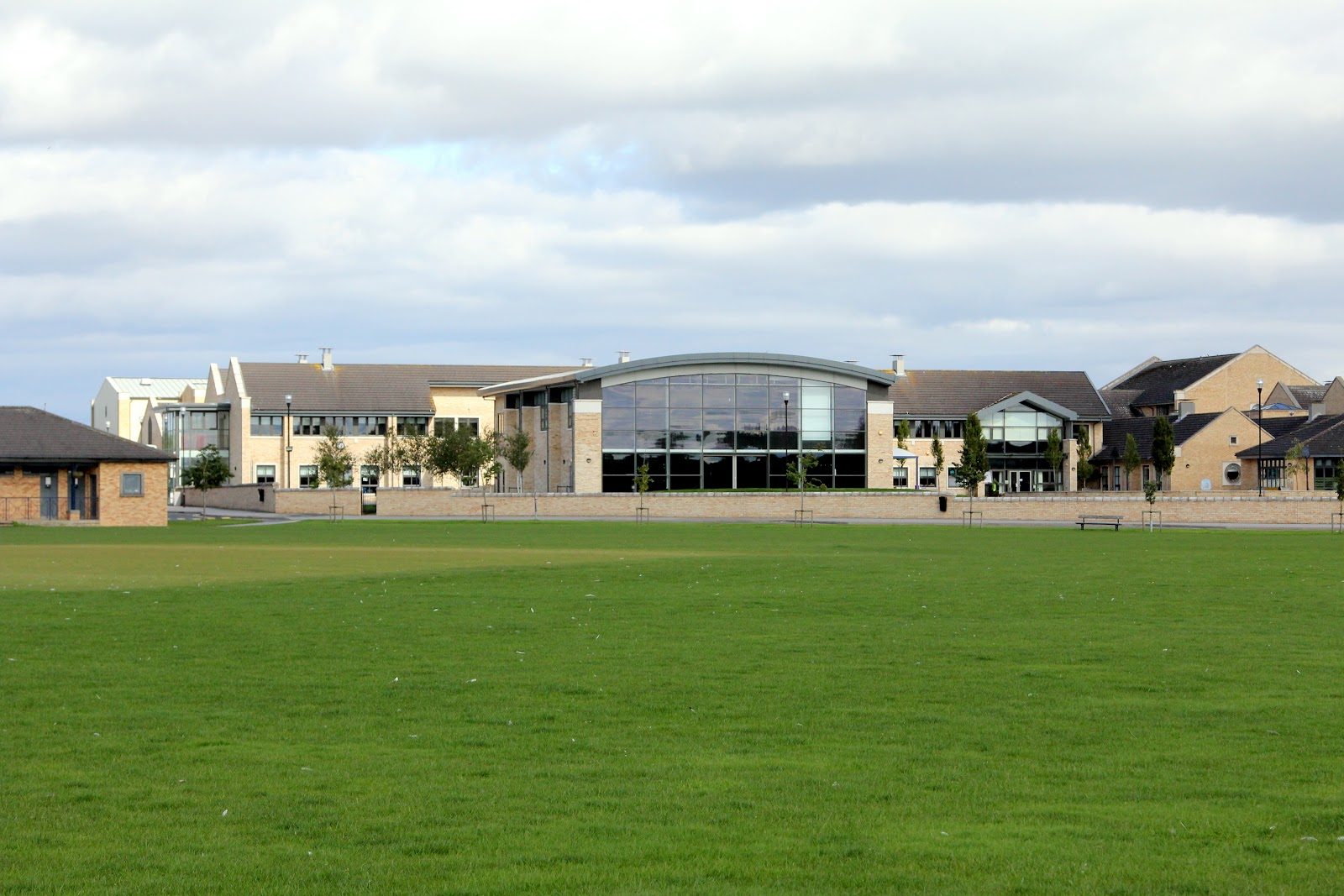
The Grammar School at Leeds
Leeds · United Kingdom
Where a 1552 boys' grammar school and an 1876 girls' high school fused into one diamond-model campus across 140 Yorkshire acres
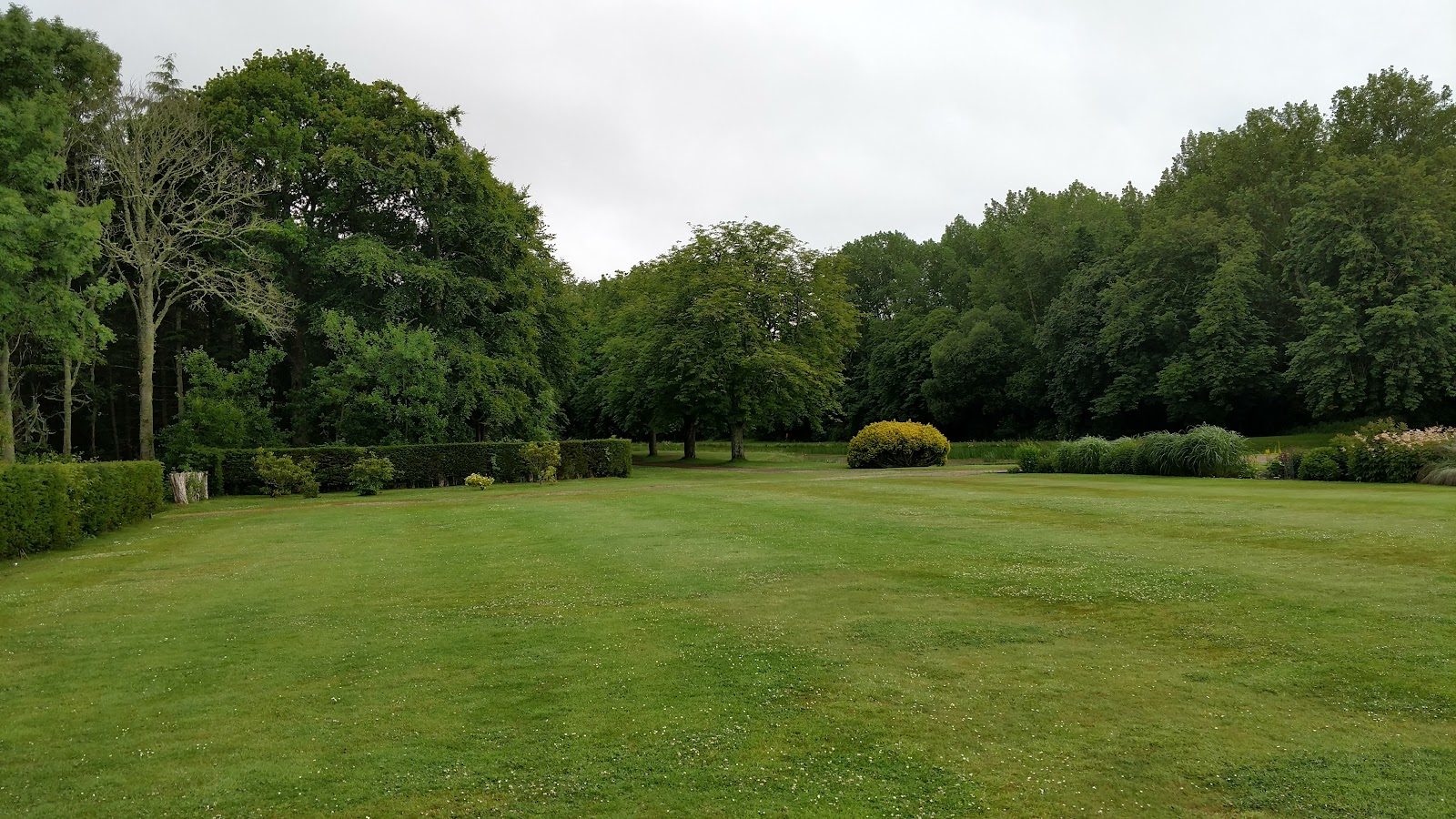
Gordonstoun
Elgin · United Kingdom
On Scotland's Moray coast, birthplace of Outward Bound, where sail training aboard the school's own ocean-going yacht counts as curriculum.
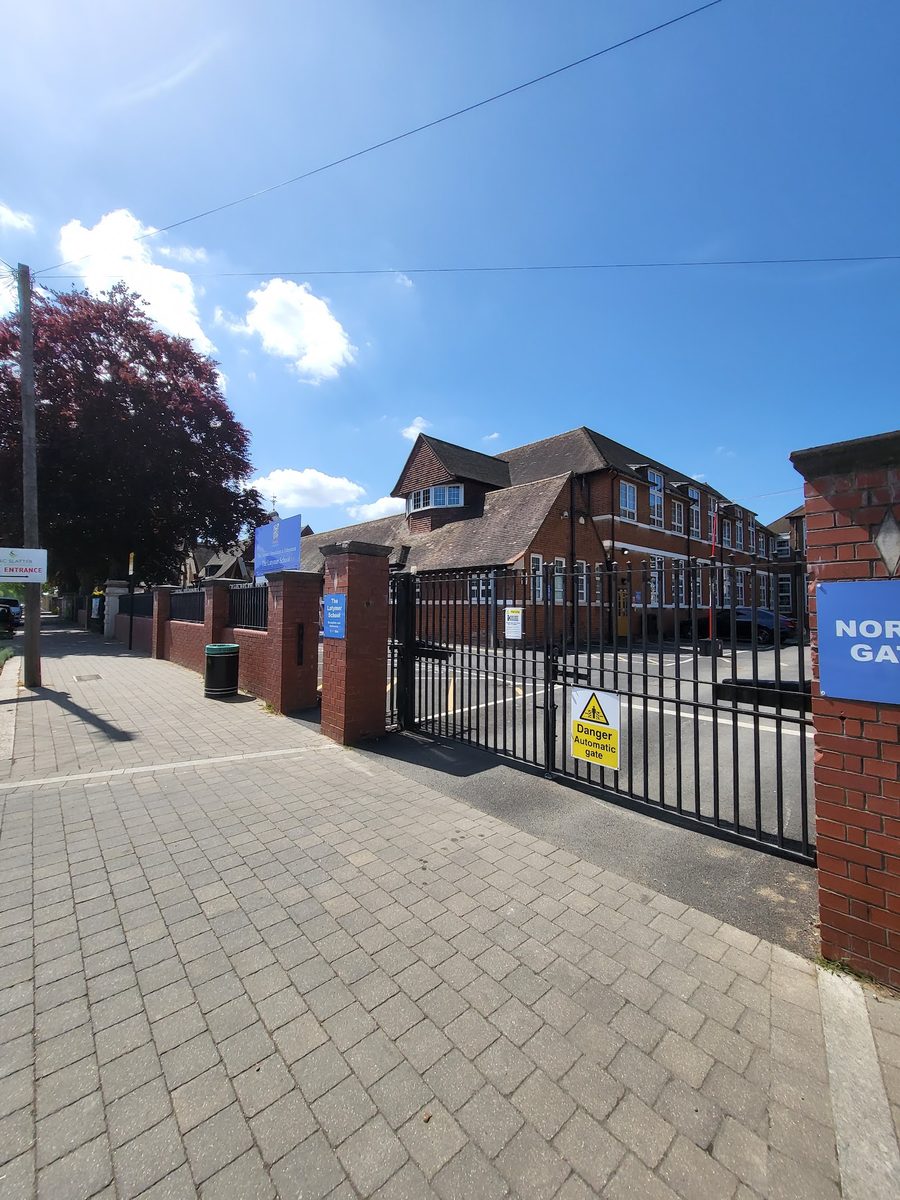
The Latymer School
London · United Kingdom
A 400-year-old state grammar in Edmonton where over 1,000 applicants compete yearly for just 192 places, with Cambridge college endowments still funding leavers.
Oundle School
Oundle · United Kingdom
Boarding houses woven into a historic market town, and an engineering centre that 3D-prints titanium and carbon fibre.
Same country and curriculum — closest matches within ±10 points either way