
Dubai
Emirates International School Jumeirah
medium confidence· 4/6 cats · 2.25 avg sourcesDubai's first IB World School, still running the full four-programme continuum from Early Years to graduation.
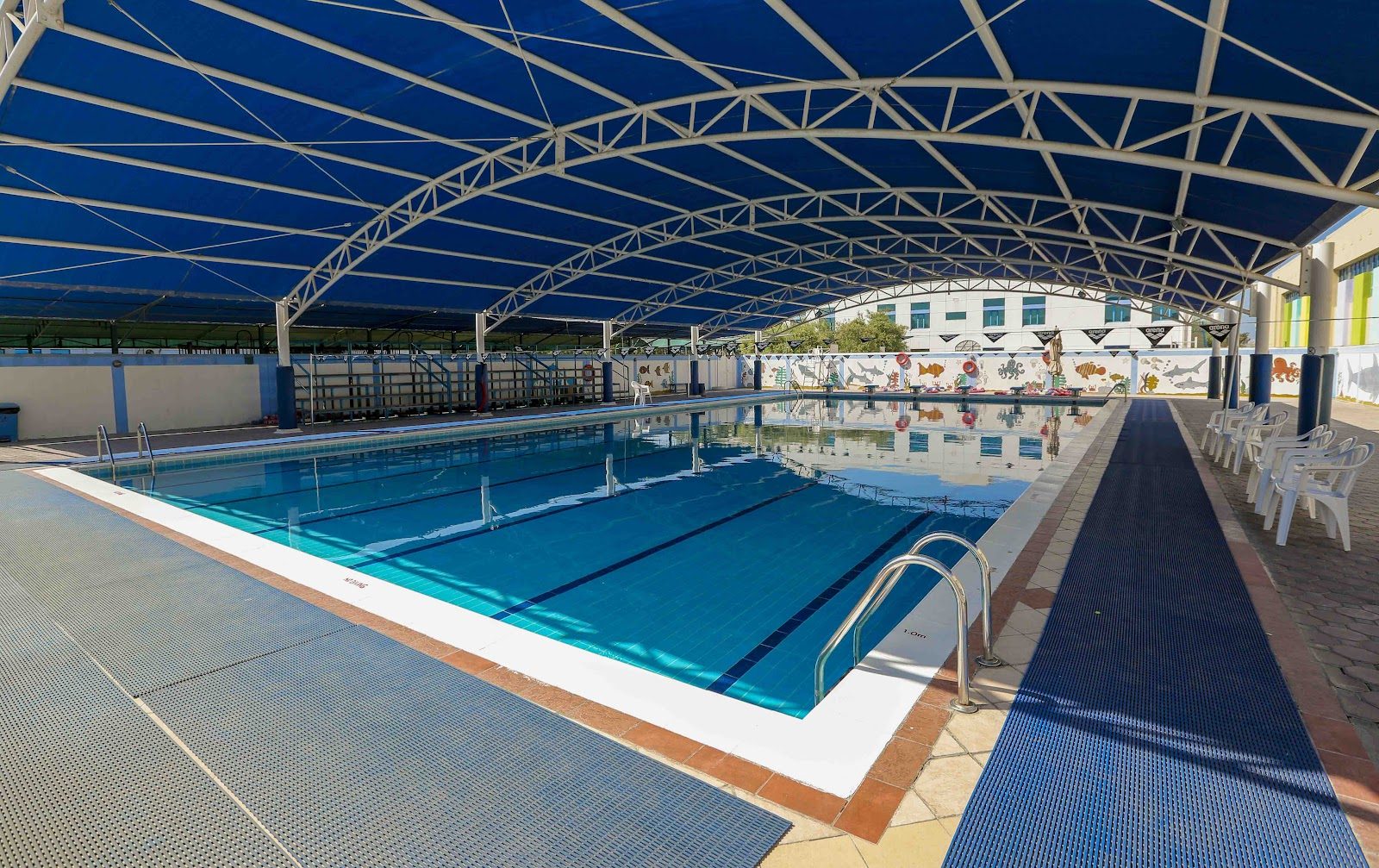
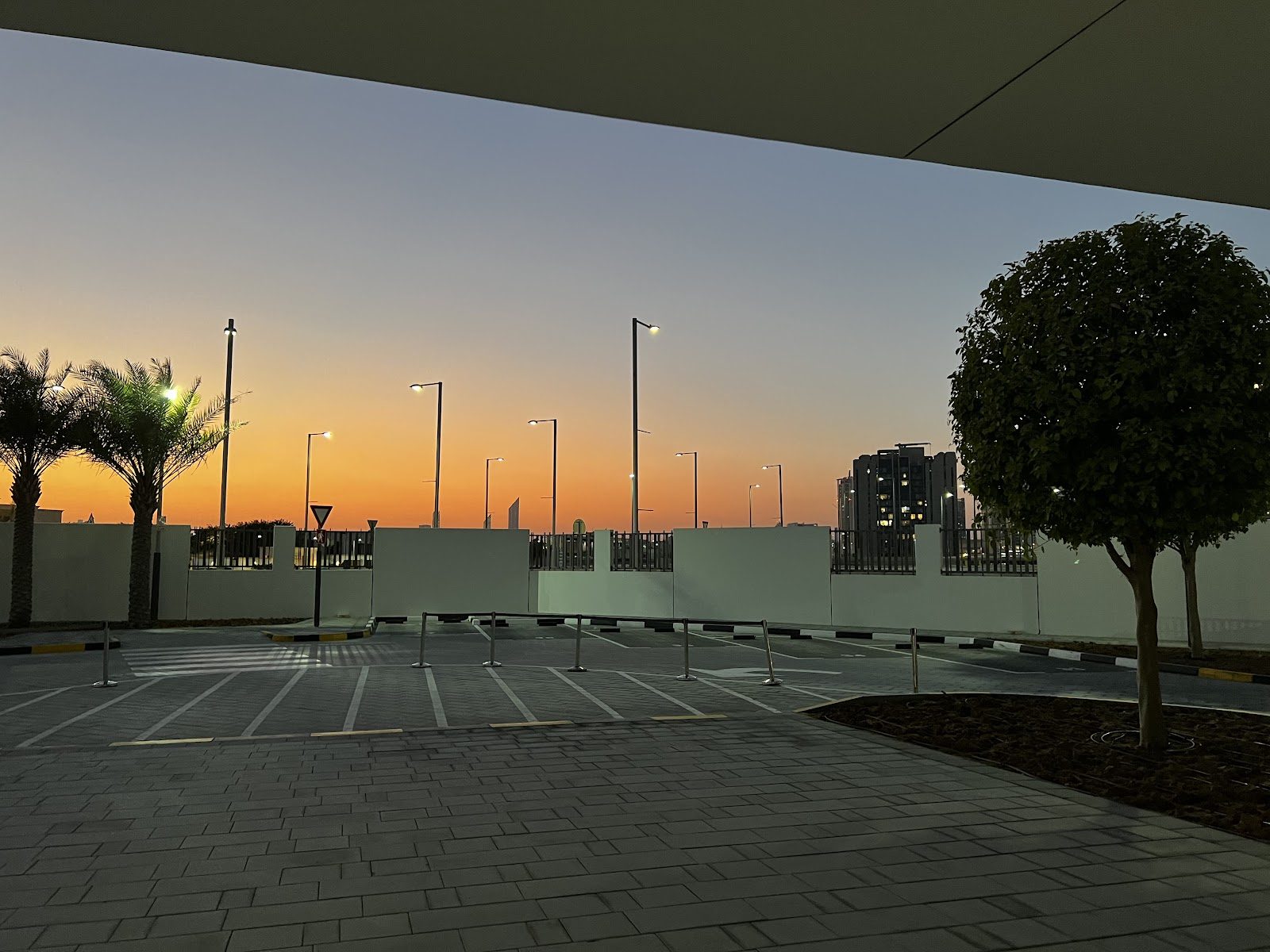
Photo © Emirates International School - Jumeirah via Google Maps
Type
Day
Ages
3–18
Curriculum
IB
Qualifications
IB PYP · IB MYP · IB Diploma
Ratio
—
The Verdict
Editor's commitment
Right for
Families who want Dubai’s first IB World School, founded in 1991, with the full IB continuum from age 3 to 18.
Wrong for
Parents chasing boarding, a non-IB route, or Arabic-medium teaching; this is a day school in English with IB only.
Watch out for
KHDA rates it Very Good, not Outstanding; for a 1991 school with IB World status, that gap matters.
Ranking breakdown
Emirates International School Jumeirah · #571 of 1591
Composite score 68.0. 8 weighted criteria.
By criterion
Academic Outcomes
Weight 20%
#511
of 1529 scored
University Placement
Weight 16%
#516
of 1529 scored
Prestige & Heritage
Weight 12%
#727
of 1571 scored
Alumni Network
Weight 12%
#735
of 1530 scored
Facilities
Weight 12%
#243
of 1534 scored
Transparency & Communications
Weight 8%
#355
of 1532 scored
Peer & Industry Review
Weight 10%
#793
of 1548 scored
Admissions Selectivity & Demand
Weight 8%
#1156
of 1529 scored
Peer & Industry Review
How Emirates International School Jumeirah is regarded in the sector
64
Respected · medium confidence
Emirates International School Jumeirah trades on genuine longevity rather than headline prestige, marketed by WhichSchoolAdvisor as one of the oldest international schools in Dubai and the first in the emirate to offer the IB Diploma, having marked its 30th anniversary in 2021. Its KHDA trajectory backs this up: after a long run of 'Good' ratings, inspectors finally awarded 'Very Good' in January 2024, a shift WhichSchoolAdvisor described as overdue given the school's underlying outcomes. The same reviewer is careful to temper the school's own claim of "among the best IB results in the region" as not strictly accurate, and parent survey feedback, while broadly positive on inclusivity and pastoral care, is drawn from a modest sample. SchoolsCompared benchmarks it directly against nearby Umm Suqeim rivals such as Raffles World Academy and Collegiate International School, placing it as a solid, established mid-tier IB choice rather than a headline name in Dubai's most exclusive school lists.
Evidence sources
Editors' overview
Emirates International School Jumeirah occupies a clear niche in Dubai: heritage IB. Founded in 1991, it was Dubai’s first IB World School, with authorisation following in 1992, and it still runs the full IB continuum from the early years to graduation. That matters. In a market crowded with schools that bolt the IB onto a wider offer, EIS Jumeirah is built around it. For parents who want a straight-through IB education in English, without a curriculum switch at 16, that continuity is the main draw. The other market fact is regulatory: a KHDA rating of Very Good places it in the upper tier of Dubai schools, but not at the absolute summit. This is a school with real pedigree, not one trading on novelty.
What sets it apart is consistency of identity. The school’s own history ties it closely to long-term service in Dubai, and its age gives it something many newer campuses lack: an established community and a mature institutional rhythm. It also pushes a broad conception of education — academics, sport, art and drama sit alongside the IB learner profile and an explicit emphasis on global citizenship. That will appeal to families who want substance over flash. The campus has been renovated, and the school talks hard about design, technology and inclusivity, but the stronger selling point is not décor. It is the combination of continuity, international breadth and a full-programme IB structure for ages 3–18.
Parents should still read it accurately. EIS Jumeirah is not the obvious choice for families chasing the cachet of the most selective or most heavily marketed premium schools in Dubai. Nor is it for those who want A levels, a US high school diploma, or a bilingual academic model. It suits families who value the IB’s method and want a school that has been doing it for decades, not years. The tone is grounded rather than theatrical: established, multicultural, academically serious, and broad in outlook. The school’s own claim to having once enrolled the largest number of nationalities in the UAE reinforces that cosmopolitan identity, even if parents should focus more on day-to-day teaching quality than on headline diversity records.
The student who will thrive here is curious, organised and comfortable in an internationally mixed environment. EIS Jumeirah fits children who benefit from a coherent educational philosophy from nursery to sixth form, and who enjoy learning that extends beyond exams into inquiry, service and independent thinking. It is a strong shortlist school for parents seeking a settled IB pathway and a mature international community, without the churn and reinvention that define parts of the Dubai market. For the right child, that stability is not dull; it is quietly powerful.
Academic Performance
Academic performance is the section where EIS Jumeirah leaves parents wanting harder evidence. The school talks in broad terms about “exceptional academic outcomes” and graduates progressing to top universities worldwide, but it does not publish the core data that lets families test that claim: no cohort-wide diploma average, no subject breakdowns, no pass-rate trend, no headline university destinations list. For a school with a long IB track record, that is a real gap. In Dubai’s upper tier, serious competitors publish enough results to let parents judge whether outcomes are merely respectable or genuinely strong. Here, the public picture is opaque.
That does not mean weak results; it means undisclosed results. The distinction matters. A school with an established full-through IB model ought to have stable examination systems, experienced staff and a clear understanding of how to prepare pupils for external assessment. That gives EIS Jumeirah a plausible academic base. But without published diploma statistics, it is impossible to place the school precisely against Dubai’s results-driven leaders. The KHDA’s Very Good judgement points to a solid academic standard, not dominance of the field. Parents who care about sixth-form outcomes should ask for the last 3 years of IB Diploma averages, pass rates, highest scores and university destinations before treating the school as a top-results contender.
Facilities
The campus story here is functional rather than spectacular. The school highlights redesigned and renovated buildings, “creatively and aesthetically designed interiors”, interactive features and incorporated technology. That points to a campus that has been refreshed instead of rebuilt from scratch: a useful distinction in Dubai, where many rivals sell brand-new scale as a proxy for quality. Parents should read EIS Jumeirah as updated rather than trophy-grade. If you want the showroom effect of vast atriums, specialist super-labs and resort-style sports infrastructure, stronger competitors exist. If you want a campus that supports daily school life without architectural grandstanding, this has merit. The website also puts unusual weight on art and drama alongside sport, which indicates a facilities mix built for a broad school day rather than a single-minded academic machine.
The stronger point is atmosphere. The school’s emphasis on engaging furniture, natural colour palettes and integrated technology signals an effort to make classrooms usable and contemporary, not just polished for tours. That matters more than marble foyers. The inclusive, multicultural pitch also matters in facilities terms: shared spaces in schools with very mixed intakes need to work hard for belonging, circulation and supervision. EIS Jumeirah’s campus reads as mature and serviceable, with enough renovation to avoid feeling dated, but it does not project the arms-race opulence now common at the top end of Dubai’s premium market. Parents comparing peers should ask direct questions on science labs, performance spaces, sports provision and library depth, because the school does not publish a hard-edged facilities inventory.
Emirates International School Jumeirah occupies a clear niche in Dubai: heritage IB
Prestige
EIS Jumeirah has established prestige, not glamour prestige. In Dubai terms, that is a meaningful distinction. Its status rests on longevity, a long association with the IB, and the credibility that comes from educating families across generations of the city’s expatriate growth. That gives it a name parents recognise and a place in the market that newer schools cannot manufacture. The school also trades on breadth of community: it states that it once held the largest number of student nationalities in the UAE, a claim that reinforces an unusually cosmopolitan identity. Prestige here comes from endurance, recognisability and institutional memory, not from scarcity, hyper-selectivity or a flood of public honours.
That is also why the school sits below Dubai’s top-cachet names. The KHDA grade of Very Good is strong, but it is not the summit, and the absence of published headline examination data limits academic prestige with hard-nosed parents. Schools at the very top of the market convert reputation into numbers: top inspection outcomes, transparent results, and highly visible destination lists. EIS Jumeirah does not do that in public. So the prestige is real but bounded: respected, long-standing and serious, without the status theatre that surrounds the most aggressively elite schools. For families who value continuity and an international peer group over market buzz, that remains a solid proposition.
In Dubai’s upper tier, serious competitors publish enough results to let parents judge whether outcomes are merely respectable or genuinely strong
Communications
Parent communication is competent but thin. The website gives a clear top-line message — school leadership, a short historical timeline, broad statements of values, and repeated emphasis on academics, personal development and global citizenship — but it does not do the harder work that exacting parents need. There is no dense public bank of school-life detail, no serious publication of outcomes, and no granular explanation of how day-to-day teaching, assessment and pastoral systems operate. That matters because communication is not just tone; it is disclosure. On that test, EIS Jumeirah is serviceable rather than rigorous. Families can grasp the school’s identity quickly, but they do not get the hard evidence that builds deep trust.
The strongest part of the school’s communication is coherence. It knows the message it wants to send: established, inclusive, values-led, broad beyond exams. That gives the public face a settled, recognisable shape. The weakness is repetition and lack of depth. Phrases such as “excellence in all academic activities” recur so heavily that they lose force, and headline claims about outcomes and university destinations sit without published supporting data. The result is communication that works at brand level and falls short at scrutiny level. For a school with a long-standing market position, parents should expect more: clearer academic reporting, fuller information on provision, and fewer boilerplate claims. Effective communication answers difficult questions before parents ask them. Here, too much still needs to be asked directly.
Uniqueness
What makes EIS Jumeirah distinct is not novelty. It is institutional continuity. In Dubai, many schools offer fragments of an educational philosophy, then switch gear in the senior years. EIS Jumeirah runs one line straight through, and that creates a different student experience: less disruption, fewer artificial handovers, and a school culture with a clear centre of gravity. Children do not spend their school life adapting to a new academic identity every few years. They grow up inside one. For the right family, that is a serious advantage. It gives students a more coherent sense of what good work, independent thinking and community participation look like from the earliest stages to graduation.
The other point of difference is breadth of community. The school states that it became the single school with the largest number of student nationalities in the UAE, which is a striking marker of international density. That matters when it is real and lived, not just printed in a prospectus. In practice, it gives students daily exposure to difference: accents, customs, assumptions and perspectives collide in ordinary classroom life. That can sharpen social fluency, resilience and intellectual range. The benefit is cosmopolitan depth, not token diversity. Add the school’s declared emphasis on sport, art and drama, and the result is an education that pushes students beyond narrow academic self-definition. The standout quality here is a *settled, multicultural, all-through identity* that few schools sustain well over time.
That is also why the school sits below Dubai’s top-cachet names
Student Profile
The best fit here is the child who does not need a school to manufacture identity through constant reinvention. EIS Jumeirah suits students who thrive in a settled international community, can work with classmates from many backgrounds, and are comfortable in a culture that values inquiry, independence and personal conduct alongside grades. The school’s own language points to caring, inquiring and independent learners, and that gives a clear signal about the student it rewards: engaged, self-managing, respectful and able to contribute without demanding the spotlight. With ages spanning 3–18, the social environment also favours families looking for continuity in friendships and expectations, not a fresh institutional reset every few years.
This is not the natural home for children who want a hard-charging hothouse with public exam metrics driving the entire atmosphere, or for families who need a narrow, relentlessly competitive social scene to validate school choice. It fits better for students with broad interests — sport, art and drama all feature in the school’s self-description — and for internationally mobile families who value exposure to difference as part of daily life. The claim of having enrolled the largest number of nationalities in the UAE at one point matters less as a record than as a marker of culture: this is a school for pupils who gain from a genuinely mixed peer group. Children who need heavy external structure at every step may find the independence expected here demanding.
Schools at the very top of the market convert reputation into numbers: top inspection outcomes, transparent results, and highly visible destination lists
Co-curricular strengths
Arts & sport, on a separate axis
Overall 8.14/10
Scored 0-10 from the school's own published evidence. This axis is editorial-only — it does not feed the main WTS ranking.
Sports
8.6/10
The extracurriculars explicitly list Basketball, Football and Swimming, indicating a solid multi-activity sports offering but with no named facilities, specialist staff or competitive results described.
Drama
8.4/10
The extracurriculars explicitly include Drama Productions, which goes beyond a bare mention of drama by indicating recurring staged activity, but no theatre facility, department or production record is given.
Dance
6.8/10
Music
8.5/10
School Choir, but there is no further detail on ensembles, facilities, specialist staff or performance programme.
Visual Arts
8.4/10
The extracurriculars explicitly list Visual Arts, but it appears only as a bare offering.
Editor first-pass · editor-reviewable · 7/27/2026
Official inspection · Dubai
KHDA report · 2023/24
Official · KHDAInspectorate
Knowledge & Human Development Authority
Dubai's mandatory education regulator; annual DSIB inspections.
Curriculum
IB
Held vs previous cycle
Full report
KHDA report finderRating history
Strengths
- +IB continuum: PYP, MYP and DP
- +KHDA rated Very Good in 2023/24
- +Established in 1991
- +English-medium day school, ages 3–18
Considerations
- −No boarding option
- −Website gives little detail beyond broad claims
- −No accreditations listed beyond IB World
Availability
Primary entry gate & tests
CAT4 / Assessment
Gallery
Photo © Emirates International School - Jumeirah via Google Maps
Photo © Emirates International School - Jumeirah via Google Maps
Recommended reading
Independent write-ups of this school from editorial outlets we trust.
- Emirates International School Jumeirah ReviewWhichSchoolAdvisor
- Emirates International School JumeirahSchoolsCompared
Parent reviews
Have you sent your child here?
Voice reviews carry the strongest trust badge — we transcribe them for you to tidy up before they go live. Prefer to type? A written review is fine too.
Add your voice
In 60 seconds, tell other parents: what's the best thing about Emirates International School Jumeirah, and what surprised you when your child joined?
We ask for a Google sign-in so every review has a real face behind it — no anonymous drive-by attacks on schools, and no faked positive reviews. Your email is never shown publicly.
Send this profile to a friend
International parents rely on word-of-mouth. Share this review with someone weighing the same decision.
Schools with places
Similar schools to Emirates International School Jumeirah with places available now.
Dubai International Academy Al Barsha
Dubai · United Arab Emirates
- 2026-27
- PLACES OPENApps open / space-dependent
- 2027-28
- WAITPOOL2027/28 timetable TBC
GEMS World Academy – Dubai
Dubai · United Arab Emirates
- 2026-27
- PLACES OPENApps open / space-dependent
- 2027-28
- WAITPOOL2027/28 timetable TBC
Repton School Dubai
Dubai · United Arab Emirates
- 2026-27
- PLACES OPENApps open / space-dependent
- 2027-28
- PLACES OPENRolling
Fairgreen International School
Dubai · United Arab Emirates
- 2026-27
- PLACES OPENApps open / space-dependent
- 2027-28
- WAITPOOL2027/28 timetable TBC
Availability first, then country, area, curriculum, price, co-curricular
Consider also
Also worth looking at alongside Emirates International School Jumeirah.
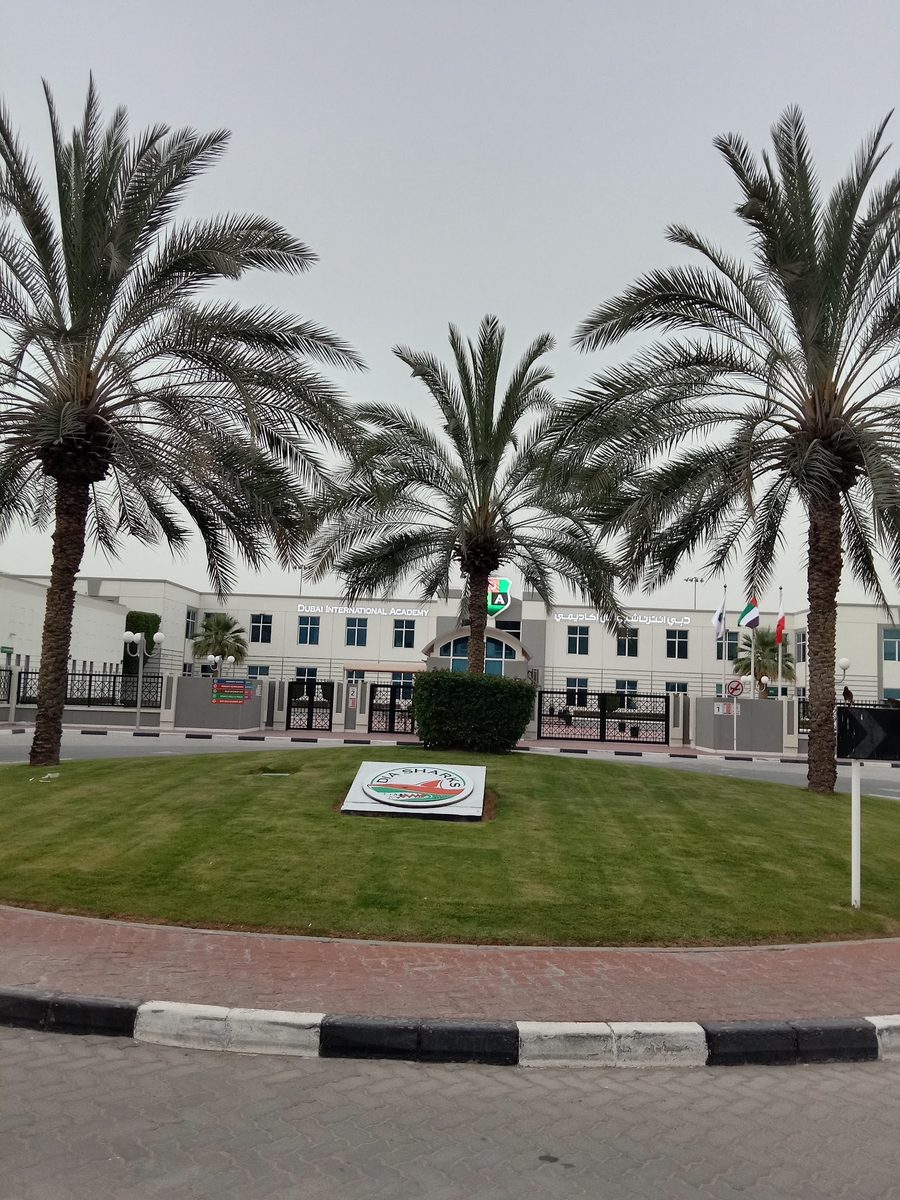
Dubai International Academy Al Barsha
Dubai · United Arab Emirates
One of Dubai's few schools to run the complete IB continuum, PYP to CP, across a 23-acre Al Barsha campus.
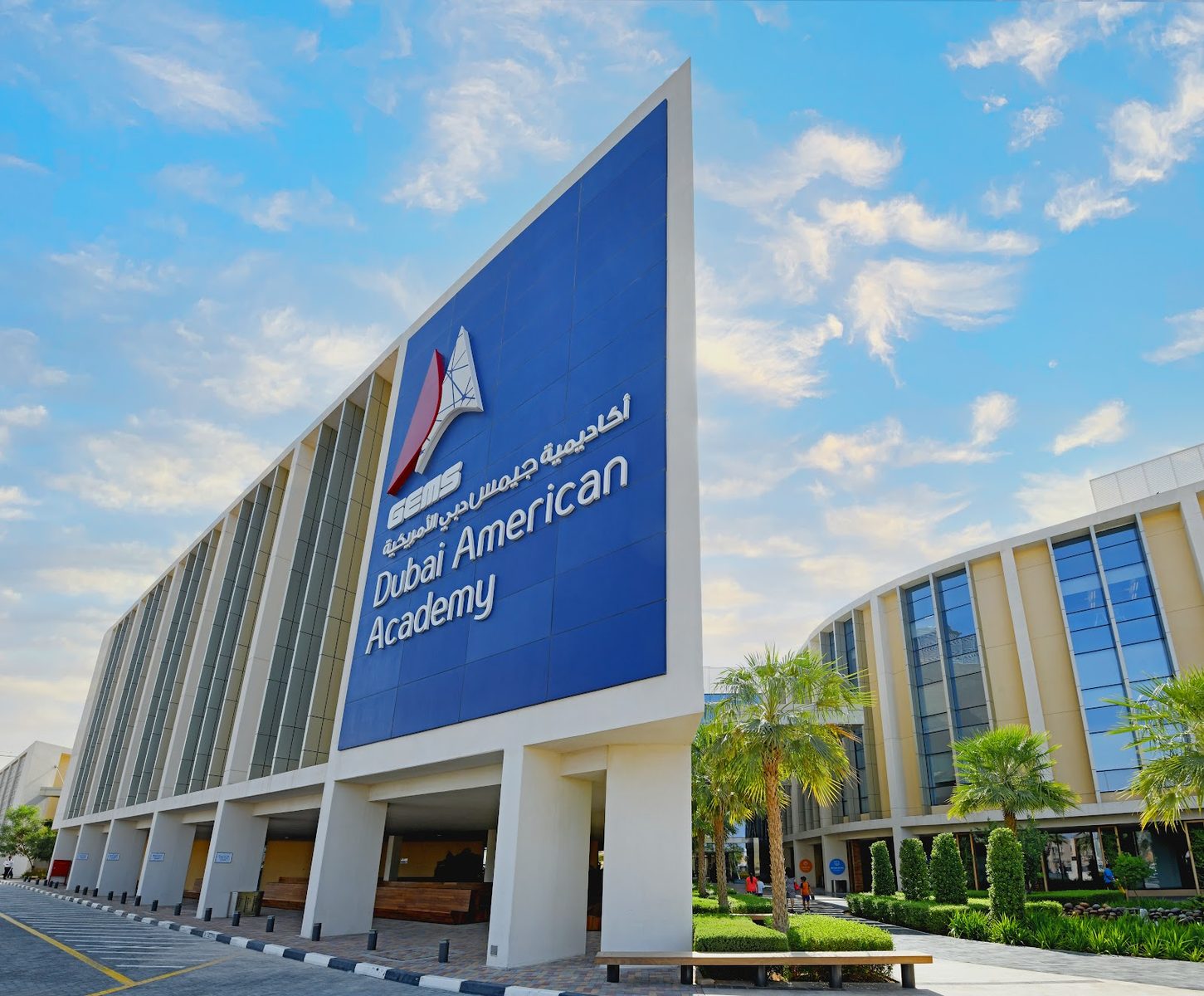
GEMS Dubai American Academy
Dubai · United Arab Emirates
The only American-curriculum school in Dubai to hold KHDA's Outstanding rating in every inspection since 2011, running US diplomas alongside the IB.
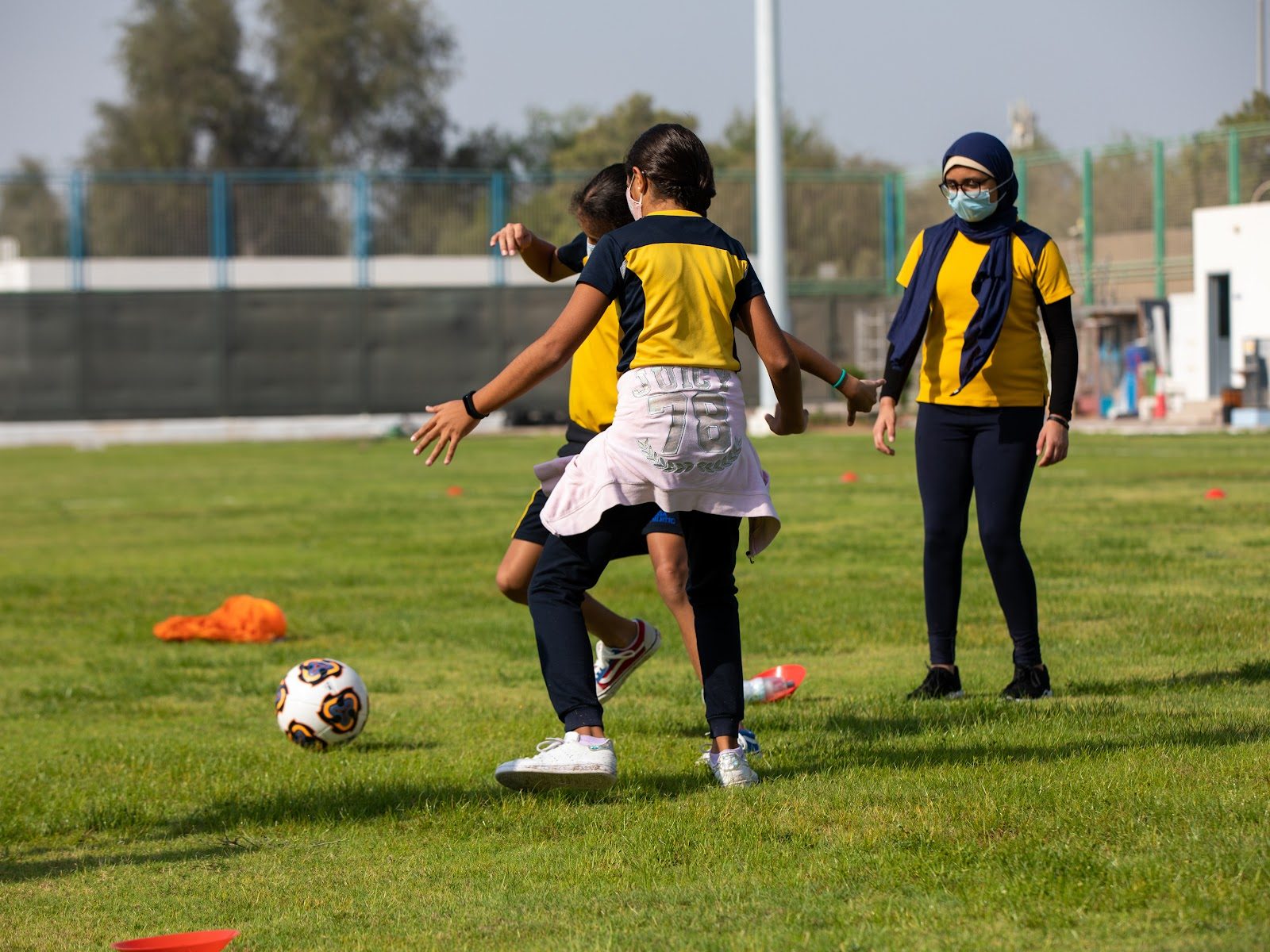
American International School in Abu Dhabi
Abu Dhabi · United Arab Emirates
Where American Common Core meets IB inquiry, having pioneered the UAE's first IB Diploma classroom back in the 1990s
GEMS World Academy – Abu Dhabi
Abu Dhabi · United Arab Emirates
A purpose-built Al Reem Island campus pairs IB inquiry with England's National Curriculum, IGCSEs folded into the MYP.
Same country and curriculum — closest matches within ±10 points either way