
District of Columbia
On the grounds of Washington National Cathedral, this all-boys school pairs daily chapel singing with a coordinate program next door.
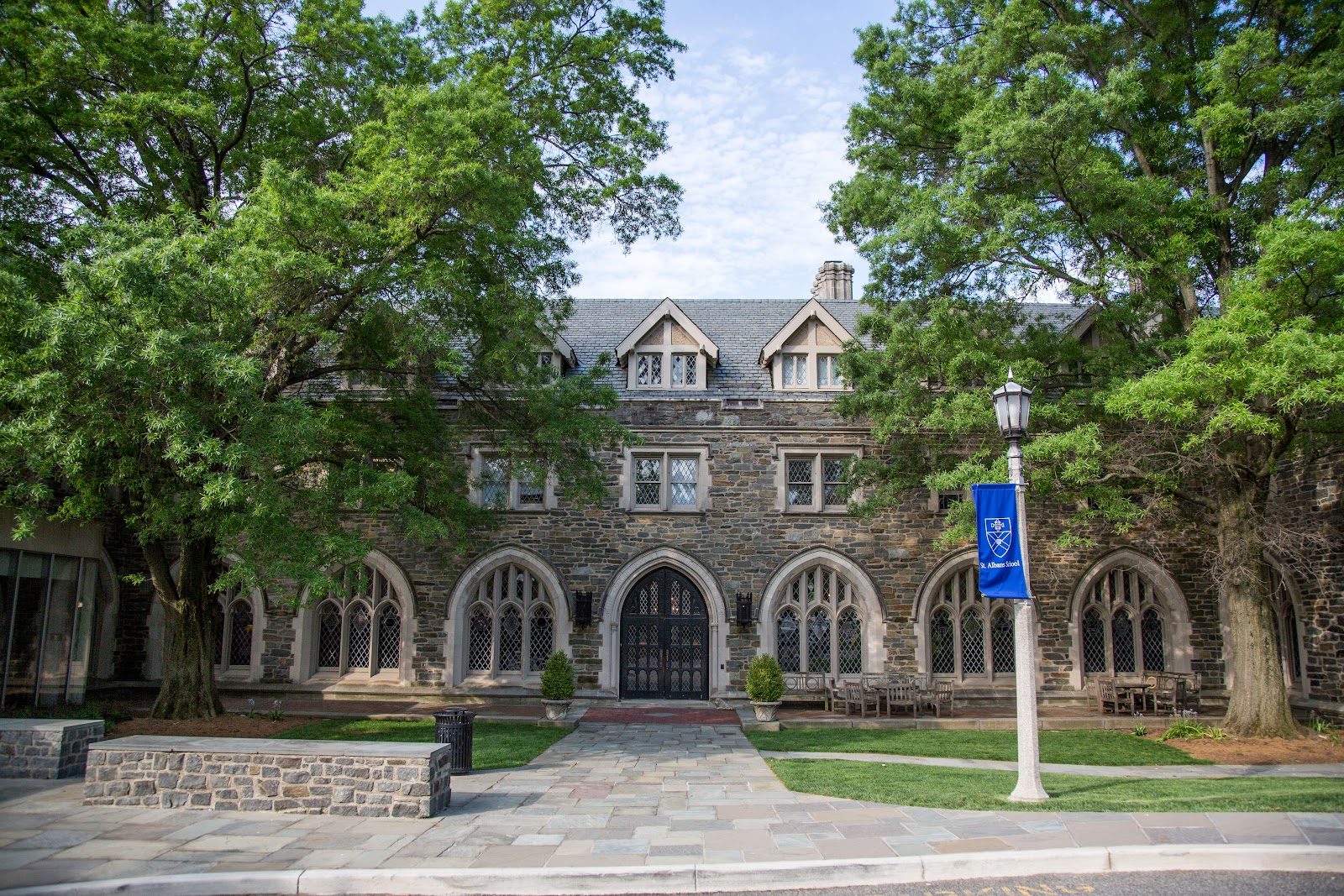
Photo © St. Albans School via Google Maps
Type
Both
Ages
9–18
Curriculum
American
Ratio
7:1
The Verdict
Editor's commitment
Right for
Boys aged 9–18 who want an Episcopal all-boys education on Washington National Cathedral grounds, with a 7:1 ratio and coordinate access next door.
Wrong for
Families wanting coeducation, low fees or broad published outcomes; day fees average $59,938, boarding $84,497, and destinations listed here are thin.
Watch out for
NEASC and NAIS accreditation matter, but the recent destinations list tops out at single admits — Alabama, Amherst and Arizona State, one each.
Ranking breakdown
St. Albans School · # of 1591
Composite score 77.6. 8 weighted criteria.
By criterion
Academic Outcomes
Weight 20%
#183
of 1533 scored
University Placement
Weight 16%
#136
of 1529 scored
Prestige & Heritage
Weight 12%
#121
of 1580 scored
Alumni Network
Weight 12%
#42
of 1530 scored
Facilities
Weight 12%
#324
of 1540 scored
Transparency & Communications
Weight 8%
#154
of 1547 scored
Peer & Industry Review
Weight 10%
#222
of 1564 scored
Admissions Selectivity & Demand
Weight 8%
#198
of 1529 scored
Score history
St. Albans School · 2026
Movement across 2024–2026. Peer average overlaid.
Overall — 2024–2026
77.6/ 100
▲ +19.2 vs 2025
year on year
Peer & Industry Review
How St. Albans School is regarded in the sector
90
Top-tier · high confidence
St. Albans School is a nationally recognized elite all-boys Episcopal prep school consistently ranked among Niche's and Washingtonian's top private schools in the DC area, with notable alumni including Al Gore and John Kerry frequently cited in press coverage. It is regularly benchmarked alongside Sidwell Friends and National Cathedral School as one of the most prestigious feeder schools to Ivy League universities, with strong coverage in outlets like The Washington Post and Washingtonian magazine's private school rankings.
Evidence sources
Editors' overview
St. Albans has one of Washington’s most distinctive school settings: an all-boys Episcopal school on the grounds of Washington National Cathedral, with chapel woven into daily life and a coordinate arrangement next door that gives boys access to coeducation without turning the school itself into a co-ed institution. That combination matters. For families who want a serious single-sex education but do not want social life sealed off from girls, St. Albans offers a rare compromise. The academic structure is intimate by US standards, with a 7:1 student-teacher ratio and an average class size of 18. The school covers ages 9 to 18, teaches in English, follows an American curriculum and holds NEASC and NAIS accreditation. This is not a loose, progressive setup. It is a school built around close adult attention, institutional ritual and clear expectations.
What stands out is the way the place binds scholarship, faith and community into one system. Family-style meals, chapel, stage, easel and playing field all sit inside the same idea of education, and that gives St. Albans a strong internal logic. Boys who thrive here will not want a casual or anonymous experience. They will want structure, visibility and teachers who know them well. The school’s public language leans hard on student-teacher relationships, integrity and service, and the cathedral setting gives those claims more weight than they would carry elsewhere. For the right child, that produces a deeply rooted education. For the wrong one, it can feel enclosed.
Parents should also read the price and the social tone clearly. St. Albans is expensive: the average annual day fee across the full age range is $59,938, and boarding averages $84,497. That places it firmly in the top tier of the American independent market. Recent university destinations listed by the school are thin and eclectic rather than brandished as a trophy case: University of Alabama, Amherst College and Arizona State University each appear with one student. That does not weaken the school’s case, but it does mean St. Albans is not selling itself on published destination theatre. Its appeal rests elsewhere: institutional gravitas, a fiercely traditional boys’ environment, and a coordinate social model that few schools can match. Boys who are intellectually serious, comfortable with ceremony, willing to sing in chapel and happy inside a tight community will want St. Albans on the shortlist. Families hunting for a looser culture, a less defined religious setting or a bargain will not.
Academic Performance
St. Albans does not publish headline external exam data in the way many academically ambitious independents now do. There are no school-wide SAT or ACT averages in the public domain, no AP score profile, and no IB or A-level results because the school does not offer those programmes. That leaves parents without the usual dashboard for judging raw examination strength. In place of score reporting, the school points to university outcomes over a five-year window, and those are serious. The list is dense with highly selective US institutions, led by the University of Chicago with 33 matriculations, followed by a strong cluster across Virginia, Georgetown, Princeton, Yale, Bowdoin, Dartmouth and Harvard. An average of 250+ college acceptances a year also signals breadth as well as top-end reach.
Relative to peers, that places St. Albans in the upper tier of academically demanding Washington independents, but with an old-school reluctance to turn results into marketing copy. Parents who want clean exam tables will find the school opaque. Parents who care more about where boys end up than about published testing metrics will read the pattern differently: this is a school with real placement power, especially into elite liberal arts colleges and top US universities. The caveat is plain. Without aggregate exam figures, outside families must infer academic performance from destination strength, selectivity of intake and the school’s longstanding reputation rather than from transparent score disclosure.
Facilities
The school’s strongest facility is the campus itself. Few American schools operate inside a cathedral precinct, and St Albans uses that setting as working school space rather than scenic backdrop: chapel is part of daily life, music and singing have a built-in home, and the wider Close gives the place a ceremonial weight that most peer schools cannot imitate. Athletic provision is also plainly significant. The school gives sport unusual prominence in its public architecture, with dedicated athletic facilities, a sports performance programme, livestreamed fixtures and named coaching infrastructure. Arts provision has real breadth too, with visual arts, theatre, music and dance all given distinct space in school life rather than being folded into a single catch-all department. For a school of this size, that is a serious spread.
Against Washington and national independent-school peers, the verdict is clear. St Albans does not sell a glossy catalogue of specialist labs, innovation centres or headline-making new builds, and parents who want a facilities arms race will find other schools louder on that front. What it offers instead is a deeply integrated physical environment: chapel, stage, playing fields, lunch spaces and classrooms all tied into one institutional culture. The boarding offer also matters, because residential provision on a cathedral campus adds a layer of immersion that many day-dominant rivals do not match. Combined with the low 7:1 staffing ratio and average class size of 18, the facilities support a high-contact, tradition-bound education rather than a flashy one.
That places it firmly in the top tier of the American independent market
Prestige
St. Albans sits in the top rank of American independent schools, and its prestige rests on substance rather than noise. The setting on the Cathedral Close gives it an instant symbolic weight that few schools can match, but the real source of status is the combination of selective intake, academic seriousness and durable university placement. The school’s own five-year list is the key evidence: 33 boys to the University of Chicago, double-digit matriculations to Princeton and Yale, and repeated sends to Harvard, Dartmouth, Bowdoin, Georgetown and Virginia. That is not a one-off headline destination; it is a deep admissions record across elite universities and liberal arts colleges. The scale of annual college acceptances — 250+ — reinforces that this is a school with genuine reach.
Its prestige also has a social and institutional dimension. This is an old-establishment Washington school with a clear internal culture, visible ritual and a governing structure tied to the Cathedral. That carries cachet with families who value continuity, discretion and high expectations over fashionable branding. The all-boys format and coordinate arrangement next door sharpen that identity further: St. Albans does not try to be everything to everyone. That focus adds to the school’s standing. The limitation is worth stating plainly. The school does not publish the kind of headline testing data that would let outsiders measure academic performance with forensic precision. Its prestige therefore rests less on transparent score tables than on entrenched reputation, selective college outcomes and the confidence of families who know exactly what this institution is.
An average of 250+ college acceptances a year also signals breadth as well as top-end reach
Communications
St Albans communicates like an old, well-run independent school: clearly structured, adult-led and unapologetically institutional. The public-facing site is easy to navigate, with admissions routes broken down by entry point, named academic leaders, direct phone contacts and distinct sections for parents, calendars, news, scores and the parent portal. That matters. Schools with a culture this defined need to explain themselves cleanly, and St Albans does. The school also publishes concrete headline facts rather than hiding behind atmosphere: enrolment, the 7:1 staffing ratio, faculty qualifications, diversity figures, financial-aid totals and a multi-year university list. That gives parents more to work with than the vague value-language many peer schools rely on. The tone is formal, self-possessed and institutionally confident.
The limitations are equally clear. Communication is strong on structure and identity, weaker on forensic academic disclosure. Parents can find college destinations and broad claims about rigour, but not the exam-data dashboard that many ambitious families now expect. That leaves a real information gap around measurable academic outcomes. The website also leans heavily on the school’s internal culture — chapel, service, leadership, tradition — which will reassure families already drawn to that world and do less for those still testing fit. In other words, St Albans communicates its ethos exceptionally well and its measurable academic performance less well. For current parents, that combination still works: the school’s channels look organised, contact points are visible, and the institution projects tight control rather than muddle.
Uniqueness
What marks St Albans out is not one feature but a rare institutional arrangement. It is an all-boys Episcopal school embedded in the Cathedral Close, with worship, singing and moral instruction built into the ordinary school day, yet it also offers coeducation through a coordinate relationship next door. That combination is unusual in any market and exceptionally unusual in the American capital. Boys get the intensity and camaraderie of a single-sex school without total social separation from girls. For students who benefit from a clearly defined boys’ environment but do not want adolescence sealed inside one social lane, that is a genuine structural advantage. The school’s scale reinforces it: there are 597 pupils, so the place has enough breadth for arts, sport, clubs and boarding, but not enough sprawl for anonymity.
The other distinctive feature is the school’s seriousness about formation. Many schools talk about character and service; St Albans organises daily life around them, from chapel to family-style meals to close adult oversight. With 80% of faculty holding advanced degrees and 43% students of colour, the school combines intellectual authority with a student body that is more diverse than outsiders may expect from such a patrician institution. What students gain is a high-contact, highly observed education with strong rituals, durable adult relationships and a clear moral frame. What they give up is looseness. Boys who want to drift, disappear into a crowd or treat school as a transactional route to university will find the culture constraining.
Albans sits in the top rank of American independent schools, and its prestige rests on substance rather than noise
Student Profile
The boy who fits St Albans wants to be known, challenged and held to account. This is not a place for a student who wants to melt into the background or keep school at arm’s length. The school is built for boys who can handle visibility: daily interaction with adults, public expectations around conduct, and a social culture where chapel, meals, sport and the arts all carry weight. With a student body that is 43% students of colour and a faculty in which 80% hold advanced degrees, the intake is not monolithic, but the behavioural centre is clear. Boys who do well here are self-disciplined, verbally engaged and comfortable with ritual. They do not need to be pious, but they do need respect for an Episcopal environment that treats moral formation as part of education, not an optional extra.
It also suits boys with range. A student who wants only a classroom education will miss too much of what the school values. St Albans expects participation across the day, whether that means singing, performing, competing, leading or serving. The all-boys structure sharpens the camaraderie and the rough edges that can come with it, so the best fit is a boy with strong internal ballast rather than swagger. Boarders need the same steadiness in a more immersive setting. Families who want a highly structured, tradition-heavy school with close oversight will find a strong match. Families looking for looseness, anonymity or a low-pressure adolescence will not.
In other words, St Albans communicates its ethos exceptionally well and its measurable academic performance less well
Co-curricular strengths
Arts & sport, on a separate axis
Overall 8.2/10
Scored 0-10 from the school's own published evidence. This axis is editorial-only — it does not feed the main WTS ranking.
Sports
9/10
IAC athletic powerhouse; fields highly competitive crews, lacrosse squads, and football teams on a gorgeous Washington D.C. campus.
Drama
8.5/10
High-quality seasonal theater tracker utilizing the comprehensive venues inside the on-campus theater spaces.
Dance
6.5/10
Treated primarily as an auxiliary component for theatrical physical training rather than an independent standalone discipline.
Music
8.5/10
Deeply institutionalized choral and string tracking modules feeding active regional touring groups and seasonal events.
Visual Arts
8.5/10
Large, dedicated studio networks specializing in ceramics, fine painting, and sculpture, culminating in major public campus exhibitions.
Editor-verified · 8/7/2026
Outcomes & destinations
Where students go next
Top destinations
109 placements
- University of Alabama· 1
- Amherst College· 1
- Arizona State University· 1
- Auburn University· 1
- Bard College· 1
- Bates College· 1
- Boston College· 1
- Bowdoin College· 1
- Brigham Young University· 1
- University of British Columbia· 1
- Brown University· 1
- Bucknell University· 1
- University of California, Berkeley· 1
- University of California, Davis· 1
- Carleton College· 1
- Carnegie Mellon University· 1
- College of Charleston· 1
- University of Chicago· 1
- Claremont McKenna College· 1
- Clemson University· 1
- Colby College· 1
- Colgate University· 1
- University of Colorado· 1
- Columbia University· 1
- Cornell University· 1
- Dartmouth College· 1
- Davidson College· 1
- University of Dayton· 1
- Denison University· 1
- University of Denver· 1
- Dickinson College· 1
- Duke University· 1
- Eastern Arizona College· 1
- Elizabeth City State University· 1
- Elon University· 1
- Embry-Riddle Aeronautical University· 1
- Emory University· 1
- University of Florida· 1
- Franklin and Marshall College· 1
- Franklin Pierce University· 1
- Georgetown University· 1
- Georgia Institute of Technology· 1
- Grinnell College· 1
- Hamilton College· 1
- Harvard University· 1
- University of Houston· 1
- Howard University· 1
- Indiana University· 1
- James Madison University· 1
- Johns Hopkins University· 1
- Kenyon College· 1
- Lehigh University· 1
- Macalester College· 1
- University of Maine· 1
- University of Maryland· 1
- Massachusetts Institute of Technology· 1
- McGill University· 1
- University of Miami· 1
- University of Michigan· 1
- Michigan State University· 1
- Middlebury College· 1
- University of Mississippi· 1
- Morehouse College· 1
- Mount St. Mary's University· 1
- The New School· 1
- New York University· 1
- University of North Carolina· 1
- Northeastern University· 1
- Northwestern University· 1
- University of Notre Dame· 1
- Oberlin College· 1
- University of Oregon· 1
- Oregon State University· 1
- University of Oxford· 1
- University of Pennsylvania· 1
- Pennsylvania State University· 1
- Pomona College· 1
- Princeton University· 1
- Purdue University· 1
- University of Richmond· 1
- Rutgers University· 1
- Sewanee: The University of the South· 1
- University of South Carolina· 1
- University of Southern California· 1
- Southern Methodist University· 1
- University of St Andrews· 1
- Stanford University· 1
- Swarthmore College· 1
- Syracuse University· 1
- University of Texas· 1
- Texas Tech University· 1
- University of Toronto· 1
- Trinity College· 1
- Tufts University· 1
- Tulane University· 1
- United States Air Force Academy· 1
- United States Military Academy· 1
- United States Naval Academy· 1
- Vanderbilt University· 1
- University of Virginia· 1
- Virginia Commonwealth University· 1
- Wake Forest University· 1
- Washington and Lee University· 1
- Wesleyan University· 1
- Whittier College· 1
- College of William & Mary· 1
- Williams College· 1
- University of Wisconsin· 1
- Yale University· 1
Reported by the school. Confirm with admissions.
WTS 300 badge
2026/27 editionSt. Albans School is one of the World's Top 300 Schools for 2026/27. Claim your listing to add it to your site →
Strengths
- +Founded in 1909 and located on the grounds of Washington National Cathedral, giving the school a long-established Episcopal identity and a distinctive urban campus.
- +Runs a formal Coordinate Program with the neighbouring National Cathedral School for girls, bringing coeducational classes, arts and athletics into an otherwise single-sex structure.
- +Operates a need-blind admissions policy and reports meeting full demonstrated need, granting more than $6.4 million in financial aid to roughly 30 percent of students for 2026-27.
- +Counts Al Gore and Jesse Jackson Jr. among its alumni, reflecting long ties to Washington's political and professional establishment.
- +Reports 100 percent of graduates progressing to four-year colleges, with a small-school student-teacher ratio in the range of 6:1 to 8:1.
Considerations
- −All-boys by design; families wanting a fully coeducational day-to-day environment for their son will not find that here despite the Coordinate Program add-ons.
- −Boarding is a minor part of the school: roughly 30 residential students in grades 9-12 sit alongside a much larger day population of around 570, so it is not a classic full boarding school.
- −Selective entry, with a reported acceptance rate near 31 percent, well below the citywide private-school average.
- −Costs are among the highest in the Washington, D.C. private-school market, with total published fees (including boarding) reported at roughly $82,000 a year.
Availability
Primary entry gate & tests
ISEE/SSAT + Interview (Boys)
Gallery
Photo © 麦茶 via Google Maps
Photo © 麦茶 via Google Maps
Photo © Paul Lee via Google Maps
Photo © Paul Lee via Google Maps
Photo © St. Albans School via Google Maps
Photo © St. Albans School via Google Maps
Photo © Paul Lee via Google Maps
Photo © marie m via Google Maps
Photo © Alex PennCove Tucker via Google Maps
Parent reviews
Have you sent your child here?
Voice reviews carry the strongest trust badge — we transcribe them for you to tidy up before they go live. Prefer to type? A written review is fine too.
Add your voice
In 60 seconds, tell other parents: what's the best thing about St. Albans School, and what surprised you when your child joined?
We ask for a Google sign-in so every review has a real face behind it — no anonymous drive-by attacks on schools, and no faked positive reviews. Your email is never shown publicly.
Send this profile to a friend
International parents rely on word-of-mouth. Share this review with someone weighing the same decision.
Schools with places
Similar schools to St. Albans School with places available now.
Sidwell Friends School
Washington, D.C. · United States
- 2026-27
- CLOSEDRegular cycle
- 2027-28
- OPENS SOONOpens Aug '26
Maret School
Washington, D.C. · United States
- 2026-27
- CLOSEDRegular cycle closed
- 2027-28
- PLACES OPENCloses 6 Jan '27
Availability first, then country, area, curriculum, price, co-curricular
Consider also
Also worth looking at alongside St. Albans School.
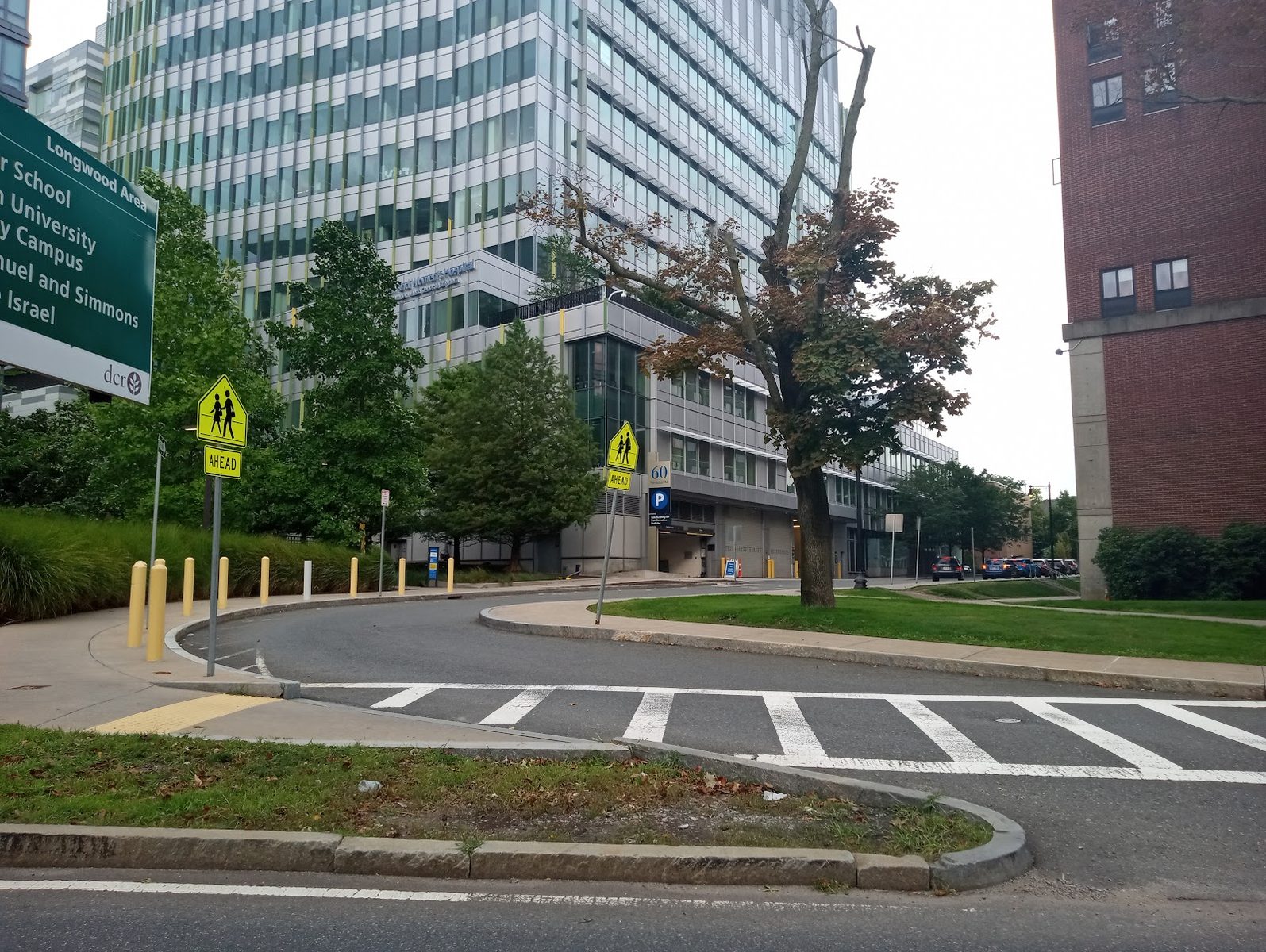
The Winsor School
Boston · United States
Founded in 1886 as Boston's only grade 5-12 school for girls, set amid Longwood's teaching hospitals and research campuses.
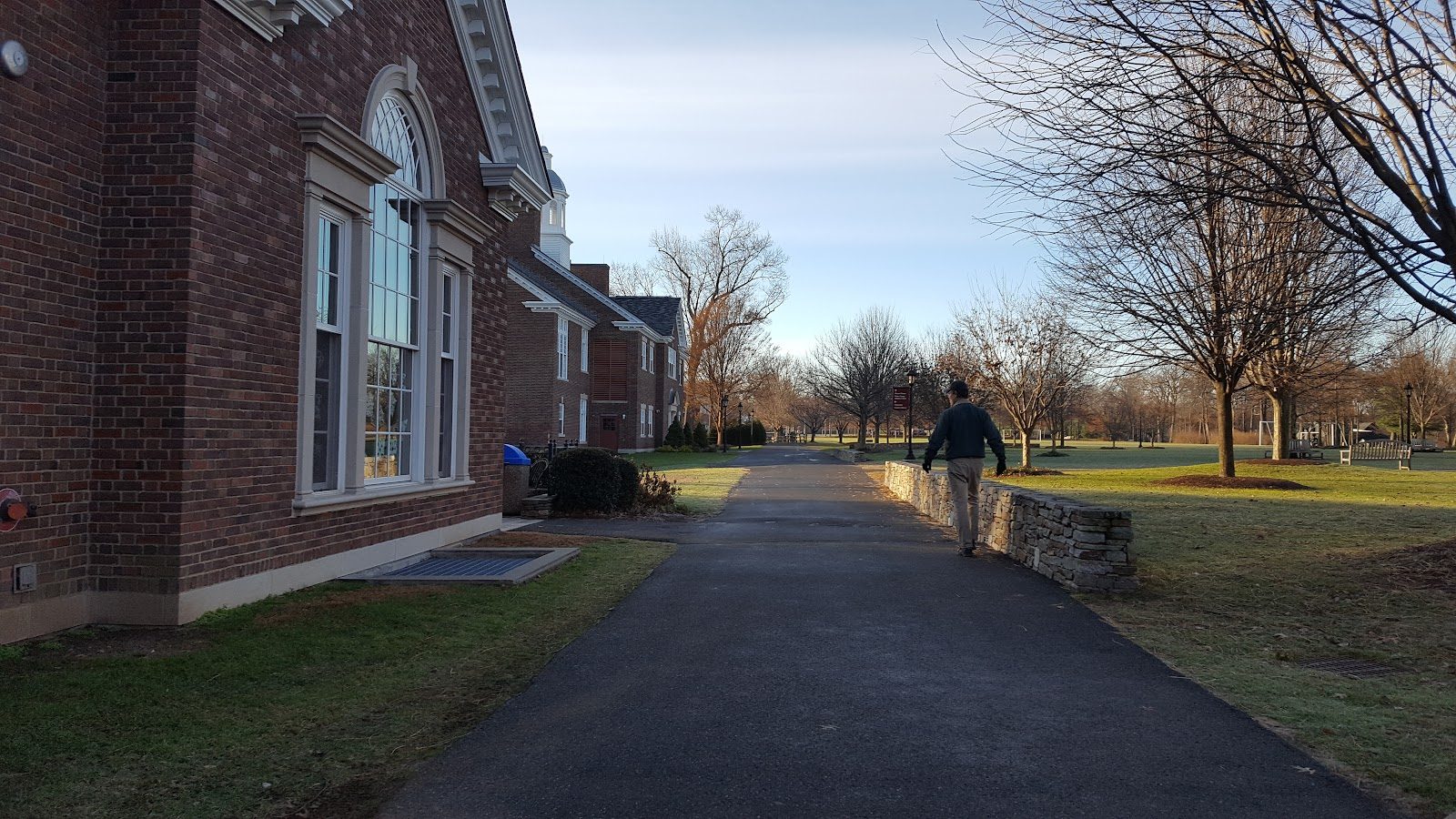
Hopkins School
New Haven · United States
Rooted in a 1660 charitable trust on the New Haven Green, this hilltop campus builds rigor around original scientific research.
Noble and Greenough School
Dedham · United States
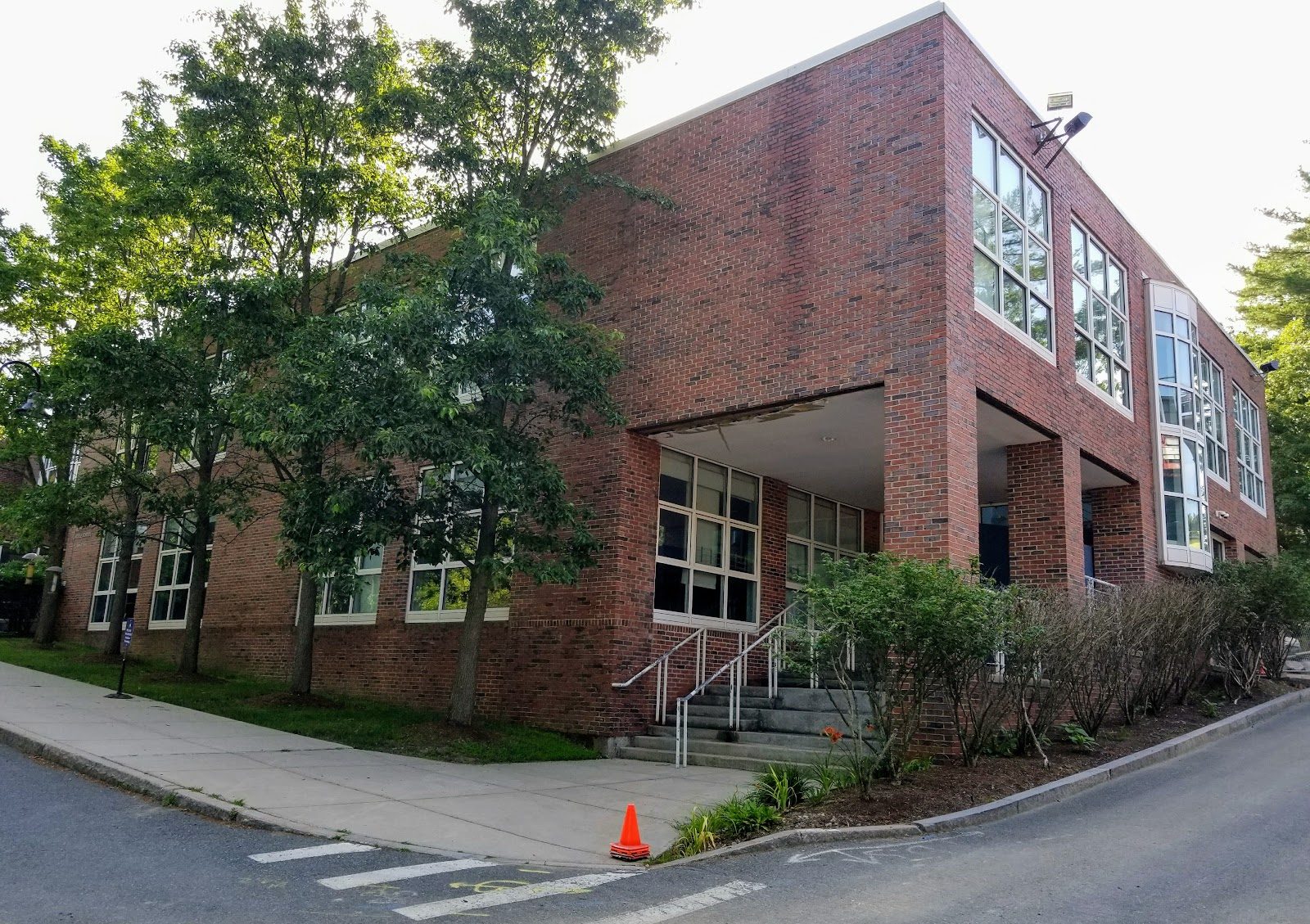
Founded in Boston in 1866, this Charles River campus pairs rigorous academics with hands-on EXCEL leadership training.
Middlesex School
Concord · United States
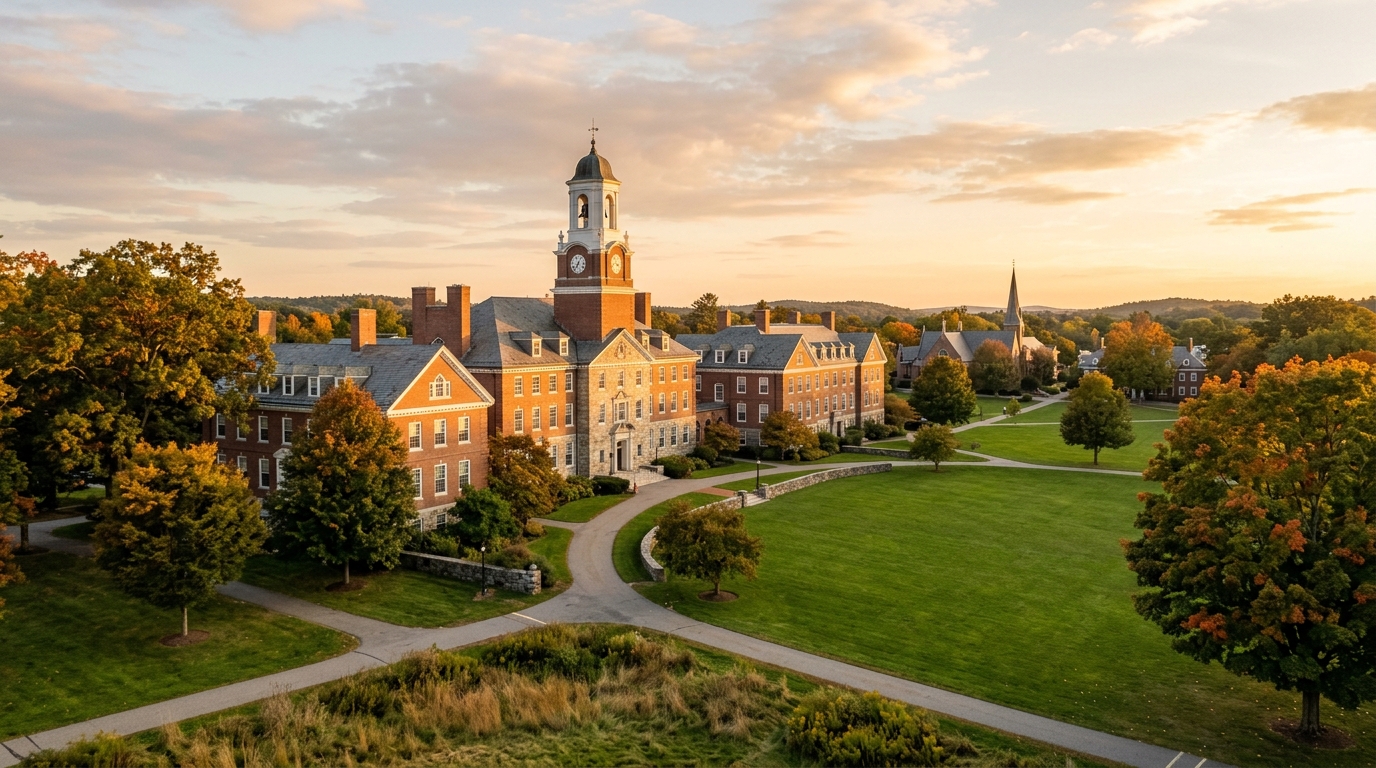
A secular alternative to New England's church-affiliated academies since 1901, on an Olmsted-designed campus in historic Concord.
Same country and curriculum — closest matches within ±10 points either way