
Massachusetts
Founded in 1886 as Boston's only grade 5-12 school for girls, set amid Longwood's teaching hospitals and research campuses.
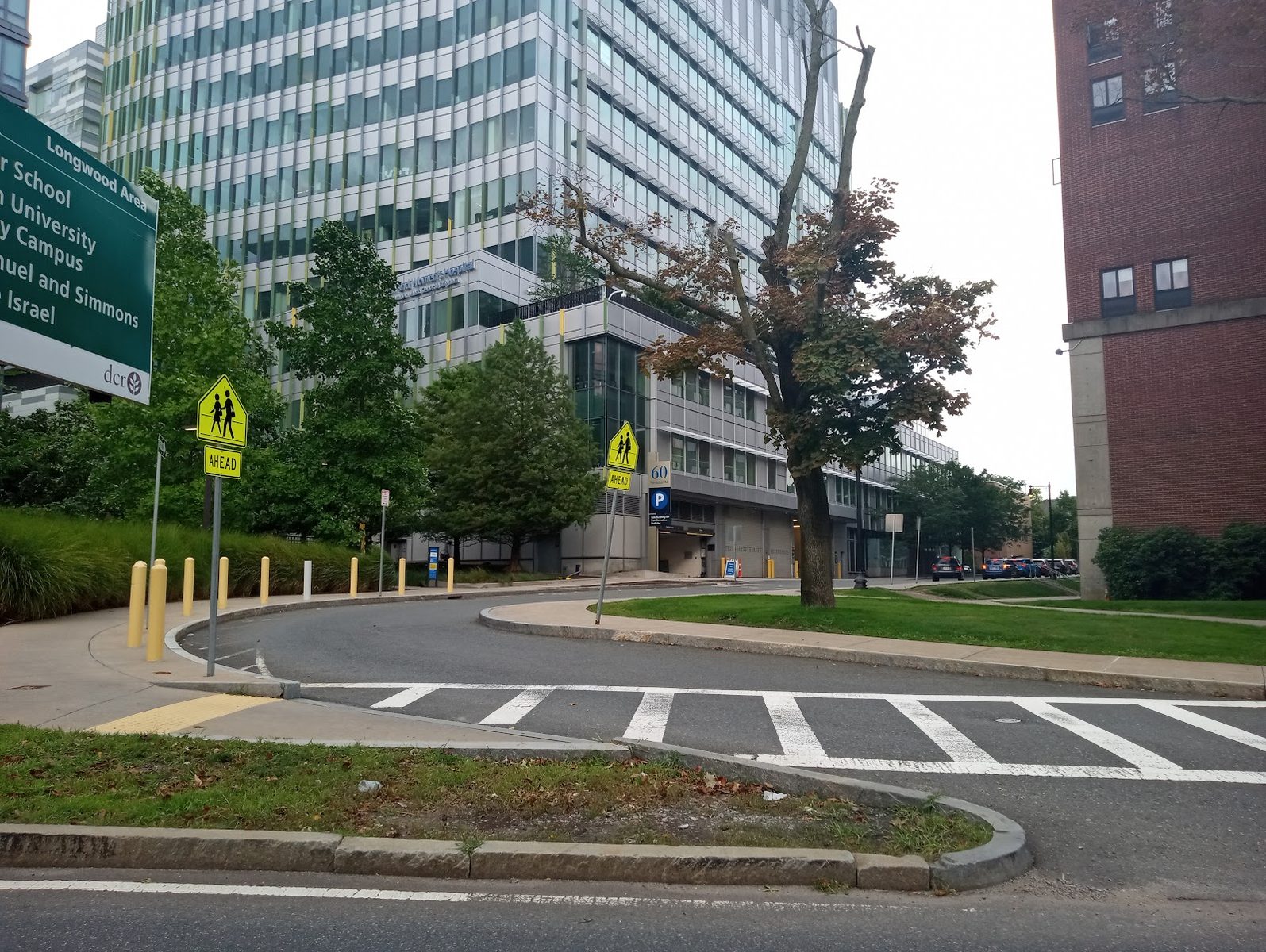
Photo © Robert Ambroise via Google Maps
Type
Day
Ages
10–18
Curriculum
American
Qualifications
AP
Ratio
10:1
The Verdict
Editor's commitment
Right for
Girls aged 10–18 who want a single-sex, college-preparatory day school with a 10:1 ratio in Boston's Longwood district.
Wrong for
Families wanting co-education, boarding or a broader age range than grades 5–12; Winsor is a girls' day school only.
Watch out for
The average annual fee is $65,599, and NEASC and NAIS accreditation do not alter the fact that entry is selective.
Ranking breakdown
The Winsor School · # of 1591
Composite score 77.8. 8 weighted criteria.
By criterion
Academic Outcomes
Weight 20%
#147
of 1529 scored
University Placement
Weight 16%
#136
of 1529 scored
Prestige & Heritage
Weight 12%
#135
of 1571 scored
Alumni Network
Weight 12%
#81
of 1530 scored
Facilities
Weight 12%
#271
of 1534 scored
Transparency & Communications
Weight 8%
#123
of 1532 scored
Peer & Industry Review
Weight 10%
#147
of 1548 scored
Admissions Selectivity & Demand
Weight 8%
#198
of 1529 scored
Score history
The Winsor School · 2026
Movement across 2024–2026. Peer average overlaid.
Overall — 2024–2026
77.8/ 100
▲ +21.1 vs 2025
year on year
Peer & Industry Review
How The Winsor School is regarded in the sector
88
Strong · medium confidence
The Winsor School is consistently cited in Niche.com and Boston Magazine rankings as one of the top private all-girls schools in Massachusetts, with strong matriculation to Ivy League and elite universities frequently referenced in local press. It is regularly benchmarked alongside peer institutions like Milton Academy and Buckingham Browne & Nichols in regional independent school comparisons, though it has less international/global press presence than boarding-school peers like Phillips Exeter or Andover.
Evidence sources
Editors' overview
Winsor occupies a rare niche in Boston: a girls’ day school for grades 5–12 in Longwood, surrounded by teaching hospitals and research campuses rather than playing fields and suburbia. That setting matters. It gives the school a distinctly urban, academically charged feel, and it fits the brief of a college-preparatory school that expects girls to think hard, write clearly and keep up. The structure is tight: a 10:1 student-teacher ratio, average class size of 18, and instruction in English under an American curriculum. Founded in 1886, Winsor has institutional weight without the complacency that old schools can acquire. Its accreditations, NEASC and NAIS, place it firmly inside the established independent-school mainstream.
What sets Winsor apart is not novelty but focus. This is Boston’s only school devoted exclusively to girls from grade 5 through grade 12, and that single-sex span gives it a coherent academic and social identity. Parents looking for a fiercely academic girls’ school with a clear sense of purpose will put it on a shortlist quickly. The average annual fee across the full ladder is $65,599, which places Winsor in the expensive tier even by US independent-school standards; families are paying for small classes, a specialised model and a well-established name. The school’s public profile points to seriousness rather than spectacle, and that restraint reads as confident rather than glossy.
The right student for Winsor is a girl who wants an intellectually concentrated environment and does not need co-education to feel engaged or challenged. She will value close teacher access, tolerate pressure and thrive in a school where academic expectations sit at the centre of the proposition. A student looking for a looser, more expansive campus experience, or one who wants the social dynamics of a co-ed school, will find better fits elsewhere. Winsor suits girls who are self-possessed, ambitious and happy in a culture that is disciplined, exacting and adult-facing from an early age.
Academic Performance
Winsor’s academic reputation is strong; its published exam transparency is not. The school is college-preparatory and sits in a peer set where parents expect clear data on AP results, SAT or ACT profiles, National Merit outcomes, and university destinations in aggregate. Winsor does not publish that package in the source material here, so any claim of top-tier external performance needs restraint. That matters because the school’s pitch rests on intellectual seriousness and close teaching; in that market, opaque outcomes invite scrutiny. The absence of headline result tables does not weaken the academic proposition on its own, but it does leave parents without the comparative evidence that rival independents sometimes provide more openly.
Relative to peers, Winsor fits the mould of an elite, exam-conscious American independent school whose value lies in preparation for selective college admissions rather than in a single public benchmark. For a girls’ school serving grades 5–12, the key comparison is not with broad, suburban co-ed campuses but with academically exacting northeastern day schools that feed into highly selective universities. On that front, Winsor’s long-standing reputation carries weight, but reputation is not data. Parents who want hard proof should ask for recent AP distributions, standardised testing medians where held, and a multi-year college matriculation list. Until those figures are disclosed, Winsor reads as high-trust, low-disclosure: credible, serious-minded, and short on public evidence.
Facilities
Winsor’s facilities matter less for scale than for fit. This is not the sort of school that trades on acreage, arena sport or a parade of specialist buildings. The key asset is the Longwood setting itself: a campus embedded in one of the country’s densest medical and research districts, which gives the school an adult-facing, academically charged backdrop that few girls’ day schools can match. For the target family, that counts as a facility in its own right. Against peer independents, the trade-off is clear. Schools with sprawling suburban sites will offer more land, more visible athletic infrastructure and a broader sense of physical separation from the city. Winsor offers the opposite: proximity, intensity and a hard-working urban footprint.
Inside the school, the important question is not whether it has the biggest campus in its peer set, but whether its spaces support close teaching and serious study. On that measure, the small classes and low staffing ratio already point to rooms designed for discussion rather than passive crowd management. Parents comparing Winsor with larger Boston-area independents should expect a more compact physical plant and less grandstanding. That will suit students who want a disciplined, purposeful environment; it will disappoint those who equate quality with spectacle. The average annual fee of $65,599 puts Winsor in a bracket where families can expect well-maintained teaching spaces, competent arts and sports provision, and no obvious shortcuts. What the public record does not offer is a detailed inventory of standout facilities, and that lack of specificity leaves Winsor behind peers that document their campus assets more clearly.
Winsor does not publish that package in the source material here, so any claim of top-tier external performance needs restraint
Prestige
Winsor carries genuine old-line prestige within the American independent-school world, but it is a precise kind of prestige rather than a mass-market brand. The school holds a rare positional advantage as Boston’s only girls’ school covering the full middle-to-secondary span, and that exclusivity matters. So does the Longwood address: proximity to hospitals, labs and universities gives the place an intellectual seriousness that many polished suburban campuses cannot match. This is not prestige built on acreage, spectacle or athletic mythology. It rests on selectivity, academic discipline, strong social capital among Boston professional families, and a long record of sending girls into ambitious futures. The fee level — $65,599 on average across the ladder — reinforces that status bluntly. This is an expensive, high-status education.
The rating stays below the very top global fame tier for one reason: Winsor’s name travels best in the north-eastern US, not everywhere. Among families who know American independents, it has real cachet; outside that circle, it lacks the instant international recognition of the biggest boarding schools and legacy institutions. That does not diminish its standing where it counts. A low staffing ratio of 10:1, small classes and a single-sex model produce a high-trust, high-expectation environment that elite parents recognise quickly. Add a verified floor of 5 notable alumni in Wikidata and the picture is clear: Winsor is prestigious, but in a contained, exacting, Boston way rather than a flamboyant one.
The rating stays below the very top global fame tier for one reason: Winsor’s name travels best in the north-eastern US, not everywhere
Communications
Winsor’s parent communication reads as controlled and institutional rather than chatty. That fits the school. A compact, academically driven girls’ school serving the middle and secondary years does not need to flood families with lifestyle content; it needs to deliver timetables, expectations, deadlines and pastoral signals with precision. The public-facing information that is visible does the basics cleanly, but it does not volunteer much beyond them. That restraint has strengths: it projects discipline, keeps the focus on school life rather than branding, and will suit parents who value clear administration over glossy reassurance. It also has limits. Families trying to understand day-to-day culture in detail, or to track academic outcomes in a granular way, get a narrower window than they get at more expansive peer schools.
That leaves the verdict on effectiveness finely balanced but clear. For existing parents, a school with small classes and a low staffing ratio has the structural conditions for direct contact with teachers and advisers, which is where the most important communication happens. For prospective parents, Winsor is less strong. The school communicates confidence, but also holds its cards close. That works when a family already trusts the institution; it works less well when they are comparing schools and want evidence, texture and hard data. In editorial terms, Winsor communicates like a school that expects to be taken seriously — brisk, self-possessed and not especially interested in over-explaining itself.
Uniqueness
Winsor’s clearest point of difference is structural, not cosmetic: it is the only school in its city built solely for girls across the full stretch from early adolescence to university entry. That matters more than schools admit. In a co-ed setting, girls still spend energy negotiating noise, display and hierarchy around boys; here, the whole institution is organised around female intellectual confidence, from classroom discussion to leadership opportunities. Add the Longwood setting and the proposition sharpens further. Students grow up amid hospitals, laboratories and research campuses, which gives daily school life a serious-minded, adult-facing frame. The result is a school with a distinctive urban intensity: less insulated, less theatrical, more connected to professional life.
For students, that produces a specific kind of benefit. Girls who are ready for pressure get a culture that treats ambition as normal rather than exceptional, and they do it in classes small enough for teachers to know who is carrying the discussion and who is hiding. The low staffing ratio of 10:1 and average class size of 18 support that model, but the real advantage is cultural: achievement by girls is the default setting, not a special case. That can be liberating for the right student and exacting for the wrong one. Winsor is not unique because it is lavish or eccentric. It is unique because it is single-minded, high-trust and uncompromising about whom it is built for.
The result is a school with a distinctive urban intensity: less insulated, less theatrical, more connected to professional life
Student Profile
The Winsor student is academically fast, verbally confident and comfortable in a room where teachers expect her to contribute rather than coast. This is a school for girls who like ideas, can handle scrutiny and do not need hand-holding to stay organised. The small-class structure and low staffing ratio — 18 students on average in a class, 10:1 overall — favour students who want to be known well and challenged directly. Quiet girls can flourish here, but not if “quiet” means passive. Winsor suits students who think carefully, write with precision and can tolerate a culture that is demanding, high-accountability and short on fuss.
Socially, the best fit is a girl who is self-directed, mature for her age and at ease in an all-girls environment where ambition carries no apology. She does not need the theatre of a big co-ed campus or the social sprawl that comes with it. She values close relationships, intellectual peers and adults who treat her seriously. The wrong fit is just as clear: a student who needs anonymity, resists pressure, or wants school life built around spectacle and constant affirmation. At an average annual fee of $65,599, families are buying a serious, exacting education with a defined social texture. The girls who thrive here tend to welcome that clarity rather than push against it.
It is unique because it is single-minded, high-trust and uncompromising about whom it is built for
Co-curricular strengths
Arts & sport, on a separate axis
Overall 8.16/10
Scored 0-10 from the school's own published evidence. This axis is editorial-only — it does not feed the main WTS ranking.
Sports
8.8/10
Massive day-school program utilizing multi-million-dollar fields in Boston; fields 41 teams across the highly competitive EIL league.
Drama
8.2/10
Integrated performing arts blocks where students write, tech, and lead numerous classical and modern plays annually.
Dance
7/10
Energetic co-curricular movement tracks used heavily for musical theater ensembles, though secondary to their premier STEM tracks.
Music
8.3/10
Advanced choral assemblies and full orchestras leveraging high-end acoustic spaces in the Lubin O'Donnell Center.
Visual Arts
8.5/10
Outstanding technical visual media tracks where students learn rare, complex print processes like photogravures.
Editor-verified · 8/6/2026
Notable alumni · Wikidata
5notable alumni
3 historic (born pre-1930) · 0 modern (born post-1970)wikidata:2026-07-28 How we source this

WTS 300 badge
2025/26 editionThe Winsor School is one of the World's Top 300 Schools for 2025/26. Claim your listing to add it to your site →
Strengths
- +Small classes support a 6:1 student-teacher ratio across grades 5 through 12.
- +Alumnae matriculation is strong, with 48 graduates entering Ivy League schools between 2019 and 2022 alone.
- +A 2013-2016 capital campaign funded a $75 million expansion, including the Lubin-O'Donnell performing arts, athletics and wellness center that opened in 2015.
- +Need-based financial aid reaches roughly a quarter of the student body, with individual grants running as high as full tuition.
- +Winsor is the only school in Boston covering grades 5 through 12 exclusively for girls, giving continuity across middle and upper school on one campus.
Considerations
- −The school is single-sex, educating girls only, which rules it out for families wanting a coeducational day school.
- −Tuition has been reported around $59,500-$65,600 a year depending on the source and year, placing it among the costlier Boston day schools.
- −Winsor does not hold SEVIS certification, so it cannot enroll international students or applicants with foreign residency.
- −Admission is highly selective, with an acceptance rate of roughly 25 percent, so a place is not guaranteed even for strong candidates.
Availability
Primary entry gate & tests
ISEE/SSAT + Interview (Girls)
Gallery
Photo © Robert Ambroise via Google Maps
Photo © PAULIE DRIVER via Google Maps
Photo © PAULIE DRIVER via Google Maps
Photo © DrJack Kwan via Google Maps
Photo © DrJack Kwan via Google Maps
Photo © PAULIE DRIVER via Google Maps
Photo © Theodor Weinberg via Google Maps
Photo © TABLE via Google Maps
Parent reviews
Have you sent your child here?
Voice reviews carry the strongest trust badge — we transcribe them for you to tidy up before they go live. Prefer to type? A written review is fine too.
Add your voice
In 60 seconds, tell other parents: what's the best thing about The Winsor School, and what surprised you when your child joined?
We ask for a Google sign-in so every review has a real face behind it — no anonymous drive-by attacks on schools, and no faked positive reviews. Your email is never shown publicly.
Send this profile to a friend
International parents rely on word-of-mouth. Share this review with someone weighing the same decision.
Schools with places
Similar schools to The Winsor School with places available now.
Noble and Greenough School
Dedham · United States
- 2026-27
- CLOSEDRegular cycle
- 2027-28
- PLACES OPENJan 15 '27 Deadline
Middlesex School
Concord · United States
- 2026-27
- CLOSEDRegular cycle
- 2027-28
- OPENS SOONOpens 1 Sept '26
Commonwealth School
Boston · United States
- 2026-27
- CLOSEDRegular cycle
- 2027-28
- OPENS SOONOpens 1 Sept '26
Concord Academy
Concord · United States
- 2026-27
- CLOSEDFull / No offers
- 2027-28
- OPENS SOONInstructions Avail 17 Aug '26
Availability first, then country, area, curriculum, price, co-curricular
Consider also
Also worth looking at alongside The Winsor School.
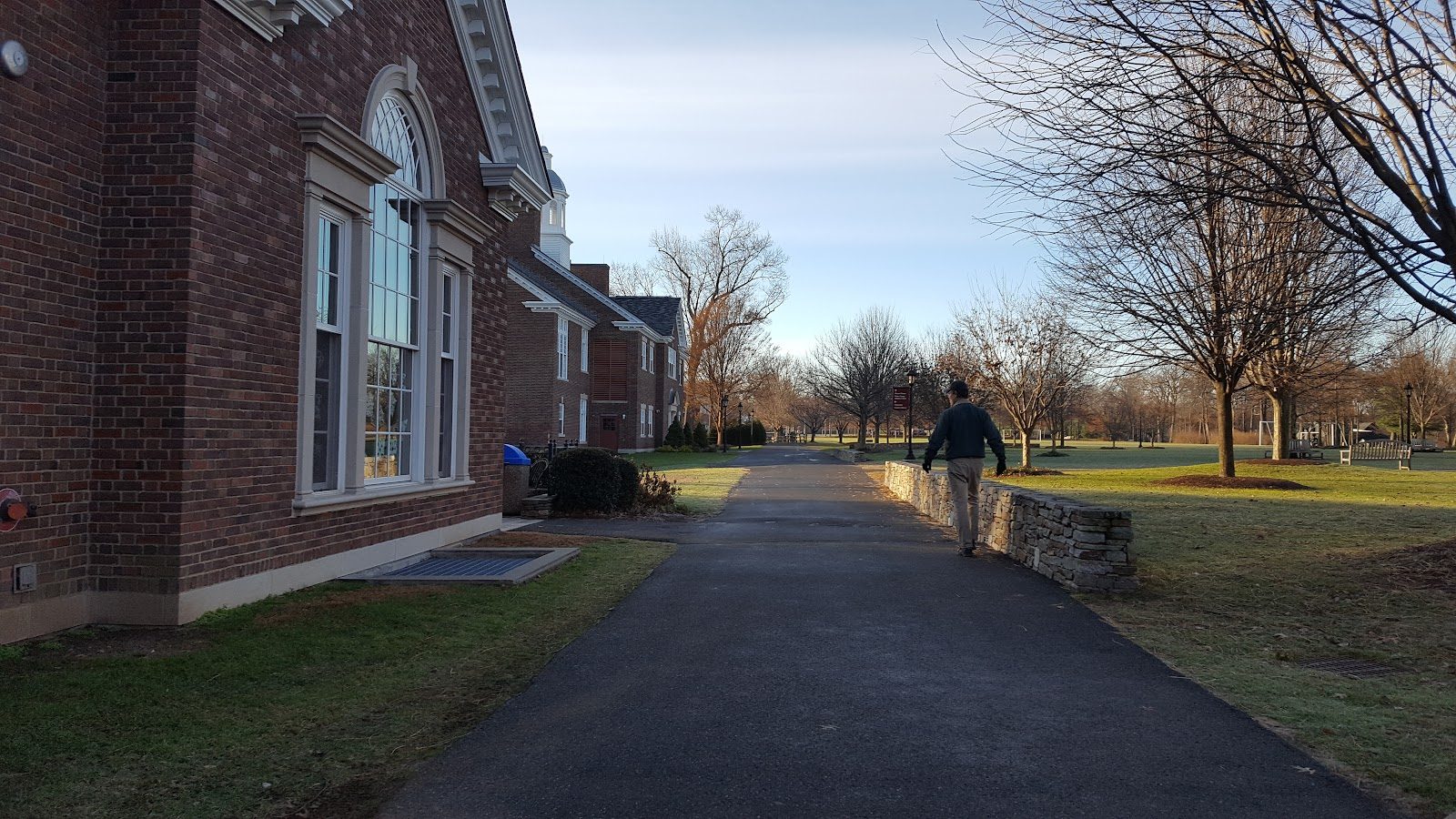
Hopkins School
New Haven · United States
Rooted in a 1660 charitable trust on the New Haven Green, this hilltop campus builds rigor around original scientific research.

The Harker School
San Jose · United States
In Silicon Valley's backyard, a student-run research symposium turns science fair projects into published papers.

High Technology High School
Lincroft · United States
A 284-student engineering magnet in Monmouth County where civil design and digital electronics substitute for standard electives.

North Carolina School of Science and Mathematics
Durham · United States
America's first public residential STEM high school, a Durham model tuition-free program now replicated by eighteen sister schools worldwide.
Same country and curriculum — closest matches within ±10 points either way