
Bukoto
Kabira International School
low confidence· 4/6 cats · 1 avg sourcesA leafy Bukoto campus where the English National Curriculum feeds into Cambridge IGCSE and the IB Diploma for over 40 nationalities.
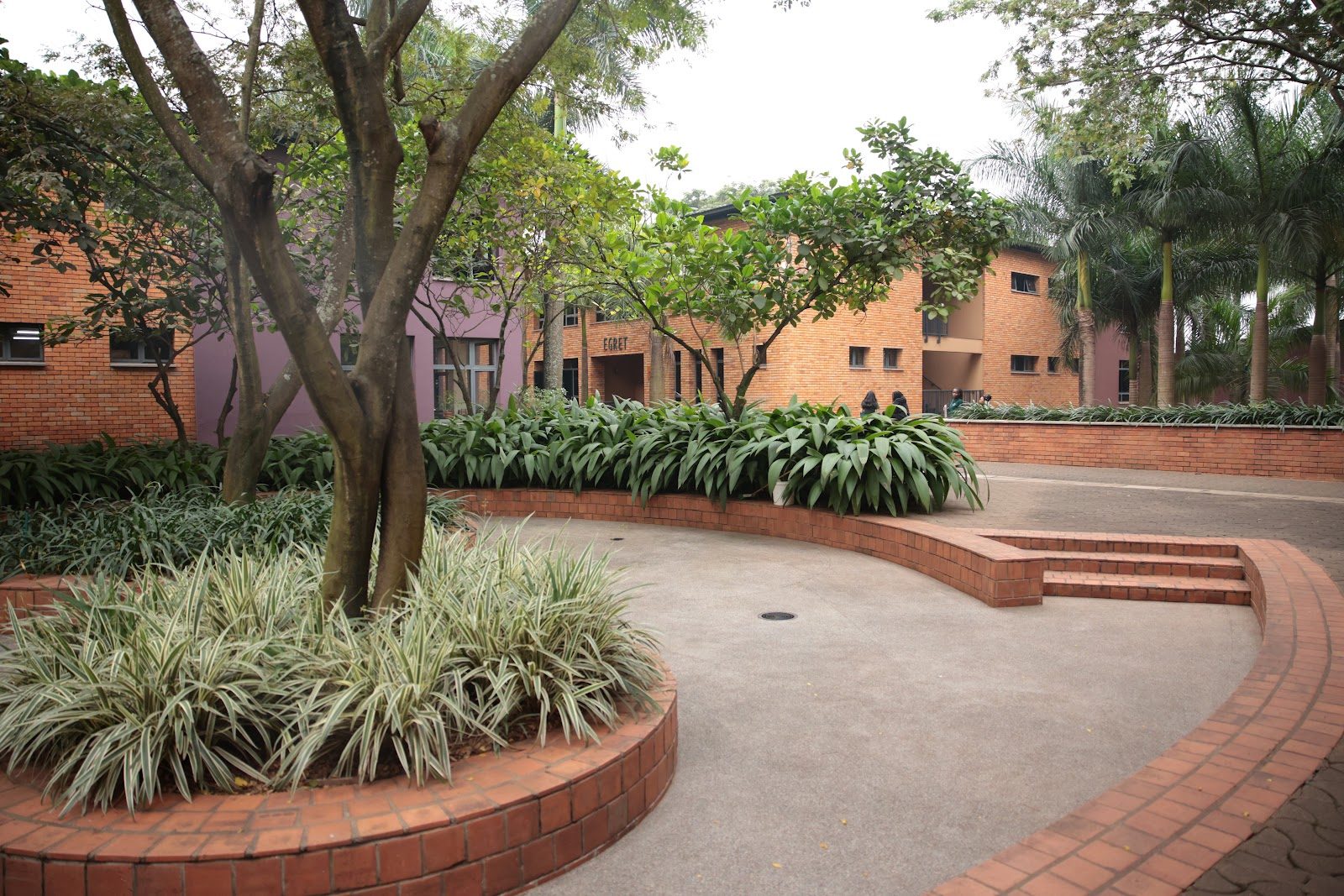
Photo © Athieno Deborah via Google Maps
Type
Day
Ages
3–18
Curriculum
IB
Qualifications
IB Diploma · IGCSE
Ratio
—
The Verdict
Editor's commitment
Right for
Kampala families wanting one campus from age 3 to 18, with English teaching, Cambridge IGCSE and the IB Diploma.
Wrong for
Parents who want boarding, a religious ethos, or a cheap option: this non-religious day school averages US$23,021 a year.
Watch out for
Founded in 2003 and accredited by both IB and Cambridge International, Kabira offers recognised pathways, not old-school heft or bargain fees.
Ranking breakdown
Kabira International School · #1510 of 1591
Composite score 48.1. 8 weighted criteria.
By criterion
Academic Outcomes
Weight 20%
#1450
of 1529 scored
University Placement
Weight 16%
#1445
of 1529 scored
Prestige & Heritage
Weight 12%
#1493
of 1571 scored
Alumni Network
Weight 12%
#1181
of 1530 scored
Facilities
Weight 12%
#1498
of 1533 scored
Transparency & Communications
Weight 8%
#1489
of 1532 scored
Peer & Industry Review
Weight 10%
#1216
of 1548 scored
Admissions Selectivity & Demand
Weight 8%
#1419
of 1529 scored
Peer & Industry Review
How Kabira International School is regarded in the sector
63
Respected · medium confidence
I could not identify at least two independent, third-party sources (e.g., Tatler, Good Schools Guide, specialist education press, or established expat-parent forums) that substantively discuss Kabira International School's reputation. Available information appears limited to the school's own marketing materials or unverifiable listings, which do not meet the evidentiary bar required.
Editors' overview
Kabira International School sits in Bukoto, not on a vast showpiece estate but on a leafy, urban Kampala campus that trades on breadth rather than flash. The academic structure is clear and sensible: English-medium teaching from age 3 to 18, the English National Curriculum in the lower and middle years, Cambridge IGCSE, then the IB Diploma at the top. That combination matters. It gives families a conventional British academic spine early on, then a globally portable sixth-form qualification. In a city where parents need continuity as much as aspiration, that is a serious advantage. So is the fact that Kabira is both an IB World School and a Cambridge International school. Those badges do not guarantee quality, but they do confirm external alignment and a school built for internationally mobile families rather than a local school with imported branding.
Its market position is straightforward. At an average annual day fee of $23,021, Kabira sits in the premium end of Kampala’s international day-school market. Parents are paying for an all-through 3–18 school, a non-religious setting, and a student body drawn from over 40 nationalities. That last point is not decoration. A genuinely mixed intake changes classroom discussion, friendship groups and the social assumptions of the school day. Kabira’s appeal rests less on theatrical prestige and more on cosmopolitan normality: children can stay in one system from nursery to graduation, work through Cambridge IGCSE, and finish with the IB Diploma without a disruptive switch of school or language. For expatriate families, returnees and internationally minded Ugandan parents, that is a practical luxury.
Why shortlist it? Because Kabira offers a rare combination in Kampala: continuity, recognised external programmes, and a broad international peer group on one campus. Founded in 2003, it has had enough time to establish itself without the complacency that afflicts older institutions. This is not the right school for families chasing a hyper-traditional, religious or exam-factory atmosphere. It is for students who do well in an English-speaking, internationally mixed environment and who want a route that keeps options open across different university systems. The child who will thrive here is adaptable, outward-facing and comfortable among different cultures; the one who needs intense local rootedness or a hard-edged single-system education may want a different fit. Kabira earns shortlist status because it covers a lot of ground without muddle: British curriculum foundations, Cambridge assessment, IB finishing school, and a genuinely international daily experience.
Academic Performance
Kabira does not publish a consistent run of whole-school external results in the public domain. We have not seen aggregate IGCSE grade distributions, average IB Diploma scores, pass rates, university matriculation breakdowns or multi-year trend data. That matters. In the premium international segment, parents should expect more than anecdote and celebratory student stories; they should expect a clear account of how cohorts perform against global benchmarks and against rival schools. Without that, Kabira’s academic performance sits in an opaque category rather than a proven one. The school’s examination pathway is credible, but the outcomes are not publicly interrogable.
Relative to peers, that places Kabira behind the strongest international schools in the region on transparency alone. Schools with serious academic confidence publish headline IB averages, top scores, IGCSE pass profiles or destination patterns. Kabira does not. That does not mean weak results; it means parents must ask harder questions at admissions stage and insist on specifics by cohort and subject. Ask for the latest IB average, the proportion of grades at top bands at IGCSE, and three years of university destinations. If Kabira can produce solid figures privately, it remains a credible option with an all-through structure that suits internationally mobile families. If it cannot, the school asks parents to buy into academic promise on trust, and at this fee level that is not enough.
Facilities
Kabira’s physical advantage is the campus itself: a green, established site in an urban setting, with the kind of tree cover and open air that matters in Kampala’s climate. For parents, that translates into a school day that does not feel hemmed in by concrete. The key facilities are the broad-use ones that support an all-through international school rather than a niche specialist institution: teaching spaces for the full age range, sports provision, and room for a socially mixed student body drawn from 40-plus nationalities to function as one community. Against peer schools in the city, that matters more than architectural theatrics. Many competitors can point to smart rooms and polished marketing images; fewer offer a campus atmosphere that feels settled, liveable and built for everyday use across the whole age range.
The limitation is just as clear. Kabira does not trade on showpiece infrastructure, and families hunting for the most lavish specialist provision in science, elite sport or the performing arts need to inspect closely rather than assume top-tier hardware. We have not seen enough hard public detail on laboratories, theatre-standard arts spaces, swimming provision or high-performance athletic facilities to place it at the front of the regional pack on plant alone. In facilities terms, Kabira reads as well-rounded rather than flashy: strong where a full-service international school needs to be strong, less convincing as a destination for parents who want facilities, in themselves, to justify a premium fee of $23,021.
Kabira International School sits in Bukoto, not on a vast showpiece estate but on a leafy, urban Kampala campus that trades on breadth rather than flash
Prestige
Kabira carries real local standing in Kampala’s international-school market, but not the kind of prestige that travels on name alone across continents. Its status rests on a clear fact pattern: a premium fee point, an all-through structure, and a student body drawn from more than 40 nationalities. That mix gives the school social credibility with expatriate families, returnees and internationally minded local parents who want a school that feels outward-facing rather than provincial. In a market where some schools trade on religious heritage, old-boy networks or imported grandiosity, Kabira’s reputation is more modern, more cosmopolitan, and less wrapped up in institutional mythology. That has value, but it is a different kind of prestige from the inherited aura of older flagship schools.
The ceiling, though, is obvious. Prestige at the top end depends not just on fees and international mix, but on public proof of outcomes, selectivity and destination power. Kabira does not publish enough of that. Without disclosed IB averages, IGCSE profiles or a hard university placement record, its prestige remains market-facing rather than performance-backed. Parents will recognise the name in the city, and the average annual fee of $23,021 reinforces its premium position, but elite reputation needs harder academic evidence than Kabira currently offers. The result is a school with solid social cachet and credible international standing, not a commanding institution that sets the benchmark for the region.
A genuinely mixed intake changes classroom discussion, friendship groups and the social assumptions of the school day
Communications
Kabira’s parent communication reads as serviceable rather than exemplary. The public-facing essentials are there: clear contact routes, admissions information, a functioning website and enough practical detail for a first pass at the school. The tone is warm without descending into sales patter, and the school does a competent job of showing community life through news, images and event-led updates. For internationally mobile families, that matters; a school serving a community drawn from 40-plus nationalities needs communication that reduces friction, explains routines and makes new parents feel they can navigate the place quickly. Kabira clears that bar. What it does not do, at least in public, is offer the kind of hard-edged transparency that turns competent communication into a real institutional strength.
That gap shows up most clearly around performance and strategic information. The school communicates atmosphere better than evidence. Parents can get a feel for daily life, but not a rigorous public account of outcomes, trends or school-wide benchmarks. At a premium fee point, that is a meaningful weakness. Good communication is not just friendliness and frequency; it is disclosure. Schools that communicate well publish the numbers parents use to judge value, track consistency and compare options. Kabira leaves too much of that to direct enquiry. The result is a communications profile that is reassuring on the surface and less satisfying under scrutiny: functional for day-to-day engagement, weaker where serious parental decision-making needs precision.
Uniqueness
Kabira’s distinctiveness lies in its blend of international breadth and daily manageability. Some schools achieve diversity by sheer scale, which can leave younger pupils anonymous and older ones socially siloed. Kabira’s draw is different: a student body spanning more than 40 nationalities in one all-through setting, on a campus that reads as lived-in rather than corporate. That changes the texture of school life. Children grow up with difference as routine, not as an annual “international day” performance. Friendships, group work and playground habits are shaped by families who have arrived from different systems, faiths and countries. For students, that builds social fluency, resilience and a more grounded cosmopolitanism than schools that advertise diversity without integrating it into the day.
The second point of difference is structural. Kabira gives families one continuous route from the early years to university application inside a single institution, but without locking pupils into one narrow educational culture all the way through. That matters for children whose families move, whose plans change, or who need stability without intellectual stagnation. Students get continuity of community and pastoral oversight, yet still encounter external examination points and a recognised senior qualification at the top. The result is a school with a practical internationalism: less obsessed with old-world prestige, more useful for modern family life. For the right child, that means fewer disruptive transitions, a wider peer perspective, and an education that keeps more doors open than a purely local track.
Schools with serious academic confidence publish headline IB averages, top scores, IGCSE pass profiles or destination patterns
Student Profile
Kabira suits children who are comfortable in a socially mixed environment and who gain energy from meeting families with different habits, passports and expectations. With pupils drawn from more than 40 nationalities, the social life has a genuinely international centre of gravity rather than a token global gloss. The best fit is the student who is adaptable, curious and happy switching between friendship groups shaped by different cultures. This is a strong option for expatriate children, returnees and internationally minded local families who want classmates with a wider frame of reference than one national system provides. It also works for families who value continuity: the child can enter young and stay put through adolescence without the educational identity of the school lurching from one thing to another.
The weaker fit is just as clear. A child who wants a hard-charging, openly selective academic culture with public league-table energy may find Kabira too understated. A pupil who needs a very local social environment, or who prefers a school built around one dominant national culture, will not get that here. Nor is this the obvious choice for families chasing old-school status theatre or a high-pressure exam factory. The students who thrive are socially fluent, self-directed and resilient enough to navigate a premium international school where diversity is part of the daily routine, not a branding line. At an average annual fee of $23,021, parents should expect that profile to be matched by serious engagement from both child and family.
Ask for the latest IB average, the proportion of grades at top bands at IGCSE, and three years of university destinations
Co-curricular strengths
Arts & sport, on a separate axis
Overall 7.96/10
Scored 0-10 from the school's own published evidence. This axis is editorial-only — it does not feed the main WTS ranking.
Sports
8.8/10
Drama
8/10
Dance
7/10
Music
8.2/10
Visual Arts
7.8/10
Editor first-pass · editor-reviewable · 7/30/2026
Strengths
- +Offers the International Baccalaureate curriculum, providing an internationally recognised pathway for globally mobile families in Kampala.
- +Operates as a day school, which typically keeps fees lower than boarding alternatives in the region.
- +Located in Kampala, giving access to Uganda's diplomatic and NGO community that often seeks IB-curriculum schooling.
- +Smaller and less established than Uganda's flagship international schools, which can mean smaller class sizes and more individual attention.
Considerations
- −Editorial rank (1374) and candidate tier indicate the school has limited independent verification of academic outcomes or inspection history at this time.
- −No publicly verifiable IB Diploma pass rates, university placement data, or accreditation body reports were found to confirm academic performance.
- −As a newer or lower-profile entrant compared to Kampala's established international schools, alumni network and track record are unproven.
- −Fee levels and scholarship availability are not independently confirmed from public sources, making budgeting comparisons difficult for relocating families.
Availability
Primary entry gate & tests
Academic Record
Gallery
Photo © Athieno Deborah via Google Maps
Photo © Athieno Deborah via Google Maps
Photo © Athieno Deborah via Google Maps
Photo © Ivan Mukuye via Google Maps
Photo © Ivan Mukuye via Google Maps
Parent reviews
Have you sent your child here?
Voice reviews carry the strongest trust badge — we transcribe them for you to tidy up before they go live. Prefer to type? A written review is fine too.
Add your voice
In 60 seconds, tell other parents: what's the best thing about Kabira International School, and what surprised you when your child joined?
We ask for a Google sign-in so every review has a real face behind it — no anonymous drive-by attacks on schools, and no faked positive reviews. Your email is never shown publicly.
Send this profile to a friend
International parents rely on word-of-mouth. Share this review with someone weighing the same decision.
Schools with places
Similar schools to Kabira International School with places available now.
Collège du Léman
Versoix · Switzerland
- 2026-27
- WAITPOOLSpace-dependent
- 2027-28
- PLACES OPENRolling
Yew Chung International School of Chongqing
Chongqing · China
- 2026-27
- WAITPOOLSpace-dependent
- 2027-28
- WAITPOOLRolling / space-dependent
Bishop Cotton School
Shimla · India
- 2026-27
- WAITPOOLSpace-dependent
- 2027-28
- PLACES OPENRolling
Christ's College
Christchurch · New Zealand
- 2026-27
- WAITPOOLVacancy-dependent
- 2027-28
- PLACES OPEN
Availability first, then country, area, curriculum, price, co-curricular
Consider also
Also worth looking at alongside Kabira International School.
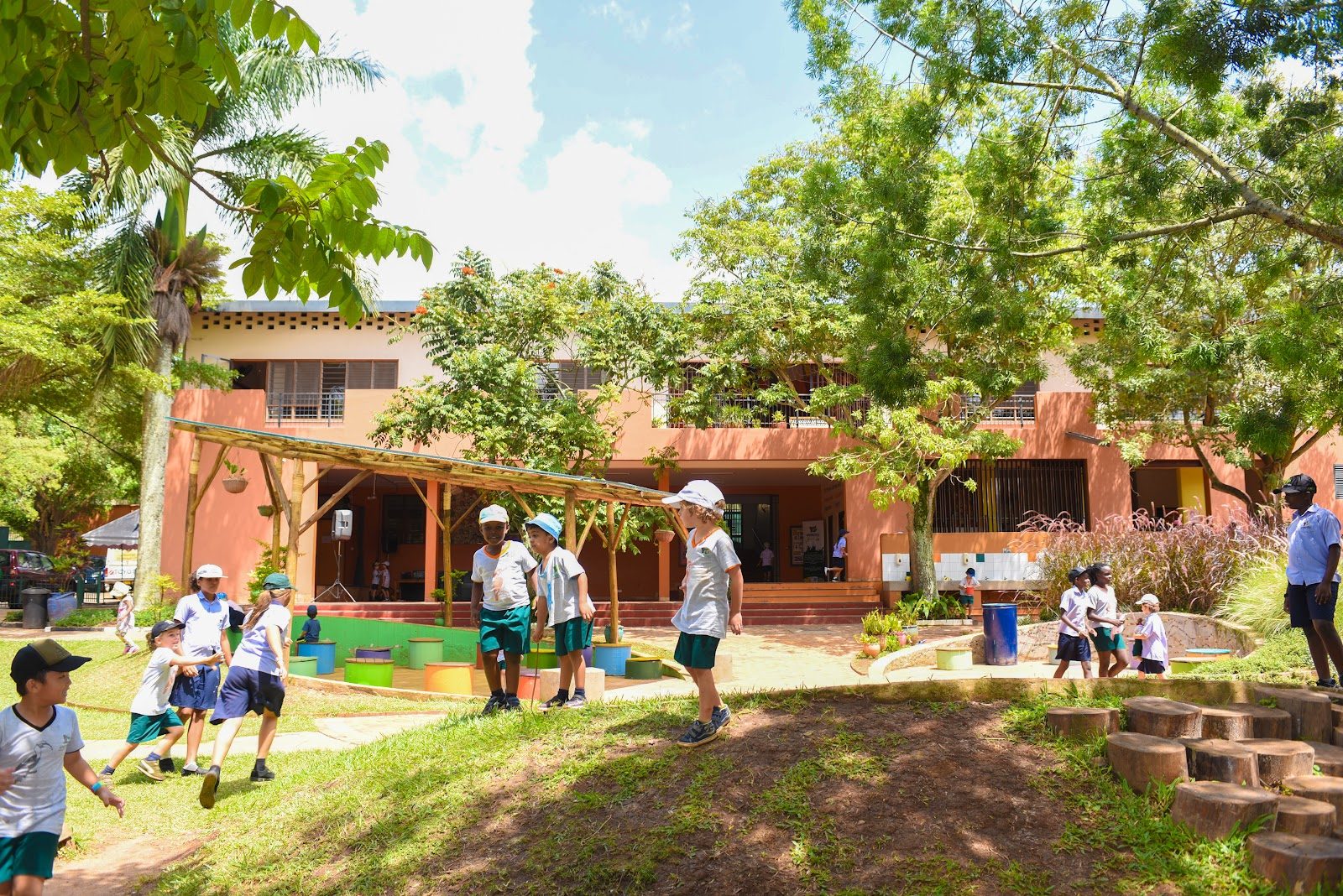
Ambrosoli International School
Kampala · Uganda
Named for a missionary doctor-priest, this Bugolobi primary became Uganda's first IPC-accredited school in 2019.
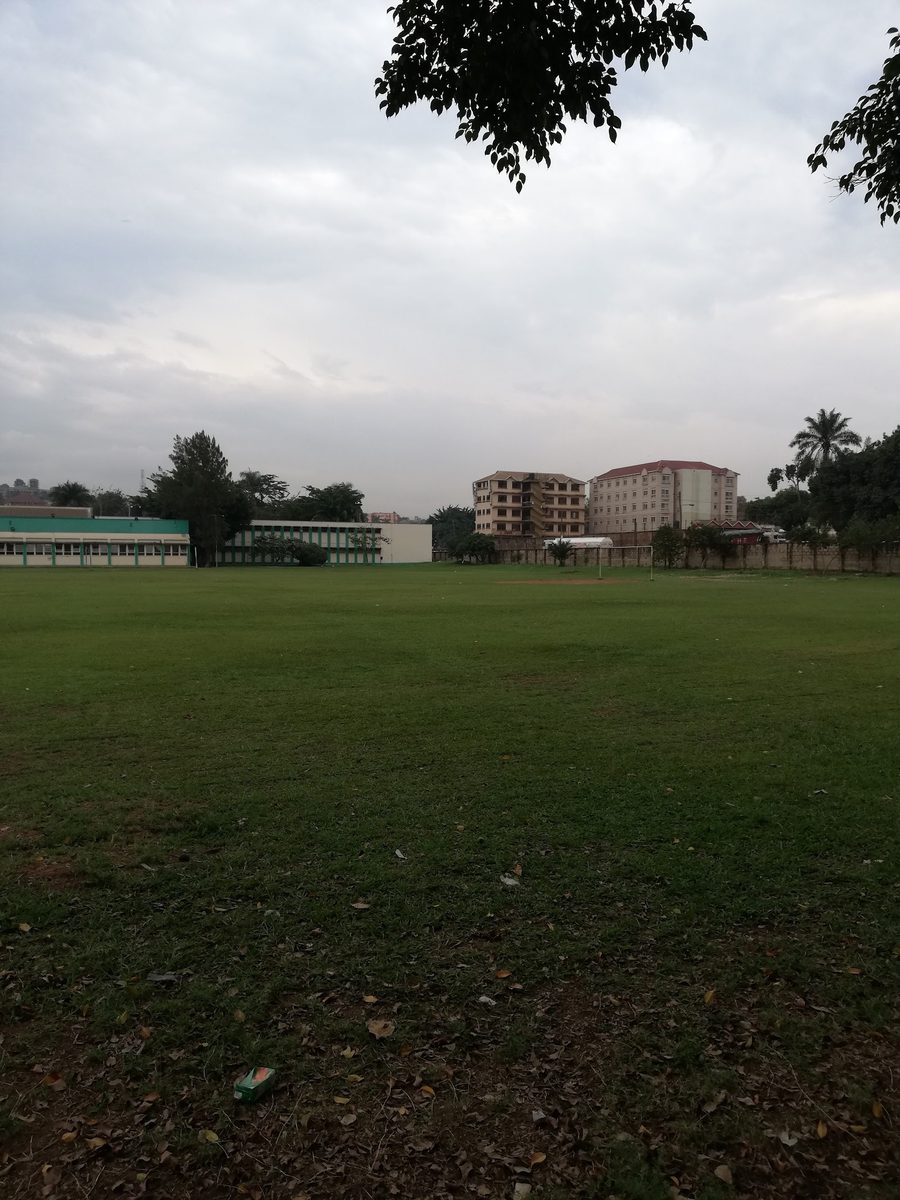
Aga Khan High School Kampala
Kampala · Uganda
Since 1959, Uganda's first multicultural school remains one of only four in the country authorised for the IB Diploma.
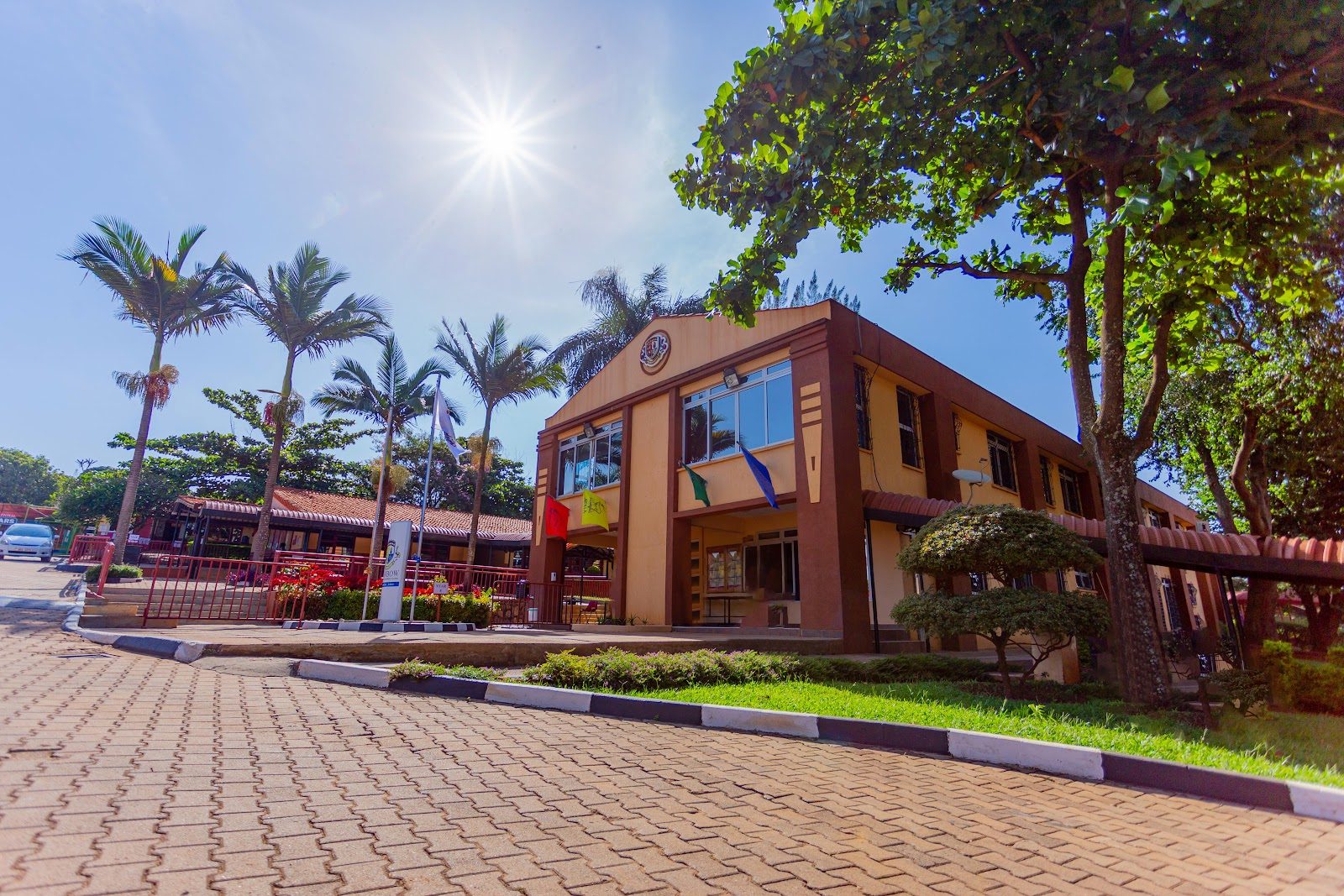
Rainbow International School Uganda
Kampala · Uganda
Sixty nationalities share a nine-acre Kampala campus where Cambridge IGCSEs and BTEC pathways lead side by side to university.
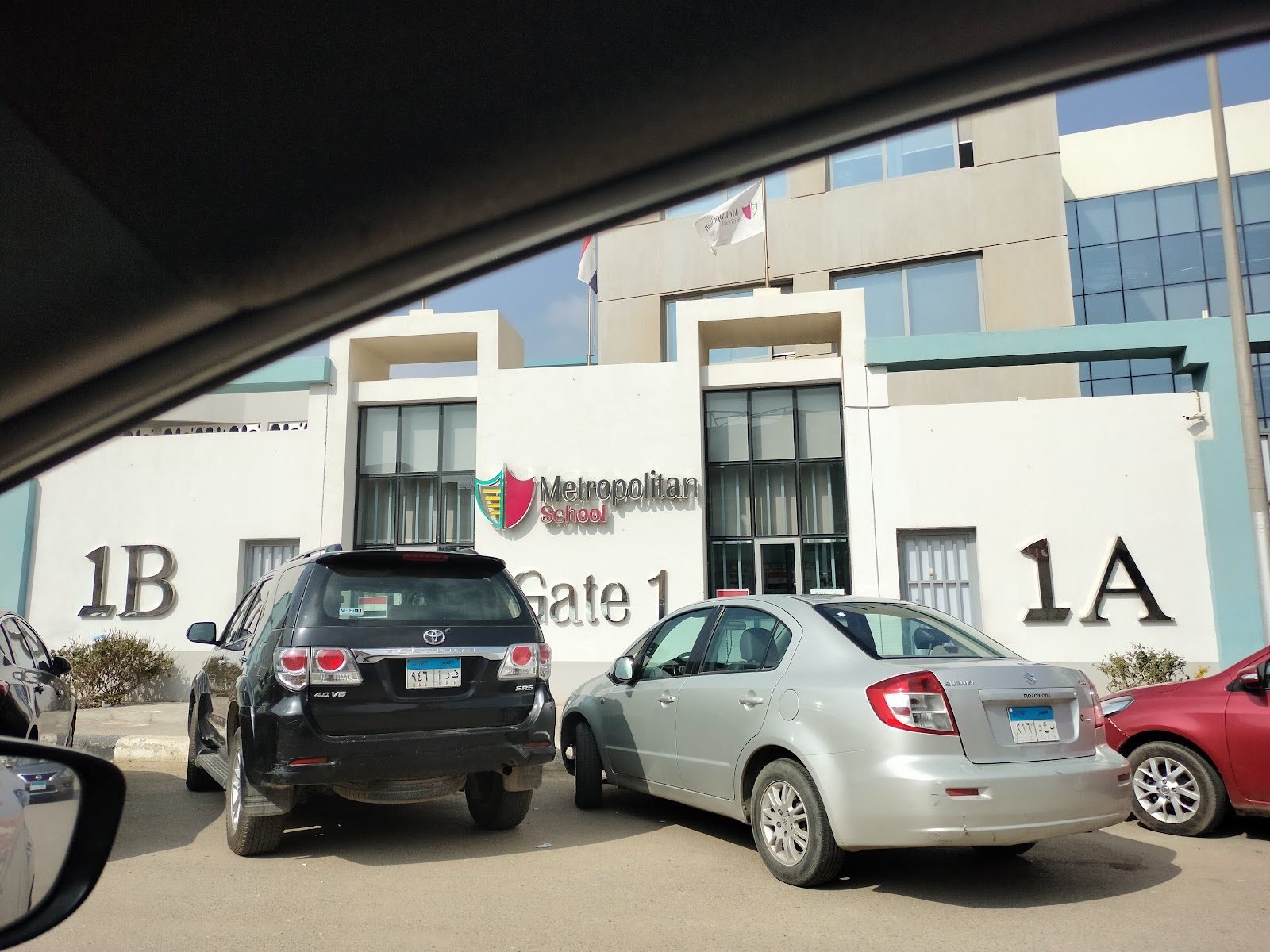
Metropolitan School Cairo
Giza · Egypt
A third-generation schooling dynasty in New Cairo pioneered Egypt's first classroom entrepreneurship programme, starting in kindergarten.
Same country and curriculum — closest matches within ±10 points either way