
Mbuya
Ambrosoli International School
low confidence· 4/6 cats · 1 avg sourcesNamed for a missionary doctor-priest, this Bugolobi primary became Uganda's first IPC-accredited school in 2019.
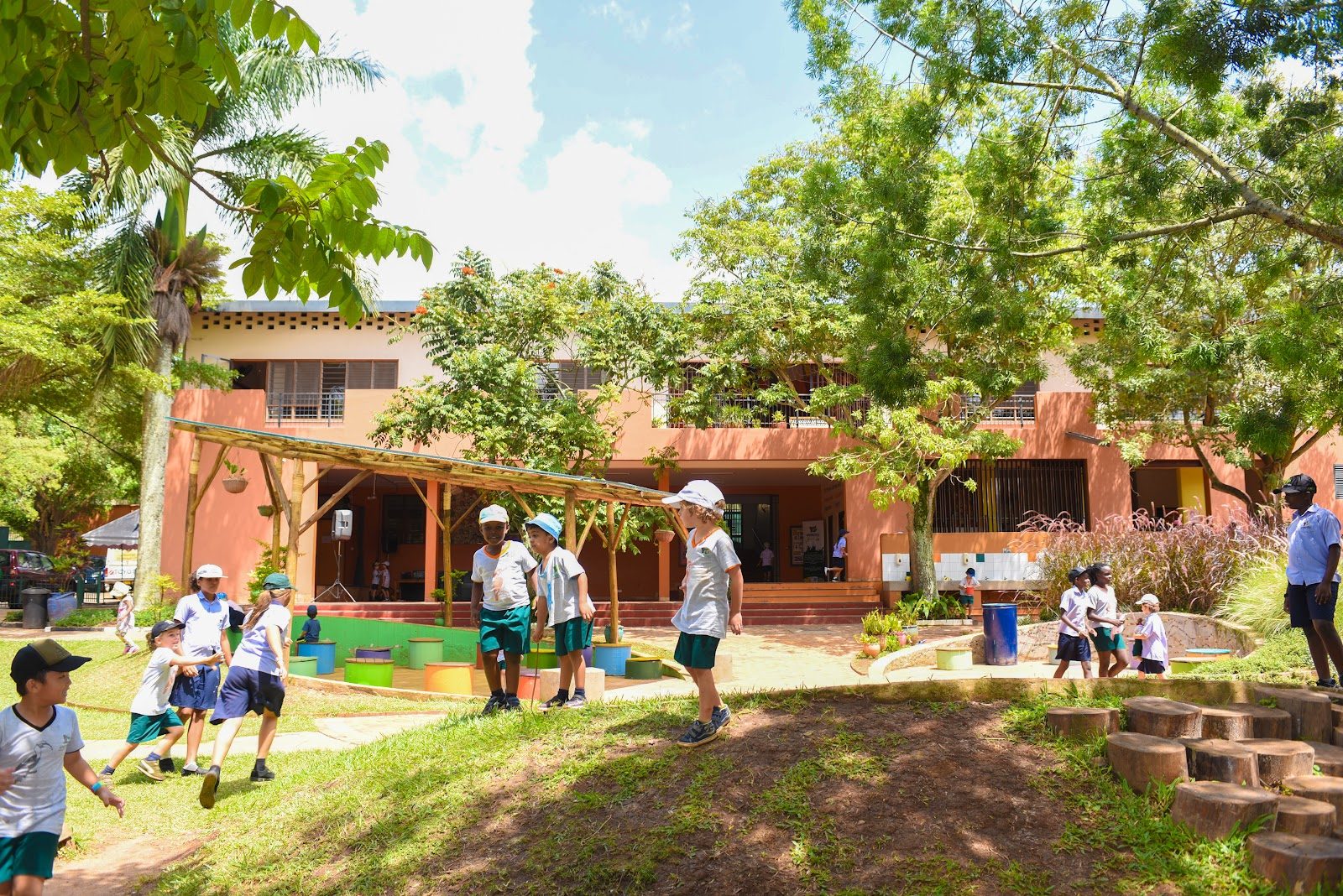
Photo © Ambrosoli International School via Google Maps
Type
Day
Ages
3–14
Curriculum
IB
Qualifications
IB MYP · IB PYP
Ratio
—
The Verdict
Editor's commitment
Right for
Kampala families wanting a day school in Bugolobi for ages 3–14, with English teaching and IB World School status.
Wrong for
Parents needing boarding, post-14 continuity, or a religious ethos; Ambrosoli is non-religious, day-only, and stops at age 14.
Watch out for
The headline credential is real: Uganda’s first IPC-accredited school in 2019. Today’s published accreditations are IB World School and CIS Affiliate.
Ranking breakdown
Ambrosoli International School · #1461 of 1591
Composite score 48.9. 8 weighted criteria.
By criterion
Academic Outcomes
Weight 20%
#1432
of 1529 scored
University Placement
Weight 16%
#1414
of 1529 scored
Prestige & Heritage
Weight 12%
#1456
of 1529 scored
Alumni Network
Weight 12%
#1398
of 1529 scored
Facilities
Weight 12%
#1499
of 1529 scored
Transparency & Communications
Weight 8%
#1471
of 1529 scored
Peer & Industry Review
Weight 10%
#1203
of 1529 scored
Admissions Selectivity & Demand
Weight 8%
#1394
of 1529 scored
Peer & Industry Review
How Ambrosoli International School is regarded in the sector
63
Respected · medium confidence
I could not identify at least two independent, verifiable third-party sources (e.g., Tatler, Good Schools Guide, specialist education press, or established expat forums) that substantively assess Ambrosoli International School's reputation. Available information appears limited to the school's own materials or unverifiable mentions, which do not meet the evidentiary threshold for scoring.
Editors' overview
Ambrosoli International School occupies a clear niche in Kampala: a small, non-religious day school for ages 3–14 that stops before the pressure-cooker years of older secondary education. Founded in 1998 and based in Bugolobi, it offers an English-medium international route under the IB banner, with the advantage of a scale that keeps children visible. That matters. In a market where many schools sell size, facilities and grand rhetoric, Ambrosoli’s appeal sits elsewhere: personal oversight, a calmer daily rhythm, and a primary-to-lower-secondary experience that does not swallow children in a large institutional machine.
What marks it out is its place in Uganda’s international-school landscape. The school’s own history gives it a distinct local claim: it became Uganda’s first IPC-accredited school in 2019. That is a concrete point of difference, not a decorative one. It tells parents that curriculum design and classroom structure matter here. The school also holds IB World School status and CIS Affiliate standing, which puts it in a credible international bracket without turning it into a sprawling expat enclave. For families who want structure without swagger and internationalism without social theatre, that combination carries weight.
This belongs on a shortlist for parents who value close attention, consistency and an age range that keeps the focus firmly on childhood and early adolescence. It suits children who do better in a contained environment, who benefit from teachers knowing them well, and who want an English-speaking international school without the scale or intensity of a big-through school. It also suits internationally mobile families who want recognised frameworks early on, before deciding on a separate path for the mid-teen years. The trade-off is obvious: this is not a full 3–18 school, so families need a planned exit at 14. For many, that is a drawback. For others, it is a disciplined, sensible stopping point.
The student who will thrive at Ambrosoli is not chasing spectacle. This is a school for children who need steady pastoral attention, a grounded community, and a setting where the adults keep a close grip on standards and day-to-day life. Parents who want bombast, elite signalling or a one-campus journey to university entrance will look elsewhere. Parents who want a serious early-years-to-middle-years school with a defined identity, credible international credentials and a less inflated atmosphere should give Ambrosoli hard consideration.
Academic Performance
Ambrosoli does not publish the hard data that lets parents judge academic performance against serious competitors. We have not seen aggregate IB outcomes, cohort averages, pass rates, subject distributions, or destination figures. For a school that stops before the senior secondary years, that gap matters in a specific way: parents are not buying headline diploma results, but they still need proof that pupils leave securely prepared for the next school. On that point, public evidence is thin. The school’s claims about educational quality rest more on programme structure and day-to-day provision than on externally benchmarked attainment.
That places Ambrosoli in a different competitive lane from Kampala schools that trade on published senior exam results or university destinations. Its academic case is stronger for families who value continuity, close oversight and a lower-drama early-to-middle schooling experience than for parents who insist on measurable outcome data. The school’s age range also limits the kind of examination profile it can present: there is no full through-school results story here, and no public set of upper-secondary numbers to compare with larger peers. In editorial terms, this is an opaque academic proposition. It may still be a sound one in practice, but the school does not publish the evidence that would let parents verify that with confidence.
Facilities
Ambrosoli’s facilities read as those of a compact urban school built for daily use rather than display. The public information points to the essentials: classrooms for the full age range it serves, specialist spaces tied to practical learning, outdoor play provision, and sports areas that support routine physical education rather than elite training. That places it below Kampala’s larger flagship internationals on sheer physical scale. Families will not find the showpiece campus formula here: no vast performing-arts complex, no resort-style aquatics, no heavy arsenal of premium specialist blocks. What they get instead is a contained, workable environment that fits younger children well and keeps movement around the campus simple. For a school of roughly 300 pupils, that matters more than architectural theatre.
Against peers, the comparison is straightforward. Larger through-schools in the city carry broader specialist infrastructure and more room for niche subjects, competitive sport and senior-level science. Ambrosoli does not compete on that ground. Its advantage lies in access over spectacle: children are less lost in the timetable, less squeezed out of shared spaces, and more visibly supervised. That suits families who value orderly, child-scaled provision over prestige hardware. The limitation is equally clear. As pupils move into early adolescence, some parents will want more advanced labs, bigger sports provision and a wider menu of dedicated specialist rooms than a school of this size can sustain.
In a city where many international schools chase scale and status, a school of about 300 pupils that keeps its focus this tight is genuinely distinctive
Prestige
Ambrosoli’s prestige sits in the credible but modest tier of Kampala’s international market. It carries real educational legitimacy through its IB World School status and CIS Affiliate membership, and its claim as Uganda’s first IPC-accredited school gives it a point of distinction that is more than branding. That matters for parents who care about recognised frameworks and external reference points. But prestige here does not come from social cachet, historic grandeur, selective mystique or a vast alumni machine. This is not the school families choose to signal rank. It is the school they choose when they want a serious, contained education without the theatre that clings to bigger names.
That is why the prestige rating lands in the middle rather than at the top. The school has earned credibility, but not the heavier aura that attaches to dominant through-schools with published outcomes, expansive campuses, deep sixth-form pathways and established university-placement narratives. Its age range caps its public profile; schools that stop at 14 do not command the same status as institutions that carry pupils through the final school-leaving years. For some families, that makes Ambrosoli feel practical rather than aspirational. For others, that is the attraction: a school with quiet substance, visible standards and less status noise. In prestige terms, it is respected, not coveted.
Ambrosoli International School occupies a clear niche in Kampala: a small, non-religious day school for ages 3–14 that stops before the pressure-cooker years of older secondary education
Communications
Ambrosoli communicates in the manner of a small school that expects close parent contact rather than arm’s-length customer management. The public-facing side is functional, not polished to corporate standards: basic school information is easy to locate, the tone is direct, and there is enough to establish ethos and daily shape. What is missing is the richer layer that demanding international parents now expect. We have not seen a strong archive of news, detailed academic reporting, or substantial public explanation of how pupils are assessed, supported and moved on to the next stage. That leaves the communications picture serviceable but thin. Parents who prize constant transparency and a dense flow of published information will find the school’s outward communication underpowered.
That does not make it ineffective. In schools of roughly 300 pupils, communication often works through proximity: parents know staff, questions are dealt with quickly, and issues do not vanish into a large administrative system. Ambrosoli’s scale works in its favour there. A contained age range also keeps messaging more focused; the school does not need to split attention across infant routines, sixth-form strategy and boarding logistics. The limitation sits at the strategic level. The school does not publish enough hard detail to let an outsider judge consistency, academic follow-through or the exact quality of parent reporting. The result is a communications culture that feels personal, immediate and practical at day-to-day level, but less rigorous when parents want documentary depth.
Uniqueness
Ambrosoli’s clearest point of difference is structural: it is built around childhood and early adolescence, then stops. That gives the school a different internal culture from all-through institutions organised around senior exams, sixth-form competition and university branding. The absence of an older cohort changes the temperature. Younger pupils are not living in the shadow of late-teen social hierarchies, nor pushed too early into a school identity dominated by high-stakes credentials. For children, that can mean a steadier pace, cleaner pastoral attention and a daily life calibrated to their stage rather than to the demands of older students. In a city where many international schools chase scale and status, a school of about 300 pupils that keeps its focus this tight is genuinely distinctive.
Its other unusual feature is the combination of international frameworks with a plainspoken, low-theatre delivery. The school’s claim as Uganda’s first IPC-accredited school is not cosmetic; it signals that curriculum architecture has been treated as serious work rather than decorative terminology. That benefits pupils through coherence: subjects connect, progression is easier to track, and transitions between phases carry less guesswork. For families, the result is a school that does one thing well instead of trying to be everything at once. The cost of that clarity is obvious. Children need a planned move on at 14. But for parents who want contained ambition rather than institutional sprawl, that limit is part of the school’s character, not a flaw.
That places it below Kampala’s larger flagship internationals on sheer physical scale
Student Profile
Ambrosoli suits children who do better when adults know them well and notice trouble early. The fit is strongest for pupils who are steady, conscientious and comfortable in a school where relationships carry weight. This is good territory for younger children who need close pastoral handling, clear routines and a setting that does not drown them in noise or scale. It also fits families new to international schooling who want a community that feels human-sized rather than transactional. Children who flourish here do not need a giant menu of options to stay engaged; they need consistency, visible expectations and teachers with the time to keep track of them.
The less natural fit is easy to identify. Highly competitive pupils who want a big senior-school atmosphere, a deep bench of specialist activities or the social energy of a large campus will outgrow this model faster. So will families who want public proof of top-end academic stretch before committing. Because the school ends at 14, it works best for parents who treat these years as a deliberate foundation phase and are prepared to move on cleanly for later adolescence. The sweet spot is the child who is bright, grounded and still better served by contained ambition than by institutional bravado. For that pupil, Ambrosoli offers a calm, watchful fit.
That is why the prestige rating lands in the middle rather than at the top
Co-curricular strengths
Arts & sport, on a separate axis
Overall 5.62/10
Scored 0-10 from the school's own published evidence. This axis is editorial-only — it does not feed the main WTS ranking.
Sports
5.8/10
Drama
5.2/10
Dance
5.4/10
Music
5.8/10
Visual Arts
5.9/10
Editor first-pass · editor-reviewable · 7/30/2026
Strengths
- +Follows the International Baccalaureate framework, offering a globally recognised curriculum pathway within Kampala's day-school market.
- +Rooted in the Comboni Missionary tradition, giving the school a long-standing, values-based community identity in Uganda.
- +Operates as a day school, avoiding the added boarding fees and logistics that some competitor international schools in Kampala carry.
- +Located in Kampala, making it accessible to the city's expatriate, diplomatic and NGO-worker population without requiring relocation to rural campuses.
Considerations
- −Its editorial rank (1365, candidate tier) indicates the school has not yet built the extensive independent track record or international profile of Kampala's larger established international schools.
- −Publicly available information on IB Diploma results, university placement outcomes and class-size data is limited, making outcome comparisons difficult for relocating families.
- −As a day school only, it offers no residential option for families who need boarding support during relocation.
- −Uganda's broader international-school market is small, so families should independently confirm which IB programmes (PYP, MYP, DP) are currently authorised and running before assuming full continuity.
Availability
Primary entry gate & tests
Academic Record
Gallery
Photo © Ambrosoli International School via Google Maps
Photo © Ambrosoli International School via Google Maps
Photo © Ambrosoli International School via Google Maps
Photo © Ambrosoli International School via Google Maps
Photo © Ambrosoli International School via Google Maps
Parent reviews
Have you sent your child here?
Voice reviews carry the strongest trust badge — we transcribe them for you to tidy up before they go live. Prefer to type? A written review is fine too.
Add your voice
In 60 seconds, tell other parents: what's the best thing about Ambrosoli International School, and what surprised you when your child joined?
We ask for a Google sign-in so every review has a real face behind it — no anonymous drive-by attacks on schools, and no faked positive reviews. Your email is never shown publicly.
Send this profile to a friend
International parents rely on word-of-mouth. Share this review with someone weighing the same decision.
Schools with places
Similar schools to Ambrosoli International School with places available now.
Sinarmas World Academy
Tangerang · Indonesia
- 2026-27
- WAITPOOLSpace-dependent
- 2027-28
- FUTURE CYCLEDates TBC
La Garenne International School
Villars-sur-Ollon · Switzerland
- 2026-27
- WAITPOOLSpace-dependent
- 2027-28
- FUTURE CYCLEDates TBC
École des Roches
Verneuil-sur-Avre · France
- 2026-27
- WAITPOOLSpace-dependent
- 2027-28
- FUTURE CYCLEDates TBC
Yew Wah International Education School of Beijing
Beijing · China
- 2026-27
- WAITPOOLSpace-dependent
- 2027-28
- FUTURE CYCLEDates TBC
Availability first, then country, area, curriculum, price, co-curricular
Consider also
Also worth looking at alongside Ambrosoli International School.
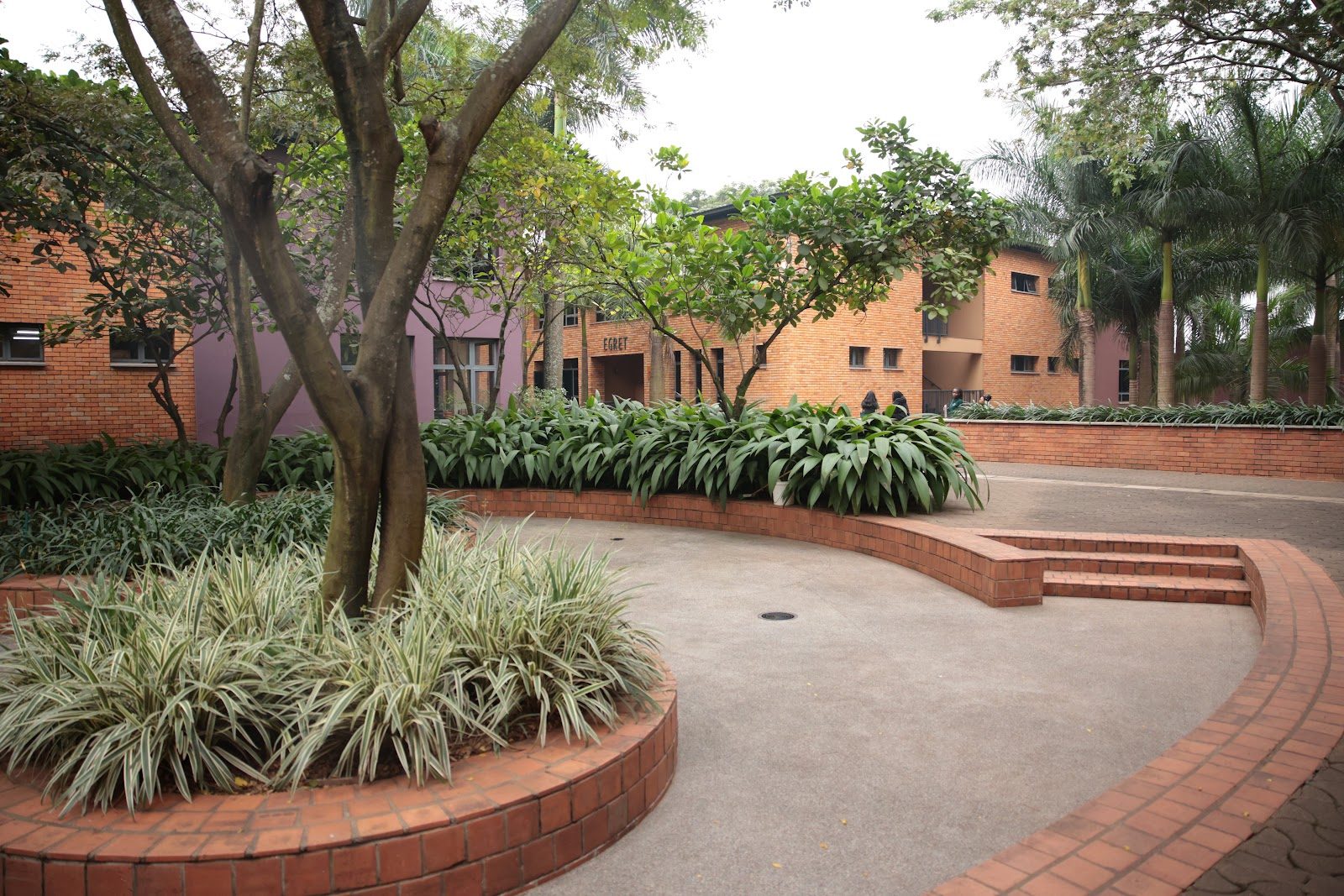
Kabira International School
Kampala · Uganda
A leafy Bukoto campus where the English National Curriculum feeds into Cambridge IGCSE and the IB Diploma for over 40 nationalities.
Aga Khan High School Kampala
Kampala · Uganda
Since 1959, Uganda's first multicultural school remains one of only four in the country authorised for the IB Diploma.
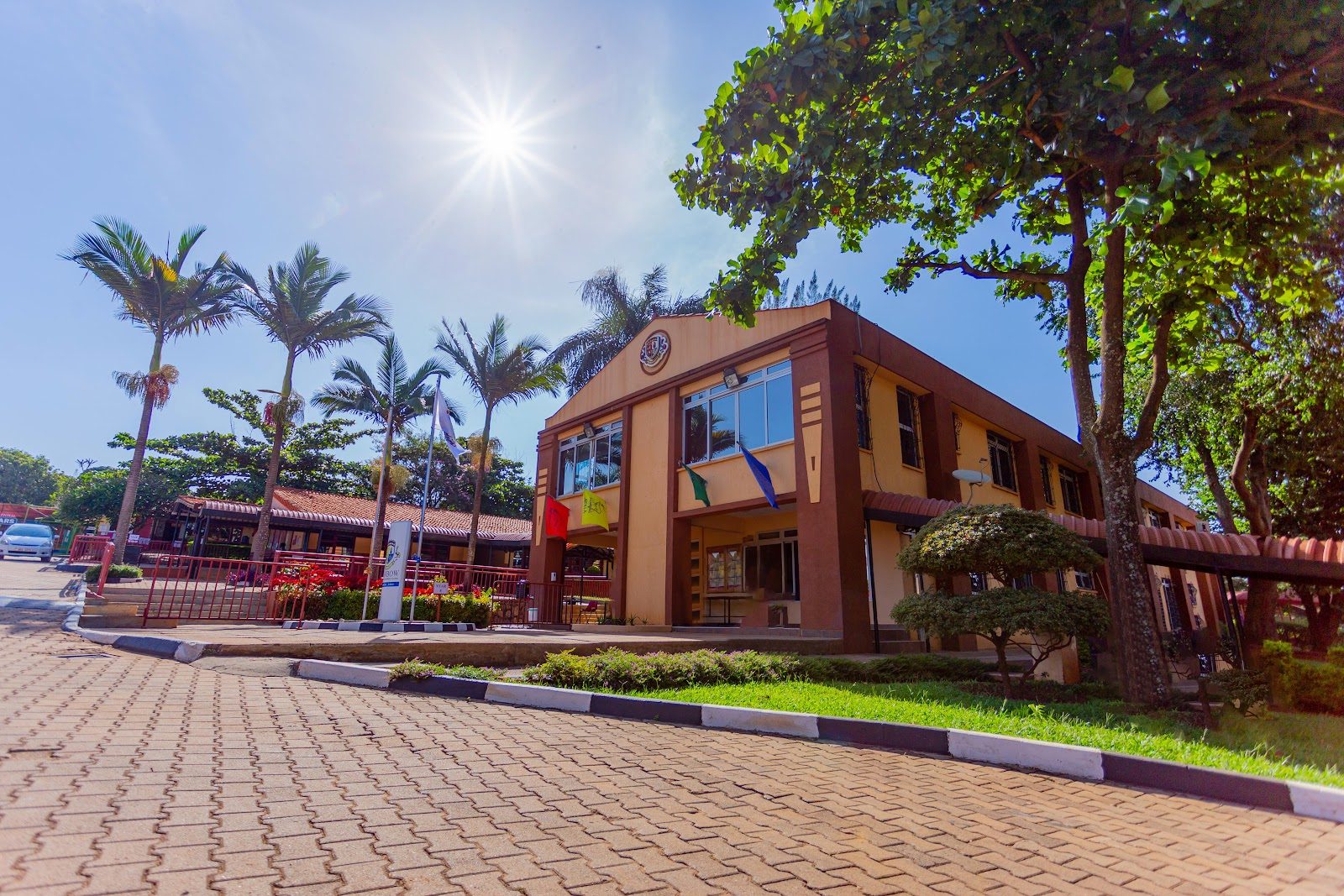
Rainbow International School Uganda
Kampala · Uganda
Sixty nationalities share a nine-acre Kampala campus where Cambridge IGCSEs and BTEC pathways lead side by side to university.
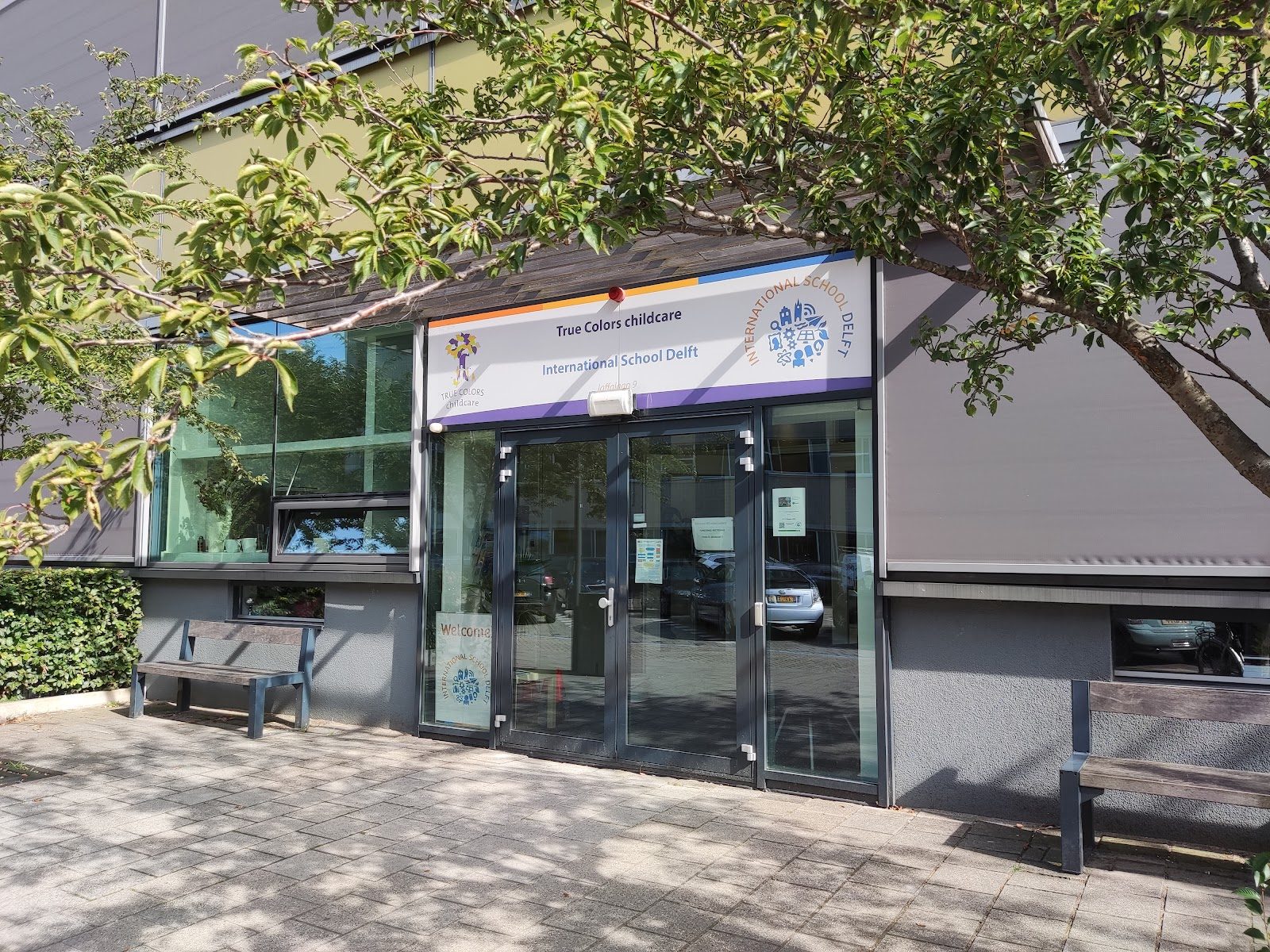
International School Delft
Delft · Netherlands
Set on the TU Delft campus, an IB continuum where design-thinking and engineering rigor shape every classroom
Same country and curriculum — closest matches within ±10 points either way