
District of Columbia
St. Anselm's Abbey School
low confidence· 2/6 cats · 2.25 avg sourcesBenedictine monks still teach the classics on a 40-acre wooded campus once ranked the nation's most academically demanding private high school.
Type
Day
Ages
11–18
Curriculum
American
Qualifications
AP
Ratio
6:1
The Verdict
Editor's commitment
Right for
Boys aged 11–18 who want a Catholic, Benedictine education, a 6:1 ratio and rigorous liberal-arts study on a 40-acre campus.
Wrong for
Families wanting co-education, girls’ places or boarding: this is a boys-only day school in Washington, D.C., for grades 6–12.
Watch out for
The average annual fee is $40,643, and the school states it admits young men with demonstrated academic achievement.
Ranking breakdown
St. Anselm's Abbey School · #714 of 1591
Composite score 66.4. 8 weighted criteria.
By criterion
Academic Outcomes
Weight 20%
#668
of 1529 scored
University Placement
Weight 16%
#736
of 1529 scored
Prestige & Heritage
Weight 12%
#734
of 1571 scored
Alumni Network
Weight 12%
#432
of 1530 scored
Facilities
Weight 12%
#1054
of 1533 scored
Transparency & Communications
Weight 8%
#865
of 1532 scored
Peer & Industry Review
Weight 10%
#793
of 1548 scored
Admissions Selectivity & Demand
Weight 8%
#647
of 1529 scored
Peer & Industry Review
How St. Anselm's Abbey School is regarded in the sector
67
Respected · medium confidence
Within the Washington Catholic-school landscape, St. Anselm's is generally regarded as a serious but niche alternative to larger, better-resourced boys' schools such as Georgetown Prep and Gonzaga -- respected for its Benedictine intellectual tradition rather than for scale, athletics or facilities. It rarely features in national single-sex or Catholic-school league tables dominated by bigger Washington institutions, and independent education guides treat it as a specialist, values-driven choice rather than a mainstream elite contender. University admissions offices in the region know the school primarily through consistent, modest-volume applicant pools rather than headline placement numbers, reflecting its small graduating classes. It has limited presence on the international/independent-school conference circuit compared with larger DC-area peers, consistent with its self-contained, community-focused model rather than an outward-facing, globally benchmarked one.
Editors' overview
Benedictine monks still teach on a 40-acre wooded campus in Washington, D.C., and that fact is more than a branding flourish. St. Anselm’s Abbey School is an all-boys Catholic day school for ages 11 to 18, founded in 1942, with a clear academic brief: rigorous liberal arts and sciences for boys with demonstrated academic achievement. The school states that mission plainly, and it matters. This is a serious intellectual culture, not a broad church trying to accommodate every temperament and ambition. The 6:1 student-teacher ratio reinforces that point. Small classes, close adult attention and a curriculum anchored in academic discipline give the school a deliberately demanding profile.
Its market position is distinctive. Washington has no shortage of strong private schools, but St. Anselm’s occupies a narrower lane: Catholic, Benedictine, academically exacting, male, and traditional without being archaic. Parents who want a co-ed, expansive menu of pathways, or a school that packages challenge in softer language, will find cleaner fits elsewhere. Parents who want a school that takes books, argument, writing and scholarship seriously should look hard here. The school is accredited by the Middle States Association of Colleges and Schools, and its American curriculum sits within a college-preparatory model that is explicit about preparing boys for “the demands of college”. At an average annual day fee of $40,643, it sits in the expensive end of the day-school market, but not at the stratospheric level of some East Coast independents. That price buys a sharply defined educational proposition.
The boy who will thrive here is bright, teachable, resilient and happy in a structured environment where adults expect real work. He does not need endless hand-holding, and he does not need school to mimic youth culture. He will value tradition, or at least tolerate it, and he will benefit from a setting where intellectual effort carries status. For the right family, that combination of Benedictine seriousness, academic pressure and close supervision is uncommonly coherent. For the wrong one, it will feel too narrow and too exacting. That clarity is a strength. Parents do not need to guess what St. Anselm’s is trying to do.
Academic Performance
St. Anselm’s trades on academic seriousness, but public exam data are strikingly thin. The school does not publish aggregate SAT, ACT or AP results, nor any year-on-year score profile that would let parents benchmark performance against Washington’s strongest independent schools. It does publish a class profile and college acceptances, which matters, but acceptances are an indirect measure and an imperfect one. In a market where top schools increasingly disclose at least some external metrics, that opacity is a weakness. Parents are asked to trust the school’s intellectual reputation and college-preparatory claims without the clean comparative evidence that ambitious families now expect.
That said, the available signals point in one direction. The school’s mission targets boys with demonstrated academic achievement; its liberal arts and sciences programme is explicitly rigorous; and the college counselling operation sits prominently within the academic offer. This is not a school built around broad access or a remedial academic model. Its peer set is the capital’s selective, high-expectation day schools, and within that group St. Anselm’s reads as a serious scholarly outfit with a more classical, more tightly drawn identity than many rivals. The absence of published headline scores stops short of proving elite exam performance. It does not, however, blunt the central conclusion: this is a demanding academic school whose reputation rests on stretch, discipline and preparation for competitive higher education, not on glossy claims or inflated marketing numbers.
Facilities
The defining facility here is the campus itself: a rarely tranquil stretch of woodland that gives the school physical separation from the churn of the city and reinforces its monastic seriousness. That matters more than glossy square footage. Many urban day schools in the capital work within tight footprints and vertical buildings; St. Anselm’s has room to breathe, move and think. The site also houses Saint Anselm’s Abbey, and that proximity is not decorative. It binds religious life, daily routine and school culture into one setting in a way few Catholic peers can match. The Stafford Library stands out as another important academic asset, less for spectacle than for fit: in a school built around reading, writing and intellectual discipline, a strong library is core infrastructure, not a brochure extra.
Parents should keep their expectations calibrated. This does not read like a campus selling itself on arms-race amenities or lavish specialist centres across every discipline. The most visible current capital project is the Benedictine Learning Center, which indicates investment, but the school does not publish the kind of exhaustive facilities inventory that top independent rivals with major development programmes often use to advertise advantage. Athletics, arts, clubs and summer programmes are all present, and the wooded estate gives them a strong base, yet the real facilities edge lies in coherence rather than excess. Against peers, St. Anselm’s offers a distinctive physical environment and a purpose-built scholarly atmosphere, not the broadest or flashiest plant.
In a market where top schools increasingly disclose at least some external metrics, that opacity is a weakness
Prestige
St. Anselm’s carries real intellectual prestige, but it is a narrow kind of prestige and that distinction matters. This is not the loud, socially dominant prestige of a giant legacy brand with endless facilities and a huge alumni machine. Its standing rests on something harder to fake: a clear scholarly identity, a long-established monastic tradition, and a reputation for taking academic work seriously in a city full of competitive independents. The monks are not decorative. Their presence gives the school a distinctive seriousness that many religious schools have diluted and many secular schools cannot replicate. Add the 6:1 staffing ratio and an all-boys cohort selected for prior academic strength, and the status proposition becomes clear: this is a school for families who prize discipline, books, argument and close adult oversight over breadth, flash or social theatre.
That earns St. Anselm’s high esteem among parents who know the market, but not universal cachet. Its prestige is specialist rather than mass-market. The school does not publish the sort of headline exam data that would settle arguments quickly, and that weakens its claim against the most transparent top-tier rivals. Nor does its identity suit every ambitious family; some will read the same traditionalism as too narrow or too austere. Still, in its own lane, St. Anselm’s has genuine authority. At an average annual fee of $40,643, families are buying into a school with a sharply defined academic culture, not a fashionable badge.
The absence of published headline scores stops short of proving elite exam performance
Communications
St. Anselm’s communicates like a school with an old-fashioned sense of hierarchy and a clear chain of responsibility. The public-facing structure is tidy: admissions, new-student onboarding, transport, college counselling, athletics, arts, calendars, forms and documents all sit in obvious places, and the route to the right office is easy to follow. Contact details are plain, named teams are visible, and practical parent business does not drown in branding copy. That matters. Families need dates, processes, forms and people, not slogans. The website delivers those essentials with disciplined clarity. The school also signals a culture of direct contact rather than constant digital hand-holding: visit programmes, admissions staff, coach directories and college counselling all point to communication that is person-led and structured, not chatty.
The limitation is breadth. We have not seen much that spells out how the school communicates once a boy is enrolled: no rich public explanation of parent portals, reporting rhythms, app ecosystems, or the cadence of routine school-home updates. Some schools publish that machinery in detail because they know parents want proof of administrative grip. St. Anselm’s does not. That leaves a mixed verdict. The outward communications are orderly, serious and serviceable; they fit a school that values substance over polish. They do not project the hyper-transparent operating style now common at the most digitally sophisticated independents. For families who prefer concise, adult communication, that will suit. For parents who want exhaustive visibility into every channel and every process, it is a weaker showing.
Uniqueness
What marks St. Anselm’s off from rival independents is not religion alone, or selectivity alone, but the fact that Benedictine monks still sit inside the educational core rather than at its ceremonial edge. That produces a school with a lived monastic identity, not a borrowed Catholic veneer. Boys are taught in an environment where scholarship, routine, service and Christian life are tied together with unusual force. The result is a culture that gives intellectual effort real status and strips away a good deal of adolescent performance. In a sector crowded with schools that promise “whole child” breadth, St. Anselm’s offers something narrower and more exacting: a community built around study, moral seriousness and adult authority. The all-boys model sharpens that further. For the right pupil, it creates a high-focus atmosphere with fewer distractions and clearer expectations.
That distinctiveness brings concrete advantages. The low staffing ratio, the college-preparatory structure, the library, the house system, community service and the school’s own Christian life all point in the same direction: boys are known closely, pressed hard and formed deliberately. Students gain from tight cultural coherence. They know what the school values, and so do their teachers. There is less institutional noise, less identity confusion and less temptation to dilute standards in pursuit of fashion. The trade-off is plain. This is not a pluralistic catch-all and it does not flatter every temperament. Boys who want looser boundaries or a more expansive social mix will chafe. Boys who want depth, order and demanding adults will get a rare education.
Anselm’s offers a distinctive physical environment and a purpose-built scholarly atmosphere, not the broadest or flashiest plant
Student Profile
The boy who fits here is academically able, male, and comfortable with adults who set a high bar and expect him to clear it without drama. This is a school for pupils who read willingly, argue carefully, write with discipline and can tolerate correction. The all-boys setting matters: it creates a social environment that many families value for focus, but it also narrows the mix. Boys who need constant affirmation, softer edges or a more consumer-friendly version of schooling will find the culture too stern and too exacting. Boys who enjoy structure, intellectual competition and clear rules will find it deeply congenial. The low staffing ratio of 6:1 strengthens that fit. A pupil is not easy to hide here, whether he is thriving or coasting.
Temperament counts as much as raw ability. St. Anselm’s suits boys who can live inside a Catholic, Benedictine framework without resistance and who are ready for a community where scholarship carries social weight. The school’s own mission refers to students with demonstrated academic achievement, and that line tells parents a great deal. This is not an access-first institution trying to stretch itself around every learning profile. It is a selective-minded, bookish school with a high-control culture. The right student will value that clarity. The wrong one will feel pinned down by it. Families choosing St. Anselm’s need to want formation as well as education.
Their presence gives the school a distinctive seriousness that many religious schools have diluted and many secular schools cannot replicate
Co-curricular strengths
Arts & sport, on a separate axis
Overall 7.68/10
Scored 0-10 from the school's own published evidence. This axis is editorial-only — it does not feed the main WTS ranking.
Sports
8.7/10
Focuses heavily on inclusive fitness and urban recreation, constrained by its compact vertical campus layout.
Drama
8.4/10
Intellectually rigorous dramatic tracking that pushes advanced scriptwriting and nuanced performance.
Dance
4.5/10
Kept strictly as a minor auxiliary component for stage movement in musical theater or physical conditioning matrices.
Music
8.5/10
Deeply institutionalized choral and string tracking modules feeding active regional touring groups and seasonal events.
Visual Arts
8.3/10
Highly structured fine art layout leaning heavily toward technical drawing, fine oils, and advanced portfolio mastery.
Strengths
- +Rigorous liberal arts and sciences focus
- +Catholic Benedictine formation is explicit
- +College-preparatory mission is clearly stated
- +Day school for boys aged 10–18
Considerations
- −Boys-only model will not suit all families
- −Catholic Benedictine ethos may feel too specific
- −Day-only provision means no boarding option
Availability
Primary entry gate & tests
ISEE/SSAT + Interview
Parent reviews
Have you sent your child here?
Voice reviews carry the strongest trust badge — we transcribe them for you to tidy up before they go live. Prefer to type? A written review is fine too.
Add your voice
In 60 seconds, tell other parents: what's the best thing about St. Anselm's Abbey School, and what surprised you when your child joined?
We ask for a Google sign-in so every review has a real face behind it — no anonymous drive-by attacks on schools, and no faked positive reviews. Your email is never shown publicly.
Send this profile to a friend
International parents rely on word-of-mouth. Share this review with someone weighing the same decision.
Schools with places
Similar schools to St. Anselm's Abbey School with places available now.
Maret School
Washington, D.C. · United States
- 2026-27
- CLOSEDRegular cycle closed
- 2027-28
- PLACES OPENCloses 6 Jan '27
St. Albans School
Washington, D.C. · United States
- 2026-27
- CLOSEDRegular cycle
- 2027-28
- OPENS SOONOpens Sept '26
Sidwell Friends School
Washington, D.C. · United States
- 2026-27
- CLOSEDRegular cycle
- 2027-28
- OPENS SOONOpens Aug '26
Availability first, then country, area, curriculum, price, co-curricular
Consider also
Also worth looking at alongside St. Anselm's Abbey School.
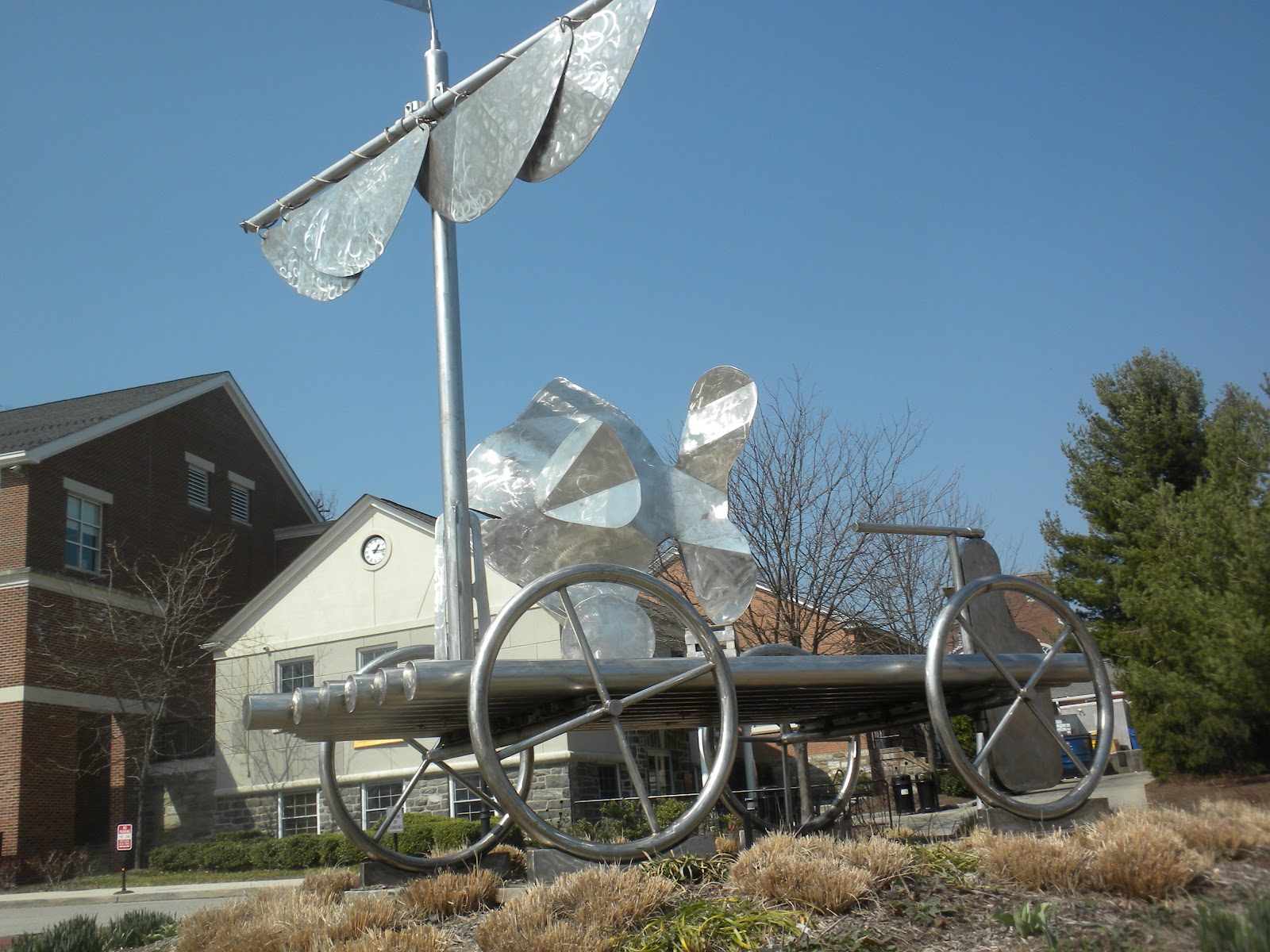
The Haverford School
Haverford · United States
Since 1884 on Philadelphia's storied Main Line, an all-boys campus balances rigorous academics with athletics and the arts.
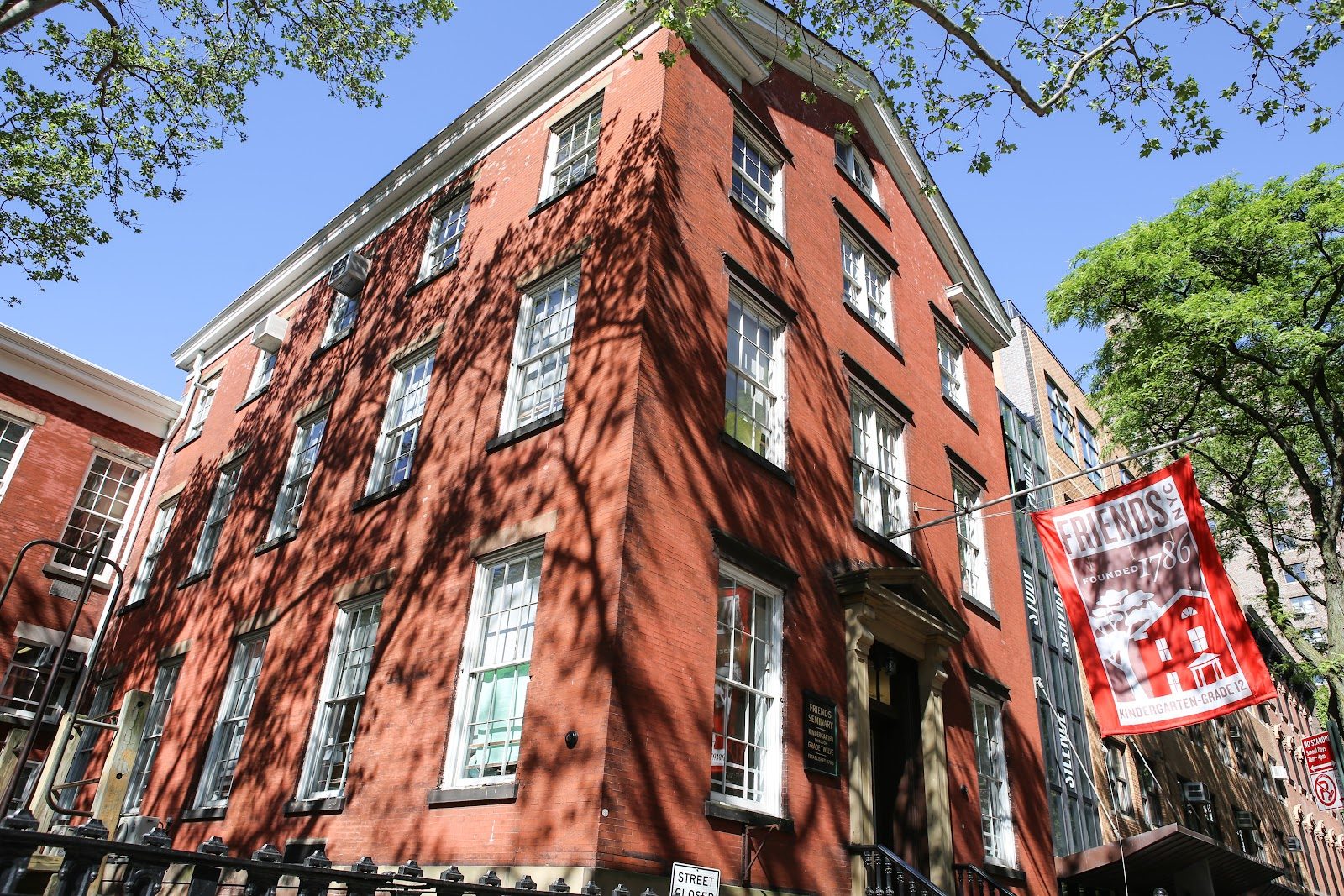
Friends Seminary
New York City · United States
Founded in 1786, the oldest coeducational school in New York City still teaches Quaker simplicity and peace amid Manhattan's bustle
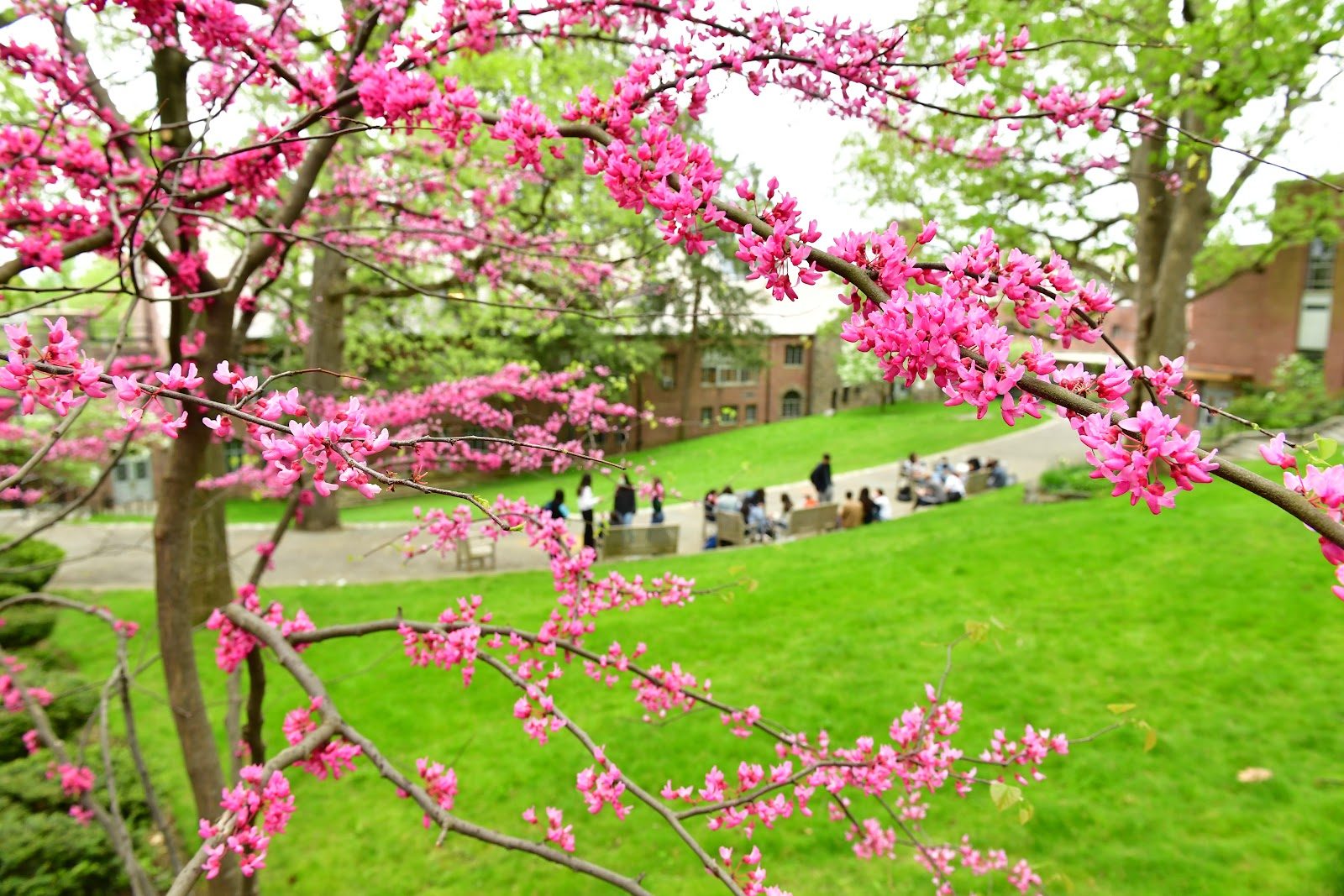
Ethical Culture Fieldston School
New York City · United States
Rooted in Felix Adler's 1878 Ethical Culture movement, its wooded Riverdale hilltop campus still anchors progressive American pedagogy.
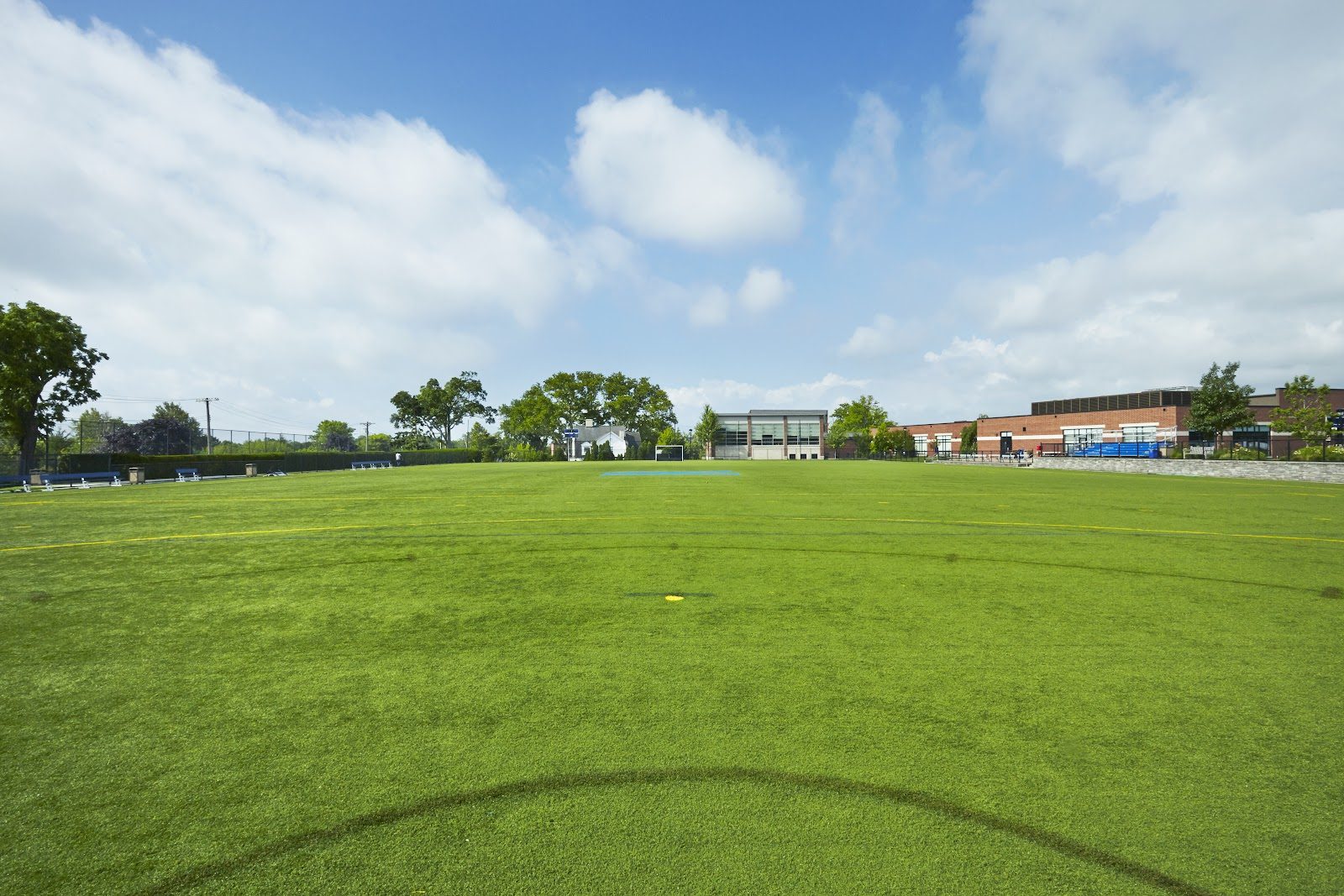
Rye Country Day School
Rye · United States
Founded in 1869 as a girls' seminary in Westchester, this campus still measures success by its motto: not for self, but for service.
Same country and curriculum — closest matches within ±10 points either way