
Florida
Pine Crest School
high confidence· 6/6 cats · 3.15 avg sourcesBorn as a 1930s tutoring practice for winter visitors, this Fort Lauderdale day school now tops the nation's Challenge Index rankings.
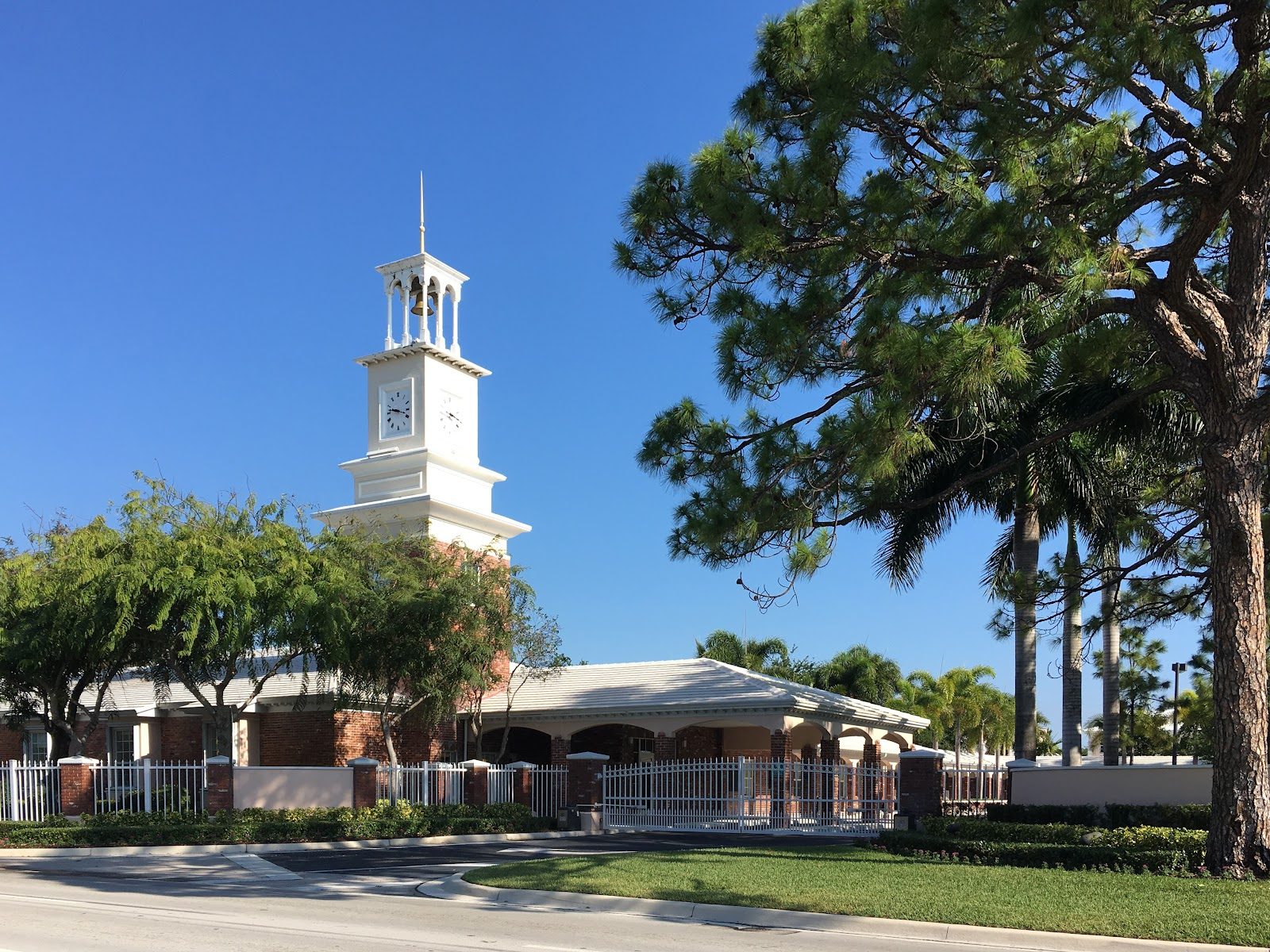
Photo © Iouri Dovnarovich via Google Maps
Type
Day
Ages
3–18
Curriculum
American
Qualifications
AP
Ratio
—
The Verdict
Editor's commitment
Right for
Families who want a non-religious American day school, founded in 1934, with NEASC and NAIS backing and a serious alumni bench.
Wrong for
Parents seeking boarding, low fees or a small-town feel; this Fort Lauderdale operation runs to an average US$43,998 a year.
Watch out for
Two campuses add complexity, and Pine Crest does not publish headline exam outcomes; prestige rests on reputation, accreditations and 42 verified notable alumni.
Ranking breakdown
Pine Crest School · # of 1591
Composite score 69.5. 8 weighted criteria.
By criterion
Academic Outcomes
Weight 20%
#585
of 1529 scored
University Placement
Weight 16%
#516
of 1529 scored
Prestige & Heritage
Weight 12%
#597
of 1571 scored
Alumni Network
Weight 12%
#389
of 1530 scored
Facilities
Weight 12%
#559
of 1534 scored
Transparency & Communications
Weight 8%
#592
of 1532 scored
Peer & Industry Review
Weight 10%
#640
of 1548 scored
Admissions Selectivity & Demand
Weight 8%
#438
of 1529 scored
Score history
Pine Crest School · 2026
Movement across 2024–2026. Peer average overlaid.
Overall — 2024–2026
69.5/ 100
▲ +8.6 vs 2025
year on year
Peer & Industry Review
How Pine Crest School is regarded in the sector
68
Respected · medium confidence
Pine Crest School is consistently ranked among Florida's top private K-12 schools on Niche.com and regional 'best schools' lists, and is known for strong college placement and notable alumni including professional athletes and entertainers. It has solid regional reputation and visibility in local/regional education press, though it lacks the global cachet or consistent mentions in international specialist publications like Tatler or Good Schools Guide that would place it in the top tier.
Evidence sources
Editors' overview
Pine Crest started life in 1934 as a tutoring outfit for winter residents; today it sits in a very different market: the upper tier of American private day schooling in South Florida. This is a non-religious school in Fort Lauderdale, with a second campus in Boca Raton, teaching an American curriculum in English from age 3 to 18. The fee level tells you where it competes: an average annual day fee of $43,998 across the full school. That puts Pine Crest firmly in the expensive bracket, and parents should expect substance in return. The school’s own case rests on specialist spaces rather than vague rhetoric: entrepreneurship suites, innovation labs for design and coding, organic gardens used for sustainability work, professional-grade broadcast and film studios, performance facilities, and serious athletic provision. That combination gives Pine Crest a broad and deliberately modern programme, with more weight on applied learning than many traditional college-prep schools.
What puts it on a shortlist is not charm or heritage alone, but reach. Pine Crest has NEASC and NAIS accreditation, which matters, and it has a verified alumni floor of 42 notable alumni in Wikidata spanning politics, finance, science, writing, film, music and elite sport. That breadth signals a school with real cultural and professional output, not a one-lane academic factory. The public presentation also leans hard into leadership language, media production, engineering and entrepreneurship. Some schools talk about “future readiness” and then deliver a standard timetable in renovated classrooms; Pine Crest has built spaces around those claims. That makes it more ambitious than ornamental.
The right student for Pine Crest is bright, busy and comfortable with pressure. This is a day school for children who want strong academics but do not want to live inside a narrow exam machine. It will suit pupils who want to perform, build, code, report, compete, design and test ideas in front of other people. It will also suit families who value a high-output, well-resourced environment and can pay for it. It is less suited to children who need a very small, understated setting or who thrive only in a quietly traditional school culture. Pine Crest’s appeal lies in scale, facilities and momentum: a long-established school that now sells a distinctly contemporary version of American private education.
Academic Performance
Pine Crest sits in the top-flight of US private-school academic performance. The clearest external marker is its record on The Washington Post’s Challenge Index, where it has held the No. 1 spot nationally. That metric rewards breadth of participation in college-level courses and exams, not just a polished set of top-end scores, so the ranking matters: it points to a school that pushes a large share of its upper-school cohort into demanding work. In an American day-school market where many institutions advertise “rigour” but publish little that can be tested, Pine Crest has a public third-party distinction with real weight. Relative to peers in South Florida, that places it in the serious academic bracket rather than the country-club tier.
What the school does not publish, at least in public view, is the deeper score data parents increasingly ask for: aggregate AP results, SAT or ACT averages, matriculation patterns by university band, or any longitudinal outcomes table. That opacity limits fine-grained comparison with academically selective rivals that disclose more. Even so, a school does not reach the summit of a national course-rigour index by accident. The academic picture here is high-pressure, broad-based and clearly geared towards ambitious university destinations. Parents who want a hard evidence culture will still want fuller results data; parents who prize visible stretch and institutional momentum already have a strong signal.
Facilities
Facilities are a central part of Pine Crest’s proposition, and the school has invested in spaces that support production rather than mere display. The standout assets are the purpose-built environments for computer science, engineering and robotics, entrepreneurship, student media, performance and sport. The strongest detail in the school’s own description is functional: entrepreneurship suites model collaborative work settings; innovation spaces are built for designing, coding and experimentation; broadcast journalism, film and digital media sit in professional-level studios; and the gardens are used as working classrooms for sustainability and agriculture. That puts Pine Crest ahead of many American private day schools that still rely on a standard academic core plus a theatre, a gym and a token maker space. Here, the facilities point to a deliberately contemporary school with a high-output view of learning.
Against close peers, that breadth matters more than sheer architectural gloss. Plenty of expensive day schools have polished arts centres and strong athletics; fewer can show serious provision across engineering, media production, enterprise and environmental study at the same time. The dual-campus structure also gives the school more operational room than a single compact urban site. The weak point is one of disclosure, not hardware: the school advertises categories of space well, but publishes little hard detail on scale, specialist equipment lists or comparative capacity. Even so, the picture is clear. These are substantial, programme-shaping facilities, not decorative real estate built to impress on tour day.
Pine Crest sits in the top-flight of US private-school academic performance
Prestige
Pine Crest carries genuine national prestige. In American private-school terms, that matters more than local cachet or polished marketing. The school has a rare external distinction that cuts through brand noise: it has sat at the top of a national rigour ranking that rewards heavy participation in advanced academic work across the cohort, not just a thin layer of star performers. That gives Pine Crest standing with ambitious families who want proof that a school drives stretch at scale. Add an average annual fee of $43,998, and the competitive set is clear: this is not merely an affluent day school, but one that trades on elite academic pressure and expects families to buy into it.
Prestige also rests on output, and Pine Crest has more than one lane. Its verified notable-alumni floor stands at 42, spread across politics, finance, scholarship, writing, screen, music and top-level sport, with 4 verified star-tier awards in the arts and music. That breadth strengthens the case that the school produces people with public reach, not just strong college applications. The caveat is important: the school’s public profile leans heavily on institutional momentum, facilities and broad accomplishment, while key outcome data remain undisclosed. So this is high-status, high-expectation prestige rather than the old-money mystique of a Northeastern boarding grande école. For many families, that makes it more convincing, not less.
Pine Crest markets programmes and spaces fluently, but too much of the communication stops at the level of theme and invitation
Communications
Pine Crest communicates like a school that expects parents to transact with it online first. The website is well organised, with clear routes to inquire, visit and apply, a visible alert banner for admissions timing, and a broad top-level menu that reaches beyond admissions into academics, student life, wellbeing, transport, uniforms, giving and alumni. That matters. Parents do not need to dig through a maze to find operational basics. The school also signals a high-control, institutionally polished approach through dedicated areas such as community resources, accessibility, careers and a parent-facing portal. The public-facing message is consistent: this is a busy, high-expectation school with a lot going on, and its communications architecture is built to manage volume.
The weak point is depth. Pine Crest markets programmes and spaces fluently, but too much of the communication stops at the level of theme and invitation. Parents get plenty on vision, culture and experience; they get less hard disclosure on the measures that matter once a child is enrolled. Public exam aggregates are absent, and the same pattern applies more widely: there is limited granular data on outcomes, capacity or comparative performance. That makes the school’s communications effective for recruitment and general orientation, but less satisfactory for families who want a forensic read on delivery. In plain terms: strong on navigation, strong on institutional messaging, weaker on hard proof.
Uniqueness
What marks Pine Crest out is not one signature trick, but the way it fuses several high-status school identities into one institution. Many American private schools do one or two things well: old-school college prep, high-end sport, polished arts, or a modern innovation pitch. Pine Crest pushes all of them at once. The student experience runs through performance, broadcast journalism, film, entrepreneurship, engineering, robotics, coding, gardens used for environmental study, and serious athletic training. That mix gives the school a restless, high-output character. It does not educate children for quiet compliance; it trains them to make, test, present and compete. For students, that brings unusual range. A child can move between labs, studios, stages, pitches and collaborative workspaces without the programme feeling bolted together from separate departments.
The other point of difference is scale of ambition. Pine Crest talks in the language of perspective, leadership and future readiness, but the distinctive part is that the infrastructure backs it up. The media studios, enterprise spaces and innovation rooms are not decorative extras attached to a conventional prep school; they shape the daily model. That matters because it produces a more public, more demanding education. Students are asked to turn ideas into visible work, whether that means a production, a prototype, a broadcast piece or a competitive performance. For the right child, that is electrifying. It builds fluency across disciplines and confidence under scrutiny. For a more private or low-key student, it can feel intense and relentlessly performative.
Pine Crest talks in the language of perspective, leadership and future readiness, but the distinctive part is that the infrastructure backs it up
Student Profile
The students who thrive here are high-drive, articulate and happy being stretched in public. This is a school for children who do not just want good lessons, but want to turn work into performance, production, competition or enterprise. The public emphasis on journalism, film, robotics, engineering, entrepreneurship and athletics points to a pupil body that is busy, outward-facing and comfortable moving between disciplines. A strong fit is the child who likes deadlines, auditions, showcases, pitches, fixtures and collaborative projects; the one who gains energy from momentum rather than from a quiet, cloistered routine. The school’s national academic standing and its $43,998 average annual fee also tell you something about the social and intellectual temperature: expectations are unambiguously high, and families are buying into a demanding culture.
Less suited are students who need a gentler, low-stimulus environment or who dislike visible comparison with capable peers. Pine Crest’s own language centres leadership, confidence and challenging norms. That rewards students with initiative and self-possession, but it can expose children who are academically able yet cautious, highly private or slow to find their voice. The right pupil does not need to be extrovert in the crude sense, but does need a degree of poise, resilience and willingness to participate. In plain terms, this suits the ambitious all-rounder more than the narrowly bookish specialist, and the self-starting teenager more than the child who waits to be carried.
This is a non-religious school in Fort Lauderdale, with a second campus in Boca Raton, teaching an American curriculum in English from age 3 to 18
Co-curricular strengths
Arts & sport, on a separate axis
Overall 8.78/10
Scored 0-10 from the school's own published evidence. This axis is editorial-only — it does not feed the main WTS ranking.
Sports
9/10
Extensive dedicated athletics facilities including a health and fitness center, two gymnasia, three pools, track, ten tennis courts, boathouse and multiple fields, alongside multi-tier varsity/JV/middle school sport and numerous state titles, which supports a sustained high-level sports programme.
Drama
8.8/10
Drama is anchored by three verified star-tier alumni laureates (Kelsey Grammer, Jeff Marx and David L. Cook), and multiple arts venues plus recurring Upper School play and musical productions, settling this as at least an 8.
Dance
8.5/10
Wikipedia names a dedicated Palmer Dance Studio and describes formal ballet training with an annual ballet in the Student Cultural Arts Series, giving both a dedicated facility and recurring named productions.
Music
8.8/10
Music is supported by a named ensemble, practice facilities for music, recurring jazz, band, choral and strings concerts in the Student Cultural Arts Series, and a verified Grammy-winning alumna (Ariana Grande), which anchors at least a 7.
Visual Arts
8.8/10
A visual and performing arts programme with the Mae McMillan Fine Arts Center, art studios, photography facilities and an annual art exhibit, evidencing dedicated facilities plus recurring exhibition activity.
Editor first-pass · editor-reviewable · 7/28/2026
Notable alumni · Wikidata
42notable alumni
0 historic (born pre-1930) · 20 modern (born post-1970)wikidata:2026-07-28 How we source this
Strengths
- +Founded in 1934 and serving over 2,600 students across two Florida campuses (Fort Lauderdale and Boca Raton), giving it long institutional history and scale rarely matched by regional private schools.
- +The Washington Post's Jay Mathews Challenge Index has ranked Pine Crest highly nationally for its Advanced Placement course access, and the school offers 34 AP courses plus additional Post-AP seminars.
- +Class of 2026 produced seventeen National Merit Semifinalists, indicating a strong pipeline of high-achieving students in the senior cohort.
- +Average standardized test scores are strong, with SAT averages around 1391-1398 and ACT averages around 31-32 reported for recent graduating classes.
- +Low student-teacher ratio (around 9:1 to 1:12 depending on source) supports smaller class sizes across grades PK through 12.
Considerations
- −Tuition is a major financial commitment, with high school (grades 9-12) fees reported at roughly $44,880 to $47,305 depending on the source and year, well above typical US private school averages.
- −Admission is highly selective, with an acceptance rate reported around 14%, meaning many qualified applicants are turned away.
- −The school does not accept outside scholarship funds, which can complicate financial planning for families relying on external or state assistance.
- −As a large, mainstream American day school with two Florida campuses only, it offers no boarding option (the boarding program ended in 2001) and no international campus network, limiting flexibility for relocating families needing residential care.
Availability
Primary entry gate & tests
ISEE/SSAT + Interview
Gallery
Photo © Khye Vogt via Google Maps
Photo © Khye Vogt via Google Maps
Photo © Khye Vogt via Google Maps
Photo © Khye Vogt via Google Maps
Photo © Khye Vogt via Google Maps
Photo © Khye Vogt via Google Maps
Photo © Khye Vogt via Google Maps
Photo © Khye Vogt via Google Maps
Photo © Sergio Farias via Google Maps
Parent reviews
Have you sent your child here?
Voice reviews carry the strongest trust badge — we transcribe them for you to tidy up before they go live. Prefer to type? A written review is fine too.
Add your voice
In 60 seconds, tell other parents: what's the best thing about Pine Crest School, and what surprised you when your child joined?
We ask for a Google sign-in so every review has a real face behind it — no anonymous drive-by attacks on schools, and no faked positive reviews. Your email is never shown publicly.
Send this profile to a friend
International parents rely on word-of-mouth. Share this review with someone weighing the same decision.
Schools with places
Similar schools to Pine Crest School with places available now.
Availability first, then country, area, curriculum, price, co-curricular
Consider also
Also worth looking at alongside Pine Crest School.
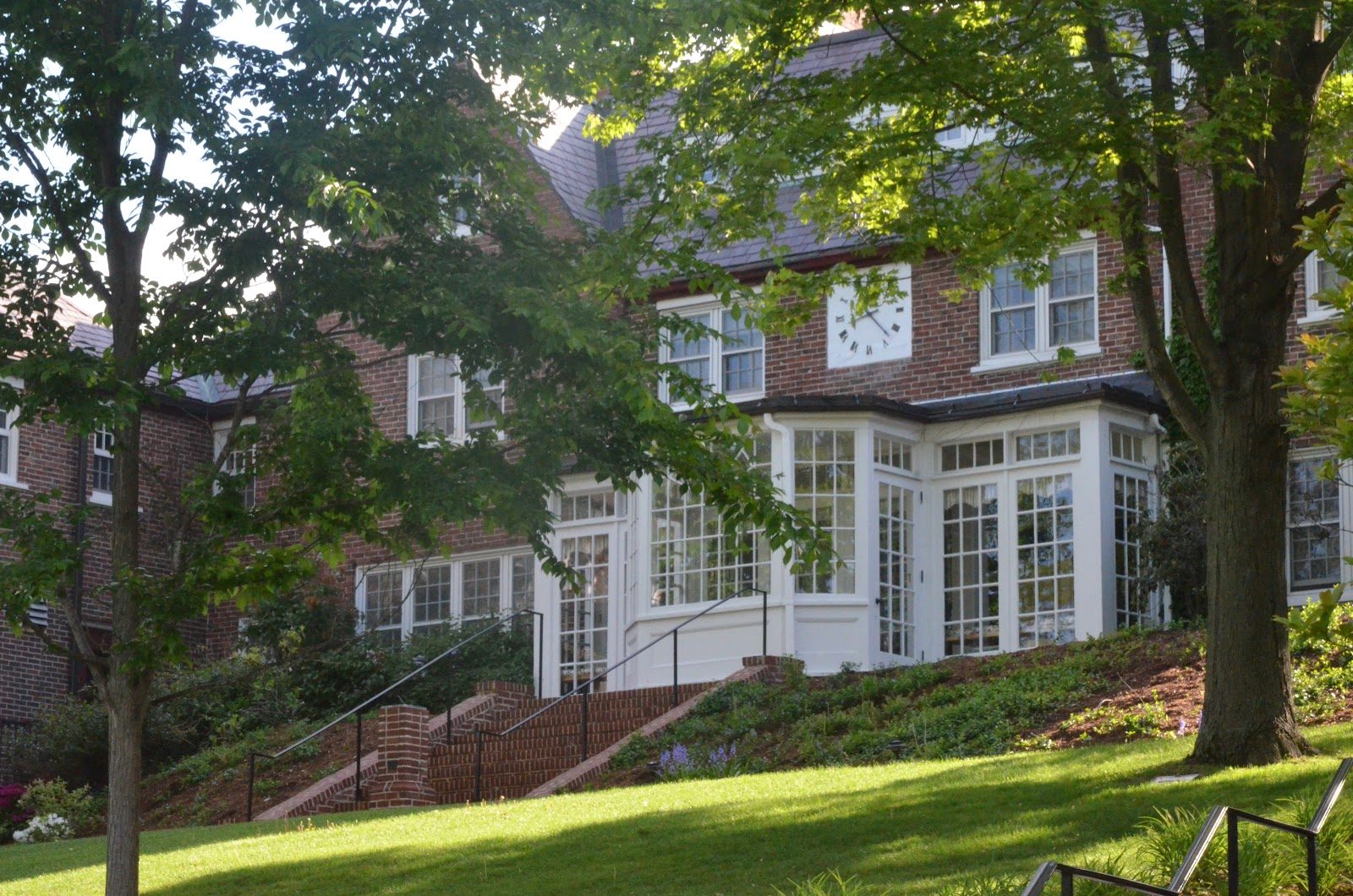
Belmont Hill School
Belmont · United States
A hilltop day school outside Boston, where jacket-and-tie ritual and family-style lunch anchor a century-old all-boys formation.
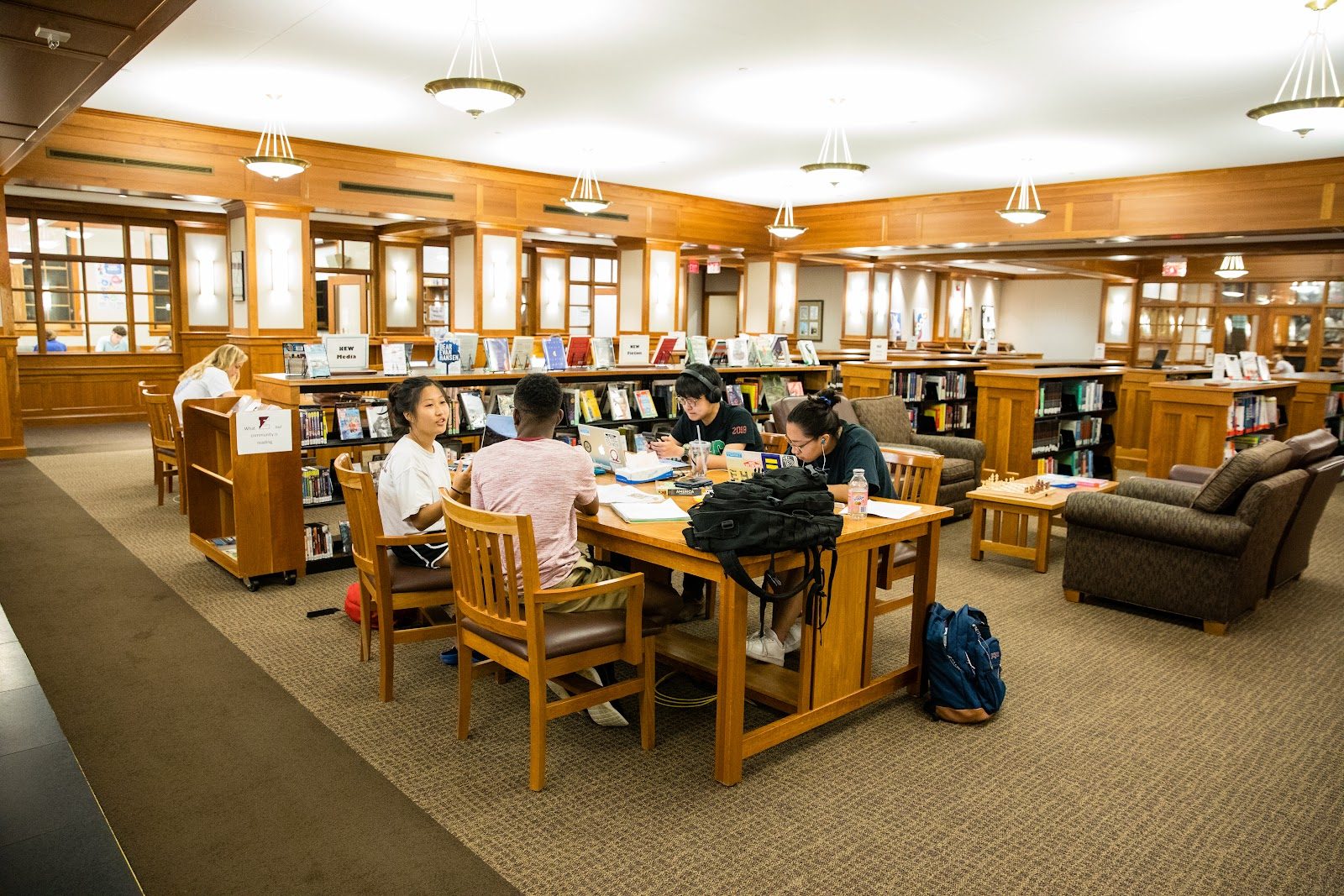
Episcopal High School
Alexandria · United States
A 130-acre hilltop campus 10 minutes from the Capitol, running America's only fully residential school of its caliber in a major metro area.
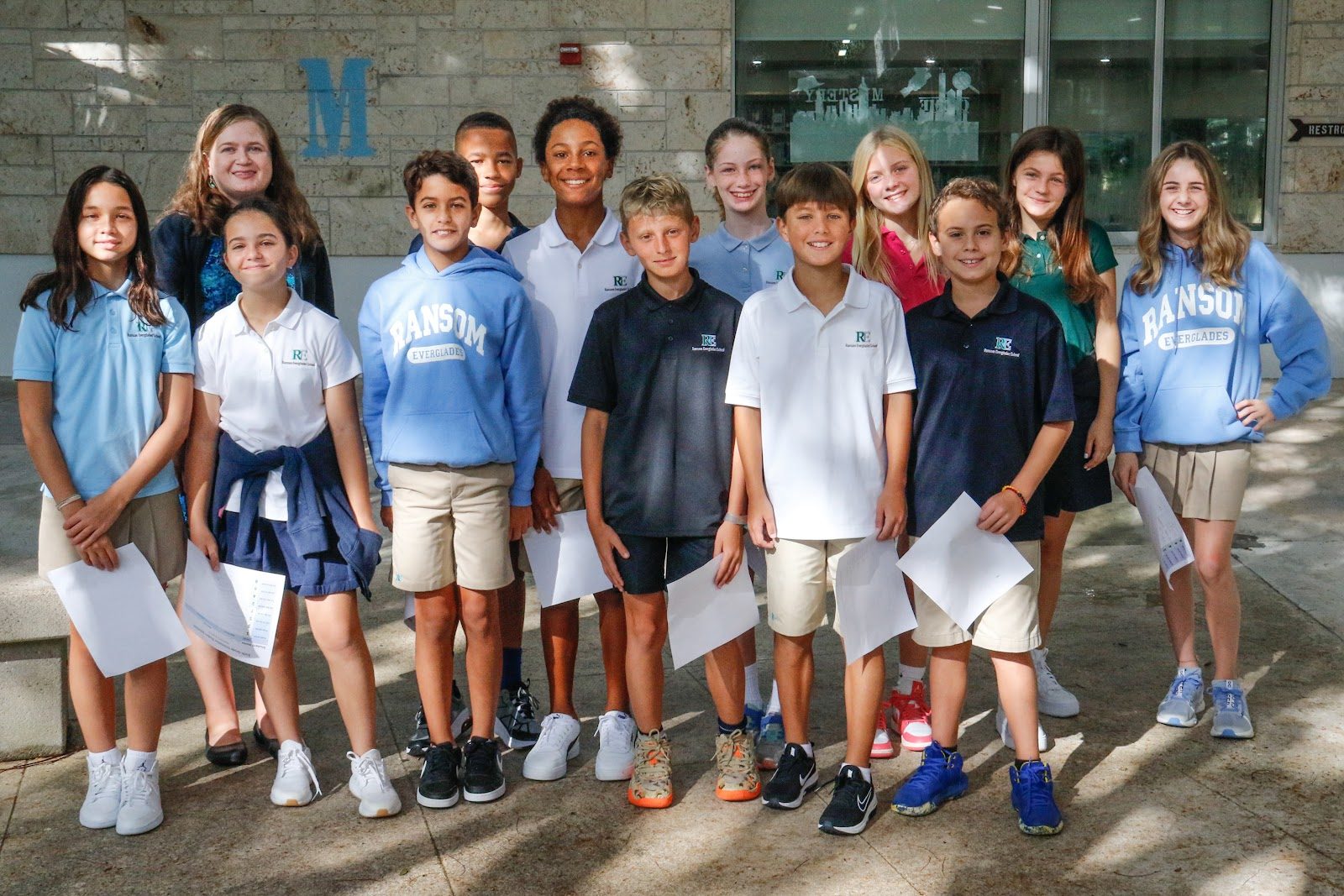
Ransom Everglades School
Miami · United States
On Biscayne Bay since 1903, where sailing and marine science turn the water itself into a classroom
The Hill School
Pottstown · United States
Born in 1851 as the nation's first family boarding school, still pairing faculty and students under one roof on a Pottstown hilltop.
Same country and curriculum — closest matches within ±10 points either way