
District of Columbia
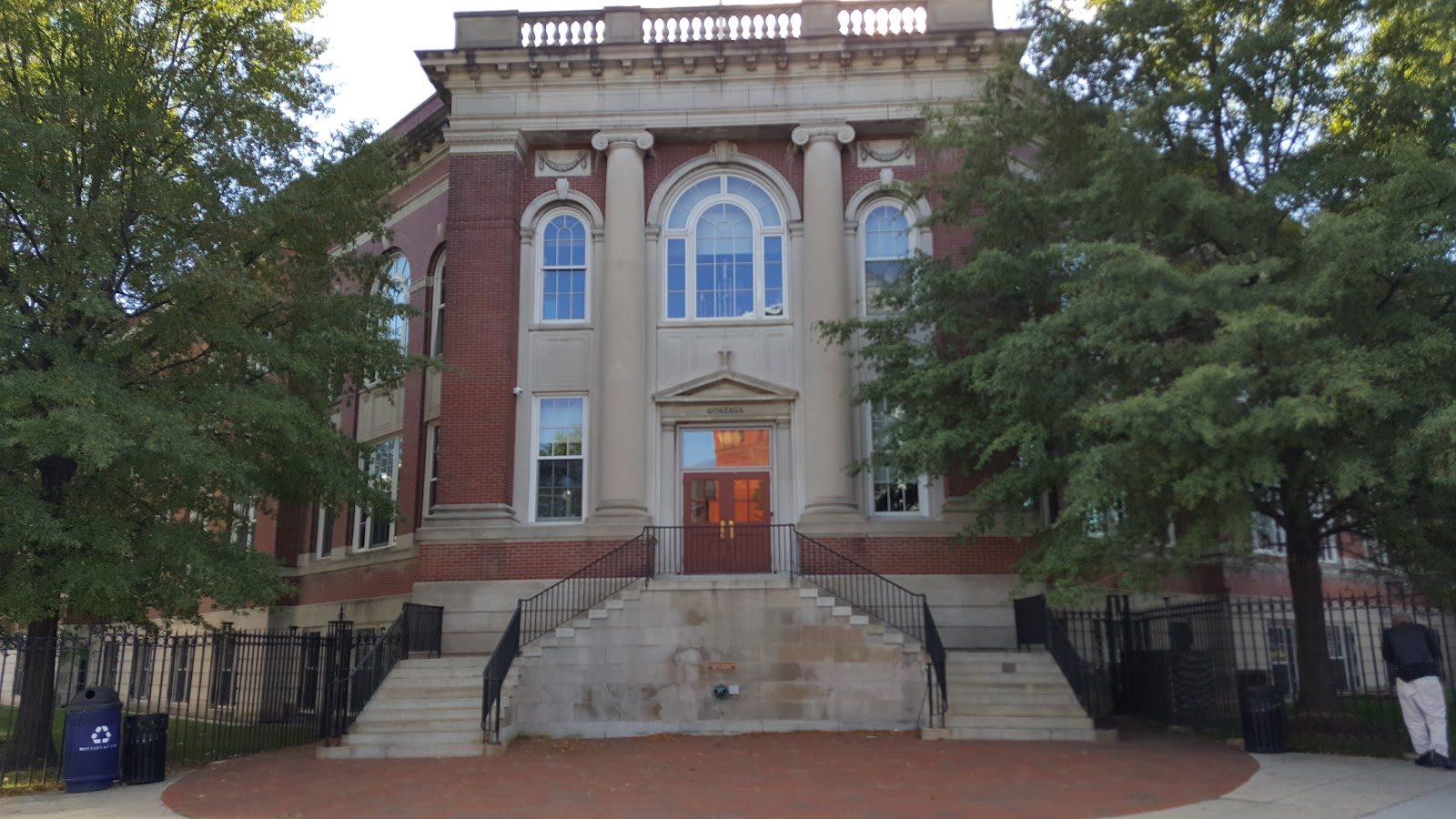
Gonzaga College High School
low confidence· 2/6 cats · 2 avg sourcesSince 1821, the oldest boys' school in the nation's capital has paired Jesuit rigor with a campus steps from Capitol Hill.
Type
Day
Ages
13–18
Curriculum
American
Qualifications
AP
Ratio
1:12
The Verdict
Editor's commitment
Right for
Boys aged 13–18 who want a Catholic day school in Washington, D.C., with American academics and a 1:12 student-teacher ratio.
Wrong for
Girls, boarders, and families wanting a secular or non-American curriculum; Gonzaga is a boys' Catholic day school founded in 1821.
Watch out for
NAIS accreditation and a Capitol Hill address do not answer the key question: the school does not publish exam outcomes here.
Ranking breakdown
Gonzaga College High School · # of 1591
Composite score 66.7. 8 weighted criteria.
By criterion
Academic Outcomes
Weight 20%
#855
of 1529 scored
University Placement
Weight 16%
#848
of 1529 scored
Prestige & Heritage
Weight 12%
#597
of 1571 scored
Alumni Network
Weight 12%
#334
of 1530 scored
Facilities
Weight 12%
#721
of 1534 scored
Transparency & Communications
Weight 8%
#722
of 1532 scored
Peer & Industry Review
Weight 10%
#891
of 1548 scored
Admissions Selectivity & Demand
Weight 8%
#760
of 1529 scored
Peer & Industry Review
How Gonzaga College High School is regarded in the sector
66
Respected · medium confidence
Within Washington's Catholic-school hierarchy, Gonzaga is respected chiefly through athletics and Jesuit-network standing rather than glossy league-table placement: its WCAC basketball rivalry with DeMatha Catholic is closely covered by local press and gives it a visible peer profile among DC's storied schools (St. Albans, Georgetown Prep, DeMatha). As a member of the Jesuit Schools Network, it is regarded by fellow Jesuit institutions as a serious, mission-faithful peer rather than an academic outlier. University admissions offices in the DC/Maryland/Virginia corridor know it as a reliable, if not headline, feeder of well-prepared, service-oriented applicants, particularly to Jesuit universities (Georgetown, Boston College, Holy Cross) and regional selective schools. Independent education-review sites (Niche, GreatSchools) place it consistently among DC's stronger Catholic options, citing academic rigor and diversity of intake, though it rarely appears in the same breath as the city's non-denominational elite day schools in national prep-school rankings. Coverage skews local (Washington Post sports and metro sections) rather than national education press, reflecting its regional rather than nationally competitive reputation.
Editors' overview
Gonzaga College High School occupies a rare position in Washington: a Catholic boys’ day school founded in 1821, Jesuit in ethos, academically demanding, and planted near Capitol Hill rather than marooned on a suburban campus. That combination matters. The school offers an American college-preparatory education with a clear religious and moral frame, and it does so at an institution old enough to carry real civic and ecclesial weight in the city. What stands out is not novelty but continuity: institutional seriousness, Jesuit intellectual discipline, and a stated commitment to forming “men for and with others”. Parents looking for a school that treats faith, study, service and co-curricular life as one enterprise will find Gonzaga compelling.
The school’s distinctiveness rests on three things. First, the Jesuit model: rigorous academics tied to reflection, service and social justice rather than grades alone. Second, scale and breadth. With 37 teams across 18 sports, plus a full arts and activities programme, Gonzaga offers the kind of participation menu that keeps boys busy, stretched and accountable. Third, the setting. A central Washington location gives the school a stronger urban identity than many American independents, and the presence of the Father McKenna Center homeless shelter on campus sharpens the service mission from slogan to lived fact. That gives Gonzaga a hard-edged sense of purpose and a city-facing conscience that many religious schools claim and few embody so directly.
This is not the right school for every boy. Gonzaga suits students who thrive with structure, expectation and a values-led culture; boys who want sport, service, campus ministry, clubs and academic pressure to sit in the same week; boys who respond to adult authority rather than resist it on principle. The published student-teacher ratio of 1:12 supports access to staff, but no parent should mistake that for a small, intimate liberal enclave. Gonzaga’s identity is clear, traditional and male. Families wanting a secular environment, a progressive pastoral idiom, or a looser approach to discipline and religious life should look elsewhere. Families wanting moral seriousness, competitive energy and a school that takes formation as seriously as university preparation should put Gonzaga high on the shortlist.
Academic Performance
Gonzaga does not publish aggregate SAT, ACT or AP outcomes in the public domain. That is a material gap for a school that trades on academic seriousness. Parents can see the architecture around university preparation — a dedicated college counselling function, transcript services, summer learning, a library, global education, and a curriculum the school itself calls rigorous — but not the hard comparative data that would let families place Gonzaga cleanly against selective Catholic and independent peers. In this respect, the school asks for trust where top schools now publish evidence. For a reader trying to judge academic firepower, that lack of disclosure is the main weakness.
Even so, Gonzaga fits the profile of a high-expectation, unapologetically traditional college-preparatory school with real breadth beyond lessons. A 1:12 staffing ratio points to solid classroom access, and the school’s institutional weight, extensive co-curricular offer and explicit emphasis on intellectual excellence all indicate a demanding academic culture rather than a soft one. Relative to peers in Washington’s competitive private-school market, Gonzaga sits in the serious contender bracket, but without published aggregate exam data it does not earn a top-table academic verdict on evidence alone. The school’s academic reputation rests on mission, structure and college-prep intent; the missing piece is transparent results.
Facilities
Gonzaga’s facilities strength sits in breadth rather than architectural spectacle. The school supports a full secondary life on one urban campus: library, chapel, theatre infrastructure, music and visual arts spaces, television and broadcast production, athletic training and performance, guidance and college counselling, and an unusually deep sports platform with 37 teams across 18 sports. That matters. Many city schools claim range but force trade-offs because space is tight; Gonzaga’s published programme indicates a campus built to keep boys moving between lessons, training, rehearsal, service and pastoral support without hollowing any one strand out. The most distinctive facility is not glamorous at all: the Father McKenna Center homeless shelter on campus gives the service mission a rare institutional seriousness and a hard moral reality that peer schools do not match.
Against Washington-area independent and Catholic competitors, Gonzaga looks well equipped and operationally mature, especially for athletics and co-curricular participation. It does not read like a design-forward, luxury-campus school built to impress on a tour. Parents hunting for cutting-edge maker spaces, headline science complexes or resort-style amenities will find the public picture thin; the school does not foreground that kind of capital-project theatre. What it does show is a campus organised around use, tradition and throughput. For its peer group, that is a serious, high-functioning facilities profile, with strongest value in sport, arts production, pastoral infrastructure and the integration of service into daily school life.
In this respect, the school asks for trust where top schools now publish evidence
Prestige
Gonzaga carries real local prestige and a narrower, more traditional kind of institutional cachet than many broad-market American independents. Its standing rests on three durable assets: Jesuit identity, longevity, and visibility in the civic life of the capital. This is not a fashionable school trading on novelty. It is an established Catholic boys’ school with a public moral vocabulary, a strong alumni culture, and the confidence to keep religion, service and academic pressure in the same frame. For many families in Washington’s Catholic and professional circles, that mix confers serious social credibility. The athletic platform strengthens that profile too: 37 teams across 18 sports give Gonzaga a level of public presence that reaches well beyond the classroom.
The prestige, though, has limits, and they matter. Gonzaga’s name carries more weight in Washington and in Jesuit or Catholic networks than it does as a universally recognised national luxury-school badge. This is substantial prestige, not finishing-school glamour. The Father McKenna Center on campus adds something more interesting than polish: it gives the school a harder moral identity than many faith schools manage, tying service to daily reality rather than brochure language. That deepens the school’s seriousness. Still, prestige built on history, mission and community standing only goes so far. Because Gonzaga does not publish aggregate SAT, ACT or AP results, part of its reputation rests on inherited esteem rather than transparent academic proof.
Parents looking for a school that treats faith, study, service and co-curricular life as one enterprise will find Gonzaga compelling
Communications
Gonzaga’s parent communication looks structured, frequent and functional. The site itself is dense but serviceable: core routes for admissions, tuition and financial aid, calendars, athletic schedules, news, livestream ticketing, parent clubs, bookstore access, transcript requests and a full faculty and staff directory are all easy to identify. That matters because schools with sprawling co-curricular programmes live or die by operational clarity. Gonzaga also publishes named contact points rather than hiding behind generic forms, and the parent ecosystem has real scaffolding through the Mothers Club, Fathers Club and Eagles’ Wings. Add the prominence of news, social media and team pages, and the picture is of a school that communicates as an active institution, not a closed clerical fortress. The low staffing ratio of 1:12 also supports parent access in practice.
The weakness is tone and navigability. Gonzaga’s website carries the weight of a long-established school that has added layers over time: a great many tabs, nested menus and audience pathways compete at once. Parents new to the school will need to work harder than they should to distinguish what is essential from what is legacy. That does not amount to opacity, but it does produce a crowded, old-school user experience. For current families, the system will work; for prospective families, it asks for patience. The communication style fits the school’s culture: institutionally serious, information-rich, and more interested in getting the machinery of school life across than in polishing a sleek front-end.
Uniqueness
What sets Gonzaga apart is not heritage alone but the way that heritage is made concrete. This is a Jesuit boys’ school with a homeless shelter on campus, and that fact changes the meaning of “service”. At many religious schools, service lives in scheduled volunteering and polished rhetoric. Here, the social mission sits next door. That gives Gonzaga a rare moral immediacy and a less sanitised education than many affluent college-prep schools offer. Students do not encounter need as an abstract issue raised in theology class; they study in an institution where the claims of dignity, justice and obligation press in from the edge of daily school life. For the right boy, that produces a harder, more demanding kind of formation.
The other point of difference lies in the school’s combination of urban setting, explicit Catholic identity and unusually deep co-curricular infrastructure for a single-sex day school. The scale of athletics — 37 teams in 18 sports — signals a place built around participation, discipline and public competition, not a niche academic enclave. Add student publications, television and broadcast production, retreats, Christian service, sacramental life, music, theatre and visual arts, and Gonzaga offers boys several routes into responsibility and self-command. The result is a high-accountability environment in which faith, competition, leadership and service are expected to coexist. That mix will sharpen boys who want structure and purpose; it will jar with boys who want detachment, anonymity or a lighter-touch culture.
First, the Jesuit model: rigorous academics tied to reflection, service and social justice rather than grades alone
Student Profile
The Gonzaga boy fits a school that asks for commitment on several fronts at once. He can handle academic pressure, take correction from adults without making a theatre of it, and accept that faith, service, sport and school life are not optional add-ons but part of the same formation. This is a boys’ school with a clear moral code and a high-accountability culture. Students who do well here tend to be energetic, coachable and willing to join in, whether that means teams, productions, publications, retreats or Christian service. The scale of the activities programme — 37 teams across 18 sports — tells you a lot about the social centre of gravity: participation matters, and idleness will stand out.
The right student does not need to be a star athlete or a pious extrovert, but he does need some appetite for structure and for belonging to an institution bigger than himself. Gonzaga suits boys who respond to ritual, expectation and community standards; boys who can move between classroom seriousness and public school spirit without irony. It is not a refuge for drifters or for teenagers who want anonymity. Nor is it a natural fit for families seeking a light-touch, negotiable culture around religion or discipline. Boys who want a hard-edged, purposeful adolescence, with service carrying real weight rather than token hours, will fit well.
That gives Gonzaga a hard-edged sense of purpose and a city-facing conscience that many religious schools claim and few embody so directly
Co-curricular strengths
Arts & sport, on a separate axis
Overall 7.92/10
Scored 0-10 from the school's own published evidence. This axis is editorial-only — it does not feed the main WTS ranking.
Sports
9.5/10
Absolute athletic giant in D.C.'s WCAC league; fields historically dominant varsity football, basketball, and lacrosse programs with a direct Ivy League recruitment pipeline.
Drama
8.3/10
Ambitious theater tracking staging high-quality classical and modern plays inside the fine arts centers.
Dance
4.5/10
Kept strictly as a minor auxiliary component for stage movement in musical theater or physical conditioning matrices.
Music
8.8/10
Strong brass bands, traditional choirs, and jazz ensembles supported by professional-tier performance halls.
Visual Arts
8.5/10
Highly structured fine art layout leaning heavily toward technical drawing, portrait design, and portfolio curation.
Strengths
- +Founded 1821; unusually deep institutional history.
- +Jesuit Catholic setting offers clear religious framework.
- +Washington, D.C. location suits internationally mobile families.
- +Notable football, basketball and lacrosse programmes.
Considerations
- −Boys-only school limits coeducational experience.
- −Day school only; no boarding option.
- −American curriculum may not suit all transfers.
Availability
Primary entry gate & tests
District Residency Required
Gallery
Parent reviews
Have you sent your child here?
Voice reviews carry the strongest trust badge — we transcribe them for you to tidy up before they go live. Prefer to type? A written review is fine too.
Add your voice
In 60 seconds, tell other parents: what's the best thing about Gonzaga College High School, and what surprised you when your child joined?
We ask for a Google sign-in so every review has a real face behind it — no anonymous drive-by attacks on schools, and no faked positive reviews. Your email is never shown publicly.
Send this profile to a friend
International parents rely on word-of-mouth. Share this review with someone weighing the same decision.
Schools with places
Similar schools to Gonzaga College High School with places available now.
Maret School
Washington, D.C. · United States
- 2026-27
- CLOSEDRegular cycle closed
- 2027-28
- PLACES OPENCloses 6 Jan '27
St. Albans School
Washington, D.C. · United States
- 2026-27
- CLOSEDRegular cycle
- 2027-28
- OPENS SOONOpens Sept '26
Sidwell Friends School
Washington, D.C. · United States
- 2026-27
- CLOSEDRegular cycle
- 2027-28
- OPENS SOONOpens Aug '26
Availability first, then country, area, curriculum, price, co-curricular
Consider also
Also worth looking at alongside Gonzaga College High School.
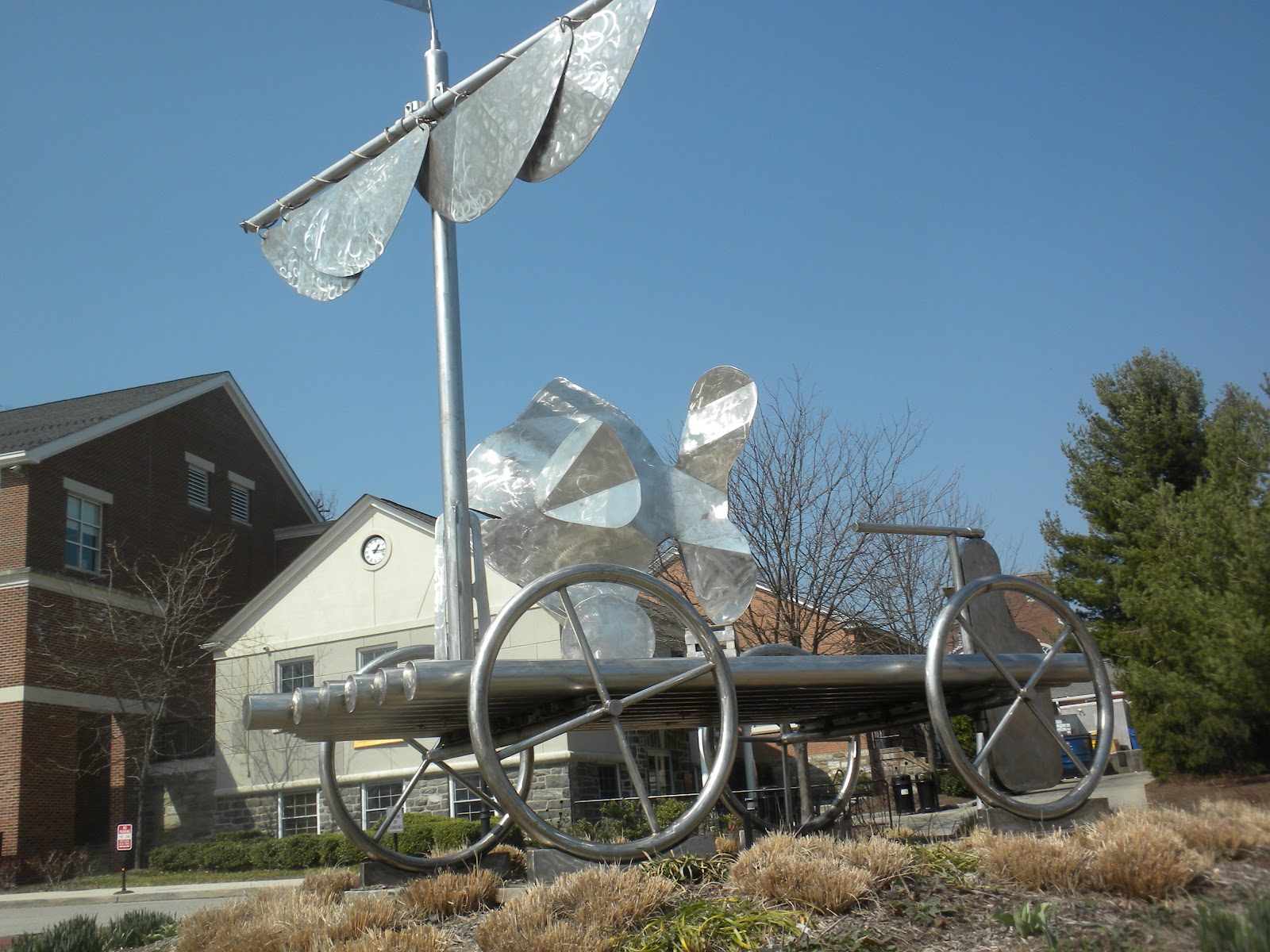
The Haverford School
Haverford · United States
Since 1884 on Philadelphia's storied Main Line, an all-boys campus balances rigorous academics with athletics and the arts.
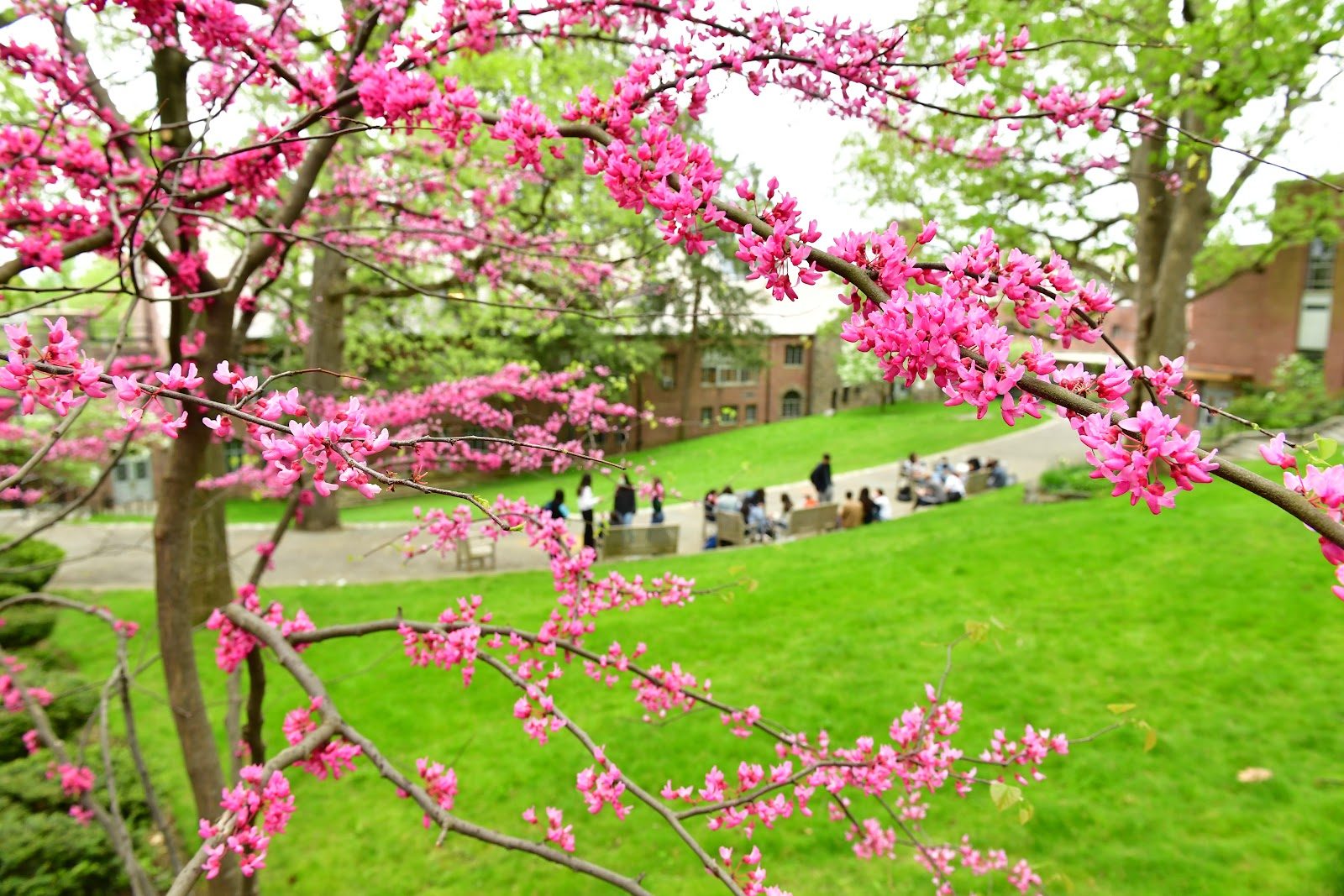
Ethical Culture Fieldston School
New York City · United States
Rooted in Felix Adler's 1878 Ethical Culture movement, its wooded Riverdale hilltop campus still anchors progressive American pedagogy.
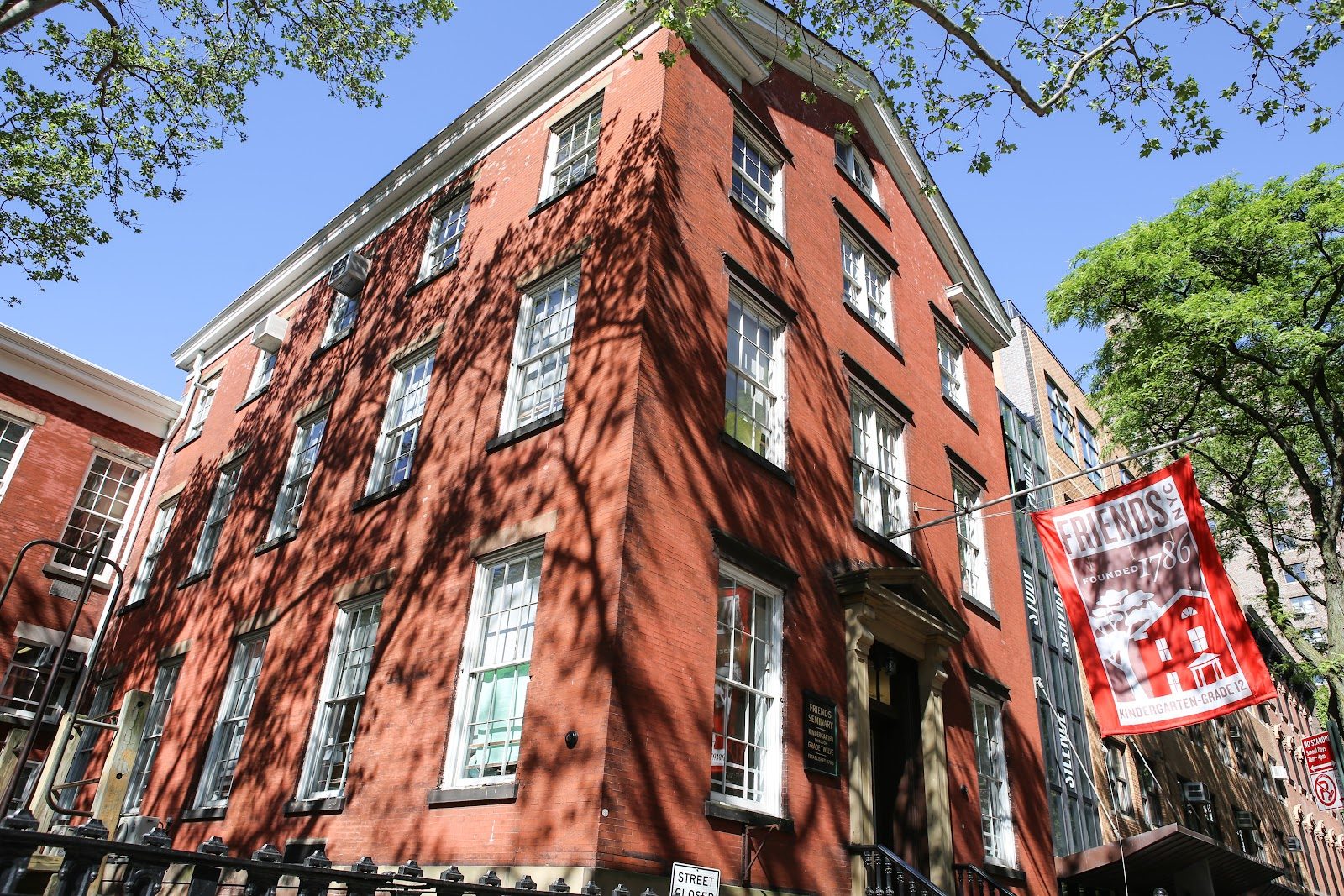
Friends Seminary
New York City · United States
Founded in 1786, the oldest coeducational school in New York City still teaches Quaker simplicity and peace amid Manhattan's bustle
Rye Country Day School
Rye · United States
Founded in 1869 as a girls' seminary in Westchester, this campus still measures success by its motto: not for self, but for service.
Same country and curriculum — closest matches within ±10 points either way