
North Rhine-Westphalia
Perched on Bad Godesberg's Heiliger Berg, this century-old Jesuit foundation still pairs Latin and Greek with Abitur and IB.
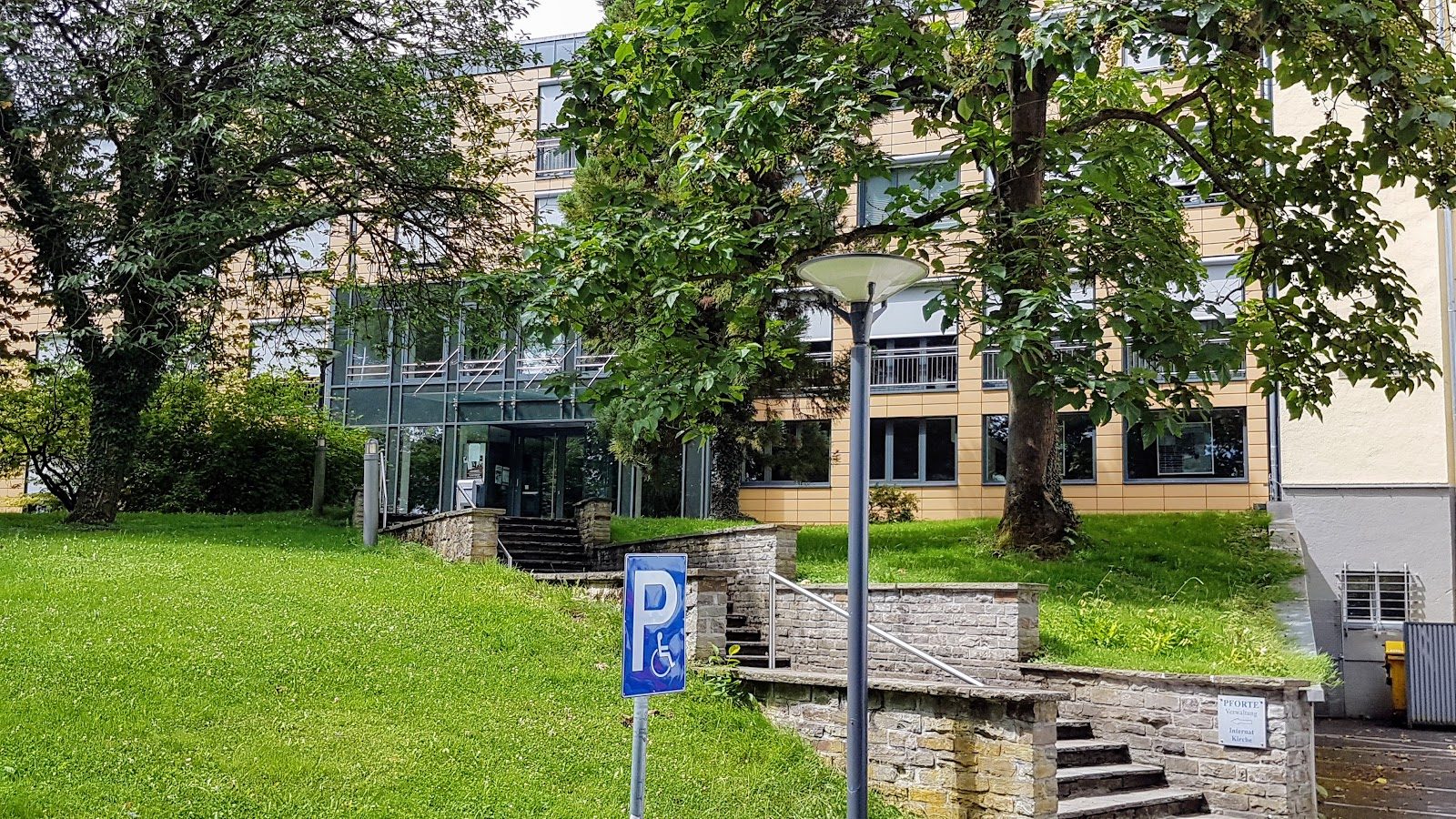
Photo © Markus B. via Google Maps
Type
Both
Ages
11–18
Curriculum
German Abitur
Ratio
11:1
The Verdict
Editor's commitment
Right for
Families in Bonn who want a 1921 Jesuit school with German Abitur, ages 11–18, and an 11:1 student-teacher ratio.
Wrong for
Parents wanting a secular brief or broad curricular choice; Aloisiuskolleg states Jesuit formation, and the published route is German Abitur only.
Watch out for
The site foregrounds faith, community and extracurricular life; with average class size 22, check how much individual academic stretch your child gets.
Ranking breakdown
Aloisiuskolleg Bonn · #860 of 1591
Composite score 64.3. 8 weighted criteria.
By criterion
Academic Outcomes
Weight 20%
#902
of 1529 scored
University Placement
Weight 16%
#911
of 1529 scored
Prestige & Heritage
Weight 12%
#819
of 1571 scored
Alumni Network
Weight 12%
#518
of 1530 scored
Facilities
Weight 12%
#1004
of 1533 scored
Transparency & Communications
Weight 8%
#998
of 1532 scored
Peer & Industry Review
Weight 10%
#893
of 1548 scored
Admissions Selectivity & Demand
Weight 8%
#686
of 1529 scored
Peer & Industry Review
How Aloisiuskolleg Bonn is regarded in the sector
42
Regional · low confidence
Aloisiuskolleg Bonn is a well-known Jesuit gymnasium with a long academic tradition, but its most prominent independent press coverage stems from the 2010 German Jesuit-school sexual abuse scandal (reported by Der Spiegel and Die Zeit), which implicated the school alongside Canisius-Kolleg Berlin. It receives essentially no mention in international 'best schools' rankings, Tatler, or Good Schools Guide, and evidence of peer-institution benchmarking or alumni network prominence in independent sources is thin.
Evidence sources
Editors' overview
Aloisiuskolleg Bonn occupies a narrow but distinctive niche: a century-old school on Bad Godesberg’s Heiliger Berg that still takes the Jesuit idea of education seriously. The draw is not trendiness. It is intellectual seriousness, moral structure and a campus culture built around community rather than churn. The school dates its Bonn chapter to 1921 and describes itself as a Gymnasium in the Jesuit educational tradition, with school, after-school provision and a substantial leisure programme under one roof. For parents, the attraction is clear: this is a place for families who want a school to do more than deliver the German Abitur, and who value a defined ethos over a loose, pick-your-own model.
What sets it apart is the combination of old-world academic framing and a broad co-curricular life. The editorial tagline gets to the point: Latin and Greek still sit in the frame alongside the Abitur. That matters. It signals a school that has not abandoned disciplined scholarship in favour of softer branding. The site also points to theatre, talent evenings, sport, ski trips and strong pastoral infrastructure through its Externat and AKO-Forum. The physical setting helps: a large green campus gives the school a contained, collegiate feel that many urban schools cannot match. With a student-teacher ratio of 11:1 and average class sizes of 22, the school has the scale to offer breadth without feeling anonymous.
Parents should also read the contradictions carefully. This is a school that states its Jesuit identity in bold type and talks openly about faith, values and the formation of “people for others”, yet the context here lists the school as non-religious. That tension matters. Any family considering Aloisiuskolleg needs clarity on how that ethos lands in daily school life: as cultural inheritance, as active religious formation, or as both. The school’s public case for itself leans heavily on values, belonging and personal development; it publishes no headline academic outcome data in the extracts here. That does not weaken the school’s appeal, but it does shift the buying decision. You choose Aloisiuskolleg for a strong internal culture, clear expectations and a deep sense of place, not for a barrage of performance statistics.
The right student for Aloisiuskolleg is one who wants structure, adult attention and a school with a defined moral and intellectual backbone. It will suit pupils who thrive in order rather than spectacle, who enjoy languages, humanities and tradition, and who want sport, arts and community life to sit alongside academic work instead of acting as window dressing. It will also suit families who value continuity and seriousness over fashion. Children who need a loose environment, a highly commercial international-school atmosphere, or constant self-promotion from the institution will find this a poor fit. For the right child, though, Aloisiuskolleg offers something rarer: depth, steadiness and conviction.
Academic Performance
Aloisiuskolleg does not publish the exam data parents need for a clean academic comparison. We have not seen aggregate Abitur grades, IB averages, subject-level distributions, top-score rates, university destinations or value-added measures. That leaves a conspicuous gap in the school’s public academic case. Relative to strong German independent schools and academically serious international schools, that is a weakness. Schools that expect parents to buy into a demanding intellectual culture need to show where pupils land in external examinations. Aloisiuskolleg instead asks families to trust its ethos, teaching and internal culture. Some parents will accept that. Others will read it as opaque.
What the school does publish points to academic seriousness without proving academic outcomes. The language of “akademische Exzellenz”, the continued place of classical languages in the school’s identity, and pupil comments about clear structure and engaged teachers all fit a disciplined, old-school academic model. The staffing ratio of 11:1 and average class size of 22 also support the case for close attention in lessons. None of that answers the central question of performance against peers. On public evidence, Aloisiuskolleg sits in the category of schools with a strong scholarly self-image but thin published results. For families who prioritise verified examination performance, that puts it behind more data-literate competitors.
Facilities
The campus itself is one of Aloisiuskolleg’s strongest assets. Pupils and parents refer to a large site set in greenery, and that matters in daily school life: it creates room for movement, sport, outdoor breaks and a school day that does not feel crammed into an urban footprint. The school also points to a distinct after-school structure through its Externat and to a separate AKO-Forum with a broad leisure programme. That gives the facilities offer more depth than a standard day school with a few clubs tacked on. The theatre and talent evening cited by pupils point to functioning performance spaces, while the mention of tennis facilities is unusually concrete and carries weight. In a market full of vague claims about “holistic education”, this reads as a properly lived-in campus, with real co-curricular infrastructure rather than decorative extras.
Against peer schools, the picture is mixed but clear. Aloisiuskolleg looks stronger than many academically traditional German schools on outdoor space, supervised afternoon provision and the integration of sport, arts and community life. It looks weaker than the best-funded international schools, which publish specialist labs, design suites, elite sports centres and glossy performing arts complexes in forensic detail. Aloisiuskolleg does not do that. The physical offer still lands as substantial, grounded and more collegiate than corporate, but also less transparently specified than top-tier competitors. For many families, the selling point is not spectacle. It is a campus that supports structure, belonging and a full day for children without the theme-park polish of newer rivals.
Aloisiuskolleg Bonn occupies a narrow but distinctive niche: a century-old school on Bad Godesberg’s Heiliger Berg that still takes the Jesuit idea of education seriously
Prestige
Aloisiuskolleg carries real local prestige and a narrower, more exacting kind of social capital than glossy international brands. The source of that standing is plain: Jesuit lineage, a long-established place in Bonn’s educational map, and a school culture that treats formation, duty and scholarship as connected rather than optional extras. That combination still means something in Germany. Parents who value serious institutional identity will read the school as weightier than newer operators built around facilities, marketing and churn. The large site, the collegiate structure beyond lessons, and the school’s link to a wider Jesuit network all add to that sense of standing. A low staffing ratio of 11:1 reinforces the impression of a school with substance rather than scale for scale’s sake.
That prestige has limits. It is earned prestige of tradition, not prestige proven by public performance data. The school does not publish the outcomes that would let it claim top academic status on hard evidence, and that matters. In the absence of aggregate exam results and destination data, Aloisiuskolleg sits below Germany’s most transparent academic heavyweights in reputational strength. Its standing rests instead on ethos, continuity, community and the kind of parent-to-parent confidence that schools build over decades. For families drawn to a high-culture, values-led education, that is persuasive. For families who equate prestige with measurable results, it is incomplete.
We have not seen aggregate Abitur grades, IB averages, subject-level distributions, top-score rates, university destinations or value-added measures
Communications
Aloisiuskolleg communicates in a direct, serviceable, old-fashioned way. The website carries the essentials: a clear menu, upcoming dates, school news, and practical items such as the textbook order list for the next academic year. That matters. Parents need proof that a school can handle routine communication cleanly, not just produce lofty statements about values. On that test, Aloisiuskolleg does enough. The public-facing message is also internally consistent. The school talks about faith, community, responsibility, after-school care and wider activities, and the notices on departures, pupil prizes and events back that up. This is not a slick admissions funnel; it is a working school website for a tradition-bound institution that expects families to buy into a shared culture rather than consume a polished brand.
The weakness is transparency. The school communicates ethos with complete confidence and practical life with decent clarity, but it gives parents too little hard performance information. There is no published bank of headline academic outcomes, destination data or forensic breakdowns that would help a family judge results against competitors. That makes the communication model strong on identity, weak on scrutiny. Parents who value belonging, routine and a clear moral frame will find the tone reassuring. Parents who want data before trust will find it frustratingly selective. The best reading is this: Aloisiuskolleg communicates well enough for committed families and not well enough for sceptical ones. Public communication does the relational work; it does not do the evidential work.
Uniqueness
What makes Aloisiuskolleg distinct is not a gimmick or a premium add-on. It is the survival of the Jesuit college model in a modern school: lessons, supervised afternoons and a serious leisure programme tied into one institutional life rather than split into separate silos. That gives pupils a more complete educational habitat than the standard German day school. The school’s own language is frank about its priorities: faith, community, responsibility and the formation of “people for others”. Whether a family embraces that religious frame or merely tolerates it, the effect on students is concrete. Children get clear moral architecture, adult oversight beyond the timetable, and a school culture that treats character as part of the job rather than an optional extra. The low staffing ratio of 11:1 strengthens that model.
The other point of difference is the refusal to flatten everything into utility. Aloisiuskolleg still values inherited forms of scholarship, ritual and common life in a sector that often strips schools down to exam delivery plus clubs. That gives the place a countercultural seriousness. For the right pupil, the gain is substantial: stronger habits, steadier identity, closer inter-year belonging and a richer sense that school is a community, not a transaction. For the wrong pupil, the same qualities will feel too bounded, too value-laden and insufficiently loose. That is precisely why the school stands out. It knows what it is, and students feel that every day.
The physical offer still lands as substantial, grounded and more collegiate than corporate, but also less transparently specified than top-tier competitors
Student Profile
The pupils who fit best here are those who do well with structure, adult oversight and a school culture that asks for more than academic compliance. This is a place for children who can tolerate expectations around conduct, participation and community life without treating every boundary as an affront. Students who enjoy humanities, languages, reading, performance, organised sport and the routine of a full school day will find a natural home. The school’s after-school provision and wider AKO-Forum matter here: they suit families who want children held in a contained, supervised environment rather than released into a loose afternoon. With an average class size of 22 and a student-teacher ratio of 11:1, pupils also get a setting where teachers can know them properly. That benefits conscientious students, quieter children who need noticing, and adolescents whose strengths emerge through steady encouragement rather than noise.
The weaker fit is just as clear. Teenagers who want a highly casual atmosphere, resist institutional identity, or bridle at a values-heavy culture will chafe. So will pupils who need a broad international-school social mix, constant novelty or a more anonymous environment in which to reinvent themselves. Aloisiuskolleg suits students who accept that school is a serious collective enterprise, not a consumer service. The social tone reads grounded, high-expectation and not especially performative. For the right child, that brings security and depth. For the wrong one, it feels tight-framed and unforgiving.
The school does not publish the outcomes that would let it claim top academic status on hard evidence, and that matters
Co-curricular strengths
Arts & sport, on a separate axis
Overall 8.1/10
Scored 0-10 from the school's own published evidence. This axis is editorial-only — it does not feed the main WTS ranking.
Sports
7.5/10
Drama
8.5/10
Dance
7.5/10
Music
9/10
Visual Arts
8/10
Strengths
- +Founded 1921 on current Bonn site
- +11:1 student-teacher ratio
- +Average class size is 22
- +Jesuit educational tradition and global network
Considerations
- −Religious ethos may not suit all families
- −German Abitur only, no IB or A-levels
- −Ages 11–18 only; no primary provision
Availability
Primary entry gate & tests
Academic Record
Gallery
Photo © Markus B. via Google Maps
Photo © Markus B. via Google Maps
Photo © Markus B. via Google Maps
Photo © Aloisiuskolleg Bonn - Gymnasium via Google Maps
Photo © Aloisiuskolleg Bonn - Gymnasium via Google Maps
Photo © Aloisiuskolleg Bonn - Gymnasium via Google Maps
Photo © Aloisiuskolleg Bonn - Gymnasium via Google Maps
Photo © Aloisiuskolleg Bonn - Gymnasium via Google Maps
Photo © Aloisiuskolleg Bonn - Gymnasium via Google Maps
Parent reviews
Have you sent your child here?
Voice reviews carry the strongest trust badge — we transcribe them for you to tidy up before they go live. Prefer to type? A written review is fine too.
Add your voice
In 60 seconds, tell other parents: what's the best thing about Aloisiuskolleg Bonn, and what surprised you when your child joined?
We ask for a Google sign-in so every review has a real face behind it — no anonymous drive-by attacks on schools, and no faked positive reviews. Your email is never shown publicly.
Send this profile to a friend
International parents rely on word-of-mouth. Share this review with someone weighing the same decision.
Schools with places
Similar schools to Aloisiuskolleg Bonn with places available now.
Bonn International School
Bonn · Germany
- 2026-27
- WAITPOOLSpace-dependent
- 2027-28
- PLACES OPENRolling
International School of Düsseldorf
Düsseldorf · Germany
- 2026-27
- WAITPOOLSpace-dependent
- 2027-28
- PLACES OPENRolling
Availability first, then country, area, curriculum, price, co-curricular
Consider also
Also worth looking at alongside Aloisiuskolleg Bonn.
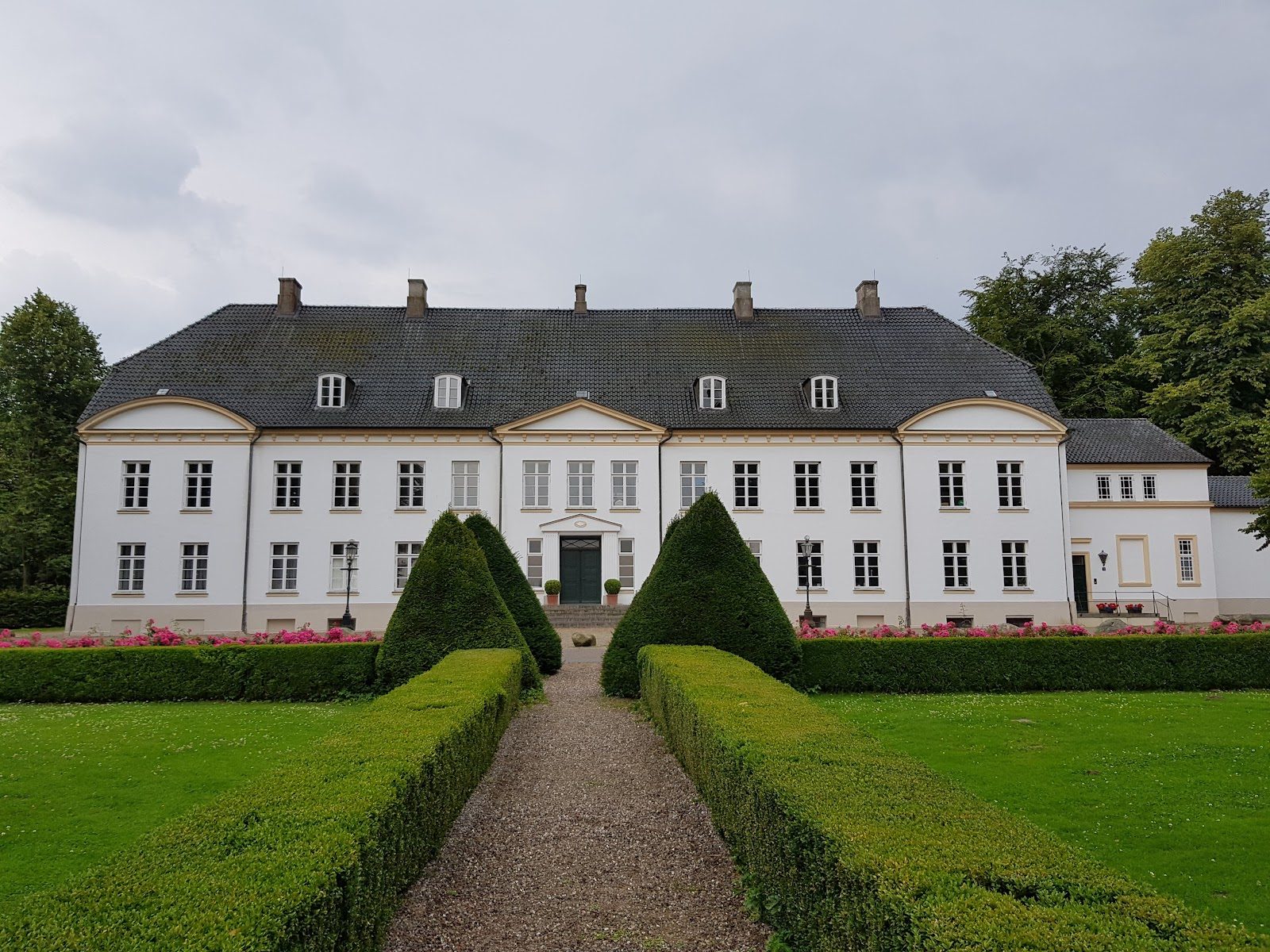
Stiftung Louisenlund
Güby · Germany
A fjord-side castle campus built on Kurt Hahn's ethos pairs IB rigor with a sailing harbour that breeds national champions.
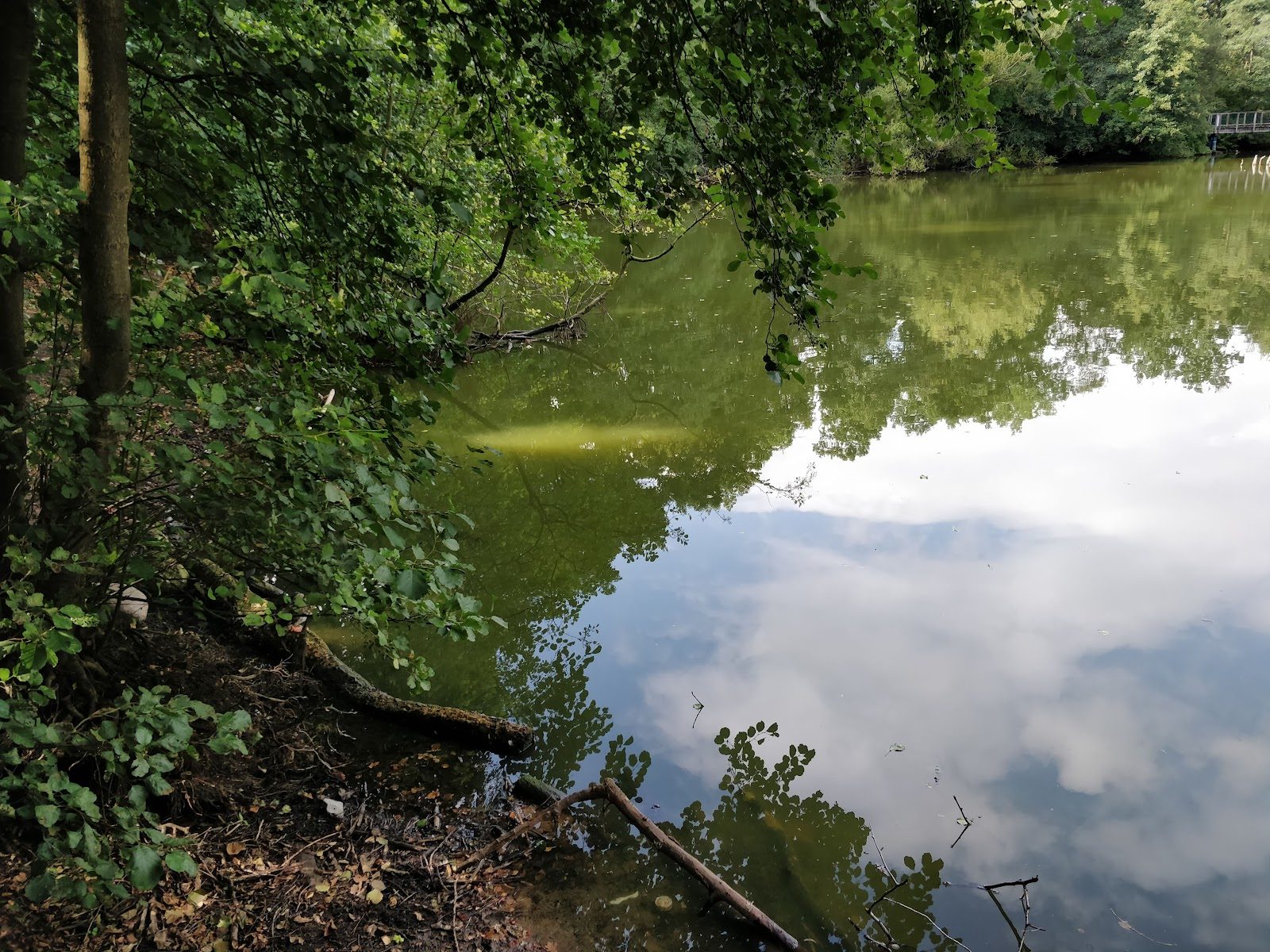
International School of Hamburg
Hamburg · Germany
Germany's first international school since 1957, still the only CIS-accredited IB continuum campus in the port city of Hamburg.
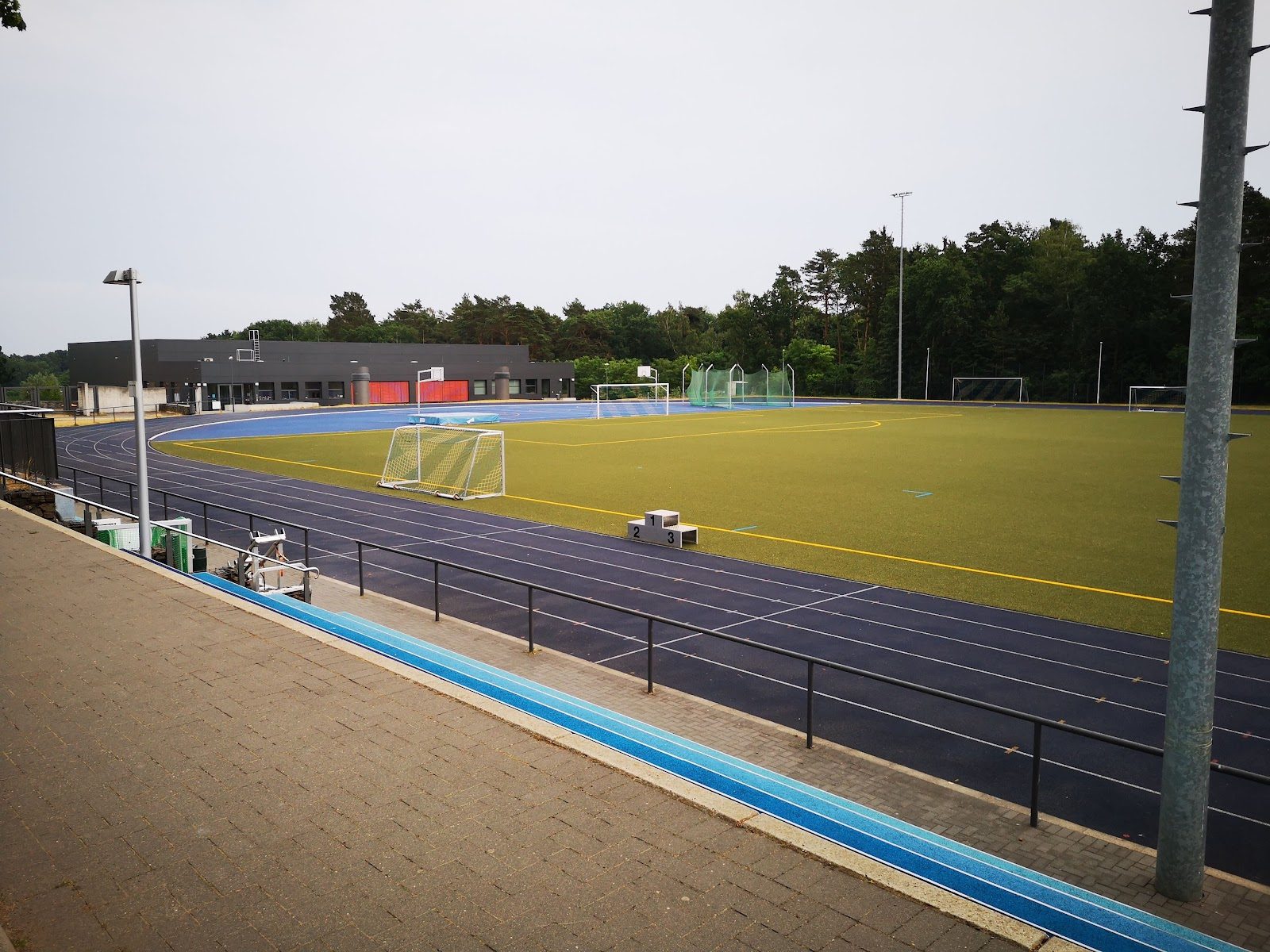
Berlin Brandenburg International School
Kleinmachnow · Germany
Set on a forested campus between Berlin and Potsdam, this day school runs the full IB continuum for students from 60-plus nations.
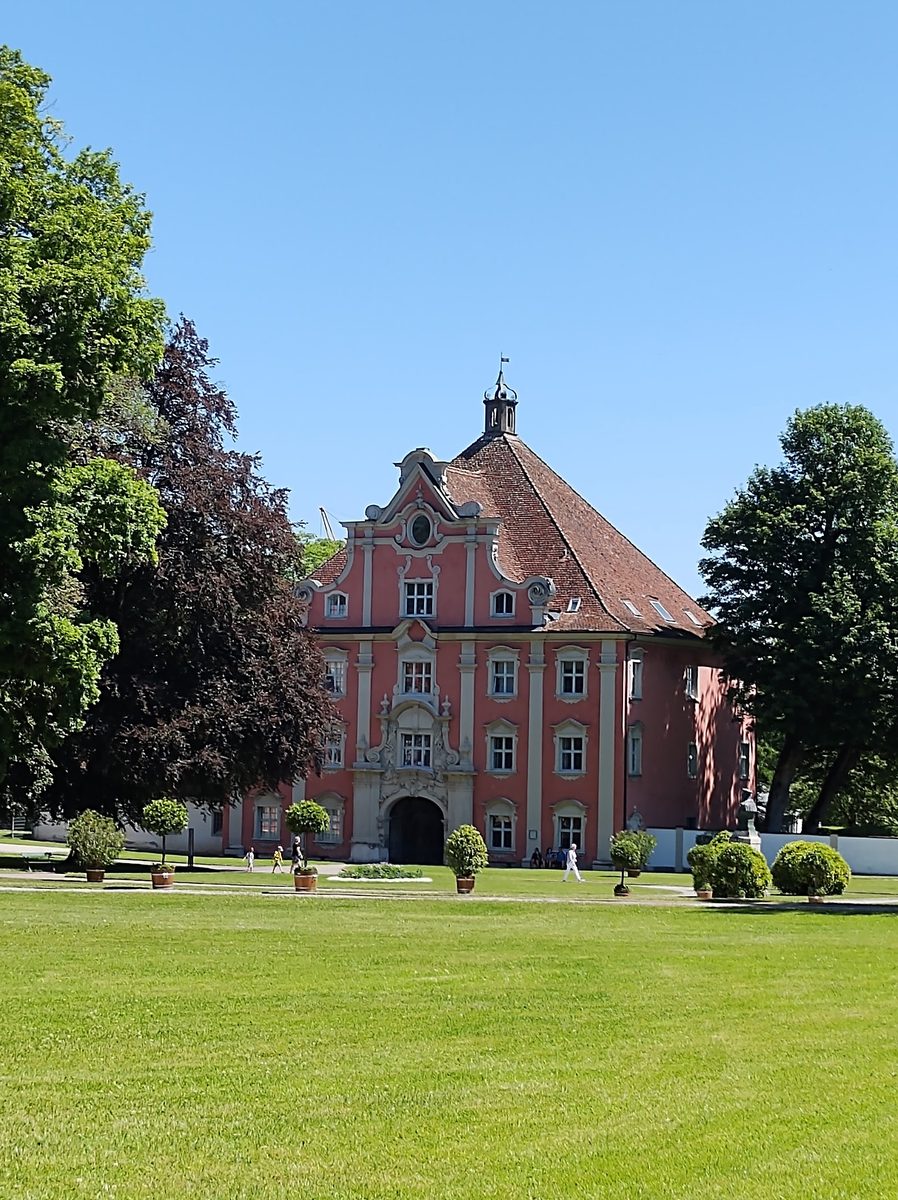
Schule Schloss Salem
Salem · Germany
Kurt Hahn's founding creed of head, heart and hand still means mandatory fire-brigade duty inside a former Cistercian monastery on Lake Constance.
Same country and curriculum — closest matches within ±10 points either way