
North Rhine-Westphalia
International School of Düsseldorf
high confidence· 5/6 cats · 2.56 avg sourcesBeside the Rhine in historic Kaiserswerth, one of the IB's earliest diploma pioneers still keeps nearly all seniors in the full Diploma Programme.
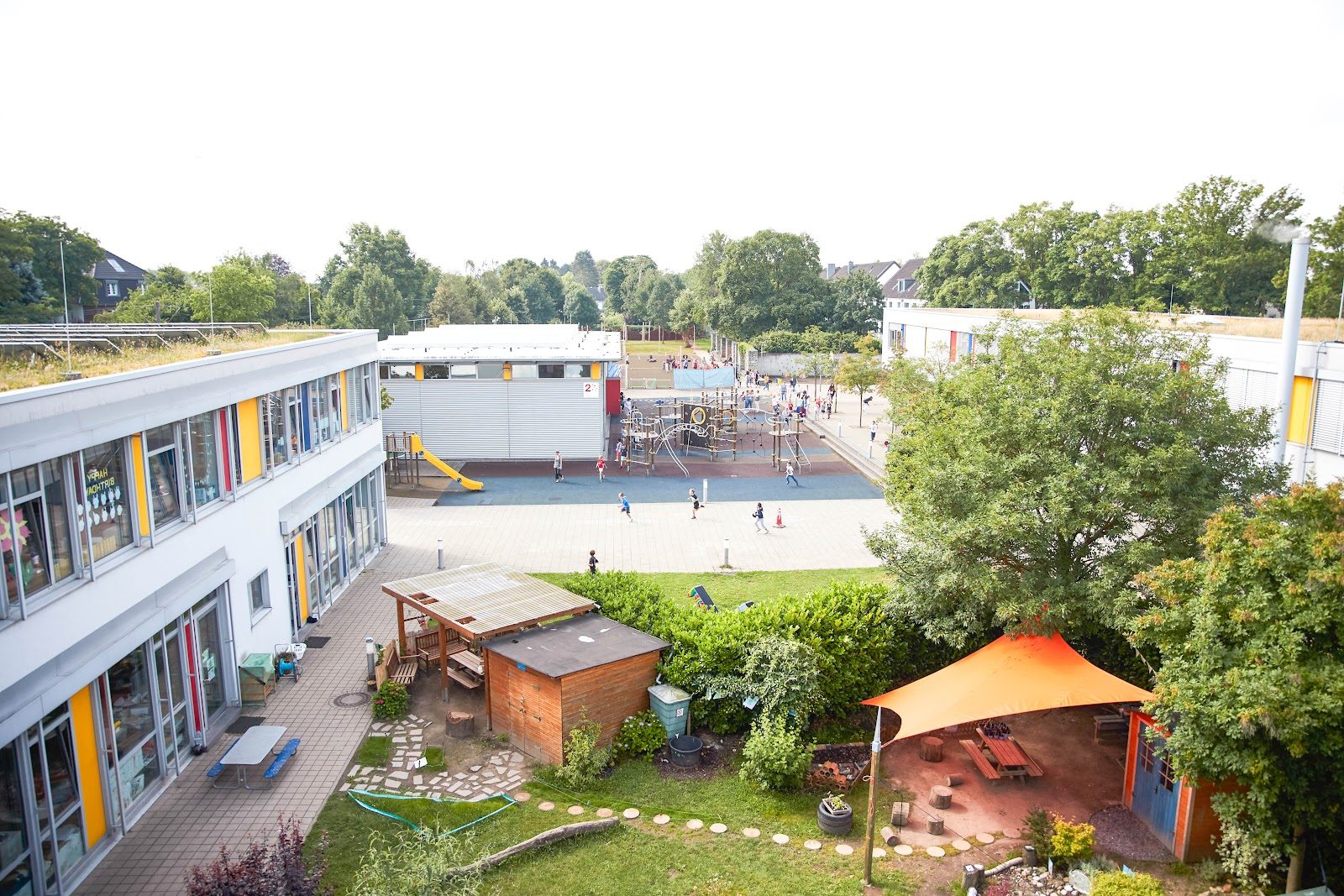
Photo © International School of Düsseldorf via Google Maps
Type
Day
Ages
3–18
Curriculum
IB
Ratio
—
The Verdict
Editor's commitment
Right for
Families who want an English-language IB school founded in 1968, with CIS, NEASC and IB World accreditation in Kaiserswerth.
Wrong for
Parents chasing a cheaper option than the €24,185 average annual fee, boarding, or a curriculum other than IB from ages 3–18.
Watch out for
ISD became the 65th school worldwide authorised for the IB Diploma in 1977; that pedigree matters if you want a full-IB sixth form.
Ranking breakdown
International School of Düsseldorf · #565 of 1591
Composite score 69.4. 8 weighted criteria.
By criterion
Academic Outcomes
Weight 20%
#585
of 1529 scored
University Placement
Weight 16%
#584
of 1529 scored
Prestige & Heritage
Weight 12%
#623
of 1529 scored
Alumni Network
Weight 12%
#531
of 1529 scored
Facilities
Weight 12%
#502
of 1529 scored
Transparency & Communications
Weight 8%
#652
of 1529 scored
Peer & Industry Review
Weight 10%
#637
of 1529 scored
Admissions Selectivity & Demand
Weight 8%
#438
of 1529 scored
Score history
International School of Düsseldorf · 2026
Movement across 2024–2026. Peer average overlaid.
Overall — 2024–2026
69.4/ 100
▲ +25.4 vs 2025
year on year
Peer & Industry Review
How International School of Düsseldorf is regarded in the sector
65
Respected · medium confidence
ISD is widely known within expat parent communities in the Düsseldorf/Rhine-Ruhr region as one of the established international schools, frequently mentioned alongside other IB-accredited schools in relocation guides and expat forums (e.g., InterNations, Toytown Germany discussions) for German-based expat families. It holds IB World School and CIS/NEASC accreditation, which is referenced in specialist education directories, but it receives less consistent coverage in global 'best schools' rankings or specialist press (Tatler, Good Schools Guide) compared to top-tier international schools in London, Switzerland, or Singapore.
Evidence sources
Editors' overview
Set beside the Rhine in Kaiserswerth, the International School of Düsseldorf trades on something more substantial than scenery: institutional depth in the IB. Founded in 1968 and authorised for the IB Diploma in 1977 as the 65th school worldwide, it has had decades to settle into the demands of a full IB education rather than bolt the programme on as a prestige finish. That matters. Schools with long IB histories tend to understand the workload, the internal coherence and the pastoral pressure points better than newer entrants. ISD also keeps a clear identity: a not-for-profit, independent, co-educational day school for ages 3 to 18, teaching in English and holding CIS, IB World School and NEASC accreditation. In a crowded German international market, that combination gives it real credibility.
What puts ISD on a shortlist is not flash. It is continuity, seriousness and a location that works for internationally mobile families in the Düsseldorf orbit. The school sits in the heart of the expatriate community of Kaiserswerth, and its origins as the American International School of Düsseldorf still explain part of its DNA: this was built to serve mobile, non-military international families, not as a local bilingual school rebadged for overseas parents. The editorial tagline gets to the point: ISD remains one of the IB’s early diploma pioneers and still keeps nearly all seniors in the full Diploma Programme. That is a meaningful distinction. Plenty of schools dilute the IB at sixth form by steering weaker candidates into lighter pathways; ISD’s commitment to the full diploma signals an academic culture with clear expectations.
Fees place it in the serious but not stratospheric bracket for a long-established European international school: an average annual day fee of €24,185 across the full age range. For parents weighing value, that buys a mature IB institution with a stable governance model and a broad international community rather than boutique exclusivity or grand campus theatre. Recent university destinations in the published record are modest in number but concrete: Australian National University, the University of Melbourne and the University of New South Wales. The school does not publish a broad destinations list here, so any parent focused on elite UK or US admissions will want harder outcome data. That is the main reservation: ISD’s public case rests more on history, ethos and accreditations than on hard-edged academic disclosure.
The student who thrives here is internationally minded, comfortable in English, and willing to take on the full weight of the IB rather than shop for easier senior options. This suits families who want a settled, adult school culture, strong integration for newcomers and a school day anchored in community rather than boarding. It suits less well the family chasing public glamour, a hyper-selective destination list, or a more varied sixth-form menu. ISD’s appeal is narrower and stronger than that: a serious IB school with long memory, a loyal expatriate base and enough institutional substance to justify close consideration.
Academic Performance
The strongest academic signal here is structural rather than statistical: ISD keeps nearly all seniors in the full Diploma Programme. In a market where many international schools protect headline results by diverting weaker students into easier senior routes, that matters. It makes the cohort’s exam load more exacting, narrows the school’s room for cosmetic score management, and places ISD in the serious IB camp rather than the convenience-IB tier. The school’s status as one of the programme’s earliest adopters reinforces that point. Long experience does not guarantee top-band scores, but it does tell parents that the demands, pacing and assessment culture are deeply embedded. What ISD does not do, however, is publish the hard numbers that would let families test that claim properly: no aggregate Diploma score, no subject breakdowns, no pass rate, no share at 40+ or even 35+.
That leaves ISD in an awkward position relative to stronger-reporting peers. The academic model looks credible and the commitment to the full diploma is more rigorous than many competitors’, but the public disclosure is thin. Parents comparing Düsseldorf-area internationals need outcome data, not institutional memory. The small published destinations sample does not solve that problem. Without a run of exam results in the public domain, ISD cannot claim a place among the region’s data-secure academic leaders; it sits instead in the category of established schools whose reputation rests on programme integrity and longevity, with performance transparency still missing.
Facilities
The school’s clearest facilities advantage is setting. A campus in historic Kaiserswerth, beside the Rhine and inside the expatriate heartland, gives ISD something many urban international schools lack: room to operate as a settled day-school community rather than a vertical school in an office district. That matters for sport, outdoor time and the daily rhythm for younger children. The school also points to an extensive sports and activities programme, which carries more weight when the physical site can support it. Against peer schools, that places ISD on the stronger side for environment and day-to-day livability, even if it does not trade on grand-campus theatre or architectural spectacle.
The limitation is disclosure. ISD does not publish the kind of hard facilities detail that serious parents now expect: no clear public inventory of specialist labs, performing arts spaces, indoor athletics provision, design and technology workshops, or standout signature venues. That leaves the campus profile more opaque than it should be for a mature international school. Rivals with stronger public reporting make it easier to judge whether sport is broad or thin, whether the arts have proper performance infrastructure, and whether science teaching runs in fully equipped specialist rooms throughout the senior years. ISD’s site and community setting sound genuinely attractive; the published evidence on what sits on that site is thinner than top-tier peers manage.
Set beside the Rhine in Kaiserswerth, the International School of Düsseldorf trades on something more substantial than scenery: institutional depth in the IB
Prestige
ISD carries real prestige in one specific lane: the long-established, not-for-profit international school that has earned trust through institutional continuity rather than spectacle. In Düsseldorf’s expatriate world, that counts. A school built for internationally mobile families, rooted in Kaiserswerth and still run as an independent association, has a different social weight from a newer entrant or a for-profit operator. Its standing also gains lift from alumni proof, limited though the public record is: 3 notable alumni catalogued in Wikidata, including 1 star-tier arts laureate. That is not a vast celebrity roll call, and it does not need to be. Prestige here is old-network prestige, not billboard prestige.
The rating stops short of the top tier because the school does not publish the hard outcome data that converts reputation into authority. Serious parents and employers still read prestige through results, university depth and public academic evidence. ISD’s case rests instead on longevity, community confidence and its unflashy credibility as one of the early institutions in its academic sphere. That gives it substantial cachet with families who know the European international-school market. It gives it less pull with those who want overt selectivity, a famous alumni bench, or a relentless stream of headline-grabbing destinations. In plain terms: ISD has earned standing, but not the rarefied aura of a school that dominates public outcomes and global name recognition.
ISD’s site and community setting sound genuinely attractive; the published evidence on what sits on that site is thinner than top-tier peers manage
Communications
Parent communication looks deliberate and service-minded rather than glossy. The admissions page does a practical job: named contacts, direct telephone lines, and a spread of languages across the team, including English, German, French, Spanish, Welsh and Japanese. For an internationally mobile parent body, that matters. It cuts friction at the point families most need clarity and signals a school that understands relocation is an administrative exercise as much as an educational one. The school also talks openly about partnership with parents, volunteer programmes and fundraising structures, which points to a community that expects families to be involved rather than parked at the gate. That gives communication a two-way character, not just a broadcast function.
The stronger point is tone. ISD writes in a measured, coherent voice and keeps the main messages consistent: student well-being, inclusion, support for new families and a broad activities offer. Nothing in the public-facing communication feels chaotic or careless. The weaker point is depth. Communication about ethos is stronger than communication about proof. Parents can find warm assurances and points of contact, but they get less operational detail than the best schools now provide about outcomes, facilities and the substance behind headline claims. That makes the school easy to approach and reassuring at first contact, but less strong when a hard-nosed parent starts testing for evidence. In short: personable and organised, not yet fully transparent.
Uniqueness
What marks ISD out is not novelty but institutional memory. This is one of the earliest schools in the IB world to secure diploma authorisation — the 65th worldwide — and that long exposure to the programme still shapes the senior experience. The distinctive point is not that it offers the diploma, but that it treats the full route as the norm rather than a selective prestige track for a narrow top set. For students, that creates a more demanding, less cosmetic academic culture. Expectations are clearer, workload management matters earlier, and the school’s message about sixth form is harder to misunderstand: this is a place for pupils prepared to carry a serious programme to the finish.
Its other point of difference is social rather than academic. ISD was built for expatriate families and still sits in the middle of that community, which gives it a settled internationalism that many newer schools struggle to manufacture. New arrivals do not enter a local school with an international veneer; they enter a community designed around mobility, transition and parent involvement. That brings practical gains for students: faster social integration, peers who understand movement between countries, and a school culture that prizes belonging without lapsing into soft-edged sentimentality. The result is distinctive in a crowded market: not a status school built on display, but a deep-rooted international school built on continuity, coherence and a clear sense of who it serves.
Long experience does not guarantee top-band scores, but it does tell parents that the demands, pacing and assessment culture are deeply embedded
Student Profile
The pupil who fits best here is internationally mobile, academically durable and socially ready to join in. This is not a school for children who want to keep their options open at the top end by avoiding a demanding senior programme. It suits students who can handle sustained workload, read expectations clearly and live in a culture where academic seriousness is normal rather than exceptional. New arrivals also have a better runway than at many locally rooted schools: the admissions set-up runs across multiple languages, and the school puts real weight on helping families settle fast. For expatriate children who have already changed countries once or twice, that matters. The atmosphere points to a community-minded, globally fluent intake rather than a competitive local commuter crowd.
Temperament counts. Students who thrive here will not need constant institutional showmanship or a fashionably branded identity to stay engaged. They will value structure, consistency and a peer group that treats school as work as well as social life. Parents who want a grounded, adult environment for a child who likes breadth — sport, activities, volunteering, community participation — will find a good match. Families chasing a flashy social scene, a softer final stretch, or heavy public celebration of elite admissions will find the fit weaker. ISD reads best for children who are resilient, outward-looking and comfortable in a school that expects them to contribute, not just attend.
The rating stops short of the top tier because the school does not publish the hard outcome data that converts reputation into authority
Co-curricular strengths
Arts & sport, on a separate axis
Overall 9.18/10
Scored 0-10 from the school's own published evidence. This axis is editorial-only — it does not feed the main WTS ranking.
Sports
9.3/10
An “extensive sports and activities programme” and lists football, basketball, swimming and tennis, showing a solid multi-sport offering.
Drama
9.2/10
Drama Club is explicitly listed, and the verified alumna Carey Mulligan (BAFTA-winning actress) anchors drama at at least 7 under the alumni override rule.
Dance
9/10
Music
9.2/10
School Band and Choir are explicitly listed, indicating a structured music offering with named ensembles, but there is no evidence here of a dedicated facility, department, specialist staff or notable awards.
Visual Arts
9.2/10
Visual Arts appears as a bare extracurricular listing.
Editor first-pass · editor-reviewable · 7/28/2026
Outcomes & destinations
Where students go next
Top destinations
286 placements
- Australian National University· 1
- University of Melbourne· 1
- University of New South Wales· 1
- University of Queensland· 1
- University of Sydney· 1
- Klagenfurt University· 1
- University of Music & Performing Arts Vienna· 1
- University of Vienna· 1
- Vienna University of Business & Economics· 1
- Royal College of Surgeons in Ireland· 1
- Katholieke Universiteit Leuven· 1
- Bishop’s University· 1
- Carleton University· 1
- Concordia University· 1
- McGill University· 1
- McMaster University· 1
- Queen’s University· 1
- University of British Columbia· 1
- University of Calgary· 1
- University of Toronto· 1
- Western University· 1
- Wilfrid Laurier University· 1
- York University· 1
- Dalian University of Technology· 1
- European University Cyprus (Frankfurt)· 1
- Architectural Institute in Prague· 1
- Charles University· 1
- Aalborg University· 1
- American University of Paris· 1
- Collège Universitaire de Sciences Po· 1
- EDHEC Business School· 1
- EM Lyon Business School· 1
- ESCP Business School· 1
- ESSEC Business School· 1
- Gobelins Paris· 1
- NEOMA Business School· 1
- Bergische Universität Wuppertal· 1
- CBS International Business School· 1
- Charité Universitätsmedizin· 1
- EBS Universität· 1
- ESCP Business School Berlin· 1
- EU Business School· 1
- FH Aachen· 1
- Frankfurt School of Finance & Management· 4
- FU Berlin· 1
- Georg-August-Universität Göttingen· 1
- Heinrich-Heine-Universität Düsseldorf· 1
- HBK Essen· 1
- International University of Applied Sciences· 1
- Karlsruhe Institute of Technology· 1
- Katholische Stiftungshochschule München· 1
- LMU München· 1
- RWTH Aachen· 1
- SAE Institute· 1
- TU Berlin· 1
- TU München· 1
- Universität Duisburg-Essen· 1
- Universität Göttingen· 1
- Universität Münster· 1
- Universität Tübingen· 1
- Universität Würzburg· 1
- Universitätsmedizin Neumarkt A.m. Campus Hamburg· 1
- Universität der Bundeswehr München· 1
- WHU – Otto Beisheim School of Management· 1
- Zeppelin University· 1
- National University of Public Service· 1
- Semmelweis University· 1
- University of Pécs· 1
- Trinity College Dublin· 1
- University College Cork· 1
- University College Dublin· 1
- LUISS Guido Carli· 1
- Università Bocconi· 1
- Università Cattolica Del Sacro Cuore· 1
- Aoyama Gakuin University· 1
- Doshisha University· 1
- Gakushuin University· 1
- Hosei University· 1
- International Christian University· 1
- Kanazawa University· 1
- Keio University· 1
- Kobe City University of Foreign Studies· 1
- Komazawa University· 1
- Musashi University· 1
- Musashino Art University· 1
- Nihon University· 1
- Osaka Metropolitan University· 1
- Rikkyo University· 1
- Ritsumeikan University· 1
- Sophia University· 3
- Tama Art University· 1
- Tohoku University· 1
- Tokyo University of Agriculture· 1
- Toyo University· 1
- Toyota Technological Institute· 1
- University of Hyogo· 1
- University of Tokyo· 1
- University of Tsukuba· 1
- Waseda University· 1
- Yokohama City University· 1
- Yokohama National University· 1
- Amsterdam University of Applied Sciences· 1
- ArtEZ University of the Arts· 1
- Delft University of Technology· 1
- Eindhoven University of Technology· 2
- Erasmus University Rotterdam· 1
- Fontys University of Applied Sciences· 1
- HAN University of Applied Sciences· 1
- Hanze University of Applied Sciences· 1
- Hotelschool The Hague· 1
- HZ University of Applied Sciences· 1
- InHolland University of Applied Sciences· 1
- Leiden University· 1
- Maastricht University· 1
- NHL Stenden University of Applied Sciences· 1
- Radboud University· 1
- Rotterdam University of Applied Sciences· 1
- Saxion University of Applied Sciences· 1
- The Hague University of Applied Sciences· 1
- Tilburg University· 1
- University of Amsterdam· 4
- University of Groningen· 1
- University of Twente· 1
- Utrecht University· 1
- Utrecht University of Applied Sciences· 1
- VU Amsterdam· 1
- Wageningen University· 1
- Zuyd University of Applied Sciences· 1
- BI Norwegian· 1
- National University of Singapore· 1
- CEU Cardenal Herrera University· 1
- CEU San Pablo University· 1
- ESADE Business School· 1
- IE University· 1
- La Salle – Ramon Llull University· 1
- Universidad Carlos III de Madrid· 1
- Universidad Católica de Murcia· 1
- Karolinska Institutet· 1
- Stockholm School of Economics· 1
- Glion Institute of Higher Education· 1
- Les Roches School of Hotel Management· 1
- Swiss Hotel Management School· 1
- University of St. Gallen· 1
- National Taiwan University· 1
- Chulalongkorn University· 1
- Middle East Technical University· 1
- TOBB Economics & Technology University· 1
- Ajman University of Science & Technology· 1
- Canadian University of Dubai· 1
- Heriot-Watt University Dubai· 1
- RAK Medical & Health Sciences University· 1
- Arts University Bournemouth· 1
- Brunel University· 1
- Cardiff University· 1
- City University· 1
- Durham University· 1
- Goldsmiths, University of London· 1
- Imperial College London· 2
- King’s College London· 1
- Kingston University· 1
- Lancaster University· 1
- London School of Economics & Political Science· 1
- Loughborough University· 1
- Newcastle University· 1
- Northeastern University London· 1
- Nottingham Trent University· 1
- Oxford Brookes University· 1
- Queen Mary, University of London· 1
- Queen’s University Belfast· 1
- Ravensbourne University London· 1
- Regent’s University London· 1
- Royal Academy of Dramatic Art· 1
- Royal Conservatoire of Scotland· 1
- Royal Holloway, University of London· 1
- St Mary’s University, Twickenham· 1
- SOAS University of London· 1
- Swansea University· 1
- University College London· 1
- University for the Creative Arts· 1
- University of Aberdeen· 1
- University of Bath· 1
- University of Birmingham· 1
- University of Brighton· 1
- University of Bristol· 1
- University of Cambridge· 1
- University of Dundee· 1
- University of East Anglia· 1
- University of Edinburgh· 2
- University of Essex· 1
- University of Exeter· 1
- University of Glasgow· 1
- University of Kent· 1
- University of Leeds· 1
- University of Leicester· 1
- University of Liverpool· 1
- University of Manchester· 1
- University of Nottingham· 1
- University of Oxford· 1
- University of Sheffield· 1
- University of Southampton· 1
- University of St. Andrews· 1
- University of Surrey· 1
- University of Sussex· 1
- University of the Arts London· 1
- University of Warwick· 1
- University of Westminster· 1
- University of York· 1
- American University· 1
- Amherst College· 1
- Berklee College of Music· 1
- Boston College· 1
- Boston Conservatory at Berklee· 1
- Boston University· 1
- Brandeis University· 1
- Bryn Mawr College· 1
- Case Western Reserve University· 1
- Clark University· 1
- Colby College· 1
- Columbia University· 1
- Cooper Union· 1
- Emerson College· 1
- Emory University· 1
- Fordham University· 1
- Franklin & Marshall College· 1
- George Mason University· 1
- Hope College· 1
- Indiana University, Bloomington· 1
- Kenyon College· 1
- Knox College· 1
- Lafayette College· 1
- Loyola Marymount University· 1
- Loyola University Chicago· 1
- Marist University· 1
- Michigan State University· 1
- Mount Holyoke College· 1
- New York University· 1
- North Carolina State University at Raleigh· 1
- Northeastern University· 1
- Oberlin College· 1
- Pepperdine University· 1
- Purdue University· 1
- Reed College· 1
- Rensselaer Polytechnic Institute· 1
- Rutgers University· 1
- San Diego State University· 1
- Santa Clara University· 1
- Savannah College of Art & Design· 1
- Seattle University (Honors)· 1
- Skidmore College· 1
- Smith College· 1
- Southern Methodist University· 1
- Syracuse University· 1
- The New School· 1
- The Ohio State University· 1
- Trinity College (CT)· 1
- Tufts University· 1
- Union College· 1
- University of Arizona· 1
- University of California, Berkeley· 1
- University of California, Davis· 1
- University of California, Irvine· 1
- University of California, San Diego· 1
- University of California, Santa Barbara· 1
- University of California, Santa Cruz· 1
- University of Connecticut· 1
- University of Illinois at Urbana-Champaign· 1
- University of Miami· 1
- University of Pittsburgh· 1
- University of Southern California· 1
- University of Vermont· 1
- University of Washington· 1
- University of Wisconsin· 1
- Villanova University· 1
- Virginia Polytechnic Institute· 1
- Wake Forest University· 1
Reported by the school. Confirm with admissions.
Strengths
- +In 1977, it became the 65th school worldwide authorized to award the International Baccalaureate (IB) diploma, giving the school one of the longest IB track records in Germany.
- +This structure is supported by about 54 DP courses, and more than 90% of Grades 11-12 students are enrolled in the Diploma Programme, so nearly all seniors follow the full, university-recognised IB Diploma rather than piecemeal certificates.
- +Diploma Programme results (2025) show strong performance: 44/45 is the maximum score achieved; 22% of DP students earned 40+ points; the average score across DP students was 35 (world average 30.6), indicating results well above the global mean.
- +ISD is accredited by the Council of International Schools (CIS), the International Baccalaureate Organization (IBO), the State of North Rhine-Westphalia, and the New England Association of Schools & Colleges (NEASC), giving multiple independent layers of quality assurance.
- +10-acre campus houses multiple buildings, three libraries, seven science laboratories, five computer rooms, a design technology room, and dedicated centres for visual and performing arts, plus 350-seat theatre and three cafeterias, providing substantial dedicated facilities for a day school of its size.
Considerations
- −Tuition is significant: Pre-school through Grade 2 costs €20,320 per year, rising to €21,130 for Grades 3-5 and €22,740 for Grades 6-8, and a one-time, non-refundable Admission Fee (Admission Contribution) of €6,500 is required on confirmation of a place.
- −As a not-for-profit, independent, coeducational day school, ISD offers no boarding option, so relocating families must arrange their own housing near Kaiserswerth rather than rely on the school for residential care.
- −The Diploma Programme is deliberately non-selective: the school itself notes if we were to admit only the top third of candidates, the average score would likely be 39 points, since it does not believe in limiting access to the IB Diploma based on academic selection, unlike other schools - meaning its published average is not directly comparable to more selective competitors.
- −With an editorial rank of 667 in a 'rising_star_400' tier, ISD sits outside the most highly ranked cohort of international schools globally, despite its long institutional history.
Availability
Primary entry gate & tests
Academic Record
Gallery
Photo © International School of Düsseldorf via Google Maps
Photo © International School of Düsseldorf via Google Maps
Photo © International School of Düsseldorf via Google Maps
Photo © International School of Düsseldorf via Google Maps
Photo © International School of Düsseldorf via Google Maps
Photo © International School of Düsseldorf via Google Maps
Photo © International School of Düsseldorf via Google Maps
Photo © International School of Düsseldorf via Google Maps
Photo © International School of Düsseldorf via Google Maps
Parent reviews
Have you sent your child here?
Voice reviews carry the strongest trust badge — we transcribe them for you to tidy up before they go live. Prefer to type? A written review is fine too.
Add your voice
In 60 seconds, tell other parents: what's the best thing about International School of Düsseldorf, and what surprised you when your child joined?
We ask for a Google sign-in so every review has a real face behind it — no anonymous drive-by attacks on schools, and no faked positive reviews. Your email is never shown publicly.
Send this profile to a friend
International parents rely on word-of-mouth. Share this review with someone weighing the same decision.
Schools with places
Similar schools to International School of Düsseldorf with places available now.
Bonn International School
Bonn · Germany
- 2026-27
- WAITPOOLSpace-dependent
- 2027-28
- PLACES OPENRolling
International School Cologne Bonn
Cologne · Germany
- 2026-27
- WAITPOOLSpace-dependent
- 2027-28
- FUTURE CYCLEDates TBC
Availability first, then country, area, curriculum, price, co-curricular
Consider also
Also worth looking at alongside International School of Düsseldorf.
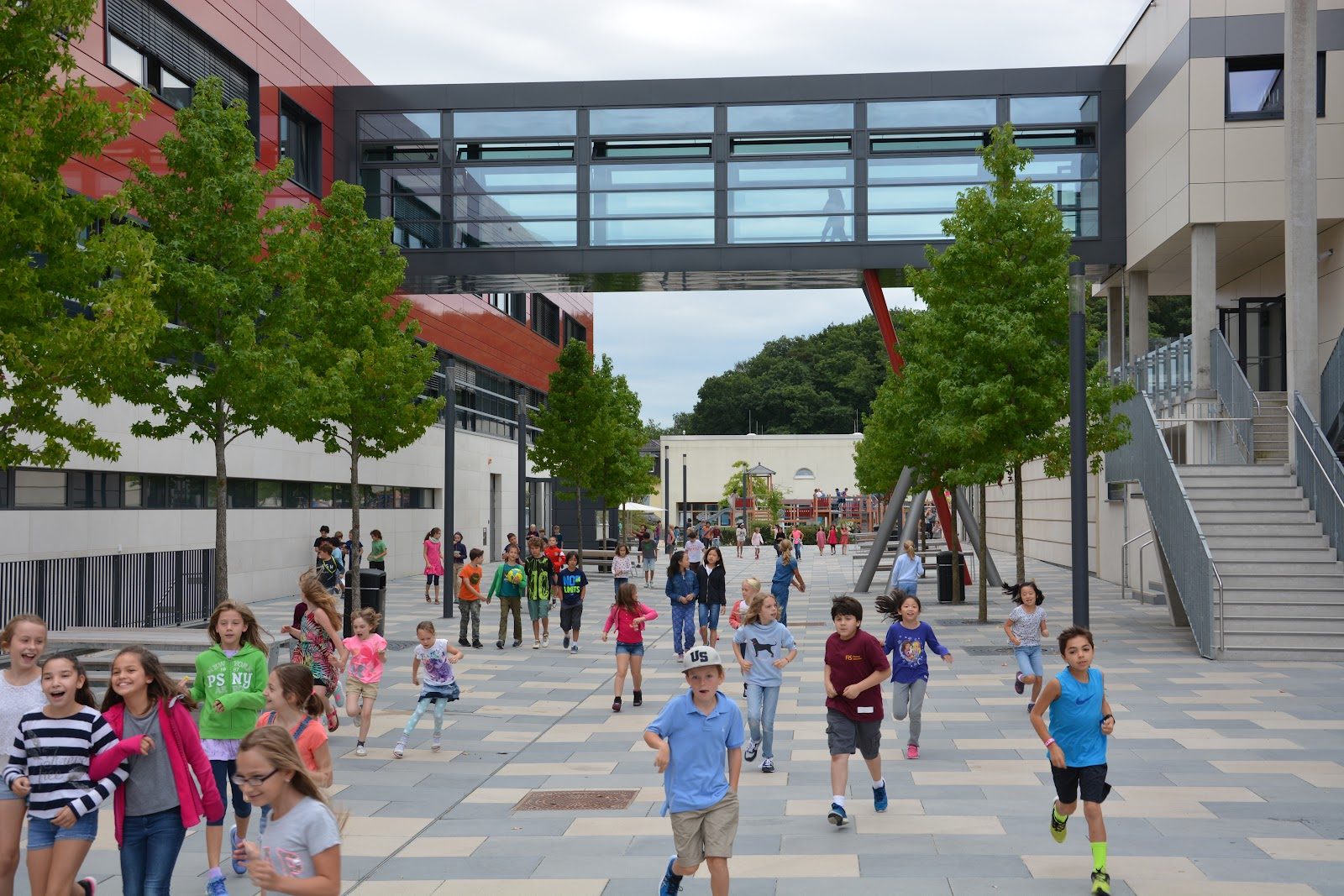
Frankfurt International School
Frankfurt · Germany
A founding member of the International Baccalaureate since the 1960s, still shaping the diploma from its Taunus forest campus.
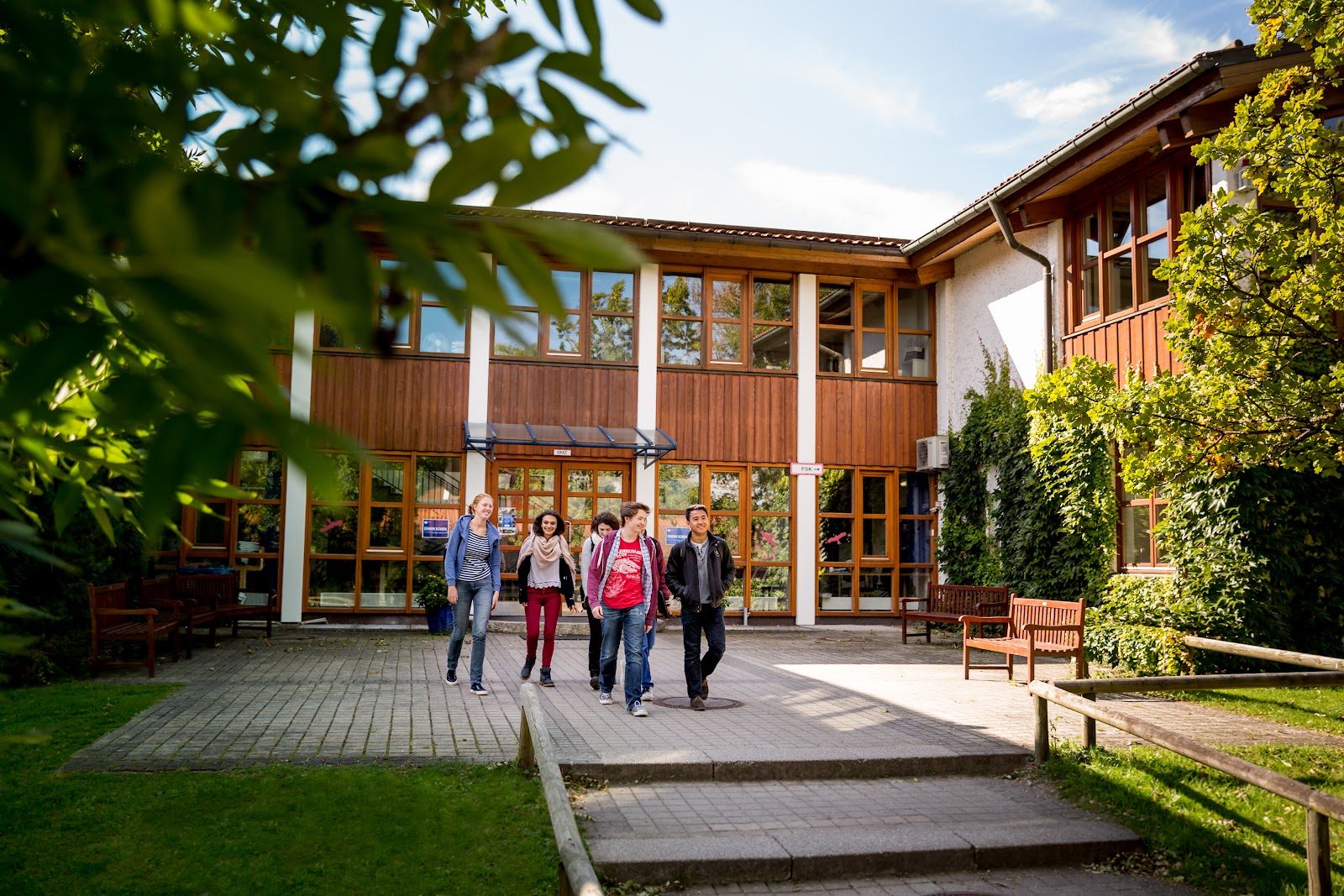
Munich International School
Starnberg · Germany
Housed in a former 1875 castle on Lake Starnberg, this Bavarian campus channels nearly every senior into the full IB Diploma.
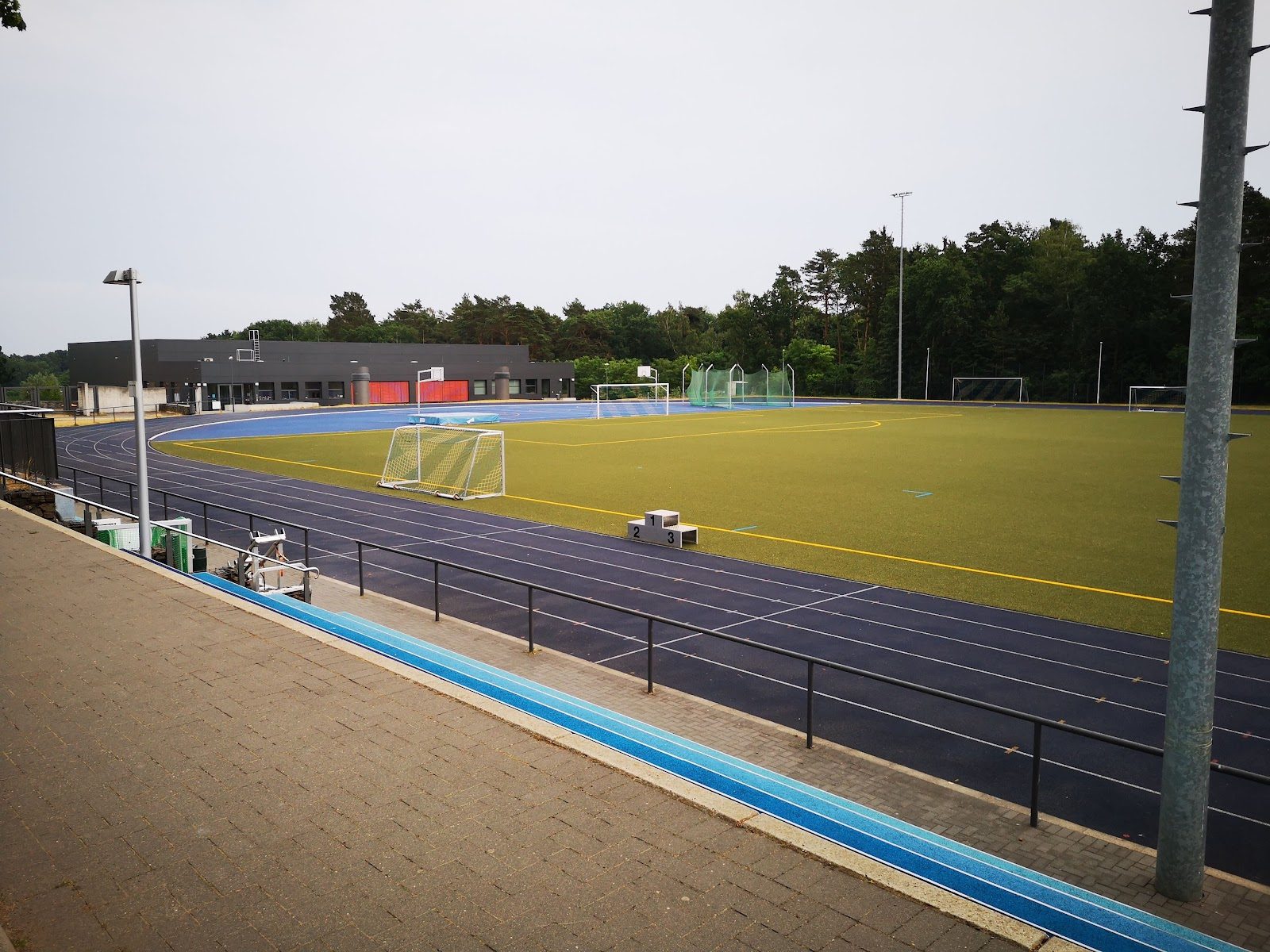
Berlin Brandenburg International School
Kleinmachnow · Germany
Set on a forested campus between Berlin and Potsdam, this day school runs the full IB continuum for students from 60-plus nations.
International School of Hamburg
Hamburg · Germany
Germany's first international school since 1957, still the only CIS-accredited IB continuum campus in the port city of Hamburg.
Same country and curriculum — closest matches within ±10 points either way