
Western Australia
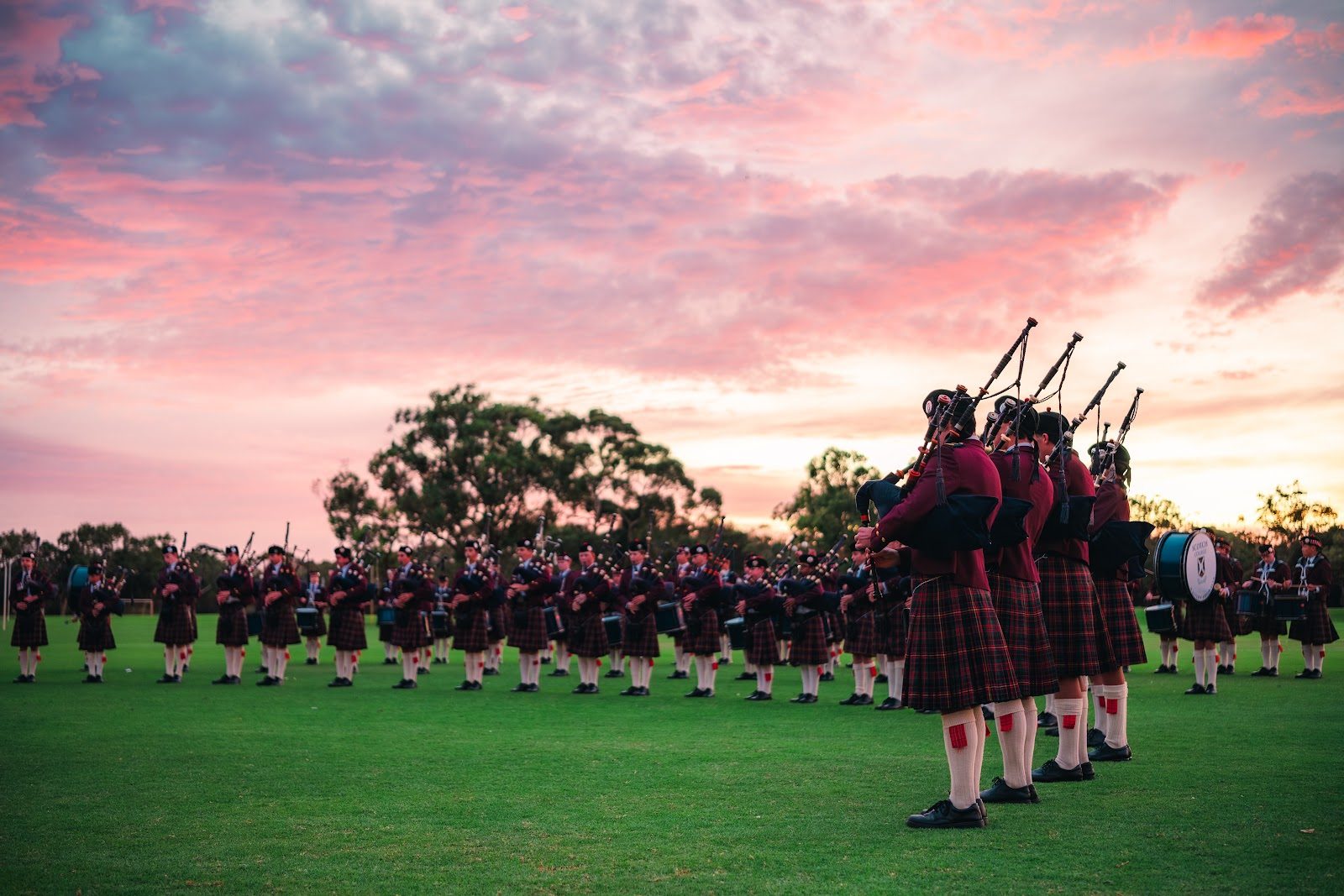
Tartan ties and a pipe band keep Scottish roots alive on a Swan River campus schooling boys from Pre-Kindergarten to Year 12.
Type
Both
Ages
3–18
Curriculum
Australian
Qualifications
ATAR · WACE
Ratio
—
The Verdict
Editor's commitment
Right for
Perth families wanting a boys' school in Swanbourne, from Pre-Kindergarten to Year 12, with Scottish ritual still intact.
Wrong for
Parents who want co-education, a secular ethos, or anything other than the Australian curriculum in English.
Watch out for
Founded in 1897 and accredited by AHISA, Scotch trades on establishment weight; that culture suits some boys and grates on others.
Ranking breakdown
Scotch College · #861 of 1591
Composite score 64.3. 8 weighted criteria.
By criterion
Academic Outcomes
Weight 20%
#958
of 1529 scored
University Placement
Weight 16%
#965
of 1529 scored
Prestige & Heritage
Weight 12%
#830
of 1571 scored
Alumni Network
Weight 12%
#548
of 1530 scored
Facilities
Weight 12%
#864
of 1533 scored
Transparency & Communications
Weight 8%
#819
of 1532 scored
Peer & Industry Review
Weight 10%
#1216
of 1548 scored
Admissions Selectivity & Demand
Weight 8%
#888
of 1529 scored
Peer & Industry Review
How Scotch College is regarded in the sector
63
Respected · medium confidence
Within Perth, Scotch is discussed in the same breath as Christ Church Grammar, Hale School, Wesley College and Guildford Grammar - fellow members of the city's long-standing Associated and Protestant Schools sporting competition - and is generally regarded as a solid, traditional performer rather than the market leader; Christ Church Grammar and Hale are more often cited first in academic league-table commentary in The West Australian. University-facing signals point mainly toward the University of Western Australia and Curtin, with a smaller but recognised stream into eastern-states universities and occasional scholarship placements interstate or abroad. Independent education commentary (state league tables, WA private-school guides) tends to place Scotch in the upper-middle tier of Perth boys' schools: respected, stable, well-resourced, but not typically singled out as the state's standout academic or innovation leader. It has less visible presence in national or international independent-school press compared with Sydney or Melbourne equivalents, consistent with WA's more locally contained private-school ecosystem.
- Kim Beazley — Politician, former Deputy PM, Ambassador to US
- Richard Court — Politician, former Premier of Western Australia
- Michael Chaney — Businessman, Chairman of National Australia Bank and Woodside Petroleum
Editors' overview
Scotch College in Swanbourne trades on heritage without drifting into costume drama. Founded in 1897, it is an old Perth boys’ school with a clear cultural signature: Scottish traditions, Uniting Church affiliation and a Swan River setting that gives the place real presence. The proposition is straightforward. This is a school for families who want an established, Anglophone Australian education from ages 3–18, delivered inside a disciplined, tradition-heavy framework. The tartan, the pipe band and the ceremonial life are not side notes; they are part of the institution’s identity and part of its appeal. For the right family, that creates a strong sense of belonging and a clear institutional memory. For the wrong one, it can feel too coded by tradition.
In market terms, Scotch sits in the long-established Perth independent-school bracket where history, campus culture and network matter as much as curriculum labels. The curriculum is Australian, the language of instruction is English, and the school’s AHISA accreditation places it squarely inside the mainstream Australian independent sector. What distinguishes it is not curricular novelty but continuity and tone: boys’ education, church-linked governance, and a recognisable ceremonial culture on a prominent riverside campus. Parents shortlist Scotch when they want confidence, structure and ritual rather than experimentation; when they value a school that knows exactly what it is; and when they want a son educated in an environment with high tribal loyalty and a durable old-school identity.
The student who thrives here is a boy who responds well to institutional rhythm, collective identity and a school culture with visible traditions. He does not need a school that flatters every preference or reinvents itself every few years. He needs one that offers stable expectations, a defined social grammar and room to grow inside a long-running boys’ setting. That suits families drawn to order, community and continuity. It suits boys who enjoy team structures, ceremonial life and a campus culture bigger than the classroom. It will not suit every child. Families looking for a looser ethos, a co-educational environment or a school whose public identity rests on progressive reinvention should look elsewhere. Scotch belongs on a shortlist because it offers something rarer than novelty: institutional confidence with deep roots.
Academic Performance
Scotch does not publish a clean public dashboard of external exam performance. That matters. In a market where stronger schools use ATAR and subject-score data to make an academic case, opaque results reporting leaves parents relying on reputation, university destinations and the school’s broader standing rather than hard comparative numbers. We have not seen published median ATAR, a top-score share, or a year-on-year table of WACE outcomes. For a school in this fee bracket and social tier, that is a real weakness. It does not prove weak academics; it does block precise judgement.
Relative to Perth peers, Scotch fits the established independent-school group whose outcomes are assumed to be solid, university-facing and supported by a deep co-curricular machine, but not publicly itemised with the clarity parents deserve. That places it in the credible but under-evidenced category on academics: strong enough to stay in contention, not transparent enough to claim a clear edge. Families choosing between Perth’s old-line independents should press for recent WACE and ATAR distributions, the share above key cut-offs such as 90 and 95, and subject-level performance in high-demand courses. Until those figures are disclosed, Scotch’s academic standing rests on institutional confidence more than verifiable exam data.
Facilities
The campus setting does a lot of heavy lifting here. Scotch has the advantage many urban independents want and few secure: room. A broad riverside site gives sport, movement and school theatre proper scale rather than afterthought status. For parents, that matters because boys’ schools trade heavily on what happens outside lessons, and Scotch has the physical platform for it. Expect strong provision for field sports, training and large-format co-curricular life, with the kind of grounds that support house events, whole-school ceremony and daily outdoor use without strain. That puts it in the upper tier of Perth peers for campus presence, spatial ease and institutional theatre. Schools on tighter suburban footprints cannot match that. The trade-off is obvious: this is not an intimate, compact campus with everything compressed into a short walk and a softer atmosphere. It is a big-school environment built to project confidence.
What we have not seen is the level of public detail that would let parents judge specialist facilities with precision. The school’s identity points clearly to strong sport and ceremonial infrastructure; it tells us less about laboratories, design and technology spaces, music practice provision, theatre production facilities or senior study environments. Against direct competitors, that is a gap. The best peer schools now publish enough to show where capital has gone and how pupils use it. Scotch’s facilities profile therefore reads as impressive in aggregate, but under-explained where it counts. Families should ask direct questions on arts, STEM and sixth-form calibre rather than relying on the campus alone.
Scotch College in Swanbourne trades on heritage without drifting into costume drama
Prestige
Scotch carries real social weight in Perth’s independent-school market. The prestige does not rest on published exam bragging; it rests on endurance, recognisability and the kind of alumni-and-family loyalty that old boys’ schools build over generations. The name itself has currency. In Western Australia, “Scotch” signals a specific social and educational tribe: established families, strong co-curricular life, polished presentation and an expectation that boys will absorb institutional norms as much as classroom content. That brand recognition matters. It opens doors socially, sharpens peer-group quality and gives the school a status advantage that newer entrants struggle to match. A school serving ages 3–18 also deepens that hold on families, because community formation starts early and compounds over time.
We rate its prestige as high because the school has the markers that parents and employers still read quickly: heritage, a prominent setting, strong ceremonial identity and a confident old-school culture that does not apologise for itself. That prestige is durable, but it is not the same as academic supremacy. The school’s public reticence on WACE and ATAR detail stops it claiming the pure scholastic authority of a results-led powerhouse. In plain terms, Scotch offers establishment prestige more than transparent academic prestige. For many families, that distinction will not reduce its appeal; for sharper buyers, it should.
We have not seen published median ATAR, a top-score share, or a year-on-year table of WACE outcomes
Communications
Scotch communicates like an established private school that expects families to meet it halfway. The public-facing tone is polished, controlled and institution-first rather than conversational. That fits the school’s culture. Parents get a clear sense of ceremony, community expectations and the rhythms of school life, but less of the hard operational detail that makes day-to-day judgement easier. The school tells its story well; it explains itself less well. That distinction matters. Families already sold on the ethos will read the communications as confident and coherent. Sharper buyers will notice a curated opacity: plenty of identity, less measurable substance on academic outcomes, specialist provision and comparative performance.
Effectiveness, then, depends on what a parent needs. If the brief is belonging, events, tradition and community signalling, Scotch communicates with discipline and brand control. If the brief is scrutiny, the model is weaker. We have not seen the kind of granular public disclosure that now marks out the best-run schools: concise performance dashboards, concrete departmental evidence, or candid explanation of strengths and weak spots. That does not make the communication poor. It makes it selective. In a market where fees and expectations run high, selective communication is not enough. Parents considering a commitment that spans 3–18 need cleaner answers than prestige language and campus imagery can provide.
Uniqueness
What sets Scotch apart is not novelty but ritualised identity. Plenty of independent schools claim tradition; Scotch bakes it into daily school life with a clarity that few rivals match. The Scottish signature — tartan, piping, ceremony, house loyalty, old-boys continuity — gives boys a ready-made social script from the start of their schooling to the end. That brings real advantages. It creates fast cultural legibility: boys know what the school values, how it expects them to carry themselves, and where they fit inside the larger machine. In a school serving 3–18, that continuity builds confidence, belonging and a strong sense that membership means something. It also gives co-curricular life extra force, because sport, music and public ceremony do not sit at the margins; they help define the institution.
The gain for students is clear: a high-grip environment that shapes habits, loyalty and public confidence. Boys who like team structures and visible standards tend to grow inside that framework, and the school’s ceremonial life trains them to operate in groups larger than themselves. The cost is clear too. This is a coded culture, and boys who dislike inherited ritual or resist collective norms can feel boxed in by it. Scotch’s uniqueness, then, lies in offering not a broad church of educational styles but a distinct tribe with a strong internal grammar. For families who want that, it is powerful. For families who do not, no riverside prestige will compensate.
The school’s public reticence on WACE and ATAR detail stops it claiming the pure scholastic authority of a results-led powerhouse
Student Profile
The boy who fits here accepts that school is bigger than his individual preferences. He can handle rules, uniforms, ceremony and the steady pressure to contribute to teams, houses, performances and public occasions. He does not need endless personal tailoring to stay engaged; he benefits from clear external structure and a culture that rewards reliability, participation and social confidence. Boys who enjoy sport, ensemble music, visible leadership tracks and the status of belonging to a high-identity institution will find plenty to work with from the earliest years through to Year 12. The strongest fit is a student who likes being part of something organised, old-rooted and publicly legible.
The weaker fit is just as clear. A boy who resists collective norms, dislikes ceremonial culture, or wants a school to flex constantly around his temperament will feel constrained. This is not an anonymous campus where a student can drift unnoticed, nor a loose progressive setting that treats tradition as optional decoration. Social ease matters here. So does a willingness to buy into the school’s grammar of conduct. For the right student, that creates strong belonging, pride and durable friendships. For the wrong one, it can feel tribal, pressurised and too dependent on fitting the code early. Families need an honest read on temperament before committing to a through-school journey that starts at 3.
Scotch’s uniqueness, then, lies in offering not a broad church of educational styles but a distinct tribe with a strong internal grammar
Co-curricular strengths
Arts & sport, on a separate axis
Overall 8.16/10
Scored 0-10 from the school's own published evidence. This axis is editorial-only — it does not feed the main WTS ranking.
Sports
9.3/10
Absolute PSA league powerhouse in Western Australia; fields fiercely competitive, national-caliber rowing, rugby, and cricket teams.
Drama
8.5/10
High-quality seasonal theater tracker utilizing the comprehensive venues inside their custom performing arts centers.
Dance
6.2/10
Treated primarily as an auxiliary component for house arts festivals and theatrical physical training rather than an independent elective.
Music
8.8/10
Exceptional marching pipe band tradition alongside robust classical symphonic wind ensembles and big jazz bands.
Visual Arts
8/10
Highly structured fine art layout leaning heavily toward technical drawing, fine oils, and advanced portfolio mastery.
Strengths
- +Day and boarding options in Swanbourne, Perth.
- +Covers ages 3–18 on one school pathway.
- +Australian curriculum in English throughout.
- +AHISA-accredited independent boys' school.
Considerations
- −Boys-only; unsuitable for families wanting coeducation.
- −Presbyterian/Uniting Church identity may not suit all.
- −Boarding details are not published here.
Availability
Primary entry gate & tests
Academic Record + Interview
Gallery
Parent reviews
Have you sent your child here?
Voice reviews carry the strongest trust badge — we transcribe them for you to tidy up before they go live. Prefer to type? A written review is fine too.
Add your voice
In 60 seconds, tell other parents: what's the best thing about Scotch College, and what surprised you when your child joined?
We ask for a Google sign-in so every review has a real face behind it — no anonymous drive-by attacks on schools, and no faked positive reviews. Your email is never shown publicly.
Send this profile to a friend
International parents rely on word-of-mouth. Share this review with someone weighing the same decision.
Schools with places
Similar schools to Scotch College with places available now.
Pymble Ladies' College
Sydney · Australia
- 2026-27
- WAITPOOLVacancy-dependent
- 2027-28
- PLACES OPEN
Ivanhoe Grammar School
Melbourne · Australia
- 2026-27
- WAITPOOLVacancy-dependent
- 2027-28
- PLACES OPEN
Ascham School
Sydney · Australia
- 2026-27
- WAITPOOLVacancy-dependent
- 2027-28
- PLACES OPEN
Wesley College
Melbourne · Australia
- 2026-27
- WAITPOOLVacancy-dependent
- 2027-28
- PLACES OPEN
Availability first, then country, area, curriculum, price, co-curricular
Consider also
Also worth looking at alongside Scotch College.
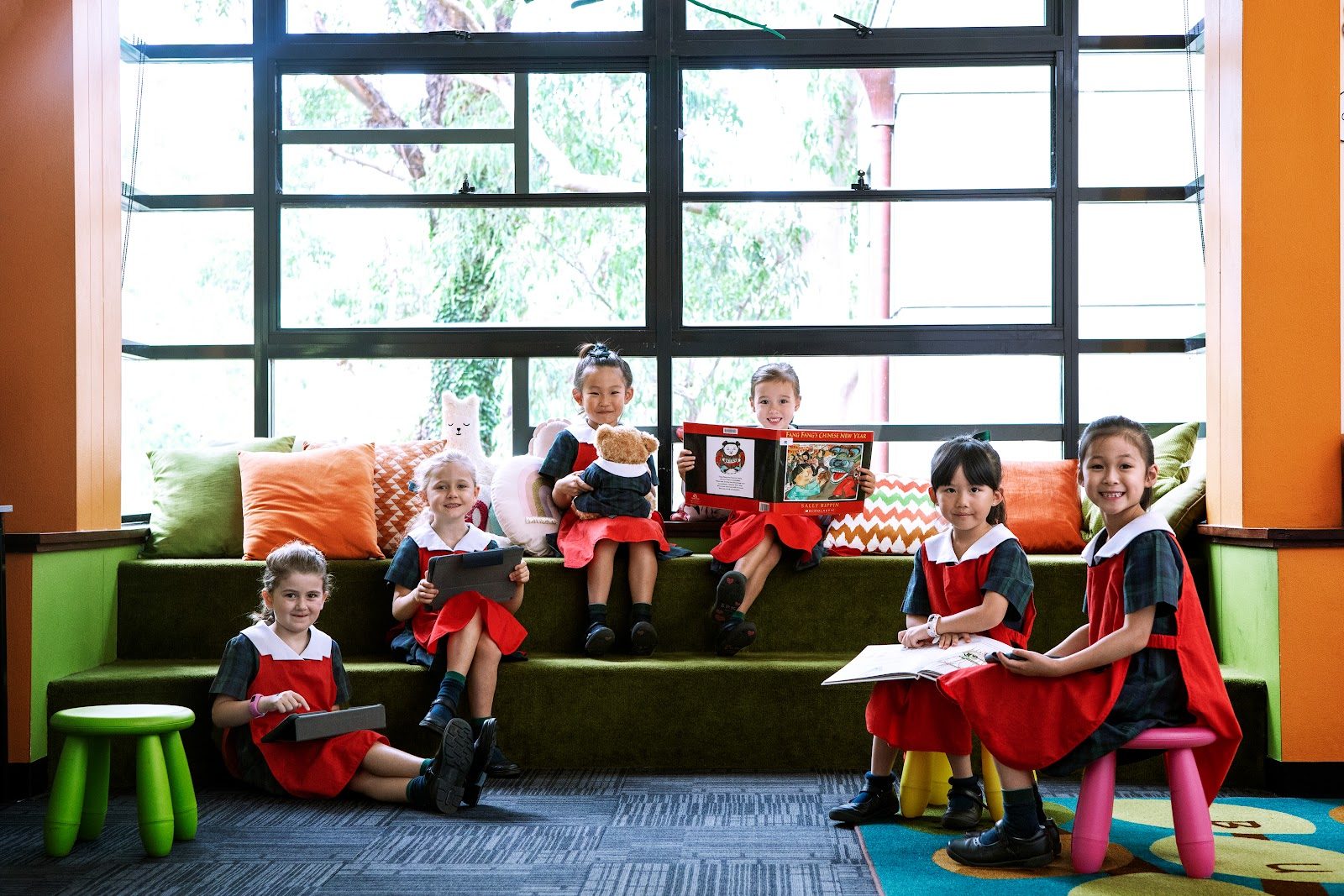
Pymble Ladies' College
Sydney · Australia
On Sydney's Upper North Shore, a non-selective campus of five schools lets girls choose between the IB and HSC pathways.
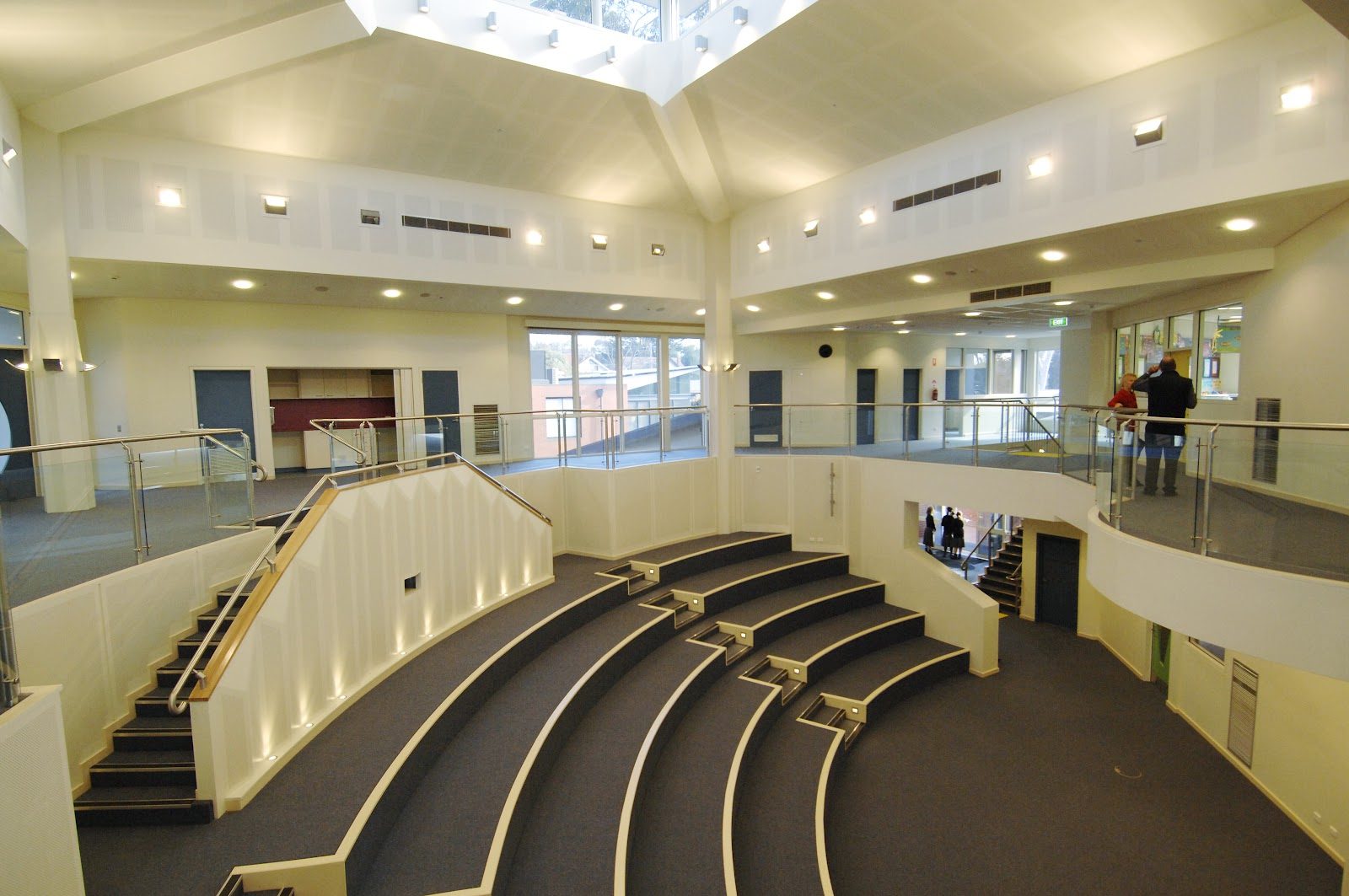
Ivanhoe Grammar School
Melbourne · Australia
A Year 9 campus embedded at La Trobe University anchors a Round Square network across Melbourne's north, offering both VCE and IB pathways.
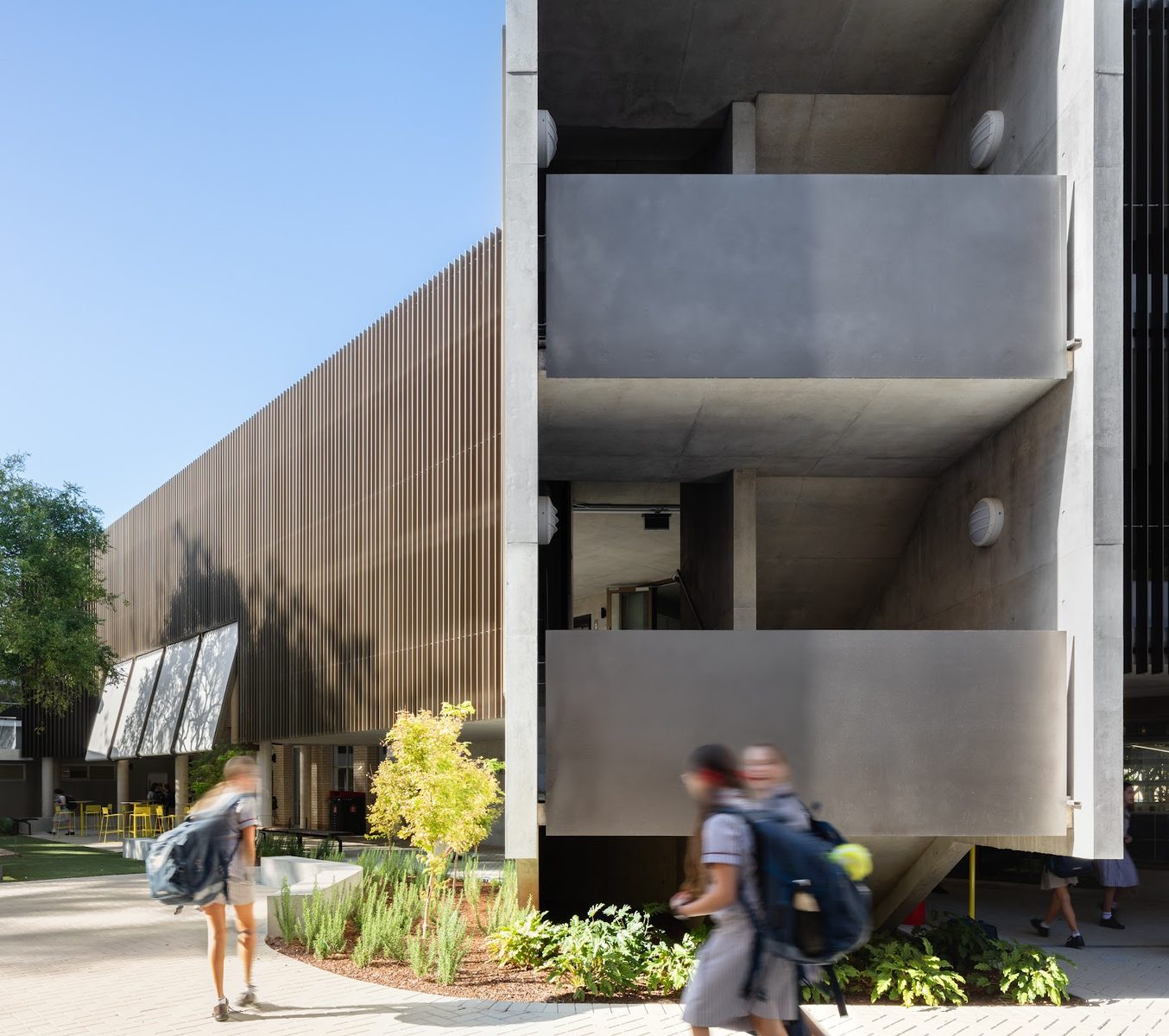
Ascham School
Sydney · Australia
Sydney's storied girls' boarding school, pairing the Dalton Plan with a rigorous HSC pathway.
Cranbrook School
Sydney · Australia
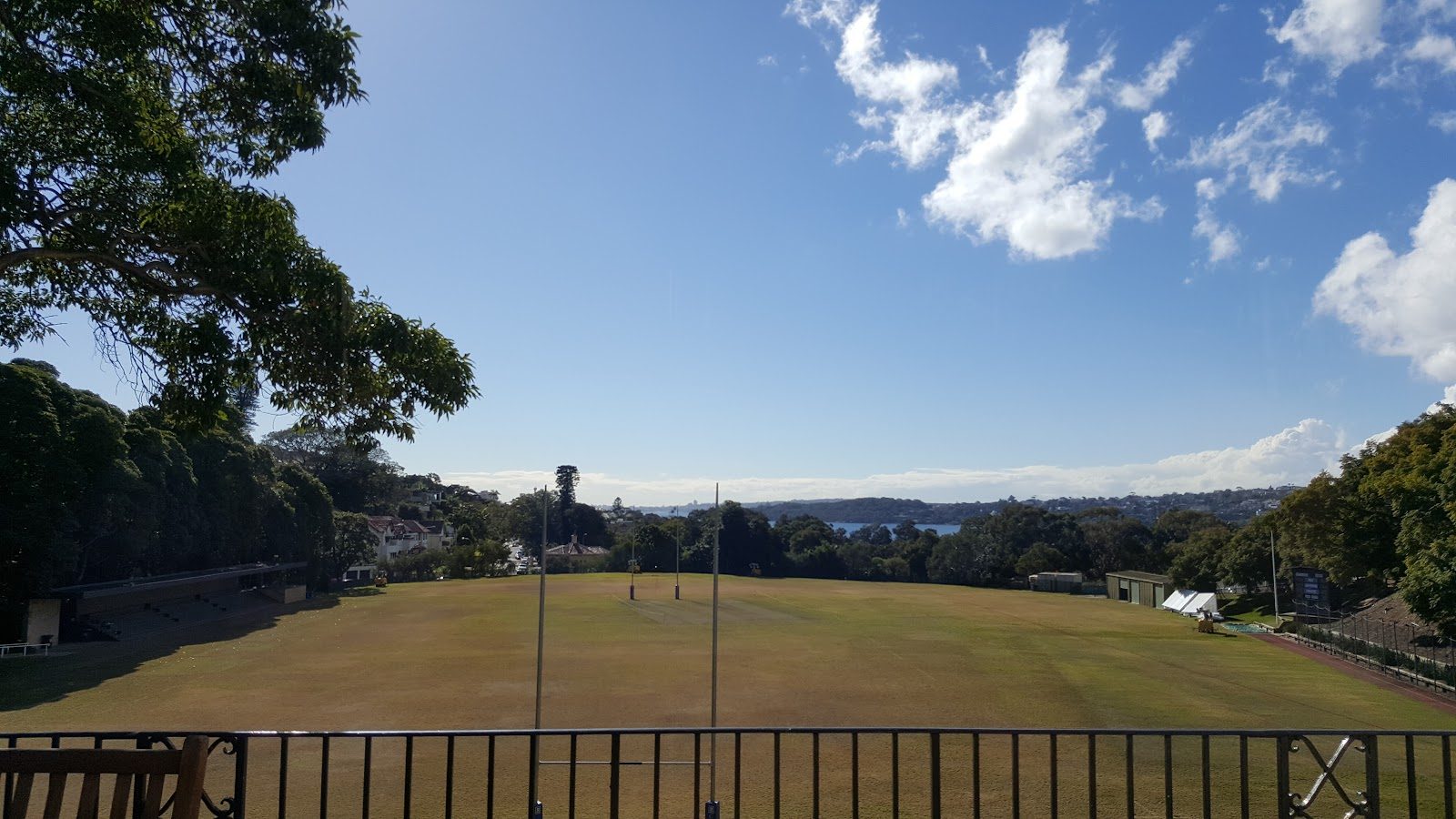
Sydney's first IB Continuum School, pairing Bellevue Hill harbour views with a Blue Mountains bush campus for experiential learning.
Same country and curriculum — closest matches within ±10 points either way