
MENA
Amman Baccalaureate School
Founded in 1981 under royal patronage, this Amman day school delivers the region's first full bilingual IB continuum, Arabic and English.
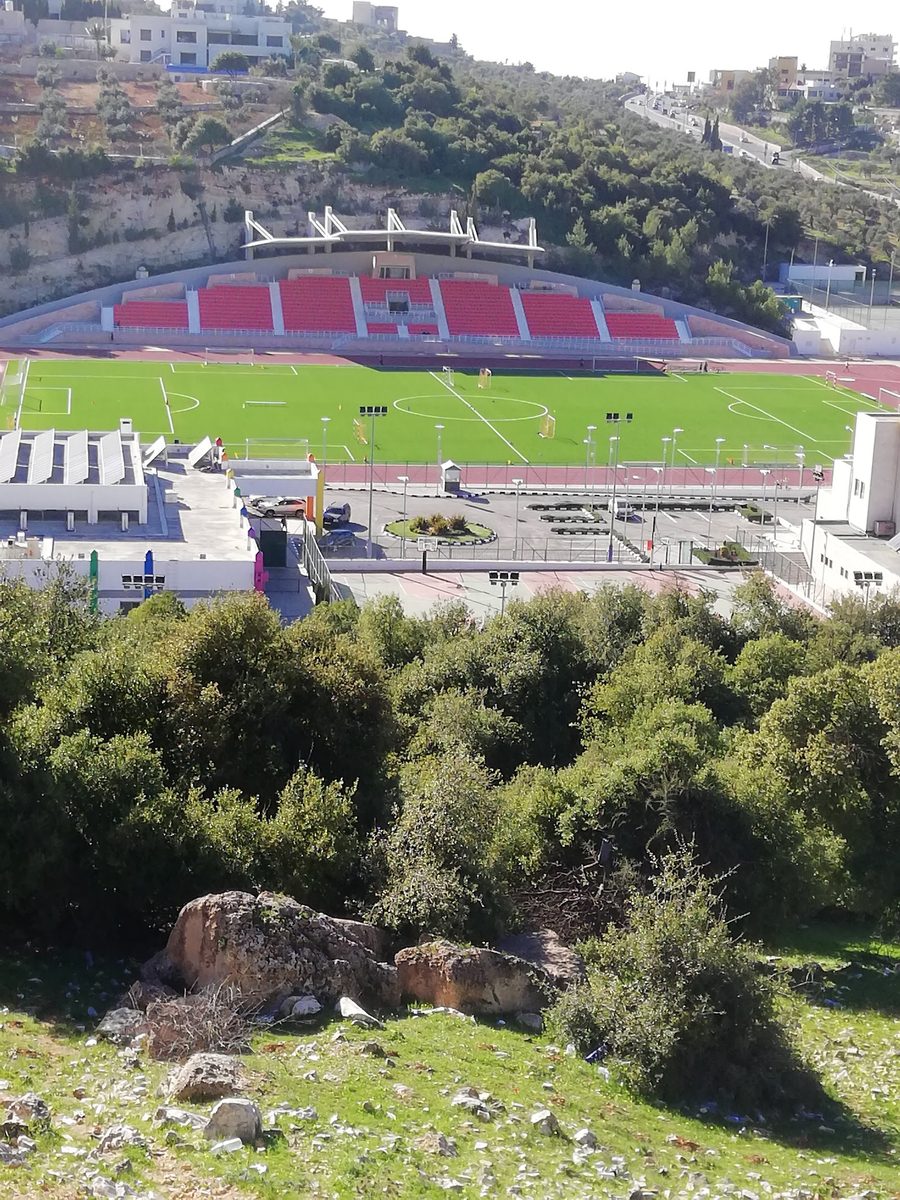
Photo © Amin Aljdou via Google Maps
Type
Day
Ages
4–18
Curriculum
IB Diploma
Qualifications
IB
Ratio
—
The Verdict
Editor's commitment
Right for
Families wanting a 1981-founded Amman day school with the full IB route from PYP and MYP to Diploma or Career-related Programme.
Wrong for
Parents seeking boarding, religious framing, or Arabic-medium teaching; ABS is non-religious, day-only, and teaches in English in Amman.
Watch out for
CIS, NEASC and IB World status give ABS credibility, but the school does not publish aggregate Diploma or Career-related results.
Ranking breakdown
Amman Baccalaureate School · #847 of 1591
Composite score 56.1. 8 weighted criteria.
By criterion
Academic Outcomes
Weight 20%
#900
of 1529 scored
University Placement
Weight 16%
#848
of 1529 scored
Prestige & Heritage
Weight 12%
#723
of 1571 scored
Alumni Network
Weight 12%
#1441
of 1530 scored
Facilities
Weight 12%
#1045
of 1534 scored
Transparency & Communications
Weight 8%
#943
of 1532 scored
Peer & Industry Review
Weight 10%
#1216
of 1548 scored
Admissions Selectivity & Demand
Weight 8%
#760
of 1529 scored
Peer & Industry Review
How Amman Baccalaureate School is regarded in the sector
63
Respected · medium confidence
Within Jordan's small international-school market, Amman Baccalaureate School is consistently treated as the benchmark IB provider: heads at rivals such as King's Academy and the International Community School reference ABS's 1986 IB World School status and dual CIS/NEASC accreditation when positioning their own curricula, since ABS was the country's first to offer the full IB continuum. University-facing signals are modest but concrete-ABS's counselling office reports steady placement into UK Russell Group and US mid-tier/liberal-arts institutions, and its IB Diploma average has tracked near the global mean in years reported to the IB Organisation, making it a known quantity rather than a standout to admissions officers. Independent press coverage is thin outside Jordan; local outlets like the Jordan Times periodically cite ABS in pieces on the country's oldest private schools, and it appears in general directories (International Schools Database, ISC Research) rather than in WhichSchoolAdvisor or Good Schools Guide, which do not cover Jordan. Overall, ABS's reputation rests on institutional longevity and accreditation credibility among regional peers rather than on league-table prominence or international media attention.
- Zeid Ra'ad Al Hussein — UN High Commissioner for Human Rights, Diplomacy
- Bisher Al-Khasawneh — Prime Minister of Jordan, Politics
- Rym Brahimi — Journalist, Media
Editors' overview
Amman Baccalaureate School occupies a distinct place in Jordan’s market: a non-religious, coeducational day school founded in 1981, run as a nonprofit, and established under royal patronage. That combination matters. In a city with strong local schools and a growing international segment, ABS offers something few rivals match: the full IB journey from the early years to graduation, anchored in a school with long institutional roots rather than a new-brand proposition. Its governance also carries weight. The Board of Trustees is chaired by Princess Sarvath al-Hassan, with Princess Sumaya bint Hassan as Deputy Chair; that gives the school public stature and a clear sense of civic purpose. That heritage still counts.
What sets ABS apart is not gimmickry but structure. It offers the IB Primary Years Programme, the IB Middle Years Programme, the IB Diploma and the IB Career-related Programme, which gives families a rare degree of continuity across ages 4–18. The school’s own editorial tagline points to the sharper distinction: the region’s first full bilingual IB continuum in Arabic and English. Even with English listed as the language of instruction, that bilingual ambition remains central to its identity and to its appeal in Amman, where many families want international education without cultural detachment. *This is serious bilingualism, not decorative Arabic on a prospectus.* Accreditation from the IB, CIS and NEASC reinforces that ABS sits in the established, scrutinised tier of the market.
Why shortlist it? Because ABS offers a credible blend of local rootedness and international curriculum, without the transient feel that afflicts some globally branded schools. Parents who want an IB school with institutional memory, stable oversight and a strong position in Jordan’s professional class will find ABS compelling. The day-only format also tells you what it is not: this is not a boarding destination or a pastoral resort. It is a city school for families who want academic breadth, external recognition and a community tied to Amman itself. There is substance here. The school knows what it is.
The best fit is a student who thrives in an academically structured environment and values breadth over narrow exam drilling. ABS suits internationally minded Jordanian families, returnee families, and expatriates who want a school that understands both global university pathways and local context. It will also suit students who want the choice between the IB Diploma and the IB Career-related Programme rather than a single sixth-form track. *For the right child, that choice is liberating.* Students looking for a loose culture or a purely Westernised bubble should look elsewhere; ABS is more grounded, more deliberate and more demanding than that. That is its advantage.
Academic Performance
ABS offers the full IB route through to graduation, but the school does not publish the one set of numbers parents need to judge academic strength cleanly: aggregate Diploma results. We have not seen average point scores, pass rates, subject distributions, top-score counts, or multi-year trends in the public domain. That is a real weakness in a market where serious IB schools use outcomes to prove consistency. Without those figures, ABS cannot claim the same level of academic transparency as the strongest data-sharing peers in the region. The presence of both the Diploma and the Career-related Programme also matters when parents assess headline outcomes: mixed post-16 pathways can widen student choice, but they make it even more important for a school to separate and publish results clearly. ABS does not do that publicly.
Where does that leave it relative to competitors? In institutional terms, ABS sits in the established upper tier of Jordan’s international market, and families can take some confidence from its long-running status and external oversight. But academic performance is not judged on reputation alone. Against schools that release full IB data each year, ABS is at a clear disadvantage because parents cannot test the school’s claims against hard results. That does not mean weak outcomes; it means opaque outcomes. For analytically minded families, that distinction is decisive. Ask for the last 3 years of Diploma and Career-related results, university destinations, and subject-level performance before treating ABS as a top academic bet.
Facilities
ABS does not publish the kind of campus detail that lets parents benchmark facilities with confidence. We have not seen a public floor-by-floor account of specialist spaces, capacity figures, theatre specifications, sports inventory, laboratory count, or photography that maps the campus in any serious way. That absence matters. In this bracket of the market, strong schools show parents exactly what pupils use: science labs, performing arts spaces, indoor sport, outdoor courts, maker or design facilities, libraries by phase, and age-specific early years provision. ABS gives no such hard-edged public picture. The result is a facilities story that feels underpowered next to peers that document their estates properly. For a school with a full through-school structure across ages 4–18, that lack of disclosure is a conspicuous gap.
That does not mean the campus is weak; it means parents must inspect it in person and ask direct questions. A serious through-school needs specialist provision across multiple age phases, and ABS has the scale and institutional maturity to justify expectations of a competent all-round campus. But “competent” is not the same as market-leading. Against newer premium schools that use architecture and specialist centres as part of the sell, ABS loses ground because the school does not publish enough to prove breadth or quality. Treat facilities here as an open question, not a selling point, until you have seen the laboratories, arts rooms, libraries, sports spaces and sixth-form areas yourself.
We have not seen average point scores, pass rates, subject distributions, top-score counts, or multi-year trends in the public domain
Prestige
ABS carries real standing in Jordan because its reputation rests on permanence, governance and social placement, not on imported branding. This is a school tied to the country’s professional and civic establishment, with oversight that gives it public weight beyond the usual private-school marketing claims. The nonprofit structure matters too: it frames the school less as a commercial venture and more as an institution with a durable place in national education. In Amman, that translates into a parent body drawn from families who value status, continuity and serious academic intent. For many local families, ABS is not a fashionable newcomer; it is an established name with a long record of sending students into competitive next steps.
That said, prestige here is substantive rather than glamorous. ABS does not trade on inherited British boarding mythology or elite global-chain cachet. Its status is more local, more civic and more grounded. That gives it strong recognition in Jordan and credible standing with internationally minded families in the region, but it does not carry the instant worldwide brand recognition of the most famous export-school names. The school’s royal patronage and trustee leadership add undeniable cachet, and the full age-range offer strengthens family loyalty over time, which reinforces status internally. Still, prestige without published top-line outcomes has a ceiling. ABS remains a high-status school in its home market; it is not an untouchable one.
Ask for the last 3 years of Diploma and Career-related results, university destinations, and subject-level performance before treating ABS as a top academic bet
Communications
ABS’s public communication gives parents the essentials, but not much more. The school states what it is, who governs it and the age range it serves; that baseline clarity matters, and many schools fail even there. The governance detail is a strength because it signals accountability rather than anonymous management. But effective parent communication is tested in the mundane and the measurable: calendar precision, assessment reporting, response times, leadership visibility, policy access and the quality of routine operational updates. On those fronts, ABS leaves too much unstated. We have not seen a rich public archive of parent-facing notices, detailed handbooks, or a sharply organised information architecture that anticipates practical questions. For a school serving children from 4–18, that is a serious omission because parent needs change dramatically across phases and the communication burden rises with that complexity.
So the verdict is mixed. ABS communicates identity and institutional structure with credible authority, but it does not publish enough to prove *exceptional day-to-day communication discipline*. Parents who value tight operational messaging, transparent academic reporting and easy access to practical information will need to test this directly. Ask how reports are delivered, how absences and safeguarding concerns are handled, how quickly teachers reply, and how often heads communicate with families. Until those answers are clear, communications at ABS sit in the adequate rather than exemplary bracket. That is not fatal. It is less polished than a top school at this fee level should be.
Uniqueness
What makes ABS distinctive is the combination of institutional gravity and educational range inside one school. This is not a franchise import and not a personality-led start-up. It sits under a charitable society, is licensed by the Jordanian Ministry of Education, and is governed by a board with real public stature. That gives the school a different centre of gravity from more commercial operators: decisions sit inside a framework of trusteeship, not salesmanship. For students, that brings a culture with strong civic overtones and a clearer sense that school life connects to the country around them, not just to an international-school bubble. The coexistence of the Diploma and the Career-related route at the top end also matters. In a market that still pushes one narrow definition of success, ABS gives older students serious room to choose.
Its other point of difference is continuity with cultural ballast. Families do not have to trade international progression for local rootedness. The school’s bilingual identity, spanning the full age range from 4–18, gives students sustained exposure to both Arabic and English rather than treating one as decorative. That matters in Jordan, where many internationally ambitious families still want their children to read, write and think with confidence across contexts. Done well, that produces graduates who are less detached, more adaptable and better equipped for universities, workplaces and public life across the region. The benefit is not glamour. It is long-term fluency, social range and a stronger grip on where one belongs.
Still, prestige without published top-line outcomes has a ceiling
Student Profile
The best fit at ABS is a student who can handle two demands at once: academic structure and cultural range. This is not a school for children who want a loose, anonymous experience or a purely expatriate social bubble. It suits families who want their child educated in an environment that is socially anchored, internationally literate and comfortable moving between local and global reference points. Expect a student body with a strong Jordanian core, alongside returnee and internationally minded families who want external pathways without shedding regional identity. The through-school span from 4–18 also shapes the social character: children grow up within one institution, which tends to produce a more settled, less transient community than at newer foreign-branded schools.
The pupils who flourish here are those with discipline, adaptability and a tolerance for seriousness. Older students need to make informed choices about post-16 direction, so ABS suits teenagers who are reflective and prepared to own their decisions rather than drift with the crowd. It will also suit children who value continuity and are comfortable in a school with visible expectations around conduct, effort and belonging. Creative, sporty and entrepreneurial students can do well here too, but the key test is temperament. A child who needs constant novelty, light-touch boundaries or a hyper-casual culture will chafe. A child who wants substance, continuity and a peer group with real ambition will fit much better.
It is less polished than a top school at this fee level should be
Co-curricular strengths
Arts & sport, on a separate axis
Overall 8.74/10
Scored 0-10 from the school's own published evidence. This axis is editorial-only — it does not feed the main WTS ranking.
Sports
8.8/10
Drama
8.8/10
Dance
8.5/10
Music
8.8/10
Visual Arts
8.8/10
Strengths
- +Founded in 1981, Amman Baccalaureate School is described as Jordan's oldest IB World School, authorised to teach the full IB continuum (PYP, MYP, Diploma and Career-related Programme).
- +The school was the first in Jordan to be awarded Council of International Schools (CIS) accreditation and is also accredited by the New England Association of Schools and Colleges, with reaccreditation in 2025.
- +It is a non-profit institution governed by a Board of Trustees chaired by Princess Sarvath al-Hassan, distinguishing it from several owner-operated rivals in the Amman market.
- +ABS delivers a genuinely bilingual Arabic-English curriculum to roughly 1,175 students representing 14 nationalities across a K-12 continuum.
- +The school is a Global Member of the Round Square Conference of Schools, adding structured character-education and international exchange opportunities to the academic programme.
Considerations
- −Unlike some newer Amman competitors that publish detailed annual IB Diploma average scores, ABS's own aggregate results are not readily available in public sources, making outcomes harder to benchmark before enrolling.
- −Admissions operate on a strict date-ordered waiting list when demand exceeds places, so families arriving mid-cycle or applying late can face delays regardless of a child's ability.
- −Entry from KG1 onward is governed by assessment and interview covering maths plus English and Arabic proficiency, which can disadvantage families without any Arabic exposure outside the limited International Section.
- −Annual tuition of roughly JOD 7,252 to JOD 16,913 (about USD 10,000-24,000), plus a non-refundable JOD 1,500 enrolment fee, sits at a mid-to-premium level for the local market.
Availability
Primary entry gate & tests
IB Assessment + Interview
Gallery
Photo © Mohammad EL Hafez via Google Maps
Photo © Mohammad EL Hafez via Google Maps
Photo © Mashhour Halawani via Google Maps
Photo © ابو عزيز الزعبي via Google Maps
Photo © Mashhour Halawani via Google Maps
Photo © محمد محمود via Google Maps
Photo © محمد محمود via Google Maps
Parent reviews
Have you sent your child here?
Voice reviews carry the strongest trust badge — we transcribe them for you to tidy up before they go live. Prefer to type? A written review is fine too.
Add your voice
In 60 seconds, tell other parents: what's the best thing about Amman Baccalaureate School, and what surprised you when your child joined?
We ask for a Google sign-in so every review has a real face behind it — no anonymous drive-by attacks on schools, and no faked positive reviews. Your email is never shown publicly.
Send this profile to a friend
International parents rely on word-of-mouth. Share this review with someone weighing the same decision.
Schools with places
Similar schools to Amman Baccalaureate School with places available now.
Availability first, then country, area, curriculum, price, co-curricular
Consider also
Also worth looking at alongside Amman Baccalaureate School.
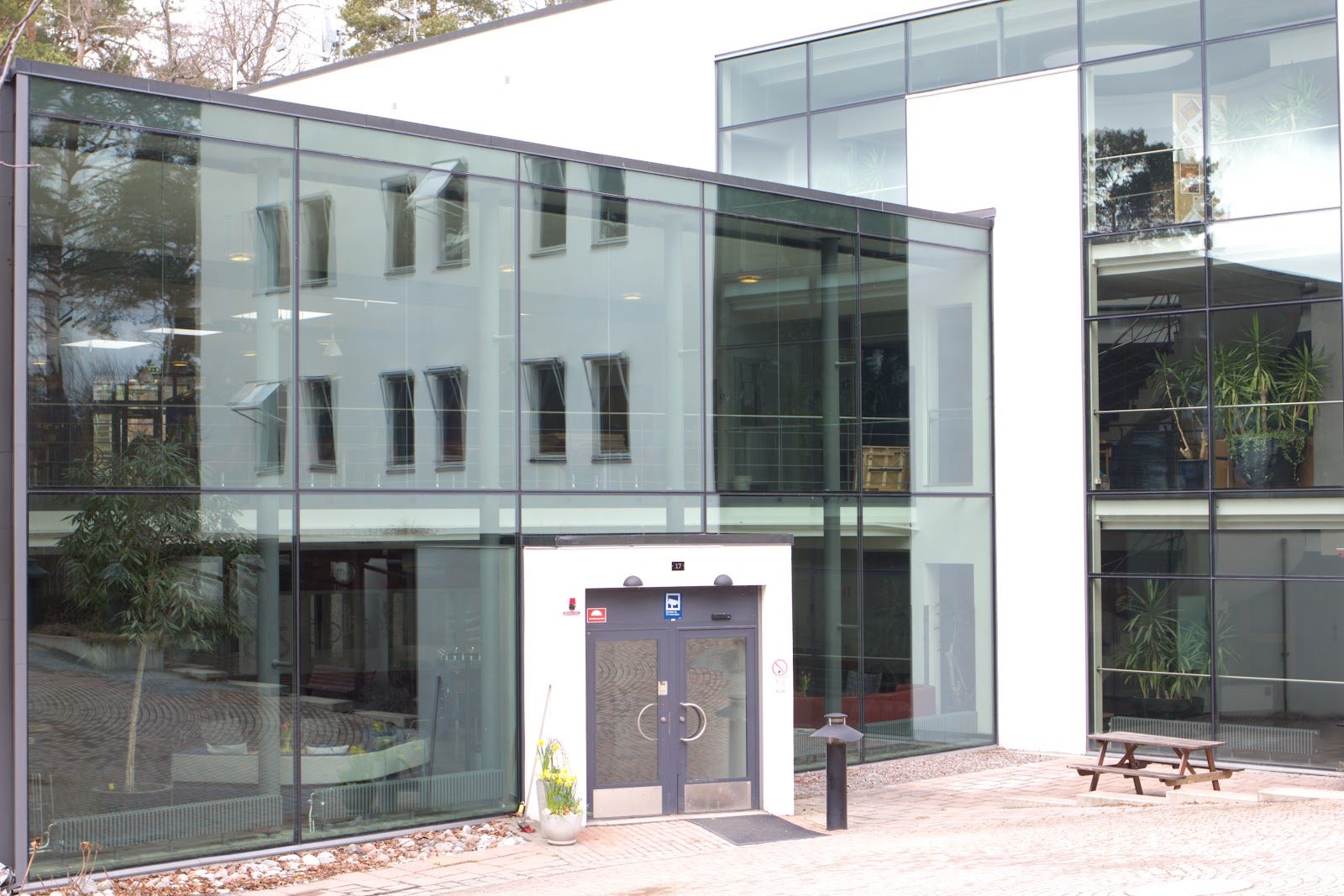
Sigtunaskolan Humanistiska Läroverket
Sigtuna · Sweden
Eight lakeside boarding houses in Sweden's oldest town anchor the country's longest-running IB Diploma programme.

Herlufsholm
Næstved · Denmark
Founded in 1565 on a Benedictine monastery site by the River Susaa, pairing Danish national rigor with an English-taught IB Diploma.
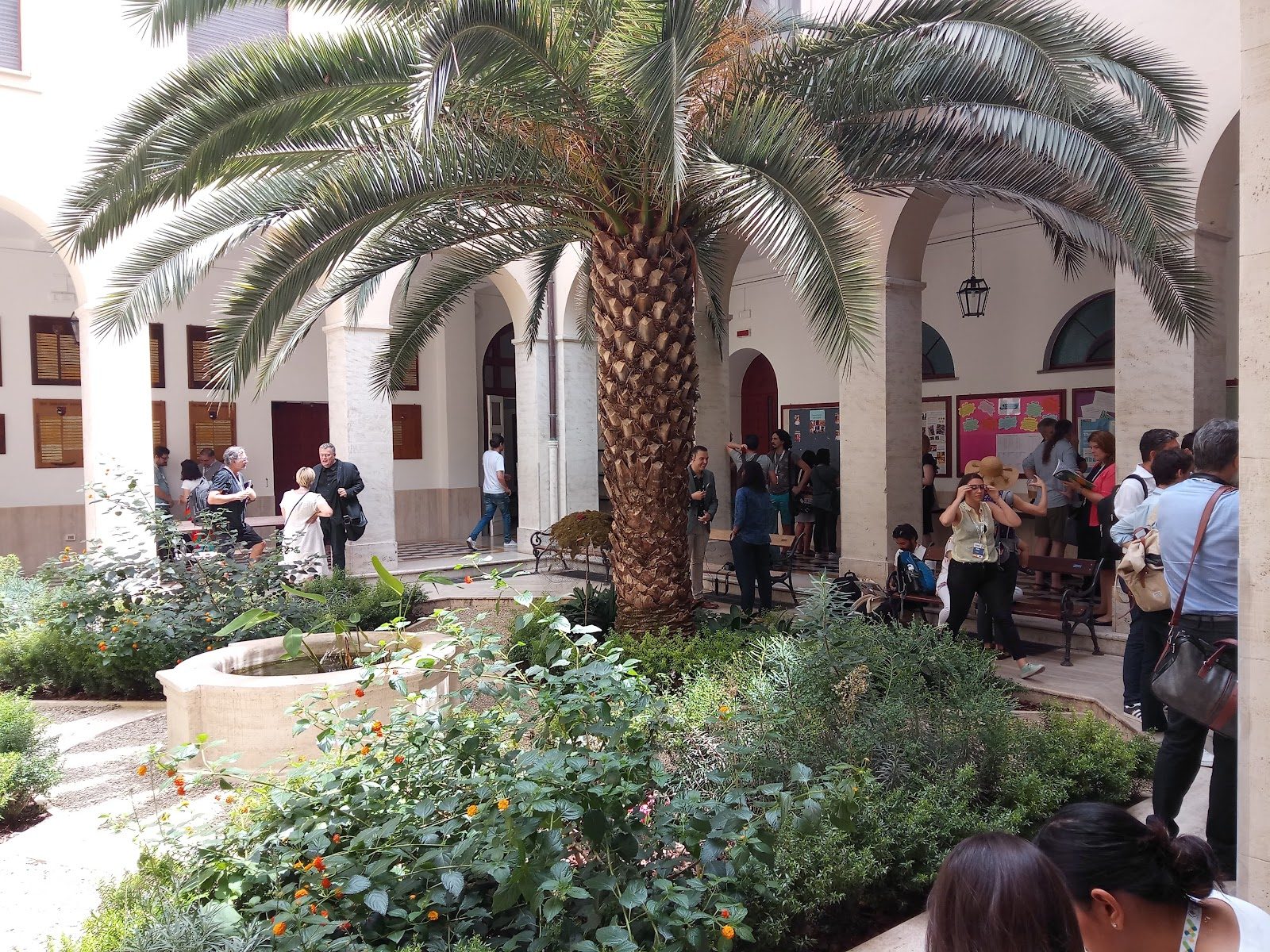
St. Stephen's School Rome
Rome · Italy
At the foot of Rome's Aventine Hill, Italy's first IB Diploma programme pairs classical liberal arts with American college prep.
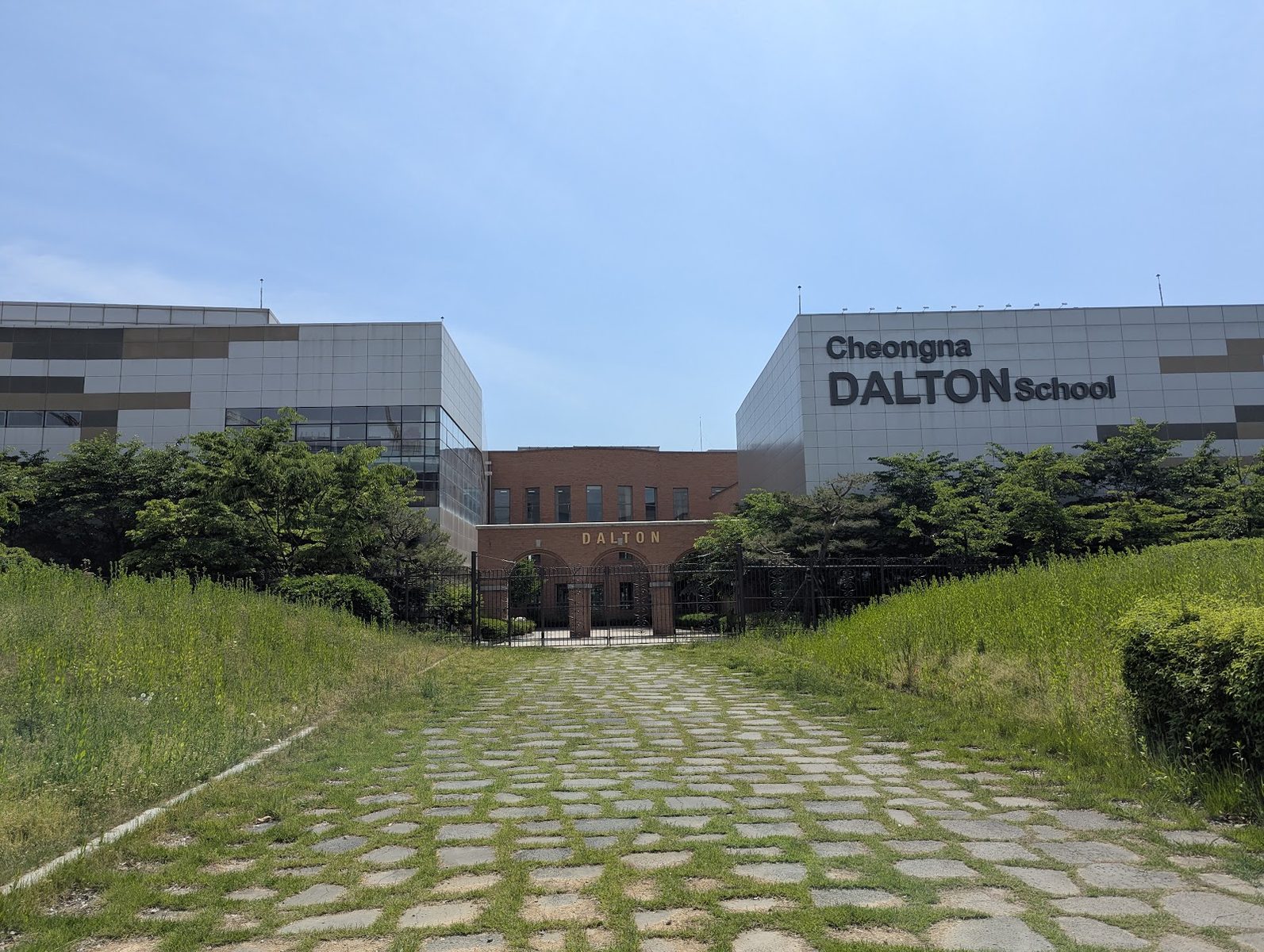
Cheongna Dalton School
Incheon · South Korea
Inside Incheon's Free Economic Zone, a Dalton Plan campus pairs House-Assignment-Laboratory pedagogy with its own equestrian field.
Same country and curriculum — closest matches within ±10 points either way