
Lazio
St. Stephen's School Rome
low confidence· 1/6 cats · 2.5 avg sourcesAt the foot of Rome's Aventine Hill, Italy's first IB Diploma programme pairs classical liberal arts with American college prep.
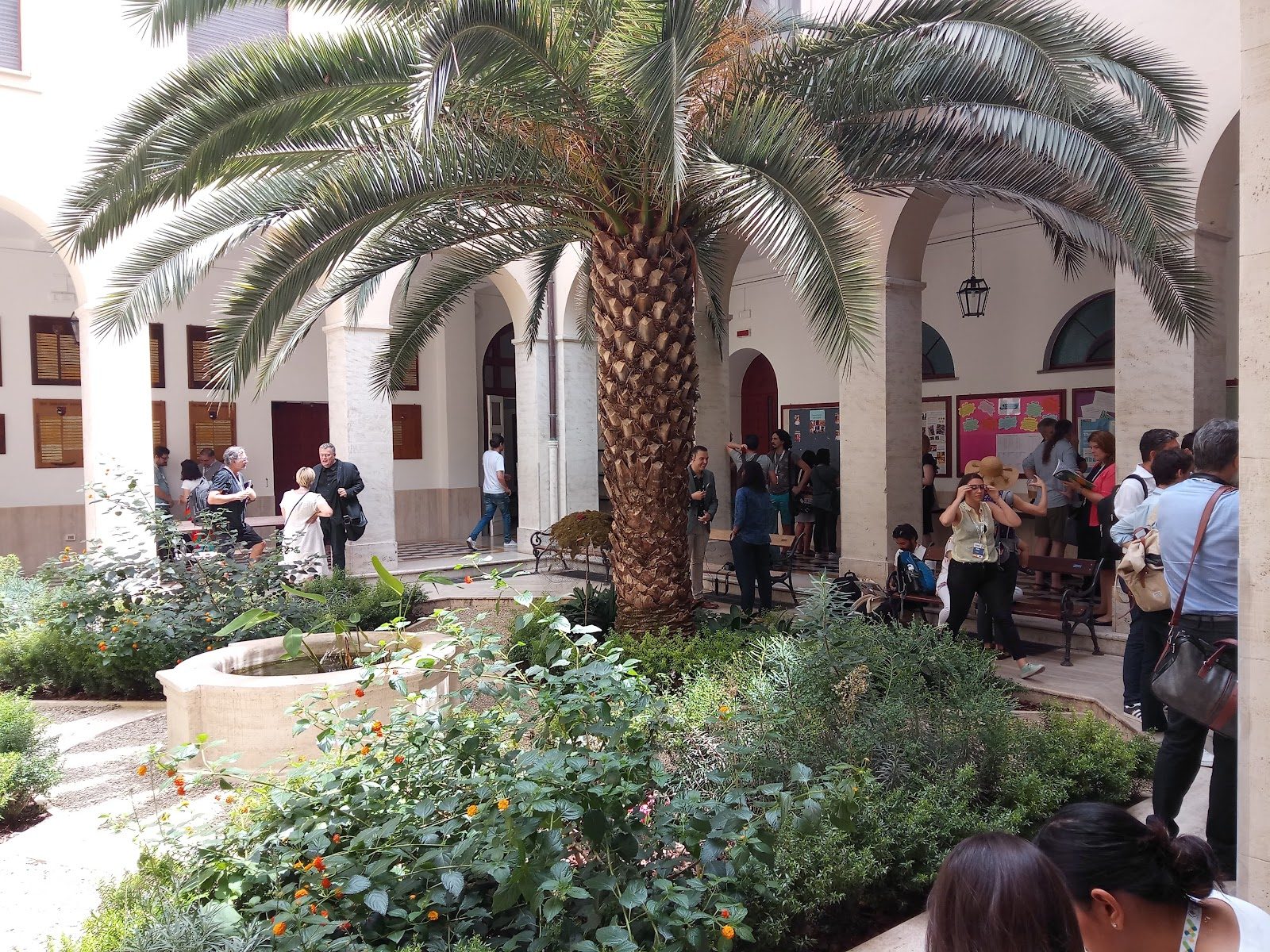
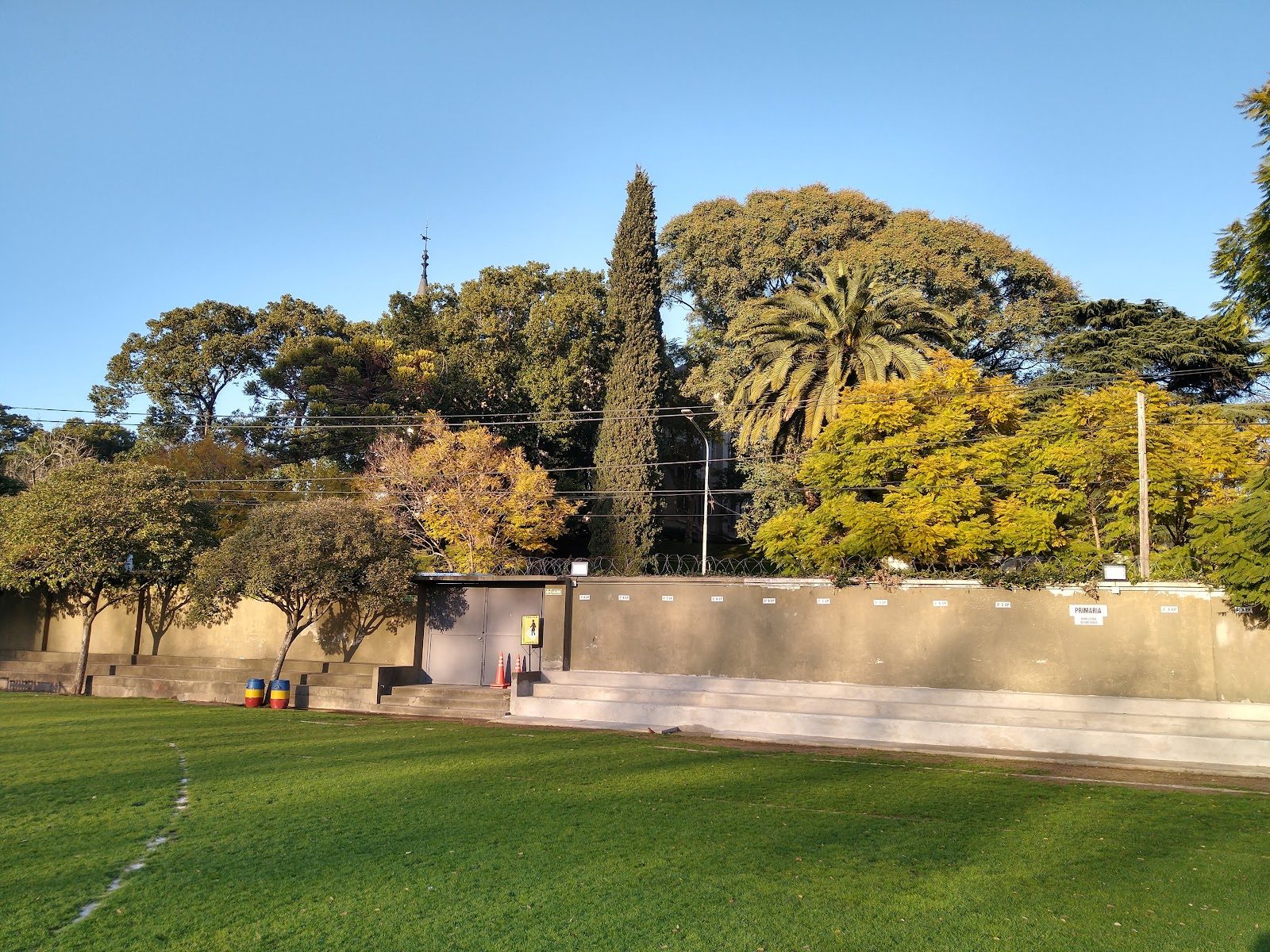
Photo © Eric Mugendi via Google Maps
Type
Boarding
Ages
14–19
Curriculum
IB Diploma · American Curriculum
Ratio
—
The Verdict
Editor's commitment
Right for
Families wanting boarding in Rome for ages 14–19, with English teaching and a real IB Diploma plus American curriculum.
Wrong for
Anyone seeking a through-school, religious ethos or non-boarding setup; St Stephen’s starts at 14, is non-religious, and boards.
Watch out for
Founded in 1964 on the Aventine Hill, it sells place and programme hard; the school does not publish public outcome data here.
Ranking breakdown
St. Stephen's School Rome · #1363 of 1591
Composite score 53.3. 8 weighted criteria.
By criterion
Academic Outcomes
Weight 20%
#1357
of 1529 scored
University Placement
Weight 16%
#1332
of 1529 scored
Prestige & Heritage
Weight 12%
#1320
of 1529 scored
Alumni Network
Weight 12%
#1202
of 1529 scored
Facilities
Weight 12%
#1251
of 1529 scored
Transparency & Communications
Weight 8%
#1310
of 1529 scored
Peer & Industry Review
Weight 10%
#1400
of 1529 scored
Admissions Selectivity & Demand
Weight 8%
#1326
of 1529 scored
Peer & Industry Review
How St. Stephen's School Rome is regarded in the sector
68
Respected · medium confidence
St. Stephen's School Rome is widely recognized as a leading American-style international boarding/day school in Italy, frequently cited in expat parent forums (e.g., International School Parent Rome guides, ExpatFocus discussions) as one of the top choices for English-language secondary education in Rome, with strong IB and AP results and a notable alumni network including diplomats' and business families' children. It lacks the broader mainstream press coverage (e.g., Tatler, Good Schools Guide) seen for top UK/Swiss international schools, but its reputation among the international school community in Italy and among peer institutions in the IB/AP network is solid and consistent.
- John Elkann — Chairman, Stellantis/Exor - business
- Lapo Elkann — Founder, Garage Italia - business
- Ginevra Elkann — Film director, arts
Editors' overview
St. Stephen’s School Rome occupies a narrow but distinctive niche: a small international boarding school for older teenagers, set at the foot of the Aventine Hill, with Rome itself folded into daily life. Founded in 1964, it has history without old-institution pomposity. The offer is clear: the IB Diploma alongside an American curriculum, taught in English, for students aged 14–19. That combination matters. It gives internationally mobile families a route into US and global university admissions, while the location gives the school a cultural asset few rivals can match. A campus near the Circus Maximus, Forum and Colosseum is not a branding flourish; in the right hands, it turns the city into a working classroom. The appeal rests in that rare sense of place, intellectual seriousness and urban independence.
What puts St. Stephen’s on a shortlist is not scale, spectacle or sporting excess. It is the proposition itself: liberal-arts instincts in one of Europe’s most historically saturated cities, with boarding attached. For the right student, that is deeply compelling. For the wrong one, it is a poor fit. Families looking for a sprawling campus, a high-gloss super-school atmosphere or a vast menu of activities will find stronger options elsewhere. Rome is the school’s advantage and its limit. This is a school for adolescents who want culture close at hand, not sealed off behind gates; for students who can handle freedom, movement and the distractions of a capital city without losing focus. The boarding element widens the catchment and adds intensity, but the school’s age range — 14–19 — keeps the atmosphere older, more self-directed and more adult than an all-through international school.
The student who will thrive here is academically minded, verbally confident and curious about ideas beyond the textbook. A teenager drawn to literature, history, philosophy, politics or the arts will get more from St. Stephen’s than one whose identity rests on elite athletics or a giant-school social scene. It suits pupils who want a cultivated education with an American inflection and the discipline of the IB at the top end. It also suits internationally minded boarders who value a cosmopolitan peer group and can live comfortably in a school that asks for independence early. In market terms, St. Stephen’s is not the universal choice; it is a specialist option with real character. For families who want Rome, boarding, English-medium teaching and a serious pre-university course in one place, it earns its place on the list.
Academic Performance
St. Stephen’s sits in an awkward category for clean academic comparison. It serves an older cohort and culminates in the IB Diploma, but the school does not publish enough headline data here to let parents judge exam performance with precision. We have not seen aggregate diploma averages, subject-by-subject distributions, top scores or multi-year trends. That is a real gap. In a market where strong schools increasingly put hard numbers in public view, opacity weakens the case. Families can still infer something from the school’s enduring reputation and its academically selective proposition, but inference is not evidence. For a school selling a serious intellectual education in a high-cost international niche, published outcomes matter.
Relative to peers, that leaves St. Stephen’s in the credible but under-evidenced bracket rather than the clearly top-performing one. Schools with consistently strong IB results now publish average point scores, pass rates and score ranges; St. Stephen’s does not do that here. That does not mean weak results. It means parents must ask directly. The right questions are blunt: recent diploma averages, the share of students scoring above 35 and 40, resit patterns, higher-level subject performance, and university destinations by course and country. A small sixth-form environment can produce impressive individual outcomes and close academic attention, but without published data the school’s performance remains hard to verify against Rome’s stronger international competitors.
Facilities
Facilities at St. Stephen’s are defined less by scale than by use. Families expecting the armature of a big suburban international school — stadium fields, endless specialist wings, glossy atriums — will not find it here. The core asset is the school’s exceptional urban setting: a campus on the Aventine Hill with the Circus Maximus, Forum and Colosseum close at hand. That matters because at this school the city functions as an extension of the campus, above all for humanities-rich study. Against boarding peers with self-contained estates, St. Stephen’s offers a more intellectually charged physical environment but a narrower conventional facilities package. We have not seen a published inventory of major sports infrastructure, theatre-scale performance spaces or standout STEM provision, and that absence is worth noting.
For boarders, the practical question is not grandeur but whether the site supports focused study, safe daily living and enough communal space for an older student body. On that measure, the proposition is coherent: this is a school built around maturity and independence, not cocooning. Relative to Rome competitors with larger grounds, St. Stephen’s trades breadth for place. Relative to heavyweight European boarding schools, it looks compact, urban and specialised. That will suit students who draw energy from a city and need no manufactured campus spectacle. It will disappoint families who equate premium fees with acres, elite athletics and endless bricks-and-mortar choice.
It suits pupils who want a cultivated education with an American inflection and the discipline of the IB at the top end
Prestige
St. Stephen’s carries real niche prestige, not mass-market prestige. That distinction matters. In the international schools market, status can come from brute scale, glossy facilities, league-table publicity or famous parentage. St. Stephen’s draws it from something narrower and more durable: a long-established reputation among internationally minded families who want an older, more intellectually focused school with a strong sense of cultural setting. The school’s cachet rests in its cultivated seriousness and in the fact that its identity is not interchangeable with the standard premium international-school template. A teenager educated here gets a school name that reads as discerning rather than flashy.
That prestige has limits. It does not carry the automatic global recognition of the biggest Anglo-American brands, and the school does not publish the kind of hard outcome data that turns reputation into proof. That keeps it below the top tier of internationally dominant names. Still, within its segment, St. Stephen’s holds distinctive esteem: a Rome school on the Aventine Hill, near the city’s classical core, serving students aged 14–19 in a deliberately compact, pre-university environment. For the right family, that combination has genuine cultural capital. For families chasing broad-name prestige, aggressive university-placement marketing or conspicuous scale, it has less force. Our rating, then, is high but specialised: respected, selective in feel, and memorable for its setting and intellectual tone rather than for raw institutional clout.
We have not seen aggregate diploma averages, subject-by-subject distributions, top scores or multi-year trends
Communications
St. Stephen’s communication has one clear advantage: a school serving older teenagers and boarders cannot function on casual, last-minute messaging. Parents need prompt notice on pastoral issues, academic concerns, travel arrangements and the rhythms of school life beyond the classroom. The public-facing picture, though, lacks depth. We have not seen a rich published trail of newsletters, detailed parent handbooks, academic reporting examples or a clearly signposted communications architecture that tells families exactly how information flows and when. That does not inspire full confidence. At a school where independence is part of the culture, there is always a risk that “student autonomy” slides into parental distance if systems are not explicit.
The likely reality is competent day-to-day contact rather than best-in-class transparency. A compact school with a focused age range can communicate well through direct staff access and fewer institutional layers, and that structure often works better than the polished but impersonal machinery of bigger schools. Still, parents choosing a boarding school are not buying improvisation. They need clarity on who answers what, how quickly concerns are handled, how boarding updates are shared, and how academic underperformance is flagged before it hardens into a problem. St. Stephen’s may well do this effectively in practice; it does not prove it in public. For some families, that is acceptable. For others, especially those sending a child from abroad at 14 or 15, it is a serious due-diligence issue.
Uniqueness
What sets St. Stephen’s apart is not a single programme or facility but the way it compresses school life into a serious urban education for older teenagers. This is a place built for students in the final stretch before university, not for small children and not for families who want a protected, all-through campus bubble. The age span — 14–19 — changes the tone. Conversation can be more adult, expectations higher, supervision lighter. Add the school’s day-and-boarding mix and the result is a community with *more independence than comfort-school warmth*. That gives the right student room to grow up quickly. It also demands judgement, self-command and a capacity to use freedom well.
The other point of difference is Rome itself, not as backdrop but as daily intellectual context. A school near the classical core has an advantage few international schools can match: history, politics, art and urban life sit within reach of ordinary routines, not annual trips. For students drawn to ideas, that creates a rare civic immediacy. Texts and classrooms connect to streets, monuments and institutions outside the gate. The benefit is plain: adolescents learn to think beyond campus, to move through a major city with purpose, and to link academic study to the world around them. The trade-off is plain too. Students who need constant structure, broad athletic culture or the theatre of a giant school find this model thin. For intellectually curious boarders, it is distinctive in the right way.
Stephen’s in the credible but under-evidenced bracket rather than the clearly top-performing one
Student Profile
The fit here is narrow and clear. St. Stephen’s suits older teenagers who want adult conversation, not hand-holding; students who read willingly, write capably and can live with teachers and peers who expect them to think before they speak. The social centre of gravity sits with internationally minded adolescents who are comfortable in a mixed community of day pupils and boarders, and who do not need a giant year group to feel established. A child who wants constant supervision, easy affirmation or a big-school pecking order will struggle. So will the student whose main ambition is to build an identity through competitive sport or the noise of a large campus life. At 14 to 19, the school asks for self-command early.
The students who prosper here tend to have strong internal drive. They use the city well, manage unstructured time sensibly and treat independence as a responsibility, not a performance. There is room for artistic, literary and politically alert minds; room too for teenagers who enjoy debate and bring a cosmopolitan ease to daily school life. The weak fit is easy to spot: students who need heavy pastoral scaffolding, frequent external pressure to work, or a socially cushioned adolescence. This is not a forgiving environment for drift. It rewards judgement, stamina and curiosity, and it suits families who want their child to grow up a little faster than the standard international-school script allows.
The core asset is the school’s exceptional urban setting: a campus on the Aventine Hill with the Circus Maximus, Forum and Colosseum close at hand
Co-curricular strengths
Arts & sport, on a separate axis
Overall 8.1/10
Scored 0-10 from the school's own published evidence. This axis is editorial-only — it does not feed the main WTS ranking.
Sports
8/10
Drama
8.3/10
Dance
7.5/10
Music
8.2/10
Visual Arts
8.5/10
Editor first-pass · editor-reviewable · 7/27/2026
Strengths
- +Boarding available for ages 14–19.
- +English-medium teaching suits mobile international families.
- +IB Diploma offered alongside American curriculum.
- +Central Rome location near major ancient landmarks.
Considerations
- −No provision below age 14.
- −Boarding only; unsuitable for day-only families.
- −Non-religious ethos may not suit faith-based families.
Availability
Primary entry gate & tests
Academic Record
Gallery
Photo © Eric Mugendi via Google Maps
Photo © St. Stephen's School via Google Maps
Photo © St. Stephen's School via Google Maps
Photo © St. Stephen's School via Google Maps
Photo © St. Stephen's School via Google Maps
Photo © St. Stephen's School via Google Maps
Parent reviews
Have you sent your child here?
Voice reviews carry the strongest trust badge — we transcribe them for you to tidy up before they go live. Prefer to type? A written review is fine too.
Add your voice
In 60 seconds, tell other parents: what's the best thing about St. Stephen's School Rome, and what surprised you when your child joined?
We ask for a Google sign-in so every review has a real face behind it — no anonymous drive-by attacks on schools, and no faked positive reviews. Your email is never shown publicly.
Send this profile to a friend
International parents rely on word-of-mouth. Share this review with someone weighing the same decision.
Schools with places
Similar schools to St. Stephen's School Rome with places available now.
Marymount International School Rome
Rome · Italy
- 2026-27
- WAITPOOLSpace-dependent
- 2027-28
- PLACES OPENRolling
St George's British International School (Rome)
Rome · Italy
- 2026-27
- WAITPOOLSpace-dependent
- 2027-28
- PLACES OPENRolling
Availability first, then country, area, curriculum, price, co-curricular
Consider also
Also worth looking at alongside St. Stephen's School Rome.
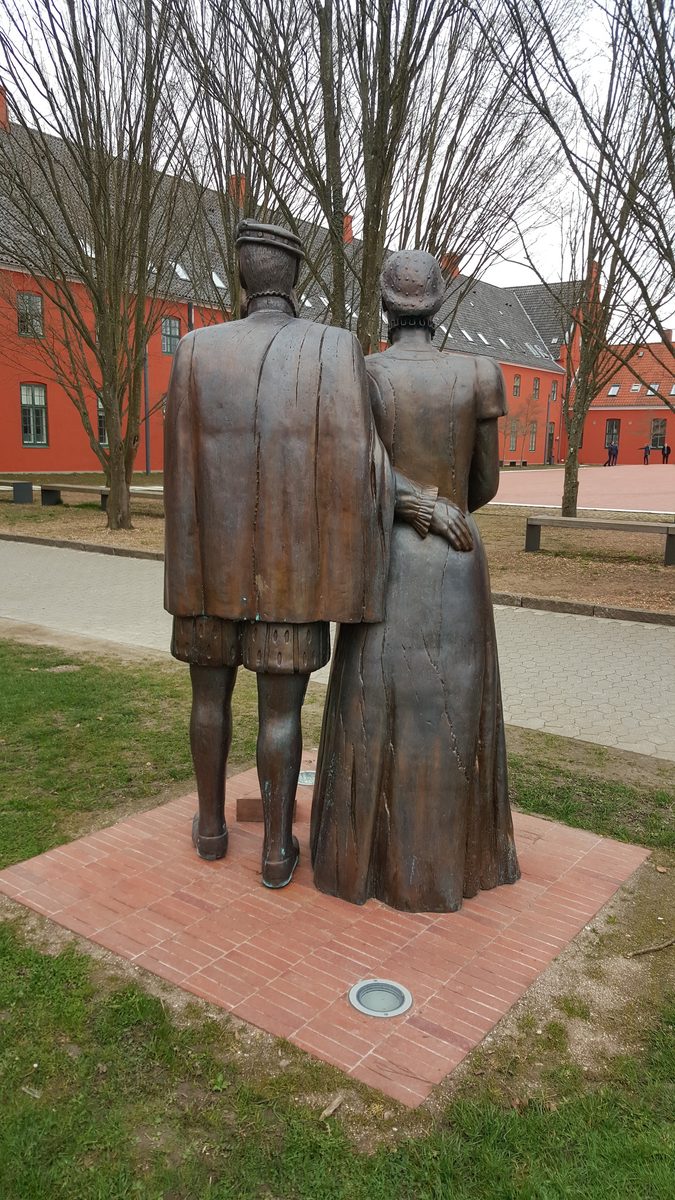
Herlufsholm
Næstved · Denmark
Founded in 1565 on a Benedictine monastery site by the River Susaa, pairing Danish national rigor with an English-taught IB Diploma.
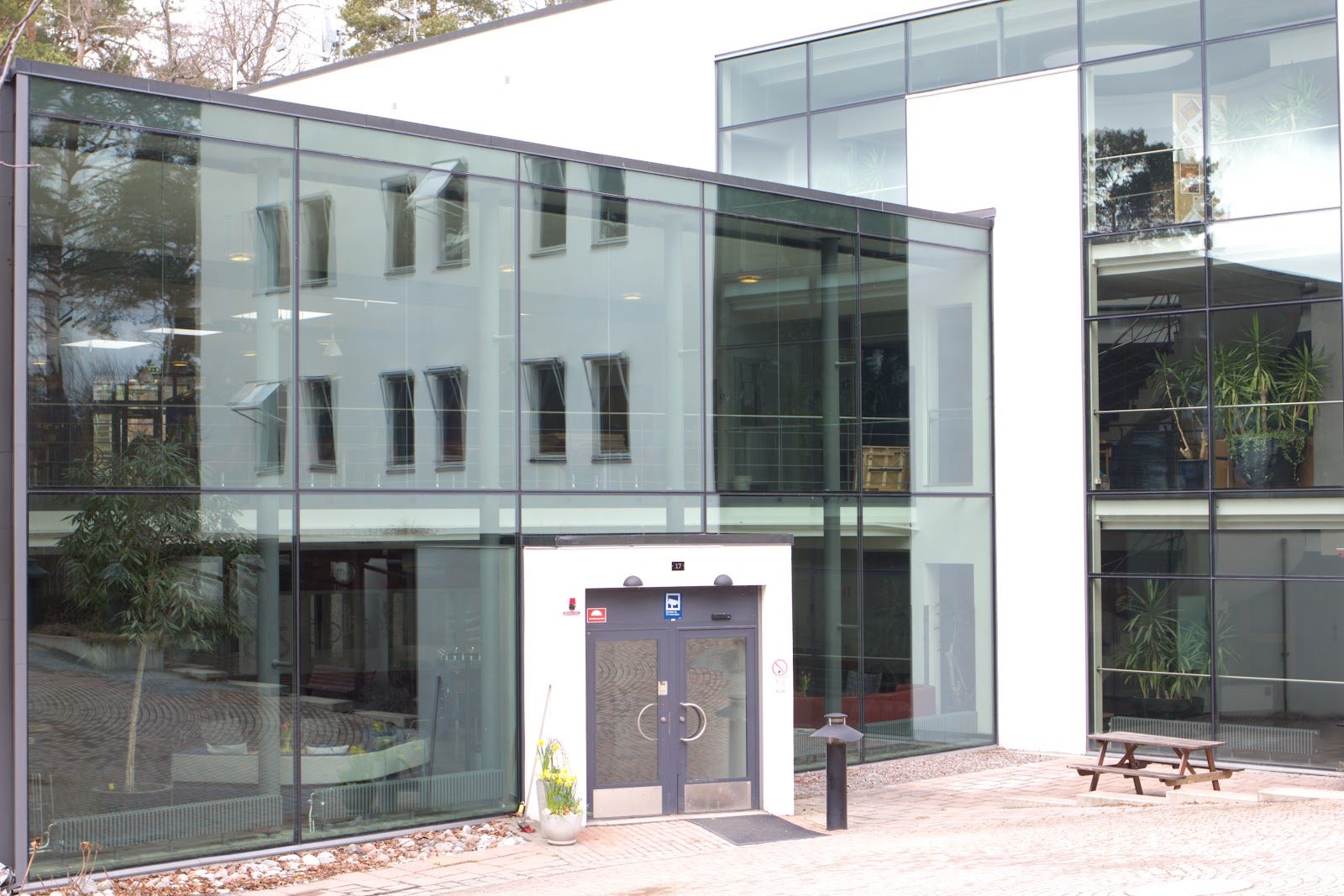
Sigtunaskolan Humanistiska Läroverket
Sigtuna · Sweden
Eight lakeside boarding houses in Sweden's oldest town anchor the country's longest-running IB Diploma programme.
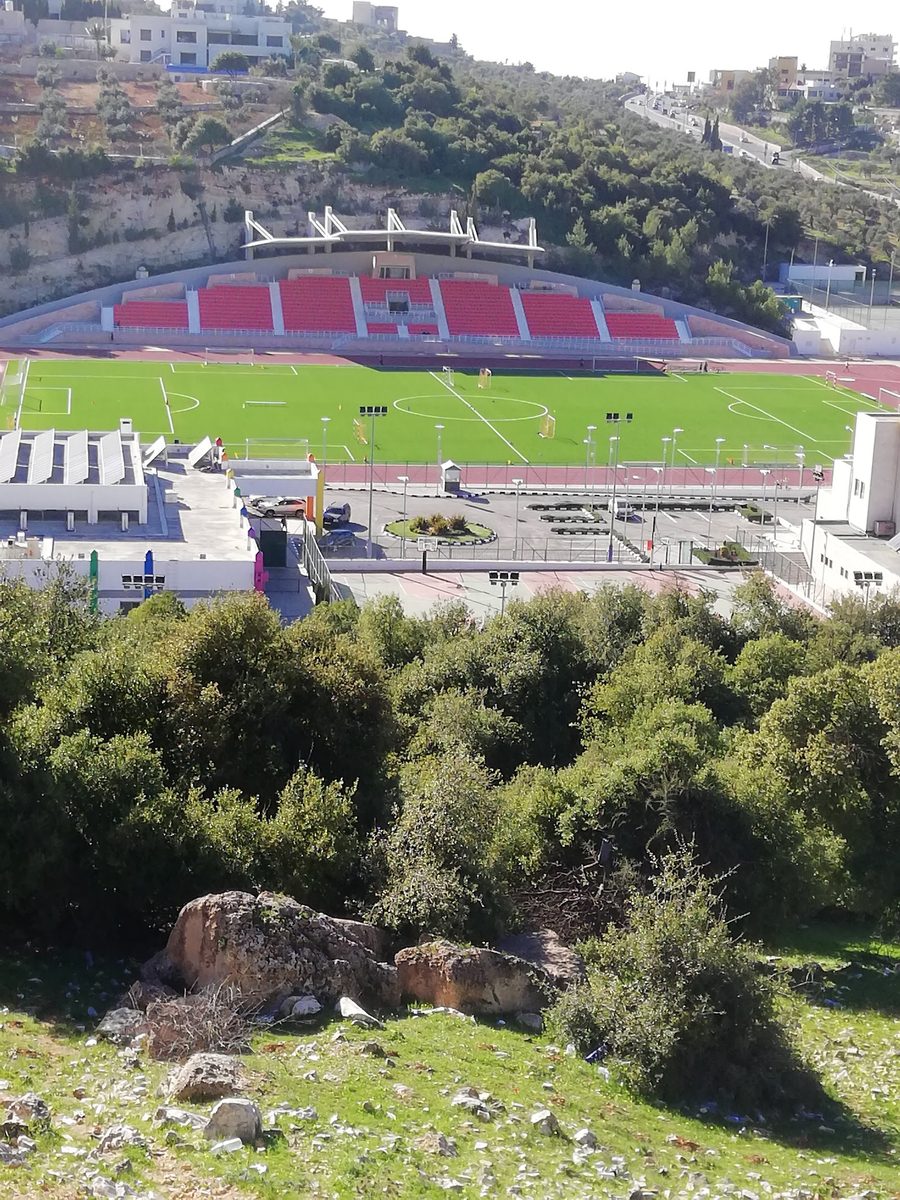
Amman Baccalaureate School
Amman · Jordan
Founded in 1981 under royal patronage, this Amman day school delivers the region's first full bilingual IB continuum, Arabic and English.
Colegio Michael Ham
Buenos Aires · Argentina
Inside a neo-Gothic castle on the Vicente Lopez barranca, nearly a century of girls-only schooling has just given way to coeducation.
Same country and curriculum — closest matches within ±10 points either way