
Metro Manila
De La Salle Santiago Zobel School
medium confidence· 4/6 cats · 1.67 avg sourcesBehind Ayala Alabang's gates, this Lasallian K-12 campus builds its arts program around a theater locals call the CCP of the South.
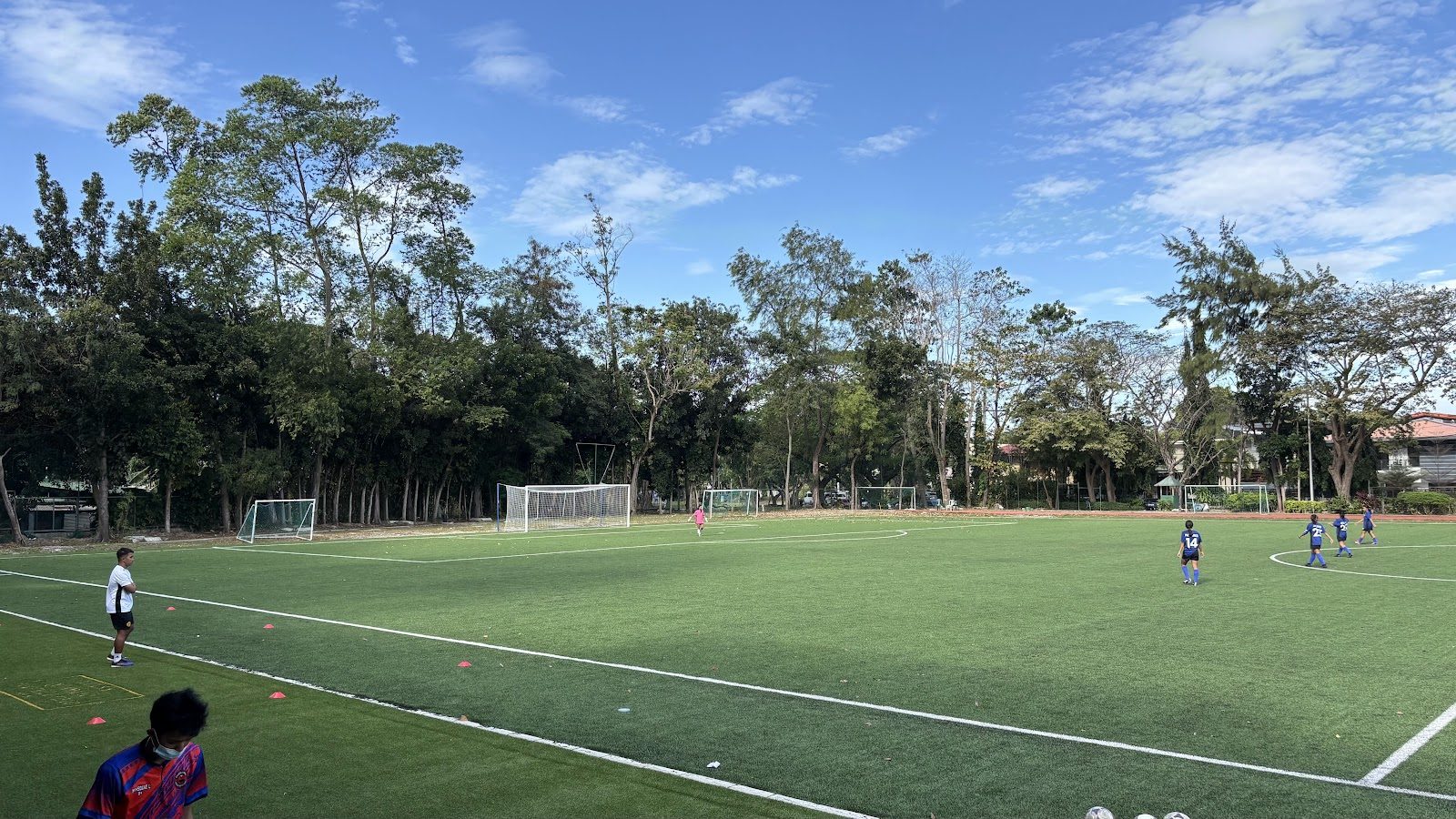
Photo © Vincent Landayan via Google Maps
Type
Day
Ages
3–18
Curriculum
Philippine K-12 Curriculum
Ratio
—
The Verdict
Editor's commitment
Right for
Families in Muntinlupa who want a 1978-founded Catholic day school, ages 3–18, with English and Filipino instruction.
Wrong for
Parents seeking IB, A Levels or boarding; DLSZ runs the Philippine K-12 Curriculum only, as a day school in Ayala Alabang.
Watch out for
PAASCU and PEAC accreditation give baseline credibility, but the school does not publish hard academic outcomes on its public site.
Ranking breakdown
De La Salle Santiago Zobel School · #989 of 1591
Composite score 63.2. 8 weighted criteria.
By criterion
Academic Outcomes
Weight 20%
#959
of 1529 scored
University Placement
Weight 16%
#965
of 1529 scored
Prestige & Heritage
Weight 12%
#926
of 1529 scored
Alumni Network
Weight 12%
#787
of 1529 scored
Facilities
Weight 12%
#1063
of 1529 scored
Transparency & Communications
Weight 8%
#1016
of 1529 scored
Peer & Industry Review
Weight 10%
#883
of 1529 scored
Admissions Selectivity & Demand
Weight 8%
#726
of 1529 scored
Peer & Industry Review
How De La Salle Santiago Zobel School is regarded in the sector
65
Respected · low confidence
De La Salle Santiago Zobel is consistently named among the top private schools in Metro Manila in local 'best schools in the Philippines' roundups and is recognized as part of the De La Salle network with a strong, visible alumni base in Philippine business and media circles. However, independent international coverage (Tatler, Good Schools Guide, expat forums) is sparse compared to more internationally-focused Manila schools like ISM or British School Manila, suggesting a strong domestic but limited international reputation footprint.
Evidence sources
Editors' overview
De La Salle Santiago Zobel School occupies a specific niche in south Metro Manila: a large, established Catholic day school inside Ayala Alabang, with the brand recognition of the wider Lasallian network and a clear K–12 academic runway. Founded in 1978, it serves children from age 3 to 18 in English and Filipino, under the Philippine K-12 Curriculum, and carries PAASCU and PEAC accreditation. That makes it a straightforward option for families who want continuity, structure and a recognisable local academic path, not an imported international curriculum. The school’s own language leans hard on “integrated challenge-based learning” and leadership formation; the stronger point for parents is simpler: this is a serious mainstream private school with a deep local reputation, stable identity and a full basic education span.
What puts DLSZ on a shortlist is not novelty but scale, setting and cultural weight. In this market, many schools promise whole-child education; fewer have the footprint, alumni network and community standing to make that claim stick over time. The Alabang campus gives it a self-contained feel that families value, and the Lasallian frame brings a strong moral architecture without obscuring the fact that this is a conventional high-demand day school. The editorial hook also matters: its arts offering has long been tied to a theatre that locals call the “CCP of the South”. That gives DLSZ a distinct edge for students who want visible platforms for performance, production and school culture, not arts as an afterthought tucked behind the academic core.
Parents should also read the trade-offs clearly. DLSZ is not the choice for families seeking the IB, A Levels or another foreign curriculum. It is also not a boutique school built around tiny classes and individual hand-holding. This is a big-campus, big-community institution with all the advantages and constraints that follow: breadth, tradition and opportunities on one side; less intimacy and more institutional machinery on the other. The website does not publish the hard outcome data discerning international parents now expect, so anyone comparing academic results school-by-school will need to ask direct questions. That opacity matters.
The best fit is the student who thrives in a structured, values-led environment, wants a strong peer network, and will use the school’s size rather than get lost in it. Children drawn to performance, community events and visible school spirit have more to work with here than they do at many competitors. So do families who want a Filipino private-school education with Catholic formation and a campus life that feels busy, established and socially anchored. For the right child, DLSZ offers institutional heft and a broad stage on which to grow.
Academic Performance
Public exam performance is hard to judge because the school does not publish aggregate outcome data. We have not seen school-wide National Achievement Test results, university placement breakdowns, subject distinctions, or any consistent year-by-year benchmark against comparable Manila schools. That matters. In this bracket of private education, families now expect hard numbers, and DLSZ does not put them in the public domain. The academic story on the website leans instead on leadership formation and “Integrated Challenge-Based Learning”. That may shape classroom experience, but it does not answer the blunt question parents ask: how strong are the results, and how do they stack up against rivals?
That leaves DLSZ in an opaque middle ground academically: not a school with headline-grabbing published outcomes, but not one carrying a weak public reputation either. Its standing rests more on institutional reputation, selectivity by demand, and the durability of the Lasallian name than on transparent external exam statistics. Relative to peers, that places it behind schools that release clear attainment data and ahead of schools with no serious academic identity at all. For parents, the implication is simple and unsentimental: ask for the last 3 years of external exam results, university destinations, and subject-level performance before treating academic strength as proven. Until then, DLSZ reads as a school with credible academic weight, but unverified public evidence.
Facilities
The standout facility is the theatre. DLSZ has built a durable reputation around it, and the school’s own editorial framing leans into that fact for good reason. In the south of Metro Manila, few school campuses have an arts venue with this level of local recognition or the pull to shape school identity beyond the classroom. For students serious about drama, music, dance or production work, that matters more than a generic “performing arts centre” label on a prospectus. It gives performances scale, gives student work an audience, and gives the arts a place near the centre of campus life rather than at the margins. Against peer schools, that is a genuine competitive edge. Many rivals offer competent halls and multipurpose auditoriums; fewer have a venue spoken of in civic rather than purely school terms. The result is an arts infrastructure that feels institutionally embedded, not decorative.
Beyond that, the public picture is thinner than it should be. The homepage signals two campuses and a broad campus life, but it does not set out the kind of hard facilities detail discerning parents now expect: specialist science labs, library depth, sports provision, design and technology spaces, early years environments, or the condition and renewal cycle of key buildings. That absence does not mean the campus is weak. It does mean families cannot benchmark it cleanly against top Manila peers that document their physical plant with far more discipline. So the facilities case rests on one high-visibility strength and a lot of unanswered operational questions. For an established school in this bracket, that is an avoidable gap.
It does mean families cannot benchmark it cleanly against top Manila peers that document their physical plant with far more discipline
Prestige
DLSZ carries real local prestige, but it is a specific kind of prestige. This is not the Manila school families choose for imported-curriculum cachet or globally legible exam branding. Its status rests on three sturdier assets: the De La Salle name, the social geography of Ayala Alabang, and a long-entrenched position in the city’s private-school hierarchy. In south Metro Manila, that combination has weight. Parents know the school; alumni circulate through business, media and public life; and the campus functions as a recognisable social institution, not just a place of instruction. That matters in the Philippines, where school name still carries genuine signalling power in middle- and upper-middle-class circles.
We rate its prestige as high within its home market, but not universally elite in the way a handful of Manila schools dominate every conversation about top-tier academics. The reason is straightforward: DLSZ has strong brand equity and cultural standing, yet the school does not publish the kind of hard performance data that would convert reputation into fully evidenced distinction. Its prestige also has breadth more than edge. The arts profile helps, especially with the theatre connection flagged in the school’s public identity, and the full age span gives families a single institutional track from early years to graduation. For parents who value network, name and community standing, DLSZ delivers. For parents who rank prestige by transparent outcomes alone, the case is less complete.
Performance stops being an extracurricular add-on and becomes part of the institution’s social life, its ceremonies and its internal pecking order
Communications
Parent communication looks active but not yet fully transparent. The homepage carries a live news feed with operational notices, event updates and calls to action, and that matters more than glossy messaging. During disruption, the school posts class suspension and office-operation notices promptly and repeatedly, with multiple updates clustered across consecutive dates. That is the behaviour of a school that understands parents need clear operational signalling, not uplift. The site also pushes families towards direct engagement through “Apply Now”, “Visit Us” and a newsletter sign-up, and it uses student-life video content to give a more human read on daily experience. For a large, fast-moving school community, that combination works: alerts for immediacy, events for community rhythm, and admissions content for onboarding.
Where DLSZ falls short is depth. The public-facing communication is serviceable on logistics and brand narrative, but thin on the hard information discerning parents now look for once the open-day gloss wears off. We have not seen a strong public archive of leadership letters, detailed academic reporting, governance communication, or a disciplined parent-information architecture that makes policy, performance and strategic direction easy to track in 1 place. The tone is institutional rather than intimate: efficient enough for notices, less convincing as a model of open accountability. In practice, that means current families may get what they need day to day, while prospective families still need to ask direct questions to cut through the marketing layer.
Uniqueness
What marks DLSZ out is the way a mainstream Catholic day school has given the arts a public-facing, high-status role inside its identity. Plenty of schools stage productions; far fewer have a theatre with enough local recognition to shape how the school is talked about beyond its own gates. That changes the student experience. Performance stops being an extracurricular add-on and becomes part of the institution’s social life, its ceremonies and its internal pecking order. For children drawn to acting, music, dance, technical production or large-scale events, DLSZ offers a bigger stage than most local competitors. It also gives less confident students a visible route into school life through ensemble work, backstage roles and public presentation.
Its other distinction lies in institutional density. This is a Lasallian school with a full run from early years to graduation, a recognisable social ecosystem, and enough scale to support a busy, tradition-heavy culture rather than a thin programme patched together term by term. Students benefit from continuity, established rituals, older-younger student contact and a campus rhythm that feels settled rather than improvised. The cost of that model is obvious: children who need constant personal shepherding can get lost in the machinery. But for students who want a strong peer world, visible school spirit and room to build an identity over many years, DLSZ offers a distinctive mix of cultural heft, religious formation and genuine platform.
Founded in 1978, it serves children from age 3 to 18 in English and Filipino, under the Philippine K-12 Curriculum, and carries PAASCU and PEAC accreditation
Student Profile
The best fit is a student who wants a busy, socially visible school life and has the confidence to step into it. DLSZ suits children who draw energy from a large peer group, established routines and the status markers of a well-known Catholic school community. The strongest natural matches are students who value belonging to something bigger than their own class: assemblies, productions, inter-year traditions, service activity and the daily choreography of a campus with a lot going on. The Lasallian frame also matters. Families who want faith and moral formation woven into school life, not parked at the edge, will find that culture legible from the start. Children with a taste for performance, public roles and organised extracurricular life have more room here than at schools where the arts sit in the shadows.
The weaker fit is just as clear. This is not the place for a child who needs a gentle, boutique atmosphere, constant adult hand-holding or a low-noise social environment. In a school that runs from age 3 to 18, students need some self-direction and a willingness to navigate institutional systems without drama. It will also suit families comfortable with a traditional, status-conscious parent body and the rhythms of a high-demand private school community inside a guarded suburban enclave. Students who are self-starting, community-minded and happy on a big public stage stand to do well. Children who want anonymity, radical informality or a highly personalised academic cocoon do not.
What puts DLSZ on a shortlist is not novelty but scale, setting and cultural weight
Co-curricular strengths
Arts & sport, on a separate axis
Overall 9.28/10
Scored 0-10 from the school's own published evidence. This axis is editorial-only — it does not feed the main WTS ranking.
Sports
9.2/10
Drama
9.2/10
Dance
9.4/10
Music
9.4/10
Visual Arts
9.2/10
Editor first-pass · editor-reviewable · 7/30/2026
Strengths
- +Long-established member of the Lasallian (De La Salle) network of Catholic schools in the Philippines, offering a continuous pathway from Kindergarten through Senior High School.
- +Nationally recognised for its basketball program, which has produced numerous players who progressed to collegiate and professional (PBA) leagues.
- +Operates separate Junior and Senior campuses in Muntinlupa, allowing age-appropriate facilities and pacing for younger and older students.
- +Historic association with the Zobel de Ayala family as benefactor, giving the school a well-resourced and long-standing position among Metro Manila private schools.
- +Bilingual instruction in English and Filipino, aligned with the Philippine Department of Education's K-12 curriculum framework.
Considerations
- −Follows only the Philippine K-12 curriculum, with no IB or Cambridge track, which can limit continuity for expat families expecting to relocate again internationally.
- −Entry is competitive, with entrance examinations and limited seats at key transition points such as Grade 1 and Grade 7.
- −As a Catholic institution under the Brothers of the Christian Schools, religious formation and Catholic practice are embedded in daily school life, which may not suit strictly secular families.
- −Current tuition and fee structures are not transparently published online in a form that can be independently verified, so families must confirm costs directly with the admissions office.
Availability
Primary entry gate & tests
Academic Record
Gallery
Photo © Vincent Landayan via Google Maps
Photo © Vincent Landayan via Google Maps
Photo © Vincent Landayan via Google Maps
Photo © Vincent Landayan via Google Maps
Photo © Vincent Landayan via Google Maps
Parent reviews
Have you sent your child here?
Voice reviews carry the strongest trust badge — we transcribe them for you to tidy up before they go live. Prefer to type? A written review is fine too.
Add your voice
In 60 seconds, tell other parents: what's the best thing about De La Salle Santiago Zobel School, and what surprised you when your child joined?
We ask for a Google sign-in so every review has a real face behind it — no anonymous drive-by attacks on schools, and no faked positive reviews. Your email is never shown publicly.
Send this profile to a friend
International parents rely on word-of-mouth. Share this review with someone weighing the same decision.
Schools with places
Similar schools to De La Salle Santiago Zobel School with places available now.
Availability first, then country, area, curriculum, price, co-curricular
Consider also
Also worth looking at alongside De La Salle Santiago Zobel School.

Leysin American School
Leysin · Switzerland
On a ski-in, ski-out Alpine campus above Lake Geneva, slope time is timetabled into the American-IB week itself.
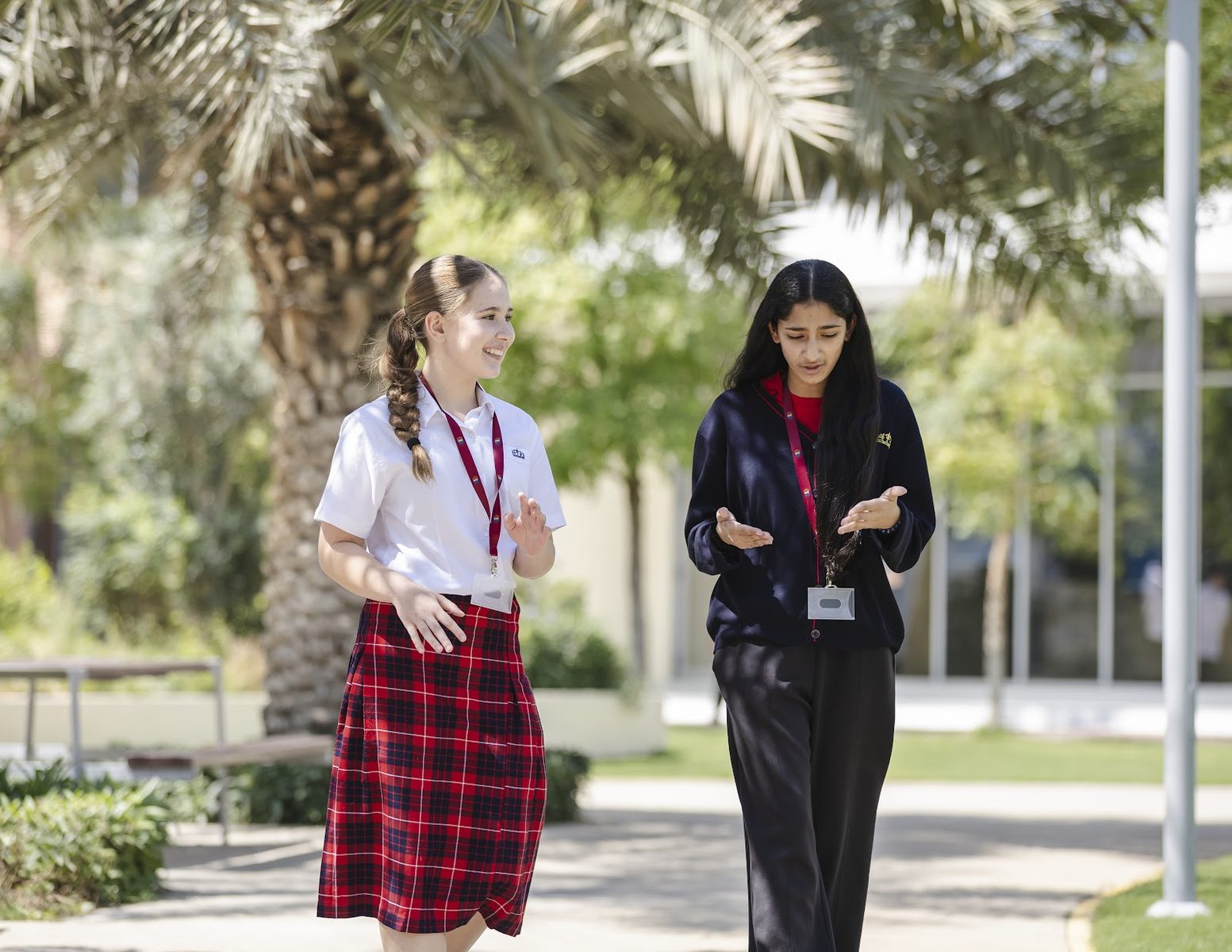
Kings' School Nad Al Sheba
Dubai · United Arab Emirates
In Nad Al Sheba, a British-curriculum campus where Emirati pupils form the majority and garden classrooms anchor outdoor learning.
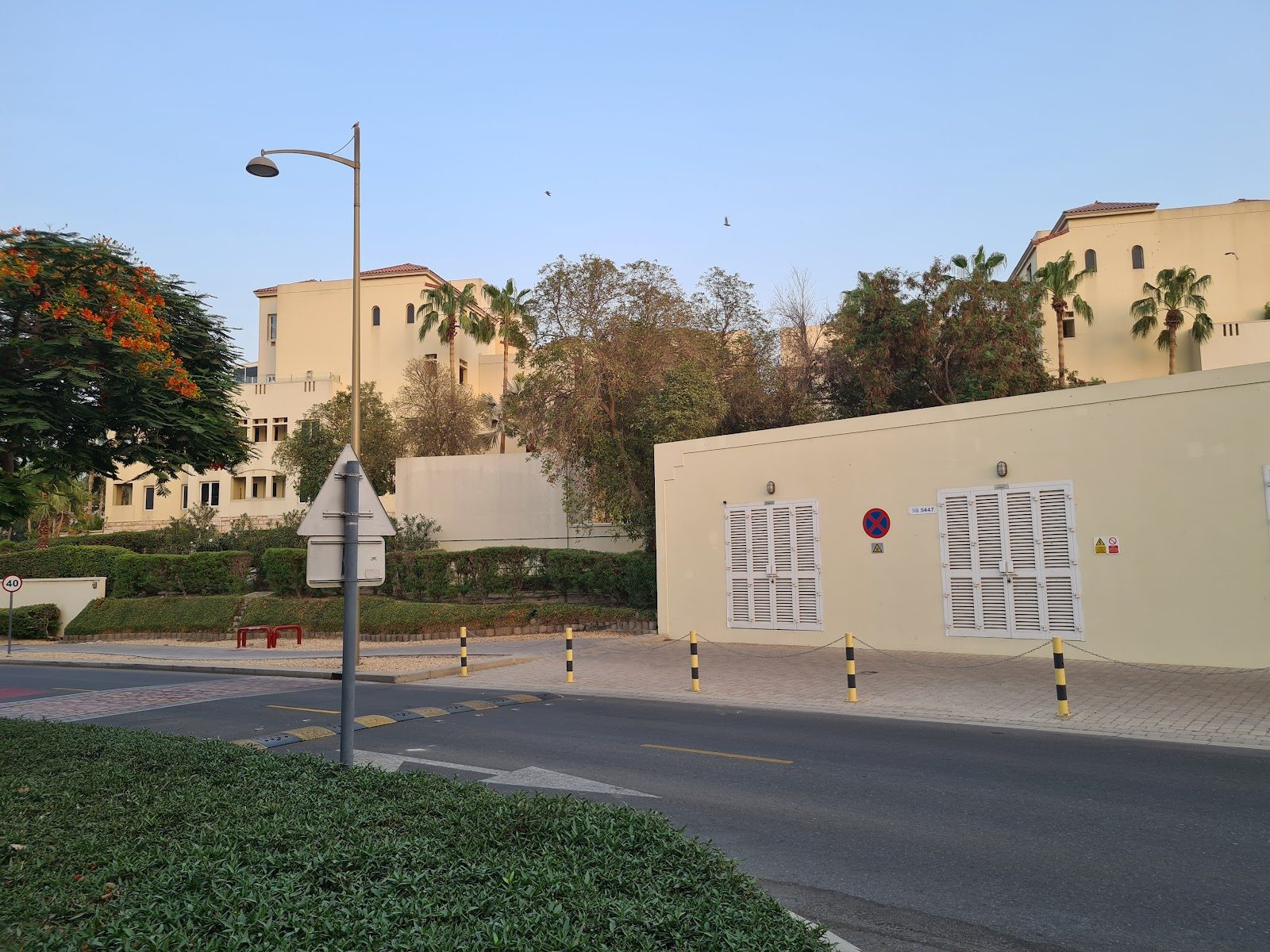
Universal American School
Dubai · United Arab Emirates
A not-for-profit Festival City campus where Grade 11 students choose between the IB Diploma and an AP-enriched US track
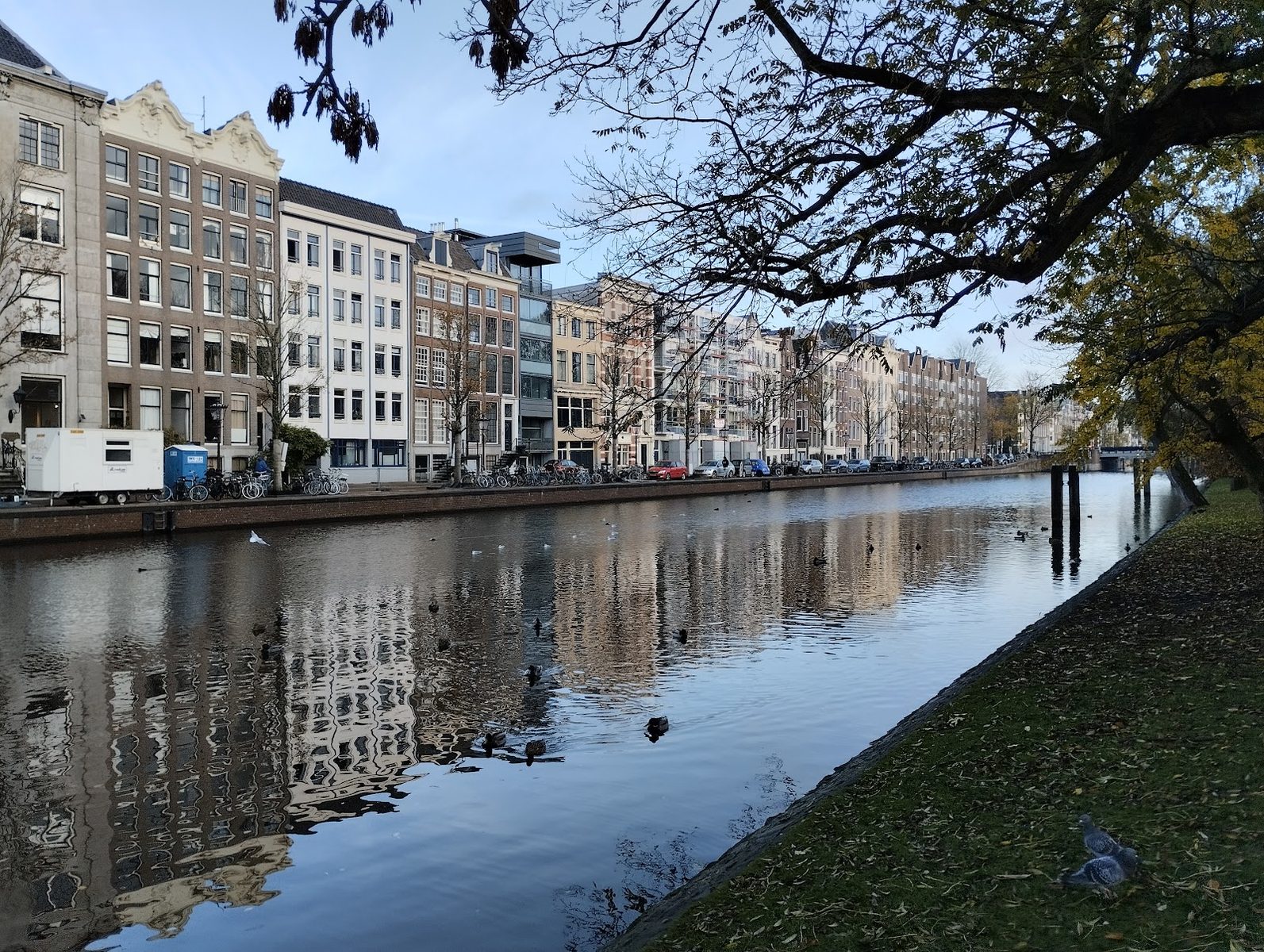
Amsterdam International Community School
Amsterdam · Netherlands
A public alternative to Amsterdam's private international schools, running the full IB continuum from a climate-neutral campus.
Same country and curriculum — closest matches within ±10 points either way