
Karnataka
St. Joseph's Boys' High School
low confidence· 6/6 cats · 0 avg sourcesOn Museum Road since 1858, a Jesuit day school where four houses and Cantonment-era hockey rivalries still shape every term.
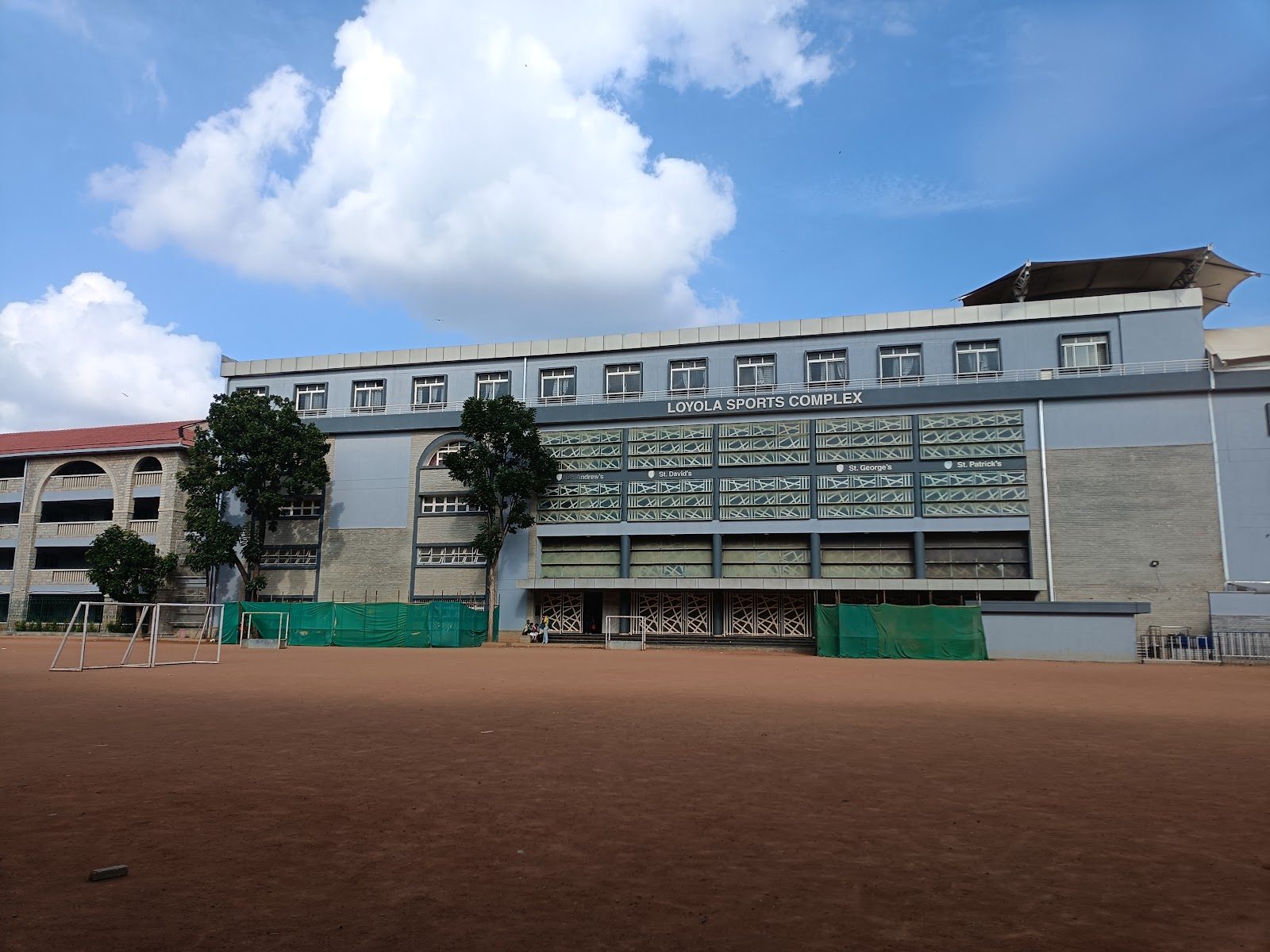
Photo © Mirajul Islam via Google Maps
Type
Day
Ages
5–18
Curriculum
ICSE / ISC (CISCE)
Ratio
18:1
The Verdict
Editor's commitment
Right for
Families wanting an English-medium ICSE and ISC day school in Bengaluru, with boys aged 5–18 and an 18:1 student-teacher ratio.
Wrong for
Parents who want boarding, co-education, or small classes: this is a boys' day school, with average class size at 36.
Watch out for
Founded in 1858 on Museum Road, it trades on history; the school does not publish public academic outcome data beyond ICSE and ISC.
Ranking breakdown
St. Joseph's Boys' High School · #1100 of 1591
Composite score 60.7. 8 weighted criteria.
By criterion
Academic Outcomes
Weight 20%
#1050
of 1529 scored
University Placement
Weight 16%
#1089
of 1529 scored
Prestige & Heritage
Weight 12%
#1009
of 1571 scored
Alumni Network
Weight 12%
#646
of 1530 scored
Facilities
Weight 12%
#1247
of 1533 scored
Transparency & Communications
Weight 8%
#1138
of 1532 scored
Peer & Industry Review
Weight 10%
#998
of 1548 scored
Admissions Selectivity & Demand
Weight 8%
#726
of 1529 scored
Peer & Industry Review
How St. Joseph's Boys' High School is regarded in the sector
65
Respected · medium confidence
St. Joseph's Boys' High School, Bangalore (est. 1858, Jesuit-run) is consistently listed in Indian media 'best schools in Bangalore/Karnataka' surveys (e.g., Times of India Education rankings, Careers360 school listings) and is noted for its long history and strong alumni network in local press coverage, but it does not appear in international specialist guides like Tatler or the Good Schools Guide, which focus on UK/international schools. This places it as a well-regarded regional institution rather than a globally benchmarked one.
Evidence sources
Editors' overview
St. Joseph's Boys' High School occupies a rare niche in Bengaluru: an old-city institution with real continuity, not a heritage story bolted onto a modern admissions machine. Founded in 1858, it has the weight of age, the routines that come with it, and a public identity tied to Museum Road and the city’s Cantonment history. This is a boys’ day school, teaching in English, with ICSE and ISC under CISCE. The numbers point to scale rather than boutique intimacy: an 18:1 student–teacher ratio and average class size of 36. Parents looking for a polished, low-density, ultra-curated campus experience should look elsewhere. Parents looking for institutional memory, earned tradition and a school culture that has outlasted educational fashion should keep it on the shortlist.
What sets it apart is the force of its school identity. Four houses, long-running sporting rivalries and the discipline of an established boys’ school still matter here; that gives the place shape. In a market crowded with newer schools selling facilities, St. Joseph’s sells continuity, competition and belonging. That matters for boys who thrive when school feels tribal in the best sense, structured and socially legible. It also matters for families who want a recognised Bengaluru name without the boarding model or an international curriculum. The school’s age range, 5–18, also gives it the advantage of a full through-school journey rather than a fragmented hand-off at secondary stage.
The best fit is a student who wants a clear framework: boys who enjoy house loyalties, team sport, visible standards and the cadence of a traditional school year. A child who needs constant personal coddling, very small classes or a progressive, child-led atmosphere will find the model too blunt. A child who responds to competitive camaraderie, old-school discipline and a strong peer culture will do well. For parents, the case is simple: this is not Bengaluru’s newest school, nor its most fashionable. It is one of its oldest, most established, and still one of the clearest choices for families who value city-rooted character over educational theatre.
Academic Performance
Public exam performance is the central unanswered question here. The school does not publish aggregate ICSE or ISC outcomes, no year-by-year pass rates are in the public domain, and we have not seen subject-level distinctions, topper lists, university destinations or any data that would let a parent place it cleanly against Bengaluru’s stronger academic competitors. That absence matters. In a market where many schools now use results as a primary proof point, St. Joseph’s asks families to trust its reputation more than its numbers. For some parents, that will read as old-school confidence; for others, as needless opacity.
That does not make it weak academically. A long-established boys’ school with stable routines, visible standards and large cohorts can still produce solid board outcomes year after year. But without published results, the school cannot claim the results-led authority of the city’s more data-forward peers. The academic picture, then, is mixed: the institutional seriousness is credible, the exam framework is mainstream and recognised, and the culture has the discipline that supports attainment; the evidence base is thin where it counts. If your benchmark is hard comparative performance data, this school gives you too little. If your benchmark is a high-pressure, marks-billboard environment, it does not advertise itself that way either.
Facilities
The school does not publish a serious facilities inventory, and that matters. We have no public list of specialist labs, performing arts spaces, library scale, indoor sports provision or technology infrastructure. Parents therefore have to infer the campus offer from the school’s identity rather than inspect it in detail. What is clear is the operational profile: classes average 36 pupils, so this is a campus built to handle volume, movement and routine, not a boutique, low-density environment. For a traditional boys’ day school, the practical priorities are obvious: classrooms that can carry full sections efficiently, assembly and circulation space that keeps order, and sports areas that support house competition. That is functional, but it is not the same as a modern showcase campus.
Against Bengaluru peers, that puts St. Joseph’s in a plain-spoken, heritage-first bracket. Newer private schools compete on black-box theatres, design labs, air-conditioned sports halls and aggressively marketed STEM suites. St. Joseph’s does not make that case in public. Families drawn to institutional grit and sport-led school life may not care; families who want visible, premium facilities before they commit will find the lack of disclosure frustrating. The ratio of 18:1 reinforces the point: this is an established mainstream operation, not a resource-rich enclave. Until the school publishes a clearer account of its campus, its facilities case remains serviceable rather than compelling.
But prestige today also rests on published outcomes, selective scarcity, flagship facilities and visible progression into top universities
Prestige
St. Joseph’s carries real local prestige, but it is a specific kind of prestige. This is not the polished, transnational status of an international school with glossy university placements and a marketing-heavy parent network. Its standing is older, more civic and more masculine: the name has weight in Bengaluru because it belongs to one of the city’s entrenched school traditions, with house loyalties, sport and institutional continuity doing as much reputational work as classroom performance. For families who value old-city credibility and a school identity that extends beyond the gate, that counts for a great deal. The scale also matters: a ratio of 18:1 and classes averaging 36 place it firmly in the substantial, established-school category rather than the rarefied boutique tier.
That is why the school sits in the respected, not rarefied bracket. It has recognition, history and social intelligibility; people know what kind of school it is, and that clarity itself carries status. But prestige today also rests on published outcomes, selective scarcity, flagship facilities and visible progression into top universities. On those fronts, the school is less commanding. We have not seen the hard performance data that would lift it into the city’s top-table academic prestige tier, and the absence of that evidence keeps its reputation anchored in tradition rather than measurable edge. In plain terms: this is a strong name with durable local standing, not an automatic badge of elite academic distinction.
Joseph’s distinctive is not novelty but institutional density
Communications
Parent communication looks serviceable but opaque. The school’s public-facing information does the basics: core facts are easy to identify, contact routes are clear, and the institutional identity is strong. Beyond that, the picture thins out. We do not see the kind of detailed, parent-useful publishing that stronger communicators now treat as standard: regular academic reporting frameworks, clear breakdowns of campus resources, transparent outcome data, or a fuller sense of how school life is documented term by term. For a school with classes averaging 36 and a student–teacher ratio of 18:1, communication needs to do more than signal tradition; it needs to help families navigate scale. On that test, the school is under-explanatory.
That matters because schools with a strong internal culture can slip into assuming that reputation carries the message. It does not. Parents need timely logistics, academic clarity, behavioural expectations and a reliable sense of what happens beyond the timetable. At St. Joseph’s, the tone reads *institution-first rather than parent-first*: you can grasp the school’s character quickly, but not its operating detail. Some families will accept that as part of an old-school compact and trust the system once enrolled. Others will read it as needless reserve. The verdict is plain: communication is adequate for families already bought into the school’s culture, weak for parents who expect transparency before commitment.
Uniqueness
What makes St. Joseph’s distinctive is not novelty but institutional density. Many schools borrow the language of tradition; this one still runs on it. The house system is not decorative, sport is not an optional extra, and school identity does not stop at the classroom door. For boys, that creates a social world with clear lines of loyalty, competition and recognition. The benefit is obvious: a child does not have to invent his place from scratch. He joins a structure that already has rituals, rivalries and expectations built in. For the right student, that brings security through structure and camaraderie with teeth. It also gives ordinary school life more charge. Fixtures, assemblies and inter-house contests matter because the culture says they matter.
There is also a rarity in its urban role. This is a through-school boys’ institution in the middle of a large, fast-changing city that still carries a Cantonment-era spine. That gives pupils contact with something many newer schools cannot offer: continuity across generations, not just across year groups. Older schools can trap children in nostalgia; St. Joseph’s strength is that its traditions still organise daily life rather than sit in a display case. The trade-off is plain. Boys who want a fluid, highly personalised environment will find the model hard-edged. Boys who thrive on belonging, hierarchy and shared codes gain a school experience with real internal gravity — and that is harder to replicate than a new lab block.
The house system is not decorative, sport is not an optional extra, and school identity does not stop at the classroom door
Student Profile
The boys who fit best here are the ones who do not need school to flatter them. They can handle noise, pace and the social pressure that comes with full classes and a visible pecking order. With an average class size of 36 and a student–teacher ratio of 18:1, this is not a school built around constant adult attention or finely tuned personalisation. It suits boys who can keep their footing in a busy mainstream setting, absorb expectations quickly and find motivation in comparison, competition and group identity. The strong fit is the pupil who likes games, house loyalties and the hard edges of a traditional boys’ culture; the weak fit is the child who needs a gentler, more individually buffered atmosphere.
Temperament matters as much as ability. A boy does well here if he is socially robust, responsive to discipline and comfortable being one among many rather than the centre of an educational performance. He does not need to be loud or sporty, but he does need enough self-command to work within a system that prizes order, routine and collective belonging. Families who want warm hand-holding, extensive public celebration of each child’s uniqueness or a soft-touch pastoral style will chafe. Families who want their son to grow through structure, peer standards and a school culture with real internal pressure will find the match stronger.
Families who want warm hand-holding, extensive public celebration of each child’s uniqueness or a soft-touch pastoral style will chafe
Co-curricular strengths
Arts & sport, on a separate axis
Overall 6.9/10
Scored 0-10 from the school's own published evidence. This axis is editorial-only — it does not feed the main WTS ranking.
Sports
9/10
Drama
7.5/10
Dance
3.5/10
Music
7.5/10
Visual Arts
7/10
Strengths
- +Founded in 1858, with longstanding institutional continuity
- +ICSE and ISC curriculum offers clear Indian pathway
- +English-medium teaching suits many international families
- +Day school structure supports families based in Bengaluru
Considerations
- −Day-only format rules out boarding for overseas families
- −ICSE/ISC may not suit families seeking IB or British
- −Average class size is 36, relatively large
Availability
Primary entry gate & tests
Academic Record
Gallery
Photo © Mirajul Islam via Google Maps
Photo © St. Joseph's Boys' High School via Google Maps
Photo © St. Joseph's Boys' High School via Google Maps
Photo © St. Joseph's Boys' High School via Google Maps
Photo © St. Joseph's Boys' High School via Google Maps
Photo © MLC ASSOCIATION via Google Maps
Photo © St. Joseph's Boys' High School via Google Maps
Photo © St. Joseph's Boys' High School via Google Maps
Photo © Anthony Dennis via Google Maps
Parent reviews
Have you sent your child here?
Voice reviews carry the strongest trust badge — we transcribe them for you to tidy up before they go live. Prefer to type? A written review is fine too.
Add your voice
In 60 seconds, tell other parents: what's the best thing about St. Joseph's Boys' High School, and what surprised you when your child joined?
We ask for a Google sign-in so every review has a real face behind it — no anonymous drive-by attacks on schools, and no faked positive reviews. Your email is never shown publicly.
Send this profile to a friend
International parents rely on word-of-mouth. Share this review with someone weighing the same decision.
Schools with places
Similar schools to St. Joseph's Boys' High School with places available now.
Welham Girls' School
Dehradun · India
- 2026-27
- WAITPOOLSpace-dependent
- 2027-28
- PLACES OPENRolling
Bishop Cotton School
Shimla · India
- 2026-27
- WAITPOOLSpace-dependent
- 2027-28
- PLACES OPENRolling
Woodstock School
Mussoorie · India
- 2026-27
- CLOSED
- 2027-28
- OPENS SOONOpens 17 Aug '26
The Lawrence School, Sanawar
Solan · India
- 2026-27
- WAITPOOLSpace-dependent
- 2027-28
- PLACES OPENRolling
Availability first, then country, area, curriculum, price, co-curricular
Consider also
Also worth looking at alongside St. Joseph's Boys' High School.
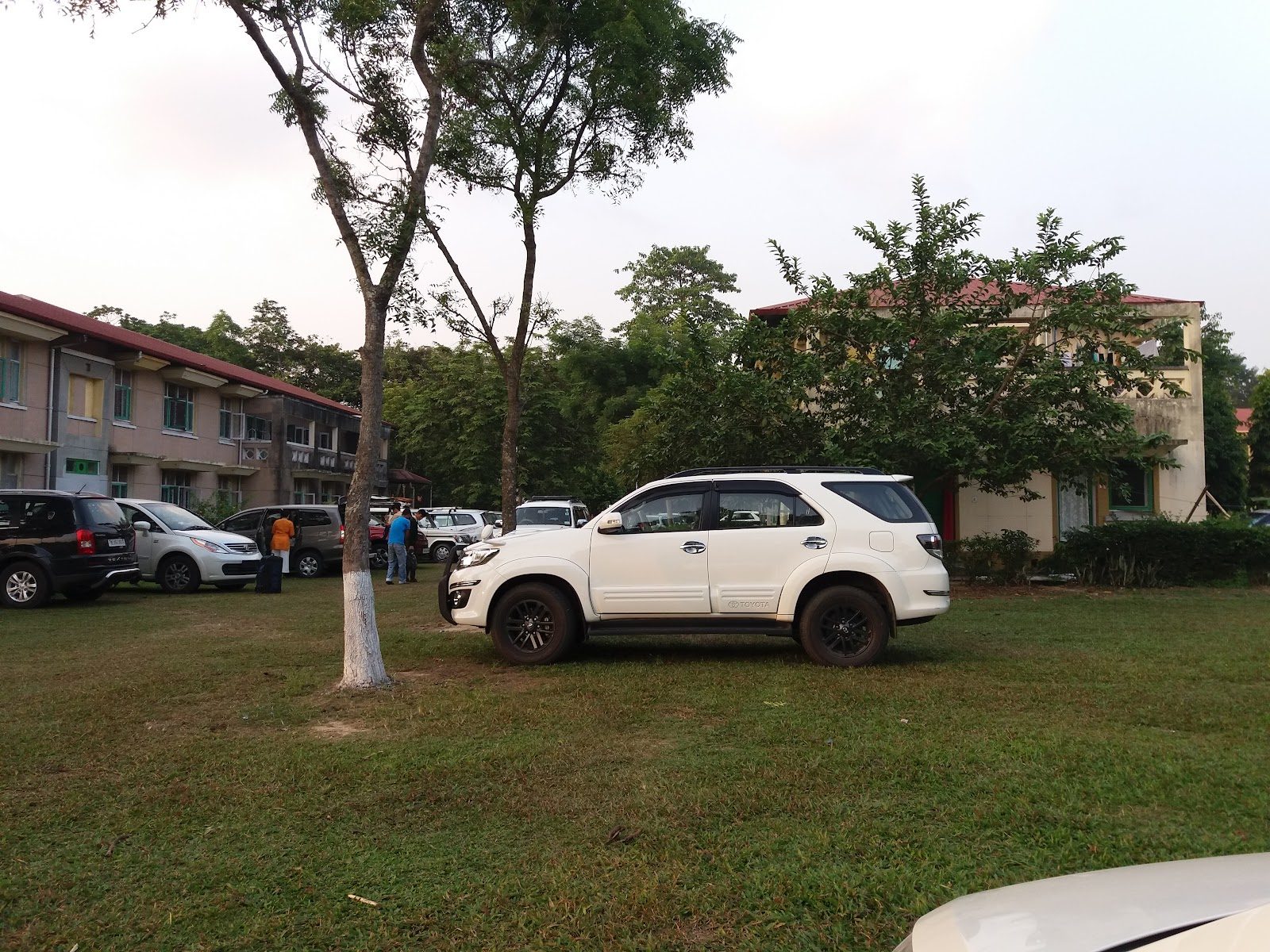
Assam Valley School
Balipara · India
Set inside a working tea estate in Sonitpur, this co-ed boarder carries the Williamson Magor legacy into North-East India's only pan-Indian residential school.

Vasant Valley School
New Delhi · India
Founded in Vasant Kunj by the India Today family in 1990, its classrooms run on no bells, only rhythm and process over outcome.
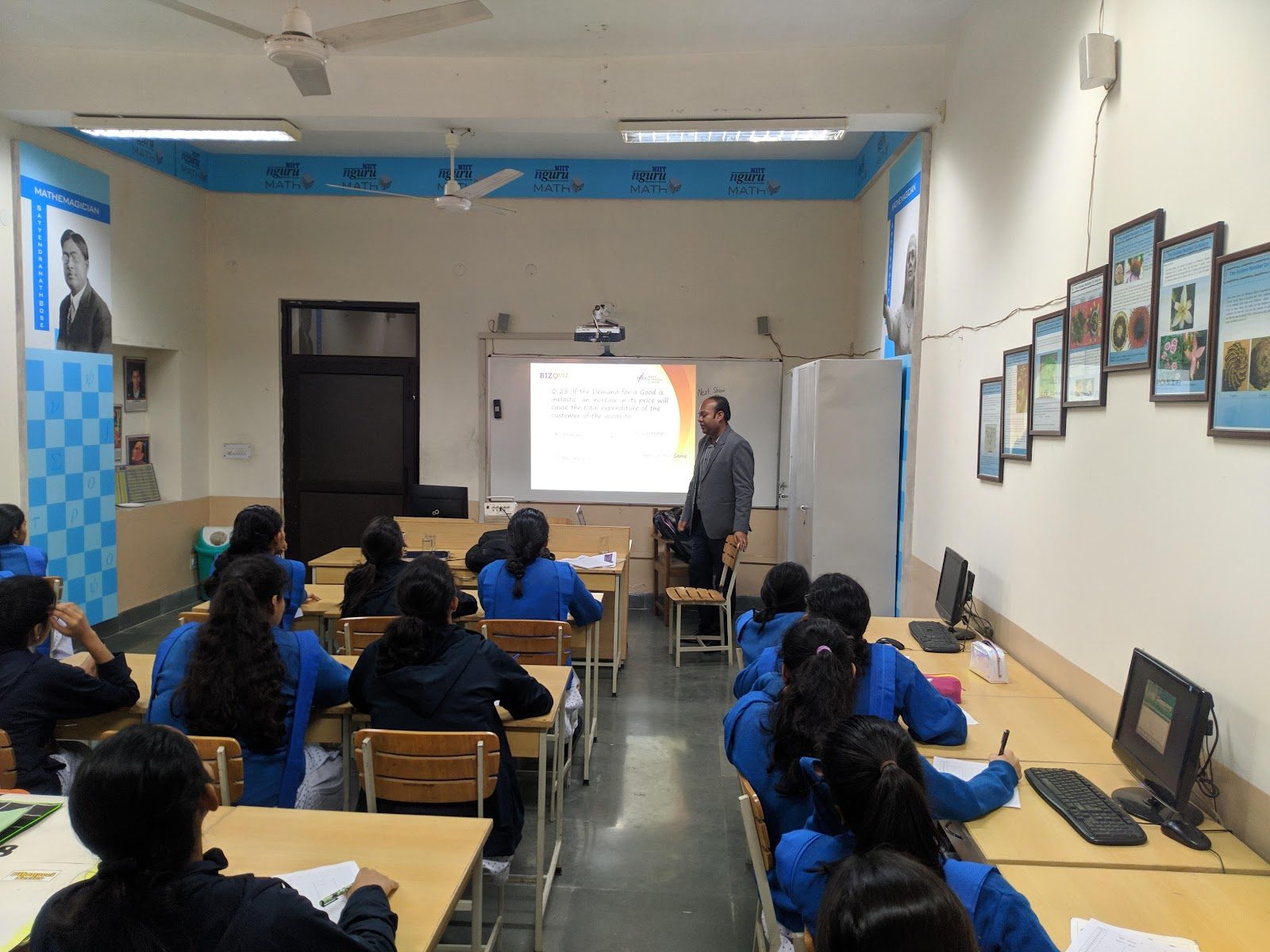
Welham Girls' School
Dehradun · India
Founded in 1957 as a bold counterpart to boys-only boarding, with bird-named houses and a legacy museum honoring the women who dared.
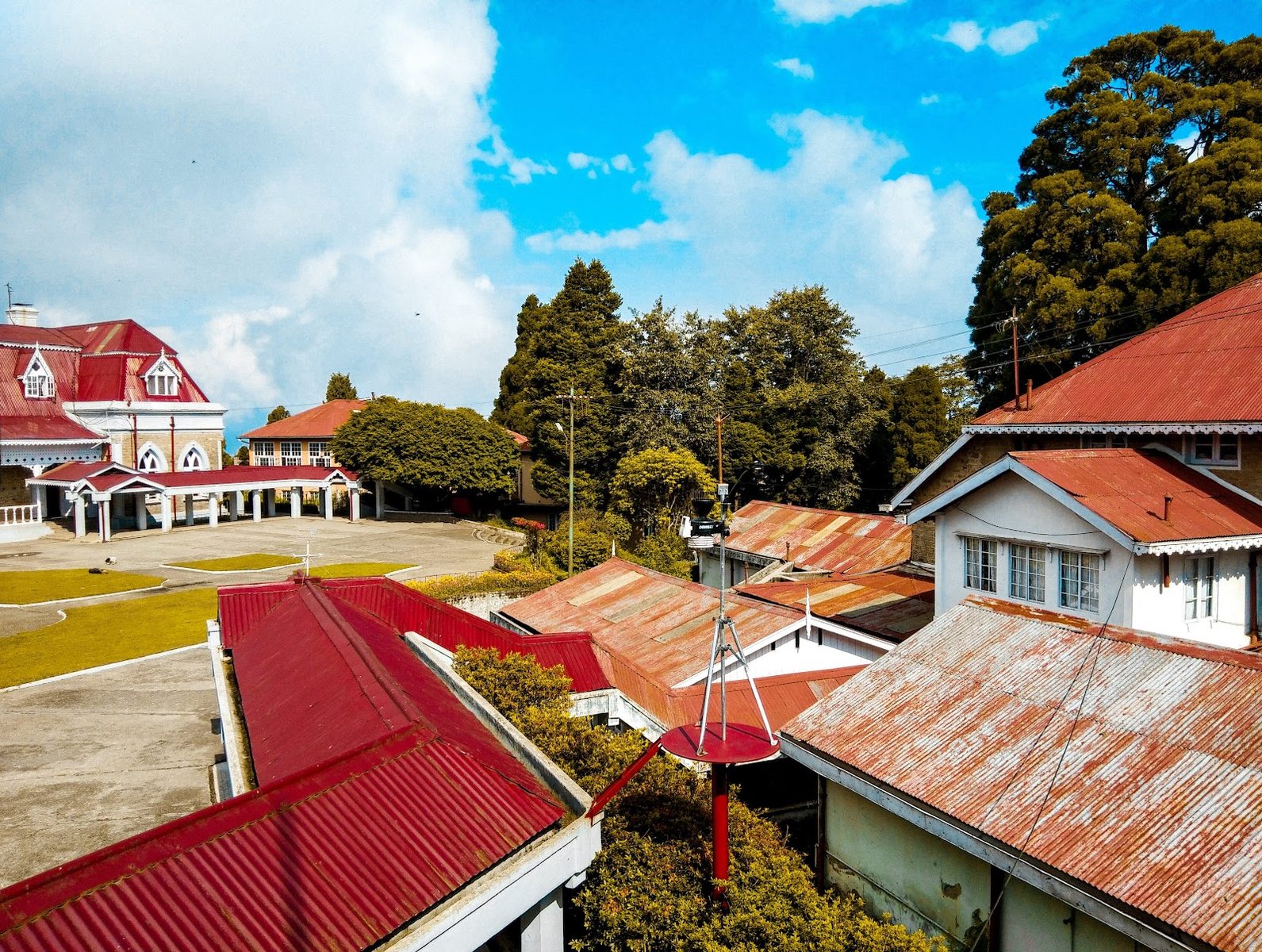
St. Paul's School, Darjeeling
Darjeeling · India
Founded in 1823 and perched near 7,600 feet in the Jalapahar hills, this boys' boarding school still runs on a century-old house system.
Same country and curriculum — closest matches within ±10 points either way