
California
Corona del Mar High School
low confidence· 2/6 cats · 3 avg sourcesOn the Newport Beach coastline, a public campus pairs a Global Studies academy and state biliteracy seal with its Sea Kings surf-and-sail culture.
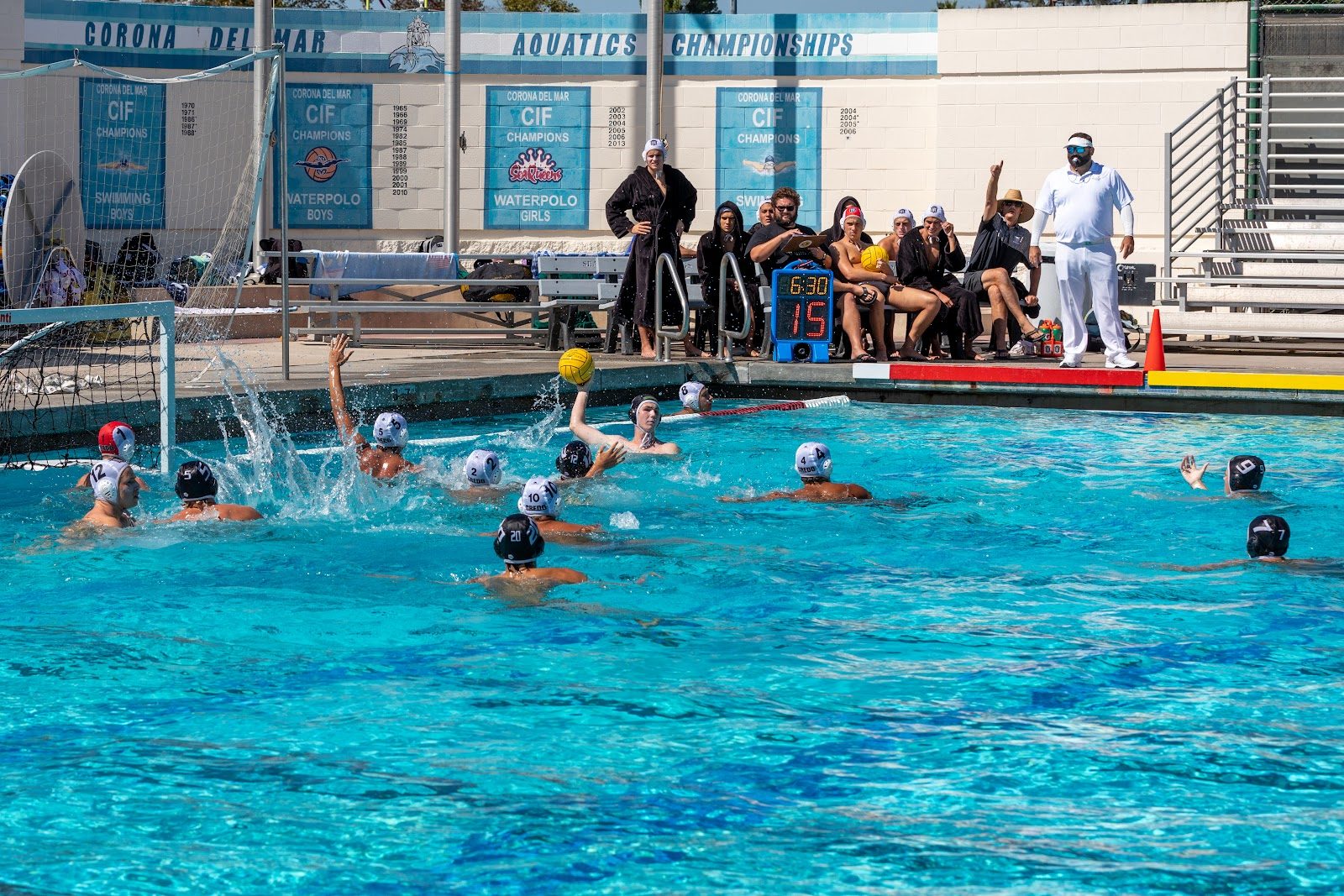
Photo © Arvind Vallabh via Google Maps
Type
Day
Ages
13–18
Curriculum
American
Qualifications
AP · US High School Diploma
Ratio
23:1
The Verdict
Editor's commitment
Right for
Newport Beach families wanting a 13–18 American public school with 2,100 students, a Global Studies strand and California's surf-club culture.
Wrong for
Families wanting intimate scale, low adult-to-student contact or private-school polish; 1:24 and 92 full-time teachers mean a busy public campus.
Watch out for
This 1962 campus is a combined middle and high school on 1,700,000 square feet; older teens share space and attention with younger pupils.
Ranking breakdown
Corona del Mar High School · #560 of 1591
Composite score 69.5. 8 weighted criteria.
By criterion
Academic Outcomes
Weight 20%
#208
of 1529 scored
University Placement
Weight 16%
#305
of 1529 scored
Prestige & Heritage
Weight 12%
#977
of 1529 scored
Alumni Network
Weight 12%
#825
of 1529 scored
Facilities
Weight 12%
#1099
of 1529 scored
Transparency & Communications
Weight 8%
#457
of 1529 scored
Peer & Industry Review
Weight 10%
#523
of 1529 scored
Admissions Selectivity & Demand
Weight 8%
#369
of 1529 scored
Peer & Industry Review
How Corona del Mar High School is regarded in the sector
70
Respected · medium confidence
As a large California public school, CdM sits outside the private/independent circuit and is rarely referenced by heads of elite boarding or day schools; its comparators are other strong Orange County publics such as Newport Harbor and University High School, Irvine, against which it is regularly benchmarked in Niche and US News state rankings, typically earning silver-medal or top-decile placements. University regard is visible mainly through steady UC/CSU matriculation patterns rather than Ivy-level admissions officer commentary. Independent education press coverage is thin and mostly local (Daily Pilot, Orange County Register) rather than national broadsheet league tables, reflecting its status as a strong regional public rather than a nationally watched institution. Its clearest external validation comes from CIF Southern Section athletic results, which give it a recognisable reputation among Southern California sports programmes even where academic profile draws less specialist scrutiny.
Editors' overview
Corona del Mar High School occupies a distinctive niche in coastal Southern California: a public day school with the scale, breadth and extracurricular muscle that many private schools sell at a premium. Founded in 1962, it sits in Newport Beach and operates within the Newport-Mesa Unified School District. The school serves ages 13–18 on a combined middle-and-high-school campus, with enrolment of about 2,100 and a published student–teacher ratio of 1:24. That ratio is not intimate, and parents expecting heavy pastoral hand-holding or seminar-sized classes need to register that at once. What CdM offers instead is range: a large public campus, a broad peer group, and a setting shaped by coastal self-confidence, public-school scale and a strong local identity.
What puts it on a shortlist is not mystique but fit. This is a school for students who want an American curriculum in a high-functioning, socially active environment with visible local culture. The editorial picture is clear from the school’s own framing: the Global Studies strand and the State Seal of Biliteracy add academic texture, while the Sea Kings surf-and-sail identity gives the place a salt-air energy that many inland schools cannot counterfeit. For the right child, that combination matters. CdM offers a serious coastal culture rather than a generic suburban experience. The campus itself is large — over 1,700,000 square feet — and the staffing figure of 92 full-time teachers points to institutional capacity, not boutique curation.
Parents should shortlist Corona del Mar High School if they want a non-religious public school with scale, established local standing and a student body big enough to support multiple interests, friendship groups and ambitions. It suits independent students who can navigate a busy campus, take initiative and make use of what is there. It suits sporty children, socially confident children and internationally minded students drawn to global studies and biliteracy. It suits families who value sunlit ambition and peer-driven momentum over small-class cosiness. It does not suit families seeking quiet anonymity, intensive individual attention or the polished containment of a private college-prep campus. CdM’s strength is not exclusivity. Its strength is a high-energy public-school experience in one of the most affluent and visually prized stretches of the California coast.
Academic Performance
Academic performance is the awkward gap in Corona del Mar High School’s public story. The school does not publish aggregate SAT or ACT results, AP score distributions, IB outcomes, university matriculation lists or any other external-results dashboard that would let parents place it cleanly against strong public-school peers. That matters. In this market, academically ambitious schools that want credit for outcomes publish them. CdM does not. The result is an opaque picture: parents can infer scale, course breadth and ambition, but they cannot inspect hard attainment data in the way they can at more results-conscious competitors.
That does not make the school weak; it makes it harder to verify. As a large public campus with 92 full-time teachers and enrolment of about 2,100, CdM has the institutional mass to run serious upper-school academics, and the Global Studies and biliteracy elements point to a student body with interests beyond a narrow standard track. But absent published exam data, CdM sits in the category of schools whose reputation rests more on district standing, community confidence and student opportunity than on forensically documented outcomes. For parents comparing selective suburban publics or transparent independent schools, that is a real drawback. For families content with a broad American education in a high-functioning local public school, it is less damaging.
Facilities
The key facility fact here is scale. Corona del Mar High School sits on a campus of just over 1,700,000 square feet, which puts it well beyond the cramped footprint of many urban and near-coastal public schools. That matters less as a bragging point than as a practical one: schools with this kind of acreage can sustain a fuller spread of athletics, outdoor circulation and specialist spaces without every programme fighting for room. The school’s public identity centres on its Sea Kings surf-and-sail culture, and that coastal emphasis gives the site a distinctive physical logic that inland peers cannot copy. Parents choosing between CdM and a stronger purely academic public should note the trade-off clearly: this is not a campus sold on laboratory spectacle or arts-centre grandeur, but on breadth, movement and outdoor life.
Against comparable American public schools, CdM’s facilities profile reads as expansive rather than boutique. Large comprehensive campuses often win on field space, circulation and day-to-day usability; they lose on the polished finish and tightly curated specialist buildings that top private schools use to justify fees. CdM sits in that public-school pattern, though with a more coveted coastal setting than most. We have not seen a published facilities inventory detailed enough to credit standout science, performing arts or design infrastructure above peer level. That absence matters. Parents can bank on serious room to operate; they cannot bank on premium niche provision without seeing it firsthand.
Academic performance is the awkward gap in Corona del Mar High School’s public story
Prestige
Corona del Mar High School has solid local prestige, not elite academic prestige. Its name carries weight in its own coastal market because the school sits inside an affluent, status-conscious community and offers the breadth, sports culture and social visibility that families in that bracket recognise at once. A combined campus of about 2,100 students also gives it scale: enough peers, teams, activities and pathways to make the school feel socially consequential rather than peripheral. That matters in public-school ecosystems. Children do not just attend CdM; they enter a well-known local tribe with a strong identity, and that identity has real cachet in Newport Beach. The Sea Kings brand, surf-and-sail culture and polished coastal setting add lifestyle prestige that many public schools cannot match.
The limit is clear. Prestige rooted in postcode and culture is not the same as prestige rooted in transparent academic outcomes or selective admissions. CdM is a district public school, not a screened magnet and not a private institution trading on rarity. The staffing figure of 92 full-time teachers points to capacity, but capacity alone does not confer top-tier scholarly prestige. The school does not publish the kind of results data that would justify that claim, and without it, the case stays incomplete. So the rating lands in the middle-upper range: well-regarded, locally influential, and attractive to families who value social environment and breadth, but short of the hard-edged academic prestige attached to the most selective publics and the best transparent independents.
Corona del Mar High School has solid local prestige, not elite academic prestige
Communications
Corona del Mar High School communicates like a large American public school: information first, warmth second, and precision only in patches. Families get the essentials — calendars, district affiliation, school identity and programme signposts — and the school’s public channels do enough to orient a parent who already knows how US public schools work. The problem is depth. CdM does not publish the kind of consolidated academic-outcomes data that serious comparison-minded families look for, and that gap weakens trust in the wider communications picture. A school with about 2,100 students needs disciplined, high-volume communication because parents cannot rely on corridor contact or informal access to staff. When a campus runs at that scale, clarity, repetition and easy navigation are not optional extras; they are the operating system.
So the verdict is mixed: functional, but not forensically transparent. Parents will grasp the school’s character quickly — the coastal identity, the Global Studies angle, the biliteracy route — and that part of the messaging is clear and coherent. What they will not get is a hard-edged accountability culture in which performance information, programme detail and comparative indicators are laid out in one place with real rigour. That matters more here because the student–teacher ratio sits at 1:24. In a setting this busy, strong communication has to do more than advertise culture; it has to reduce friction for families. CdM clears the first bar. It does not clear the second with the same authority.
Uniqueness
What marks Corona del Mar High School out is the collision of public-school scale with a high-status coastal tribe. Many American public schools offer breadth; far fewer fuse that breadth with a place identity as strong as this one. CdM is not just a campus where students take classes and join teams. It is a social world with its own codes, rhythms and ambitions, shaped by Newport Beach affluence, ocean culture and a Sea Kings identity that carries real weight among teenagers. The combined middle-and-high-school structure sharpens that continuity. Students do not enter a detached sixth-form-style upper school; they grow up inside one high-visibility, socially charged environment, which can strengthen belonging for confident children and feel unforgiving for less assured ones.
The other point of difference is the pairing of local culture with a more outward-facing academic strand. The Global Studies academy and the State Seal of Biliteracy stop the school from collapsing into a pure beach-and-sport stereotype. They give internationally minded students a route that has substance, and they add intellectual range to a campus better known for energy and image. For students, that combination brings choice: sport, visibility and a strong peer scene on one side; global outlook and language recognition on the other. On a campus serving about 2,100 students with 92 full-time teachers, that range matters. CdM’s distinctive offer is not polished intimacy; it is a large, socially confident public school where identity, opportunity and local culture are tightly bound together.
Corona del Mar High School communicates like a large American public school: information first, warmth second, and precision only in patches
Student Profile
The student who fits Corona del Mar High School best is self-propelled, socially fluent and comfortable in a big public environment. This is not a school that cushions every landing. On a campus of about 2,100, students need to find their lane, manage a broad peer field and cope with the visibility that comes with a strong local identity. Sporty children will find plenty to attach themselves to, and students who enjoy school spirit, teams and a high-energy social scene will have an easier time than children who prefer to stay on the edges. The Sea Kings culture has real force. That gives confident teenagers momentum; it can leave quieter ones feeling outnumbered or socially exposed.
There is, though, more than one route through the school. The Global Studies strand and the State Seal of Biliteracy give intellectually curious students a serious alternative to a purely status-and-sport reading of the place. The right student here is independent enough to use that range without waiting for adults to orchestrate it. Families who want intense adult oversight or close-grained pastoral containment need a different model. Students who thrive with autonomy, can handle a student–teacher ratio of 1:24, and want a school with strong local culture and visible peer momentum will fit well. The weak fit is clear: shy, highly sensitive children who need a quietly protective atmosphere.
What marks Corona del Mar High School out is the collision of public-school scale with a high-status coastal tribe
Co-curricular strengths
Arts & sport, on a separate axis
Overall 8.36/10
Scored 0-10 from the school's own published evidence. This axis is editorial-only — it does not feed the main WTS ranking.
Sports
8.5/10
Drama
8.3/10
Dance
8/10
Music
8.4/10
Visual Arts
8.6/10
Strengths
- +Ranks in the top 15-20% of California public high schools for state test-score proficiency, with a graduation rate reported around 96-98%.
- +AP participation rate of 69%, giving students broad access to college-level coursework across the curriculum.
- +Offers a dedicated Academy of Global Studies with an emphasis on AP and honors courses for students seeking a more rigorous track.
- +As a public school within Newport-Mesa Unified, tuition is free, unlike comparable private day schools in the same coastal enclave.
- +Alumni base includes figures in music and entertainment such as Metallica drummer Lars Ulrich and actress Leslie Mann, per Wikipedia's alumni listing.
Considerations
- −Enrollment is governed strictly by residential attendance-zone boundaries within Newport-Mesa Unified; the district approves inter-district transfers only in narrow, specific circumstances.
- −A large campus of roughly 2,100 students spanning grades 7-12 carries a student-teacher ratio of about 22:1, higher than some neighboring district schools.
- −Student reviews note a noticeable gap between the AP/honors track and standard classes, with non-AP courses requiring more self-directed learning.
- −The school has drawn national media attention over past school-climate controversies, including reported incidents involving homophobia.
Availability
Primary entry gate & tests
District Residency Required
Gallery
Photo © Arvind Vallabh via Google Maps
Photo © Toby Sandoz via Google Maps
Photo © Toby Sandoz via Google Maps
Photo © Port Street Mom via Google Maps
Photo © Port Street Mom via Google Maps
Parent reviews
Have you sent your child here?
Voice reviews carry the strongest trust badge — we transcribe them for you to tidy up before they go live. Prefer to type? A written review is fine too.
Add your voice
In 60 seconds, tell other parents: what's the best thing about Corona del Mar High School, and what surprised you when your child joined?
We ask for a Google sign-in so every review has a real face behind it — no anonymous drive-by attacks on schools, and no faked positive reviews. Your email is never shown publicly.
Send this profile to a friend
International parents rely on word-of-mouth. Share this review with someone weighing the same decision.
Schools with places
Similar schools to Corona del Mar High School with places available now.
BASIS Tucson North
Tucson · United States
- 2026-27
- PLACES OPENFall 2026 apps / open enrollment active
- 2027-28
- FUTURE CYCLEDates TBC
Friends Seminary
New York City · United States
- 2026-27
- WAITPOOLLate/held pending openings
- 2027-28
- OPENS SOONExpected Sept '26
Saint Ann's School
Brooklyn · United States
- 2026-27
- WAITPOOLLate / attrition-dependent
- 2027-28
- OPENS SOONOpens 8 Sept '26
Ethical Culture Fieldston School
New York City · United States
- 2026-27
- WAITPOOLLimited late availability
- 2027-28
- OPENS SOONOpens post-Labor Day '26
Availability first, then country, area, curriculum, price, co-curricular
Consider also
Also worth looking at alongside Corona del Mar High School.
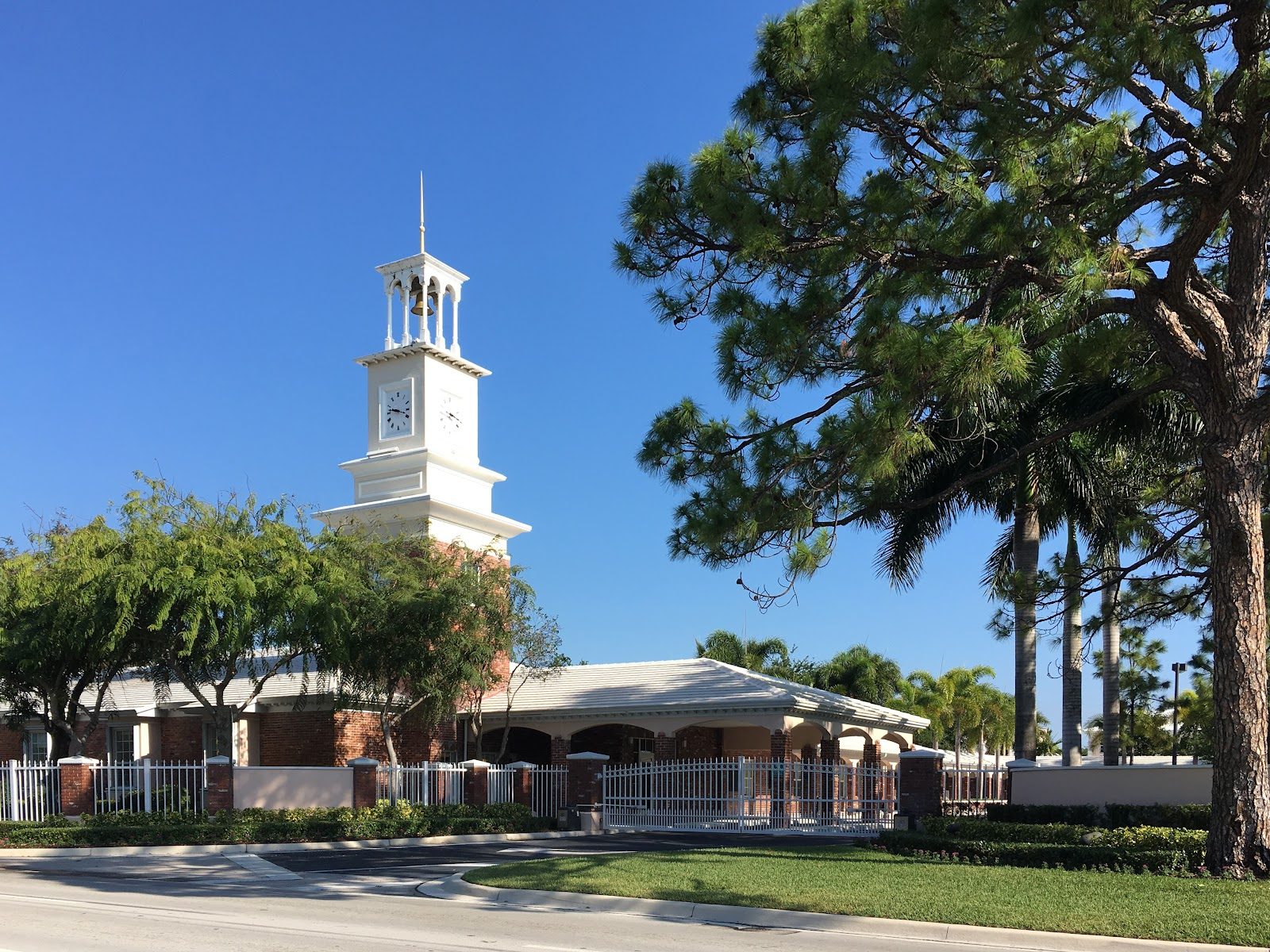
Pine Crest School
Fort Lauderdale · United States
Born as a 1930s tutoring practice for winter visitors, this Fort Lauderdale day school now tops the nation's Challenge Index rankings.
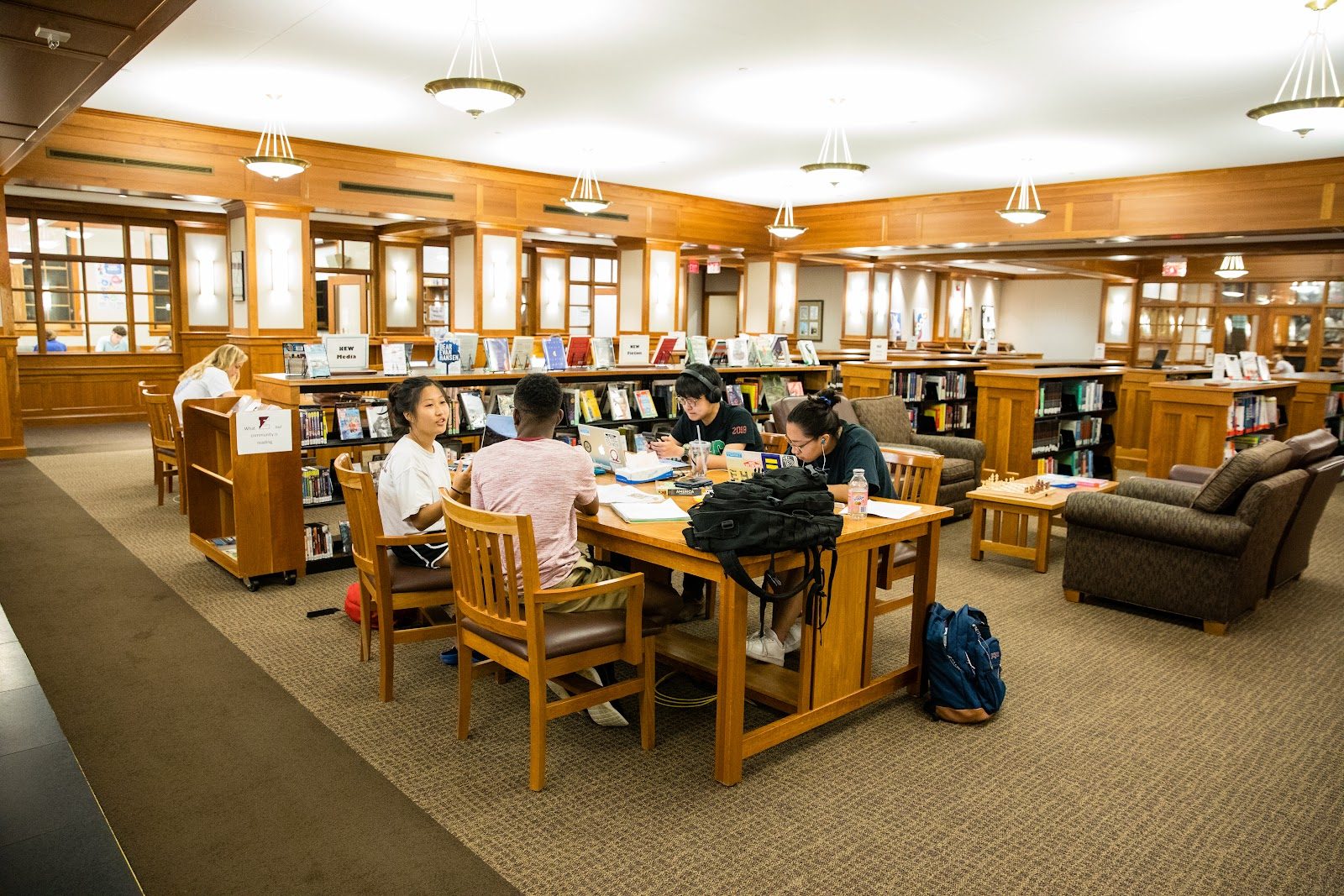
Episcopal High School
Alexandria · United States
A 130-acre hilltop campus 10 minutes from the Capitol, running America's only fully residential school of its caliber in a major metro area.
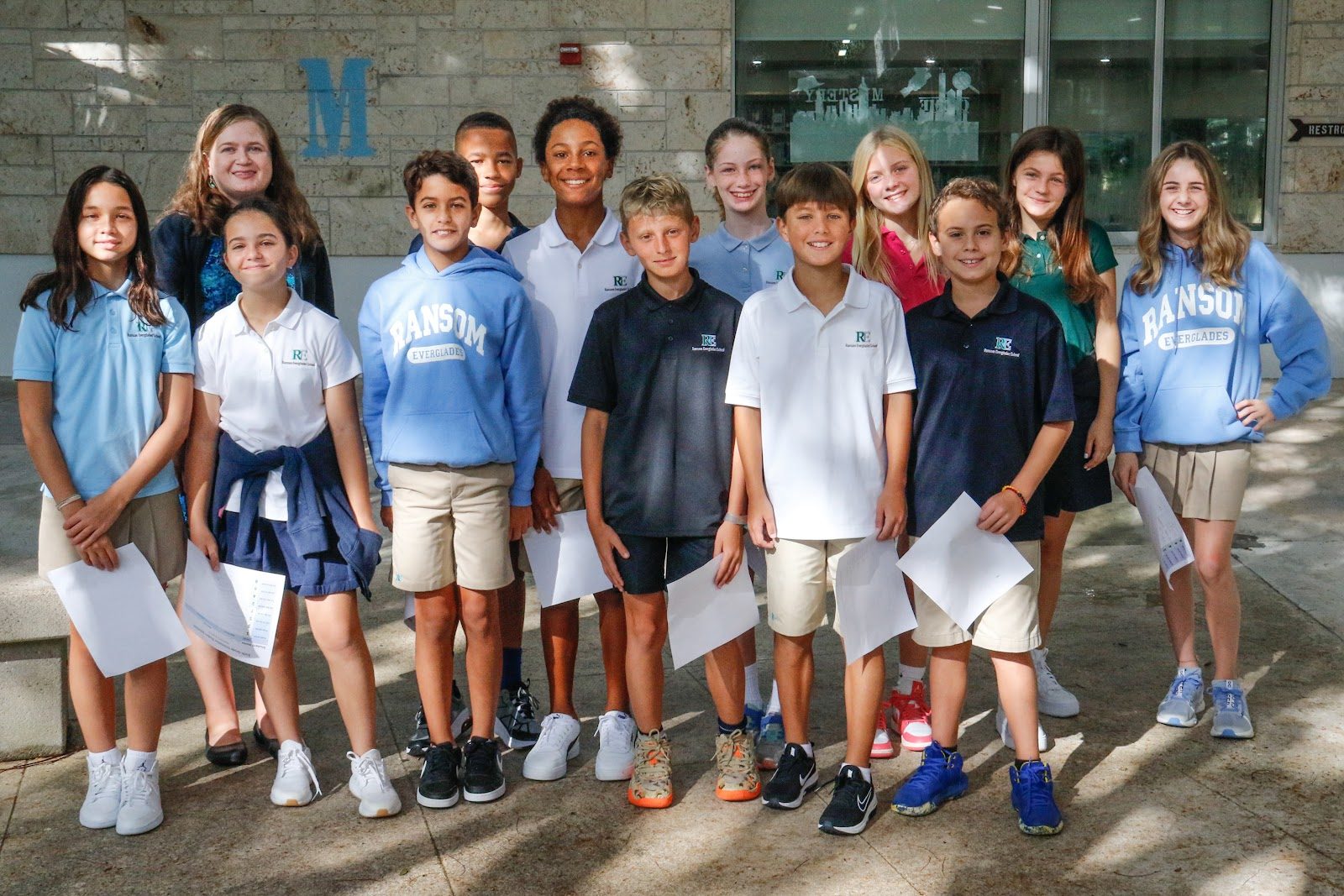
Ransom Everglades School
Miami · United States
On Biscayne Bay since 1903, where sailing and marine science turn the water itself into a classroom
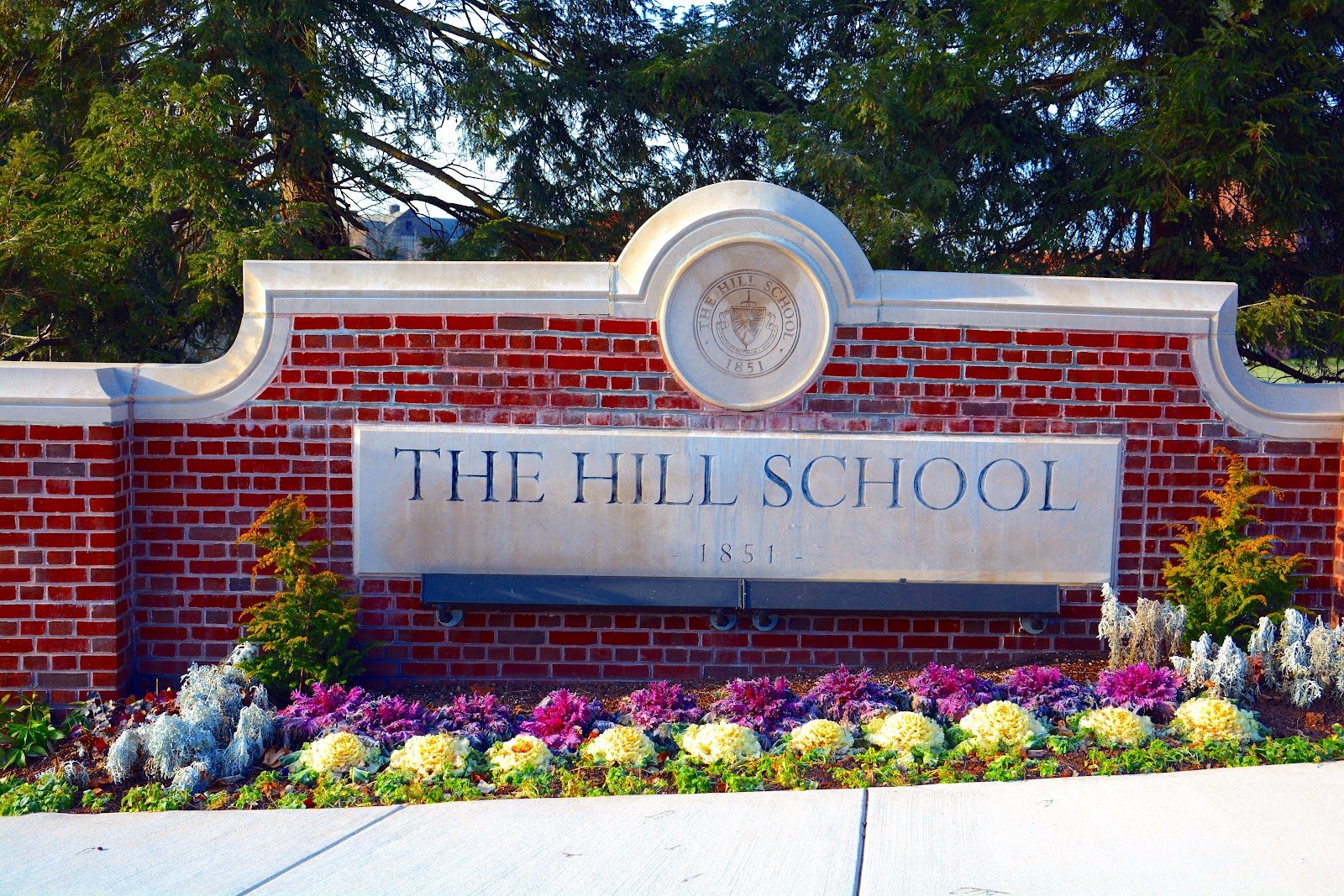
The Hill School
Pottstown · United States
Born in 1851 as the nation's first family boarding school, still pairing faculty and students under one roof on a Pottstown hilltop.
Same country and curriculum — closest matches within ±10 points either way