
Pathum Thani
Princess Chulabhorn Science High School Pathum Thani
One of eighteen royally chartered science schools pairing Thailand's top math-science talent with research partners in Japan.
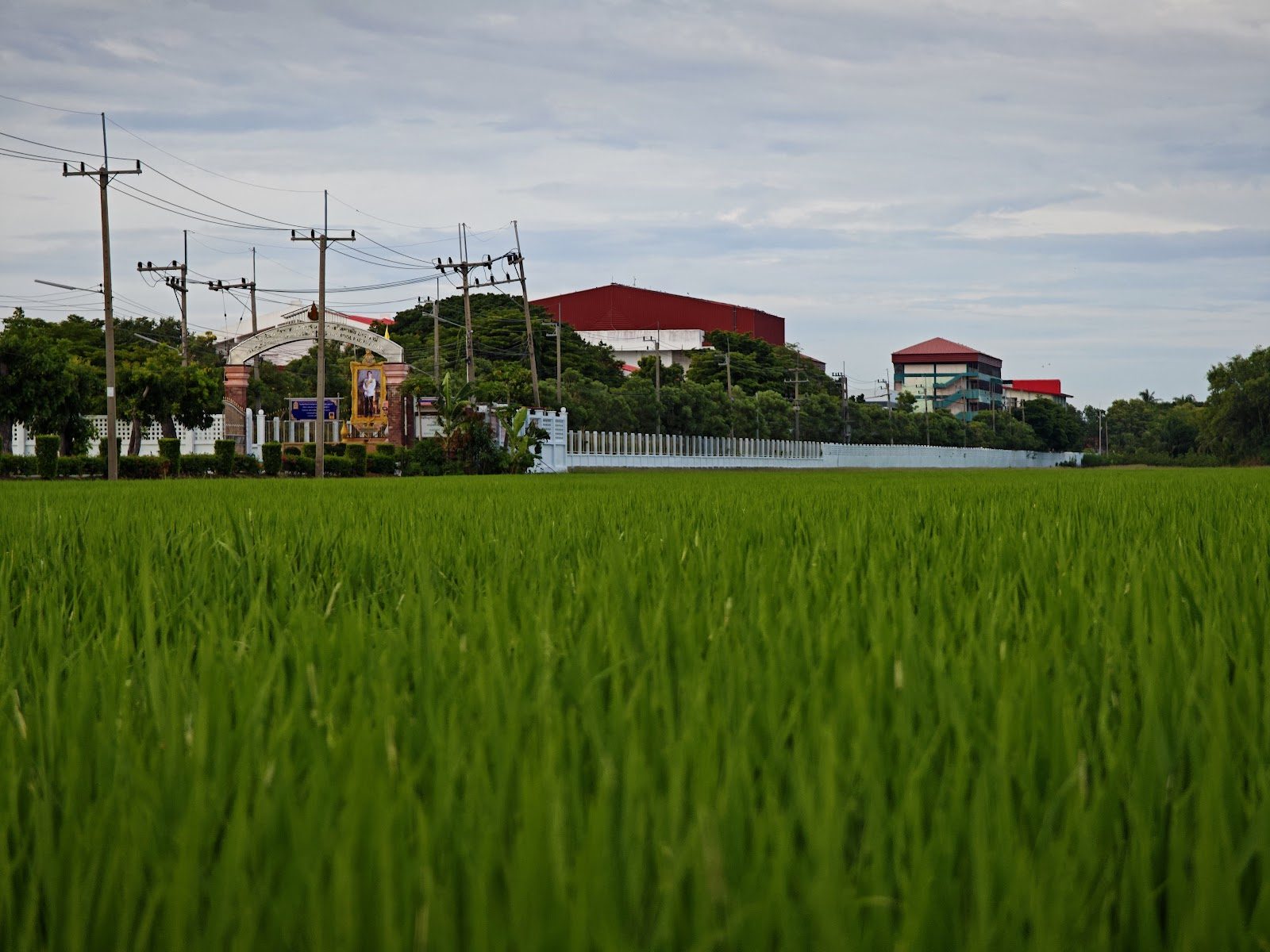
Photo © Suriya Pornteyvabancha via Google Maps
Type
Day
Ages
12–18
Curriculum
Thai National STEM
Qualifications
Thai Matthayom 6
Ratio
—
The Verdict
Editor's commitment
Right for
High-attaining 12–18-year-olds who want Thai National STEM, bilingual Thai-English instruction, and a 24-pupil class in Pathum Thani.
Wrong for
Families wanting boarding, a non-STEM curriculum, or teaching outside Thai and English; this is a day school founded in 1993.
Watch out for
At ages 12–18 with Thai National STEM, the academic lane is narrow; if your child wants breadth, Pathum Thani will feel restrictive.
Ranking breakdown
Princess Chulabhorn Science High School Pathum Thani · #1238 of 1591
Composite score 57.1. 8 weighted criteria.
By criterion
Academic Outcomes
Weight 20%
#959
of 1529 scored
University Placement
Weight 16%
#1089
of 1529 scored
Prestige & Heritage
Weight 12%
#1009
of 1571 scored
Alumni Network
Weight 12%
#1240
of 1530 scored
Facilities
Weight 12%
#1333
of 1533 scored
Transparency & Communications
Weight 8%
#1437
of 1532 scored
Peer & Industry Review
Weight 10%
#1445
of 1548 scored
Admissions Selectivity & Demand
Weight 8%
#247
of 1529 scored
Peer & Industry Review
How Princess Chulabhorn Science High School Pathum Thani is regarded in the sector
55
Credible · medium confidence
Princess Chulabhorn Science High School Pathum Thani belongs to the twelve-school Princess Chulabhorn Science High School network, established under Thailand's Office of the Basic Education Commission to build a national pipeline of science and mathematics talent. Within Thai secondary education circles it is consistently grouped with Mahidol Wittayanusorn School and other PCSHS campuses as a top-tier public science school, frequently referenced in Ministry of Education and OBEC benchmarking documents on O-NET and PISA-aligned performance rather than in independent Western guides such as Good Schools Guide or WhichSchoolAdvisor, which do not cover Thai state science schools. Its graduates are regularly cited in Thai university admissions data as strong entrants to Chulalongkorn University, Mahidol University, and Kasetsart University science and engineering faculties, and the school appears in national press coverage of Thailand's science olympiad and research-fair delegations. Peer recognition is largely domestic and government-driven rather than shaped by international ranking bodies or elite private-school press, reflecting its identity as a state-funded specialist institution rather than an internationally marketed independent school.
Editors' overview
Princess Chulabhorn Science High School Pathum Thani sits in a narrow, serious niche: state-backed selective STEM education for academically strong Thai students aged 12–18. Founded in 1993, it is part of a royally chartered network built to identify and accelerate high performers in mathematics and science, not to provide a broad international-school experience. That distinction matters. Parents looking for a conventional all-round school with expansive subject choice, lifestyle extras and a socially mixed intake should look elsewhere. Parents looking for hard academic stretch, clear intellectual purpose and a peer group that takes science seriously should pay attention.
What sets the school apart is concentration. The Thai National STEM curriculum, taught in Thai and English, gives the school a defined identity rather than a diluted one. At its best, this produces serious academic momentum: students work among others selected for the same strengths, in classes averaging 24, with expectations calibrated for high attainment rather than the middle of the range. The school’s connection to a wider network of eighteen specialist science schools also gives it market weight. This is not a one-off provincial experiment; it is part of a national talent pipeline with institutional intent behind it. For families who value depth over breadth, that is a strong reason to shortlist it.
The trade-off is equally clear. This is a day school in Thailand, not an English-medium international school, and not a generalist school for children still testing their interests. Students who flourish here want mathematics, laboratory science and disciplined academic routine. They need stamina, comfort with competition and genuine appetite for rigour. A child whose strengths sit in humanities, performing arts or a more open-ended educational culture will find the fit tight. A child who wants a focused scientific community and who is ready to be measured against other able students will find a school with a defined mission and little distraction from it.
In market terms, Princess Chulabhorn Science High School Pathum Thani belongs on a shortlist for families seeking selective STEM schooling inside the Thai system rather than a premium international brand. Its appeal rests on selective intensity, public-purpose science education and a specialised student body. The right applicant is not just bright, but already inclined towards scientific study and happy in an environment that rewards precision, persistence and academic seriousness.
Academic Performance
This school sits in a results culture, but the public data are thin. We have not seen school-level aggregate outcomes for national examinations, Olympiad medals, university destinations or comparative league-table positions for the Pathum Thani campus itself. That matters. A selective science school asking families to buy into high-pressure academic specialisation should publish hard attainment evidence, not rely on network reputation alone. The absence of campus-specific result data leaves parents judging performance by proxy: selective intake, specialist mission and the standing of the Princess Chulabhorn Science High School network. Those indicators carry weight, but they do not replace disclosed results.
Relative to peers, the school fits the top tier of Thailand’s specialist state science schools rather than the broader international-school market. Its benchmark group is other exam-focused maths and science schools with competitive admissions and a research-facing ethos, not all-round private schools selling breadth and lifestyle. That places it in a narrow, exacting lane where expectations are high and scrutiny should be higher. The academic proposition is serious; the published evidence base is not. For parents, the practical conclusion is clear: treat this as a school with credible selective intent and opaque measured outcomes, and ask directly for campus-level examination performance, Olympiad records and university progression data before making any decision.
Facilities
Facilities here matter only if they serve one purpose: sustained science work. In that context, the key assets are laboratories, maths and science teaching rooms, computing provision and spaces that support project work beyond routine class delivery. A specialist school in this lane also needs competent library resources, reliable internet, and the basic infrastructure for demonstrations, experiments and research-linked activity. Against peer science schools, that is the minimum, not a differentiator. The school’s network affiliation and Japan-facing research relationship point to a campus built for serious academic use rather than decorative capital spend, but the public picture is still too thin. We have not seen a detailed facilities inventory, no published lab count, no specialist equipment list and no campus plan that lets parents judge scale or modernity.
That lack of disclosure is the central issue. Top STEM schools competing for academically exacting families publish what sits inside their science blocks: advanced labs, engineering or robotics spaces, instrument access, research partnerships translated into student use, and the quality of their study environment. This school does not do that clearly enough. Parents should ask direct questions about wet labs, physics apparatus, coding and robotics provision, library depth, competition training spaces and whether facilities support all students or only selected cohorts. In peer terms, the school clears the bar for mission fit; it does not yet clear the bar for facility transparency. For a selective specialist institution in a network of 18, that is a gap, not a detail.
Relative to peers, the school fits the top tier of Thailand’s specialist state science schools rather than the broader international-school market
Prestige
The prestige here is real, but narrow. It does not rest on lifestyle, brand theatre or social cachet; it rests on selection and on belonging to a royally chartered network of 18 specialist science schools. In Thailand, that carries weight. The school draws status from a public mission to concentrate high-attaining students in mathematics and science and move them through a national talent pipeline. That gives it institutional seriousness and a degree of earned academic distinction. The Japan research link strengthens that profile further: it signals outward-facing STEM ambition rather than a purely domestic exam factory. For families who care about scientific training over polish, that is substantive prestige.
The limit is equally clear. This is not the kind of prestige that travels cleanly across every international market, because the school does not publish the campus-level outcome data that would convert reputation into proof. Without disclosed examination aggregates, competition records or destination patterns for this campus, part of the status remains network-led rather than evidence-led. That keeps the school in a high-respect, low-transparency bracket. Within Thailand’s specialist science sector, it commands attention. Outside that lane, its name carries less force than schools with globally legible results and long published destination lists. My rating sits high on academic standing and lower on publicly demonstrated performance.
That creates a cleaner intellectual environment than mixed schools where top STEM pupils spend years waiting for the class to catch up
Communications
Parent communication looks functional rather than polished. This is a specialist state school, not a fee-driven international operator, and its outward communication reflects that: enough to signal purpose, not enough to answer a demanding parent’s full due-diligence list. The public-facing picture is spare, institutional and not especially parent-friendly. We have not seen a strong habit of publishing the kind of detail ambitious families now expect — campus-level outcomes, granular facilities information, or a richer account of daily school life. That weakens confidence, because schools built around selection and academic pressure need clear, disciplined communication as much as they need strong teaching. When a school asks families to trust a serious model, it needs to show its workings.
For existing parents, communication inside the school is likely more direct than communication to the market; schools in this category tend to run on routine, hierarchy and clear internal expectations. But the key editorial point is external effectiveness, and here the school leaves too much unsaid. There is no strong public sense of how parents are updated on student progress, how concerns are handled, or how promptly the school explains changes, events and academic expectations. In a network of 18 specialist campuses, that opacity stands out. Parents who value administrative clarity and predictable responsiveness should ask very specific questions: who communicates academic concerns, through which channel, how frequently reports are issued, and how quickly staff reply when problems arise.
Uniqueness
What makes this school distinct is not simple specialisation, but system design. It sits inside a royal science-school network that functions as a national sorting mechanism for high-performing students, then adds an outward-facing research link to Japan rather than keeping ambition locked inside domestic exam preparation. That combination is rare in the Thai market. Many schools claim to value STEM; few are built around it so completely, and fewer still place students inside a networked structure with 18 sister institutions pursuing the same mission. The result for students is a compressed academic culture: peer expectations run high, weak motivation is exposed quickly, and scientific interest stops being an extracurricular preference and becomes the organising principle of school life.
That brings clear advantages for the right child. Able mathematicians and scientists get daily contact with equally strong peers, a sharper pace of teaching, and stronger alignment between classroom work, competition preparation and research aspiration. It also brings a less visible benefit: legitimacy. Students with serious scientific intent do not need to defend that seriousness here; the school treats it as normal. That creates a cleaner intellectual environment than mixed schools where top STEM pupils spend years waiting for the class to catch up. The downside is obvious. This is a tight-fit school, not a forgiving one. Students who want breadth, social range or room to drift between interests will find the model restrictive.
Princess Chulabhorn Science High School Pathum Thani sits in a narrow, serious niche: state-backed selective STEM education for academically strong Thai students aged 12–18
Student Profile
The students who thrive here are single-minded, academically competitive and already comfortable tying a large part of their identity to maths and science. This is not the place for a child who is still sampling interests or who needs a broad stage on which sport, arts, leadership and social life carry equal weight. The strongest fit is a pupil who enjoys hard problems for their own sake, tolerates correction without drama, and does not wilt when surrounded by other able students. Because the school belongs to a network of 18 specialist science campuses, the peer group carries a clear internal message: high attainment is normal, scientific ambition is taken seriously, and intellectual drift gets little sympathy.
In practical terms, the best candidates are disciplined, methodical and happy with routine. They need stamina for sustained study, enough confidence to cope with selection, and enough humility to keep working when they are no longer the obvious standout in the room. Students with a research-minded streak, an appetite for competitions or advanced projects, and patience for exacting teachers will fit well. Students who need constant affirmation, expansive subject choice or a softer, more exploratory culture will not. This school suits a child who wants a tight academic tribe and accepts the pressure that comes with it.
Parents looking for a conventional all-round school with expansive subject choice, lifestyle extras and a socially mixed intake should look elsewhere
Co-curricular strengths
Arts & sport, on a separate axis
Overall 6.2/10
Scored 0-10 from the school's own published evidence. This axis is editorial-only — it does not feed the main WTS ranking.
Sports
7/10
Drama
6/10
Dance
5/10
Music
6.5/10
Visual Arts
6.5/10
Strengths
- +Part of the government-funded Princess Chulabhorn Science High School network, established specifically to nurture students with strong aptitude in mathematics and science.
- +Tuition is state-subsidised rather than fee-charging, making it one of the more accessible high-performing STEM options in the Pathum Thani area.
- +Entry is by competitive national examination, which keeps class cohorts academically strong and motivated.
- +Curriculum places heavy emphasis on advanced mathematics, physics, chemistry and biology beyond standard Thai Ministry of Education requirements, preparing students for national science and maths olympiads.
- +Graduates typically progress to leading Thai universities' science and engineering faculties, reflecting the school's exam-focused academic culture.
Considerations
- −Instruction is delivered in Thai under the Thai National curriculum, which is a significant barrier for expat children without strong Thai language skills.
- −The intensive STEM focus narrows breadth in humanities, arts and languages compared with international schools.
- −Admission is highly selective via national entrance examination, making it unsuitable as a fallback option or for less academically driven students.
- −As a day school without an established international admissions pathway or English-language website, practical information for relocating families is limited.
Availability
Primary entry gate & tests
Academic Record
Gallery
Photo © Somluk Noenkrang via Google Maps
Photo © Somluk Noenkrang via Google Maps
Photo © Manop P. via Google Maps
Photo © Manop P. via Google Maps
Photo © Manop P. via Google Maps
Photo © jaruth chansawang via Google Maps
Photo © Thossaporn Prasopklin via Google Maps
Parent reviews
Have you sent your child here?
Voice reviews carry the strongest trust badge — we transcribe them for you to tidy up before they go live. Prefer to type? A written review is fine too.
Add your voice
In 60 seconds, tell other parents: what's the best thing about Princess Chulabhorn Science High School Pathum Thani, and what surprised you when your child joined?
We ask for a Google sign-in so every review has a real face behind it — no anonymous drive-by attacks on schools, and no faked positive reviews. Your email is never shown publicly.
Send this profile to a friend
International parents rely on word-of-mouth. Share this review with someone weighing the same decision.
Schools with places
Similar schools to Princess Chulabhorn Science High School Pathum Thani with places available now.
NIST International School
Bangkok · Thailand
- 2026-27
- WAITPOOLSpace-dependent
- 2027-28
- PLACES OPENRolling
Bangkok Patana School
Bangkok · Thailand
- 2026-27
- CLOSEDThai closed / Non-Thai open
- 2027-28
- OPENS SOONThai 1 Sept / Non-Thai rolling
Shrewsbury International School Bangkok
Bangkok · Thailand
- 2026-27
- WAITPOOLSpace-dependent
- 2027-28
- PLACES OPENRolling
International School Bangkok
Bangkok · Thailand
- 2026-27
- WAITPOOLSpace-dependent
- 2027-28
- OPENS SOONOpens Sept '26
Availability first, then country, area, curriculum, price, co-curricular
Consider also
Also worth looking at alongside Princess Chulabhorn Science High School Pathum Thani.
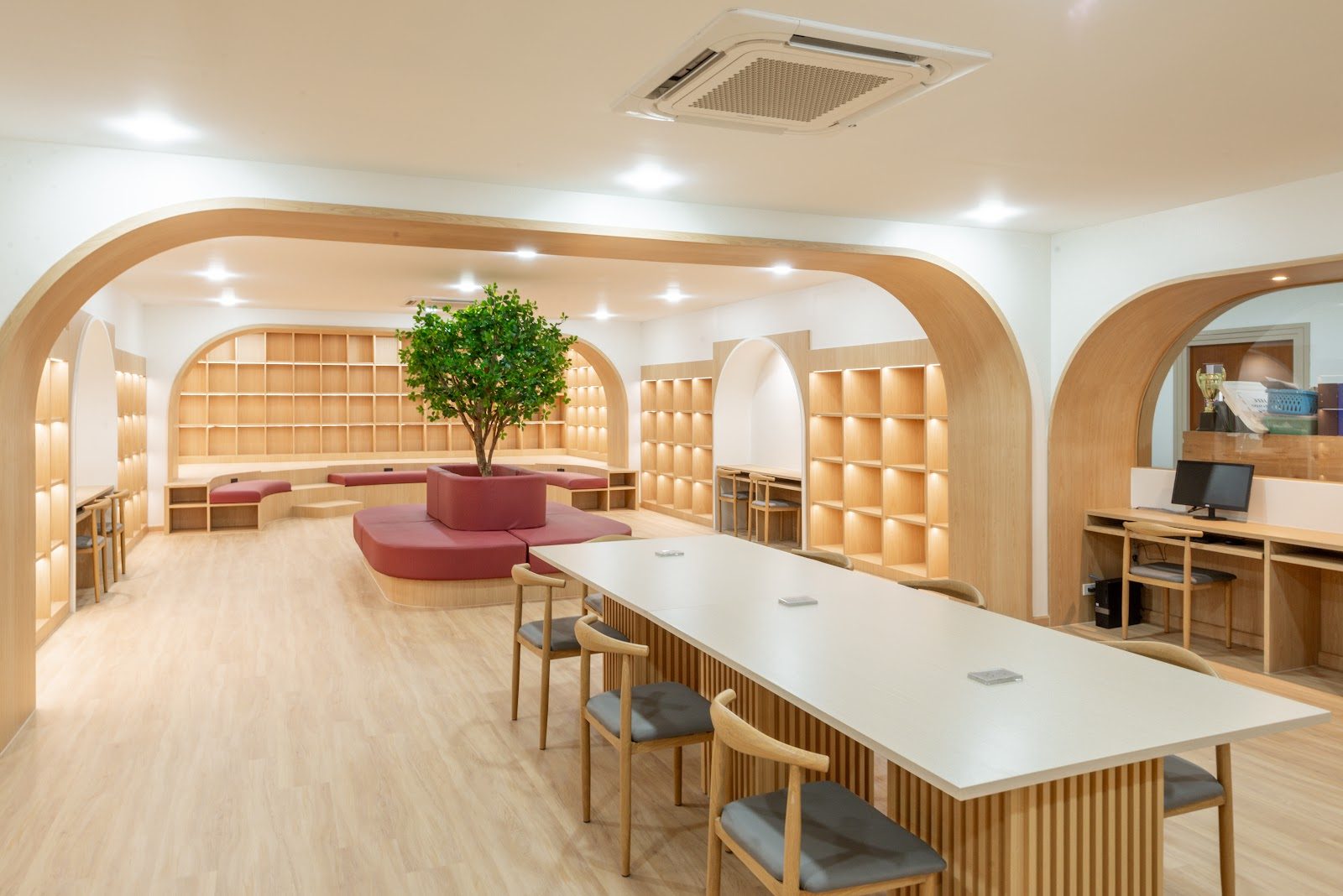
Regents International School Bangkok
Bangkok · Thailand
British curriculum through IGCSE gives way to the IB Diploma at Sixth Form, a pairing rare among Bangkok's boarding schools.
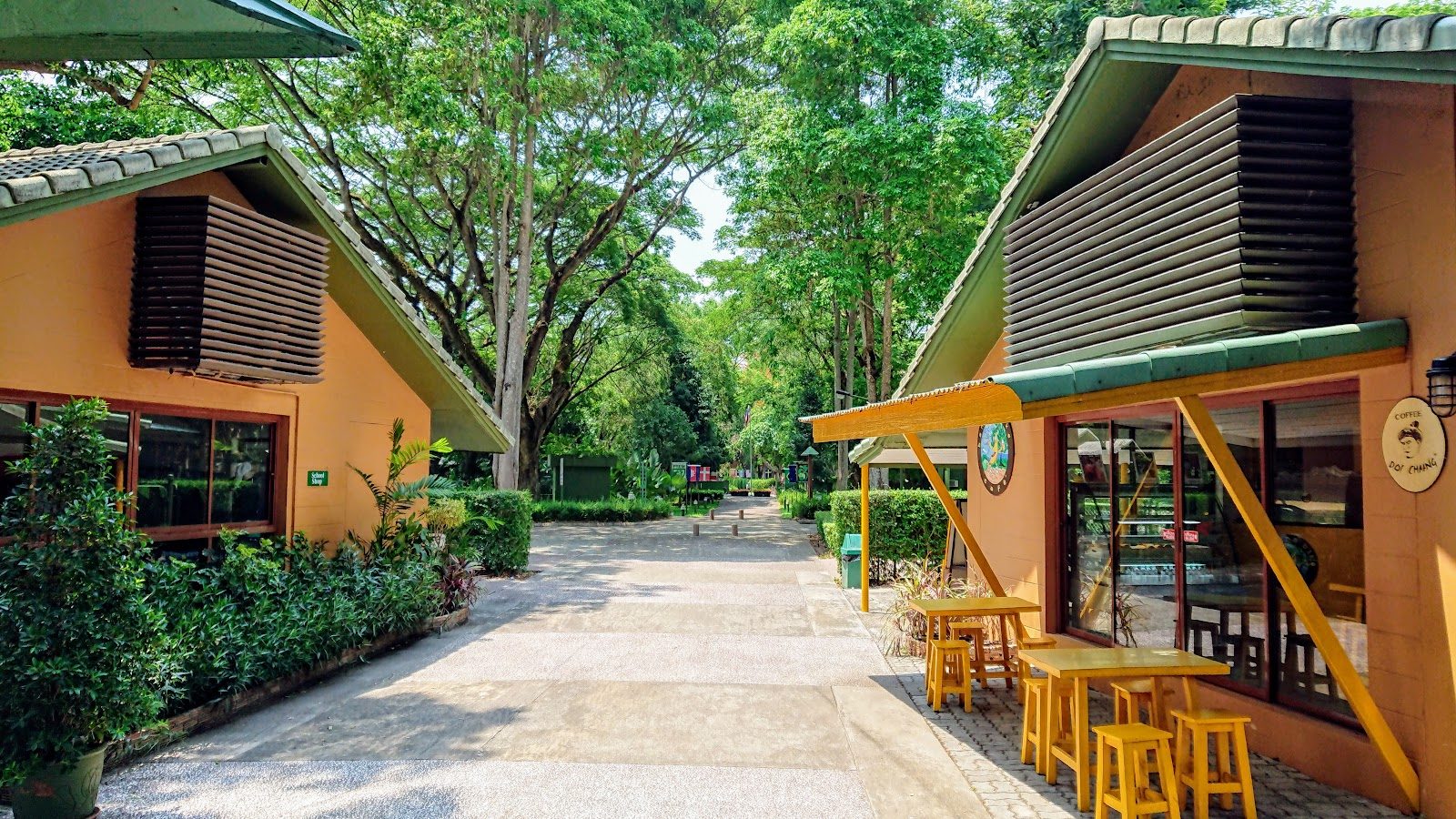
Prem Tinsulanonda International School
Chiang Mai · Thailand
On a 100-acre farm and forest campus in the Mae Rim foothills, the first school in Southeast Asia to run all four IB programmes
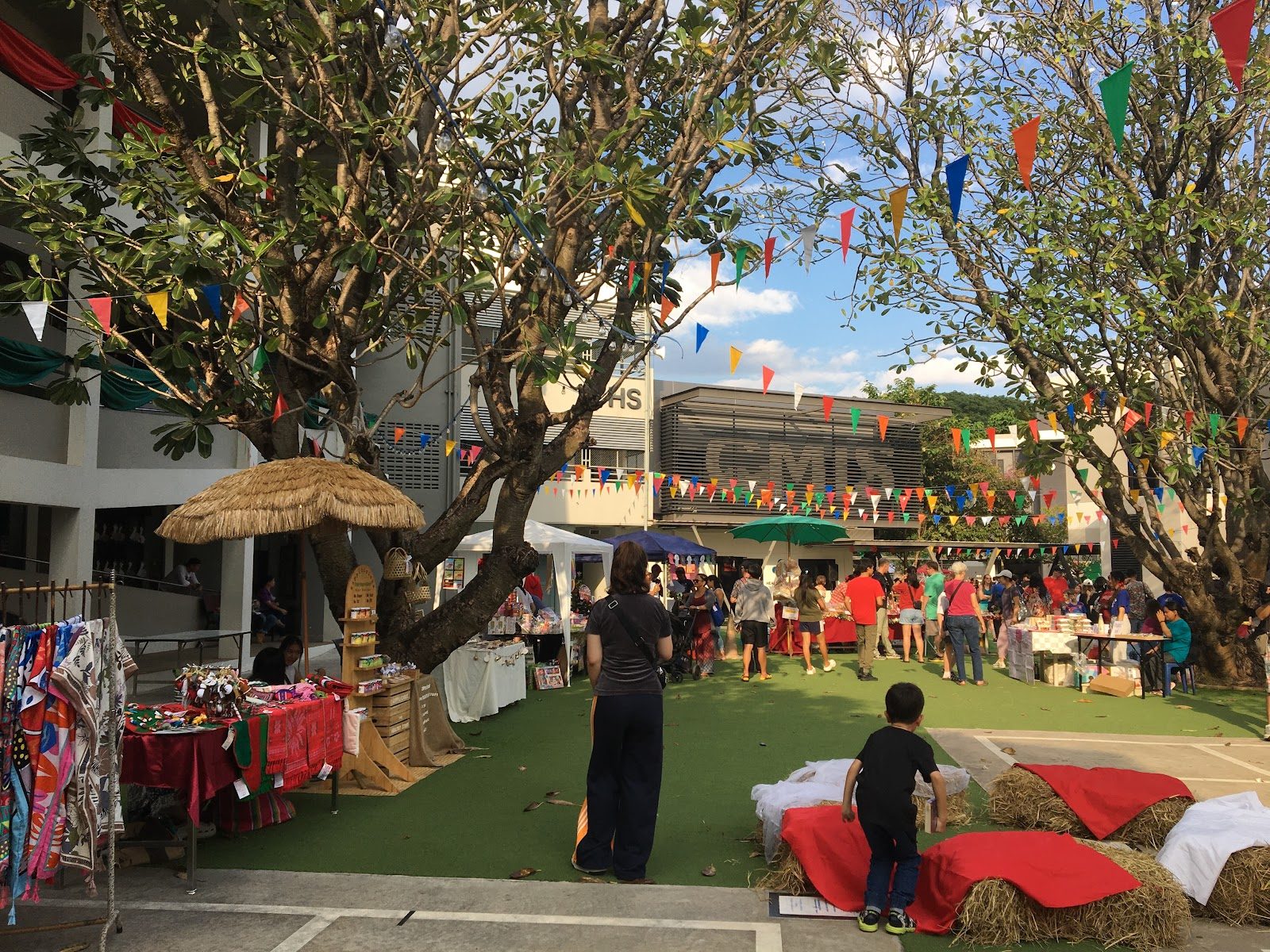
Chiang Mai International School
Chiang Mai · Thailand
Founded by returning missionaries in 1954, this Ping River campus was Thailand's first international school outside Bangkok.

International School of Bergen
Bergen · Norway
Fifty years on from its American School roots, PYP and MYP learners trade classrooms for Bergen's fjord-side countryside.
Same country and curriculum — closest matches within ±10 points either way