
Pattanakarn
Regents International School Bangkok
low confidence· 4/6 cats · 1 avg sourcesBritish curriculum through IGCSE gives way to the IB Diploma at Sixth Form, a pairing rare among Bangkok's boarding schools.
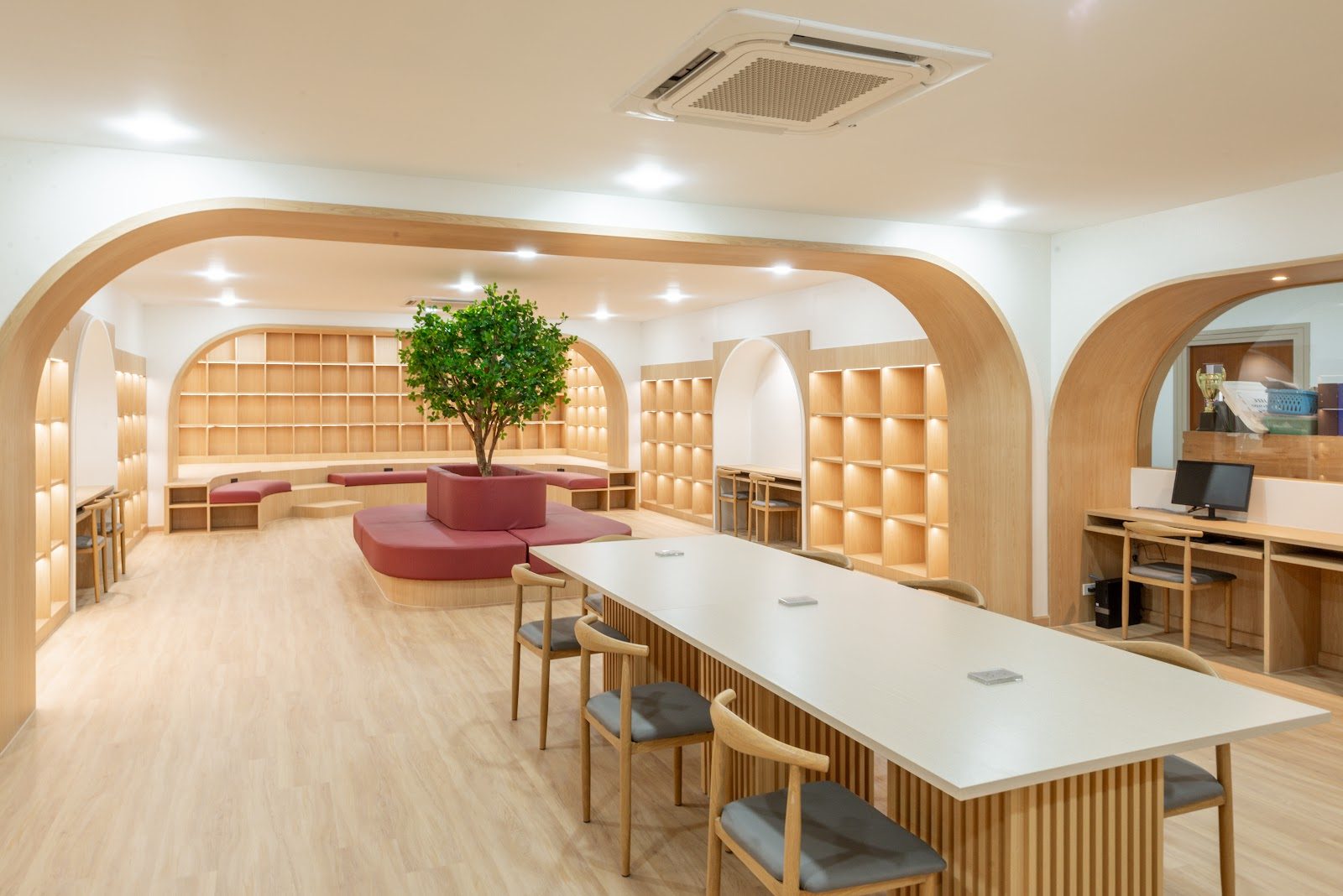
Photo © โรงเรียนนานาชาติรีเจ้นท์กรุงเทพ via Google Maps
Type
Both
Ages
2–18
Curriculum
British · IB
Qualifications
IGCSE · IB Diploma
Ratio
—
The Verdict
Editor's commitment
Right for
Families in Bangkok wanting English-medium schooling from age 2 to 18, with British curriculum through IGCSE then the IB Diploma.
Wrong for
Parents who want one coherent pathway only; Regents switches from British curriculum to IB, and it is non-religious by design.
Watch out for
Nord Anglia ownership, plus CIS, BSO and IB World accreditation, signals scale and systems; it does not tell you day-to-day academic depth.
Ranking breakdown
Regents International School Bangkok · #1335 of 1591
Composite score 53.8. 8 weighted criteria.
By criterion
Academic Outcomes
Weight 20%
#1312
of 1529 scored
University Placement
Weight 16%
#1313
of 1529 scored
Prestige & Heritage
Weight 12%
#1357
of 1571 scored
Alumni Network
Weight 12%
#965
of 1530 scored
Facilities
Weight 12%
#1289
of 1534 scored
Transparency & Communications
Weight 8%
#1305
of 1532 scored
Peer & Industry Review
Weight 10%
#1216
of 1548 scored
Admissions Selectivity & Demand
Weight 8%
#1205
of 1529 scored
Peer & Industry Review
How Regents International School Bangkok is regarded in the sector
62
Respected · medium confidence
Regents International School Bangkok is a long-established (founded 1994) IB World School that regularly appears in expat-parent forum discussions (e.g., ExpatDen, Bangkok expat Facebook groups) and school directory listings such as ISC Research and The Good Schools Guide International as a solid, respected option among Bangkok's international schools. It is consistently mentioned alongside mid-tier peers like Bangkok Prep and St. Andrews rather than top-tier names like NIST, Bangkok Patana, or ISB, suggesting a respectable but not elite regional reputation.
Evidence sources
Editors' overview
Regents International School Bangkok occupies a distinct niche in the city: a full 2–18 school with both day and boarding options, English-medium teaching, and a clean academic handover from the British curriculum to the IB Diploma. That combination is rare in Bangkok. Many schools commit to one pathway and stay there. Regents does not. Pupils move through the British system to IGCSE and then switch to the IB in Sixth Form, which gives families a broader runway before university applications sharpen into focus. Founded in 1994, the school also has the staying power that newer entrants lack. This is not a speculative brand launch; it is an established operation with the oversight parents expect from BSO, CIS and IB authorisation, under the Nord Anglia network.
What puts Regents on a shortlist is not novelty but fit. It serves families who want an international school with boarding, but do not want a narrowly domestic British boarding-school replica dropped into Thailand. The school’s value sits in that middle ground: global without being rootless, structured without being rigid. Bangkok has no shortage of ambitious schools, but fewer that can take a child from early years to university entry in one institution while keeping English as the working language throughout. For mobile families, that continuity matters. For local families with international university ambitions, the IGCSE-to-IB route is a serious proposition. The school’s market position is clear: not the city’s most rarefied boutique, not a budget play, but an established premium option with boarding and an academic model that covers more than one type of learner.
The students who fit Regents best are those who benefit from range and momentum. This is a strong match for boarders who need a settled, all-through environment, and for internationally minded pupils who want the breadth of the IB after the subject grounding of IGCSE. It suits teenagers with academic stamina, a taste for independence and enough organisation to handle the jump from a British curriculum structure into the more self-directed demands of the diploma years. It also suits families who want one school across multiple stages instead of a fresh admissions round at 16. Children who need a tiny, intensely personalised setting may find a through-school of this kind less intimate than they want. Families seeking a single-curriculum identity from start to finish may prefer a pure British or pure IB school. Regents works best for parents who see flexibility, continuity and boarding capacity as the main prize — and who want those things in one address.
Academic Performance
Regents publishes headline IB Diploma outcomes and they are strong. The latest cohort recorded a 34-point average against a global average of 30.32, with a 100% pass rate. That places the school in the solid upper tier of Bangkok’s broad-market international schools: not in the tiny stratosphere occupied by the city’s most selective academic operators, but well above any school content with middling diploma returns. For parents, the key point is consistency of competence rather than one spectacular outlier year. A mid-30s average signals a sixth form that gets pupils over the line to credible university destinations without relying on marketing fog or heroic spin.
What is missing is just as important. We have not seen published aggregate IGCSE results, subject-by-subject breakdowns, top IB scores, or multi-year trend data. That limits scrutiny. A school asking families to trust its academic trajectory should disclose more than a single diploma headline. Relative to peers with harder-edged transparency, Regents leaves parents with an incomplete picture of depth at the top end and consistency through the middle. The available results still mark it as a serious academic proposition, but not one with the public results culture of Bangkok’s most performance-led rivals.
Facilities
Regents’ facilities profile is built around breadth rather than spectacle. The practical advantage is clear: a through-school with boarding needs spaces that work from early years to sixth form, and Regents covers the essentials parents in this bracket expect — teaching rooms across all phases, sports provision, performance space, specialist areas for science and the arts, and residential infrastructure that supports pupils beyond the school day. That matters more than a single showpiece building. Against Bangkok peers, this puts Regents in the serious, full-service category rather than the boutique one. Families looking for a campus engineered around one age group, one specialism or one architectural statement will find stronger individual flagships elsewhere. Families looking for a school that can handle daily life at scale, including weekends and evenings for boarders, get a more workmanlike proposition here.
The benchmark question is not whether Regents has facilities; premium schools at this level do. The sharper question is whether the estate gives it a distinctive edge. On public evidence, the answer is no. Regents has the infrastructure required for a credible premium international school with residential provision, but it does not advertise the kind of arms-race extravagance now used by some Bangkok rivals to justify top-tier fees. That is not a flaw. For many parents, it is a relief. The campus offer reads as functional, broad and fit for purpose, not as a monument to excess.
We have not seen published aggregate IGCSE results, subject-by-subject breakdowns, top IB scores, or multi-year trend data
Prestige
Regents carries solid market prestige in Bangkok, but not the kind that confers automatic status on name alone. Its standing rests on breadth, durability and recognisable external oversight, then gains lift from diploma outcomes that clear the bar comfortably. The school sits in the city’s premium middle: well-established, internationally legible, and credible for families who want one institution to cover the whole school journey. The latest published diploma data — a 34-point average and 100% pass rate — strengthen that reputation. Those figures tell parents this is not a weak academic brand trading on facilities or lifestyle.
The ceiling on prestige comes from selectivity and disclosure. Regents does not occupy Bangkok’s rarefied top stratum of schools whose names function as social shorthand and whose academic reporting leaves little room for doubt. Public results reporting remains too thin for that. Parents can see enough to trust competence; they cannot see enough to rank Regents with the city’s most exacting operators. The Nord Anglia link adds international recognition and a degree of institutional reassurance, but network membership is not prestige in itself. Prestige here is earned rather than mythologised: a respected, premium school with real credibility, strong enough to impress informed families, but not one of the market’s untouchable status prizes.
Relative to peers with harder-edged transparency, Regents leaves parents with an incomplete picture of depth at the top end and consistency through the middle
Communications
Regents communicates like a school used to handling complexity. A through-school with residential provision has to keep multiple parent groups aligned — early years families, senior-school families, local day parents and those managing a child from a distance — and the public-facing communication has a clear operational cast. The website is structured sensibly, contact routes are easy to find, and the school does not hide the practical architecture parents care about: admissions, fees, boarding, transport, term dates and daily life. That matters. Too many schools bury essentials under brand language. Regents does less of that. The Nord Anglia connection also brings a more standardised communications discipline than many independent operators manage on their own, which strengthens consistency even when it trims personality.
Effectiveness is strongest at the functional level and weaker at the accountability level. Parents can work out how the school runs. They get a usable, adult-facing picture of logistics and school life. What they do not get is the hard-edged transparency that marks out the best communicators in this market. Academic disclosure remains thin beyond the headline diploma figures already in view, and that limits trust where scrutiny matters most. A school can send polished updates, maintain active channels and still leave parents without enough evidence on outcomes. Regents avoids brochure fluff better than many peers, but it still communicates more confidently about experience than performance. For current-family operations, that is serviceable. For decision-stage parents making an expensive commitment, it is not enough.
Uniqueness
What marks Regents out is the junction it offers, not any single badge. In Bangkok, schools with residential provision tend to lean hard into one academic identity. Regents gives families a longer decision runway, then changes gear at the point when university strategy starts to matter. That creates a different student experience: broad subject grounding in the earlier secondary years, followed by a more synoptic, essay-heavy and self-managed sixth form. For the right pupil, that is a useful stretch. It rewards teenagers who grow into their academic ambition rather than declaring it early, and it gives late developers more room than a school locked into one route from start to finish. In an all-through setting from age 2 to 18, that continuity also reduces friction for boarders and mobile families who do not want another institutional reset halfway through adolescence.
The other distinctive point is scale of purpose. Regents is not a specialist arts conservatoire, not a hyper-selective exam factory, and not a miniature pastoral retreat. It is a broad-gauge international school built to carry children across the full span of schooling, with day pupils and boarders sharing one ecosystem. That brings practical benefits: friendships survive key transition years, teachers know the school’s expectations across phases, and older pupils can build independence without losing structure. The trade-off is clear. Families seeking a single-minded, status-saturated or intensely boutique experience will find sharper differentiation elsewhere. Regents’ uniqueness lies in being a multi-stage, high-functioning generalist — less glamorous than some rivals, but more adaptable for real family lives.
Families looking for a campus engineered around one age group, one specialism or one architectural statement will find stronger individual flagships elsewhere
Student Profile
The pupils who fit Regents best are those who thrive in a busy, mixed community rather than a tiny, tightly curated enclave. This suits children comfortable sharing space with different age groups, family backgrounds and levels of ambition, from early years through to older teenagers with university plans already in motion. Boarders need a degree of self-management and emotional steadiness; day pupils need enough independence to make use of a school that offers more than a narrow classroom routine. The social fit is strongest for families who want an international environment without the social frostiness or status theatre that can creep into Bangkok’s more self-conscious premium schools. Children who need constant hand-holding, or who shrink in larger institutional settings, will find the pace harder work.
Academically, Regents suits pupils with good stamina rather than only the ultra-competitive edge. It works well for students who build momentum over time, gain confidence through structure, then cope with greater autonomy in the later years. The sixth-form results signal a cohort that performs with discipline, not one built solely around a handful of prodigies. That matters for parents seeking a school where the middle and upper-middle of the year group are taken seriously. The best fit is a child who is adaptable, socially at ease, and willing to work; the weaker fit is one who needs a *microscopic level of individual tailoring* or a school culture driven by relentless academic peacocking.
The sharper question is whether the estate gives it a distinctive edge
Co-curricular strengths
Arts & sport, on a separate axis
Overall 8.6/10
Scored 0-10 from the school's own published evidence. This axis is editorial-only — it does not feed the main WTS ranking.
Sports
9/10
Drama
8.5/10
Dance
8/10
Music
9/10
Visual Arts
8.5/10
Editor first-pass · editor-reviewable · 7/30/2026
Strengths
- +Member of the Nord Anglia Education group, giving access to global partnerships with Juilliard, MIT and UNICEF for enrichment programmes.
- +Offers a continuous pathway from Early Years through to IB Diploma alongside a British National Curriculum framework in the same campus.
- +Accredited by the Council of International Schools (CIS) and holds NEASC accreditation, indicating external quality benchmarking.
- +Established since the 1990s, giving it a longer operating history than many newer Bangkok international schools.
- +Single campus location simplifies logistics for families wanting one site from kindergarten through secondary school.
Considerations
- −Fees are among the higher tier of Bangkok international schools, a significant consideration for mid-budget relocating families.
- −Campus sits off Sukhumvit Soi 71, an area subject to Bangkok's variable traffic conditions affecting daily commute times.
- −As part of a large multi-school group, some families report a more corporate, standardised feel compared to boutique independent schools.
- −Editorial ranking (1285) suggests it sits well outside the top bracket of internationally benchmarked schools, reflecting more limited public data on outcomes.
Availability
Primary entry gate & tests
Academic Record
Gallery
Photo © โรงเรียนนานาชาติรีเจ้นท์กรุงเทพ via Google Maps
Photo © โรงเรียนนานาชาติรีเจ้นท์กรุงเทพ via Google Maps
Photo © Md Shafiul Bashar via Google Maps
Photo © โรงเรียนนานาชาติรีเจ้นท์กรุงเทพ via Google Maps
Photo © โรงเรียนนานาชาติรีเจ้นท์กรุงเทพ via Google Maps
Parent reviews
Have you sent your child here?
Voice reviews carry the strongest trust badge — we transcribe them for you to tidy up before they go live. Prefer to type? A written review is fine too.
Add your voice
In 60 seconds, tell other parents: what's the best thing about Regents International School Bangkok, and what surprised you when your child joined?
We ask for a Google sign-in so every review has a real face behind it — no anonymous drive-by attacks on schools, and no faked positive reviews. Your email is never shown publicly.
Send this profile to a friend
International parents rely on word-of-mouth. Share this review with someone weighing the same decision.
Schools with places
Similar schools to Regents International School Bangkok with places available now.
NIST International School
Bangkok · Thailand
- 2026-27
- WAITPOOLSpace-dependent
- 2027-28
- PLACES OPENRolling
Bangkok Patana School
Bangkok · Thailand
- 2026-27
- CLOSEDThai closed / Non-Thai open
- 2027-28
- OPENS SOONThai 1 Sept / Non-Thai rolling
Shrewsbury International School Bangkok
Bangkok · Thailand
- 2026-27
- WAITPOOLSpace-dependent
- 2027-28
- PLACES OPENRolling
International School Bangkok
Bangkok · Thailand
- 2026-27
- WAITPOOLSpace-dependent
- 2027-28
- OPENS SOONOpens Sept '26
Availability first, then country, area, curriculum, price, co-curricular
Consider also
Also worth looking at alongside Regents International School Bangkok.
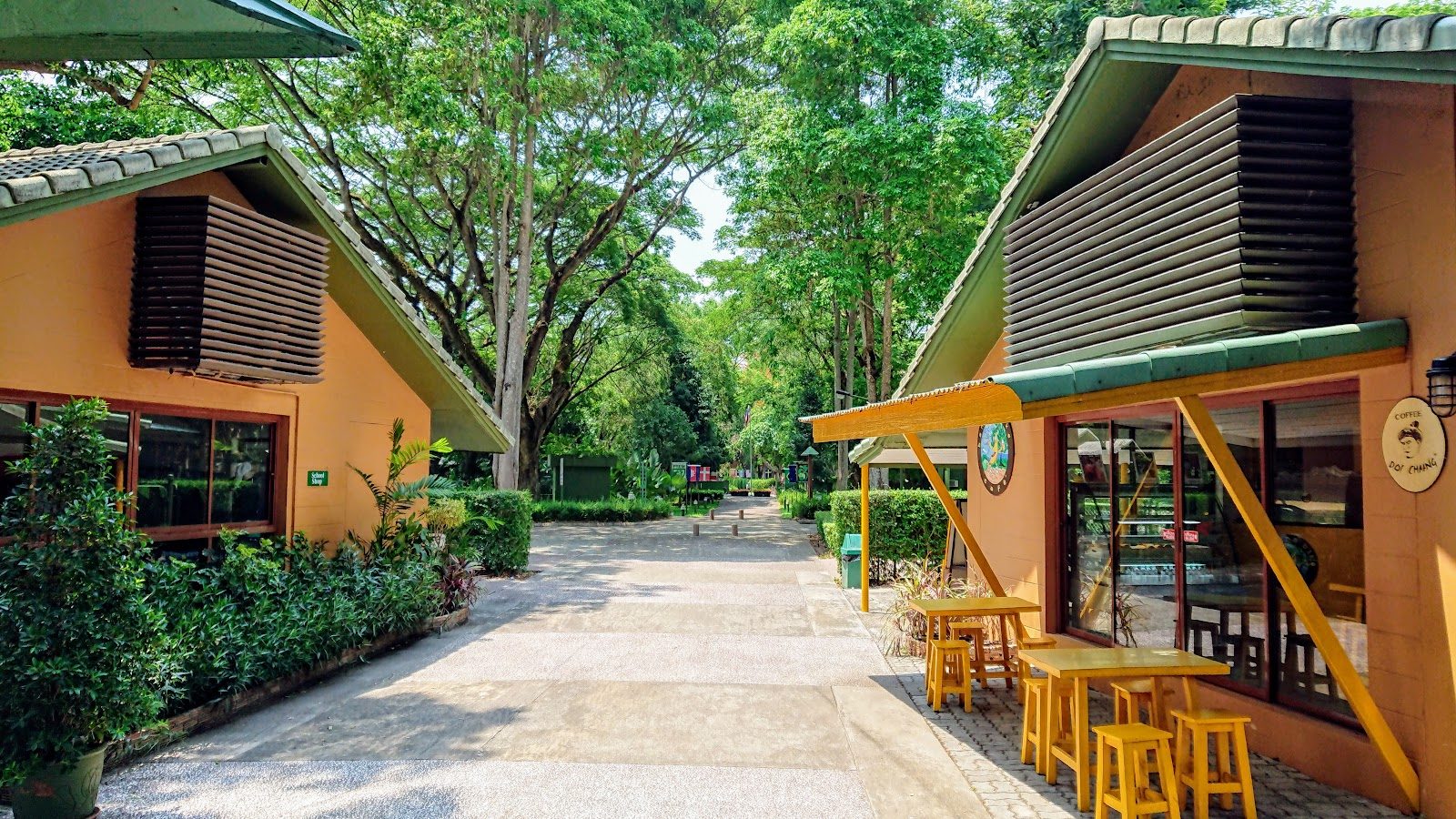
Prem Tinsulanonda International School
Chiang Mai · Thailand
On a 100-acre farm and forest campus in the Mae Rim foothills, the first school in Southeast Asia to run all four IB programmes
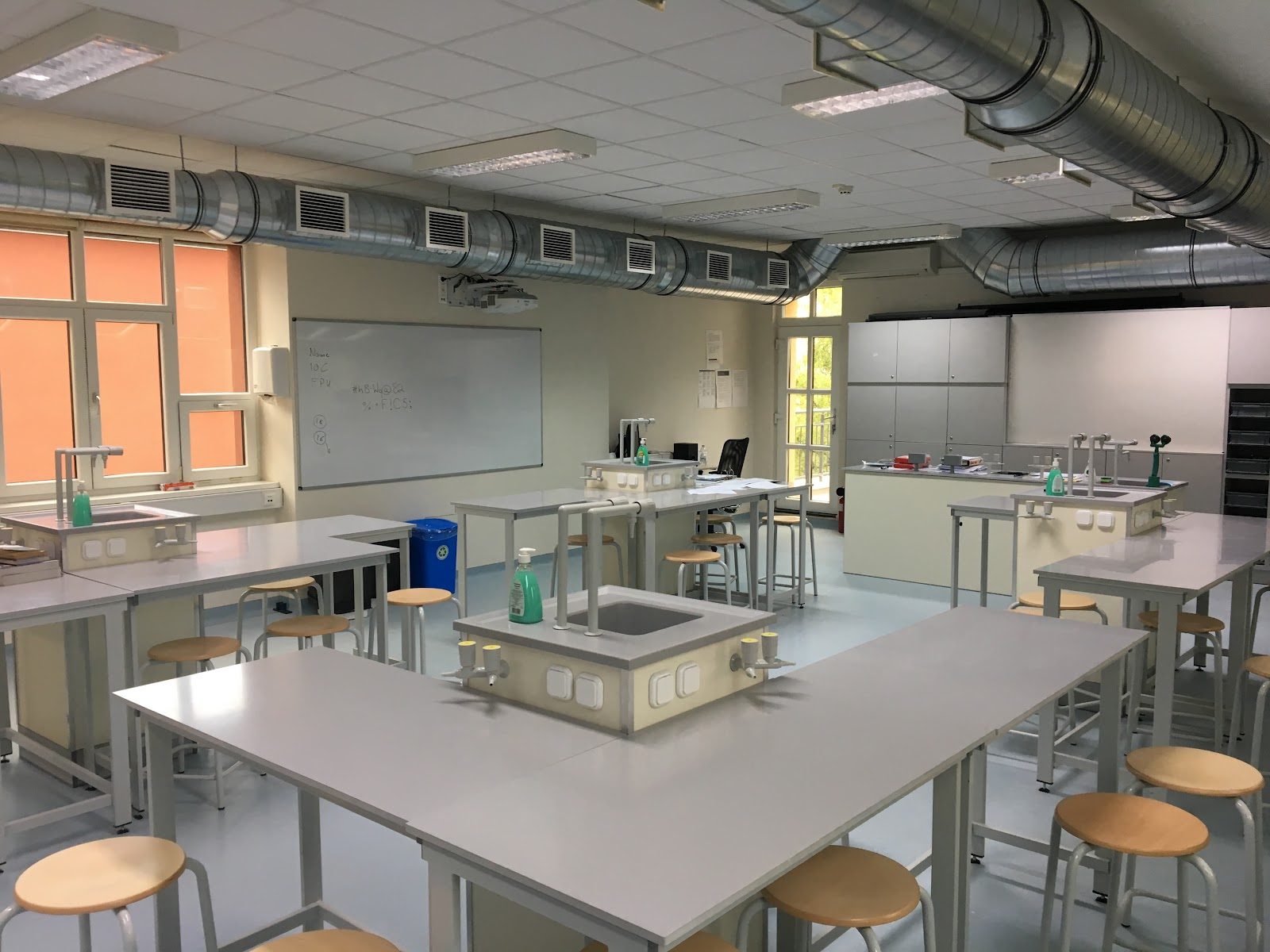
The British International School Budapest
Budapest · Hungary
Perched above Buda's hillside views, this Nord Anglia campus pairs Juilliard-backed arts with the English curriculum's climb into the IB Diploma.
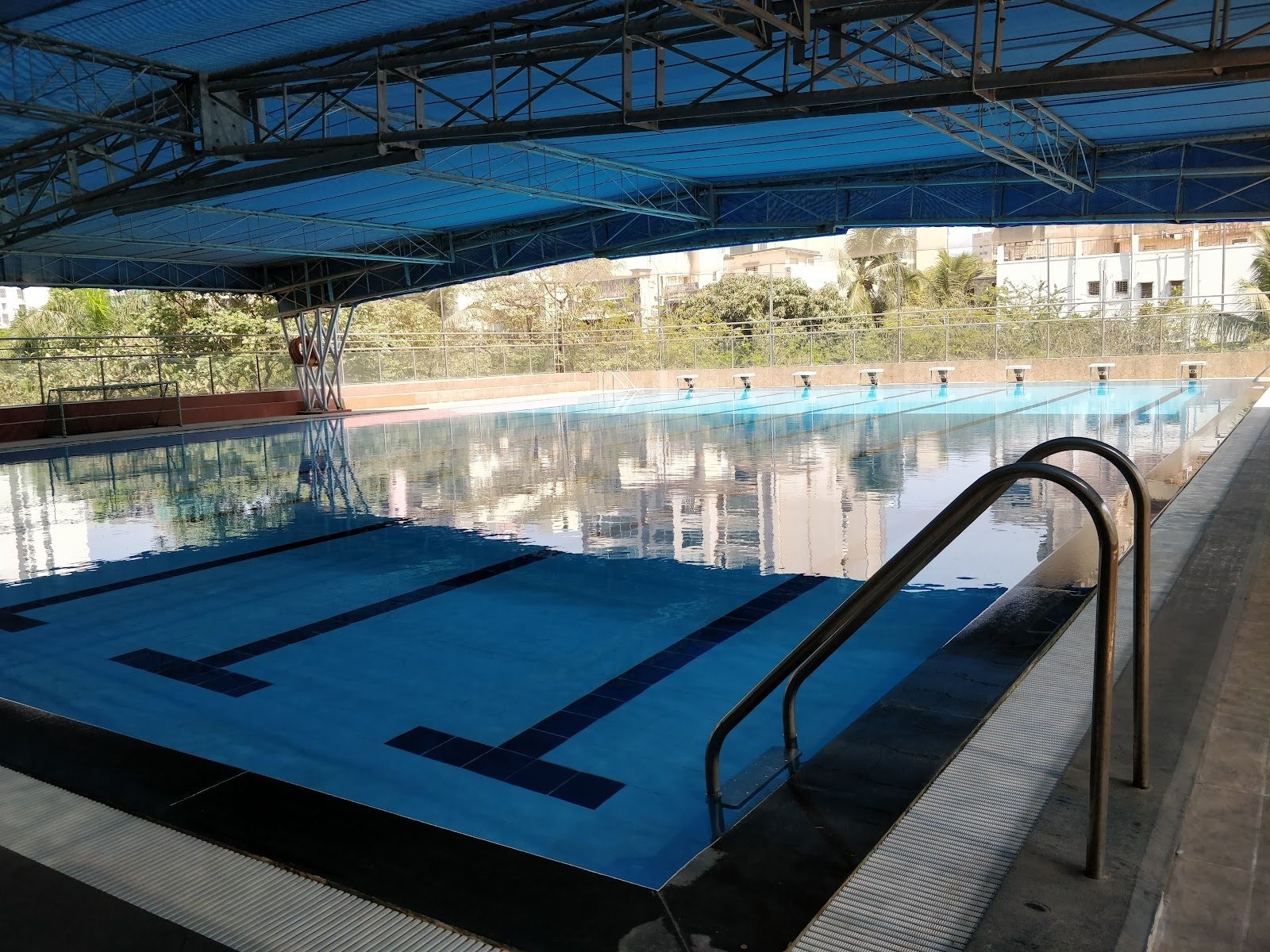
Ecole Mondiale World School
Mumbai · India
In Juhu since 2004, Mumbai's first full-continuum IB school runs Primary, Middle Years and Diploma under one roof
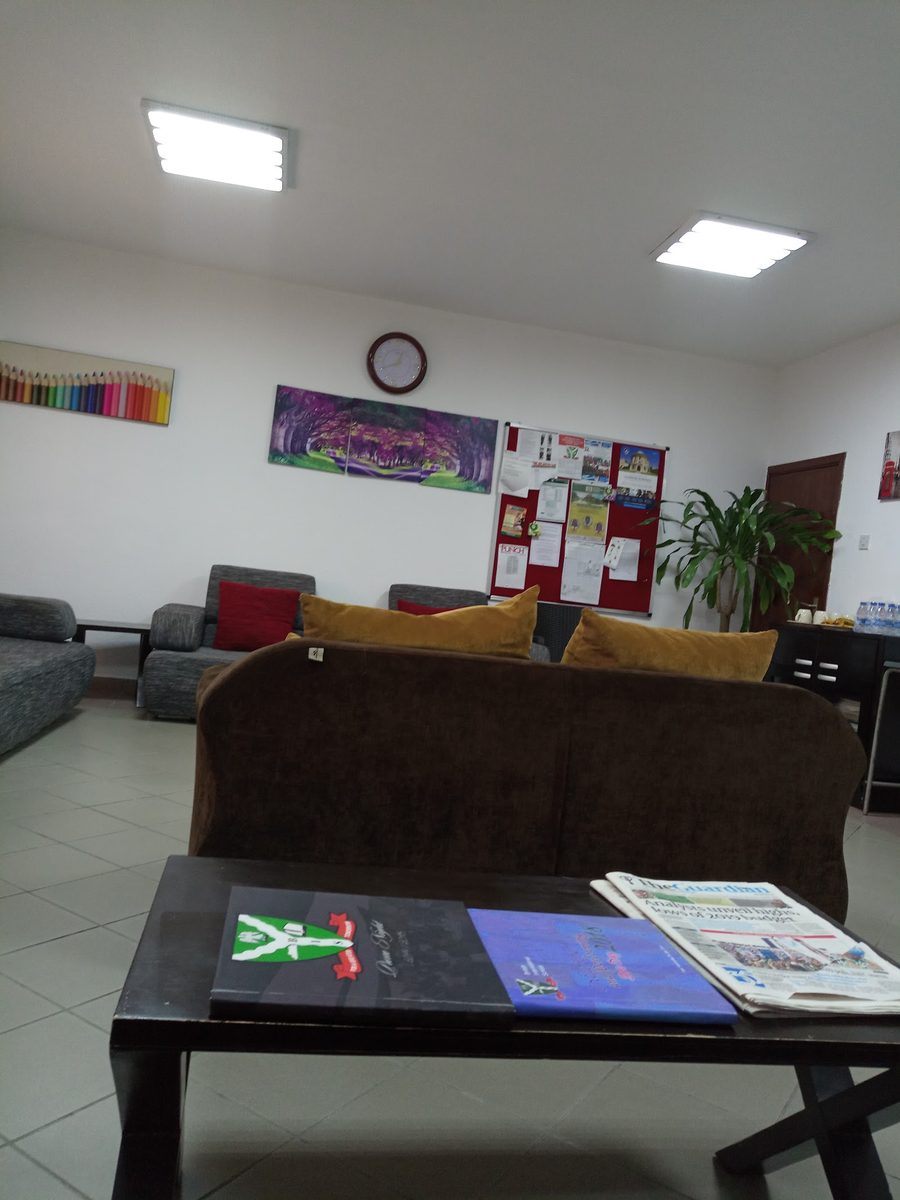
British International School Lagos
Lagos · Nigeria
On a 30-acre Victoria Island campus, Cambridge rigor meets Yoruba language study and a five-house boarding tradition.
Same country and curriculum — closest matches within ±10 points either way