
Alberta
National Sport School
Classrooms embedded inside WinSport's Olympic Park let student-athletes train by day and study around competition travel by design
Type
Day
Ages
15–18
Curriculum
Alberta High School Diploma
Ratio
—
The Verdict
Editor's commitment
Right for
Student-athletes aged 15–18 who need the Alberta High School Diploma built around training at WinSport’s Olympic Park in Calgary.
Wrong for
Families wanting a conventional sixth-form experience, broad extracurricular breadth, or non-athletes; this public day school exists for Olympic-potential athletes.
Watch out for
Founded in 1994 as Canada’s first national sport school, it prioritises travel-and-training flexibility; the school does not publish aggregate academic outcomes.
Ranking breakdown
National Sport School · #1209 of 1591
Composite score 57.9. 8 weighted criteria.
By criterion
Academic Outcomes
Weight 20%
#1382
of 1529 scored
University Placement
Weight 16%
#1259
of 1529 scored
Prestige & Heritage
Weight 12%
#1324
of 1571 scored
Alumni Network
Weight 12%
#785
of 1530 scored
Facilities
Weight 12%
#406
of 1533 scored
Transparency & Communications
Weight 8%
#1019
of 1532 scored
Peer & Industry Review
Weight 10%
#533
of 1548 scored
Admissions Selectivity & Demand
Weight 8%
#1326
of 1529 scored
Peer & Industry Review
How National Sport School is regarded in the sector
70
Respected · medium confidence
National Sport School occupies a niche outside conventional independent-school league tables, so peer regard is expressed mainly through Canada's sport-education network rather than press rankings like the Good Schools Guide or WhichSchoolAdvisor, which focus on UK/international private schools and do not profile it. Within Canada, it is recognised as one of a small cohort of dedicated public sport schools (alongside similar CBE and other provincial programs) and is closely tied to WinSport and the Canadian Sport Institute Calgary, whose coaches and sport scientists co-deliver training, giving it credibility with national sport federations and Own the Podium-aligned programs. University kinesiology and athletics departments in Alberta (Calgary, Alberta) informally view NSS graduates favourably given the school's track record of producing national team and Olympic-stream athletes, though this is anecdotal rather than documented in admissions commentary. No independent education press review, rival-head quote, or national newspaper league-table placement could be verified as existing for this school.
Award

Elite Sport 80
World's Top School · The Global Ranking
National Sport School is featured on our Global Top 80 ranking at #62. This seal is available for the school's marketing team to use on their website, prospectus and social channels.
- Kaillie Humphries — Olympic bobsledder, Athletics
- Jennifer Heil — Olympic freestyle skier, Athletics
- Mark McMorris — Olympic snowboarder, Athletics
Editors' overview
National Sport School occupies a narrow, serious niche. This is a public day school in Calgary for ages 15–18, built around the Alberta High School Diploma and the demands of elite sport. Its defining advantage is structural, not cosmetic: classrooms sit inside WinSport’s Olympic Park, and the timetable exists to accommodate training blocks and competition travel. Founded in 1994, it was the first national sport school in Canada. That still matters. Few schools can claim a model designed from the outset for athletes with international schedules rather than asking families to bolt high-performance sport onto a standard school week. The appeal is clear: training is not an extracurricular here; it is part of the organising logic of the school.
That focus puts National Sport School on the shortlist for one type of family above all others: parents of student-athletes already operating at a high level, or on a credible performance pathway, who need schooling that will not collapse under repeated absences for camps and competition. The school’s partnership with WinSport sharpens that proposition. Access to a major training environment, peer groups who understand the rhythm of selection cycles and recovery, and a school culture built around disciplined ambition give NSS a market position few mainstream schools can match. For the right student, that creates a rare institutional fit: school, sport, travel and academic continuity all pulling in the same direction.
The trade-off is just as clear. National Sport School is not a broad, all-purpose independent-style experience with endless co-curricular choice and a conventional teenage social life. It serves a specialised cohort, and families need to want that intensity. A student who thrives here will value routine, accept pressure, and treat time as a resource to be managed tightly. This suits athletes who need a hard-edged balance between study and sport, not students who want school to be exploratory, leisurely or socially central. Parents should also read the school for what it is: a mechanism for sustaining education alongside elite training, not a sporting fantasy camp.
Why shortlist it? Because in its lane, the proposition is unusually coherent. Public school access, an athlete-centred timetable, and a setting embedded in a major sports complex make NSS a purposeful machine for high-performance teenagers. For a family trying to reconcile serious sport with a credible secondary education, that coherence is valuable. For everyone else, it is too specialised. That clarity is a strength, not a weakness. National Sport School knows exactly whom it serves, and that sharpness of mission is what sets it apart.
An Elite Sport 80 school
National Sport School in Calgary is a Calgary Board of Education specialist public school and sits at rank sixty-two on the Elite Sport 80 because it operates one of the most established dual-career environments for winter and endurance athletes in North America. Multiple Winter Olympians have come through, and the school regularly supplies athletes to Canadian national teams in alpine skiing, freestyle, snowboarding, biathlon, luge, bobsleigh, speed skating, figure skating and cross-country skiing.
The specialisms are all winter Olympic disciplines rooted in the Rocky Mountains, plus endurance sports such as cycling and triathlon. The school partners with WinSport (formerly Canada Olympic Park) and the surrounding Calgary Olympic legacy facilities from the 1988 Games, meaning pupils train daily on world-standard bobsleigh, luge, ski jumping, speed skating and alpine facilities. Academic scheduling is built around training and international travel.
Notable alumni across codes include multiple Canadian Winter Olympic medallists in alpine skiing, freestyle and speed skating, current national-team athletes across most winter disciplines, and Olympic representatives in summer endurance sports. The school's per-capita Olympic representation is remarkable given its small annual enrolment.
International openness is limited by design. National Sport School is a Calgary Board of Education specialist public school and admits primarily on the basis of Alberta residency and inclusion in a Canadian national team development programme. Overseas admissions are handled on a case-by-case basis, usually through a partnership with the athlete's home national federation, and require an international-student fee schedule plus a Canadian study permit. There is no boarding house — accommodation is the family's responsibility. Language of instruction is English. For a family already inside a winter-sport federation system considering Calgary as a training base, National Sport School is one of the most efficient dual-career environments in the world; for overseas families arriving without federation backing and without a Calgary relocation plan, the barrier to entry is meaningfully high.
Academic Performance
National Sport School’s academic-performance story is hard to judge against Alberta peers because the school does not publish a clear body of aggregate external-exam data in the public domain. We have not seen school-level diploma exam averages, pass rates, or trend lines that would allow a clean comparison with other Calgary public schools or with selective athlete-focused programmes elsewhere. That opacity matters. For a school built around absence-heavy training and international competition schedules, the central academic question is simple: do students convert flexibility into strong exam outcomes? The public record does not answer it. Families shopping on academics first, not sport fit, should treat that gap as a material weakness.
That does not mean weak performance; it means unproven performance. The school serves a highly specialised cohort whose timetable and travel demands distort any standard benchmark, and that cuts both ways. Motivated student-athletes can produce disciplined academic results when structure is tight and expectations are clear. They can also post uneven outcomes when sport consumes the timetable. Without published school-wide results, NSS sits outside the easy ranking conversation. It is not a results-led academic destination in the way a conventional top-flight secondary school is. It is a performance-support school first, and parents need to judge it on that basis. If exam outcomes are the deciding factor, ask for recent diploma-exam data, completion rates and post-secondary destinations before treating the model as academically convincing.
Facilities
National Sport School’s decisive facility advantage is not a library, theatre or manicured campus green. It is proximity to a serious training environment. The school operates inside WinSport’s Olympic Park, which gives student-athletes direct access to a high-performance setting that mainstream public schools do not have and most independent schools can only imitate through transport arrangements and external club partnerships. For families in this niche, that matters more than cosmetic campus features. A conventional school can offer decent gyms and playing fields; NSS offers a day structured around elite sport infrastructure and the practical convenience that goes with it. That is a hard, functional edge over peer schools whose athletes lose hours moving between classrooms, roads and training venues.
The limitation is just as important. NSS does not sell a broad facilities package in the independent-school mould, and families should not expect one. We have not seen a public case for specialist arts spaces, extensive generalist co-curricular venues or the kind of all-purpose campus amenities that define a more rounded secondary experience. Against other athlete-focused schools, the embedded sports context is genuinely distinctive. Against top all-round day schools, the offer is narrow by design. If your child needs school facilities to support one overriding priority — training at a serious level while staying academically afloat — NSS has real competitive force. If you want a campus that spreads resources across every teenage interest, it does not.
Founded in 1994, it was the first national sport school in Canada
Prestige
National Sport School carries niche prestige, not broad social prestige. Its name means something inside high-performance sport because the school exists for one job: keeping serious young athletes in education without forcing them to choose between training and school. That gives it credibility with families, coaches and sporting organisations who understand the demands of selection cycles, travel and recovery. In that world, the school has clear institutional weight. Outside it, the brand is much less powerful. This is not the kind of school that impresses through heritage rituals, old-boy networks or headline university-placement theatre. Its status rests on function and fit, not glamour. We rate its prestige as strong within its field and narrow by design beyond it.
That distinction matters. For the right student, National Sport School can carry more real value than a more famous conventional school because it solves a problem most schools do not solve well. It also benefits from being public rather than boutique; there is earned seriousness in a model built around athlete development rather than lifestyle signalling. The limit is equally plain: prestige here does not automatically convert into academic cachet, and the school does not publish the kind of outcome data that would strengthen its standing outside sport. For parents chasing elite-sport credibility, NSS has it. For parents chasing all-round institutional lustre, it does not.
National Sport School is not a broad, all-purpose independent-style experience with endless co-curricular choice and a conventional teenage social life
Communications
National Sport School’s parent communication has one overriding job: keeping families aligned when a child’s week does not follow a normal school pattern. In a setting built around training loads, competition travel and missed classroom time, parents need prompt, exact information on attendance, timetable adjustments, assessment deadlines and academic recovery. The school’s public-facing communication gives the core institutional picture clearly enough, but it does not publish a rich, detailed account of how parent communication works in practice. We have not seen much public evidence of deep transparency around reporting rhythms, parent forums, academic tracking, or the systems used to keep travelling athletes and families synchronised. That leaves the communications offer serviceable rather than exemplary from an editorial standpoint.
The likely reality inside the school is that communication is more disciplined than the public picture indicates, because a school serving this cohort cannot function without tight operational contact between staff, students and home. But parents should not have to infer that from the model alone. Strong schools explain the mechanics: who contacts families when travel disrupts learning, how missed work is re-integrated, how often progress is reviewed, and where responsibility sits between teachers, coaches and parents. NSS has a clear mission, but the public communication around that mission lacks the same precision. For families already embedded in elite sport, that may feel manageable. For new entrants, it is a real weakness until the school answers those practical questions directly.
Uniqueness
What marks National Sport School out is not sport on the timetable, but school built around the lived reality of elite sport. Many schools tolerate absences for competition. NSS is organised for them. It exists for student-athletes with Olympic potential, and that sharp filter changes the whole operating culture: peers understand selection pressure, coaches and school are tied into the same rhythm, and travel does not automatically rupture academic continuity. That creates a rare institutional fit for teenagers whose lives run on training cycles, recovery, performance review and time discipline. The benefit to students is practical as much as psychological. They spend less energy apologising for an atypical life and more energy managing it well. For the right teenager, that is a serious structural advantage.
Its other point of difference is public access to a model that many private schools still fail to deliver convincingly. This is not a conventional high school with an elite-sport badge attached; it is a purpose-built solution for a narrow group, and that narrowness is the point. Students gain a peer cohort that normalises ambition without romanticising it, plus daily proximity to a performance environment that keeps sport central without turning school into theatre. The trade-off is plain: NSS gives up breadth for precision. That makes it exceptionally coherent for high-level athletes and too specialised for almost everyone else.
National Sport School knows exactly whom it serves, and that sharpness of mission is what sets it apart
Student Profile
National Sport School suits a narrow student type. The best fit is the teenager whose sport already dictates the family calendar: training blocks, travel, recovery, selection pressure and the need to keep school moving without constant drama. This is not the place for a child who merely likes sport or wants stronger teams than a mainstream school offers. It is for student-athletes working at a level where performance planning shapes daily life and where peers with the same demands matter. The social upside is obvious: students do not need to explain absences, early sessions or competition nerves to classmates who live by different rules. The downside is equally clear. School life will feel intense, compressed and single-minded. Some teenagers will find that deeply validating; others will find it claustrophobic.
The students who thrive here are disciplined, self-managing and resilient under pressure. They can switch quickly between physical fatigue and academic responsibility, accept that time needs guarding tightly, and cope with a peer group defined by ambition rather than ease. A teenager who wants school to provide breadth, spontaneity and a wide social mix will feel boxed in. A teenager who wants a cohort built around serious purpose will fit. The age range itself — 15–18 in this listing — sharpens that profile further: this is the stage when sport and academic decisions both start to carry real consequences. NSS works for adolescents ready for a hard-edged bargain: a more specialised school life in exchange for a timetable that respects elite training.
National Sport School’s decisive facility advantage is not a library, theatre or manicured campus green
Co-curricular strengths
Arts & sport, on a separate axis
Overall 5.18/10
Scored 0-10 from the school's own published evidence. This axis is editorial-only — it does not feed the main WTS ranking.
Strengths
- +Operates as a public school within the Calgary Board of Education, so tuition is free for Alberta resident students, unlike most sport academies.
- +Timetable and course delivery are built around athletes' training and competition schedules, allowing flexible or condensed class blocks.
- +Located in Calgary, a city with established national winter sport training infrastructure including WinSport's Canada Olympic Park.
- +Leads to the Alberta High School Diploma, a curriculum recognised by Canadian and many international universities.
- +Small, specialised student body of competitive athletes allows closer staff attention to balancing academic and training loads.
Considerations
- −Admission is restricted to students already engaged in high-performance sport training verified through a recognised sport body, so it is not open enrolment.
- −No boarding facilities are offered, meaning relocating families must arrange independent housing in Calgary for the duration of study.
- −Curriculum follows the standard Alberta program without the broader elective range some large comprehensive high schools offer.
- −The school's narrow athletic focus makes it unsuitable for students who are not committed to a demanding, verified competitive sport schedule.
Parent reviews
Have you sent your child here?
Voice reviews carry the strongest trust badge — we transcribe them for you to tidy up before they go live. Prefer to type? A written review is fine too.
Add your voice
In 60 seconds, tell other parents: what's the best thing about National Sport School, and what surprised you when your child joined?
We ask for a Google sign-in so every review has a real face behind it — no anonymous drive-by attacks on schools, and no faked positive reviews. Your email is never shown publicly.
Send this profile to a friend
International parents rely on word-of-mouth. Share this review with someone weighing the same decision.
Schools with places
Similar schools to National Sport School with places available now.
St Michaels University School
Victoria · Canada
- 2026-27
- CLOSEDRegular cycle closed
- 2027-28
- PLACES OPEN2027/28 open; priority 1 Dec '26
Ashbury College
Ottawa · Canada
- 2026-27
- CLOSEDRegular cycle closed
- 2027-28
- PLACES OPENDay Dec / Boarding rolling
Shawnigan Lake School
Shawnigan Lake · Canada
- 2026-27
- CLOSEDRegular cycle closed
- 2027-28
- PLACES OPENActive now
Havergal College
Toronto · Canada
- 2026-27
- CLOSEDRegular cycle closed
- 2027-28
- OPENS SOONOpens 1 Sept '26 (Day) / Boarding active
Availability first, then country, area, curriculum, price, co-curricular
Consider also
Also worth looking at alongside National Sport School.
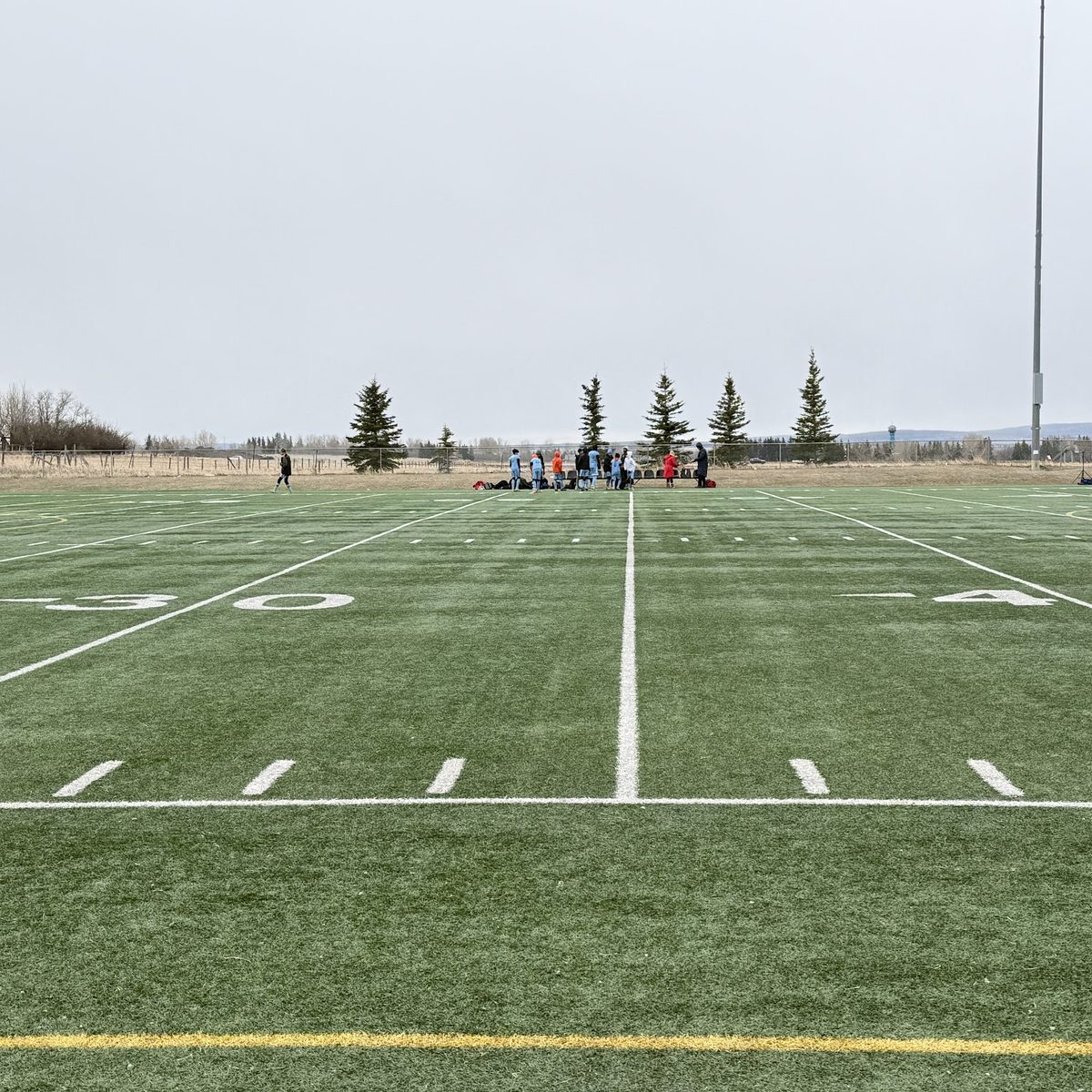
Edge School
Calgary, AB · Canada
West of Calgary, sport blocks are built into the timetable, pairing hockey, dance, golf and soccer academies with core academics.

Athol Murray College of Notre Dame
Wilcox, SK · Canada
On the Saskatchewan prairie, hockey, faith and academics share equal billing beneath the campus's landmark Tower of God
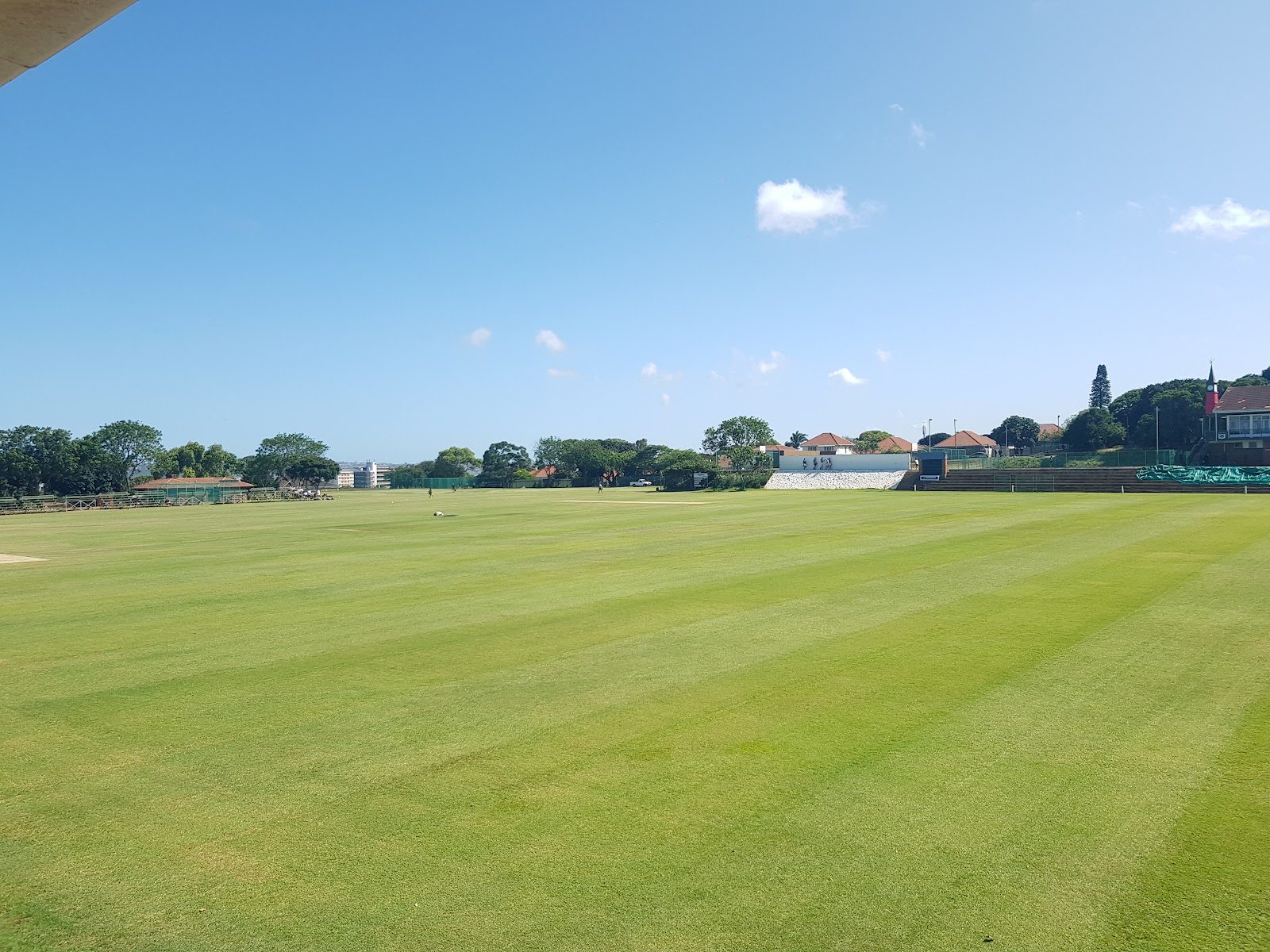
Glenwood High School
Durban · South Africa
A century-old Durban boys' school where sport is prized as 'the other half' of an education, not an afterthought
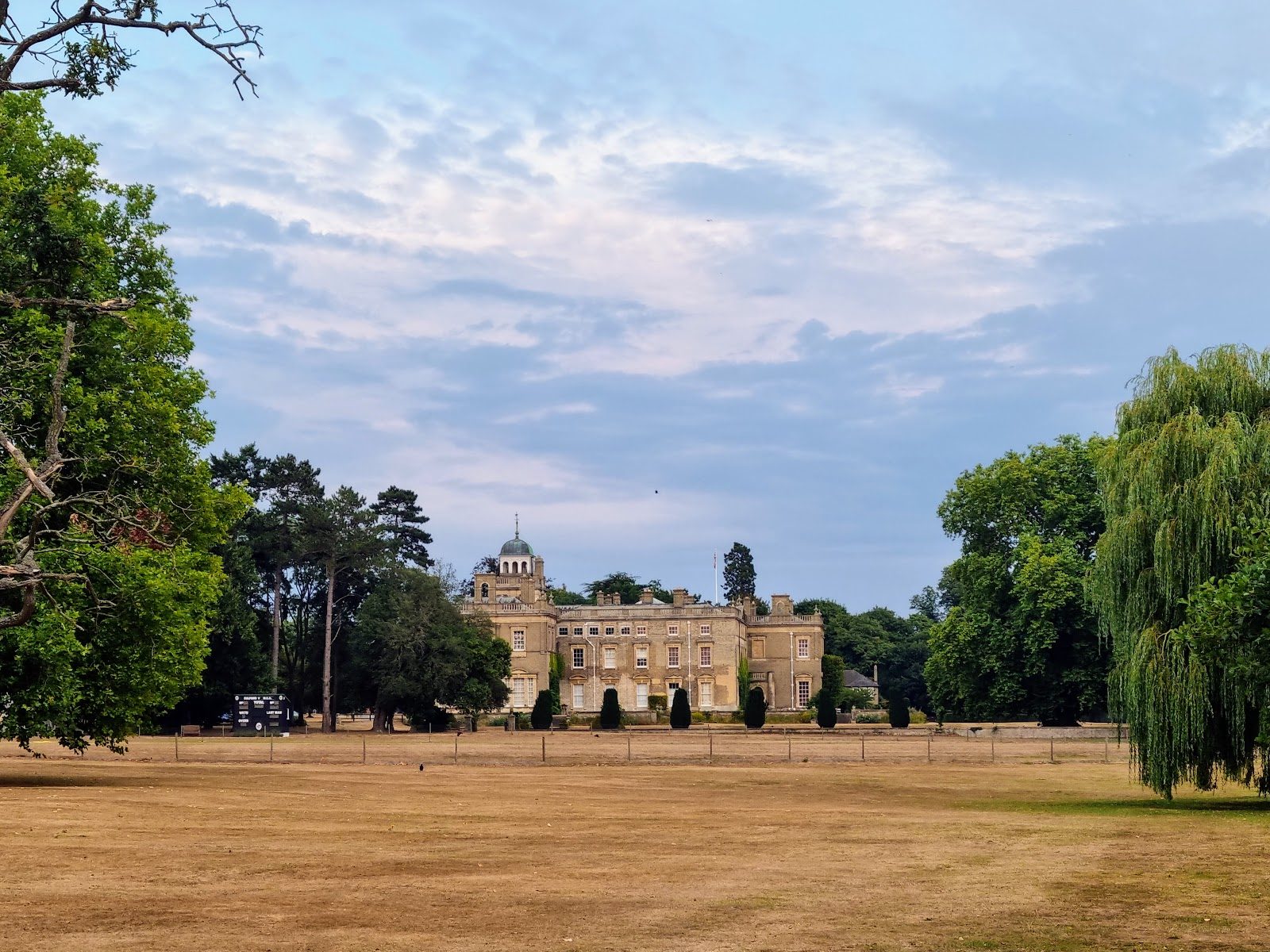
Culford School
Bury St Edmunds · United Kingdom
Set within 480 acres of Repton-landscaped Suffolk parkland around an 18th-century mansion, home to specialist tennis and golf academies.
Same specialism, country and curriculum — closest matches within ±10 points either way