
Kiambu County
Peponi School
low confidence· 4/6 cats · 1 avg sourcesRift Valley lake names anchor its boarding houses, grounding a British sixth-form culture on a Nairobi ranch nearly three decades old.
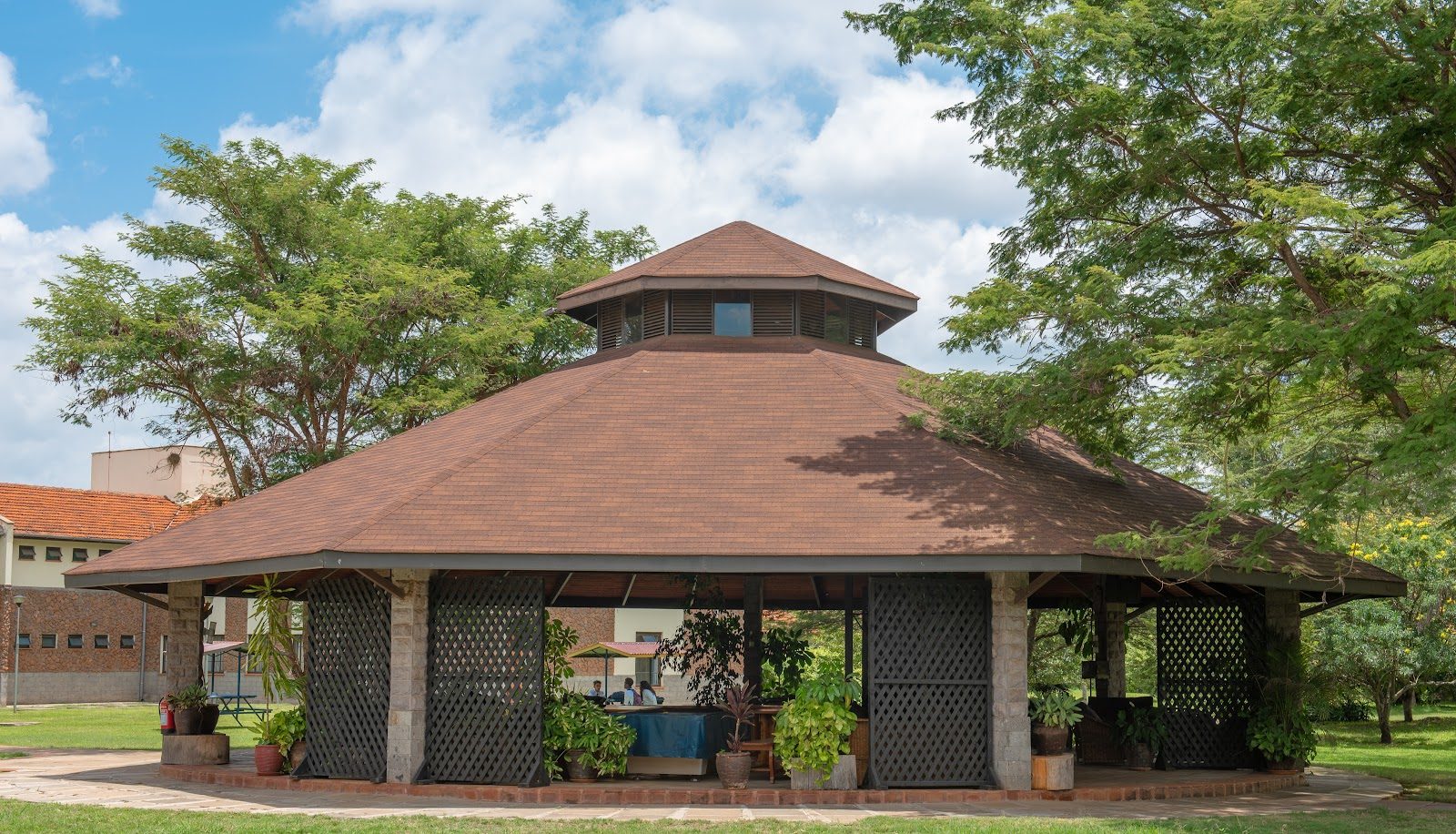
Photo © vincent sabatia via Google Maps
Type
Both
Ages
11–18
Curriculum
British
Qualifications
IGCSE · A-Level
Ratio
—
The Verdict
Editor's commitment
Right for
Families wanting a British 11–18 school with boarding in Ruiru, backed by BSO, COBIS, HMC and SAHISA accreditation.
Wrong for
Parents seeking a secular school, a non-British curriculum, or education below age 11; Peponi is Christian and covers 11–18 only.
Watch out for
The average annual day fee is KES 1,769,067, and the school publishes no headline exam results in the information here.
Ranking breakdown
Peponi School · #1158 of 1591
Composite score 57.4. 8 weighted criteria.
By criterion
Academic Outcomes
Weight 20%
#1220
of 1533 scored
University Placement
Weight 16%
#1227
of 1529 scored
Prestige & Heritage
Weight 12%
#1210
of 1580 scored
Alumni Network
Weight 12%
#781
of 1530 scored
Facilities
Weight 12%
#1113
of 1540 scored
Transparency & Communications
Weight 8%
#1244
of 1547 scored
Peer & Industry Review
Weight 10%
#1111
of 1564 scored
Admissions Selectivity & Demand
Weight 8%
#1077
of 1529 scored
Peer & Industry Review
How Peponi School is regarded in the sector
64
Respected · medium confidence
I could not verify at least two independent, third-party sources (e.g., Tatler, Good Schools Guide, specialist education press, or credible expat-parent forum discussions) that substantively assess Peponi School's reputation. Without such corroborating evidence beyond the school's own materials, a reliable score cannot be assigned.
Editors' overview
The boarding houses tell you a lot about Peponi School. Sedge, Chala, Elementaita, Jipe and Magadi borrow their names from Rift Valley lakes, and that local grounding matters because the school’s culture is not an imported English fantasy dropped onto Kenyan soil. It is a British secondary school, founded in 1989 in Ruiru, with a clear sixth-form tilt and a proper boarding-school temperament. Parents looking for a glossy, urban day-school experience will find stronger fits elsewhere. Peponi trades instead on space, routine, houses, sport, outdoor pursuits and the social intensity that boarding creates. The school is both day and boarding, teaches in English, and carries serious British-facing recognition through BSO, COBIS, HMC and SAHISA. That combination gives it real credibility in a market full of schools that borrow British language more readily than British standards.
What puts Peponi on a shortlist is the coherence of the place. This is part of a three-school family, but the secondary school has its own identity: ages 11 to 18, Christian in foundation, openly pastoral, and organised around a house structure that anchors daily life. The website foregrounds boarding, weekly boarding and day pupils rather than treating boarding as an afterthought, which tells parents where the school’s centre of gravity sits. It also publishes an ISI inspection report for 2024, a useful sign of accountability, and states high expectations for all pupils alongside learning support and a dedicated sixth form. The average annual day fee is KES 1,769,067, which places Peponi in the expensive end of the Kenyan market. That price needs to buy more than classrooms; at Peponi, the pitch is a full adolescent ecosystem rather than a timetable alone.
The right student for Peponi is not hard to identify. This school suits children who thrive on structure, know how to live in a community, and want a school life that extends well beyond lessons. Boarders and day pupils who want houses, fixtures, activities, creative arts and outdoor pursuits in one integrated week will find a full-blooded fit here. It also suits families who want a British curriculum without sending a child overseas at 13 or 16. It does not suit every child. Highly independent teenagers who dislike institutional rhythm, or narrowly academic pupils who want a stripped-back exam factory, will find the pastoral and co-curricular expectations inescapable. Peponi’s appeal rests in that exact balance: not simply academic ambition, but a boarding culture with enough confidence to shape character as well as results.
Academic Performance
Peponi puts “School Performance and Exam Results” in its navigation, which matters, but the public case stops short of the detail parents need. We have seen no aggregate GCSE, IGCSE or A-level outcomes in the public domain, no subject breakdowns, no proportions at top grades, and no destination data tied directly to examination performance. That leaves a real gap in academic accountability. In a field where strong British schools publish hard numbers, Peponi asks families to infer standards from inspection visibility, sixth-form scholarships and the breadth of its academic infrastructure. That is not enough for parents making a high-stakes senior-school decision.
Relative to peers, Peponi sits in the bracket where families expect clean, annual reporting of external results and university destinations. The school has the ingredients of a serious academic operation — a dedicated sixth form, learning support, scholarships at 16+, and a structure built for sustained study rather than ad hoc exam preparation — but ingredients are not outcomes. Until Peponi publishes consolidated results, it is impossible to place it securely against the strongest British-pattern schools in East Africa or the wider international boarding market. The verdict is mixed but clear: academic ambition is visible; published proof is too thin.
Facilities
The grounds matter here. Peponi is built for a school day that spills well beyond lessons, and the public shape of the campus makes that plain: dedicated boarding houses, a separate sixth form, sport, creative arts, activities and outdoor pursuits all sit as named pillars of school life rather than decorative add-ons. That places it closer to a full-service boarding school than to the compact, classroom-heavy model common among urban internationals. The house system has physical weight, not just pastoral branding, and that gives the place a more settled, lived-in character than peers that bolt boarding onto a day-school spine. For families comparing schools in Kenya, that breadth is a genuine asset.
What Peponi does not do is publish the kind of hard facilities inventory that top schools now treat as standard. We have not seen a clear public breakdown of laboratories, specialist arts spaces, theatre provision, indoor sports facilities or technology infrastructure. That weakens the comparison against better-documented competitors, because parents cannot test whether “extensive grounds” translates into exceptional provision or just ample land. The strongest conclusion is still favourable: the campus supports a serious all-round adolescence, with enough space and structure to sustain houses, fixtures and outdoor programmes. Against peer schools, that puts Peponi ahead on boarding atmosphere and breadth of use, but behind the best-run operators on published detail and facilities transparency.
Peponi puts “School Performance and Exam Results” in its navigation, which matters, but the public case stops short of the detail parents need
Prestige
Peponi carries real standing in the East African international-school market, but its prestige is specific, not universal. This is not the sort of school that trades on global brand recognition or a famous UK namesake. Its status rests on something more concrete: longevity, a settled boarding culture, British-facing inspection and association links, and the social signal that attaches to a school families know by reputation rather than by advertising. In Kenya, that counts. So does the house structure, the sixth-form entry scholarship route, and the fact that boarding sits at the centre of school life rather than at the edge. For the right families, that combination gives Peponi old-guard credibility and a serious social cachet.
That prestige has limits. Outside the region, the name does not command instant recognition in the way elite British independents or the biggest international chains do. More importantly, prestige in education only holds when it is backed by published outcomes. Here Peponi weakens its own case. The school asks parents to trust its culture, affiliations and inspection visibility, while withholding the hard exam data that would convert reputation into fully earned distinction. The price point — KES 1,769,067 on average each year for day pupils — places it in a bracket where opacity looks complacent. The result is a school with strong local esteem and genuine institutional weight, but not top-tier prestige in the fullest sense.
What Peponi does not do is publish the kind of hard facilities inventory that top schools now treat as standard
Communications
Peponi communicates with parents in a way that is serviceable but uneven. The website is easy to navigate at the top level: key practical routes are visible, including admissions, term dates, policies, staff biographies, inspection reports and direct school-specific sections rather than one generic portal for the whole group. That helps. So does the clear separation between pastoral life, teaching and learning, co-curricular provision, learning support, scholarships and the sixth form. Parents can map the school’s priorities without much effort. The problem sits one layer deeper. Too much of the messaging leans on warm institutional uplift — “every child matters”, “unlocking potential”, “family of one” — when parents of teenagers need harder operational detail. The school communicates ethos with confidence; it communicates outcomes with far less discipline.
That imbalance limits trust. A senior school charging an average annual day fee of KES 1,769,067 needs to publish more than values language and navigational signposts. Inspection visibility helps, and a publicly flagged 2024 report gives parents an external checkpoint. The scholarship call for 16+ entry also signals that the school knows how to target a defined audience with a concrete offer. But the public communications still stop short of the decisive evidence families need: fuller academic reporting, sharper explanation of day-to-day boarding life, and more granular information on facilities and post-school destinations. The verdict is competent but incomplete: Peponi explains its culture clearly, but not yet its performance with the same rigour.
Uniqueness
What marks Peponi out is not a single flagship facility or headline result, but a coherent adolescent world. Many international schools bolt together lessons, clubs and pastoral language, then leave teenagers to assemble a life from fragments. Peponi does the opposite. Houses sit at the centre, with names drawn from Rift Valley lakes, and that detail matters: it gives the school a local anchor instead of borrowed English theatre. Add boarding, weekly boarding and day pupils inside the same social structure, and the place gains a strong internal culture that runs through meals, sport, activities and evenings as much as through lessons. In a market crowded with day schools that add token residence options, Peponi offers a genuine boarding spine.
For students, that brings benefits and pressures in equal measure. The benefit is depth: friendships form across the full week, older pupils gain a clearer role in the community, and school identity extends beyond the classroom into a full-life education. The sixth form strengthens that pattern, giving older teenagers a defined stage rather than treating the final years as a holding pen for exams. The pressure is that there is nowhere to hide. A house-based boarding culture rewards pupils who engage, contribute and tolerate routine; it exposes those who want anonymity or a thin, transactional school day. That is Peponi’s real distinction. It offers not just schooling from 11 to 18, but a high-commitment community that shapes habits, loyalties and resilience over time.
The result is a school with strong local esteem and genuine institutional weight, but not top-tier prestige in the fullest sense
Student Profile
Peponi suits students who want school to function as a complete social world, not a set of lessons with optional extras attached. The best fit is a teenager who can live inside routine, accept adult oversight without constant friction, and throw energy into houses, sport, activities and the daily obligations of a shared community. That includes boarders, weekly boarders and day pupils alike, because the school’s social centre sits in the same place for all three. Pupils who enjoy structured belonging tend to do well here: they like team fixtures, house loyalties, evening commitments and the steady visibility that comes with life from 11 to 18 in one senior setting. The school also fits students who value pastoral support and want adults to know them properly, not just track grades.
It is a weaker fit for teenagers who want anonymity, urban independence or a narrow, transactional path through school. Peponi asks for participation. The house framework, Christian foundation, scholarship route into Year 12, and explicit emphasis on resilience and all-round development all point in the same direction: this is for pupils prepared to be shaped, not just taught. Highly self-contained adolescents, or those who resent communal expectations, will find that claustrophobic. So will students whose only priority is raw exam output, because the school’s public identity puts character, contribution and co-curricular life alongside academic ambition. In plain terms, Peponi works best for robust, game, community-minded students; it is not for the faint-hearted.
What marks Peponi out is not a single flagship facility or headline result, but a coherent adolescent world
Co-curricular strengths
Arts & sport, on a separate axis
Overall 8.46/10
Scored 0-10 from the school's own published evidence. This axis is editorial-only — it does not feed the main WTS ranking.
Sports
9/10
Drama
8.7/10
Dance
6.8/10
Music
9/10
Visual Arts
8.8/10
Editor first-pass · editor-reviewable · 7/30/2026
Strengths
- +One of Kenya's longer-established British curriculum schools, offering continuity through primary and secondary years on a single campus.
- +Provides both day and boarding options, giving flexibility to expatriate families whose circumstances or postings may change.
- +Located on a spacious campus in Ruiru, allowing for extensive sports and outdoor facilities not always available at more urban Nairobi schools.
- +Follows the British curriculum through to IGCSE and A-Level, giving a recognised pathway for university applications to the UK and elsewhere.
- +Co-educational structure means families with both sons and daughters can use a single school rather than splitting siblings across institutions.
Considerations
- −Ruiru's location outside central Nairobi means a longer daily commute for day families based in the city, a practical factor for time-pressed expatriate households.
- −Strict focus on the British curriculum offers less flexibility for families who may want IB or dual-curriculum options as an exit strategy.
- −As with most established Kenyan boarding schools, fees represent a significant ongoing cost, though exact current fee levels should be confirmed directly with the school.
- −Boarding provision, while long-standing, will suit some family and pastoral preferences more than others, particularly those wanting a fully day-only environment.
Availability
Primary entry gate & tests
Academic Record
Gallery
Photo © Vincent Barasa Maina via Google Maps
Photo © Vincent Barasa Maina via Google Maps
Photo © vincent sabatia via Google Maps
Photo © Vincent Barasa Maina via Google Maps
Parent reviews
Have you sent your child here?
Voice reviews carry the strongest trust badge — we transcribe them for you to tidy up before they go live. Prefer to type? A written review is fine too.
Add your voice
In 60 seconds, tell other parents: what's the best thing about Peponi School, and what surprised you when your child joined?
We ask for a Google sign-in so every review has a real face behind it — no anonymous drive-by attacks on schools, and no faked positive reviews. Your email is never shown publicly.
Send this profile to a friend
International parents rely on word-of-mouth. Share this review with someone weighing the same decision.
Schools with places
Similar schools to Peponi School with places available now.
Availability first, then country, area, curriculum, price, co-curricular
Consider also
Also worth looking at alongside Peponi School.

Hillcrest International School
Nairobi · Kenya
On a 35-acre Karen campus since 1965, sixth formers choose between Cambridge A-Levels and BTEC vocational pathways.
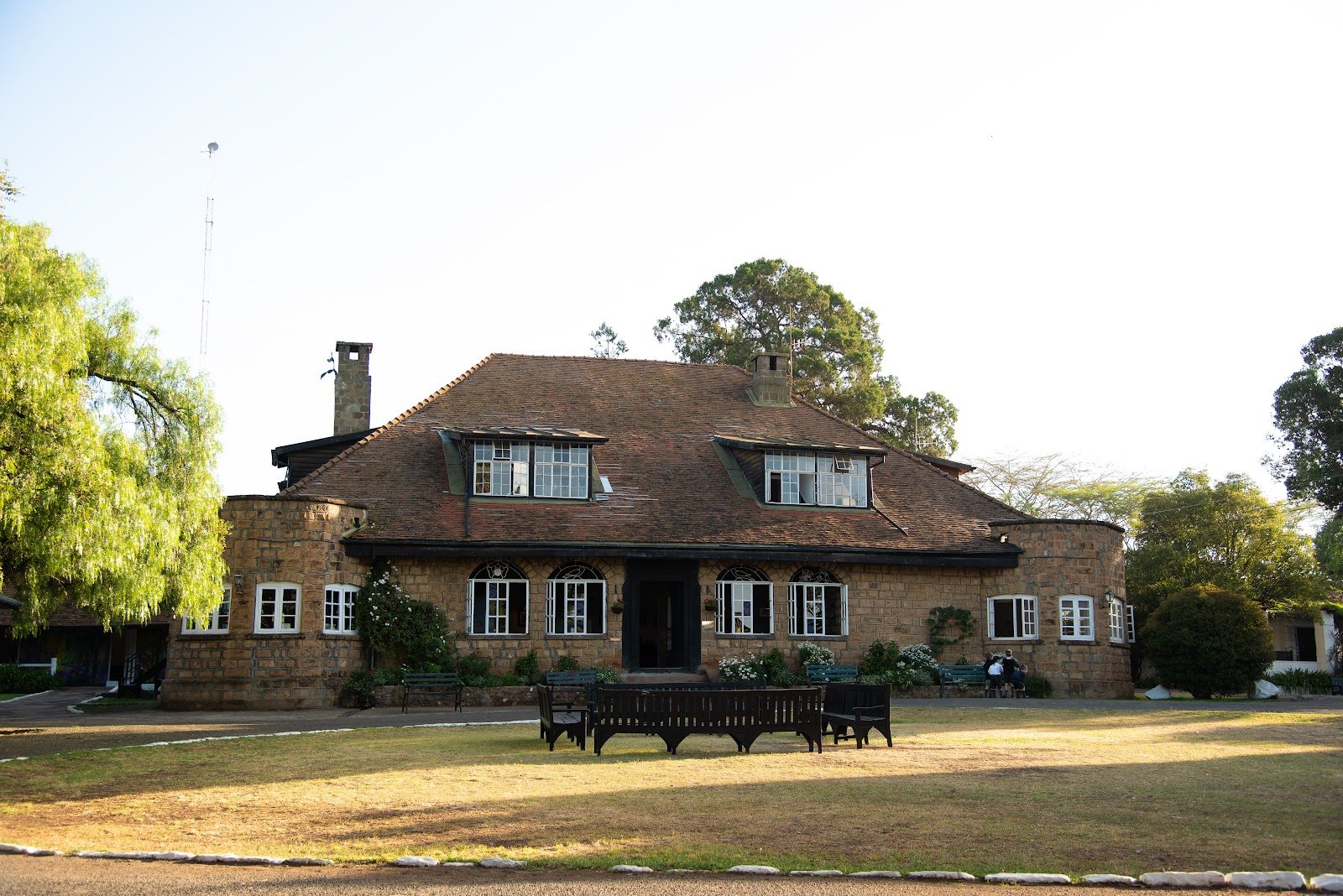
Pembroke House School
Gilgil · Kenya
Nearly a century deep in the Great Rift Valley, this British prep drills pupils through Common Entrance into top senior schools abroad.
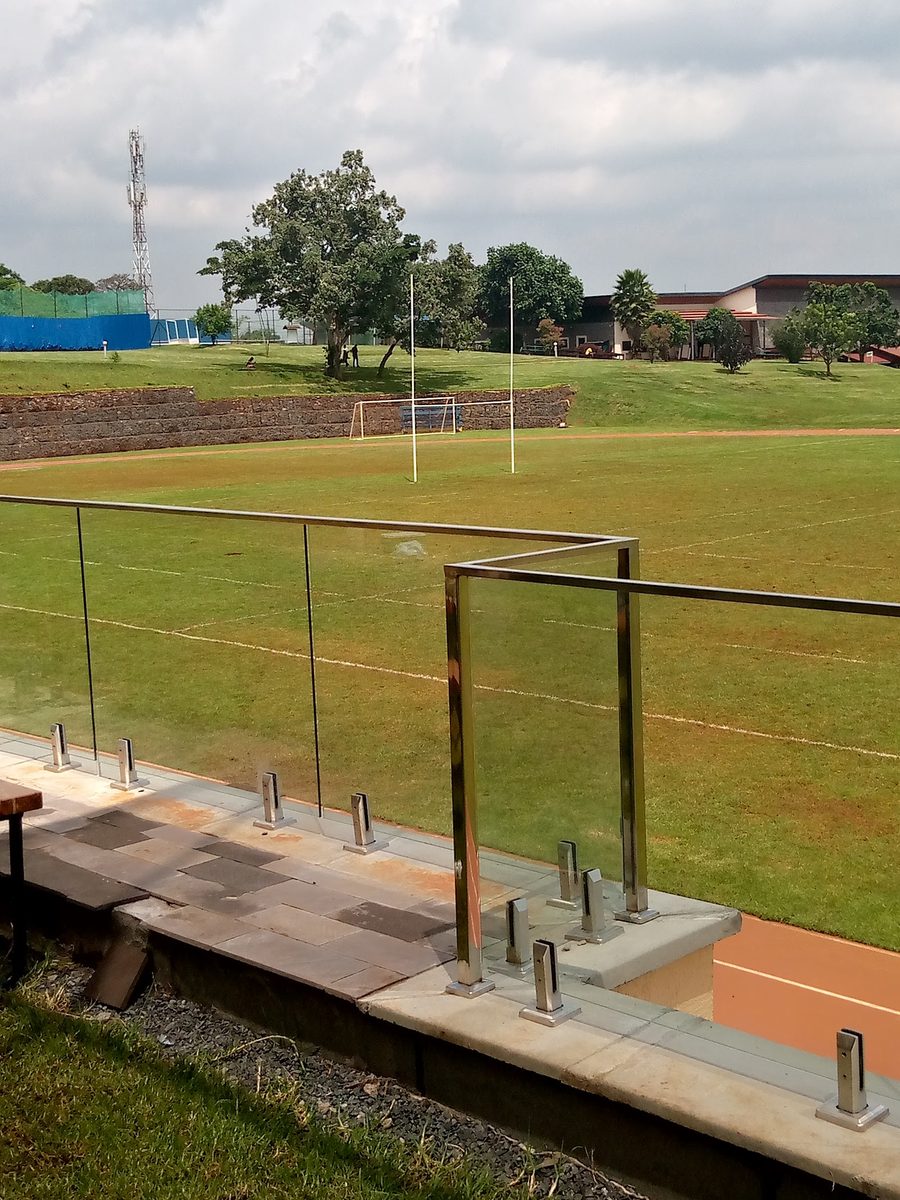
International School of Kenya
Nairobi · Kenya
Nestled on a former Nairobi coffee plantation, this embassy-backed campus channels a demanding IB pathway into global universities.

Rusinga School
Nairobi · Kenya
Named for a Lake Victoria island, this Lavington day school pairs the British curriculum with a Christian ethos dating to 1975.
Same country and curriculum — closest matches within ±10 points either way