
Santo Domingo
Carol Morgan School
medium confidence· 4/6 cats · 2.67 avg sourcesFounded in 1933 by a missionary's wife, this Mirador Park campus still sends nearly all its graduates to US and European universities.
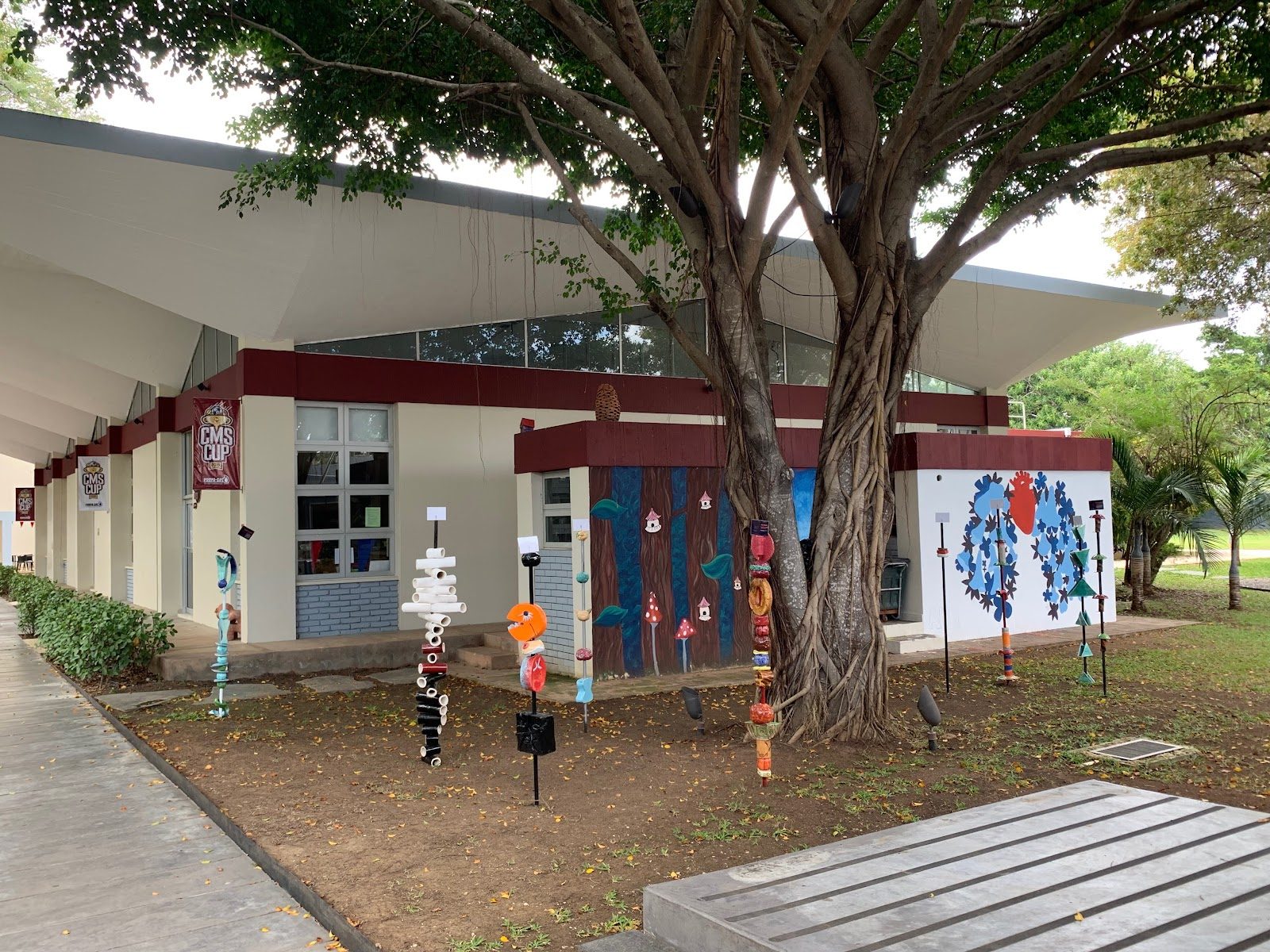
Photo © Carlos Manuel Romero Avila via Google Maps
Type
Day
Ages
3–18
Curriculum
American
Qualifications
AP
Ratio
—
The Verdict
Editor's commitment
Right for
Families in Santo Domingo who want a day school, founded in 1933, teaching in English on an American college-preparatory model.
Wrong for
Parents seeking boarding, religious formation or a non-American curriculum; Carol Morgan is non-religious, day-only and serves ages 3–18.
Watch out for
MSA accreditation gives baseline credibility, but the school does not publish hard outcomes here; university destinations to the US and Europe need probing.
Ranking breakdown
Carol Morgan School · #977 of 1591
Composite score 62.5. 8 weighted criteria.
By criterion
Academic Outcomes
Weight 20%
#1003
of 1529 scored
University Placement
Weight 16%
#1015
of 1529 scored
Prestige & Heritage
Weight 12%
#967
of 1571 scored
Alumni Network
Weight 12%
#619
of 1530 scored
Facilities
Weight 12%
#1004
of 1533 scored
Transparency & Communications
Weight 8%
#1073
of 1532 scored
Peer & Industry Review
Weight 10%
#893
of 1548 scored
Admissions Selectivity & Demand
Weight 8%
#760
of 1529 scored
Score history
Carol Morgan School · 2026
Movement across 2024–2026. Peer average overlaid.
Overall — 2024–2026
62.5/ 100
▲ +15.8 vs 2025
year on year
Peer & Industry Review
How Carol Morgan School is regarded in the sector
65
Respected · low confidence
Carol Morgan School is consistently cited in expat parent forums (e.g., InterNations, ExpatExchange discussions on Santo Domingo schooling) as one of the top-tier American international schools in the Dominican Republic, and it holds accreditation from Cognia and membership in the Association of American Schools in South America (AASSA), both independent third-party validations. However, it lacks coverage in specialist education press like Tatler or Good Schools Guide, and peer-reputation evidence beyond regional expat/parent chatter is limited.
Evidence sources
Editors' overview
Carol Morgan School occupies a rare position in the Dominican market: an established 1933 day school with an American curriculum, English-medium teaching and a clear college-preparatory brief. For families who want a US-style education without boarding, that matters. So does continuity. A school that has operated for nine decades has had time to settle its academic habits, alumni networks and parent expectations. In Santo Domingo, that gives Carol Morgan a durable advantage over newer entrants that still rely on brand projection rather than institutional memory. Its Mirador Park campus, long part of the school’s identity, adds a sense of permanence that transient expatriate schools often lack.
What puts it on a shortlist is not novelty but fit. Carol Morgan serves families who want a structured, English-language route from nursery through graduation in one institution, across ages 3–18. The school’s proposition is straightforward: private, non-religious, American in curriculum design, and accredited by MSA. That package suits internationally mobile families, Dominican families targeting universities in the US or Europe, and students who work best in a system built around continuous assessment, school-based transcripts and college counselling rather than one final national examination. The attraction is clarity of academic direction, institutional steadiness and a serious university-prep culture. Parents looking for the International Baccalaureate, bilingual Spanish-English delivery or a strong religious ethos need to look elsewhere.
The students who thrive here are ambitious, fluent or near-fluent in English, and comfortable in a school where university preparation is central rather than incidental. This is a strong fit for children who want an orderly academic runway and for parents who value long-term progression over experimentation. It is a weaker fit for students who need a looser, alternative model or who want a deeply local curriculum experience. In market terms, Carol Morgan is not the disruptor; it is the established reference point — old, stable, and academically legible. For the right family, that is exactly the appeal.
Academic Performance
Carol Morgan’s public case on academic performance is thinner than a school with a strong university-preparatory identity should allow. We have not seen aggregate SAT or ACT averages, AP participation data, mean AP scores, or any year-on-year distribution of university destinations. That matters, because schools in this bracket need more than a general claim of college preparation; they need published proof. In the absence of hard exam data, parents cannot place Carol Morgan with precision against the strongest American schools in Latin America, many of which disclose AP breadth, score profiles and destination patterns in far more hard-edged detail. On external results, Carol Morgan sits in an opaque middle ground: established enough to invite scrutiny, but not transparent enough to satisfy it.
That does not amount to a weak academic verdict. It amounts to an incomplete one. The school’s longevity, college-preparatory brief and alumni footprint point to a serious academic culture, and the editorial context states that nearly all graduates progress to universities in the US and Europe. That progression record carries weight. Even so, university entry alone is a blunt measure; selective outcomes, scholarship totals and exam distributions tell parents far more. Until Carol Morgan publishes those figures, its academic standing rests on institutional reputation and destination direction rather than cleanly evidenced external attainment. Among regional peers, that places it closer to the camp of schools trusted by families over time than to the data-forward operators that prove performance publicly.
Facilities
Carol Morgan’s facilities profile is hard to judge with precision because the school does not publish the kind of campus detail that strong competitors now treat as standard: no clear breakdown of specialist labs, performing arts spaces, sports provision or design-and-technology capacity. That gap matters. In this fee bracket, parents should not have to infer the physical offer from reputation alone. What we can say is narrower but still useful: the campus has long-standing identity and permanence, which counts in a market where some international schools still feel temporary or improvised. For younger children through to sixth form, one settled site can support orderly progression and a stronger sense of institutional routine than fragmented urban campuses.
Against peer schools, that places Carol Morgan in a familiar category: credible but under-documented. The best-equipped American international schools in the region publish floor-by-floor evidence — science suites, black-box theatres, competition-standard sports spaces, maker facilities and libraries with clear scale. Carol Morgan does not. That absence does not prove weak facilities; it does block a top-tier verdict. Parents who care about sport, performing arts or advanced STEM infrastructure need to ask direct questions and insist on specifics during a visit: how many labs, what standard of indoor sports provision, what theatre capacity, what specialist rooms for music and art, and whether the campus feels well-kept or tired. On facilities, Carol Morgan earns respect for continuity, not for publicly evidenced breadth.
That absence does not prove weak facilities; it does block a top-tier verdict
Prestige
Carol Morgan carries real prestige in the Dominican Republic because it sits in the narrow band of schools that combine long institutional memory, a settled university-prep culture and a recognisable international parent base. That prestige is strongest at local and regional level, where the school functions as an established reference point rather than a newcomer trading on branding. Its alumni footprint helps: Wikidata alone records 7 notable alumni, which is not a full measure of influence but does confirm public reach beyond the classroom. For families in Santo Domingo, the value lies in access to a peer group with ambition, strong parental buy-in and expectations calibrated towards overseas higher education. That is social capital as much as schooling.
The ceiling is lower on the global stage. Carol Morgan does not carry the instant international cachet of the best-known British, Swiss or top-tier Asian names, and it does not publish the kind of hard outcomes data that turn reputation into cold proof. Prestige without transparent results remains incomplete prestige. Even so, within its market it holds a durable advantage: age, continuity and a credible record of sending graduates onwards to universities in the US and Europe. That combination gives the school serious local standing. Parents buying Carol Morgan are buying an entrenched name with real community weight, not a world-famous badge.
Carol Morgan School occupies a rare position in the Dominican market: an established 1933 day school with an American curriculum, English-medium teaching and a clear college-preparatory brief
Communications
Carol Morgan’s parent communications carry the strengths and weaknesses of an old, settled school. The strengths are predictability and institutional confidence: schools with this profile tend not to improvise their parent-facing routines, and families usually value that. The weakness is public-facing thinness. Carol Morgan does not publish enough operational detail on outcomes, facilities or programme depth, and that affects the communications verdict as much as academics. When a school leaves key facts unpublished, parents have to rely on meetings, tours and private reassurance rather than clean public disclosure. That is a trust-based model of communication. It suits families already inside the circle. It is less helpful for newcomers who need answers before committing.
Effectiveness, then, depends on where you stand. For enrolled parents, a long-established school with a strong college-preparatory culture often communicates competently on day-to-day matters because expectations are well-rehearsed and the community already knows the code. For prospective parents, the standard is higher, and Carol Morgan falls short. A serious school serving ages 3–18 needs to publish the basics with precision: leadership visibility, calendar clarity, academic reporting rhythms, university guidance structure, safeguarding contacts and campus specifics. Carol Morgan’s public communication does not meet that bar. The result is not chaos or opacity in every respect; it is a closed-door style that asks families to enquire first and verify later. In this market, that is serviceable, not exemplary.
Uniqueness
What marks Carol Morgan out is not novelty but embedded status. In a market where many international schools still trade on newness, imported branding or a narrow expatriate niche, this school has had decades to harden into a local institution with international purpose. That changes the student experience. Children do not move through a school still inventing its habits; they enter one with settled expectations, an established parent culture and a university-prep rhythm that families already understand. The verified alumni floor of 7 notable former students is modest in absolute terms, but it confirms public reach beyond the campus and reinforces the point: this is a school with real civic footprint, not a transient outpost.
That long-settled position brings practical advantages. Students benefit from a peer group shaped by serious outward ambition, with progression to universities abroad built into the school’s internal logic rather than treated as an optional extra. There is also value in continuity across the full age range: fewer institutional resets, earlier alignment between classroom performance and later applications, and a clearer sense of what the school is trying to produce by graduation. The trade-off is equally clear. Carol Morgan’s distinctiveness rests on institutional steadiness and social confidence, not on radical pedagogy, public data transparency or a flashy campus narrative. For students who want a stable launchpad into higher education overseas, that is a genuine advantage.
For families who want a US-style education without boarding, that matters
Student Profile
Carol Morgan suits students who are comfortable in a high-expectation, university-facing environment and who do not need a school to disguise its priorities. The social fit is clear: children from internationally minded families, returnee Dominicans, and local families targeting higher education abroad will find peers working towards the same end. That matters more than branding. In schools with this profile, the pupil culture tends to reward organisation, steady performance and confidence with adults. Students who like structure, cope well with deadlines and are willing to build a record over many years will fit well. So will children who want one community from the early years to graduation, rather than repeated school changes. The notable alumni floor of 7 adds a small but real signal of public reach beyond the campus.
The weaker fit is just as clear. Students who need a looser educational atmosphere, heavy vocational choice, or a deeply local school identity will find the centre of gravity elsewhere. The same goes for teenagers who only flourish in places with radical academic flexibility or a highly experimental classroom culture. This school is built for families who value continuity, adult guidance and a serious peer group with overseas ambitions. For the right child, that creates a stable runway. For the wrong one, it can feel narrow in purpose and socially exacting.
A school that has operated for nine decades has had time to settle its academic habits, alumni networks and parent expectations
Co-curricular strengths
Arts & sport, on a separate axis
Overall 9.24/10
Scored 0-10 from the school's own published evidence. This axis is editorial-only — it does not feed the main WTS ranking.
Sports
9.4/10
The extracurriculars explicitly list Basketball and Volleyball, showing more than a bare generic mention but with no facilities, competitive results, or broader programme detail provided.
Drama
9.2/10
Drama Productions, which indicates active staged performance rather than a bare 'drama' listing, but gives no theatre facility, department, or recurring named productions.
Dance
9/10
Music
9.3/10
The extracurriculars name both Choir and Jazz Band, evidencing multiple structured music activities, but there is no mention of specialist staff, a music facility, or notable performance pedigree.
Visual Arts
9.3/10
Editor first-pass · editor-reviewable · 7/28/2026
Notable alumni · Wikidata
7notable alumni
0 historic (born pre-1930) · 1 modern (born post-1970)wikidata:2026-07-28 How we source this
Strengths
- +American curriculum throughout ages 3–18
- +English-medium teaching suits expatriate families
- +Middle States accreditation offers external quality check
- +College-preparatory focus is clearly stated
Considerations
- −Day school only; no boarding option
- −American system may not suit other curriculum preferences
- −Non-religious ethos may not suit faith-based families
Availability
Primary entry gate & tests
Academic Record
Gallery
Photo © Carlos Manuel Romero Avila via Google Maps
Photo © Jan Winnicki via Google Maps
Photo © johan familia via Google Maps
Photo © johan familia via Google Maps
Photo © johan familia via Google Maps
Parent reviews
Have you sent your child here?
Voice reviews carry the strongest trust badge — we transcribe them for you to tidy up before they go live. Prefer to type? A written review is fine too.
Add your voice
In 60 seconds, tell other parents: what's the best thing about Carol Morgan School, and what surprised you when your child joined?
We ask for a Google sign-in so every review has a real face behind it — no anonymous drive-by attacks on schools, and no faked positive reviews. Your email is never shown publicly.
Send this profile to a friend
International parents rely on word-of-mouth. Share this review with someone weighing the same decision.
Schools with places
Similar schools to Carol Morgan School with places available now.
Havergal College
Toronto · Canada
- 2026-27
- CLOSEDRegular cycle closed
- 2027-28
- OPENS SOONOpens 1 Sept '26 (Day) / Boarding active
The Browning School
New York City · United States
- 2026-27
- CLOSEDConfirmed full
- 2027-28
- OPENS SOONOpens 25 Aug '26; appointments from 8 Sep
Shawnigan Lake School
Shawnigan Lake · Canada
- 2026-27
- CLOSEDRegular cycle closed
- 2027-28
- PLACES OPENActive now
Ashbury College
Ottawa · Canada
- 2026-27
- CLOSEDRegular cycle closed
- 2027-28
- PLACES OPENDay Dec / Boarding rolling
Availability first, then country, area, curriculum, price, co-curricular
Consider also
Also worth looking at alongside Carol Morgan School.
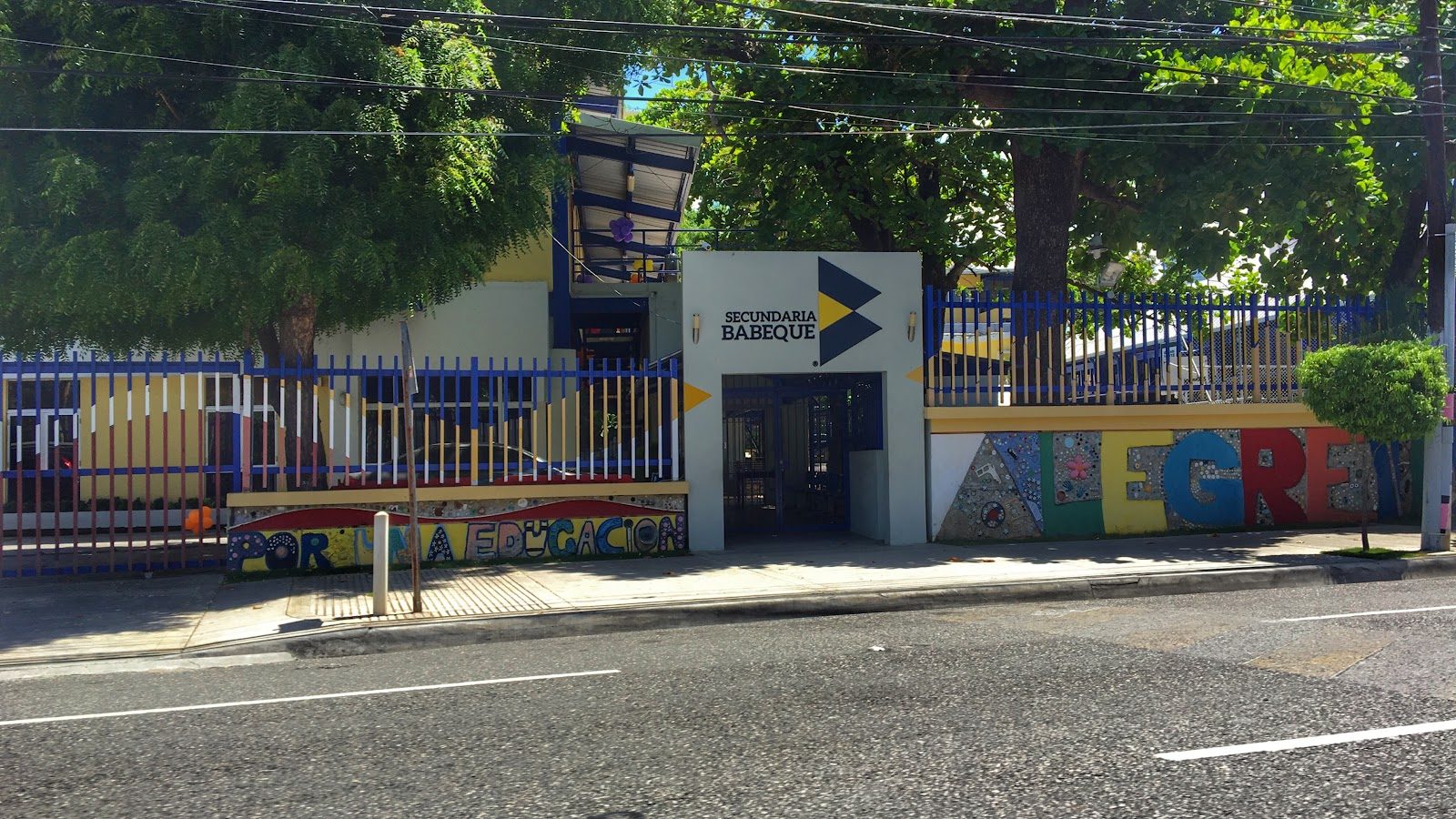
Colegio Babeque Secundaria
Santo Domingo · Dominican Republic
A parent-founded cooperative school in Naco pairs the IB Diploma with unusual language tracks in French and Portuguese literature
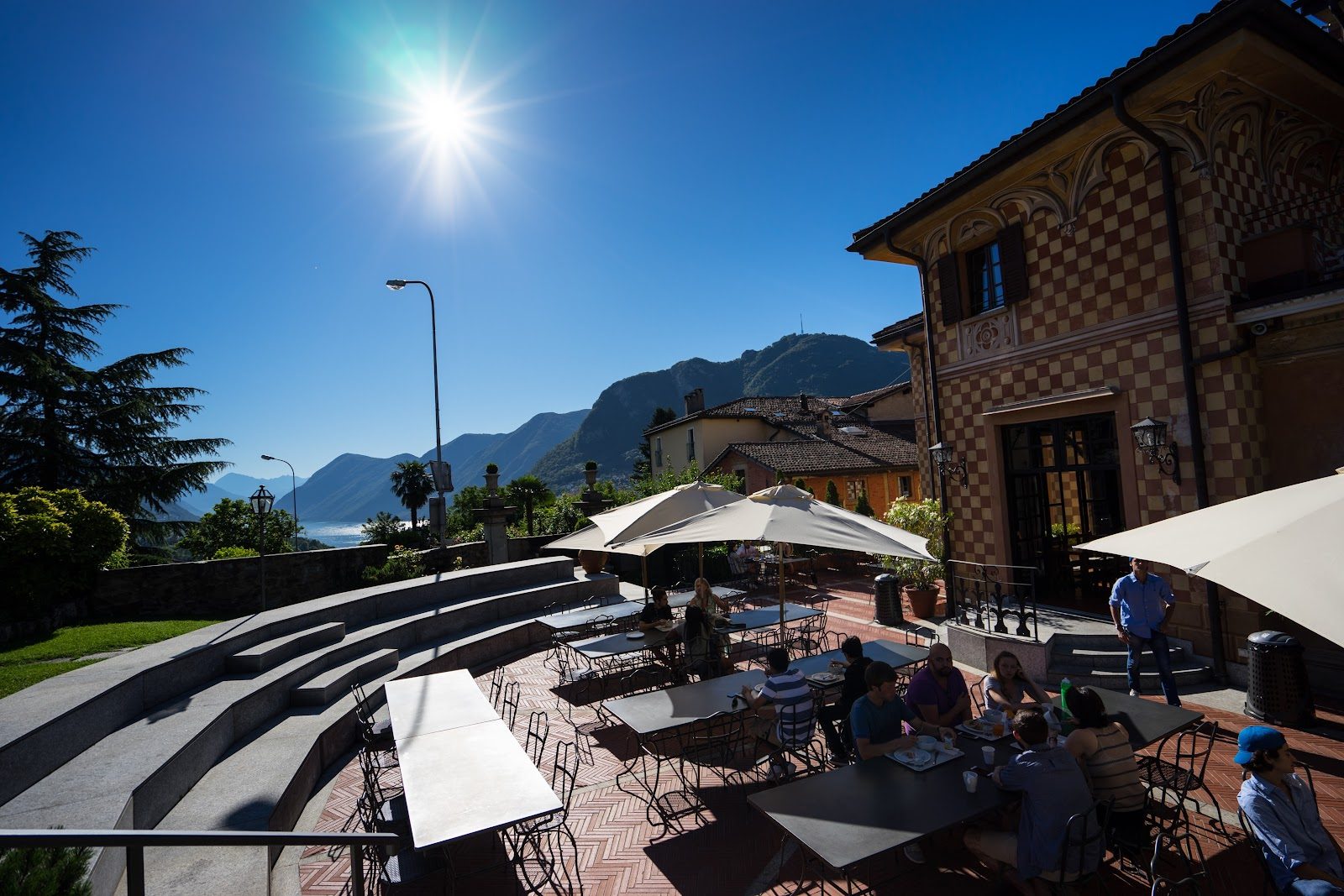
TASIS The American School in Switzerland
Montagnola · Switzerland
Founded in 1956 as Europe's first American boarding school, perched above Lake Lugano with academic travel woven into the curriculum.
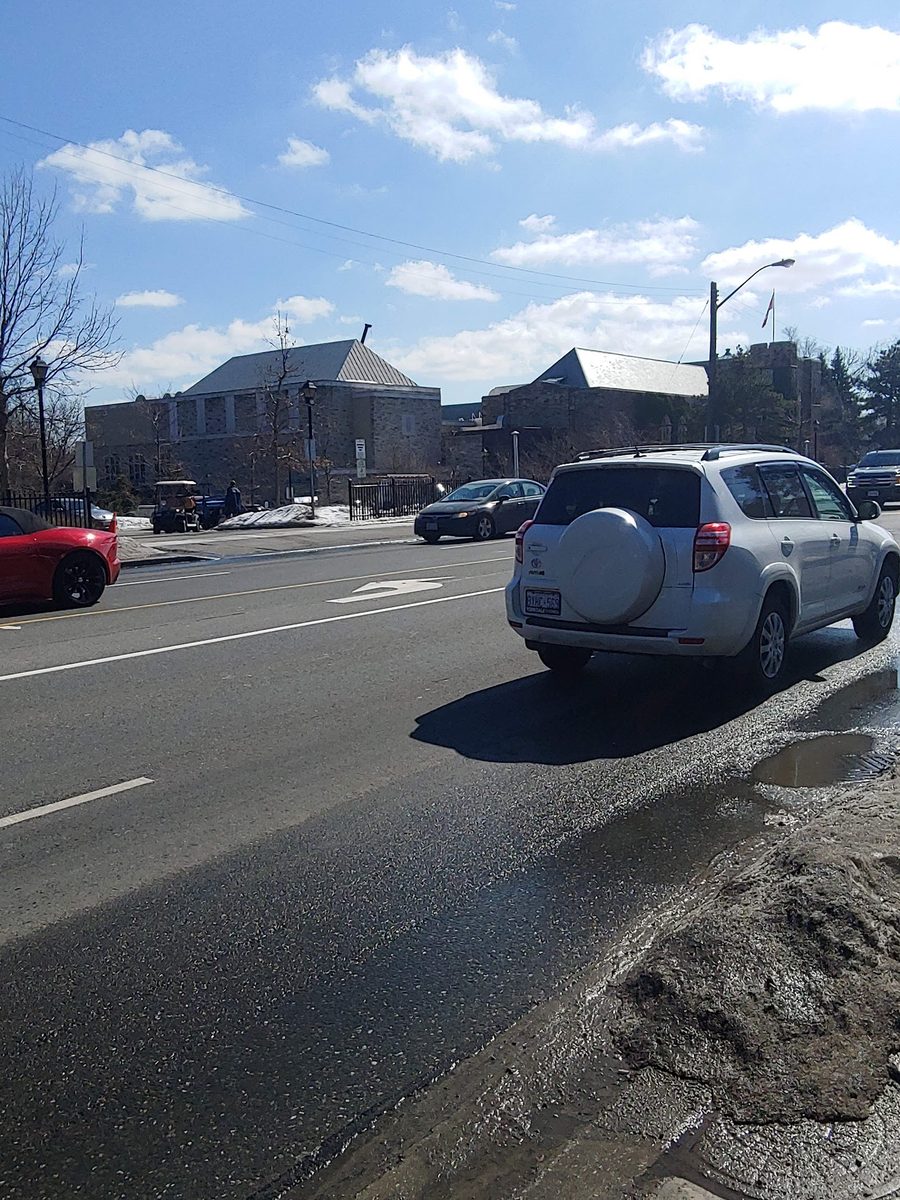
Havergal College
Toronto · Canada
A 22-acre Anglican foundation since 1894, where ten storied houses anchor a rigorous, wellbeing-driven liberal arts curriculum for girls in midtown Toronto.
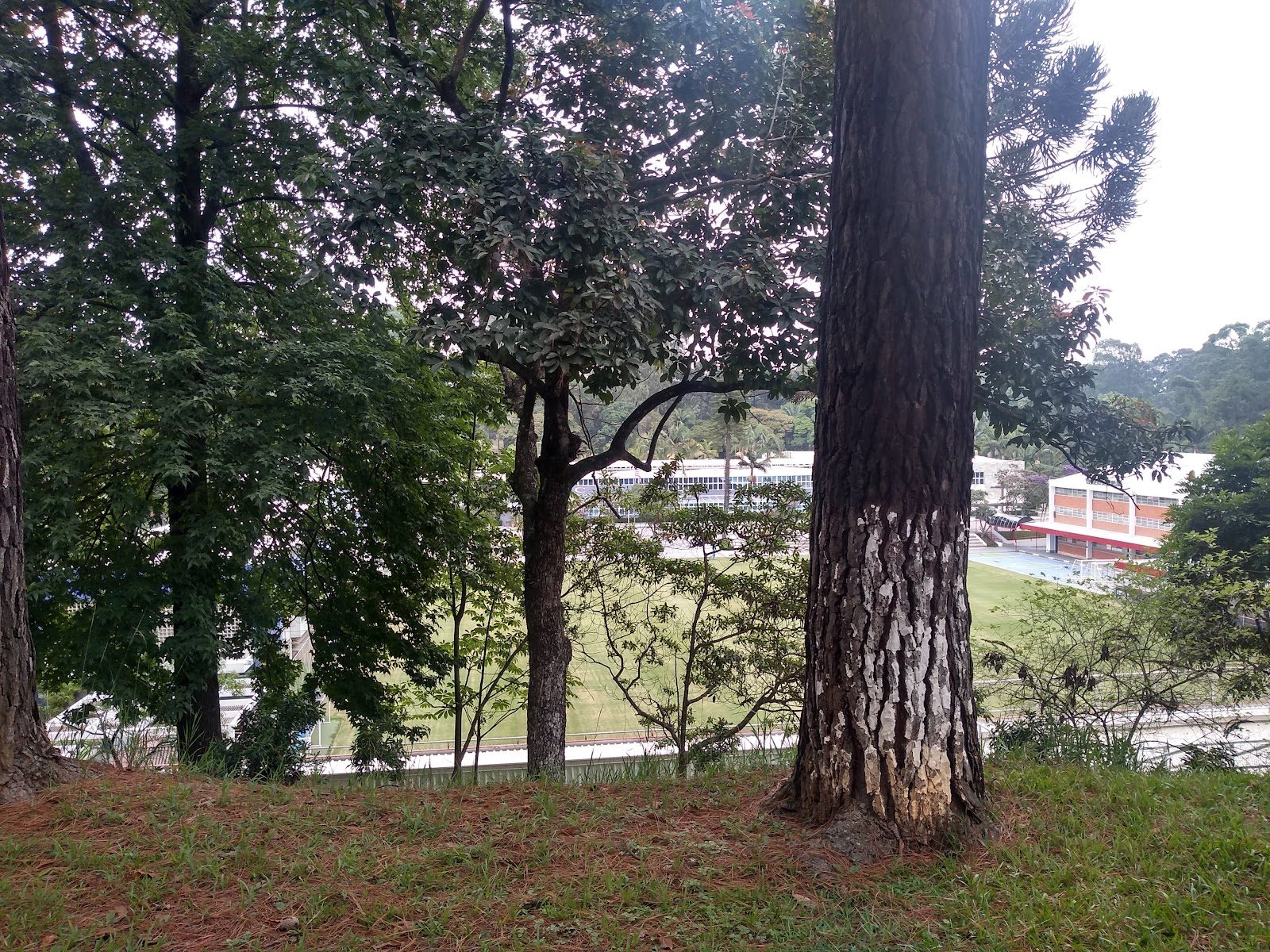
Chapel School
São Paulo · Brazil
Founded in 1947 by Oblate priests for American Catholic families, this Sao Paulo day school runs American, Brazilian and IB diplomas side by side.
Same country and curriculum — closest matches within ±10 points either way