
Ontario
Ashbury College
medium confidence· 5/6 cats · 1.78 avg sourcesTucked among Rockcliffe Park's embassy residences, this century-old IB pioneer turns diplomatic proximity into a genuine global classroom.
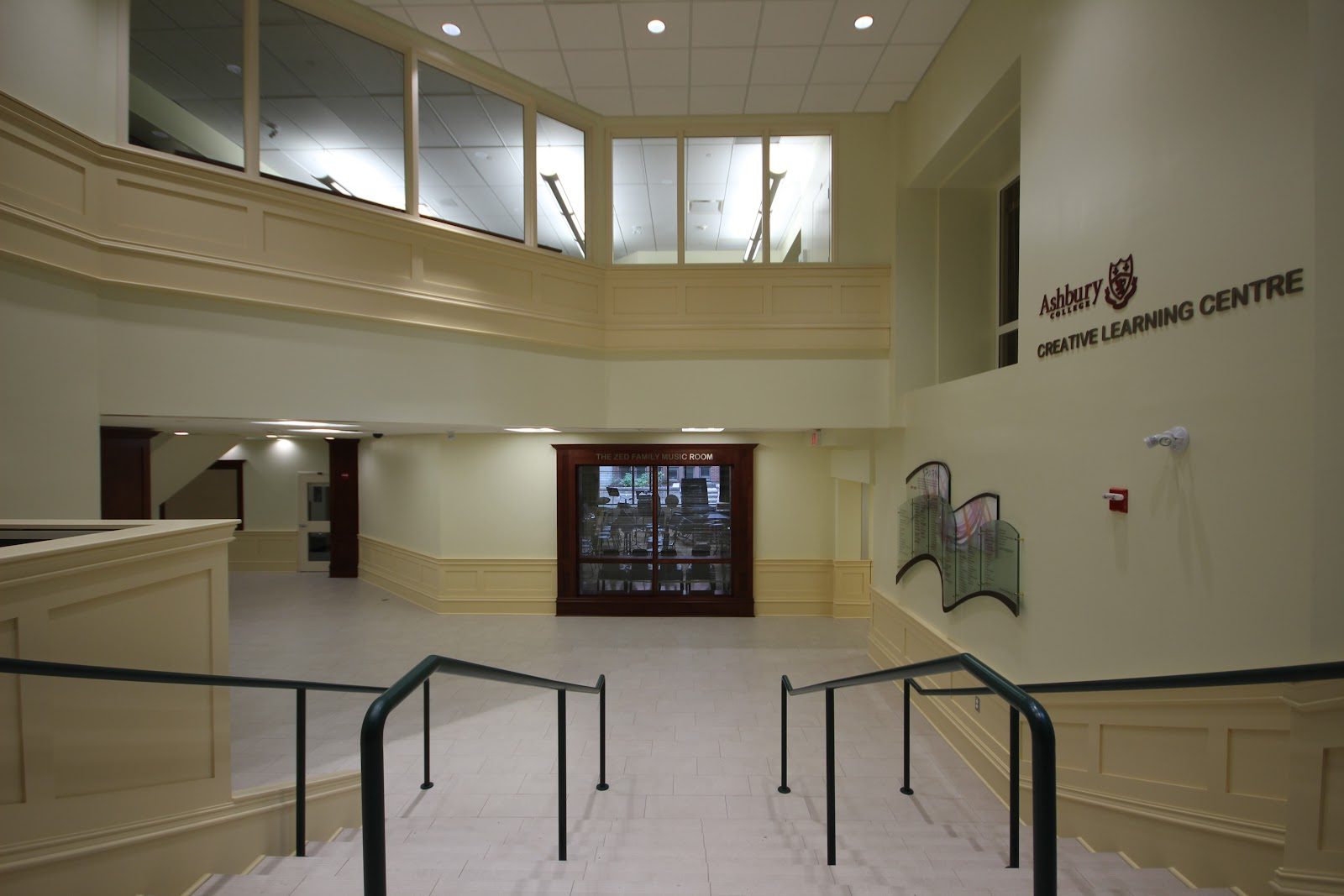
Photo © Ashbury College via Google Maps
Type
Both
Ages
3–18
Curriculum
Canadian · IB · American
Qualifications
AP
Ratio
—
The Verdict
Editor's commitment
Right for
Families wanting a genuine international mix: over 60 countries, IB plus Canadian and American pathways, and boarding in Ottawa from age 3 to 18.
Wrong for
Parents chasing a budget option or a huge campus machine; average fees run to C$40,920 day and C$87,660 boarding, with 900 students.
Watch out for
Ashbury advertises 100% university placement and average classes of 17, but it does not publish aggregate exam results alongside its IBO and CIS badges.
Score history
Ashbury College · 2026
Movement across 2024–2026. Peer average overlaid.
Overall — 2024–2026
68.3/ 100
▲ +12.9 vs 2025
year on year
Peer & Industry Review
How Ashbury College is regarded in the sector
65
Respected · low confidence
Ashbury College is a well-established independent school in Ottawa frequently mentioned in Canadian private school directories and expat-parent forums (e.g., Canadian Accredited Independent Schools membership listings, expat education discussion boards) as a solid choice for international/diplomatic families in the capital region. It lacks the level of specialist press coverage (Tatler, Good Schools Guide) or globally recognized alumni network that would place it in the top tier, but it holds a consistent regional reputation as a respected IB/university-prep school.
Evidence sources
- Yves Fortier — Diplomat and International Arbitrator, Law/Diplomacy
- Charles Ritchie — Diplomat and Author, Foreign Service
- Konrad von Finckenstein — Chairman, CRTC, Public Administration
Editors' overview
Rockcliffe Park does a lot of work for Ashbury College. Set among embassy residences in one of Ottawa’s most diplomatic enclaves, the school has a natural pipeline to an international parent body and it uses that advantage well: students come from over 60 countries, the school has taught the IB for 40 years, and English-medium teaching sits inside a culture that is genuinely international rather than domestically Canadian with a thin overseas veneer. This is a non-religious school for ages 3 to 18, with day and boarding provision, founded in 1891 and accredited by both the IBO and CIS. The average class size is 17, which matters more than glossy rhetoric; it points to classrooms small enough for close academic oversight without the intensity of a tiny tutorial model.
What puts Ashbury on a shortlist is the combination of old-school Canadian independent education and a clear global orientation. Plenty of schools claim to produce global citizens; fewer can point to a student body this international while also running as an established boarding school in the national capital. The curriculum mix matters here too: Canadian, IB and American strands create a broader academic frame than a single-track local school. Ashbury also states a 100% university placement rate. That figure needs context the school does not publish — no destination breakdown, no selectivity data, no detail on course match — but it still signals a school built around onward progression, not a lifestyle campus trading on atmosphere alone. On fees, this sits in the premium bracket: an average annual day fee of CAD 40,920 and average annual boarding fee of CAD 87,660 across the full age range.
The right child for Ashbury is internationally minded, academically organised and comfortable in a school where peers arrive from many countries and families move through diplomatic, public-service and globally mobile careers. Boarders who want a contained, highly supervised environment in a capital city, rather than a sprawling rural campus, will find the model appealing. So will day pupils who want strong structure, a visible university-prep culture and classmates whose horizons extend beyond Ottawa. The less suitable candidate is the child who wants a huge school with mass-market subject choice and a looser social tone. Ashbury’s appeal rests on something more specific: cosmopolitan seriousness, steady scale, and a student mix that gives the school a wider lens than most Canadian independents.
Academic Performance
Ashbury publishes one headline outcome on progression rather than a full exam-data set: a 100% university placement rate. That is a strong signal of competence and follow-through, but it is not a substitute for hard attainment data. The school does not publish aggregate IB diploma averages, subject-point distributions, pass rates, AP results, SAT ranges or a destination list detailed enough to judge selectivity. For an academically ambitious school, that gap matters. Parents comparing Ashbury with top Canadian and international independents will find the results picture less transparent than it should be. The school’s public case on academics rests more on onward movement to university than on published examination performance.
That does not put Ashbury in a weak bracket; it puts it in an opaque one. The ingredients for strong outcomes are there: small classes, a long-established IB track, and a student body shaped by international mobility and high parental expectation. Peer schools at the top end of the market, though, earn trust by disclosing more than a single progression statistic. Ashbury has chosen not to. The practical conclusion is clear. This is a school with a serious academic culture and a record of getting pupils to the next stage, but not one that gives external readers enough data to rank its exam strength with precision against the most academically hard-charging competitors.
Facilities
Ashbury’s facilities matter less for spectacle than for fit. This is not a vast country estate with acres of underused grandeur, nor a downtown school making excuses for cramped urban trade-offs. The Rockcliffe Park site gives it a contained, high-control footprint that suits both day pupils and boarders, with the practical advantage of a campus built for a full-school life rather than a loose collection of academic blocks. Public detail is thin on the specialist inventory, which is a weakness. The school does not publish the kind of room-by-room facilities case that top competitors now provide as standard. What it does make clear is scale in the classroom: an average class size of 17 points to teaching spaces designed for close oversight rather than lecture-style throughput, and that shapes the daily experience more than any glossy showcase building.
Against peers, the strongest facility asset is the boarding-plus-capital-city combination. Very few schools can offer a genuinely international boarding environment in a diplomatic district rather than a remote campus or an anonymous suburb. That gives pupils access to a more worldly social setting than many Canadian independents with stronger sports acreage or louder marketing around theatres, labs and maker spaces. The trade-off is clear. Parents who want a sprawling campus with heavy public disclosure on every studio, pitch and science suite will find Ashbury less demonstrative than rival schools. Parents who care more about a secure, well-run base for academic and residential life will rate the campus more highly.
Parents comparing Ashbury with top Canadian and international independents will find the results picture less transparent than it should be
Prestige
Ashbury carries real prestige in Ottawa’s independent-school market, but its status rests on a specific blend of social access, international reach and institutional longevity rather than on published academic dominance. The Rockcliffe Park setting matters: this is embassy-country, old-money-adjacent Ottawa, and the school draws strength from that geography. A student body drawn from over 60 countries gives it a level of international density that many schools advertise and few deliver. Add a long-running boarding tradition and a deep connection to families in diplomacy, government and globally mobile professions, and the result is a school with genuine social cachet. The alumni footprint reinforces that. Wikidata alone captures 23 notable former pupils across politics, business, media, sport and the arts, which is enough to show durable reach beyond one profession or one city.
This is not prestige built on brute selectivity or headline-grabbing exam disclosure. Ashbury does not publish the kind of attainment data that would place it among the data-rich academic heavyweights. Its prestige is instead institutional and networked: old enough to be established, international enough to feel outward-facing, and small enough to keep its community tight. That combination gives it quiet clout with the families who value polish, contacts and a globally literate peer group. In plain terms, an Ashbury education carries weight in Canadian independent-school circles and reads well internationally, but the school asks parents to trust its reputation more than its published results.
Peer schools at the top end of the market, though, earn trust by disclosing more than a single progression statistic
Communications
Ashbury communicates with parents in a direct, serviceable way rather than through a polished flood of information. The main website handles the essentials cleanly: admissions routes are easy to find, contact details are explicit, and the school gives named leadership roles, a physical address, phone numbers and a clear email convention. That matters. Schools that are serious about parent contact do not hide behind enquiry forms and generic branding. Ashbury also keeps active public channels through Instagram, Facebook, Vimeo and LinkedIn, which gives families more than one route into the school’s day-to-day life. The land acknowledgement is unusually full and credits named community partners, which tells parents something useful about institutional habits: this is a school willing to put formal commitments into public, reviewable language rather than soft-focus sentiment.
Where the communication falls short is depth. For a school charging premium fees and selling a high-trust educational experience, the public case is too thin on the questions parents care about most once the tour is over. Academic reporting is the clearest weakness: beyond the headline 100% university placement claim, published outcomes lack the granularity that lets families test standards for themselves. Facilities information is also underpowered, with less hard detail than strong competitors now provide. So the verdict is mixed but clear. Operational communication looks competent and reachable; strategic communication is less transparent than it should be. Parents will get answers to practical questions. They will need to push harder for the data that really matters.
Uniqueness
Ashbury’s strongest point of difference is not the IB tag, the boarding option or the old-school pedigree on their own. It is the way those elements sit inside a student body drawn from over 60 countries in a capital-city diplomatic quarter. That gives the school a rarely manufactured internationalism. At many schools, “global outlook” means exchange weeks, flags in the foyer and a few mobile families. Here, the international mix is part of the daily social fabric. Children grow up around classmates whose parents work in embassies, public service, international business and transnational institutions. The gain for students is concrete: sharper cultural fluency, more ease with movement between countries and systems, and a peer group that normalises ambition beyond one national track. For boarders, that creates a more worldly, less parochial residential experience than the standard domestic boarding model.
The second distinctive feature is scale with reach. Ashbury is small enough to keep a close-grained community and direct adult oversight, but connected enough to avoid the insularity that can plague compact schools. The school’s own figures point to 100% university placement and a mature international network, which tells you its pupils are not being educated for a local finish line. That combination — intimate setting, outward-facing families, and a school culture built around onward progression — gives students something genuinely hard to replicate: a protected environment that still feels connected to the wider world. For the right child, that mix is formative in the best sense.
The school does not publish the kind of room-by-room facilities case that top competitors now provide as standard
Student Profile
Ashbury suits children who are comfortable in mixed company and do not need a school to revolve around one local social script. With pupils drawn from over 60 countries, the centre of gravity is international, transient and socially varied: diplomats’ children, globally mobile professional families, boarders who are used to change, and day pupils whose parents want a more outward-facing circle than a standard city day school delivers. The best fit is the student who is curious about other people, steady in their habits and able to handle a peer group where classmates arrive with different passports, assumptions and plans. This is a strong environment for the child who likes structure, adult oversight and a school culture with clear expectations. It is weaker ground for the child who wants anonymity, social looseness or a big comprehensive-style crowd to disappear into.
Temperament matters here as much as academic appetite. Ashbury will suit pupils who are socially adaptable, internationally minded and comfortable moving between friendship groups shaped by different cultures and family backgrounds. It also suits families who value polish, routine and onward progression: the school’s own headline of 100% university placement tells you that drift is not the institutional mood. Children who thrive on contained ambition and a cosmopolitan peer set will do well. Children who want a rougher-edged atmosphere, broader subcultural range or a less supervised adolescence will find the tone too managed.
Very few schools can offer a genuinely international boarding environment in a diplomatic district rather than a remote campus or an anonymous suburb
Co-curricular strengths
Arts & sport, on a separate axis
Overall 8.26/10
Scored 0-10 from the school's own published evidence. This axis is editorial-only — it does not feed the main WTS ranking.
Sports
8.8/10
Ashbury is described as having a strong athletics programme, requiring student participation in athletics, fielding a very broad range of teams, and recording notable competitive results including a 2017 Ontario provincial basketball championship plus multiple OFSAA medals and other city/provincial titles.
Drama
8.4/10
Drama productions, plus co-curricular drama and theatre plus shared theatre resources, and notable alumnus Matthew Perry provides additional pedigree, which together support a notable strength.
Dance
7.2/10
Music
8.5/10
Concert band and the external evidence explicitly mentions shared music facilities, which is enough evidence of a dedicated music provision beyond a bare listing.
Visual Arts
8.4/10
Visual arts and the shared art departments, indicating organised provision with a named departmental structure.
Editor first-pass · editor-reviewable · 7/28/2026
Notable alumni · Wikidata
23notable alumni
8 historic (born pre-1930) · 9 modern (born post-1970)wikidata:2026-07-28 How we source this
Strengths
- +Ottawa boarding and day options
- +Founded in 1891
- +Offers Canadian, IB and AP
- +10:1 student-teacher ratio
Considerations
- −High boarding fee: 78,000 CAD
- −High day fee: 38,000 CAD
- −English-only instruction
Availability
Primary entry gate & tests
SSAT / Internal + Interview
Gallery
Photo © Ashbury College via Google Maps
Photo © Ashbury College via Google Maps
Photo © Ashbury College via Google Maps
Photo © Ashbury College via Google Maps
Photo © Ashbury College via Google Maps
Photo © Ashbury College via Google Maps
Photo © Ashbury College via Google Maps
Photo © Ashbury College via Google Maps
Photo © Ashbury College via Google Maps
Parent reviews
Have you sent your child here?
Voice reviews carry the strongest trust badge — we transcribe them for you to tidy up before they go live. Prefer to type? A written review is fine too.
Add your voice
In 60 seconds, tell other parents: what's the best thing about Ashbury College, and what surprised you when your child joined?
We ask for a Google sign-in so every review has a real face behind it — no anonymous drive-by attacks on schools, and no faked positive reviews. Your email is never shown publicly.
Send this profile to a friend
International parents rely on word-of-mouth. Share this review with someone weighing the same decision.
Schools with places
Similar schools to Ashbury College with places available now.
Ridley College
St Catharines · Canada
- 2026-27
- WAITPOOLLimited Lower/Middle day
- 2027-28
- PLACES OPENActive now
Upper Canada College
Toronto · Canada
- 2026-27
- PLACES OPENBoarding open; Day closed
- 2027-28
- OPENS SOONOpens Sept '26
Availability first, then country, area, curriculum, price, co-curricular
Consider also
Also worth looking at alongside Ashbury College.
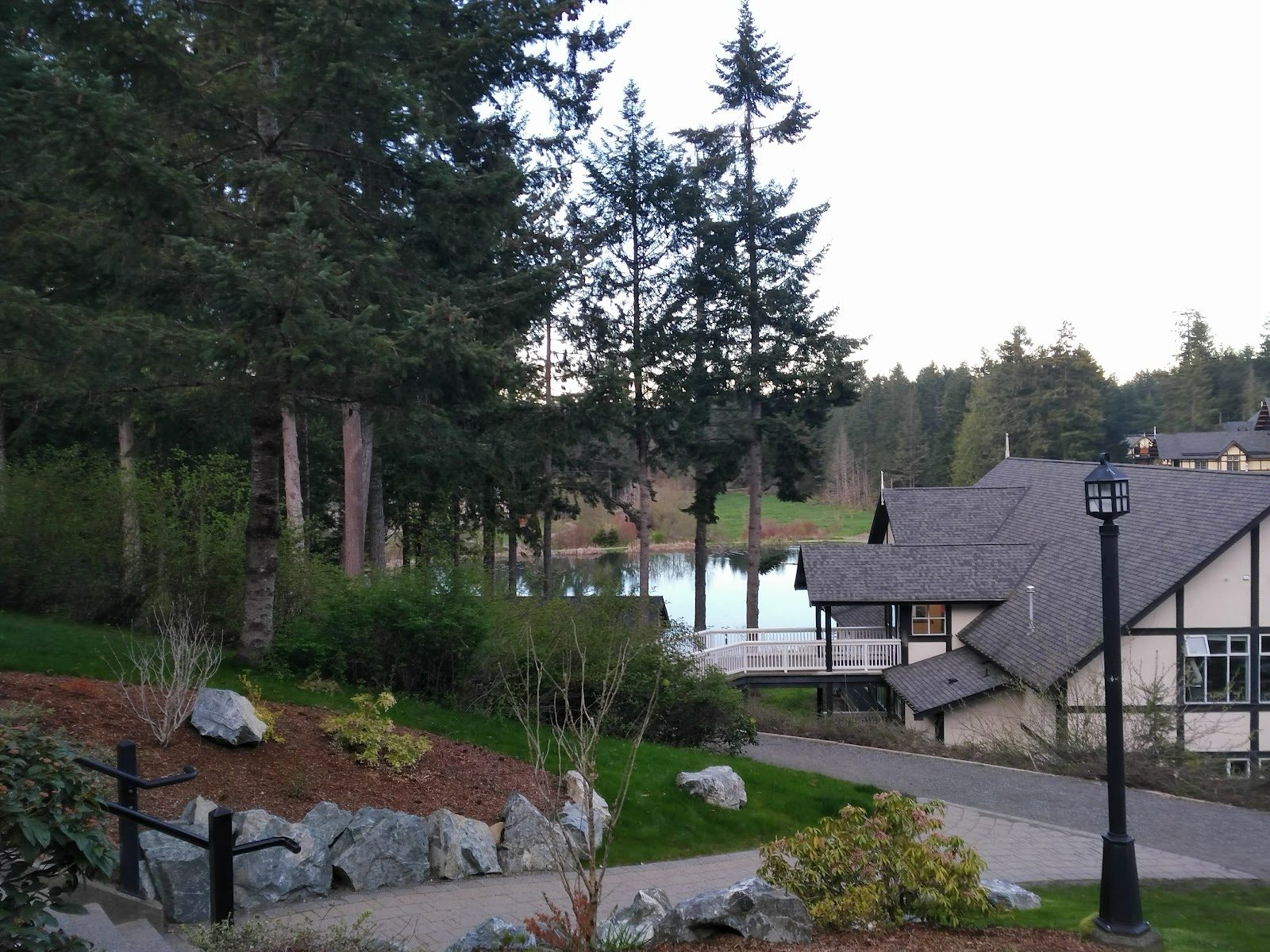
Shawnigan Lake School
Shawnigan Lake · Canada
On a 270-acre Vancouver Island campus, ten boarding houses hold Canada's largest full-time boarding community, a tradition since 1916.
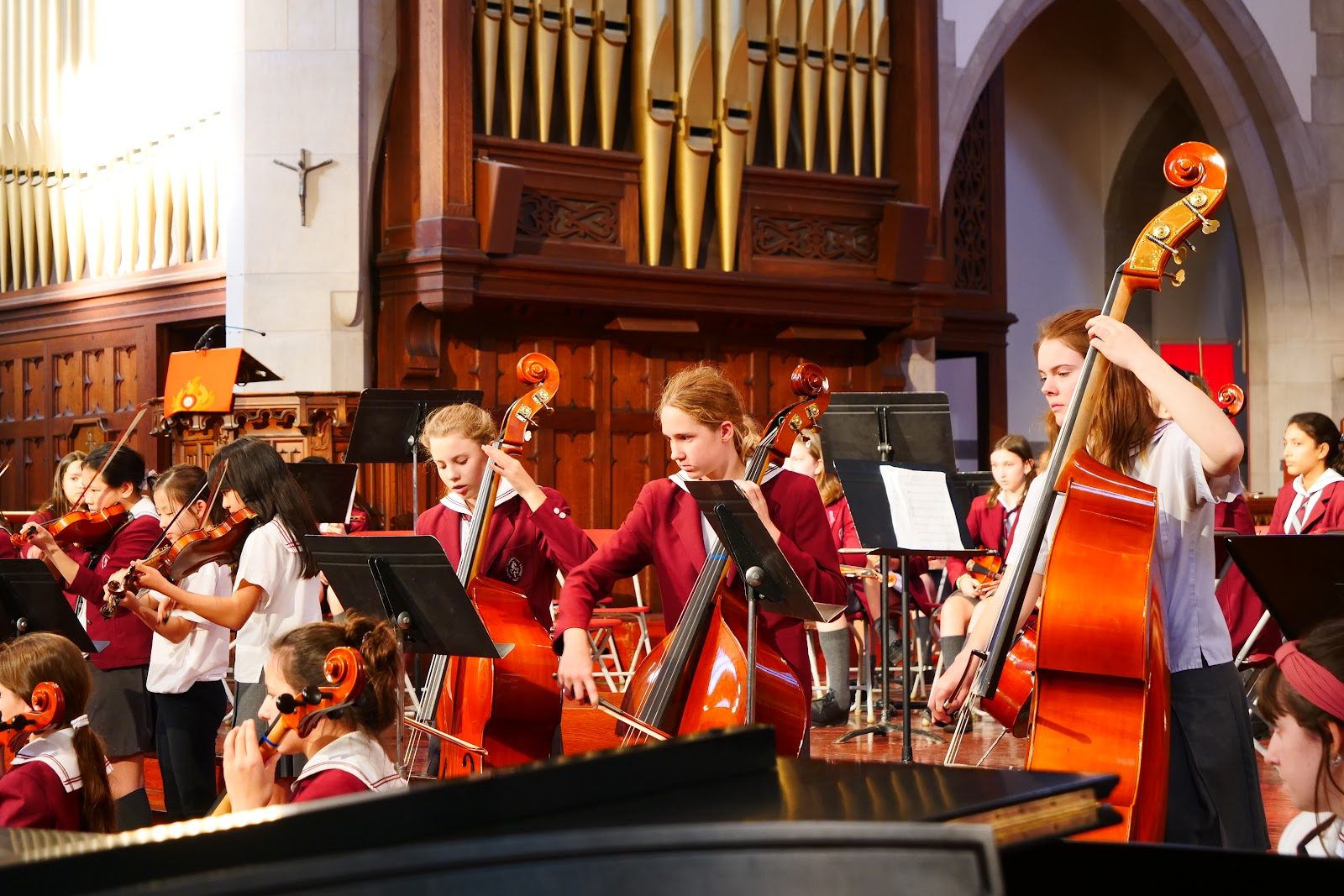
The Bishop Strachan School
Toronto · Canada
Founded in 1867 in Forest Hill, this Anglican school remains Canada's oldest continuously operating girls' day and boarding institution.
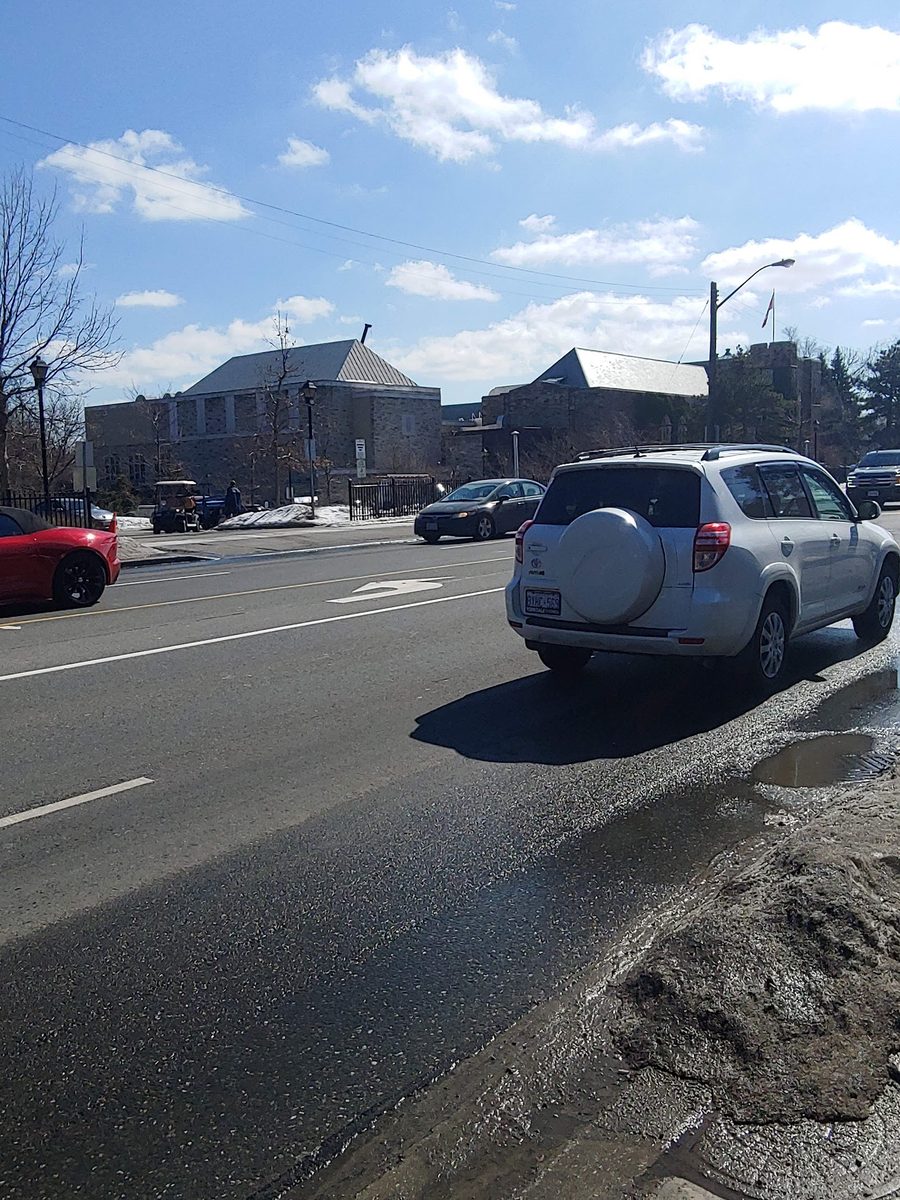
Havergal College
Toronto · Canada
A 22-acre Anglican foundation since 1894, where ten storied houses anchor a rigorous, wellbeing-driven liberal arts curriculum for girls in midtown Toronto.
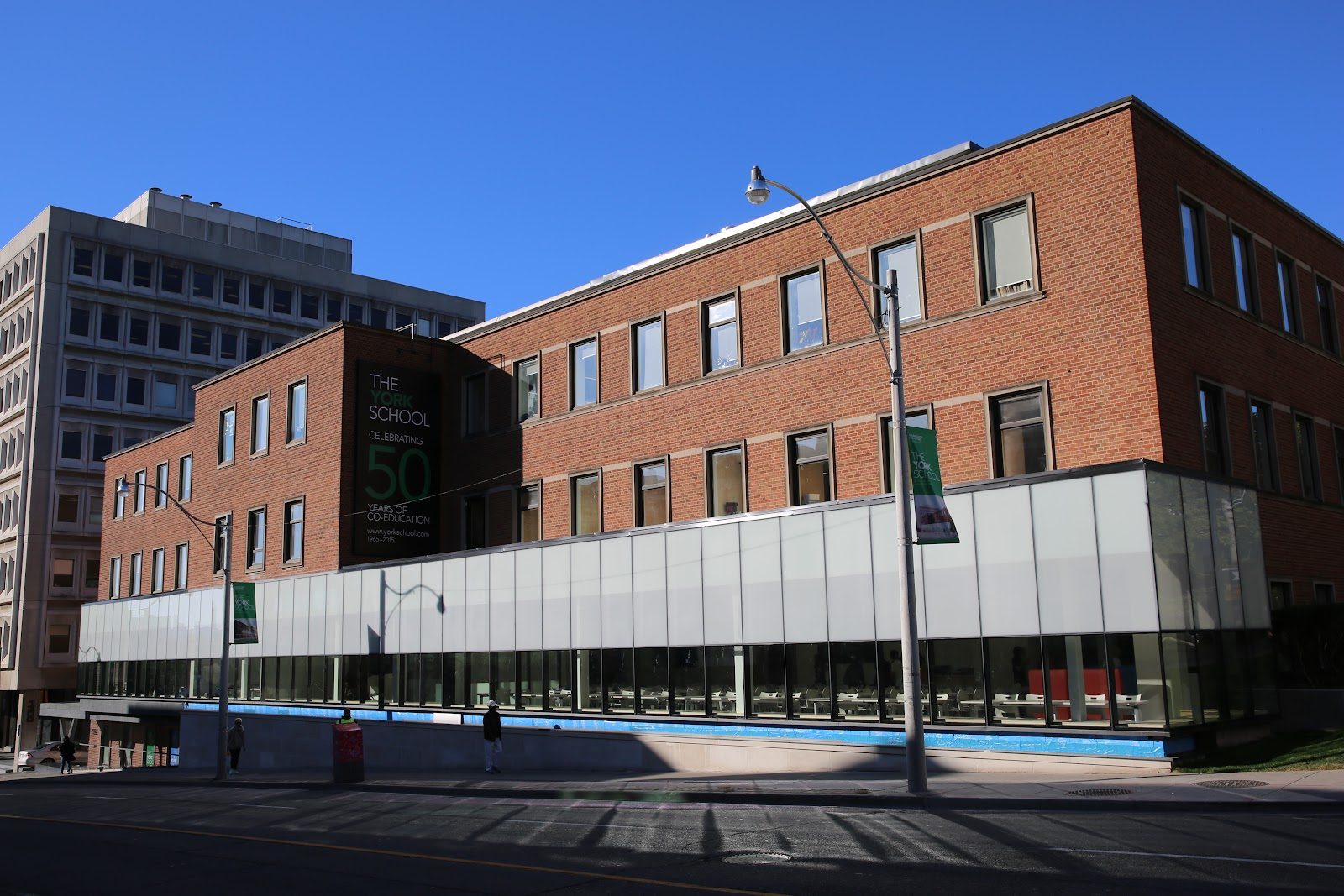
The York School
Toronto · Canada
First English-speaking school in Canada certified for the full IB continuum, JK to Grade 12, on midtown Toronto's Yonge Street corridor.
Same country and curriculum — closest matches within ±10 points either way