
Auckland
Auckland Grammar School
high confidence· 6/6 cats · 3.19 avg sourcesNew Zealand's largest boys' school, where a fiercely guarded Epsom enrolment zone and a long Rhodes Scholar lineage shape the Grammar way.
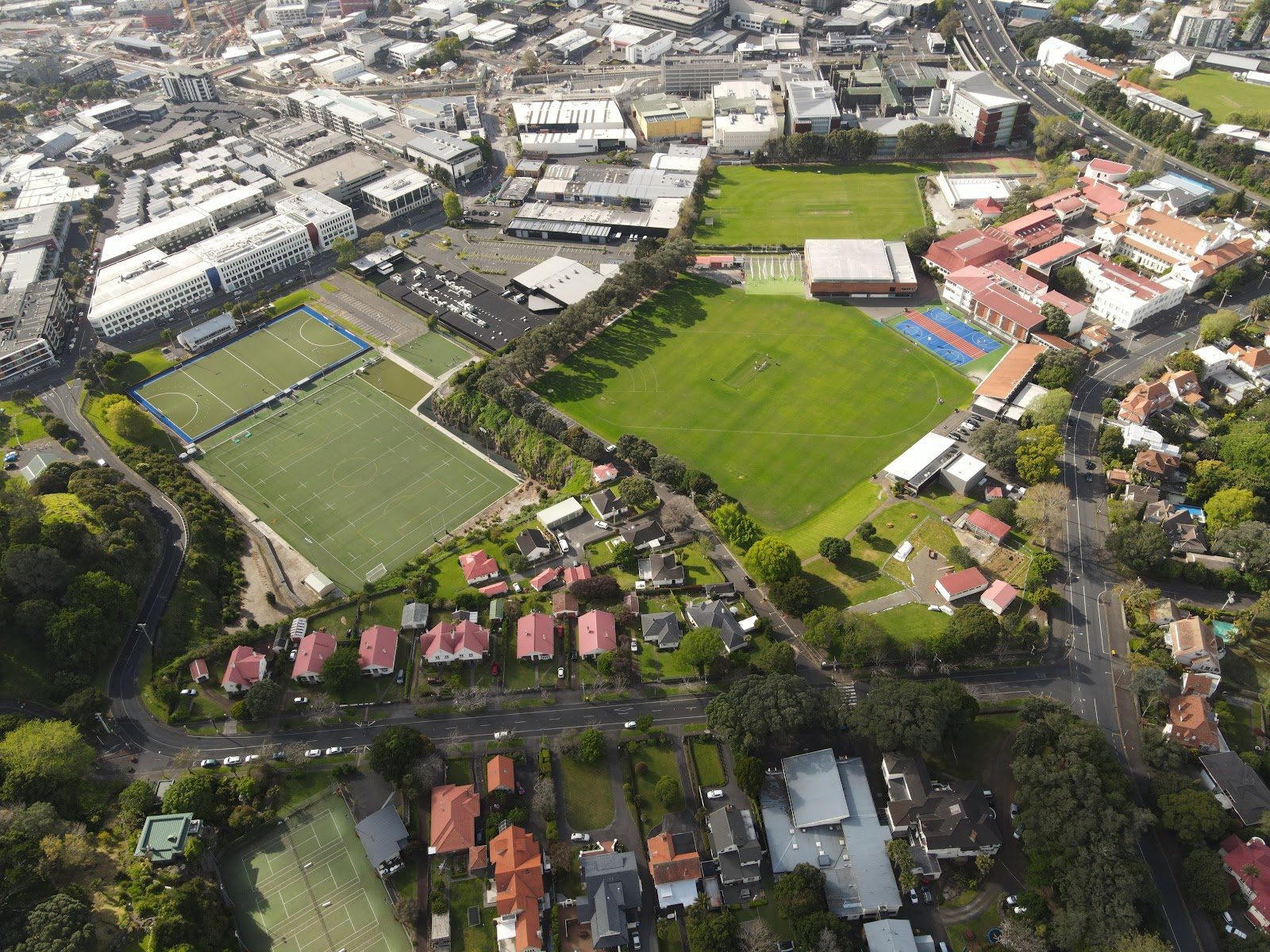
Photo © Big Drone via Google Maps
Type
Both
Ages
3–18
Curriculum
IB
Ratio
10:1
The Verdict
Editor's commitment
Right for
Boys who want a serious, traditional secondary school: founded in 1869, 26 Rhodes Scholars, boarding and day, with a 10:1 ratio.
Wrong for
Families needing co-education, a broad early-years ethos, or transparent whole-school IB outcomes; this is a boys’ secondary institution first.
Watch out for
The day-fee average is NZD 1,825 and boarding NZD 20,750, but the real gatekeeper is place access at New Zealand’s largest boys’ school.
Ranking breakdown
Auckland Grammar School · #652 of 1591
Composite score 67.3. 8 weighted criteria.
By criterion
Academic Outcomes
Weight 20%
#668
of 1529 scored
University Placement
Weight 16%
#736
of 1529 scored
Prestige & Heritage
Weight 12%
#608
of 1571 scored
Alumni Network
Weight 12%
#394
of 1530 scored
Facilities
Weight 12%
#968
of 1533 scored
Transparency & Communications
Weight 8%
#865
of 1532 scored
Peer & Industry Review
Weight 10%
#793
of 1548 scored
Admissions Selectivity & Demand
Weight 8%
#489
of 1529 scored
Score history
Auckland Grammar School · 2026
Movement across 2024–2026. Peer average overlaid.
Overall — 2024–2026
67.3/ 100
▲ +15.4 vs 2025
year on year
Peer & Industry Review
How Auckland Grammar School is regarded in the sector
90
Top-tier · high confidence
Auckland Grammar School is consistently cited as New Zealand's top-performing and most prestigious state boys' school, frequently topping NCEA/university entrance league tables published by NZ Herald and Education Counts, and is a perennial benchmark referenced by other NZ secondary schools. Its extensive alumni network includes prominent NZ figures (politicians, judges, All Blacks, business leaders), regularly covered in NZ Herald and Stuff.co.nz profiles, and it is a fixture in 'best schools in New Zealand' and expat-parent forum discussions (e.g., ExpatExchange, British Expats forums) as the leading choice for academically-focused families in Auckland.
Evidence sources
Award

Elite Sport 80
World's Top School · The Global Ranking
Auckland Grammar School is featured on our Global Top 80 ranking at #17. This seal is available for the school's marketing team to use on their website, prospectus and social channels.
Editors' overview
Auckland Grammar’s market position rests on three hard facts: it is New Zealand’s largest boys’ school, it sits behind a fiercely guarded Epsom enrolment zone, and it has produced 26 Rhodes Scholars. That combination gives it a rare public-school identity: state-funded, inexpensive by international standards, and unapologetically status-laden. The average annual day fee is NZD 1,825 across the school’s age range; boarding averages NZD 20,750. For parents comparing value, that is the headline. You are not buying glossy campus theatre. You are buying entry into one of the country’s most entrenched academic and sporting institutions, with an alumni bench that runs deep in politics, scholarship and elite sport. The school also carries Anglican roots, teaches in English, and holds IB accreditation through the IBO.
What marks Auckland Grammar out is not softness or flexibility but institutional force. A 10:1 student-teacher ratio and average class size of 18 point to tighter classroom conditions than many large state schools manage, yet the school’s real distinction lies in culture rather than metrics. This is a boys’ school with a long memory, a strong sense of its own standards and a public reputation built as much on rugby as on scholarship; it has produced more All Blacks than any other school in New Zealand. Parents need to read that correctly. Grammar’s attraction is not pastoral trendiness or progressive reinvention. Its attraction is seriousness, prestige and a deeply embedded expectation that boys will cope with pressure, tradition and competition.
The boys who thrive here want a school with edge. They do not need constant hand-holding; they want structure, hierarchy, strong peers and the charge that comes from belonging to a place with formidable old-boy gravity. Ambitious academic students fit, especially those who value the school’s Rhodes Scholar lineage and the credibility that follows it. So do high-level sportsmen, above all in rugby, where the brand carries weight. Boys who need a gentler, more individualised or more experimentally progressive environment will find Grammar hard-edged. For the right family, that is the point. It belongs on a shortlist because few schools in the region offer this mix of low day fees, boarding access, historic clout and such a relentlessly competitive culture.
An Elite Sport 80 school
Auckland Grammar School is at rank seventeen on the Elite Sport 80 because no school in New Zealand — the world's most sustained rugby-development nation — has produced more All Blacks than the Grammar. Roughly sixty full All Blacks have come through the school in its history, and the current 1st XV remains a fixture at national schoolboy rugby finals. Cricket, rowing and athletics feed Black Caps, national rowing squads and NZ Athletics teams with similar consistency.
The specialisms are rugby (with a formal academy model, professional coaching staff and links to the Blues Super Rugby franchise), cricket (a longstanding partnership with Auckland Cricket and multiple current Black Caps in its recent alumni), rowing (a national schools regatta regular) and athletics. Football, water polo and hockey all operate at national schoolboy standard.
Notable alumni across codes include Sir Colin Meads, Grant Fox, Michael Jones, John Kirwan, Doug Howlett, and — from the current era — a rolling group of All Blacks and Super Rugby regulars. Cricket has produced Martin Crowe, Jeff Crowe and current Black Caps. Rowing alumni include Olympic medallists.
International openness is genuine and structural. Auckland Grammar admits overseas pupils each year — approximately 4-5% of the roll is international — with a formal International Department handling admissions, visas and pastoral care, and a boarding hostel on-site. Language of instruction is English. Fees are extremely competitive by international-boarding standards, sitting around NZ$45,000-52,000 including boarding — a small fraction of a comparable British boarding school. Admissions is a standard application plus a sport-specific reference or trial where relevant. New Zealand student visas are straightforward for full-time enrolment. For a family targeting a genuine All Blacks or Black Caps pathway from overseas, Auckland Grammar is arguably the highest-value elite-sport school on this list — a full sixth-form education for less than half the price of most global peers.
Academic Performance
Auckland Grammar’s academic reputation rests less on published scoreboards than on institutional outcomes. The school does not publish aggregate IB results in the public domain, and that matters. Parents comparing top academic schools now expect hard data: cohort averages, diploma pass rates, top scores and university destinations by volume, not anecdote. Grammar gives you a stronger signal through long-run intellectual yield than through contemporary exam transparency. A school that has produced 26 Rhodes Scholars sits in rare company in New Zealand education, and that record places it well above the ordinary state-school field for academic ambition. It also tells you something important about peer culture: this is a place where scholarship still carries real status, not just token applause beside sport.
Relative to peers, Grammar fits into the top tier of academically serious boys’ schools, but with a more opaque results profile than data-forward independents that publish exam outcomes aggressively. That does not weaken its standing; it changes the basis on which parents judge it. The case for Auckland Grammar rests on selective demand, deep academic tradition and an alumni pipeline that reaches far beyond school-leaving exams. Families who want forensic proof in the form of annual public results tables will find the disclosure thin. Families who trust long-horizon reputation, strong competition and a culture that rewards intellectual distinction will read the school’s record as formidable.
Facilities
Auckland Grammar’s facilities matter less as a theatre of wow-factor than as infrastructure for scale, sport and institutional routine. This is not the polished resort-campus model common in fee-heavy international schools. Parents should expect a workmanlike, high-traffic environment built to serve a large boys’ secondary school with boarding attached, not a boutique setting curated for visual effect. The important assets sit where the school’s identity sits: sport, assembly, teaching space and boarding. Given its unrivalled rugby output, the sporting estate carries more weight here than at many academic-first peers; fields, training provision and the physical capacity to run serious school sport are central, not decorative. Against top independent competitors, the campus lacks the aura of luxury and architectural staging that higher-fee schools use to signal status.
That does not read as a weakness unless a family is shopping for polish. For the right student, facilities that are built for use rather than display fit the school’s culture exactly. The boarding offer, at an average annual cost of NZD 20,750, also shifts the comparison: few schools with this level of public reputation offer residential access at that price point. The sharper question is disclosure. The school publishes little detailed public information on specialist facilities, so parents do not get the same room-by-room clarity that more commercially minded peers now provide. In editorial terms, the estate reads functional, serious and institution-first — strong where sport and scale demand it, thinner on the premium sheen many international families now expect.
Parents comparing top academic schools now expect hard data: cohort averages, diploma pass rates, top scores and university destinations by volume, not anecdote
Prestige
Auckland Grammar carries genuine national prestige. In New Zealand, its name has weight far beyond its own gates, and that weight rests on outputs that families recognise instantly: a Rhodes Scholar record that places it among the country’s most academically decorated schools, and an old-boy sporting tradition with unmatched reach into the national rugby side. Prestige here is not manufactured through luxury, exclusivity pricing or imported branding. It is earned through longevity, selection pressure created by intense demand, and a public identity that has fed the country’s political, intellectual and sporting class for generations. The alumni base catalogued in Wikidata is itself substantial at 261, with reach across public life, scholarship and elite sport. That breadth matters. It signals not a niche specialist school, but an institution with deep establishment pull.
The reason to rate its prestige highly is simple: Auckland Grammar combines state-school accessibility with old-power symbolism. That is a rare combination. Many schools can claim strong academics; many can claim sporting success; many can trade on tradition. Few hold all three in the public imagination at once. The result is a school whose reputation functions as social shorthand. Within New Zealand, “Grammar” still reads as high-status, hard-driving and socially legible to universities, employers and old-boy networks alike. The caveat is equally clear: this prestige is traditional rather than modern, earned rather than polished, and tied to a culture that prizes performance over warmth. For many families, that sharp edge strengthens the brand rather than weakens it.
Against top independent competitors, the campus lacks the aura of luxury and architectural staging that higher-fee schools use to signal status
Communications
Auckland Grammar does not trade on polished parent communications. The public face is spare, institution-first and more functional than hospitable, which fits the school’s culture but narrows its appeal. Families get the essentials of a long-established public institution rather than the curated reassurance common in fee-heavy competitors. That has strengths: a school with this scale and status does not need to over-explain itself, and many local parents will read that economy as confidence. It also has weaknesses. The school discloses little in the way of rich academic reporting, detailed facilities mapping or the kind of regular narrative that helps new families understand how daily life works. For internationally mobile parents, that lack of texture will feel abrupt.
Effectiveness, then, depends on the audience. For families already fluent in the Grammar code, communication will be sufficient: direct, stripped-back and anchored in the school’s public reputation. For families arriving cold, especially those comparing across international schools, the standard is thin rather than strong. A school charging an average day fee of NZD 1,825 can get away with less hand-holding than one charging private-school prices, but price does not erase the need for clarity. The communication style tells you something important about the institution itself: it expects parents to meet the school on its own terms. That will read as bracingly old-school to supporters and unhelpfully opaque to everyone else.
Uniqueness
What makes Auckland Grammar distinctive is the collision of public funding with entrenched establishment culture. This is not the standard state-school proposition. It operates with the social confidence, myth-making power and old-boy continuity of a far more expensive institution, yet without the fee barrier that usually fences off that kind of status. Two outputs define that difference: 26 Rhodes Scholars and a rugby record that no other school in the country matches. Those are not decorative boasts. They tell students that top-level intellectual achievement and top-level competitive sport both carry serious institutional prestige. In practical terms, boys enter a place where ambition is normalised, hierarchy is visible and comparison with strong peers is part of the daily climate.
That brings clear advantages and clear limits. The advantage is access to a hard-driving, socially legible network and a school identity that still opens doors in universities, professions and national sport. Students absorb standards from the institution itself: tradition is not wallpaper here, it is enforcement. The limit is just as plain. A culture built on reputation, performance and male competition does not cushion boys who need a gentler pace or a more reinvented model of schooling. For self-propelled students, that pressure sharpens confidence, resilience and appetite for high stakes. For others, it will feel unforgiving. That tension is precisely what makes Auckland Grammar not for the faint-hearted — and why its devotees value it so fiercely.
What makes Auckland Grammar distinctive is the collision of public funding with entrenched establishment culture
Student Profile
The boys who fit Auckland Grammar best are those who draw energy from competition rather than protection. This is a school for students who can live inside a clear hierarchy, take correction without drama and measure themselves against strong peers every day. The academic signal matters, but so does appetite: boys need drive, stamina and a taste for environments where status is earned, not distributed kindly. The long public record of 26 Rhodes Scholars and the huge old-boy footprint catalogued in Wikidata at 261 tell you what kind of aspiration the institution rewards. Sport matters too, and not as an extracurricular afterthought. A boy who wants serious rugby culture, visible standards and a school identity tied to performance will feel the pull of this place.
The harder truth is that Grammar does not suit every able student. Boys who need heavy pastoral cushioning, constant affirmation or a more gentle, individualised culture will find it hard-edged and at times unforgiving. It suits self-propelled adolescents with thick skin, academic seriousness and enough confidence to handle a tradition-bound environment without needing it softened for them. Socially, it fits families comfortable with institutional authority and with the fact that the school’s reputation carries real local meaning. For the right boy, that mix is galvanising. For the wrong one, it will feel like living under permanent comparison.
They tell students that top-level intellectual achievement and top-level competitive sport both carry serious institutional prestige
Co-curricular strengths
Arts & sport, on a separate axis
Overall 7.94/10
Scored 0-10 from the school's own published evidence. This axis is editorial-only — it does not feed the main WTS ranking.
Sports
9.5/10
Rugby, cricket, rowing and athletics, describes substantial specialist teaching spaces in sport plus extensive playing fields and courts, plus multiple gymnasiums, a swimming pool, sports pavilions, and a national-level pedigree in producing more All Blacks than any other New Zealand school.
Drama
8.2/10
Drama Productions are explicitly listed, Wikipedia cites the on-campus Centennial Theatre, and verified alumni include Oscar-winning actor Russell Crowe, whose star-tier alumnus status anchors drama at at least 7 and supports 8 when combined with the dedicated theatre.
Dance
4.5/10
Music
9.5/10
Concert Band and Choir, and substantial specialist teaching spaces in music, which evidences a structured programme with dedicated specialist provision.
Visual Arts
8/10
Multiple notable visual-arts alumni including painter Walter Armiger Bowring, artist Max Gimblett and artist Charles Frederick Goldie, indicating a clear arts pedigree even though no dedicated visual-arts facility is described.
Editor-verified · 8/5/2026
Notable alumni · Wikidata
261notable alumni
Includes
- Leslie Charles Holborow(1941)
133 historic (born pre-1930) · 41 modern (born post-1970)wikidata:2026-07-28 How we source this
Strengths
- +Established in 1869
- +Offers both NCEA and IB
- +Boarding available
- +10:1 student-teacher ratio
Considerations
- −Boys-only secondary school
- −Day fees reach 26,000 NZD
- −Boarding fees reach 55,000 NZD
Availability
Primary entry gate & tests
Academic Record + Interview
Gallery
Photo © Dennis Niu via Google Maps
Photo © Dennis Niu via Google Maps
Photo © Ksenia R via Google Maps
Photo © Zongjian He via Google Maps
Photo © Andrew Sutherland via Google Maps
Photo © Niko Savola via Google Maps
Photo © Sally Tan via Google Maps
Photo © Dennis Niu via Google Maps
Photo © Nicholas Qin via Google Maps
Parent reviews
Have you sent your child here?
Voice reviews carry the strongest trust badge — we transcribe them for you to tidy up before they go live. Prefer to type? A written review is fine too.
Add your voice
In 60 seconds, tell other parents: what's the best thing about Auckland Grammar School, and what surprised you when your child joined?
We ask for a Google sign-in so every review has a real face behind it — no anonymous drive-by attacks on schools, and no faked positive reviews. Your email is never shown publicly.
Send this profile to a friend
International parents rely on word-of-mouth. Share this review with someone weighing the same decision.
Schools with places
Similar schools to Auckland Grammar School with places available now.
King's College (Auckland)
Auckland · New Zealand
- 2026-27
- WAITPOOLVacancy-dependent
- 2027-28
- PLACES OPEN
St Cuthbert's College
Auckland · New Zealand
- 2026-27
- WAITPOOLVacancy-dependent
- 2027-28
- PLACES OPEN
Availability first, then country, area, curriculum, price, co-curricular
Consider also
Also worth looking at alongside Auckland Grammar School.
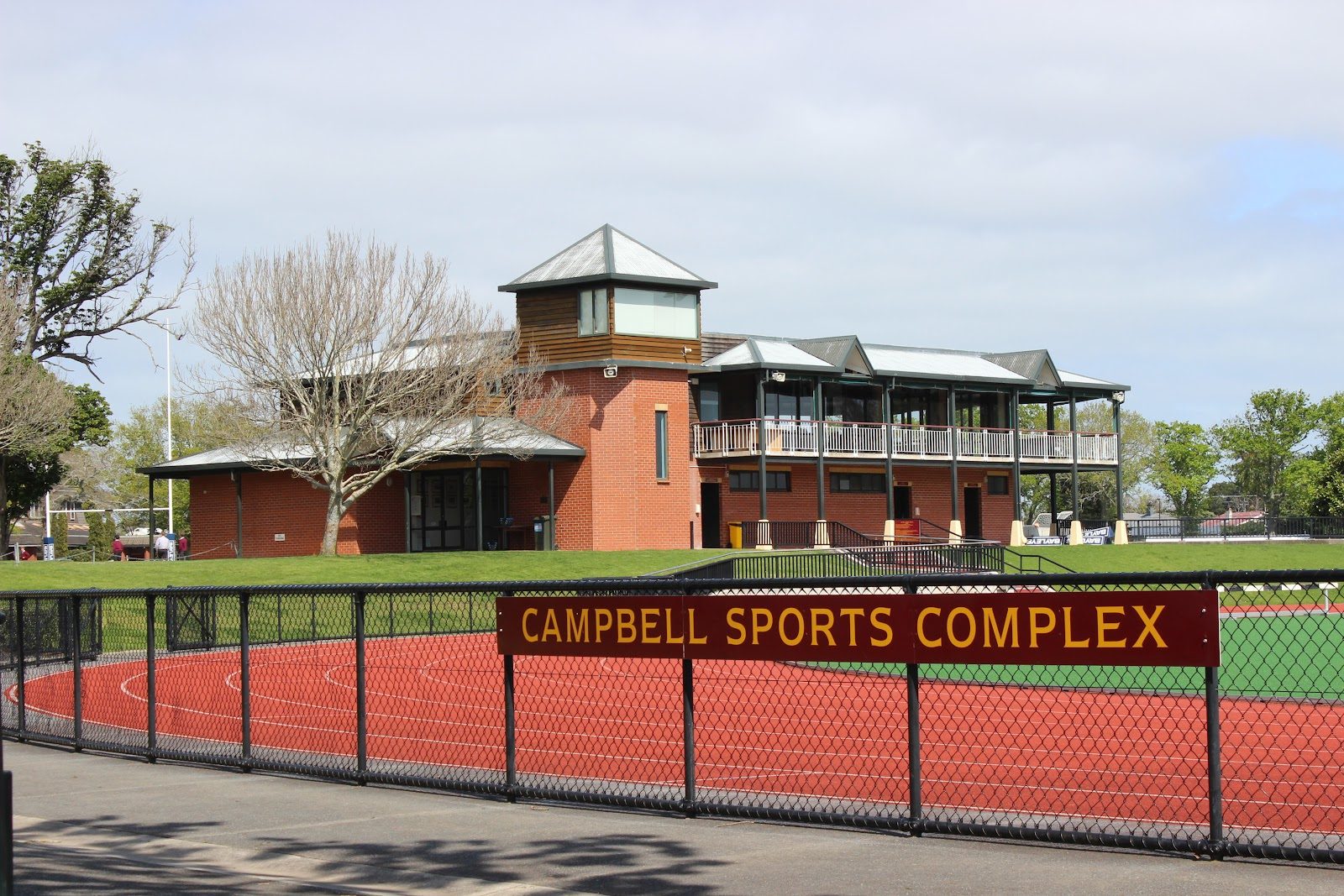
King's College (Auckland)
Auckland · New Zealand
Twelve houses anchor daily life on this Otahuhu campus, where mandatory alpine camps and blue-water sailing rounds out the classroom.
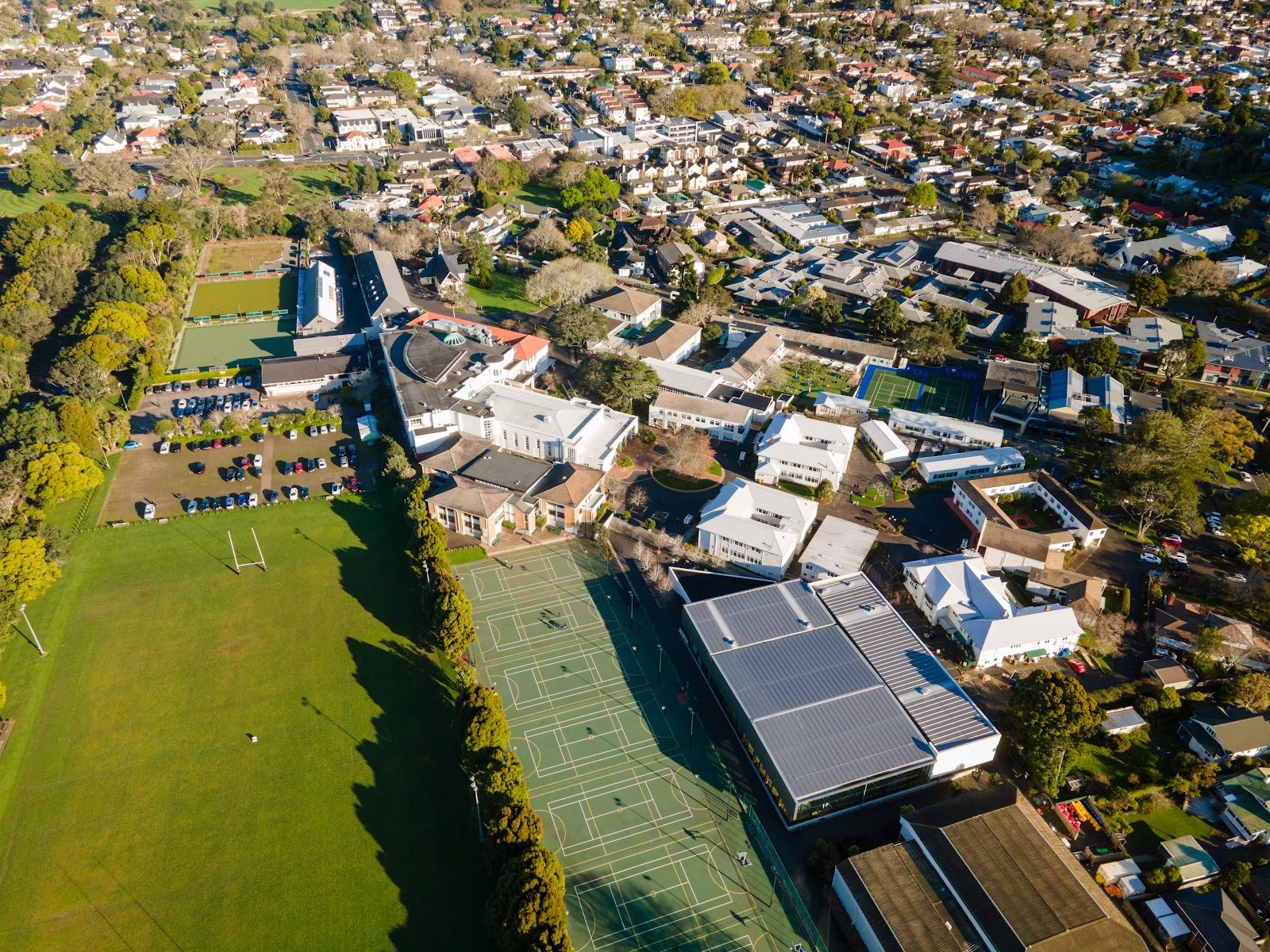
St Cuthbert's College
Auckland · New Zealand
An Epsom girls' school where a bespoke Year 11 diploma precedes the choice between IB and NCEA pathways
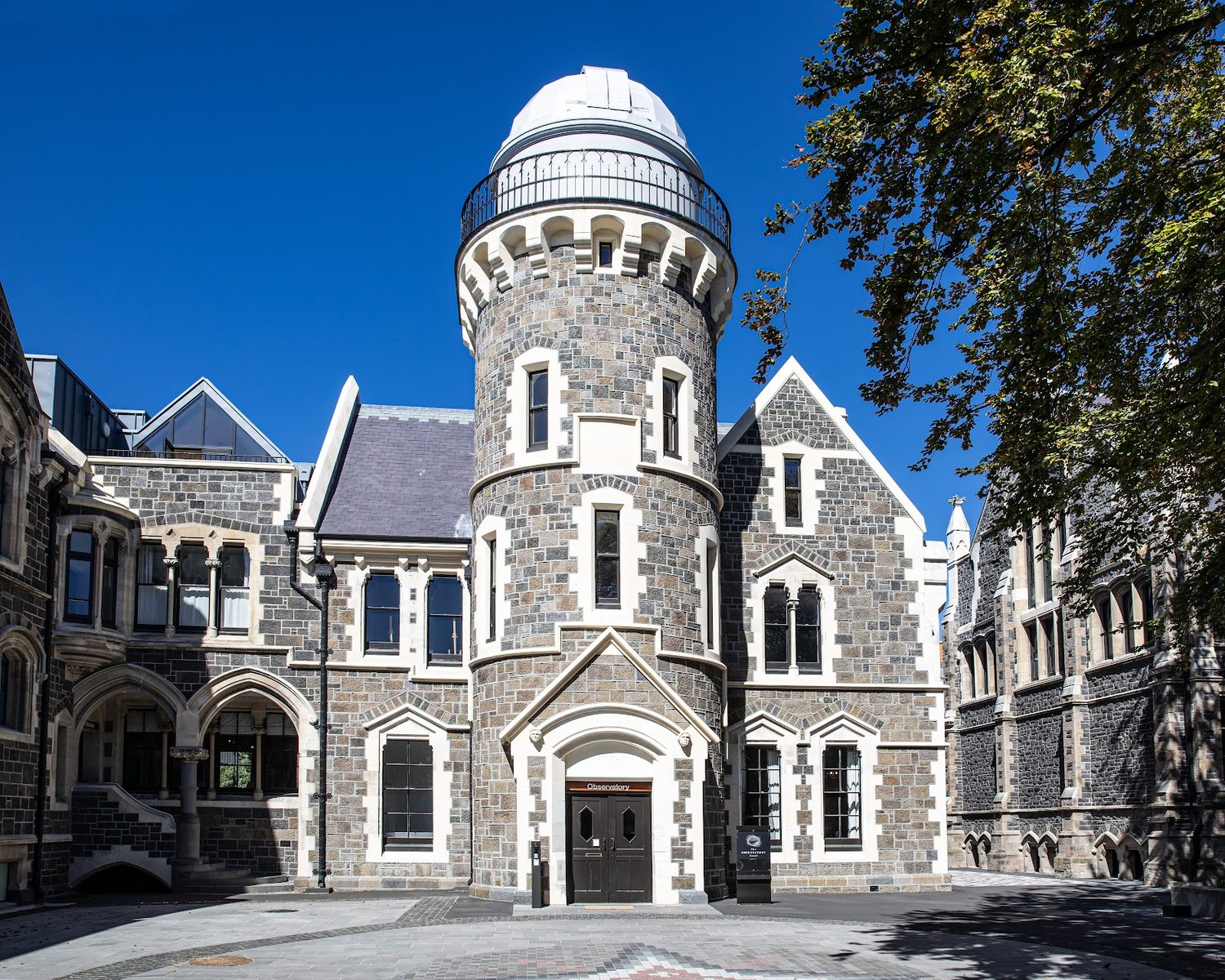
Christ's College
Christchurch · New Zealand
New Zealand's oldest independent school, its neo-Gothic quadrangle and chapel choir anchoring a boys' boarding tradition beside Hagley Park.

Li Po Chun United World College of Hong Kong
Hong Kong · Hong Kong
Perched above Tolo Harbour, this United World College gathers scholars from 90 nations for a service-driven IB Diploma.
Same country and curriculum — closest matches within ±10 points either way