
Auckland
King's College (Auckland)
high confidence· 6/6 cats · 3.56 avg sourcesTwelve houses anchor daily life on this Otahuhu campus, where mandatory alpine camps and blue-water sailing rounds out the classroom.
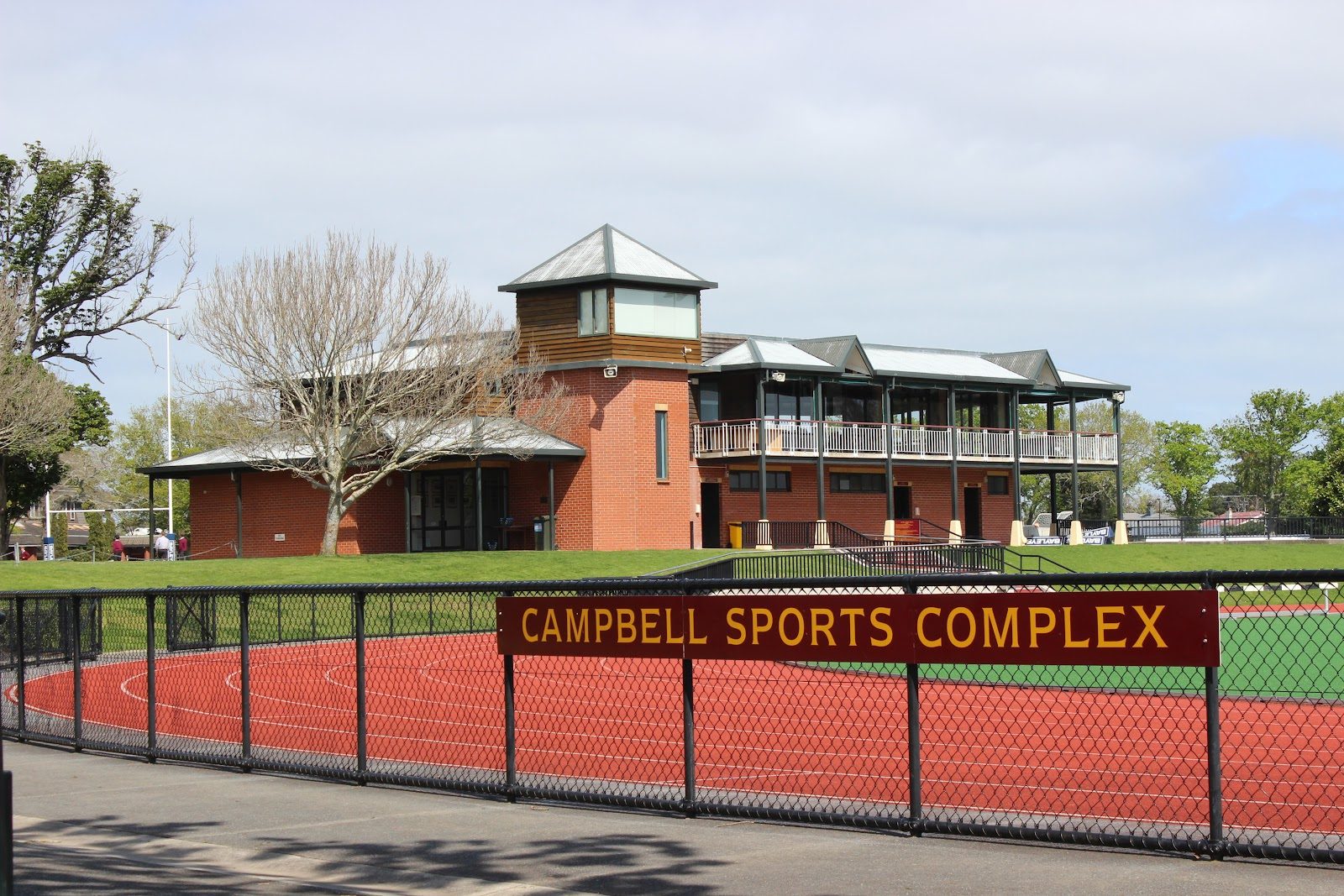
Photo © King's College via Google Maps
Type
Both
Ages
3–18
Curriculum
IB
Ratio
—
The Verdict
Editor's commitment
Right for
Families wanting an Anglican 3–18 school with boarding, the IB, and a campus culture organised through 12 houses.
Wrong for
Parents who want a secular school, a non-IB pathway, or lower fees than NZD 33,422 day and NZD 52,575 boarding.
Watch out for
The school trades on its 1896 heritage and all-round ethos; it does not publish hard outcome data in the public domain.
Ranking breakdown
King's College (Auckland) · #805 of 1591
Composite score 66.4. 8 weighted criteria.
By criterion
Academic Outcomes
Weight 20%
#791
of 1529 scored
University Placement
Weight 16%
#793
of 1529 scored
Prestige & Heritage
Weight 12%
#706
of 1529 scored
Alumni Network
Weight 12%
#579
of 1529 scored
Facilities
Weight 12%
#867
of 1529 scored
Transparency & Communications
Weight 8%
#919
of 1529 scored
Peer & Industry Review
Weight 10%
#784
of 1529 scored
Admissions Selectivity & Demand
Weight 8%
#607
of 1529 scored
Score history
King's College (Auckland) · 2026
Movement across 2024–2026. Peer average overlaid.
Overall — 2024–2026
66.4/ 100
▲ +13.3 vs 2025
year on year
Peer & Industry Review
How King's College (Auckland) is regarded in the sector
78
Strong · medium confidence
King's College Auckland is consistently ranked among New Zealand's top private schools in NCEA/scholarship league tables published by NZ media (e.g., NZ Herald school performance rankings) and is regularly cited alongside other elite Auckland schools like ACG, Kristin, and Auckland Grammar in expat parent forums discussing top NZ private education options. It has a well-established old boys' network with notable alumni in NZ business and sports, and is frequently referenced in local 'best schools' discussions, though it lacks the level of international specialist press coverage (Tatler, Good Schools Guide) that top UK/global schools receive.
Evidence sources
Award
Elite Sport 80
World's Top School · The Global Ranking
King's College (Auckland) is featured on our Global Top 80 ranking at #48. This seal is available for the school's marketing team to use on their website, prospectus and social channels.
Editors' overview
Twelve houses do a great deal of the work at King’s College, and that matters. This is not a loose collection of classes on an Auckland campus; it is a house-driven school where identity, competition and belonging shape daily life. In a market full of schools that talk about pastoral care in abstract terms, King’s has a concrete organising structure, and boarding strengthens it further. The school is Anglican, teaches in English, runs from ages 3 to 18, and declares the IB. That combination places it in a narrow bracket: a tradition-heavy independent school with an international academic currency, and with enough institutional confidence to keep its religious and communal character visible.
The attraction is the breadth of life beyond lessons. Mandatory alpine camps and blue-water sailing give the school a hard-edged outdoor streak that many urban independents cannot match. Parents looking for a polished academic hothouse alone have other options; King’s sells a fuller boarding-school proposition, with co-curricular life, spiritual life and house culture carrying real weight. The fees confirm the market position. The average annual day fee across the full age range is NZD 33,422; boarding averages NZD 52,575. That is expensive by New Zealand standards, and it buys a full-service private-school model rather than a stripped-back academic offering.
Why shortlist it? Because King’s has a clear identity, and clear identities are rare. It suits students who want structure, ritual, teams, camps and a campus culture that extends well past the timetable. It suits boarders and day pupils who will thrive in a community with expectations attached, not children who want anonymity or a light-touch school life. The school was founded in 1896 and carries that heritage openly; some families will value the continuity, others will find it too patrician. Either way, the proposition is coherent. For the right child — energetic, sociable, resilient, and happy inside a high-commitment school culture — King’s deserves serious attention.
An Elite Sport 80 school
King's College Auckland is at rank forty-eight on the Elite Sport 80 because it is one of New Zealand's most sustained rugby and cricket boys' independent schools, with a longstanding All Blacks and Black Caps pipeline and a 1st XV that has competed at national schoolboy finals level for over a century. Recent alumni feature in All Blacks and Black Caps squads across generations.
The specialisms are rugby union (with a formal academy model, professional coaching and links to the Blues Super Rugby franchise and Auckland Rugby), cricket (a Black Caps and Auckland Aces pipeline through Auckland Cricket), rowing (with a Maadi Cup pedigree), athletics and hockey. Football, water polo and basketball operate at high schoolboy standard.
Notable alumni across codes include Chris Cairns (Black Caps great), Andrew McKellow, Nathan Astle-era cricketers, and — in rugby — a rolling roster of Blues Super Rugby regulars and All Blacks. In rowing, several New Zealand under-19 representatives have come through, and multiple national schoolboy titles have been won over the decades.
International openness is genuine and long-established. King's College is a co-ed independent school with a dedicated International Department, an on-site boarding hostel and integrated ESL and pastoral support. Approximately 8-10% of pupils are international, with strong pipelines from the Pacific islands, southern Africa, the UK, Europe and Asia. Fees for full boarding sit around NZ$60,000-70,000 all-in, positioning King's in the upper tier of New Zealand boarding costs but well below equivalent UK or US boarding schools with comparable sporting output. Admissions is a standard application process plus a sport-specific reference or trial where relevant. New Zealand student visas are straightforward for full-time enrolment. For a family relocating from a rugby- or cricket-strong nation to Auckland and targeting a genuine All Blacks or Black Caps pathway alongside NCAA D1 recruiting options, King's Auckland is one of the top three sport-oriented boarding schools in the country.
Academic Performance
King’s does not publish a clean, school-wide set of external examination outcomes in the public domain. That matters. For a school charging at the top end of the market and trading on a serious academic proposition, parents need more than general claims about excellence. We have not seen aggregate IB diploma averages, subject-by-subject breakdowns, top-score ranges, university destination percentages, or multi-year trend data. Without that, it is impossible to place King’s precisely against Auckland’s strongest independent competitors or against the best IB schools internationally. The absence of published data leaves academic performance more opaque than it should be.
That does not mean weak results; it means undisclosed results. Those are different judgments. The school’s structure, scale of co-curricular life and long-established reputation point to a high-expectation environment rather than a casual one, and families drawn to this kind of school will expect solid university preparation as a minimum. But expectation is not evidence. In a market where leading schools increasingly publish headline outcomes, King’s leaves parents to rely on reputation, visit-day impressions and private word of mouth. That keeps its academic standing in a trust us category. For some families, that is enough. For any parent comparing schools with hard result data on hand, it is a weakness.
Facilities
The facilities that matter at King’s are the ones that support its full-immersion school model rather than a narrow classroom brief. The standout asset is the house structure: 12 houses give the campus an internal geography and a daily operating system that many peers cannot replicate at the same depth. Add boarding, dedicated spaces for spiritual life, and a co-curricular programme large enough to sustain camps and sailing, and the school offers more than standard teaching blocks and playing fields. That outdoor provision counts. Mandatory alpine camps and blue-water sailing point to access, staffing and logistics beyond the norm for an urban independent school. Among Auckland peers, plenty offer sport, music and drama; fewer build serious adventure education into the core experience with this level of commitment.
That said, King’s public-facing case on facilities stops short of the detail strong competitors now provide. We have not seen a clear inventory of specialist science spaces, performing arts venues, design workshops, aquatic provision or standout indoor athletics facilities. For a school at this fee level, that opacity is a weakness. Top-tier independents increasingly show parents exactly what sits behind the prospectus language: labs, theatres, maker spaces, strength and conditioning suites, boarding houses and grounds, in concrete terms. King’s wins on institutional infrastructure — houses, boarding and a campus culture built for long days — but loses marks for thin disclosure. The substance may be strong; the school does not document it well enough.
For a school charging at the top end of the market and trading on a serious academic proposition, parents need more than general claims about excellence
Prestige
King’s carries real prestige in New Zealand’s independent-school market, but it is a specific kind of prestige. This is not the modern, data-heavy, globally branded version built on published outcomes and aggressive international positioning. It is old-school status: heritage, ritual, selective social gravity and a campus culture that asks pupils to buy in fully. The 12 houses matter here. They give the school an internal structure that feels established rather than improvised, and they reinforce the sense that King’s offers membership of a durable institution, not just access to lessons. The Anglican foundation adds to that identity. So does the scale of commitment expected in school life beyond the classroom. For families who value institutional weight, that combination carries force.
The limits are clear. Prestige built on tradition and name recognition still counts, but it no longer settles every question. King’s does not publish the kind of academic outcome data that top-fee schools now need if they want to convert reputation into hard comparative authority. That weakens its standing with internationally mobile families and with parents who rank transparency above social cachet. The fees place it in a rareified bracket, and that price buys access to a high-status network as much as an education. That network has value; pretending otherwise would be naïve. But prestige here rests more on social capital, continuity and institutional confidence than on publicly evidenced academic supremacy.
We have not seen aggregate IB diploma averages, subject-by-subject breakdowns, top-score ranges, university destination percentages, or multi-year trend data
Communications
King’s communicates like a school that expects parents to engage on its terms. The public site covers the core channels cleanly: admissions, academic life, houses, boarding, co-curricular provision, pastoral care and spiritual life all have clear entry points, and practical actions such as applying or booking a tour are easy to find. That baseline matters, and many schools get it wrong. The emphasis on houses is useful here. With 12 of them shaping daily life, parents need a strong sense of how the school is organised beyond year groups and timetables, and King’s gives that structure visibility. The search prompts also tell their own story: staff, fees, term dates, uniform and Schoolbox sit close to the surface, which signals a parent body managing a high-maintenance, all-day school experience rather than a simple drop-off-and-collect routine.
The weakness is depth. King’s communicates identity better than detail. It tells parents what kind of place it is — structured, communal, demanding — but gives less hard operational substance than a top-fee school should. We have not seen the level of published specificity that reduces friction for comparing families: richer breakdowns of outcomes, fuller facility documentation, or a more granular picture of daily academic delivery. That leaves communication effective on culture and weaker on scrutiny. For families already attracted to the school’s tradition-heavy model, that may suffice. For parents making a cold comparison across elite options, it does not.
Uniqueness
What sets King’s apart is not one flagship programme but the way the school binds identity, duty and activity into a single daily system. The 12 houses are central: they turn pastoral care, competition and social life into something organised and visible, not an afterthought bolted onto academics. Add compulsory time in the mountains and on the water, and King’s produces a school life with a physical seriousness that many urban independents do not attempt. This is a place where belonging is earned through participation. Students do not just attend; they are expected to join, contribute and cope. For confident, energetic children, that creates a strong-grained community with real momentum. For quieter or more private pupils, it can feel demanding and inescapable.
The gain is substantial. Students get a more complete education in the old independent-school sense: teamwork, endurance, public commitment, shared ritual and a clear moral frame, not just grades and extracurricular garnish. The Anglican strand reinforces that institutional character, and the boarding element gives the culture more reach beyond the formal timetable. King’s therefore offers something harder-edged than the polished average: a school that asks more of its pupils and gives them a more immersive adolescence in return. That distinctive shape will suit families who want character built through structure and shared experience, not those chasing a frictionless, low-commitment school life.
That said, King’s public-facing case on facilities stops short of the detail strong competitors now provide
Student Profile
The students who thrive here are the ones who want to belong to something bigger than their timetable. House identity, chapel, teams, trips and shared rituals all carry weight, so the best fit is a child who will join in without bargaining. Competitive pupils do well, but not only in the narrow academic sense; the school rewards stamina, visibility and contribution across the day. Boarders and day pupils alike need social confidence, resilience and a tolerance for scrutiny in a high-expectation community. With 12 houses shaping daily life, there is structure everywhere. That can be grounding for adolescents who like clear systems and recognised roles. It can feel claustrophobic for students who guard their privacy or prefer to drift at the edges.
This is not the right school for every bright child. Independent-minded pupils who dislike ceremony, compulsory participation or adult-defined tradition will chafe. So will students who want a light-touch relationship with school, where lessons matter and the rest is optional. King’s suits families who value discipline, loyalty and a full-immersion adolescence, and who regard character formation as part of the brief rather than a slogan. The strongest match is an energetic, socially robust young person who can cope with pressure, accept institutional rules and find satisfaction in shared endeavour. The wrong match is a child who wants anonymity, flexible commitment or a more loosely textured school life.
King’s does not publish the kind of academic outcome data that top-fee schools now need if they want to convert reputation into hard comparative authority
Co-curricular strengths
Arts & sport, on a separate axis
Overall 8.24/10
Scored 0-10 from the school's own published evidence. This axis is editorial-only — it does not feed the main WTS ranking.
Sports
9.2/10
School life is organised through 'houses, sport, service and boarding', lists multiple sports including Rugby, Cricket, Rowing, Netball, Hockey, Tennis and Swimming, and describes 'serious sporting infrastructure' and grounds large enough for a full co-curricular programme.
Drama
8/10
Drama appears explicitly in with no further detail in the King's College profile.
Dance
8/10
Music
8.5/10
Choir and Orchestra in extracurriculars, which is explicit but bare evidence of music provision without further elaboration.
Visual Arts
7.5/10
Editor first-pass · editor-reviewable · 7/27/2026
Strengths
- +Offers both NCEA and IB pathways
- +Caters for ages 3–18
- +Boarding available at an Anglican school
- +10:1 student-teacher ratio
Considerations
- −Boarding fees are 55,000 NZD annually
- −Day fees are 26,000 NZD annually
- −Religious character may not suit all families
Availability
Primary entry gate & tests
Academic Record + Interview
Gallery
Photo © King's College via Google Maps
Photo © Thomas Kubitza via Google Maps
Photo © Thomas Kubitza via Google Maps
Photo © Thomas Kubitza via Google Maps
Photo © Thomas Kubitza via Google Maps
Photo © Thomas Kubitza via Google Maps
Photo © Thomas Kubitza via Google Maps
Photo © King's College via Google Maps
Parent reviews
Have you sent your child here?
Voice reviews carry the strongest trust badge — we transcribe them for you to tidy up before they go live. Prefer to type? A written review is fine too.
Add your voice
In 60 seconds, tell other parents: what's the best thing about King's College (Auckland), and what surprised you when your child joined?
We ask for a Google sign-in so every review has a real face behind it — no anonymous drive-by attacks on schools, and no faked positive reviews. Your email is never shown publicly.
Send this profile to a friend
International parents rely on word-of-mouth. Share this review with someone weighing the same decision.
Schools with places
Similar schools to King's College (Auckland) with places available now.
Auckland Grammar School
Auckland · New Zealand
- 2026-27
- WAITPOOLVacancy-dependent
- 2027-28
- PLACES OPEN
St Cuthbert's College
Auckland · New Zealand
- 2026-27
- WAITPOOLVacancy-dependent
- 2027-28
- PLACES OPEN
Availability first, then country, area, curriculum, price, co-curricular
Consider also
Also worth looking at alongside King's College (Auckland).
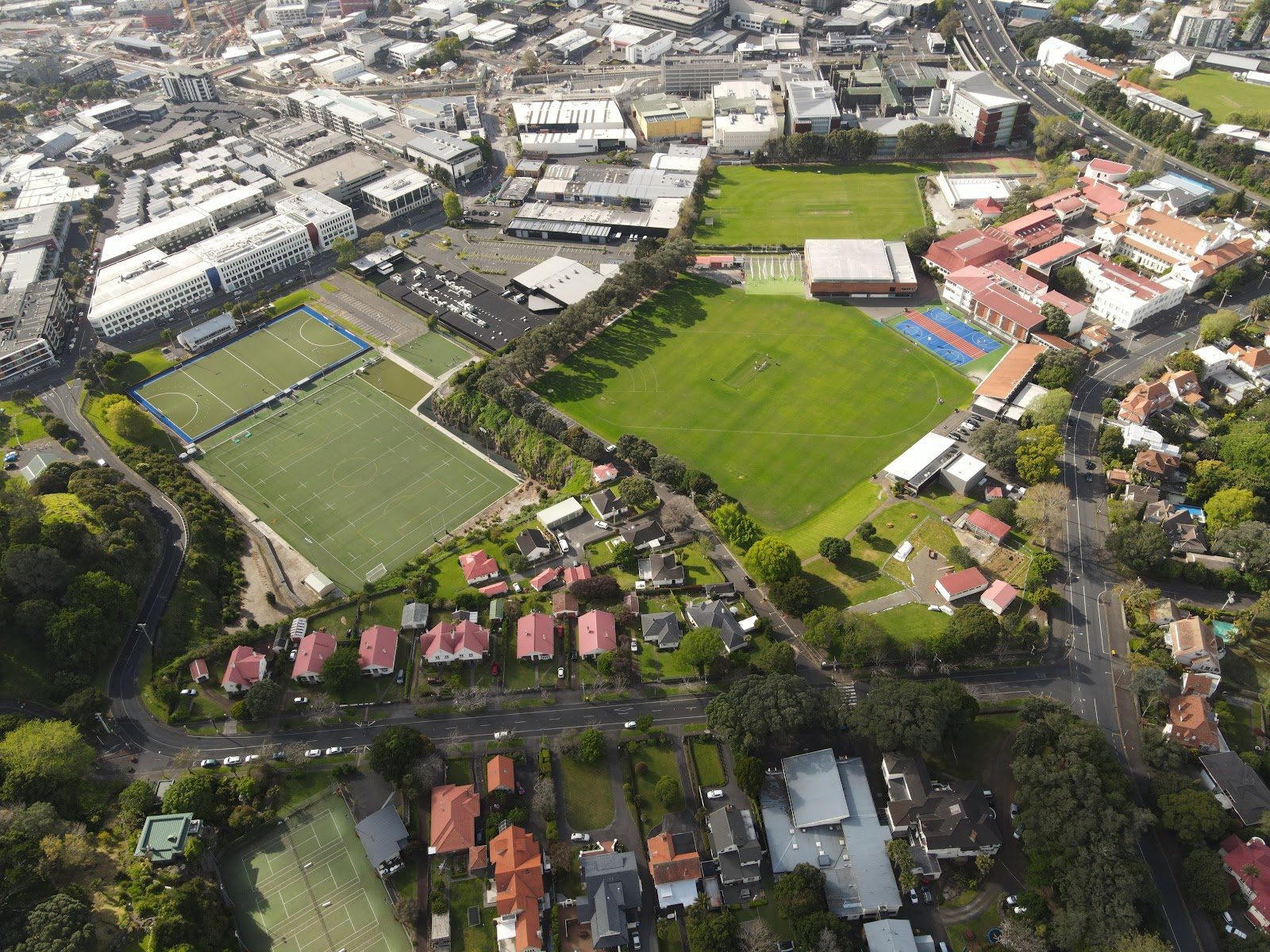
Auckland Grammar School
Auckland · New Zealand
New Zealand's largest boys' school, where a fiercely guarded Epsom enrolment zone and a long Rhodes Scholar lineage shape the Grammar way.
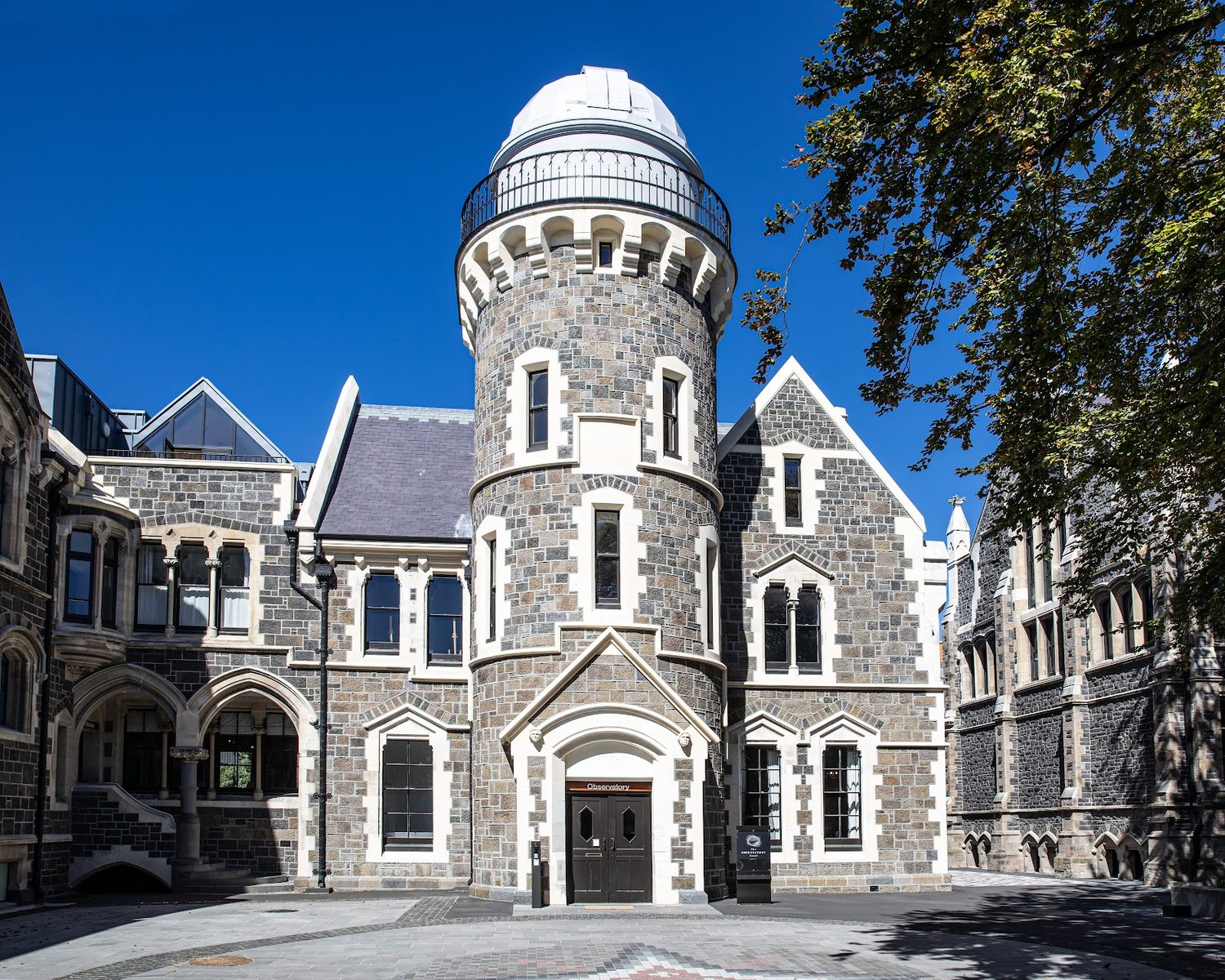
Christ's College
Christchurch · New Zealand
New Zealand's oldest independent school, its neo-Gothic quadrangle and chapel choir anchoring a boys' boarding tradition beside Hagley Park.
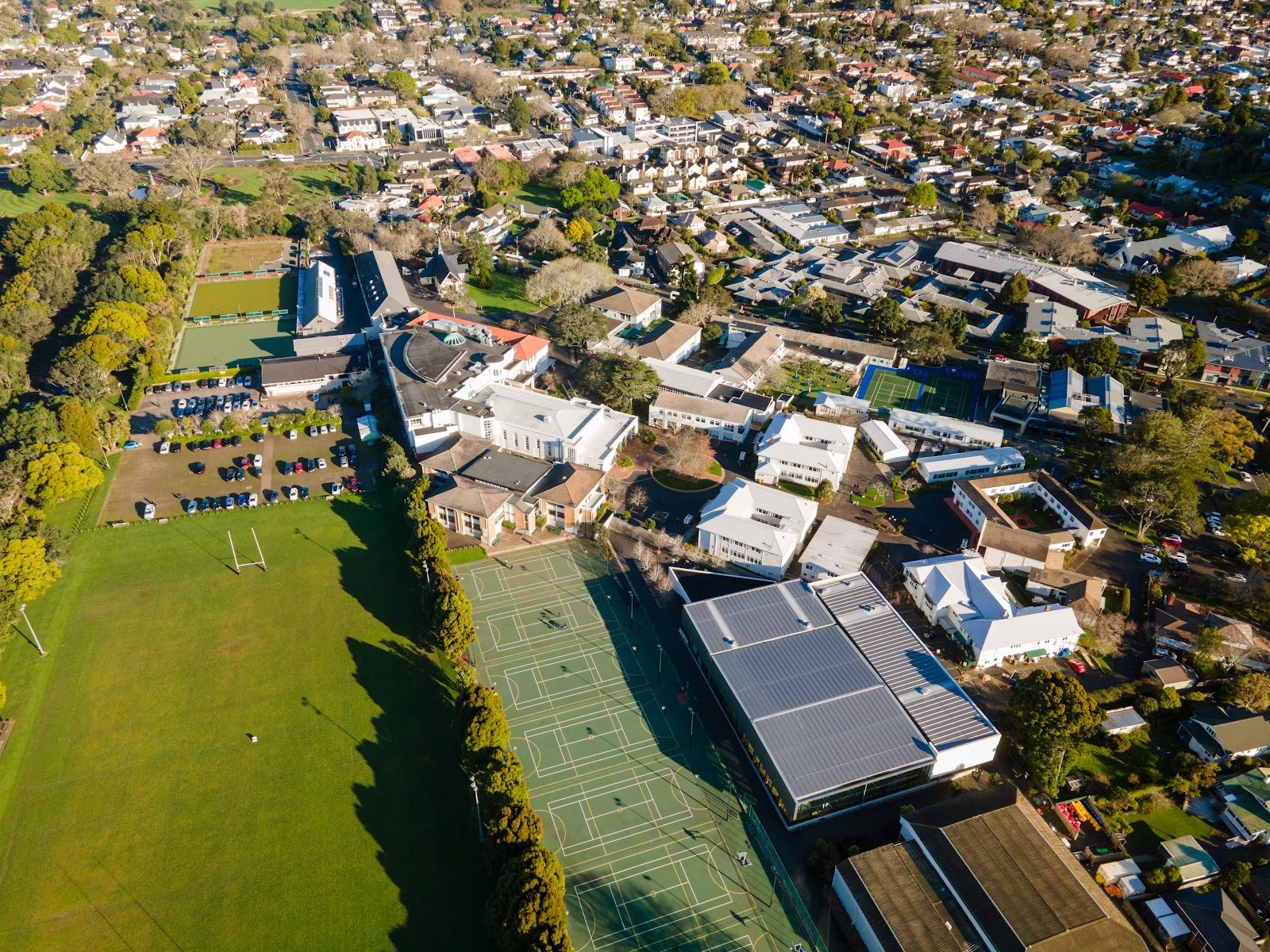
St Cuthbert's College
Auckland · New Zealand
An Epsom girls' school where a bespoke Year 11 diploma precedes the choice between IB and NCEA pathways
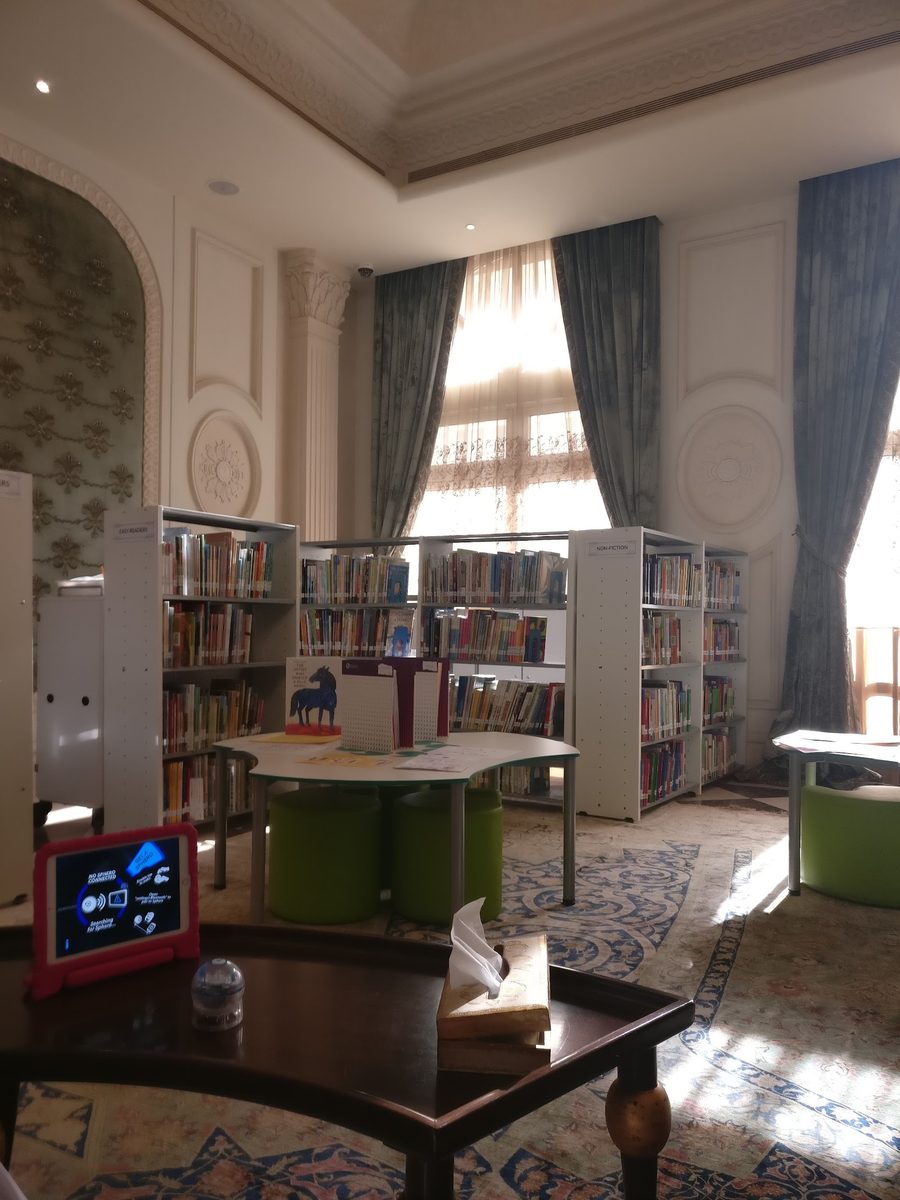
Misk Schools
Riyadh · Saudi Arabia
Nine single-sex academies share one royally founded Riyadh campus, built to engineer Vision 2030's next leaders.
Same country and curriculum — closest matches within ±10 points either way