
Ohio
Cincinnati Country Day School
On a wooded Indian Hill campus, the nation's first 1:1 laptop program (1996) anchors a century of classroom innovation.
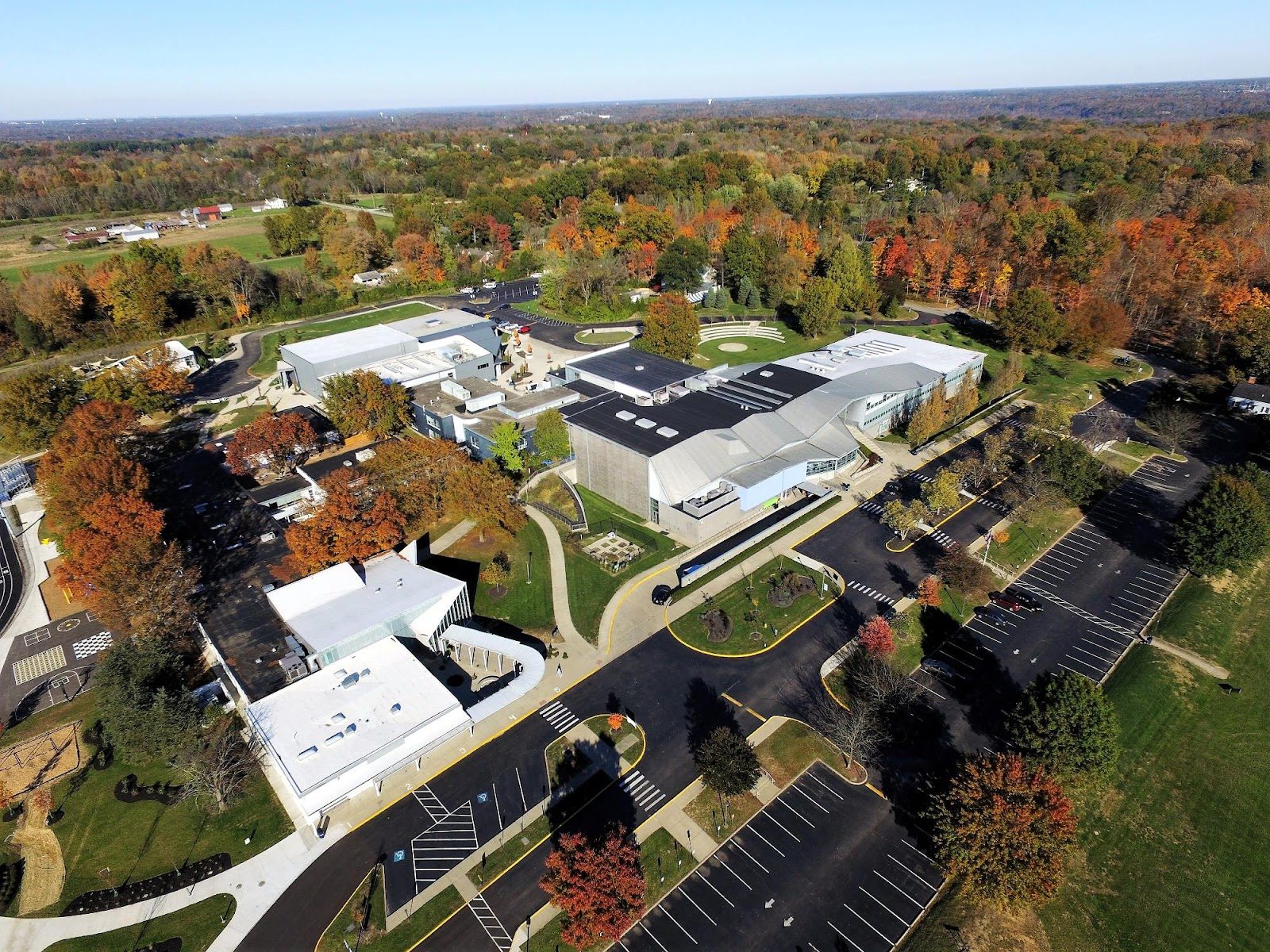
Photo © Cincinnati Country Day School via Google Maps
Type
Day
Ages
3–18
Curriculum
American
Qualifications
AP
Ratio
8:1
The Verdict
Editor's commitment
Right for
Families wanting a non-religious American day school, founded in 1926, with a 1:8 ratio and average classes of 15.
Wrong for
Parents seeking boarding, religious formation, or anything other than an English-medium American curriculum for ages 3–18.
Watch out for
NAIS and ISACS accreditation signal solid governance, but the school publishes no hard exam outcomes to match its college-preparatory claims.
Ranking breakdown
Cincinnati Country Day School · #1193 of 1591
Composite score 57.6. 8 weighted criteria.
By criterion
Academic Outcomes
Weight 20%
#1156
of 1529 scored
University Placement
Weight 16%
#1164
of 1529 scored
Prestige & Heritage
Weight 12%
#1206
of 1571 scored
Alumni Network
Weight 12%
#1094
of 1530 scored
Facilities
Weight 12%
#847
of 1534 scored
Transparency & Communications
Weight 8%
#1020
of 1532 scored
Peer & Industry Review
Weight 10%
#1415
of 1548 scored
Admissions Selectivity & Demand
Weight 8%
#1077
of 1529 scored
Peer & Industry Review
How Cincinnati Country Day School is regarded in the sector
58
Credible · medium confidence
Cincinnati Country Day School is regarded as a strong regional day school rather than a nationally benchmarked name, and its reputation reflects that tier. Within Ohio and the Midwest it is grouped with peer independent schools such as Seven Hills and Summit Country Day in Cincinnati-area comparisons, and it holds standard institutional credibility through NAIS and Ohio Association of Independent Schools membership, plus Cum Laude Society and College Board AP recognition. It does not appear in the marquee UK-style rankings (Good Schools Guide, WhichSchoolAdvisor) or in major national newspaper prep-school league tables, which are dominated by Northeastern boarding schools; its visibility in the independent-education press is limited mainly to regional Cincinnati Business Courier or local media features rather than trade-press profiles. College placement is respectable and typical of a solid Midwest day school -- graduates matriculate to a range of selective Midwest and national universities -- but there is no publicly documented admissions-officer commentary singling the school out, nor quoted rival-head praise, unlike schools with sustained national press presence. Overall, its standing is that of a well-run, locally respected college-preparatory institution with modest national footprint.
- Nick Lachey — Singer, Music/Entertainment
- Drew Lachey — Singer/Dancer, Entertainment
Editors' overview
Cincinnati Country Day School occupies a strong niche at the top end of the Cincinnati day-school market: academically ambitious, non-religious, and unusually clear about pairing rigour with breadth. The headline distinction is historical and concrete, not rhetorical: this was the first school in the United States to launch a 1:1 laptop programme, in 1996, and that matters because it signals a long institutional habit of adopting classroom tools early rather than treating innovation as a slogan. The setting helps too. An Indian Hill campus gives the school a quietly privileged physical frame, while a 1:8 student-teacher ratio and average class size of 15 keep teaching personal and discussion-based rather than industrial. Founded in 1926, CCDS has the age and confidence of an established independent school without the doctrinal baggage that narrows some alternatives.
What puts it on a parent's shortlist is the combination of scale, seriousness and continuity from early years to sixth form. It serves ages 3–18 in one school, with English-language instruction and an American curriculum, so families get a single academic culture rather than a chain of disconnected phases. NAIS and ISACS accreditation place it squarely inside the mainstream of reputable US independent schooling. The school's own language about educating the whole child is standard private-school copy; the more persuasive point is structural. Small classes, a college-preparatory focus, and a campus community built around close staff-student contact create a high-attention environment. That suits families who want stretch without chaos, and pastoral oversight without religious framing. The weakness is the mirror image of the strength: this is not a place for anonymity, drift or low engagement. In a school this compact, students are known, expected to contribute and held to account.
The right student for Cincinnati Country Day is bright, teachable and ready to use a broad programme rather than hide inside one narrow talent. A child who likes strong academics but also wants room for arts, sport and service will find serious opportunity here. So will students who benefit from adult attention, steady expectations and a close-knit community. This is less well suited to families chasing a giant campus, a highly specialised curriculum, or the social sprawl of a much larger American high school. CCDS works best for children who thrive when school feels demanding but humane—students with curiosity, discipline and enough confidence to make use of the access that a 3–18 all-through school, and classes of 15, put in front of them.
Academic Performance
CCDS does not publish the hard public data that lets parents place a school cleanly against academic peers. We have not seen aggregate SAT or ACT averages, AP participation rates, AP score distributions, National Merit figures, or university matriculation breakdowns by cohort. That is a real gap. For a college-preparatory school competing at the top end of an affluent day-school market, public outcomes matter. Without them, any claim of academic standing rests less on external proof than on institutional signals: a demanding programme, small teaching groups, and a long-running habit of classroom innovation. Those are positive indicators. They are not substitutes for results.
Relative to peers, that puts Cincinnati Country Day in an opaque middle position: stronger than schools that offer little academic identity beyond pastoral care, but less transparent than independent schools that publish exam profiles in detail and let families judge the numbers for themselves. The school’s own language stresses challenge, preparation and academic success, which sets a high bar. It now needs the public evidence to match. Until that evidence is disclosed, the academic case for CCDS remains credible but unverified in the one area that matters most to comparison-shopping parents: external performance data and destination outcomes.
Facilities
The standout facility at Cincinnati Country Day is not a single building but a long-established digital learning infrastructure. A school that launched the country’s first 1:1 laptop programme built technology into teaching long before most peers treated it as standard provision. That gives CCDS a credible operational edge: classroom tech here reads as embedded practice rather than showroom equipment. Beyond that, the school trades heavily on setting. Its wooded campus in Indian Hill offers the kind of sheltered, affluent calm that day-school families pay for, with enough space to support athletics, arts and everyday movement without the cramped feel that weakens many urban independents. The school also points to an “impressive setting” and “depth of resources”, which fits the picture of a campus designed for a full all-through programme rather than a narrow academic factory.
Against peer schools, the facilities case is strong but not fully evidenced. The basics for a premium American day school are plainly in place: room to breathe, resources across age groups, and infrastructure that supports both traditional and technology-led teaching. What the school does not publish in the source material is the detail that would sharpen comparison — named performance venues, specialist labs, maker spaces, aquatic provision, or standout sports amenities. That absence matters. Among top independent peers, parents expect specifics. CCDS still reads as well-resourced and well-kept, but not as a campus whose facilities market themselves through a list of headline-grabbing specialist assets.
Cincinnati Country Day School occupies a strong niche at the top end of the Cincinnati day-school market: academically ambitious, non-religious, and unusually clear about pairing rigour with breadth
Prestige
Cincinnati Country Day carries real local prestige and a narrower national profile. In Cincinnati’s independent-school market, that still counts for a great deal. It sits in the part of the sector where families expect serious university preparation, stable governance and a peer group drawn from ambitious households. The school’s all-through structure strengthens that standing: parents do not buy a single phase of schooling, they buy continuity, internal confidence and a community that keeps children in view from the earliest years to university application. The low staffing ratio and classes averaging 15 reinforce the premium feel. So does the school’s long association with classroom technology, which gives its reputation an earned point of difference rather than a generic “innovative” label.
That said, prestige here is solid rather than glittering. CCDS does not operate with the national aura of the most famous East Coast independents, nor with the public academic transparency that would let it convert reputation into hard comparative authority. Its status rests on market position, parent demand and institutional seriousness more than on published outcome data. For many families, that is enough: they want a high-trust, academically focused day school with social credibility in its own region. For families shopping internationally or benchmarking against the strongest US independents, the school’s prestige has a ceiling. It is *well-regarded, established and expensive in feel*; it is not an automatic shorthand for elite national distinction.
For a college-preparatory school competing at the top end of an affluent day-school market, public outcomes matter
Communications
CCDS communicates in the idiom of a confident independent school: warm, direct, and heavily relationship-led. The public-facing tone leans on invitation — enquire, visit, apply — and on repeated assurances about community, belonging and personal growth. That tells parents two things. First, the school expects engagement rather than passive consumption. Second, it sells access to adults and closeness of contact as part of the product. In a school with a 1:8 staffing ratio and average classes of 15, that is credible. Parents choosing this kind of environment do not want call-centre distance; they want people who know their child and reply with context. CCDS’s messaging fits that expectation and gives a clear sense of a high-contact, high-trust culture.
The weakness is precision. The school talks fluently about values and student experience, but it does not publish much hard operational detail in the source material about how communication works in practice: no clear parent-portal architecture, no visible communications charter, no published response standards, and no concrete examples of reporting formats or academic data dashboards. That absence does not make communication weak; it makes it under-evidenced. My reading is that parent communication inside the school is personal and attentive, while outward communication remains softer and less exacting than the best-run peers. Families who value human access over polished systems will be comfortable. Families who want forensic clarity and documented process will want to ask sharper questions at enquiry stage.
Uniqueness
What sets Cincinnati Country Day apart is not a vague claim to innovation but a documented institutional habit of adopting useful tools early and building them into everyday teaching. The famous laptop milestone matters less as trivia than as evidence of culture: this is a school that has treated classroom technology as part of learning design, not as an add-on for marketing tours. In practice, that gives students a more fluent academic environment — one where digital work, research, collaboration and presentation are normal parts of the school day rather than occasional enhancements. Pair that with a 1:8 staffing ratio and you get something distinctive: innovation delivered in small teaching settings, with adults who have the time to notice whether a pupil is using the opportunities well.
The other point of difference is the school’s combination of ambition and intimacy across the full age range. Plenty of private schools promise whole-child education; fewer can sustain a close-accountability culture from the earliest years to the end of school without losing academic edge. CCDS’s scale works in its favour here. Students are not left to drift, and families do not have to decode a new institutional culture at each stage. That continuity brings real advantages: stronger knowledge of the child, cleaner handovers between divisions, and a community where participation carries weight. For the right student, the result is a high-attention, high-expectation education that develops confidence through use, not slogan.
A school that launched the country’s first 1:1 laptop programme built technology into teaching long before most peers treated it as standard provision
Student Profile
The students who do best here are engaged, articulate and comfortable being known. This is not a school for passengers. In an environment with a 1:8 staffing ratio, adults track effort, contribution and habits closely, and classmates notice who turns up prepared. A child who likes discussion, responds to feedback and can move between academic work, sport, arts and service will fit the culture. The school’s own emphasis on discovery, confidence and trying something new points to a student body expected to participate rather than specialise too early. That gives the place a high-accountability feel: supportive, but not loose; encouraging, but not indulgent.
Socially, CCDS suits families who want a close-knit peer group and a polished, ambitious parent community without a religious frame. Students who need anonymity, a reset button each year, or space to coast will find the school uncomfortable. Equally, children who thrive only in huge, bustling settings may find the scale contained. The strongest fit is a young person with curiosity, decent self-command and enough confidence to use the access on offer. For bright students who want challenge without the churn of a giant campus, this is a demanding but humane setting. For the proudly disengaged, it is not forgiving.
Founded in 1926, CCDS has the age and confidence of an established independent school without the doctrinal baggage that narrows some alternatives
Co-curricular strengths
Arts & sport, on a separate axis
Overall 8.1/10
Scored 0-10 from the school's own published evidence. This axis is editorial-only — it does not feed the main WTS ranking.
Sports
9/10
Drama
8.5/10
Dance
5.5/10
Music
8.5/10
Visual Arts
9/10
Strengths
- +Every graduating class matriculates to four-year colleges, a consistent outcome cited on the school's own profile pages.
- +Small-school ratios: a 9:1 student-teacher ratio and average class size of 15 across the PK-12 program.
- +Received 'Platinum with Access' status in the 2023 College Board AP School Honor Roll.
- +Polaris data ranked Country Day the #1 Cincinnati-area school for sending students to Harvard, Princeton and MIT.
- +Offers a full-tuition, merit-based Triumphant Scholarship for academically talented students with significant financial need, funded by an alumnus.
Considerations
- −Tuition runs into the low-to-mid $30,000s for upper grades, a significant recurring cost for relocating families.
- −Campus sits in Indian Hill, a suburb outside central Cincinnati, making the school effectively car-dependent for daily commuting.
- −Reported acceptance rate of around 65 percent is well below the local private-school average, so entry is not guaranteed even with strong records.
- −Does not participate in Ohio's EdChoice voucher program, so families cannot access that state subsidy route and must rely solely on the school's own aid process.
Availability
Primary entry gate & tests
ISEE/SSAT + Interview
Gallery
Photo © Cincinnati Country Day School via Google Maps
Photo © Cincinnati Country Day School via Google Maps
Photo © Cincinnati Country Day School via Google Maps
Photo © Cincinnati Country Day School via Google Maps
Photo © Cincinnati Country Day School via Google Maps
Photo © Cincinnati Country Day School via Google Maps
Photo © Cincinnati Country Day School via Google Maps
Parent reviews
Have you sent your child here?
Voice reviews carry the strongest trust badge — we transcribe them for you to tidy up before they go live. Prefer to type? A written review is fine too.
Add your voice
In 60 seconds, tell other parents: what's the best thing about Cincinnati Country Day School, and what surprised you when your child joined?
We ask for a Google sign-in so every review has a real face behind it — no anonymous drive-by attacks on schools, and no faked positive reviews. Your email is never shown publicly.
Send this profile to a friend
International parents rely on word-of-mouth. Share this review with someone weighing the same decision.
Schools with places
Similar schools to Cincinnati Country Day School with places available now.
Germantown Friends School
Philadelphia · United States
- 2026-27
- CLOSEDRegular cycle closed
- 2027-28
- OPENS SOONOpens Sept '26
Poly Prep Country Day School
Brooklyn · United States
- 2026-27
- CLOSEDRegular cycle closed
- 2027-28
- OPENS SOONOpens Sept '26
Marymount School of New York
New York City · United States
- 2026-27
- CLOSEDConfirmed full
- 2027-28
- PLACES OPENApplications opened 1 Aug '26
Boston University Academy
Boston · United States
- 2026-27
- CLOSEDRegular cycle closed
- 2027-28
- OPENS SOONOpens Sept '26
Availability first, then country, area, curriculum, price, co-curricular
Consider also
Also worth looking at alongside Cincinnati Country Day School.

Germantown Friends School
Philadelphia · United States
Rooted in an 1845 Quaker meeting in historic Germantown, where juniors design a month-long independent study of their own.
Poly Prep Country Day School
Brooklyn · United States
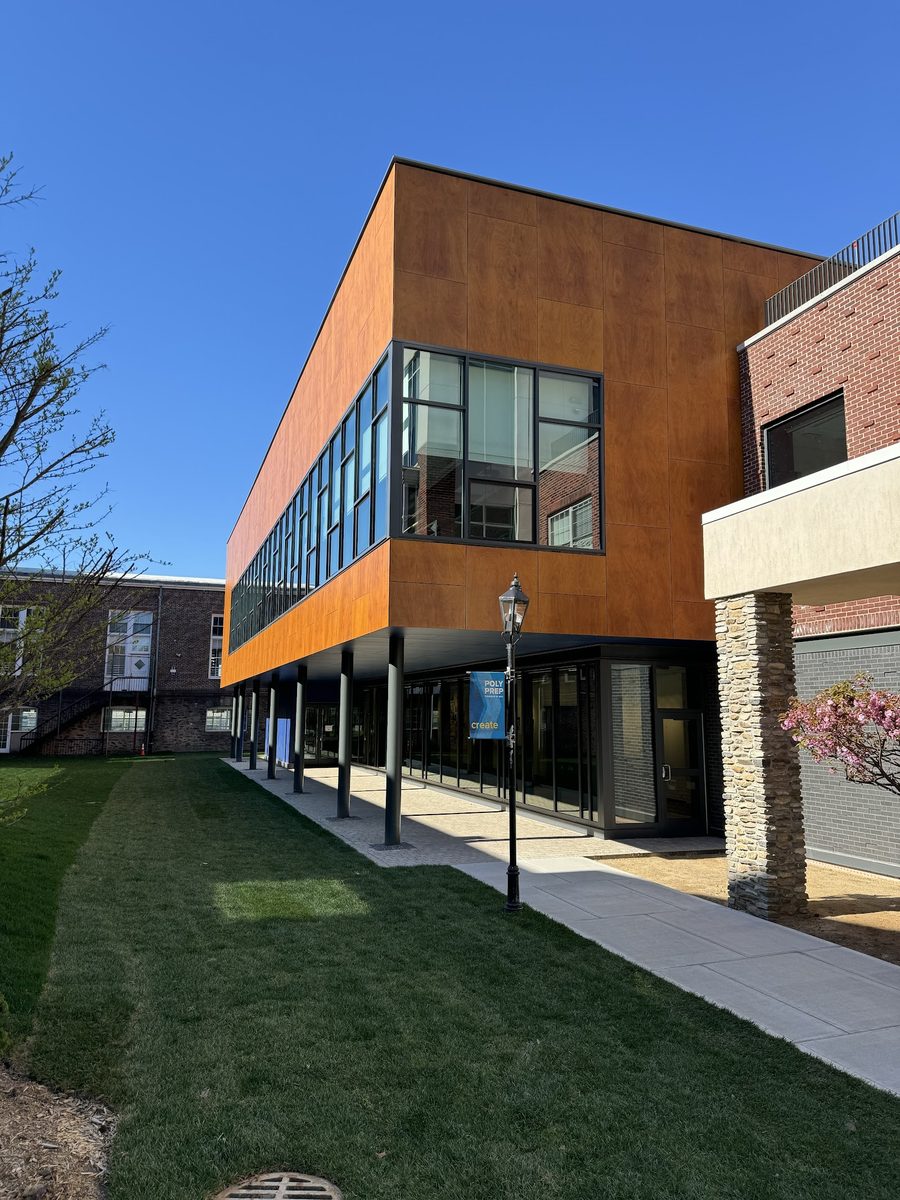
Founded in 1854 as Brooklyn's first boys' school, this day school pairs a Prospect Park mansion with a 25-acre Dyker Heights campus.

Marymount School of New York
New York City · United States
On Fifth Avenue, landmark mansions give way to Bloomberg terminals and classrooms inside the Met.
Boston University Academy
Boston · United States
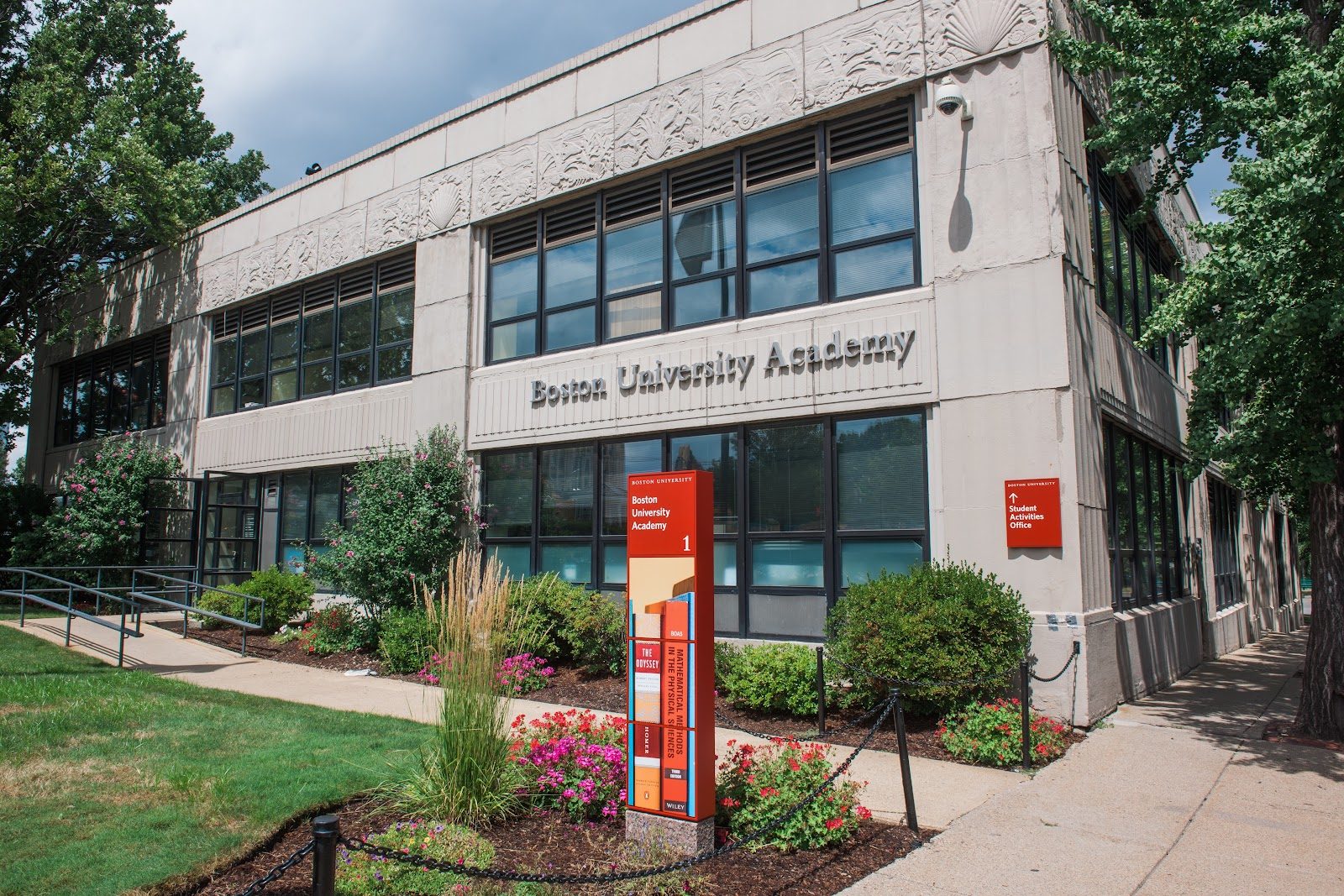
Upperclassmen trade study halls for Boston University lecture halls, banking college credit before graduation.
Same country and curriculum — closest matches within ±10 points either way