
Illinois
Loyola Academy
low confidence· 2/6 cats · 2.33 avg sourcesThe largest Jesuit high school in America draws teens from 90-plus Chicago zip codes into a century of Ignatian rigor.
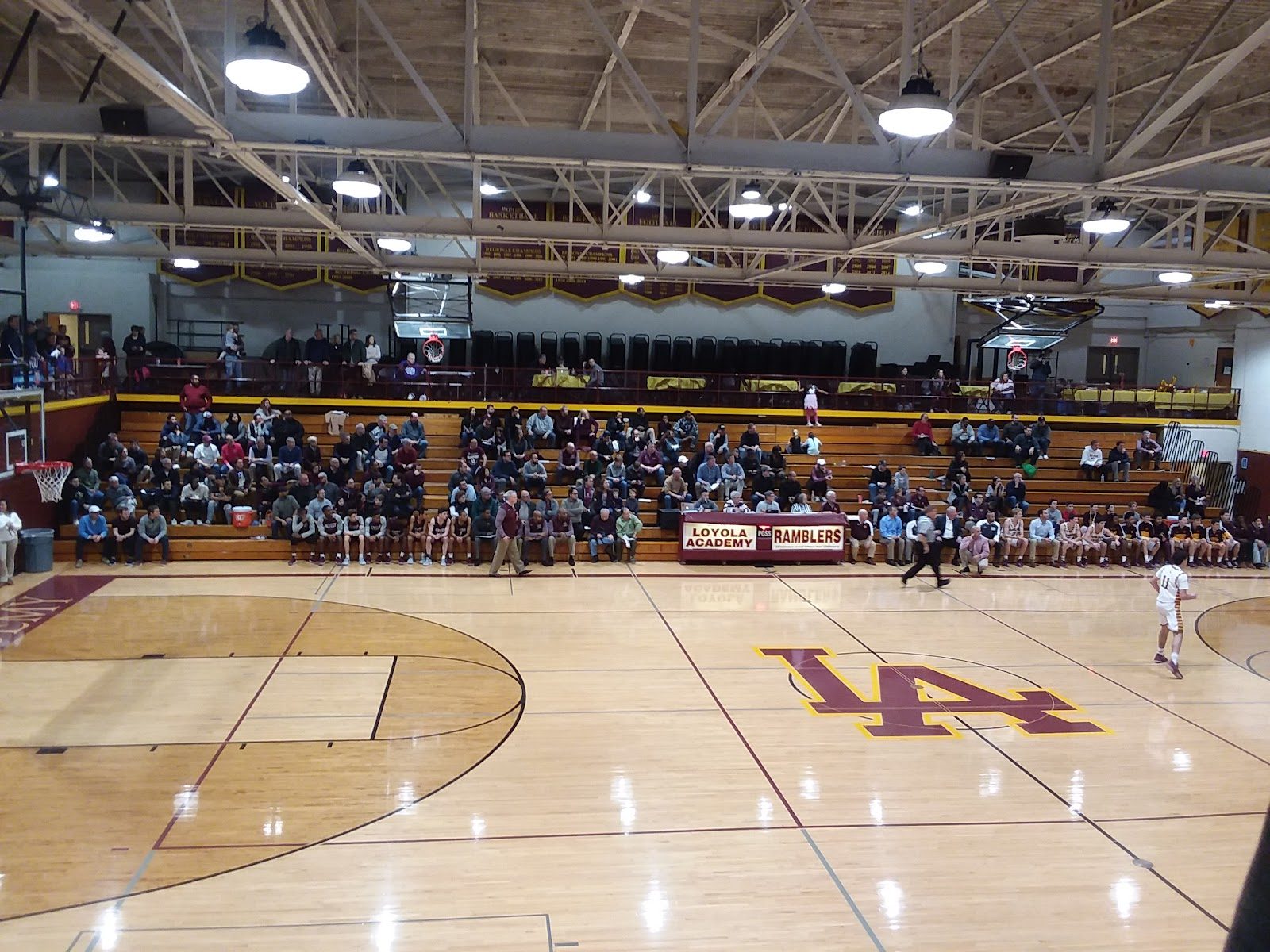
Photo © Jordan R via Google Maps
Type
Day
Ages
13–18
Curriculum
American
Qualifications
US High School Diploma · AP
Ratio
1:13
The Verdict
Editor's commitment
Right for
Chicago families wanting a Catholic, co-educational day school with American academics, 1:13 staffing and 2,000-plus students across 80-plus zip codes.
Wrong for
Anyone wanting a small school, boarding, or a secular ethos; Loyola Academy is Catholic, day-only, and the largest Jesuit high school in America.
Watch out for
Scale cuts both ways: founded in 1909 and drawing from 80-plus zip codes, this Wilmette school runs big by any private-school standard.
Ranking breakdown
Loyola Academy · #495 of 1591
Composite score 70.4. 8 weighted criteria.
By criterion
Academic Outcomes
Weight 20%
#511
of 1529 scored
University Placement
Weight 16%
#584
of 1529 scored
Prestige & Heritage
Weight 12%
#552
of 1529 scored
Alumni Network
Weight 12%
#180
of 1529 scored
Facilities
Weight 12%
#582
of 1529 scored
Transparency & Communications
Weight 8%
#457
of 1529 scored
Peer & Industry Review
Weight 10%
#479
of 1529 scored
Admissions Selectivity & Demand
Weight 8%
#760
of 1529 scored
Peer & Industry Review
How Loyola Academy is regarded in the sector
71
Respected · medium confidence
Among Chicago-area Catholic and independent schools, Loyola Academy is generally regarded as a solid, mainstream Jesuit option rather than a hyper-selective peer to institutions like the Latin School of Chicago or University of Chicago Lab Schools, which draw comparatively more national admissions attention. Its scale and Jesuit network place it alongside other large US Jesuit high schools (e.g., Loyola Chicago's broader Jesuit secondary school system) in specialist Catholic education press rather than in national independent-school league tables such as those compiled by British outlets like the Good Schools Guide or WhichSchoolAdvisor, which rarely profile it given its US public-adjacent Catholic model. University admissions offices in the Midwest recognize it as a reliable feeder of well-rounded, service-oriented applicants to state flagships and regional private universities, though it is not frequently cited in Ivy-focused admissions commentary. Its visibility rests more on athletic conference results and Jesuit education networks than on elite peer conference circuits or international league-table rankings.
- Bill Rancic — Entrepreneur, Businessman - first winner of The Apprentice
- Pat Fitzgerald — College Football Head Coach, Northwestern University
- Chris Chelios — NHL Hall of Fame Defenseman
Editors' overview
Loyola Academy occupies a rare position in the Chicago market: a large, urban-draw Catholic day school with the scale of a major American high school and the discipline of a Jesuit education. Founded in 1909, it serves more than 2,000 students and draws from more than 80 zip codes across the Chicago area. That matters. A school of this size can field a broad academic and co-curricular offer, but size also changes the daily experience: this is not an intimate village school where every pupil knows every other pupil. It is a busy, structured institution with a strong centre of gravity, shaped by Catholic life and Ignatian expectations. For families who want serious academic purpose, moral seriousness and a school community that reaches far beyond one affluent suburb, Loyola earns a place on the shortlist.
What sets it apart is the combination of reach, tradition and Jesuit identity. The largest Jesuit high school in America carries a distinct proposition: not boutique luxury, not progressive looseness, but a big-school version of intellectual discipline and service-minded ambition. The American college-preparatory curriculum is the baseline; the stronger differentiator is the school’s religious and philosophical frame. Jesuit schools work best for students who can handle scrutiny, deadlines, accountability and reflection without constant hand-holding. The published student–teacher ratio of 1:13 points to access to teachers, but no parent should mistake that for a small-school atmosphere. Loyola’s appeal lies in its earned seriousness and institutional confidence, not in pastoral cosiness.
The pupil who will thrive here is bright, organised and willing to work within a clear framework. Loyola suits teenagers who want a substantial peer group, a recognisable Catholic identity and a school that takes formation as seriously as grades. It will also suit families who value a socially mixed intake drawn from across metropolitan Chicago rather than a narrow neighbourhood enclave. Students who need a highly informal culture, light-touch expectations or a strongly secular environment will find the fit poor. For the right child, though, Loyola offers a sense of mission, big-school energy and a century-old Jesuit model that still carries weight.
Academic Performance
Loyola’s academic standing is easier to infer than to verify in hard public data. The school is a college-preparatory high school with a large senior cohort and a long-established reputation for sending graduates on to selective universities, but that is not the same thing as publishing clean, comparative outcomes. We have not seen aggregate SAT or ACT profiles, school-wide AP score distributions, National Merit totals, or university matriculation tables detailed enough to place Loyola precisely against Chicago’s strongest independent and Catholic competitors. That opacity matters. In a market where serious schools publish headline outcomes, missing exam data leaves parents to rely on reputation, selectivity and institutional history rather than cold performance evidence.
Even so, the broad contours are clear. A Jesuit school of this scale, drawing from 80-plus zip codes and enrolling 2,000-plus students, does not sustain its standing without solid academic machinery and a deep bench of able students. Relative to peers, Loyola sits in the upper tier of large Catholic college-preparatory schools in the region on stature and ambition alone. The unresolved question is whether it matches the very strongest exam-driven independents on measurable attainment, because the school does not publish enough for that judgment. Parents who want hard proof, not aura should ask for recent score profiles, AP distributions and matriculation breakdowns before treating prestige as performance.
Facilities
Facilities are where Loyola’s scale pays off. A school with more than 2,000 pupils can sustain a proper big-school platform: extensive classrooms, serious athletics provision, performance and assembly spaces that work for a full community, and the kind of operational infrastructure smaller Catholic day schools struggle to match. For parents, the key point is not architectural glamour but capacity. Loyola needs facilities that move large numbers of teenagers efficiently through an academically demanding day while still making room for sport, worship, student life and the ordinary logistics of a sprawling commuter catchment. In that respect, it sits closer to a major suburban independent than to a parish-school model. The campus has to function at volume, and that scale brings real breadth.
Against peers, that cuts both ways. Loyola holds an advantage over many faith-based schools in the region because size supports a wider and more durable facility base. It also avoids the boutique constraint of smaller independents, where specialist spaces can feel thin or oversubscribed. The trade-off is intimacy. Large campuses can feel institutional rather than personal, and families drawn to tightly knit, highly curated environments may read that as a drawback. We have not seen the school publish the kind of detailed facilities inventory that would let parents rank each lab, studio or athletic venue against top-fee independent competitors. The broad verdict still stands: Loyola offers the infrastructure of a serious mass-scale school, not a polished luxury enclave.
Among families who want faith, structure and academic ambition in one package, Loyola sits in the top rank
Prestige
Loyola carries real prestige in Chicago-area education, but it is a specific kind of prestige. This is not the cachet of a tiny East Coast-style independent with cloistered admissions mystique. It is the standing of a serious, high-output Jesuit institution with deep regional recognition, a powerful alumni and parent network, and the credibility that comes from educating more than 2,000 pupils drawn from more than 80 postcodes. Scale matters here: a school does not command that catchment, or sustain that level of demand, without a strong public reputation. Its Catholic identity sharpens the brand rather than narrowing it. Among families who want faith, structure and academic ambition in one package, Loyola sits in the top rank.
The rating stops short of untouchable elite status for one reason: prestige built on history, reach and institutional confidence is not the same as prestige proved by transparent outcomes. Loyola plainly has social and educational weight. The largest Jesuit high school in America carries instant name recognition and a degree of institutional authority that smaller schools cannot manufacture. But the school does not publish the kind of comparative attainment data that would settle the question at the very top end. That leaves Loyola with substantial prestige and strong market power, but not the impregnable, data-backed aura of the most academically explicit independents.
But the school does not publish the kind of comparative attainment data that would settle the question at the very top end
Communications
Communication at Loyola has a hard job because the school draws families from more than 80 zip codes and runs at a scale that leaves little room for muddle. That fact alone raises the standard: parents need clear calendars, timely operational notices and firm guidance on expectations, not vague community mood music. Loyola’s public-facing communication carries the stamp of a high-control institution. The message is coherent, the identity is unmistakably Catholic, and the school does not blur its moral or educational line. That matters. Parents are not left guessing what the adults in charge value. For some families, that directness will read as reassuringly disciplined; for others, it will feel top-down.
Effectiveness, though, is harder to score because Loyola does not publish the kind of parent-facing transparency that would strengthen trust in a crowded market. We have not seen rich public reporting on academic outcomes, and that gap affects communications as much as performance. A school can send frequent reminders and still withhold the numbers serious parents want. Loyola communicates its ethos well; it communicates measurable results less well. The distinction is important. Families who want institutional clarity about conduct, faith and day-to-day structure will find a school that knows how to speak with one voice. Families who want forensic candour on attainment and post-school outcomes need to ask sharper questions. In communication terms, Loyola is strong on message, weaker on disclosure.
Uniqueness
What makes Loyola distinctive is not novelty but scale fused to a Jesuit operating model. Plenty of Catholic schools offer values, service and college preparation; far fewer do it with a student body above 2,000 and a catchment spanning 80-plus postcodes. That combination changes the character of the place. Loyola is not a parish-school extension or a small independent with chapel attached. It is a mass-scale institution with a clear moral framework, drawing teenagers from across metropolitan Chicago into one shared culture of discipline, reflection and expectation. The result is a school with real social breadth by independent-school standards: pupils meet peers from outside their suburb, parish and immediate social circle, which gives daily life more range and more friction.
For students, that brings tangible advantages. A school this large can support serious internal variety — in friendships, viewpoints, activities and levels of ambition — without losing its centre. The Jesuit frame matters here because it prevents size from turning into drift. Students get the energy and opportunity of a big high school, but inside a culture that asks for accountability, service and thought rather than mere busyness. That will suit teenagers who want a demanding, structured adolescence and can handle scrutiny from adults who expect substance. It will not suit pupils who need softness, anonymity or a loose institutional grip. Loyola’s uniqueness lies in that tension: big, busy and exacting at once.
For some families, that directness will read as reassuringly disciplined; for others, it will feel top-down
Student Profile
The Loyola student is comfortable in a large, mixed social field and does not need a school to feel intimate in order to feel secure. With a roll above 2,000 and families arriving from more than 80 zip codes, the peer group is wide, mobile and varied by the standards of a suburban Catholic school. That suits teenagers who gain energy from range: different neighbourhoods, different family circumstances, different levels of confidence and polish. It also suits students who can make their own way socially without demanding constant adult mediation. Children who need a tiny circle, a gentle pace or a highly personalised social setting will find the scale hard to hide from. This is a place for pupils who can handle big-school anonymity without drifting.
Temperament matters as much as ability. Loyola fits students who accept authority, deadlines and a Catholic moral frame without endless negotiation. The strongest fit is a young person with serious internal drive: academically capable, organised, willing to be held to account, and open to the reflective side of Jesuit education rather than just its brand value. Ambitious athletes, performers and joiners have room to operate here because the student body is large enough to sustain breadth, but competition for attention and status comes with that territory. Teenagers who want structure with purpose will do well. Those who resist institutional rules, dislike religious expectations, or need a soft-edged culture will not.
What makes Loyola distinctive is not novelty but scale fused to a Jesuit operating model
Co-curricular strengths
Arts & sport, on a separate axis
Overall 8.88/10
Scored 0-10 from the school's own published evidence. This axis is editorial-only — it does not feed the main WTS ranking.
Sports
9.8/10
Drama
8.8/10
Dance
8/10
Music
9/10
Visual Arts
8.8/10
Strengths
- +Largest Jesuit high school in the United States, drawing over 2,000 students from more than 80-90 zip codes across the Chicago area.
- +Small student-teacher ratio of roughly 12:1 despite the school's large overall enrollment of about 2,000 students.
- +Strong standardized test averages, with students reporting an average SAT of 1310 and ACT of 29, alongside a 100% graduation rate.
- +Offers merit-based entrance scholarships (Bellarmine and Gravier Awards) tied to entrance-exam percentile scores, not solely need-based aid.
- +Extensive athletics and extracurricular program, fielding over 80 teams across 34 sports plus a long-established newspaper and yearbook.
Considerations
- −Explicitly Roman Catholic and Jesuit in mission and daily formation, which may not suit families seeking a secular or religiously neutral environment.
- −Acceptance rate of around 76% is described as more selective than the U.S. national private-school average of 85%, adding a real admissions hurdle.
- −Published day tuition figures vary by source (roughly $11,900 to $21,450), so relocating families should verify exact current costs directly with the school.
- −Located in suburban Wilmette, about 15 miles from central Chicago, meaning families without a car may face a longer commute than an in-city school.
Availability
Primary entry gate & tests
HSPT + Interview
Gallery
Photo © Jordan R via Google Maps
Photo © Jordan R via Google Maps
Parent reviews
Have you sent your child here?
Voice reviews carry the strongest trust badge — we transcribe them for you to tidy up before they go live. Prefer to type? A written review is fine too.
Add your voice
In 60 seconds, tell other parents: what's the best thing about Loyola Academy, and what surprised you when your child joined?
We ask for a Google sign-in so every review has a real face behind it — no anonymous drive-by attacks on schools, and no faked positive reviews. Your email is never shown publicly.
Send this profile to a friend
International parents rely on word-of-mouth. Share this review with someone weighing the same decision.
Schools with places
Similar schools to Loyola Academy with places available now.
BASIS Tucson North
Tucson · United States
- 2026-27
- PLACES OPENFall 2026 apps / open enrollment active
- 2027-28
- FUTURE CYCLEDates TBC
Friends Seminary
New York City · United States
- 2026-27
- WAITPOOLLate/held pending openings
- 2027-28
- OPENS SOONExpected Sept '26
Saint Ann's School
Brooklyn · United States
- 2026-27
- WAITPOOLLate / attrition-dependent
- 2027-28
- OPENS SOONOpens 8 Sept '26
Ethical Culture Fieldston School
New York City · United States
- 2026-27
- WAITPOOLLimited late availability
- 2027-28
- OPENS SOONOpens post-Labor Day '26
Availability first, then country, area, curriculum, price, co-curricular
Consider also
Also worth looking at alongside Loyola Academy.

Episcopal High School
Alexandria · United States
A 130-acre hilltop campus 10 minutes from the Capitol, running America's only fully residential school of its caliber in a major metro area.

Ransom Everglades School
Miami · United States
On Biscayne Bay since 1903, where sailing and marine science turn the water itself into a classroom
The Hill School
Pottstown · United States
Born in 1851 as the nation's first family boarding school, still pairing faculty and students under one roof on a Pottstown hilltop.
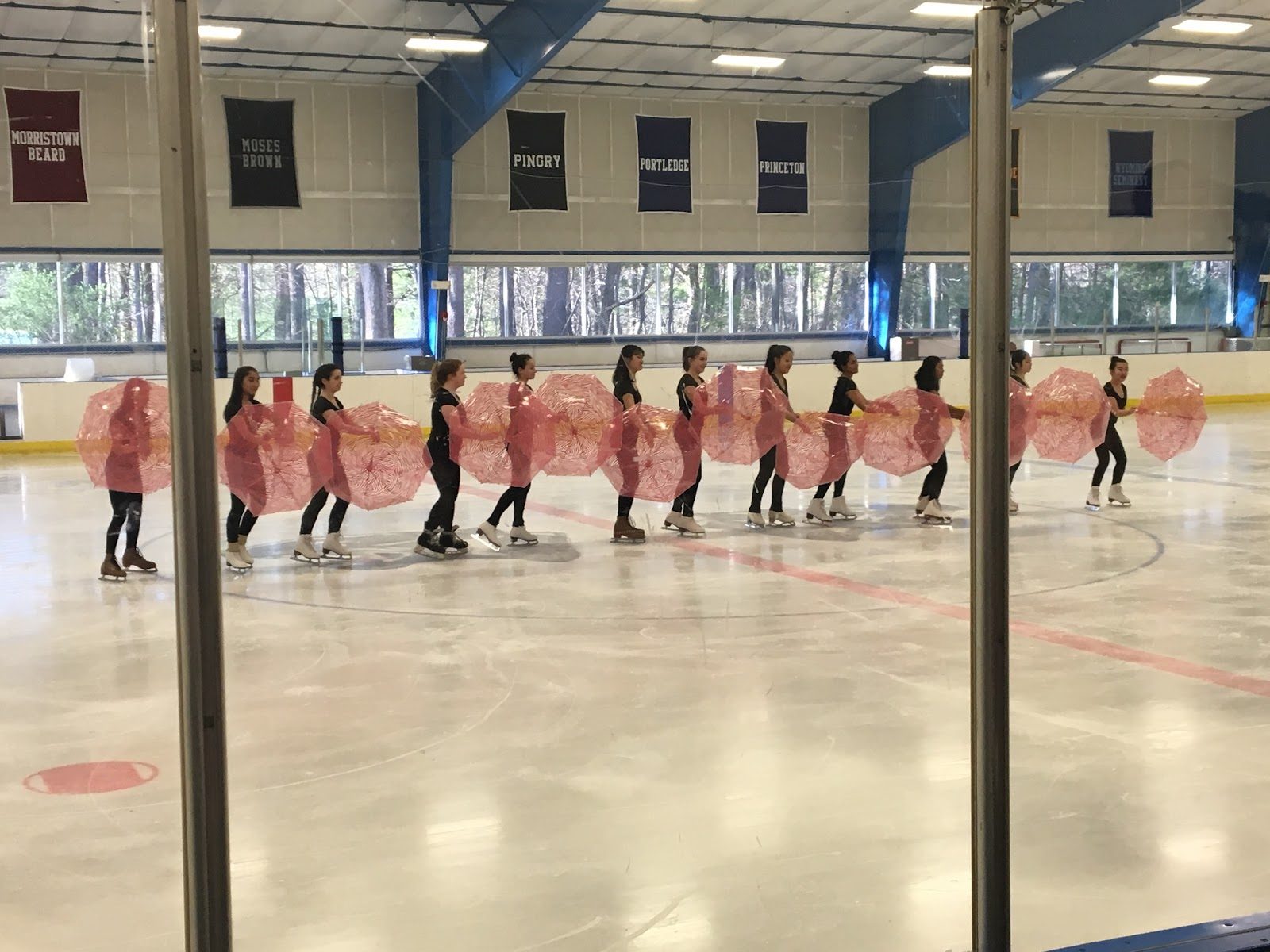
Princeton Day School
Princeton · United States
Formed by a 1965 merger of two century-old Princeton schools, pairing STEAM rigor with a rare four-year architecture program across 106 acres.
Same country and curriculum — closest matches within ±10 points either way