
Hong Kong
West Island School (ESF)
low confidence· 6/6 cats · 0 avg sourcesOn a clifftop above Pok Fu Lam's Lamma Channel, ESF's one-on-one tutor system anchors an MYP-to-IB pathway rich in championship sport.
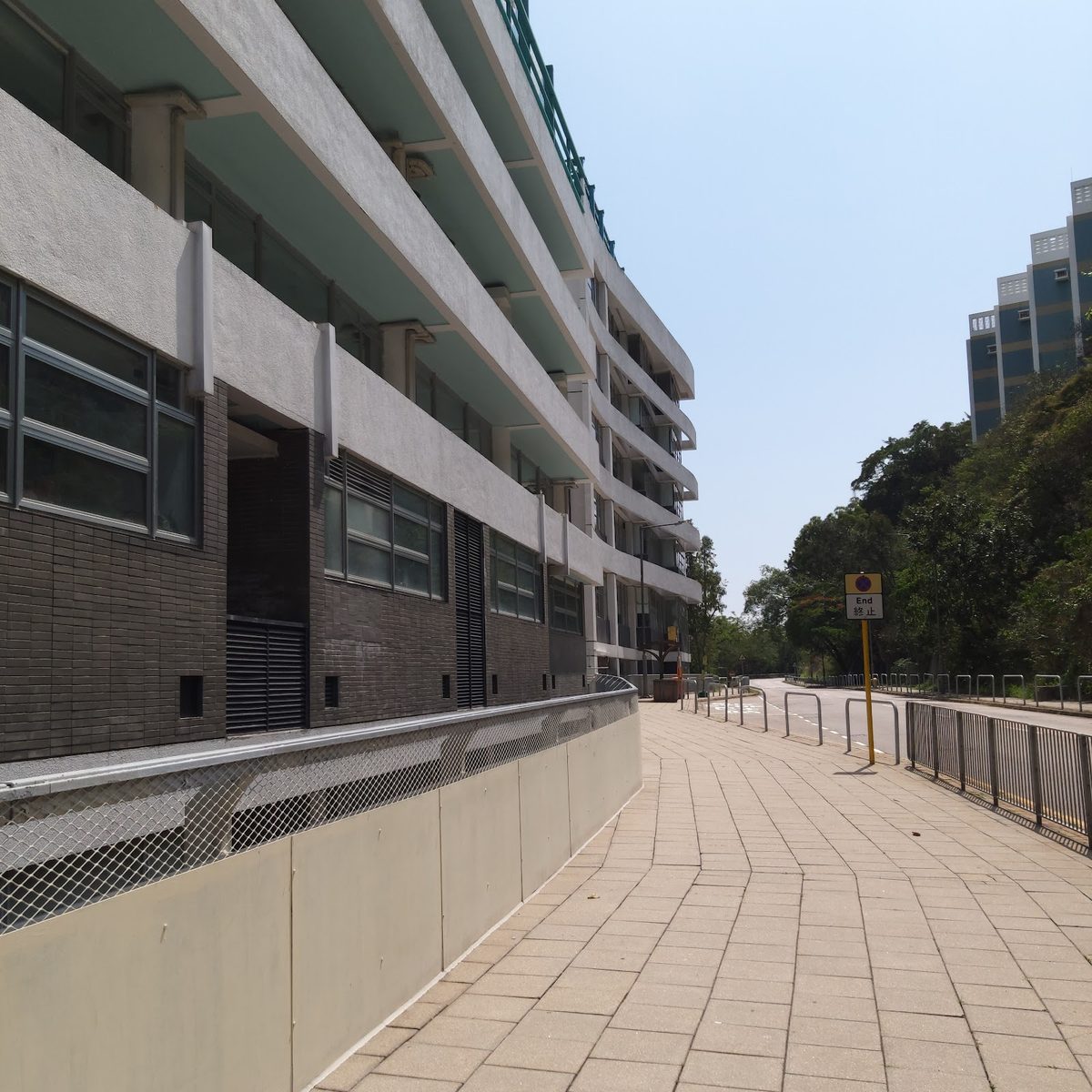
Photo © Edwin Wong via Google Maps
Type
Day
Ages
5–18
Curriculum
IB (Diploma, MYP) · IGCSE
Ratio
11:1
The Verdict
Editor's commitment
Right for
Families wanting English-medium continuity from age 5 to 18, with IGCSE, MYP and the IB Diploma under one ESF roof.
Wrong for
Parents after boarding, religious formation or a non-IB sixth form; this is a 1991-founded, non-religious day school.
Watch out for
An 11:1 ratio and average class size of 22 are solid, not boutique; personal attention depends on tutors, not tiny classes.
Ranking breakdown
West Island School (ESF) · #1150 of 1591
Composite score 60.0. 8 weighted criteria.
By criterion
Academic Outcomes
Weight 20%
#1085
of 1529 scored
University Placement
Weight 16%
#1089
of 1529 scored
Prestige & Heritage
Weight 12%
#1167
of 1571 scored
Alumni Network
Weight 12%
#950
of 1530 scored
Facilities
Weight 12%
#1175
of 1533 scored
Transparency & Communications
Weight 8%
#1100
of 1532 scored
Peer & Industry Review
Weight 10%
#1000
of 1548 scored
Admissions Selectivity & Demand
Weight 8%
#837
of 1529 scored
Peer & Industry Review
How West Island School (ESF) is regarded in the sector
66
Respected · medium confidence
West Island School holds a solid, well-established reputation as one of the senior schools within the English Schools Foundation, Hong Kong's largest English-medium international school network, and features in Tatler Asia's dedicated schools guide alongside SCMP's Good Schools Guide and WhichSchoolAdvisor's independent review. WhichSchoolAdvisor notes it is a large English Schools Foundation secondary school that follows the IB programme, best-known for its unique one-on-one tutoring model, its sporting achievements and its academic success, while the Good Schools Guide is candid that ESF West Island School is a well-kept secret which should bang its drum louder, with a refreshing range of options on offer in parallel to a mainstream curriculum. Tatler's profile adds that the vast majority of students graduate and attend international universities, with 90 per cent achieving admittance to their first-choice institution. This is a credible, consistently referenced school within Hong Kong's expat community, though it sits somewhat in the shadow of ESF's more heavily benchmarked flagship campuses rather than dominating standalone "best of Hong Kong" league tables.
Editors' overview
West Island School occupies a distinctive niche in Hong Kong’s English-medium market: an ESF all-through day school with a clear MYP-to-IB route, a large enough scale to offer breadth, and a setting that gives it a sense of remove from the city’s harder edges. Founded in 1991 and teaching in English, it combines IGCSE with the IB Middle Years Programme and Diploma Programme, which matters for families who want an internationally portable academic track without the doctrinal overlay or social polish of some older independent rivals. The numbers are attractive and concrete: a student-teacher ratio of 11:1 and an average class size of 22 give the school room for close academic monitoring without pretending to be boutique.
What marks West Island out inside the ESF group is its one-on-one tutor structure. That system gives pastoral care a defined mechanism rather than leaving it as a slogan. For the right child, that can be a stabilising thread through adolescence: one adult who knows the student well, tracks progress, and keeps home and school communication coherent. The school’s clifftop campus above Pok Fu Lam also feeds a culture that feels open-air, self-possessed and less hemmed in than many Hong Kong schools. Add strong sporting visibility and you get a campus culture with real appeal for students who want competition, team identity and a school week that extends beyond classroom performance.
Parents should shortlist West Island if they want an academically serious international school that is not fussy, not confessional and not narrow. It suits students who can handle pace, independence and the demands of an IB trajectory, but who also benefit from explicit pastoral scaffolding. It is a strong fit for grounded high-achievers, committed athletes, and teenagers who want a broad peer group rather than a rarefied enclave. It is less persuasive for families seeking a tiny school, a highly traditional British grammar, or a sheltered environment with heavy hand-holding from morning to night. West Island’s attraction lies in balance: structured but not stifling, ambitious without theatre, and large enough to give students room to find their lane.
Academic Performance
West Island publishes enough headline data to place it credibly among strong Hong Kong international schools, even if it does not give the full statistical granularity that the most hard-nosed parents want. Its IB Diploma results have been consistently solid rather than headline-chasing: the school reported an average score of 36.2 in one recent sitting, with a bilingual diploma rate of 31% and a pass rate of 96%. That puts it in the upper tier of large inclusive international schools in the city, though not in the tiny cluster that trades on extreme selectivity and stratospheric means. The more useful reading is cohort breadth: these are outcomes delivered at scale, in a school that serves a broad ability range and not a hand-picked exam factory.
The limitation is transparency below the top line. West Island does not publish the kind of deep breakdown that lets families scrutinise subject-by-subject strength, score distribution, or multi-year trend lines with forensic precision. We have not seen aggregate IGCSE results in the public domain either, which leaves a gap in judging pre-IB academic traction. Even so, the published IB outcomes, taken with the school’s academic breadth, support a clear conclusion: West Island is a serious academic option inside ESF, strongest for students who can sustain pace across a broad programme rather than those chasing a rarefied hothouse built around perfect scores.
Facilities
West Island’s strongest facility asset is not architectural splendour but usable breadth. The clifftop site gives it something many Hong Kong schools lack: room. That matters most in sport. The school has built a hard-working, competition-ready athletic culture, and facilities support that rather than merely decorating brochures. Students who train seriously benefit from space for fixtures, practices and team identity in a way that cramped urban campuses struggle to match. The arts also gain from a campus with enough physical capacity to stage performances, rehearse properly and avoid the improvised feel that afflicts weaker sites. For parents, the key point is functional quality: this is a campus that lets the school run a broad week, not just a narrow academic day.
Against Hong Kong peers, West Island sits above the city norm for day-school space and below the palatial standard of the richest greenfield campuses. It does not offer the showpiece excess of the newest purpose-built giants, but it also avoids the pinched, vertical feel of schools stacked into tight commercial plots. That middle ground suits the school’s character. Facilities are strong where student life is lived most visibly — sport, movement, gathering and day-to-day circulation — and less about luxury signalling. Families seeking immaculate grandiosity will find flashier options. Families who want a campus that works, gives teenagers air, and supports a serious extracurricular culture will judge West Island well equipped.
The school’s clifftop campus above Pok Fu Lam also feeds a culture that feels open-air, self-possessed and less hemmed in than many Hong Kong schools
Prestige
West Island carries solid Hong Kong international-school prestige, but not the lacquered, old-money variety. Its standing rests on the ESF name, credible academic outcomes, broad extracurricular life and an intake that is substantial rather than hyper-selected. That gives it real social legitimacy with employers, universities and parents who know the city’s school landscape. It does not trade on dynastic cachet or exclusion. It trades on being a serious, high-functioning school where able students can do well without entering a gilded enclave. The pastoral structure strengthens that reputation: a one-to-one tutor system signals organisation and accountability, not just scale. Strong sport adds visibility too; schools build prestige in public through fixtures, championships and the confidence of their students, and West Island has that harder-edged kind of institutional presence.
The ceiling is clear. West Island does not occupy the rarefied bracket reserved for the city’s most socially elite or academically mythologised schools. Its results are strong, but not so dominant that prestige derives from raw score worship alone. Nor does it cultivate the ceremonial grandeur or inherited mystique that some families still buy into. That is not a weakness unless prestige itself is the product. For parents who want recognisable quality, adult credibility and a peer group with substance, West Island has plenty of status. For parents chasing bragging-rights prestige above all else, there are schools with a flashier aura. Its advantage lies in substance over theatre, backed by a low staffing ratio of 11:1 and an IB pass rate of 96%.
The clifftop site gives it something many Hong Kong schools lack: room
Communications
West Island’s parent communication has a clear structural advantage: each student has a named tutor, which gives families a direct line into the school rather than forcing every concern through a generic year office. That matters more than polished newsletters. When communication works, it works because responsibility sits with an identifiable adult who knows the child well enough to separate a one-off wobble from a pattern. The school’s low staffing ratio and average class size — 11:1 and 22 — also support that model; teachers have a realistic chance of knowing who they are writing about. For parents, the result is a system that is more accountable, less anonymous and less prone to buck-passing than large schools where messages vanish into layers of administration.
The limit is scale. West Island is not a tiny school where every family knows every decision-maker, and large, busy institutions can drift into process-heavy communication that feels efficient to staff and impersonal to parents. That is the risk here. Still, the school’s pastoral architecture gives communication a practical spine rather than leaving it to goodwill. We judge it effective for day-to-day oversight, student welfare and early intervention, and less strong if a family wants white-glove responsiveness or constant hand-holding. In plain terms: parents get a credible route to the people who matter, backed by systems, not charm.
Uniqueness
West Island’s clearest point of difference is structural: the one-to-one tutor system gives each student a named adult with actual responsibility, not a diffuse year-group arrangement that leaves pastoral care to chance. In a large school, that matters. Teenagers get a consistent advocate who can track dips in effort, flag social trouble early and keep parents in the loop without every issue having to escalate into crisis management. For students who are bright but uneven, independent but not yet organised, that can be genuinely decisive. It gives the school a more human scale than its size implies and adds discipline to daily oversight without turning the place into a high-surveillance institution.
The other distinguishing feature is the combination of that pastoral rigour with a campus culture shaped by sport, outdoor space and a broad all-through age range. Many Hong Kong schools are either cramped and academic-first or spacious but socially diffuse. West Island manages a useful middle ground: energetic, busy and identity-rich without becoming claustrophobic. The low staffing ratio of 11:1 reinforces that advantage, as does an average class size of 22, both of which help teachers know students as individuals rather than as part of a cohort flow. For pupils, the result is a school that offers real room to grow — academically, socially and physically — while still keeping a firm adult hand on the tiller.
For students who are bright but uneven, independent but not yet organised, that can be genuinely decisive
Student Profile
West Island suits students who want a busy, outward-facing secondary school rather than a cocoon. The social fit is broad, but the culture has a clear centre of gravity: teenagers who can manage pace, absorb feedback and make use of adult guidance without needing constant supervision do well here. Sport carries weight in the school’s identity, so committed athletes and students who enjoy team life, fixtures and public competition will find real traction. Equally, it works for academically capable pupils who want a strong peer group without the airless intensity of a pure exam hothouse. The school’s low staffing ratio — 11:1 — and average class size of 22 help quieter students avoid getting lost, but this is not a refuge for children who need a highly sheltered environment or endless prompting.
The strongest fit is the student who is self-starting but not fully formed: bright, active, socially functional and responsive to structure. West Island gives that kind of adolescent room to stretch while keeping adult oversight close enough to catch drift early. It also suits families who value grounded ambition over polish and who want a peer group that is mixed in interests, temperament and background rather than narrowly groomed. Students looking for a tiny, intimate school or a ceremonial, old-world culture will not find it here. Students who want breadth, movement and a school life with more than one lane usually fit well.
What marks West Island out inside the ESF group is its one-on-one tutor structure
Co-curricular strengths
Arts & sport, on a separate axis
Overall 8.74/10
Scored 0-10 from the school's own published evidence. This axis is editorial-only — it does not feed the main WTS ranking.
Sports
9/10
Drama
8.8/10
Dance
8.5/10
Music
8.7/10
Visual Arts
8.7/10
Strengths
- +IB Diploma, MYP and IGCSE pathways under one roof
- +English-medium teaching suits internationally mobile families
- +11:1 student-teacher ratio allows more individual attention
- +Average class size 22 is comparatively manageable
Considerations
- −Day school only; no boarding option
- −Non-religious ethos won't suit faith-based preferences
- −Pok Fu Lam location may mean longer cross-Hong Kong commutes
Availability
Primary entry gate & tests
ESF Central Allocation Test
Gallery
Photo © Edwin Wong via Google Maps
Photo © Kai Ming Yu via Google Maps
Photo © Bulana traveling via Google Maps
Photo © Sunny Hiker via Google Maps
Photo © Nick Yung via Google Maps
Photo © Louis Ng via Google Maps
Photo © Somu Patil via Google Maps
Photo © Kelvin Chow via Google Maps
Photo © jack LI via Google Maps
Parent reviews
Have you sent your child here?
Voice reviews carry the strongest trust badge — we transcribe them for you to tidy up before they go live. Prefer to type? A written review is fine too.
Add your voice
In 60 seconds, tell other parents: what's the best thing about West Island School (ESF), and what surprised you when your child joined?
We ask for a Google sign-in so every review has a real face behind it — no anonymous drive-by attacks on schools, and no faked positive reviews. Your email is never shown publicly.
Send this profile to a friend
International parents rely on word-of-mouth. Share this review with someone weighing the same decision.
Schools with places
Similar schools to West Island School (ESF) with places available now.
Harrow International School Hong Kong
Hong Kong · Hong Kong
- 2026-27
- WAITPOOLSpace-dependent
- 2027-28
- OPENS SOONOpens 1 Sept '26
Kellett School
Hong Kong · Hong Kong
- 2026-27
- WAITPOOLSpace-dependent
- 2027-28
- PLACES OPENRolling
Li Po Chun United World College of Hong Kong
Hong Kong · Hong Kong
- 2026-27
- CLOSEDStandard route closed
- 2027-28
- WAITPOOLVaries by National Committee / Direct
German Swiss International School
Hong Kong · Hong Kong
- 2026-27
- PLACES OPENRolling
- 2027-28
- PLACES OPENRolling
Availability first, then country, area, curriculum, price, co-curricular
Consider also
Also worth looking at alongside West Island School (ESF).
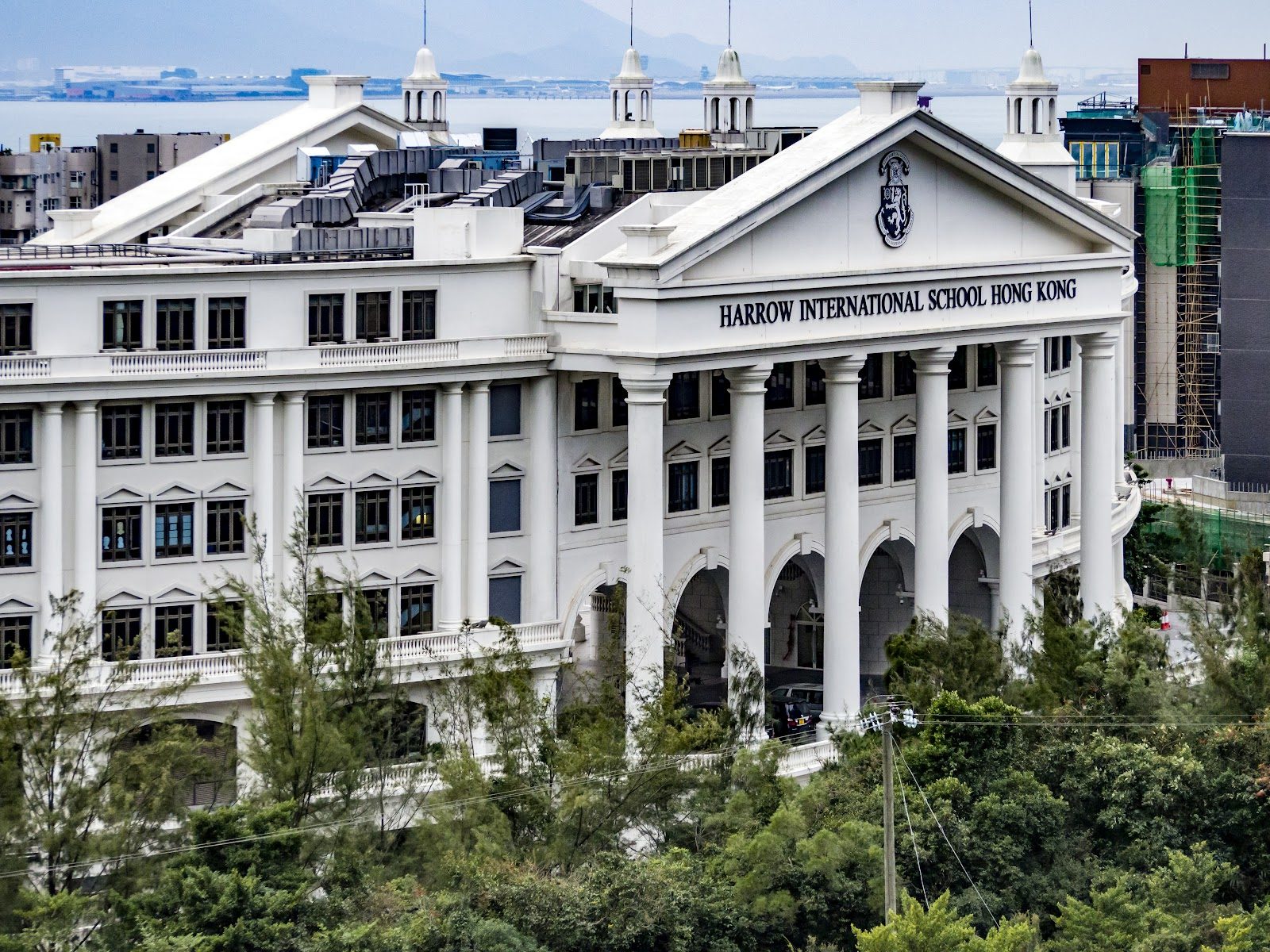
Harrow International School Hong Kong
Hong Kong · Hong Kong
A crescent-shaped Tuen Mun campus, modelled on Bath's Royal Crescent, houses Hong Kong's only formal weekly boarding and house system.

Le Régent International School
Crans-Montana · Switzerland
A purpose-built 2015 alpine campus at 1,500m pairing British and IB curricula with daily ski-in, ski-out outdoor education.
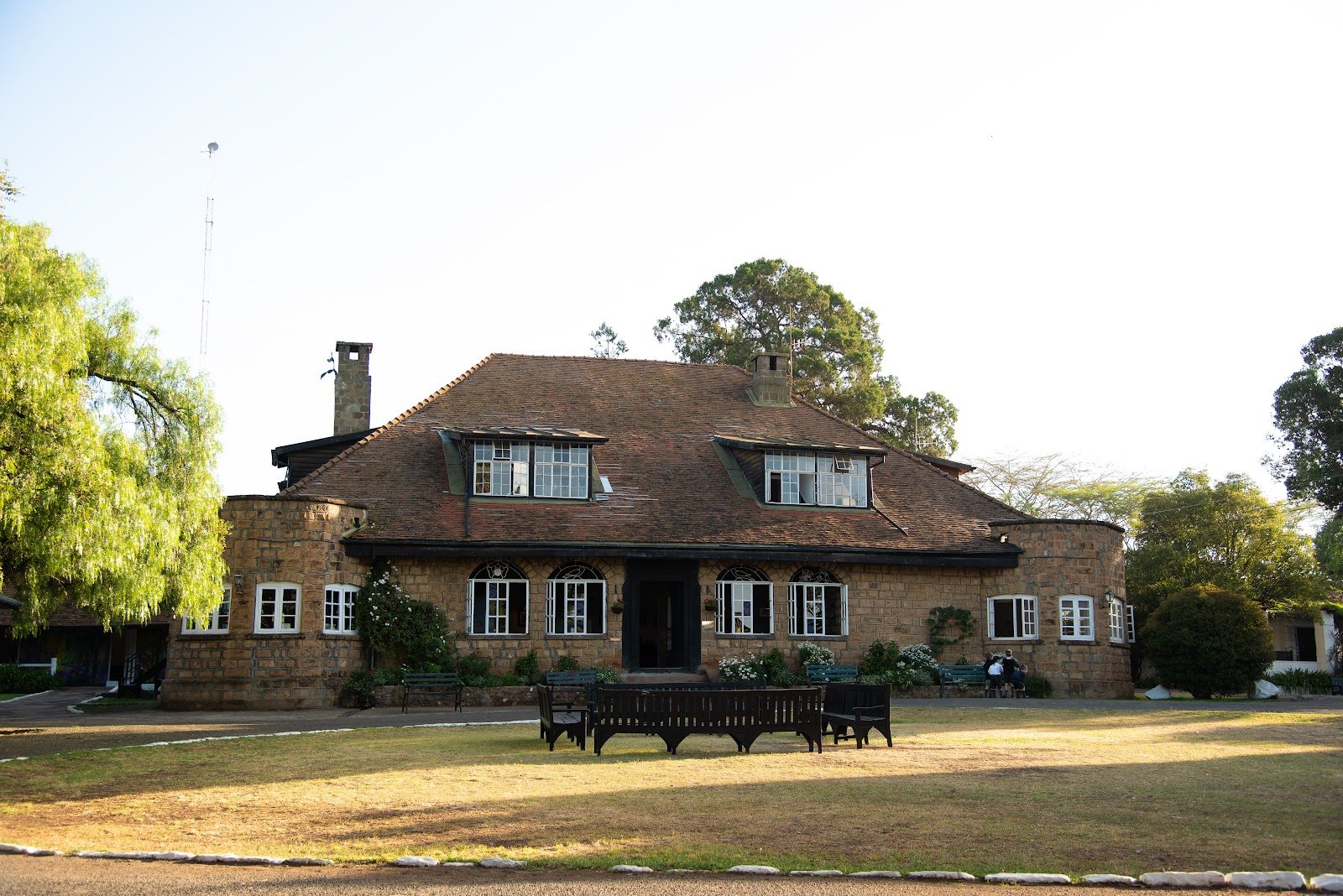
Pembroke House School
Gilgil · Kenya
Nearly a century deep in the Great Rift Valley, this British prep drills pupils through Common Entrance into top senior schools abroad.
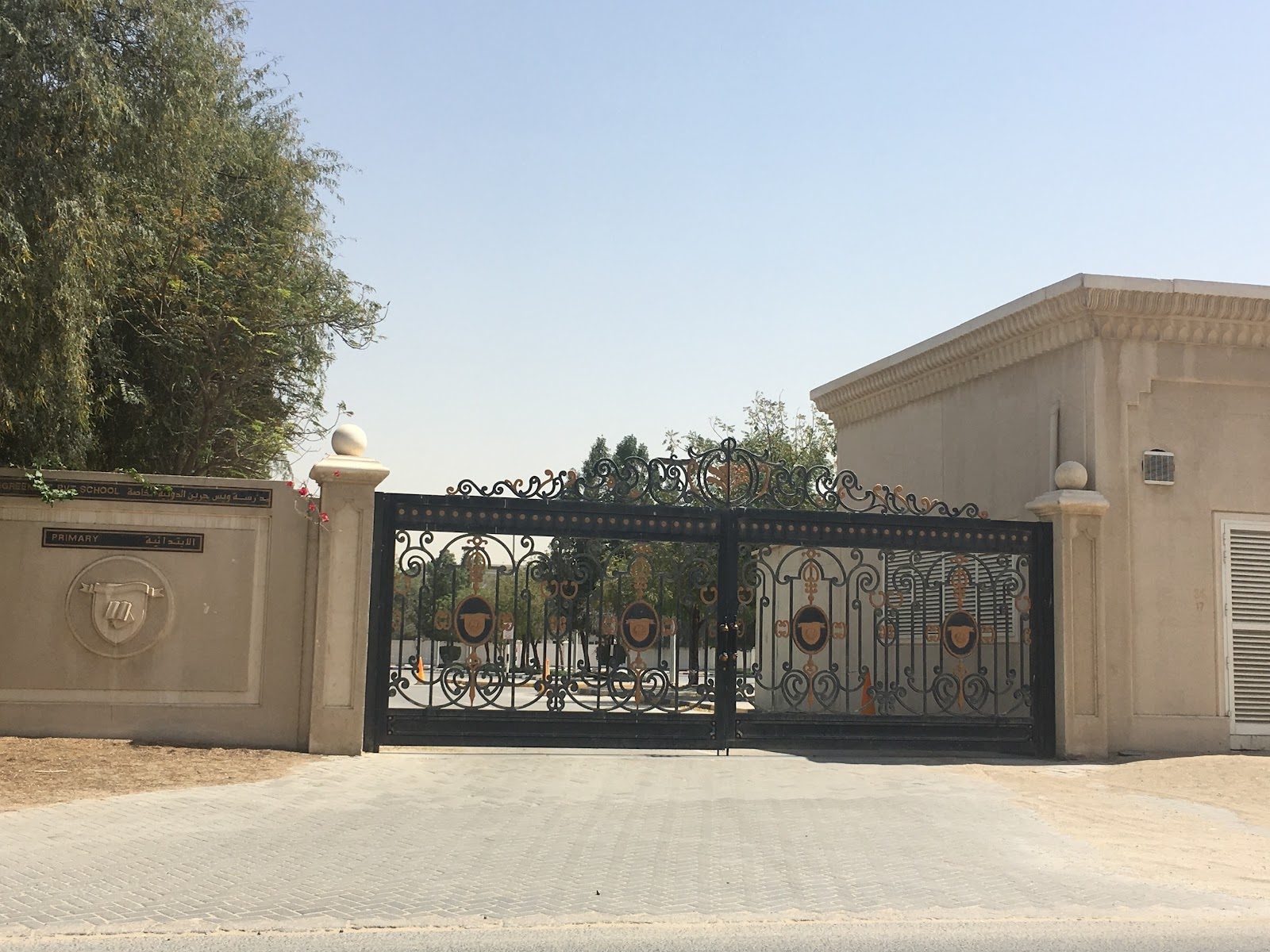
Wesgreen International School
Sharjah · United Arab Emirates
Founded by Sharjah's royal family in 1991, it runs separate boys' and girls' secondary campuses under a British Cambridge curriculum.
Same country and curriculum — closest matches within ±10 points either way