
Hong Kong
Li Po Chun United World College of Hong Kong
high confidence· 5/6 cats · 3 avg sourcesPerched above Tolo Harbour, this United World College gathers scholars from 90 nations for a service-driven IB Diploma.
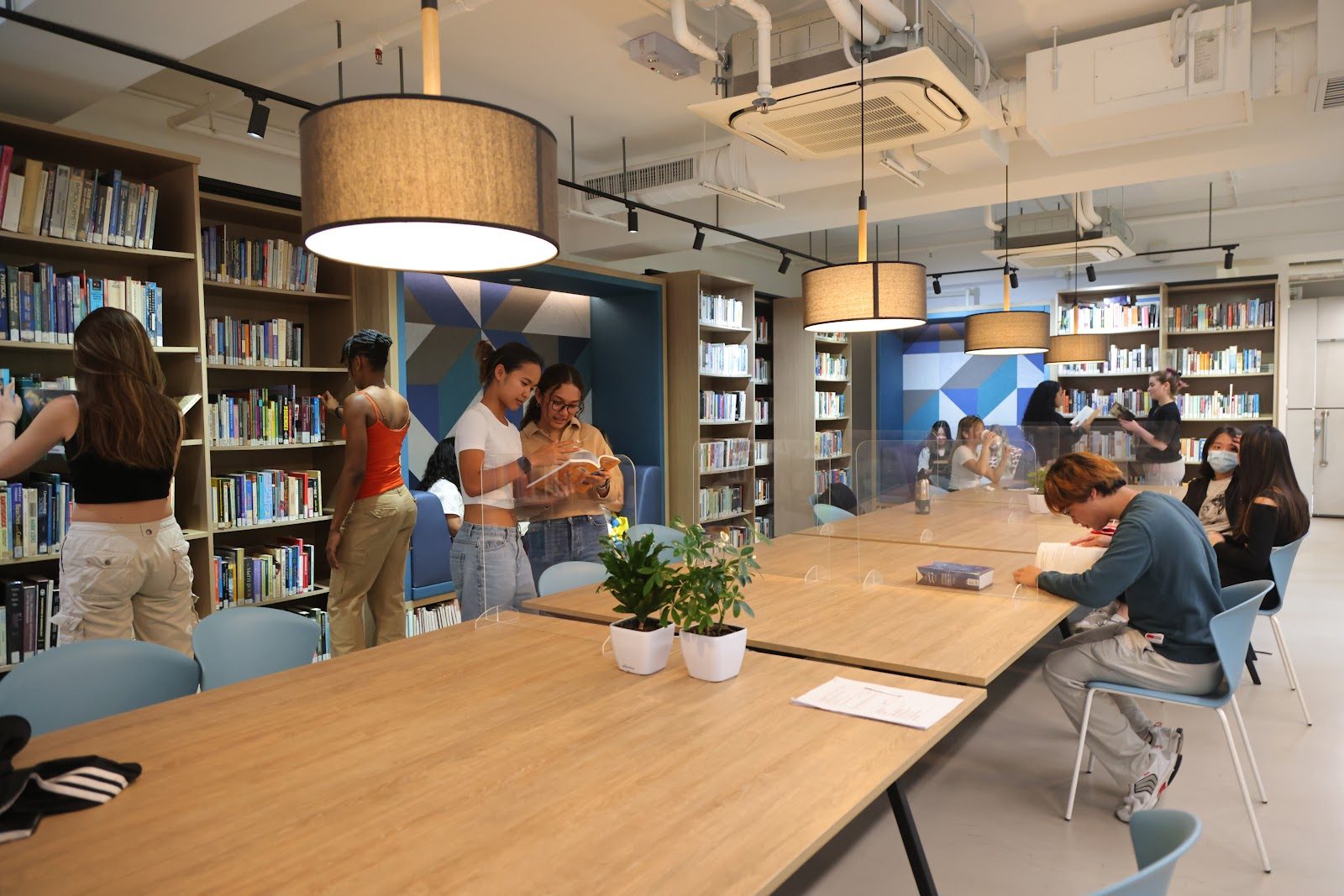
Photo © Li Po Chun United World College of Hong Kong via Google Maps
Type
Boarding
Ages
16–18
Curriculum
IB
Ratio
—
The Verdict
Editor's commitment
Right for
Sixth-form boarders who want the IB Diploma in English, a service-heavy culture, and classmates drawn from over 100 nations.
Wrong for
Families wanting ages 3–18 continuity, day-school flexibility, or any curriculum beyond the two-year IB Diploma at 16–18.
Watch out for
Boarding averages HKD 270,000 a year, and the college does not publish aggregate IB results despite IBO accreditation and its 1992 pedigree.
Ranking breakdown
Li Po Chun United World College of Hong Kong · #646 of 1591
Composite score 67.3. 8 weighted criteria.
By criterion
Academic Outcomes
Weight 20%
#261
of 1529 scored
University Placement
Weight 16%
#263
of 1529 scored
Prestige & Heritage
Weight 12%
#819
of 1571 scored
Alumni Network
Weight 12%
#1321
of 1530 scored
Facilities
Weight 12%
#339
of 1533 scored
Transparency & Communications
Weight 8%
#204
of 1532 scored
Peer & Industry Review
Weight 10%
#134
of 1548 scored
Admissions Selectivity & Demand
Weight 8%
#334
of 1529 scored
Score history
Li Po Chun United World College of Hong Kong · 2026
Movement across 2024–2026. Peer average overlaid.
Overall — 2024–2026
67.3/ 100
▲ +21.3 vs 2025
year on year
Peer & Industry Review
How Li Po Chun United World College of Hong Kong is regarded in the sector
70
Respected · medium confidence
Li Po Chun United World College trades on the international prestige of the UWC movement itself, a network whose reputation for mission-driven, need-blind boarding education gives it standing well beyond a typical Hong Kong sixth-form. WhichSchoolAdvisor's review highlights its "strong academic record" and a 2018 average IBDP score of 35.5 against a global mean of 30, with a 92% pass rate feeding entrants into leading US, UK and Hong Kong universities. Tatler Asia's guide profiles its need-blind admissions and purpose-built Ma On Shan campus, while the Good Schools Guide has also produced an independent review, confirming genuine cross-publisher industry attention. Coverage remains narrower than the territory's largest international day schools, and results data beyond 2018 is thin in third-party sources, but as a scholarship-led UWC college it occupies a distinct, respected niche in Hong Kong's boarding landscape.
Evidence sources
- Wong Yan-lung — Former Secretary for Justice, Hong Kong Government
- Audrey Eu — Barrister and politician
- Fred Lam — CEO, Airport Authority Hong Kong
Editors' overview
Perched above Ma On Shan Country Park and looking over Tolo Harbour, Li Po Chun United World College of Hong Kong trades on something rarer than a glossy campus: intensity of purpose. This is a boarding school for ages 16 to 18, founded in 1992, teaching the IB Diploma in English, and it is built for students who want the final two years of school to feel immersive, international and service-led. The school’s own account points to students from over 100 nations and more than 90 activities beyond the classroom. That breadth matters. At sixth-form age, many schools talk about global citizenship; LPCUWC organises daily life around it.
What sets it apart is the combination of full boarding, a single-curriculum focus and a mission that reaches past exam preparation. There is no attempt to be all things to all families. This is not a through-school with multiple pathways and a soft landing for uncertain teenagers; it is an IB boarding college with a clear idea of the student it wants. The UWC model attracts young people who are academically serious, outward-facing and willing to live closely with peers from very different backgrounds. Parents who want constant hand-holding, heavy social polish or a narrow university-drill culture will find better fits elsewhere. Parents who want their child tested by a demanding peer group and a service-heavy residential life should pay attention. The published boarding fee, at an average HK$270,000 a year across the two-year programme, places it in the premium Hong Kong market without tipping into the territory of pure luxury branding.
Why shortlist it? Because few schools in Hong Kong offer this degree of international mix, residential independence and clarity of mission in one package. The IB Diploma already asks for range, stamina and self-management; adding boarding and community engagement raises the bar again. That will suit the student who is restless in conventional high school settings, eager for serious discussion, and ready to commit to a community larger than their own friendship circle. It will not suit every 16-year-old. It will suit the student who wants school to be transformative, not merely comfortable.
Academic Performance
Li Po Chun United World College lives or dies by one set of public exams, and that makes transparent outcomes more important here than at a larger school with several pathways. On that front, the school gives parents almost nothing concrete to work with. We have not seen published aggregate Diploma scores, subject averages, pass rates, university placement breakdowns or year-on-year trend data. That is a real weakness. In a market where strong sixth-form schools use results to establish academic credibility, this level of opacity leaves families relying on reputation, mission and peer intake rather than hard evidence. For a college built around the final two years of schooling, that is a demanding ask.
Relative to peers, the school sits in a distinct niche rather than a conventional exam-results race. The United World College model, the residential setting and a student body drawn from over 100 nations point to a cohort selected for intellectual seriousness and international engagement, not rote score-chasing. That can produce high-level discussion, intellectual stretch and strong university destinations. It does not excuse the absence of published headline data. Parents comparing LPCUWC with academically explicit IB competitors in Hong Kong or other UWC campuses will find less numerical proof here than they deserve. The academic proposition still carries weight; the public reporting does not. For results-driven families, that gap matters a great deal.
Facilities
Facilities here serve the residential programme first and the prospectus second. The important asset is the campus itself: a boarding college set on a hillside beside country park land, with open views over the harbour and direct access to outdoor space that many urban Hong Kong schools cannot match. For a school built around shared living, that matters more than marble foyers or branded sixth-form centres. The school also points to more than 90 activities, which implies a campus with enough teaching, social and practical space to keep students occupied well beyond lessons. At its best, that produces a self-contained, high-intensity student life where study, service and friendship all happen in the same orbit. Against Hong Kong day schools, that is a clear structural advantage. Against top-tier boarding campuses elsewhere in Asia, it is more functional than lavish.
What is missing is just as important. The school does not publish the kind of granular facilities detail serious parents now expect: no clear public inventory of specialist science provision, performing arts spaces, sports infrastructure or design and technology resources. That opacity matters because sixth-form-only schools need strong specialist rooms, not just dorms and good scenery. UWC’s ethos does not require luxury, and many families will welcome a campus that feels purpose-built rather than indulgent. Still, peers at the premium end do a better job showing exactly what students can use, and that leaves LPCUWC’s physical offer less legible than it should be.
Against top-tier boarding campuses elsewhere in Asia, it is more functional than lavish
Prestige
Li Po Chun United World College carries real prestige, but it is a specific kind of prestige. This is not status built on old-money ritual, selective branding or a polished local social scene. It rests on admission to the UWC network, the concentration of ambitious teenagers in one residential community, and the expectation that students will live with difference rather than talk about it. A cohort drawn from over 100 nations gives the school an international credibility that many “global” schools never reach. The school also cites more than 90 activities, which matters less as a brochure statistic than as evidence of a culture that expects students to do more than attend lessons and collect grades. That combination makes the college globally legible to universities and to families who know the UWC name.
The limits are clear. Prestige here is mission-driven, not data-driven. The school benefits from the halo of the wider UWC movement and from the seriousness associated with a two-year pre-university college, but it does not strengthen that standing with the kind of published outcomes top academic operators now treat as standard. That weakens its case with parents who equate prestige with measurable academic dominance. Even so, among internationally minded families, and within circles that value substance over polish, LPCUWC holds genuine cachet. It is hard-earned prestige: less about surface reputation, more about who gets in, who thrives, and the kind of adult the school expects its students to become.
Perched above Ma On Shan Country Park and looking over Tolo Harbour, Li Po Chun United World College of Hong Kong trades on something rarer than a glossy campus: intensity of purpose
Communications
For a school built around residential intensity and an internationally dispersed parent body, communication needs to do two jobs at once: transmit information cleanly and sustain trust across distance. The public-facing side is mixed. The website gives the broad story, the mission and the leadership voice in unmistakably idealistic terms, but it is weak on the practical detail serious parents use to judge day-to-day competence. We do not see enough operational clarity on academic reporting, specialist provision or outcomes. That matters more here than at a conventional local day school, because many families will be handing over pastoral oversight to the college for the full term. When a school asks for that level of confidence, opaque public reporting is a liability.
That does not mean parent communication inside the community is poor; it means the external evidence is thin. The school’s own emphasis on a residential programme, community engagement and more than 90 activities points to a complex operation that demands frequent coordination with families. Any boarding school serving students from over 100 nations needs disciplined channels, clear routines and quick responses. The issue is that LPCUWC does not show enough of that machinery in public. Parents already sold on the UWC idea will tolerate a mission-first communications style. Harder-nosed families will want cleaner proof of process, stronger publication of key information and less rhetorical uplift. At present, the communications style feels values-heavy and administratively under-explained.
Uniqueness
What makes Li Po Chun distinctive is the compression. Most schools that talk about internationalism spread it thinly across a long age range, a large campus and a broad menu of pathways. Here, everything concentrates into the final stretch before university: one age group, one residential community, one academic route, and a daily expectation that students will work, live and disagree with people from far outside their own reference points. That creates a rare intensity. The UWC connection matters, but the sharper differentiator is the social architecture: adolescents arriving from across the world and sharing not just classrooms but meals, routines, deadlines and responsibilities. A student who wants comfort, familiarity and easy consensus will struggle. A student who wants to be stretched by peers from 100 nations will get exactly that.
The gain for students is not just cultural exposure. It is accelerated maturity. Residential life at this stage forces time management, self-command and a thicker skin than most day-school sixth forms demand. The school’s emphasis on activities and community engagement, with more than 90 options beyond lessons, adds another layer: students are pushed to test convictions in practice, not just discuss them in theory. That can be deeply formative. It also makes the college not for the faint-hearted. The pressure comes from proximity, pace and the expectation of contribution. For the right student, that mix produces unusual confidence, durable friendships and a stronger sense of how to operate in a complicated world.
The school’s own account points to students from over 100 nations and more than 90 activities beyond the classroom
Student Profile
The right student for Li Po Chun is not just bright. They need strong internal drive, emotional steadiness and a real appetite for living in close quarters with peers who will challenge their assumptions. This school suits sixth-formers who are ready to leave behind the soft edges of conventional school life: students who can manage their own time, hold their own in discussion, and recover fast when ideas or habits are tested. The social environment is unusually intense. A teenager who needs constant adult prompting, clings to familiar friendship patterns or wants school to revolve around personal comfort will find the adjustment hard. A teenager who wants serious company and expects friends to double as intellectual sparring partners will fit far better.
It also suits students who want their values put under pressure, not merely praised in assembly language. The college talks about community engagement and offers more than 90 activities, so the best fit is a student willing to commit beyond lessons: to service, collaboration, and the daily discipline of contributing to a shared residential culture. The international reach matters too. In a community drawn from over 100 nations, social ease across cultures is not an optional extra; it is part of the job. This is a demanding social education for students who are curious, resilient and prepared to be unsettled in productive ways. For the right teenager, that is deeply formative.
At sixth-form age, many schools talk about global citizenship; LPCUWC organises daily life around it
Co-curricular strengths
Arts & sport, on a separate axis
Overall 8.3/10
Scored 0-10 from the school's own published evidence. This axis is editorial-only — it does not feed the main WTS ranking.
Sports
8/10
Football, Basketball, Swimming and Outdoor Education, showing a clear multi-activity sports offering, but provides no named facilities, specialist staff, fixtures or competitive results.
Drama
8.5/10
Drama Production is explicitly named in the extracurricular list, but there is no further detail on productions, facilities, staff or programme structure.
Dance
8/10
Music
8.5/10
Choir Ensemble and Orchestra, indicating more than a bare mention of music through named ensembles.
Visual Arts
8.5/10
Editor first-pass · editor-reviewable · 7/28/2026
Notable alumni · Wikidata
8notable alumni
0 historic (born pre-1930) · 6 modern (born post-1970)wikidata:2026-07-28 How we source this
Strengths
- +IB Diploma results have consistently outperformed the world average, with averages of 36-37.5 points in several years versus a global average around 31, and roughly a quarter of students scoring 40 or more.
- +The great majority of the roughly 250-258 students receive need-based or merit scholarships, so admission is not effectively gated by ability to pay.
- +The student body is drawn from about 80-90 countries, giving genuine cultural diversity for a school of its size.
- +As part of the 18-member United World Colleges movement (opened 1992, the seventh UWC), the college has an established international network for university guidance and alumni support.
- +Classes are kept small, at roughly 12-18 students, within a fully residential campus set beside Ma On Shan Country Park.
Considerations
- −The college teaches only the two-year IB Diploma Programme for ages 16-19; it is not a K-12 school and families cannot enrol children earlier or keep them on after graduation.
- −It is 100% boarding with no day-student option, meaning full-time residential life is compulsory rather than a choice.
- −Admission is highly competitive: historically only around 50 of roughly 300 Hong Kong applicants are accepted each year, with additional places allocated to other UWCs rather than this campus.
- −The Wu Kai Sha campus in the New Territories, near Ma On Shan Country Park, is less central than many Hong Kong international schools, adding commuting time for day visitors or family events.
Availability
Primary entry gate & tests
UWC National Committee / Direct
Gallery
Photo © Usoff Tsao via Google Maps
Photo © Jane via Google Maps
Photo © Jane via Google Maps
Photo © Jane via Google Maps
Photo © HK Muslimah LTC via Google Maps
Photo © Kat Ha via Google Maps
Recommended reading
Independent write-ups of this school from editorial outlets we trust.
Parent reviews
Have you sent your child here?
Voice reviews carry the strongest trust badge — we transcribe them for you to tidy up before they go live. Prefer to type? A written review is fine too.
Add your voice
In 60 seconds, tell other parents: what's the best thing about Li Po Chun United World College of Hong Kong, and what surprised you when your child joined?
We ask for a Google sign-in so every review has a real face behind it — no anonymous drive-by attacks on schools, and no faked positive reviews. Your email is never shown publicly.
Send this profile to a friend
International parents rely on word-of-mouth. Share this review with someone weighing the same decision.
Schools with places
Similar schools to Li Po Chun United World College of Hong Kong with places available now.
Harrow International School Hong Kong
Hong Kong · Hong Kong
- 2026-27
- WAITPOOLSpace-dependent
- 2027-28
- OPENS SOONOpens 1 Sept '26
Kellett School
Hong Kong · Hong Kong
- 2026-27
- WAITPOOLSpace-dependent
- 2027-28
- PLACES OPENRolling
German Swiss International School
Hong Kong · Hong Kong
- 2026-27
- PLACES OPENRolling
- 2027-28
- PLACES OPENRolling
Hong Kong International School
Hong Kong · Hong Kong
- 2026-27
- WAITPOOLVacancy-dependent
- 2027-28
- PLACES OPENPriority 1 Oct/1 Nov
Availability first, then country, area, curriculum, price, co-curricular
Consider also
Also worth looking at alongside Li Po Chun United World College of Hong Kong.
Harrow International School Hong Kong
Hong Kong · Hong Kong
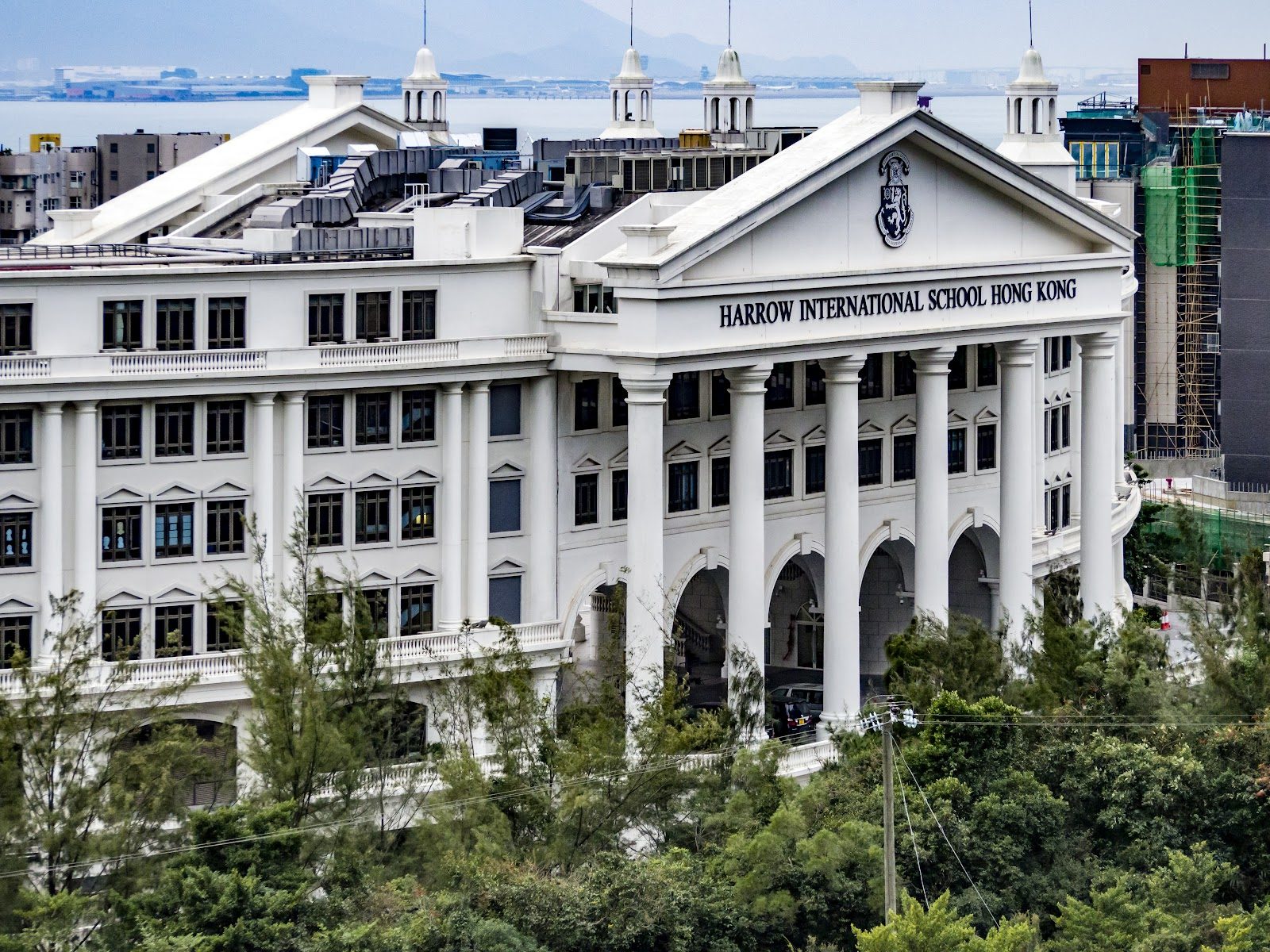
A crescent-shaped Tuen Mun campus, modelled on Bath's Royal Crescent, houses Hong Kong's only formal weekly boarding and house system.
Kellett School
Hong Kong · Hong Kong
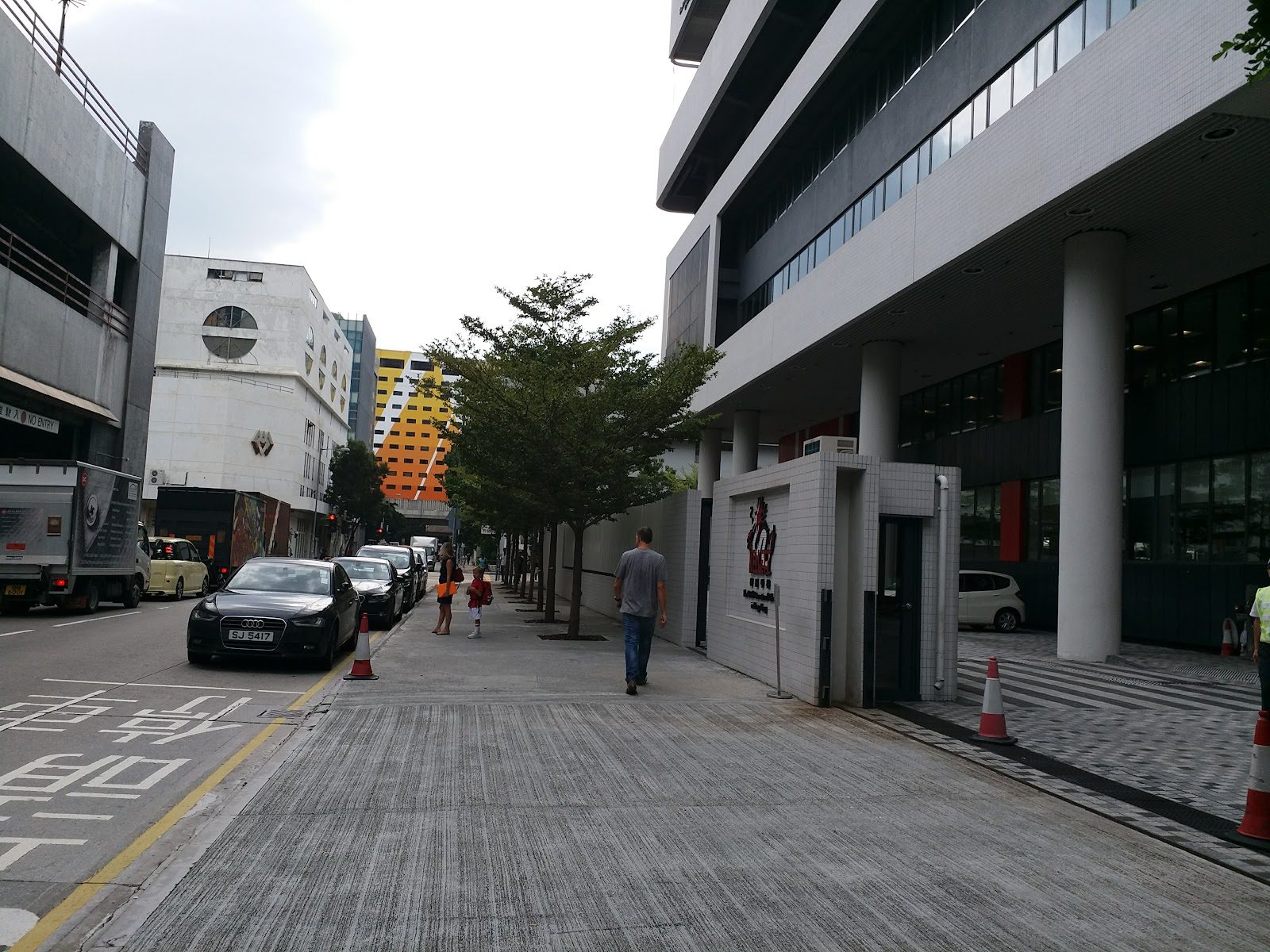
Long-established, parent-founded British international day school in Hong Kong, taking pupils through GCSEs and A-Levels from age 4 to 18.
German Swiss International School
Hong Kong · Hong Kong
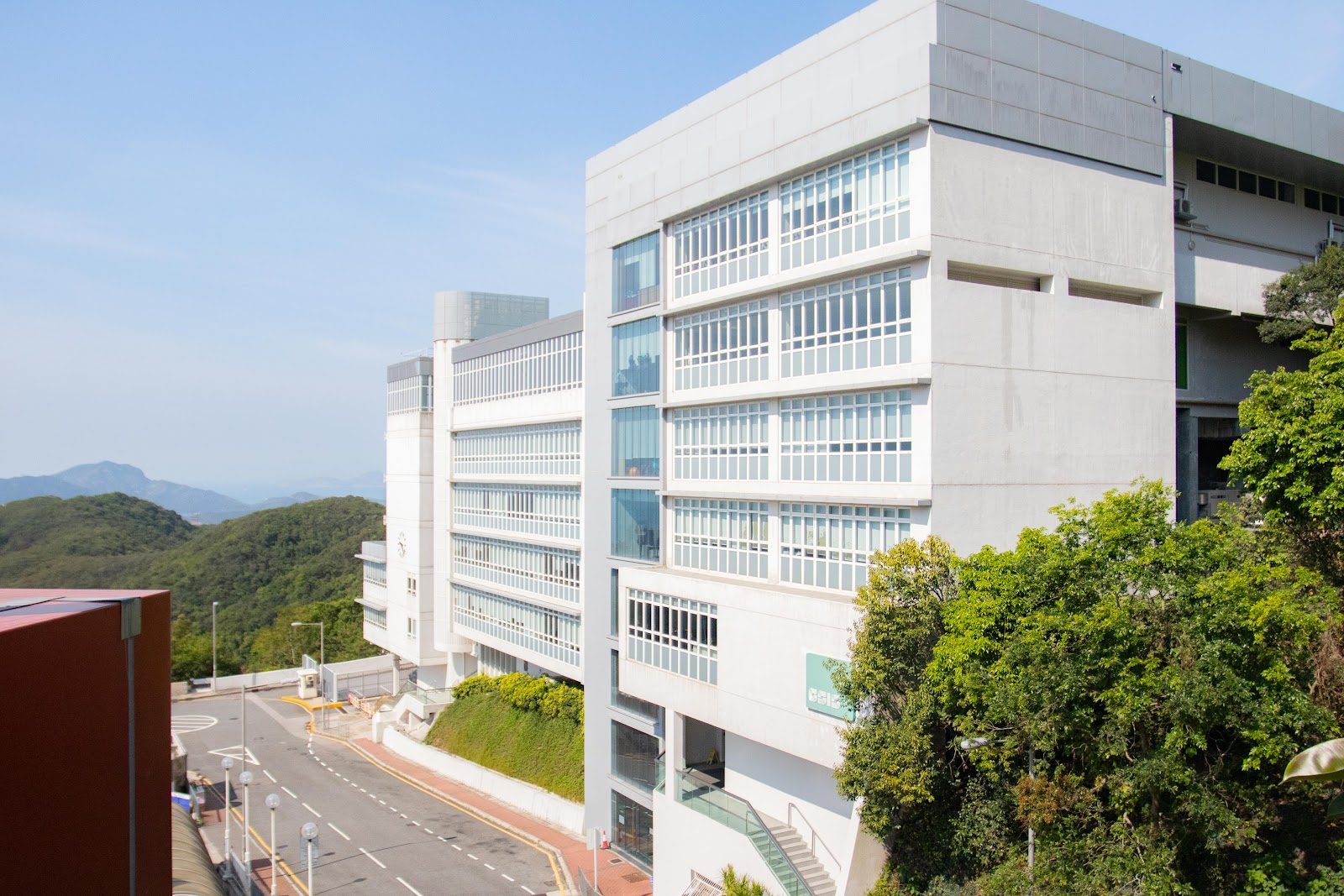
Perched on the Peak since 1969, twin German Abitur and IB streams share one campus and one house system.
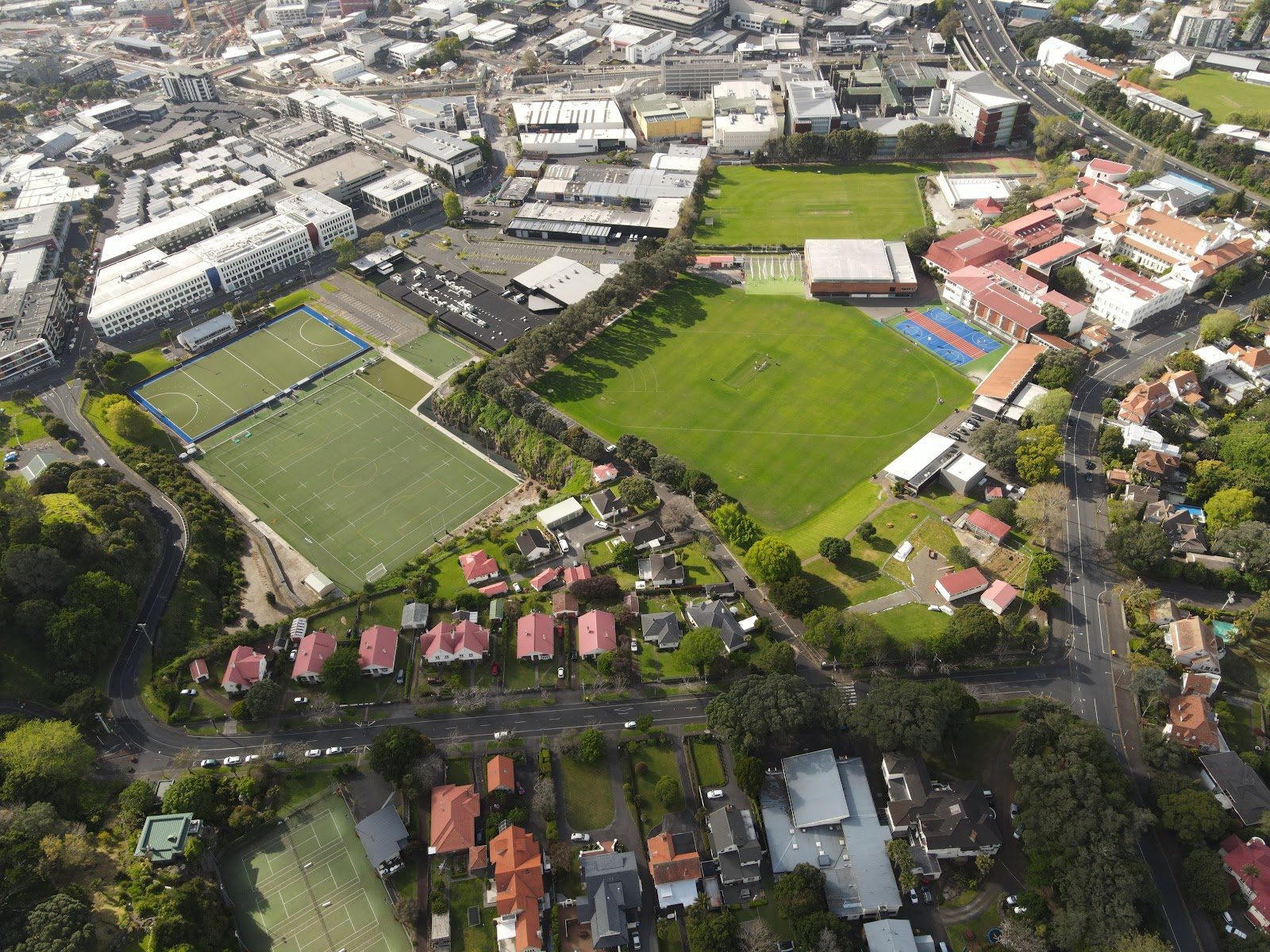
Auckland Grammar School
Auckland · New Zealand
New Zealand's largest boys' school, where a fiercely guarded Epsom enrolment zone and a long Rhodes Scholar lineage shape the Grammar way.
Same country and curriculum — closest matches within ±10 points either way