
London
Marymount International School London
high confidence· 6/6 cats · 3.6 avg sourcesA Catholic girls' day-and-boarding school in Kingston upon Thames that became Britain's first to adopt the IB from Middle Years through Diploma.
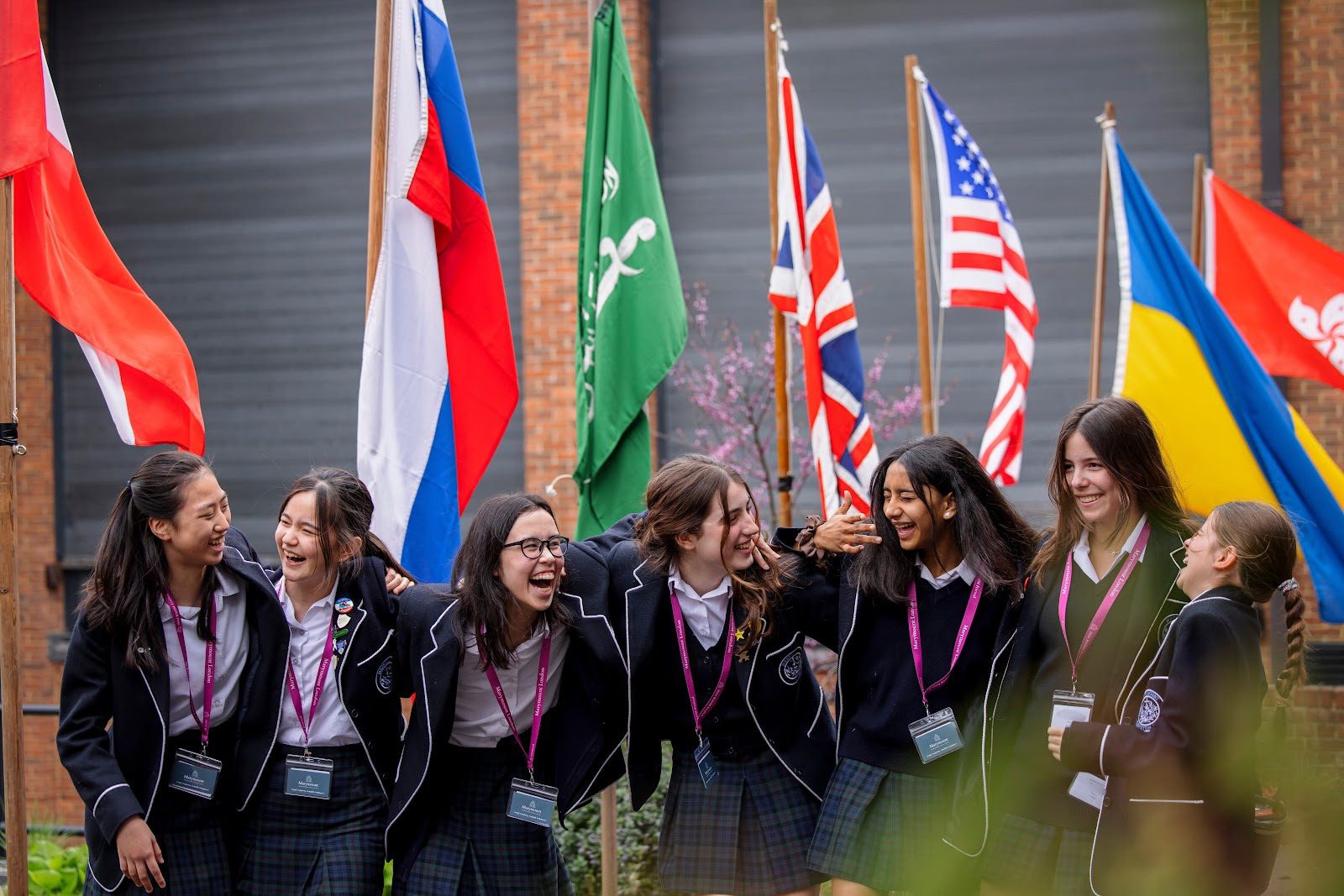
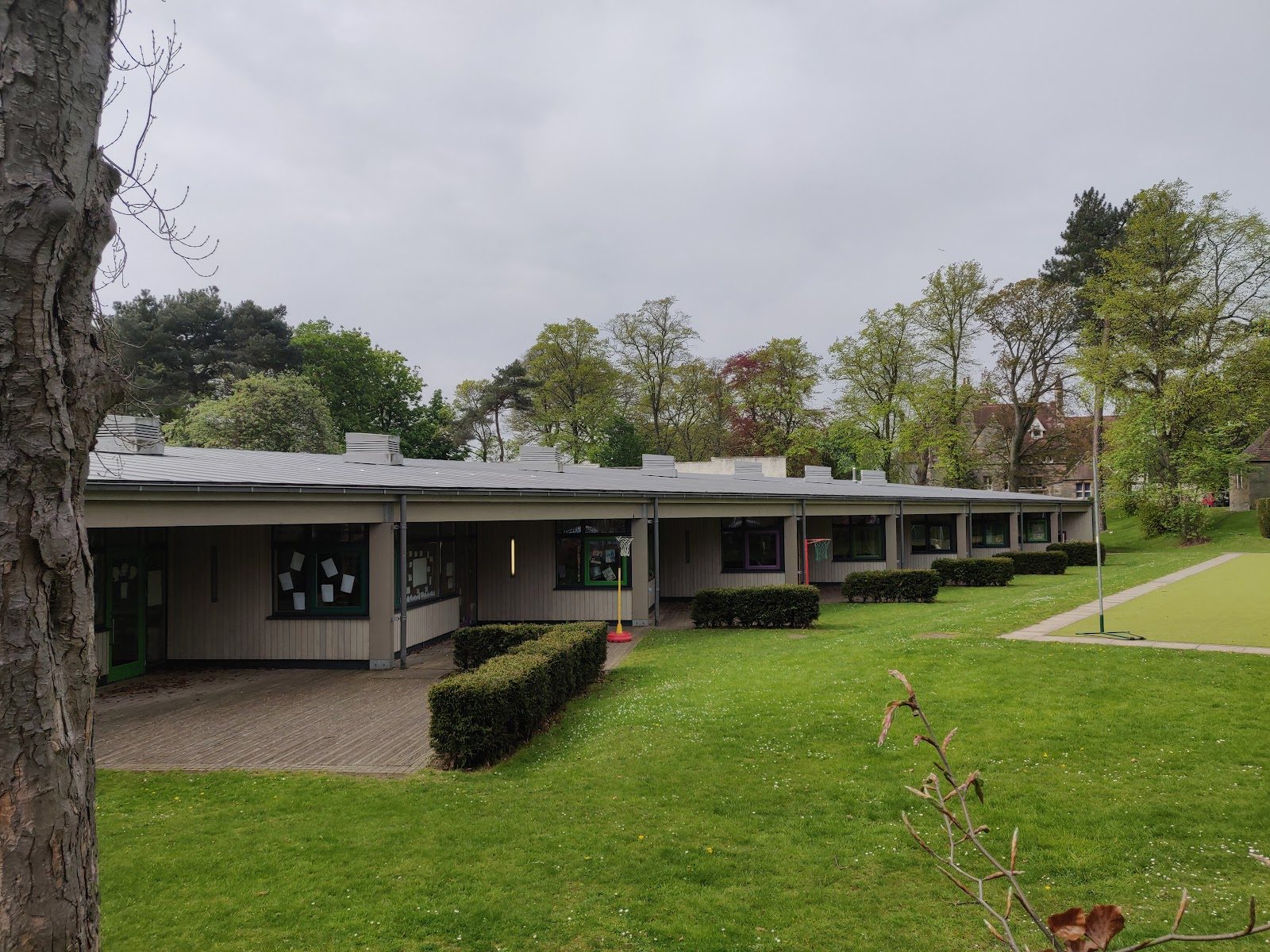
Photo © Marymount International School London via Google Maps
Type
Both
Ages
11–18
Curriculum
IB
Qualifications
IB Diploma · IB MYP
Ratio
—
The Verdict
Editor's commitment
Right for
Girls aged 11–18 who want a Catholic day-or-boarding school with IB throughout and a 36-point average with 100% pass rate.
Wrong for
Families wanting co-education, A-levels or a cheaper route: Marymount is girls-only, IB-only, and averages £40,000 day or £66,000 boarding.
Watch out for
The school cites top 1% IB status and 33% bilingual diplomas; impressive, but university destinations and aggregate cohort size need the same clarity.
Ranking breakdown
Marymount International School London · #1137 of 1591
Composite score 60.0. 8 weighted criteria.
By criterion
Academic Outcomes
Weight 20%
#1136
of 1529 scored
University Placement
Weight 16%
#1144
of 1529 scored
Prestige & Heritage
Weight 12%
#1115
of 1571 scored
Alumni Network
Weight 12%
#721
of 1530 scored
Facilities
Weight 12%
#1110
of 1533 scored
Transparency & Communications
Weight 8%
#1098
of 1532 scored
Peer & Industry Review
Weight 10%
#998
of 1548 scored
Admissions Selectivity & Demand
Weight 8%
#888
of 1529 scored
Score history
Marymount International School London · 2026
Movement across 2024–2026. Peer average overlaid.
Overall — 2024–2026
60.0/ 100
▲ +9.8 vs 2025
year on year
Peer & Industry Review
How Marymount International School London is regarded in the sector
78
Strong · high confidence
Marymount International School London holds a distinctive niche as the UK's longest-established all-through IB girls' school, a pedigree WhichSchoolAdvisor recognises in naming it a "top performing IB school" with an Excellent ISI inspection record. The Good Schools Guide's independent verdict is emphatic, describing girls who arrive "brimming with enthusiasm and leave bursting with confidence" and rating academics as top-notch within a family-like community. Its inclusion in The Schools Index of the world's 150 best private schools and among Tatler's leading international schools in the UK cements a genuine, if specialist, sector footprint, while Muddy Stilettos separately flags it as pastorally strong with a superb academic record. Reputation is concentrated among the international girls'-boarding niche rather than broad UK-wide fame, but within that niche it is consistently and independently well regarded.
Editors' overview
Marymount’s clearest point of difference is structural, not cosmetic: this is a Catholic girls’ school in Kingston upon Thames that has committed fully to the IB for ages 11 to 18, and it did so early. Founded in 1955, it became the first all-girls’ school in the UK to adopt the IB across the Middle Years Programme and Diploma. That gives it a cleaner academic identity than many London independents that bolt the IB on at sixth form or run it beside A levels. For parents who want a school with one coherent framework from early secondary through university entry, Marymount has a rare clarity of purpose. It also offers genuine flexibility in access: day places sit alongside full, weekly and flexi boarding, a useful distinction for internationally mobile families and for London-based parents who want options rather than a binary choice.
The school stakes a great deal on academic performance, and here the published figures are strong: a 36 average IB point score, a 100% pass rate, and 33% of students completing the bilingual diploma. The school also holds IB World School and CIS accreditation, which matters more than glossy branding because it tells parents the core systems have external scrutiny. The claim to be in the top 1% of IB schools worldwide is the sort of line that needs context, but the harder numbers already do the work. Marymount’s attraction is not brute exam-drill intensity so much as a disciplined internationalism: critical thinking, languages, global outlook and small classes, all within a Catholic framework that does not confine the intake to one faith.
This is not a cheap experiment in progressive education. The average annual day fee across the school is £39,540, and boarding averages £65,550. That places Marymount firmly in the expensive end of the London and south-east market, so parents need a clear reason for paying the premium. The reason is not scale, spectacle or sporting dominance; it is an unusually focused proposition for girls who thrive in discussion-heavy classrooms, want the IB rather than the British exam ladder, and value an internationally mixed peer group. Girls who want a very large school with sprawling choice and maximum social anonymity will find Marymount too contained. Girls who want a serious, self-possessed academic culture, close pastoral oversight and a boarding model that can flex around modern family life will keep it high on the shortlist.
Academic Performance
Marymount publishes the figures that matter, and they are strong. An average diploma score of 36 places the school comfortably above the global IB norm and puts it in serious company among British IB schools, even if it does not enter the tiny group of absolute outliers that push into the high thirties year after year. The pass rate is 100%, which parents expect at this fee level; the more useful discriminator is the points average, and that clears the bar with room to spare. A bilingual diploma completion rate of 33% adds something more distinctive: this is not just a school getting students over the line, but one producing a cohort with real linguistic range. In a crowded London market, that gives Marymount an intellectually coherent profile rather than a generic “international” label.
Relative to peers, Marymount sits in the upper tier of IB-focused independents: stronger than the broad middle of the market, short of the handful of schools whose published averages edge closer to the top of the global scale. The school’s academic proposition also benefits from a clean all-through IB structure for secondary years, which matters because results tend to be steadier where teaching, assessment and study habits are aligned from earlier adolescence rather than patched together at sixth form. That does not make Marymount an exam factory. It makes it a serious school with credible outcomes and a clear academic identity — a combination that carries more weight than inflated marketing rankings.
Facilities
Facilities are not Marymount’s main selling point, and that is important to state plainly. Parents looking for the sprawling theatre complexes, competition-grade sports campuses and near-university scale laboratories found at the biggest London independents will find a more contained, less showy physical offer here. The campus matters because it supports a small secondary school with boarding, not because it overwhelms by sheer acreage or spectacle. What the school itself foregrounds is space for students to learn, create, connect and grow, alongside boarding accommodation and strong transport access. In practice, that points to a campus built for close supervision, day-to-day convenience and a cohesive residential routine rather than for grand institutional display. For this kind of school, that is the correct priority.
Against peer schools, the key facility advantage is boarding flexibility rather than bricks-and-mortar bravado. A girls’ school of roughly 250 pupils with residential provision can offer a more intimate rhythm than larger boarding environments, and that suits families who want tight pastoral oversight rather than social sprawl. The trade-off is breadth: bigger competitors in the London and south-east market tend to offer more specialist performance, sporting and extracurricular infrastructure simply because they have more pupils and more capital tied up in plant. Marymount’s fee level raises expectations, so some parents will expect more visible physical distinction than the school publishes. Others will judge the facilities adequate because the real asset here is the combination of a small campus, boarding provision and serious academic intent, not a parade of headline buildings.
The claim to be in the top 1% of IB schools worldwide is the sort of line that needs context, but the harder numbers already do the work
Prestige
Marymount’s prestige rests on profile, scarcity and price discipline rather than social theatre. In the British market, there are many expensive girls’ schools and many schools that offer the IB at sixth form; there are far fewer that build their whole senior identity around it. That gives Marymount a specialist cachet. Its status also draws from selectivity, a deliberately small pupil body and a boarding offer that extends its reach beyond the local day-school catchment. The average annual fees — £39,540 for day pupils and £65,550 for boarders — place it in the premium bracket, and parents are buying a niche education with a clear international and academic stamp, not a grand metropolitan finishing school with mass-name recognition.
That distinction matters. Marymount does not occupy the same public pedestal as the old headline London brands whose prestige trades on scale, political dynasties or a conveyor belt into British establishment life. Its reputation is sharper and more self-selecting: strong among internationally minded families, strong within the IB world, and less potent among parents who equate prestige with old-boy networks and domestic name recognition. The school’s own claim to a place in the top 1% of IB schools worldwide, alongside a published average diploma score of 36, supports a serious academic reputation. The result is prestige with substance, but in a narrower lane: *cosmopolitan, expensive, academically credible* — and not designed to impress everyone.
Girls who want a tightly framed, globally minded education will find it unusually well defined
Communications
Marymount communicates like a small, high-fee independent that knows parents expect direct access. The public-facing basics are easy to find: admissions, fees, scholarships and bursaries, boarding information, policies, transport, term dates, exam results and university destinations all sit in clear view rather than buried in a maze. The site also offers multiple language options, which matters for an internationally mobile parent body and cuts friction at the first point of contact. Open mornings are pushed hard, alongside a virtual tour and a prominent invitation to book a visit. That is sensible, parent-facing communication, not decorative branding. For a school with only about 250 pupils, that level of navigability carries extra weight because families are buying close oversight as much as teaching.
The limits are just as clear. The website leans heavily on headline claims and recruitment prompts, with less of the operational texture that seasoned parents look for when judging day-to-day communication standards. We can see the main channels; we do not see much evidence of the school’s tone under pressure, its speed in handling problems, or the granularity of routine parent updates once a child is enrolled. That keeps the verdict at competent rather than exemplary. Still, the essentials are in place, and the fact that the school publishes concrete outcome figures such as a 100% pass rate and a 36 average diploma score counts in its favour: schools that disclose hard numbers tend to understand that trust rests on specifics, not glossy reassurance.
Uniqueness
Marymount’s real distinction lies in combination, not branding. Plenty of girls’ schools promise confidence and global outlook; far fewer bind together a Catholic foundation, a fully IB secondary structure and a boarding model that serves both international and domestic families. That creates a clear-edged school identity. Pupils are not moving between one academic philosophy in the middle years and another at university-entry stage, and they are not navigating a community built only for local day pupils or only for full boarders. The result is a coherent, internationally literate culture with fewer internal contradictions than at schools that try to be all things at once.
What that brings in practice is a distinctive kind of student experience: smaller-scale, more supervised, more discussion-driven and more outward-facing than the standard English private-school template. The all-girls environment matters too. In a school of only about 250 pupils, each student carries more visible weight in classrooms, leadership roles and the social life of the school; hiding in the crowd is not an option. For the right pupil, that breeds self-possession and intellectual confidence. The bilingual diploma rate — 33% — adds another clue to the school’s character: this is a place where internationalism is not decorative. It asks students to operate across languages, cultures and viewpoints with serious intent. Girls who want anonymity, scale or a more conventional British hierarchy will find that constraining. Girls who want a tightly framed, globally minded education will find it unusually well defined.
Founded in 1955, it became the first all-girls’ school in the UK to adopt the IB across the Middle Years Programme and Diploma
Student Profile
The girl who fits here is academically switched on, comfortable being known, and willing to work in a community with clear expectations rather than loose edges. Marymount suits students who like seminar-style discussion, can handle sustained writing and independent study, and do not need the social camouflage of a big school. In a pupil body of around 250, absence of effort shows quickly and so does intellectual spark. The school’s own language — curious, motivated, academically ambitious — matches the shape of the place. Add the all-girls setting and Catholic foundation, and the profile sharpens further: this is a school for girls who will use a close-knit, high-accountability environment to grow in confidence, not resent it as restriction.
It also suits an internationally minded student in the literal sense, not the brochure sense. The bilingual diploma figure of 33% tells you that languages carry real weight, and the boarding offer broadens the social mix beyond the local commuter belt. Girls who thrive here will have some seriousness about ideas, other cultures and the habits of communal life. They do not need to be pious, but they do need to be at ease in a school with a religious heritage and an overt moral frame. This is not a natural home for girls who want social anonymity, a vast subject bazaar, or a loud, swaggering school culture. It is for the student who wants a self-possessed, disciplined peer group and is ready to contribute to it.
That gives it a cleaner academic identity than many London independents that bolt the IB on at sixth form or run it beside A levels
Co-curricular strengths
Arts & sport, on a separate axis
Overall 8.36/10
Scored 0-10 from the school's own published evidence. This axis is editorial-only — it does not feed the main WTS ranking.
Sports
7.8/10
Explicitly names Tennis, Football and Volleyball.
Drama
8.5/10
Drama Productions, which is stronger than a bare mention of drama because it indicates actual staged performance activity, but gives no named theatre, department or recurring productions.
Dance
8.5/10
Music
8.5/10
Choir Ensemble and Orchestra, showing structured music participation beyond a bare mention.
Visual Arts
8.5/10
Visual Arts is offered.
Editor first-pass · editor-reviewable · 7/28/2026
Strengths
- +Girls-only IB school for ages 11–18, with the IB offered across all years.
- +Day and boarding options in Kingston upon Thames, with around a third of pupils boarding.
- +Strongly international community, with roughly 35 nationalities among about 240 girls.
- +Elite co-curricular provision in drama, dance, music and visual arts, plus very strong sport.
- +A top-performing IB school.
Considerations
- −Girls-only model will not suit every family.
- −Small school of about 240 pupils, so subject breadth and cohort size are limited.
- −Catholic identity may not suit all families.
- −Premium fees, with an average around GBP 31,500 per year.
Availability
Primary entry gate & tests
Written Exams + Interview
Gallery
Photo © Marymount International School London via Google Maps
Photo © L Ch via Google Maps
Photo © L Ch via Google Maps
Photo © Park watching around world via Google Maps
Photo © Marymount International School London via Google Maps
Recommended reading
Independent write-ups of this school from editorial outlets we trust.
- Marymount International School London — review on Good Schools GuideGood Schools Guide
- Marymount International School London — review on WhichSchoolAdvisorWhichSchoolAdvisor
Parent reviews
Have you sent your child here?
Voice reviews carry the strongest trust badge — we transcribe them for you to tidy up before they go live. Prefer to type? A written review is fine too.
Add your voice
In 60 seconds, tell other parents: what's the best thing about Marymount International School London, and what surprised you when your child joined?
We ask for a Google sign-in so every review has a real face behind it — no anonymous drive-by attacks on schools, and no faked positive reviews. Your email is never shown publicly.
Send this profile to a friend
International parents rely on word-of-mouth. Share this review with someone weighing the same decision.
Schools with places
Similar schools to Marymount International School London with places available now.
Availability first, then country, area, curriculum, price, co-curricular
Consider also
Also worth looking at alongside Marymount International School London.
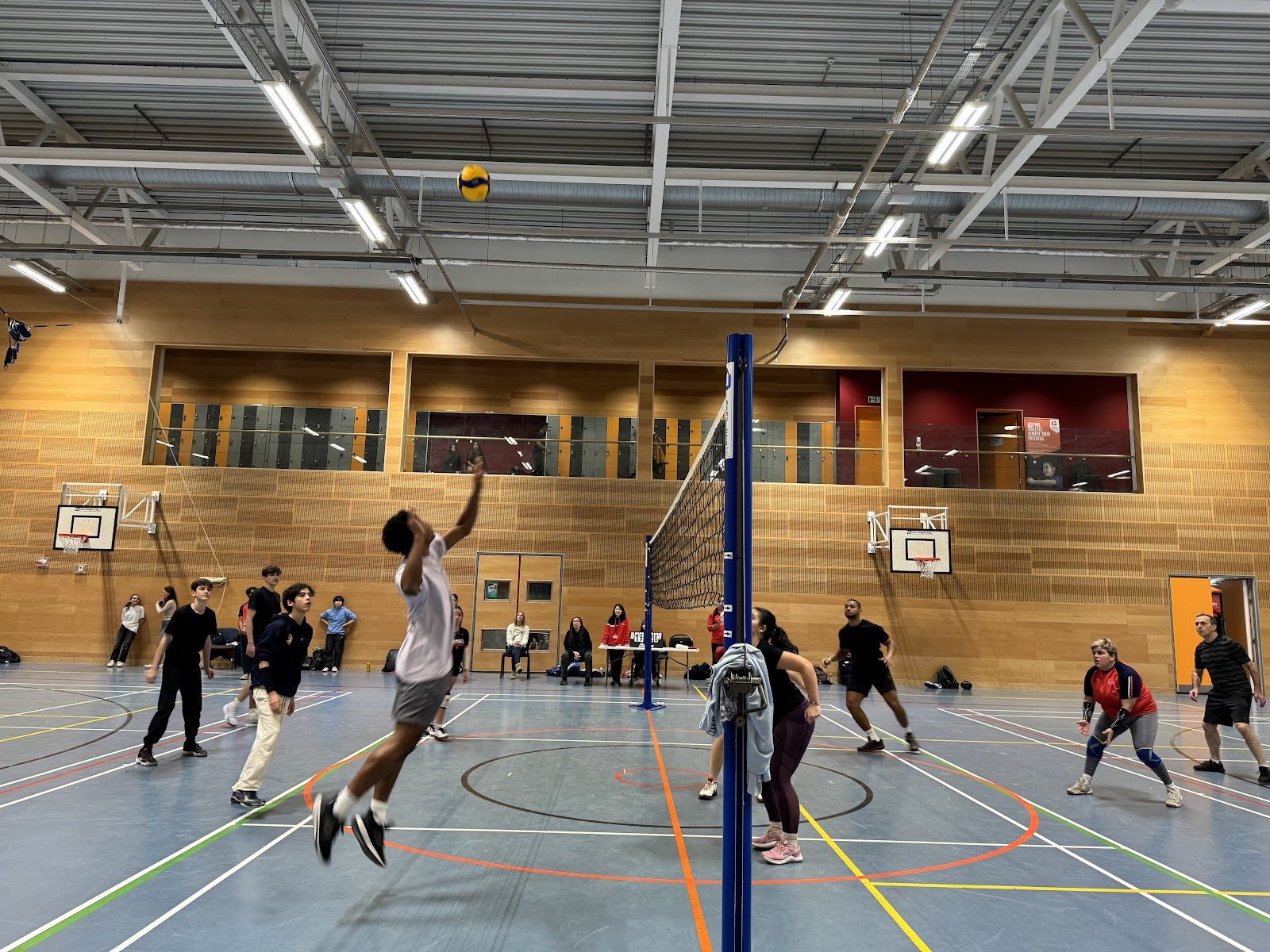
International School of London
London · United Kingdom
A Chiswick IB pioneer since 1972, where mother-tongue teaching in 24 languages predates UNESCO's own push for linguistic diversity
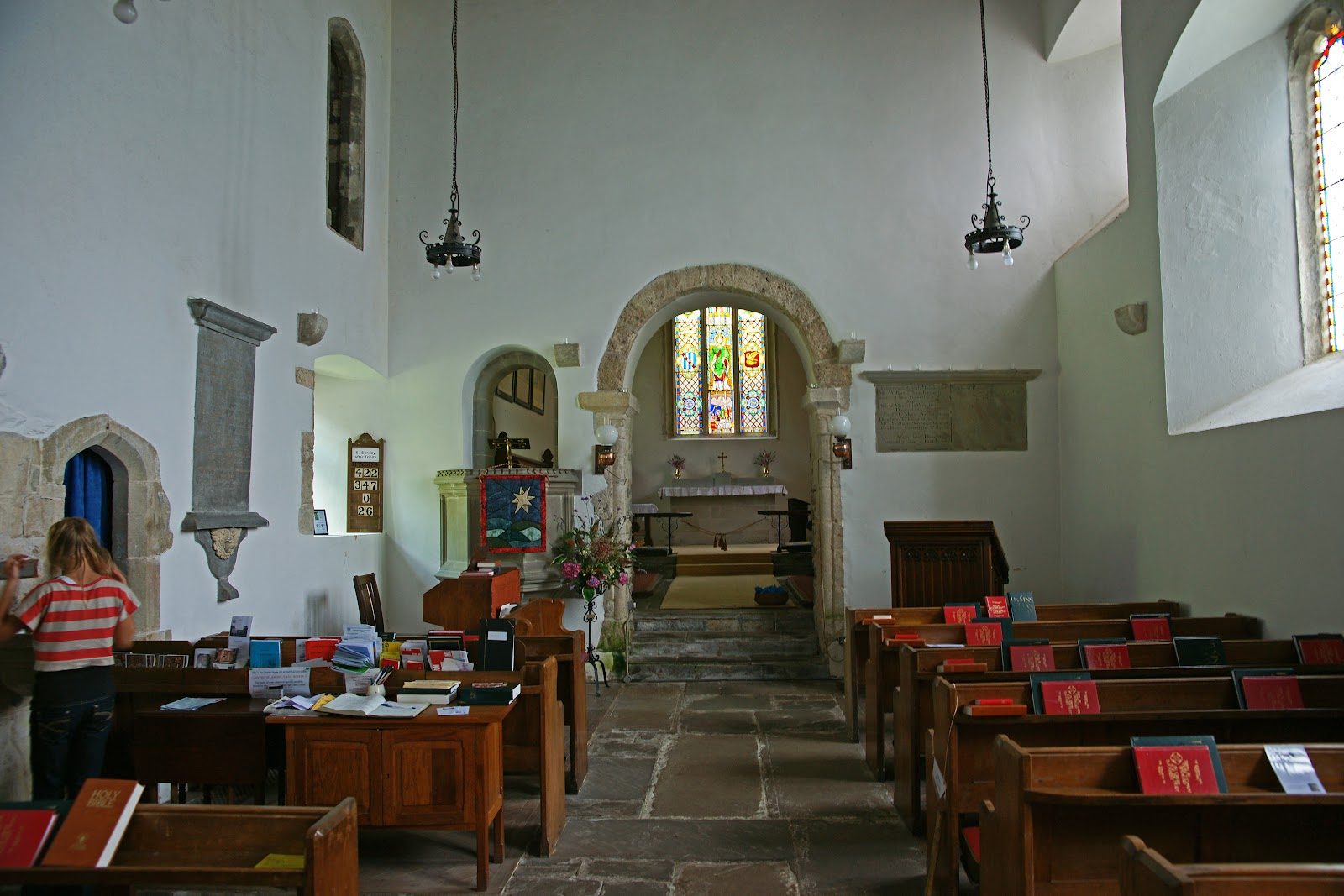
UWC Atlantic
Llantwit Major · United Kingdom
In a seafront medieval castle in Wales, the founding United World College still teaches the IB curriculum it helped invent.
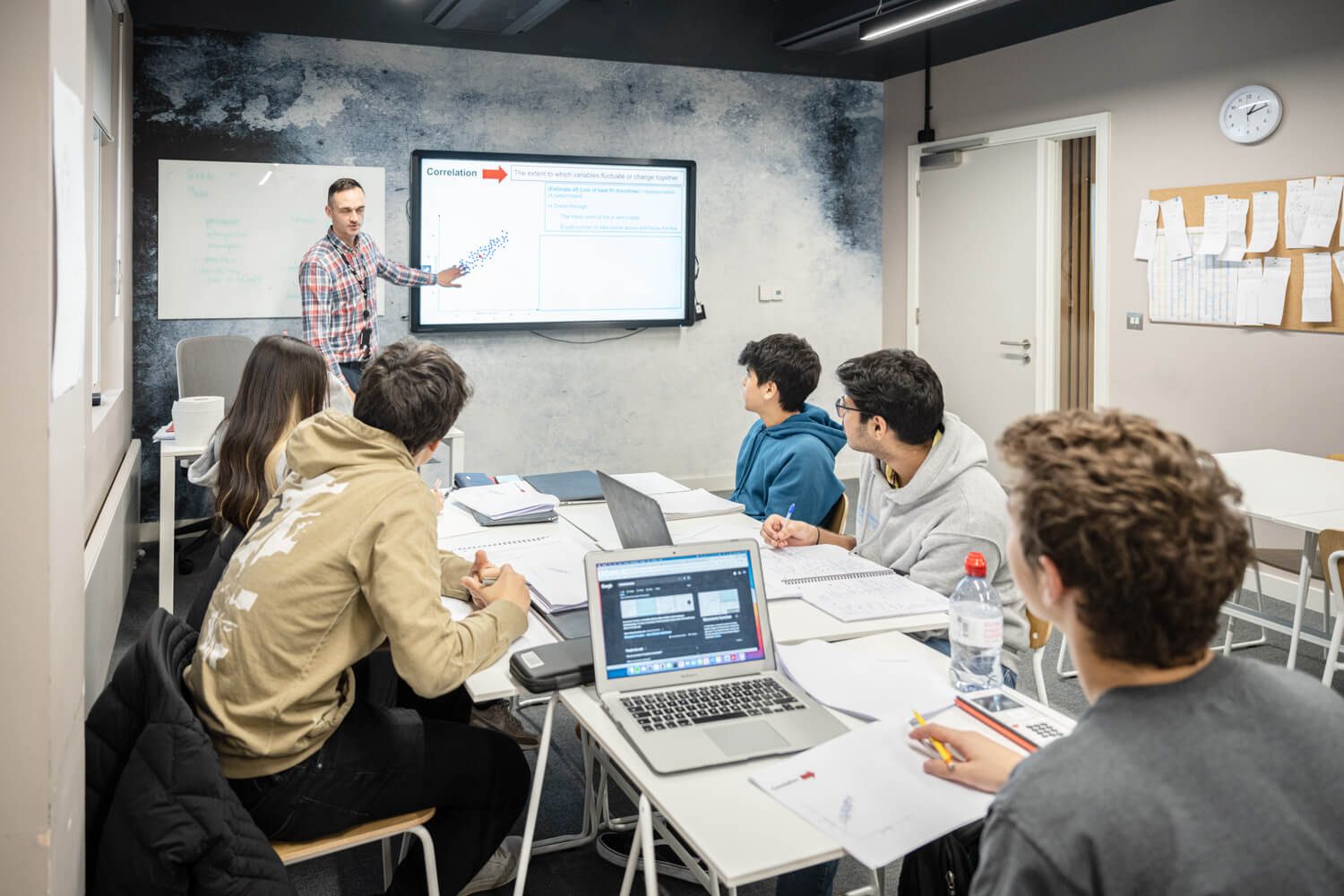
Southbank International School
London · United Kingdom
A 'school without walls' spanning three London postcodes, first in the UK cleared to teach all three IB programmes.
Fettes College
Edinburgh · United Kingdom
Gothic turrets said to have inspired Hogwarts frame Scotland's only sixth form pairing A Levels with a full IB Diploma pathway.
Same country and curriculum — closest matches within ±10 points either way