
New South Wales
The Scots College
Presbyterian boys' school since 1893, blending IB and HSC study with a Kangaroo Valley outdoor campus and five heritage boarding houses.
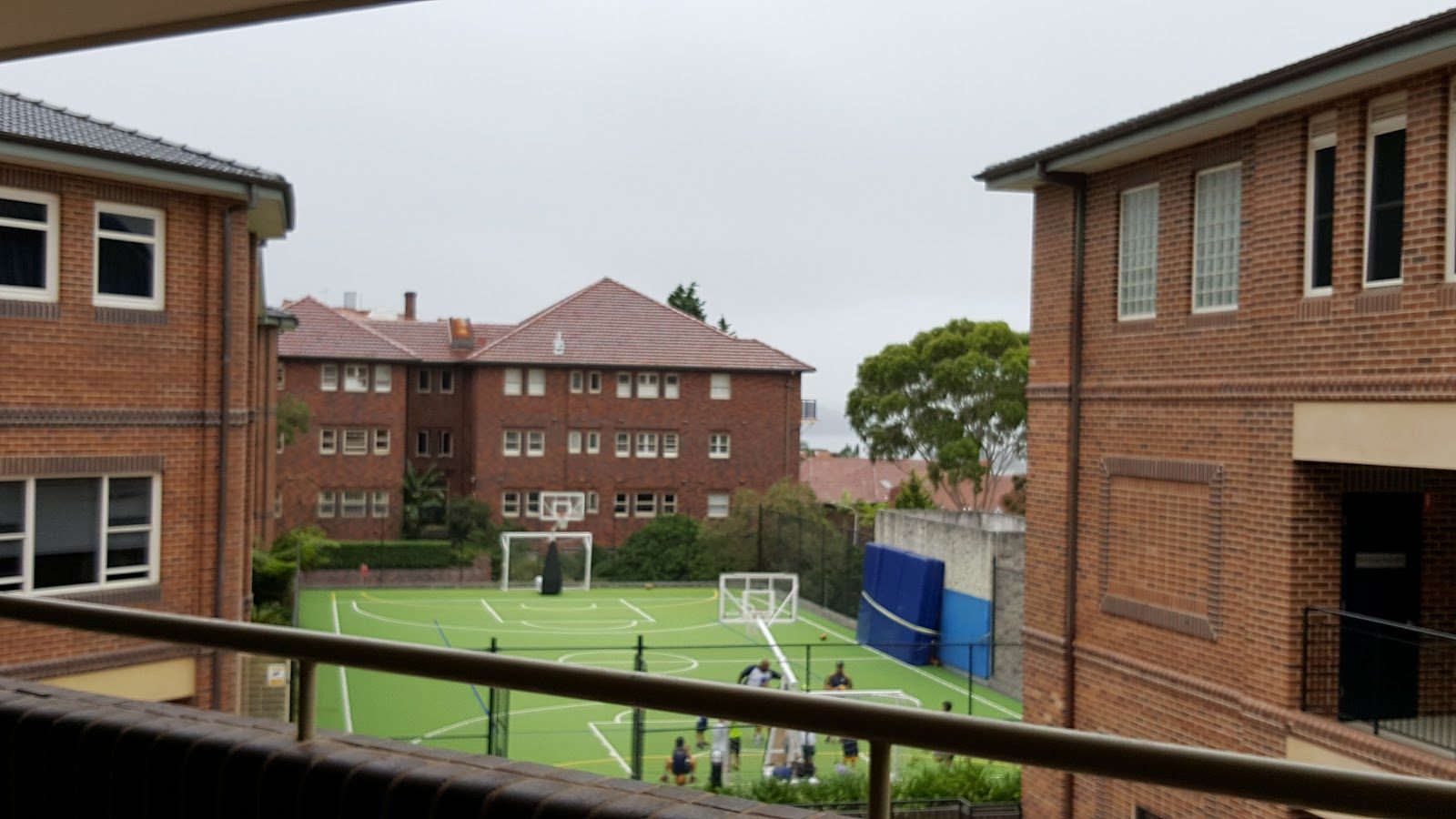
Photo © Hong Lam via Google Maps
Type
Day + Boarding
Ages
3–18
Curriculum
IB · HSC
Ratio
—
The Verdict
Editor's commitment
Right for
Boys who want a Presbyterian Bellevue Hill school with boarding, ages 3–18, and a real IB-or-HSC choice at senior level.
Wrong for
Families wanting co-education, a secular culture, or anything other than an English-medium boys' school in Bellevue Hill, NSW.
Watch out for
Day and boarding breadth from age 3 to 18 sounds expansive; parents need hard answers on how IB and HSC pathways divide.
Ranking breakdown
The Scots College · #573 of 1591
Composite score 49.9. 8 weighted criteria.
By criterion
Academic Outcomes
Weight 20%
#1369
of 1529 scored
University Placement
Weight 16%
#649
of 1529 scored
Prestige & Heritage
Weight 12%
#1356
of 1571 scored
Alumni Network
Weight 12%
#1308
of 1530 scored
Facilities
Weight 12%
#1161
of 1533 scored
Transparency & Communications
Weight 8%
#551
of 1532 scored
Peer & Industry Review
Weight 10%
#127
of 1548 scored
Admissions Selectivity & Demand
Weight 8%
#1471
of 1529 scored
Peer & Industry Review
How The Scots College is regarded in the sector
78
Strong · medium confidence
The Scots College is consistently grouped with Sydney's premier GPS boys' schools -- Sydney Grammar, Newington, Shore, Sydney Boys High -- and is regularly cited in HSC league tables published by the Sydney Morning Herald and The Australian, where its Band 6 results place it among the top-performing independent schools in NSW. Its Bellevue Hill campus and Presbyterian heritage give it standing within the Association of Heads of Independent Schools of Australia (AHISA), and its Principal has been a visible voice at AHISA and IB forums, particularly regarding wellbeing and outdoor-education initiatives (Duntroon, Glengarry). University admissions counsellors note strong, steady placement into Sydney, UNSW and ANU, with a smaller but consistent cohort reaching Oxbridge and US Ivy League schools via its international pathways program. Education commentary (Good Schools Guide International, local press) frames Scots as academically solid rather than elite-selective, respected for innovation in outdoor and character education rather than raw university-entry statistics compared to Grammar or Newington.
Award
Elite Sport 80
World's Top School · The Global Ranking
The Scots College is featured on our Global Top 80 ranking at #66. This seal is available for the school's marketing team to use on their website, prospectus and social channels.
- David Gonski — Chairman ANZ/UNSW Chancellor, Business
- Michael Kirby — Former High Court Justice, Judiciary
- Nick Farr-Jones — Wallabies Captain, Sports
Editors' overview
The Scots College occupies a clear niche in Sydney’s independent market: a Presbyterian boys’ school with a long institutional memory, full age range from 3–18, and a boarding offer that still carries weight. For families who want a traditional single-sex education without giving up academic choice, the dual IB and HSC pathway matters. So does the setting. Bellevue Hill gives Scots access to one of Sydney’s wealthiest catchments; that brings expectation, polish and pressure in equal measure. This is not a relaxed, low-stakes environment. It is a school built around structure, performance and high adult expectations.
What lifts Scots above the standard “prestige boys’ school” template is the breadth of its identity. The school’s Presbyterian foundation gives it a defined moral frame. The boarding dimension broadens the social mix beyond the eastern suburbs day-school market. The Kangaroo Valley outdoor campus adds a serious experiential strand that many rivals talk about and few execute at scale. That combination — heritage, boarding, outdoor education and two senior academic routes — gives Scots a wider operational range than many Sydney competitors. Parents looking for ceremony and discipline, institutional confidence and a school culture that prizes participation as well as attainment will put it on a shortlist.
The right student for Scots is a boy who will thrive in a structured setting and does not need a school to soften its edges. He will gain from clear routines, visible standards and the energy of a large all-boys community. He may be academically ambitious and value the choice between the IB and HSC, or he may be drawn by boarding, sport, outdoor education and the social identity that attaches to an established school. Boys who enjoy competitive momentum, traditional male schooling and a campus culture with strong rituals will find a fit here. Boys who want a quieter, more informal or more progressive atmosphere may not.
Scots earns attention because it offers more than brand recognition. It combines day and boarding education, spans 15 year levels, and gives families two senior curricula inside one institution. That is a serious proposition. The trade-off is equally clear: with status and scale come intensity, conformity and a culture that asks boys to step into the institution rather than the other way round. For the right family, that is exactly the point.
An Elite Sport 80 school
The Scots College in Sydney is at rank sixty-six on the Elite Sport 80 because it is one of the historic engines of Sydney's Great Public Schools competition across rugby, rowing and cricket, with a sustained Wallabies pipeline and multiple Olympic rowers across generations. The 1st XV rugby squad competes at the top of the GPS competition, and the school's 1st VIII rowing crew is a regular Head of the River fixture.
The specialisms are rugby union (with a formal academy model, professional coaching and links to the Waratahs and NSW Rugby), rowing (with a full boathouse on Sydney Harbour and a Head of the River pedigree), cricket (a NSW Blues pipeline), athletics and swimming. Basketball, football, water polo and hockey run at high schoolboy standard.
Notable alumni across codes include several Wallabies and Super Rugby regulars from the past two decades, Olympic rowers across multiple Games, NSW Blues cricket squad members, and — in swimming — multiple Australian representative swimmers over the past three decades. The school's Bagpipes-and-Highland-heritage cultural profile is distinctive but its sporting output is uniformly Sydney-mainstream.
International openness is genuine. Scots is a full boys' boarding school with an established overseas cohort — particularly from the Pacific islands, southern Africa, the UK, mainland Europe and Asia — and integrated ESL and pastoral support. Fees for full boarding sit around A$55,000-62,000 per year, positioning Scots in the upper tier of Australian boarding costs but well below equivalent US boarding schools with comparable sporting output. Admissions is a standard application process plus a sport-specific reference or trial where relevant. Australian student visas are straightforward for full-time enrolment. For a family relocating from a rugby-, rowing- or cricket-strong nation to Sydney and targeting a genuine Wallabies, Olympic rowing or Test cricket pathway alongside HSC and NCAA D1 recruiting options, Scots is one of the top four GPS boarding schools in the state.
Academic Performance
Scots sells academic choice, but public performance data do not match that ambition. We have not seen a consolidated picture of outcomes across its senior pathways: no published aggregate IB average, no cohort-wide distribution, and no clear statement of how results stack up year after year against Sydney’s top independent boys’ schools. That matters. In this market, serious academic schools publish enough to let parents judge consistency. Scots leaves more of that work to inference than the strongest operators do. The school’s exam profile is therefore opaque, and that weakens any claim to be judged in the first rank on results alone.
That does not place Scots outside the conversation. A school with this level of institutional ambition, selective social pull and a full senior academic offer sits in a competitive band of Sydney independents where families expect strong university progression and a solid spread of high achievers. But peers at the sharp end of the market make their academic case with cleaner evidence. Scots does not. The practical conclusion is straightforward: treat it as a school with serious academic intent rather than one with publicly demonstrated exam dominance. For parents who care about external validation, that distinction is decisive.
Facilities
The physical offer at Scots is broader than the average metropolitan boys’ school because it is split across more than one mode of schooling. The main campus carries the expected independent-school staples — teaching spaces, performance venues, sports provision and boarding infrastructure — but the differentiator sits elsewhere: the school’s separate outdoor education site in Kangaroo Valley and its 5 heritage boarding houses. That combination gives Scots a facilities profile with more operational depth than day-school rivals whose “outdoor programme” amounts to occasional camp use. For boarders, house structure still matters; it shapes supervision, routines and identity far more than a single generic residence block. For day families, the practical gain is access to a campus system that supports highly programmed school life rather than ad hoc enrichment.
Against peer schools, Scots stands strong on breadth and institutional character, less so on glossy novelty. Some Sydney competitors have newer specialist centres and a cleaner modern aesthetic. Scots’ advantage lies in assets that are harder to copy: established boarding spaces, a dedicated outdoor campus and the scale to run them as part of normal school life rather than as expensive theatre. Parents choosing between prestige boys’ schools should read the facilities here as serious working infrastructure, built to reinforce tradition, activity and residential life, not as a showroom designed to impress on an open morning.
For families who want a traditional single-sex education without giving up academic choice, the dual IB and HSC pathway matters
Prestige
Scots carries real prestige in the Sydney market, but it is a specific kind of prestige. This is not a school whose standing rests on transparent exam supremacy. Its status comes from institutional age, social recognition, a durable place in the city’s independent boys’ sector, and the reach that comes with educating boys from the early years through to the end of school. The boarding element matters here because it extends the school’s footprint beyond its immediate neighbourhood and reinforces the sense of Scots as an established, full-service institution rather than a local day school with a polished brand. For many families, that combination still reads as old-guard authority.
We rate Scots as high-prestige because the signals are strong and easy to read: a well-known name, a clear religious identity, heritage architecture, formal school culture and a long record of attracting families who want status as well as schooling. The outdoor campus adds distinction because it gives the school a dimension that many competitors package more thinly. That said, prestige here is not the same as universal admiration. Scots has cachet, but also a hard-edged reputation that will attract some families and repel others. In plain terms, this is a school with social weight and institutional clout, not one carried by charm or academic openness alone.
Bellevue Hill gives Scots access to one of Sydney’s wealthiest catchments; that brings expectation, polish and pressure in equal measure
Communications
Scots communicates like an established institution that expects parents to meet it on its own terms. The public-facing website is orderly, legible and clear about the school’s core structures, but it does not strain to be warm. That tone fits the school. Families get a strong sense of hierarchy, calendar, ritual and operational seriousness, not a chatty window into daily life. For current parents, that usually works well when a school runs a highly programmed week and needs information delivered cleanly. It works less well for families who want richer disclosure around outcomes, decision-making or the texture of pastoral care. Scots is good at broadcasting the shape of the institution; it is weaker at opening up the reasoning behind it.
That distinction matters because this is a school with many moving parts, including 5 boarding houses and a full age range. In that context, communication needs more than polish; it needs discipline, consistency and a strong grasp of audience. Scots has the first two. The third is less certain. Prospective families can understand the school’s ethos and machinery quickly, but they learn less about where the rough edges sit, how concerns are handled, or how the school measures success beyond rhetoric. The result is authoritative rather than intimate communication: effective for logistics, less transparent on substance, and entirely in keeping with a school that values command over consolation.
Uniqueness
What marks Scots out is not any single selling point but the way several old institutions still operate as live parts of school life. The Presbyterian frame is not decorative; it gives the place a moral grammar of duty, conduct and service. The boys-only structure sharpens that further, for better and for worse. Add day pupils, boarders, heritage houses and the separate Kangaroo Valley campus, and Scots runs less like a conventional urban school than a self-contained social world. That brings scale, ritual and identity. It also brings pressure to conform. Families who want a school to shape a boy decisively, rather than accommodate him gently, will recognise the appeal at once.
For students, the benefit is coherence. Scots offers a thick institutional experience: house loyalty, outdoor challenge, organised competition, chapel life and the expectations of a school that takes itself seriously. The outdoor campus is the clearest point of difference because it pushes education beyond timetables and classrooms into endurance, teamwork and discomfort. The 5 boarding houses deepen that structure by giving boys smaller units of belonging inside a larger machine. At its best, this produces resilient, socially confident young men who are used to commitment and collective standards. At its worst, it can feel hard-edged, performative and intolerant of boys who do not fit the prevailing model quickly enough. That tension is central to Scots’ identity, not incidental.
It is a school built around structure, performance and high adult expectations
Student Profile
The boy who fits Scots best is comfortable inside a clear hierarchy and does not need constant reassurance. He can handle scrutiny, respond to direct instruction and take competition as normal school weather rather than a personal affront. This is a strong match for boys with energy to burn and a taste for organised activity: sport, music, service, house commitment and the routines of a school that keeps boys busy. It also suits boys who value belonging to something larger than themselves. In a community spread across 5 houses and a full age range, social confidence counts. So does resilience. A boy who enjoys structured pressure, visible standards and the status attached to a well-known boys’ school will find plenty to work with here.
The weaker fit is just as clear. Boys who need a gentle pastoral tone, a highly individualised classroom culture or broad tolerance for opting out will run into friction. Scots rewards participation, responsiveness and a willingness to buy into the institution’s code. It does not revolve around personal preference. For some families, that is a virtue: the school gives shape, rhythm and hard-edged momentum to adolescence. For others, it is too much institution and not enough ease. The students who thrive here are the ones who read that intensity as motivating rather than oppressive, and who can live comfortably inside a culture that is tradition-bound, public-facing and unapologetically demanding.
What lifts Scots above the standard “prestige boys’ school” template is the breadth of its identity
Co-curricular strengths
Arts & sport, on a separate axis
Overall 8.86/10
Scored 0-10 from the school's own published evidence. This axis is editorial-only — it does not feed the main WTS ranking.
Strengths
- +Offers both the IB Diploma and the NSW HSC in the senior years, giving families a choice of curriculum pathway.
- +Boarding is available alongside day enrolment, useful for rural, interstate or expatriate families relocating to Sydney.
- +Operates a dedicated outdoor education campus (Glengarry, near Kangaroo Valley) as part of the Year 9 program, a distinctive structural feature among Sydney independent schools.
- +Long-established Presbyterian foundation (1893) with a large eastern-suburbs Sydney campus and strong co-curricular programs in rowing and rugby.
- +Multiple linked campuses (including a preparatory school) allow continuity of schooling from early years through to Year 12 within one institution.
Considerations
- −Single-sex boys' school, which will not suit families seeking co-education.
- −Fees are among the higher end of the Sydney independent school market, a material budget consideration for relocating families.
- −Bellevue Hill location and eastern-suburbs setting mean higher associated living costs and traffic/commute considerations for day families outside the immediate area.
- −The school's public profile has at times been shaped by scrutiny of specific pastoral/leadership initiatives, which prospective families may wish to research independently.
Gallery
Photo © Hong Lam via Google Maps
Photo © Sophie Lu via Google Maps
Photo © Aditya Varma Gandraju via Google Maps
Photo © 10EIGHT via Google Maps
Photo © Tom Burke via Google Maps
Photo © Muhammad Alif Afiq bin Aznee via Google Maps
Photo © The Scots College via Google Maps
Parent reviews
Have you sent your child here?
Voice reviews carry the strongest trust badge — we transcribe them for you to tidy up before they go live. Prefer to type? A written review is fine too.
Add your voice
In 60 seconds, tell other parents: what's the best thing about The Scots College, and what surprised you when your child joined?
We ask for a Google sign-in so every review has a real face behind it — no anonymous drive-by attacks on schools, and no faked positive reviews. Your email is never shown publicly.
Send this profile to a friend
International parents rely on word-of-mouth. Share this review with someone weighing the same decision.
Schools with places
Similar schools to The Scots College with places available now.
Pymble Ladies' College
Sydney · Australia
- 2026-27
- WAITPOOLVacancy-dependent
- 2027-28
- PLACES OPEN
Ascham School
Sydney · Australia
- 2026-27
- WAITPOOLVacancy-dependent
- 2027-28
- PLACES OPEN
The King's School (Parramatta)
Parramatta · Australia
- 2026-27
- WAITPOOLVacancy-dependent
- 2027-28
- PLACES OPEN
Availability first, then country, area, curriculum, price, co-curricular
Consider also
Also worth looking at alongside The Scots College.
Ipswich Grammar School
Ipswich, QLD · Australia
Queensland's oldest grammar school, its Gothic Revival Great Hall still anchoring lessons atop Grammar School Hill.
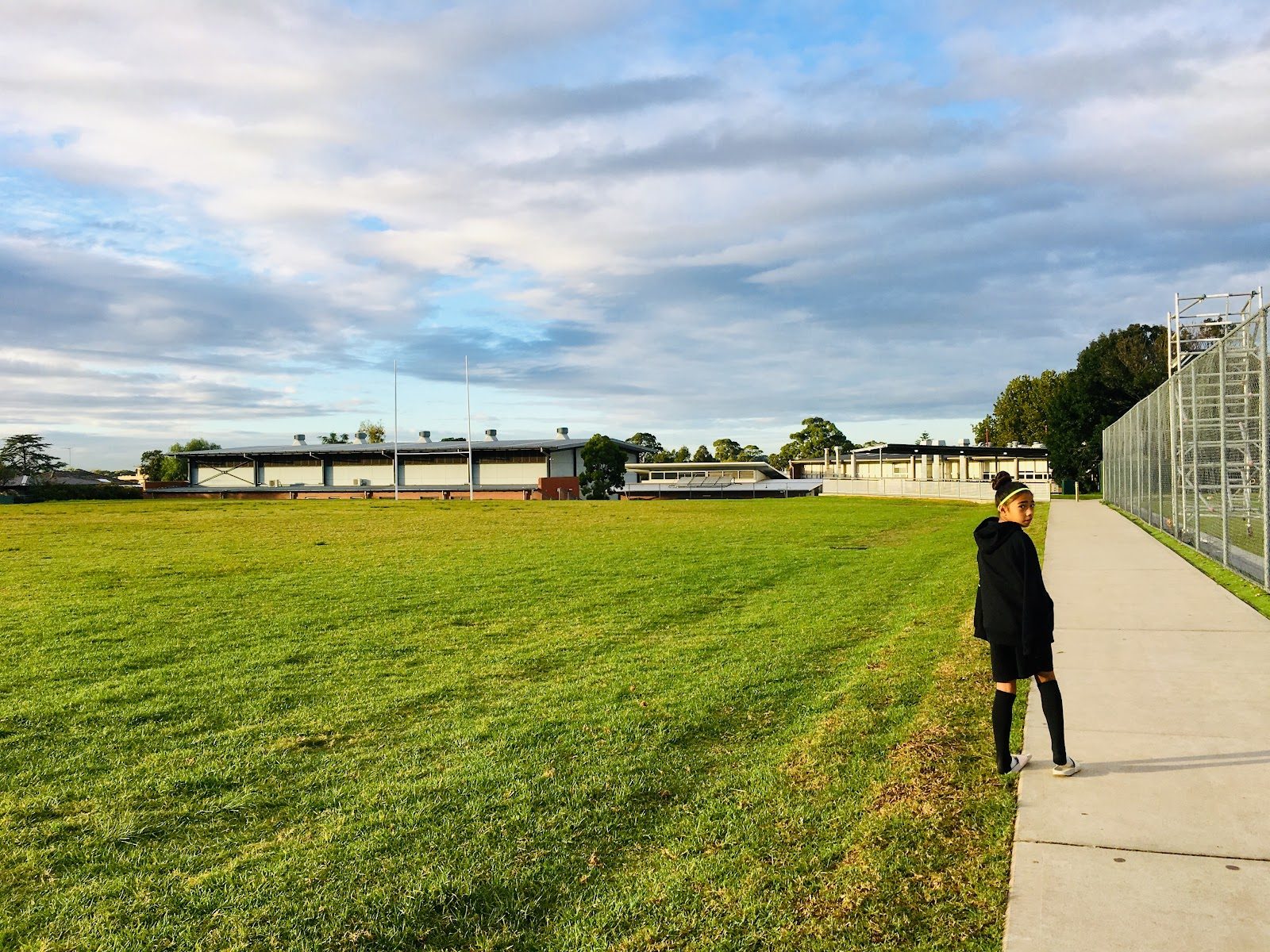
Westfields Sports High School
Fairfield West, NSW · Australia
Australia's first dedicated sports high school, pairing HSC study with pathways to NRL squads and Olympic teams in western Sydney.
Maribyrnong Sports Academy
Maribyrnong, VIC · Australia
Where VCE study and elite training share a timetable, inside Victoria's only state-funded sports school program.
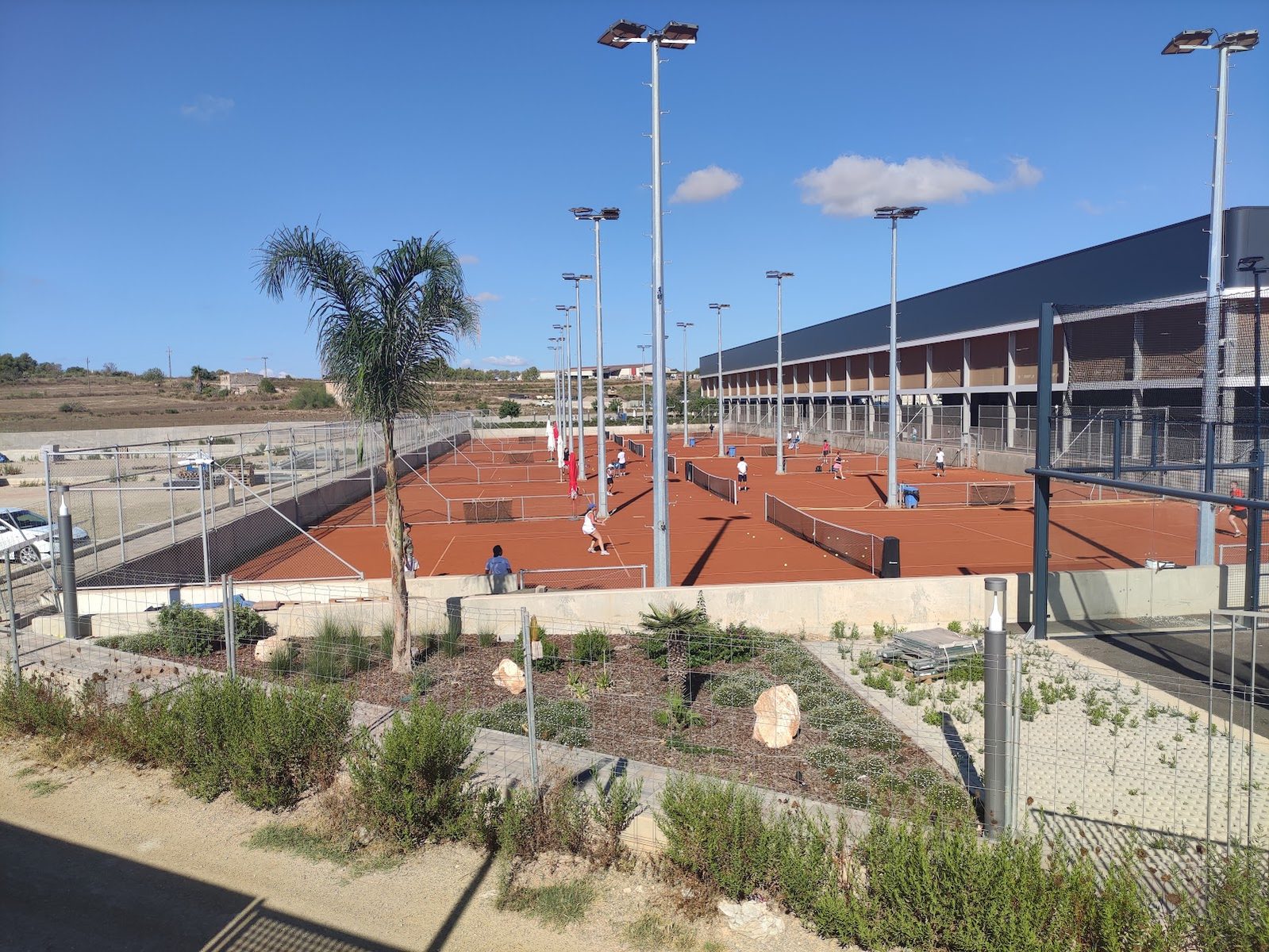
Rafa Nadal Academy
Manacor, Mallorca · Spain
In Manacor, Rafael Nadal's hometown, an American diploma curriculum shares 45 tennis courts with a pipeline toward NCAA scholarships.
Same specialism, country and curriculum — closest matches within ±10 points either way