
Queensland
Anglican Church Grammar School
low confidence· 6/6 cats · 0 avg sourcesEast Brisbane’s century-old boys’ school with IB and QCE
Know this school? Rate it
No community ratings yet — be the first.
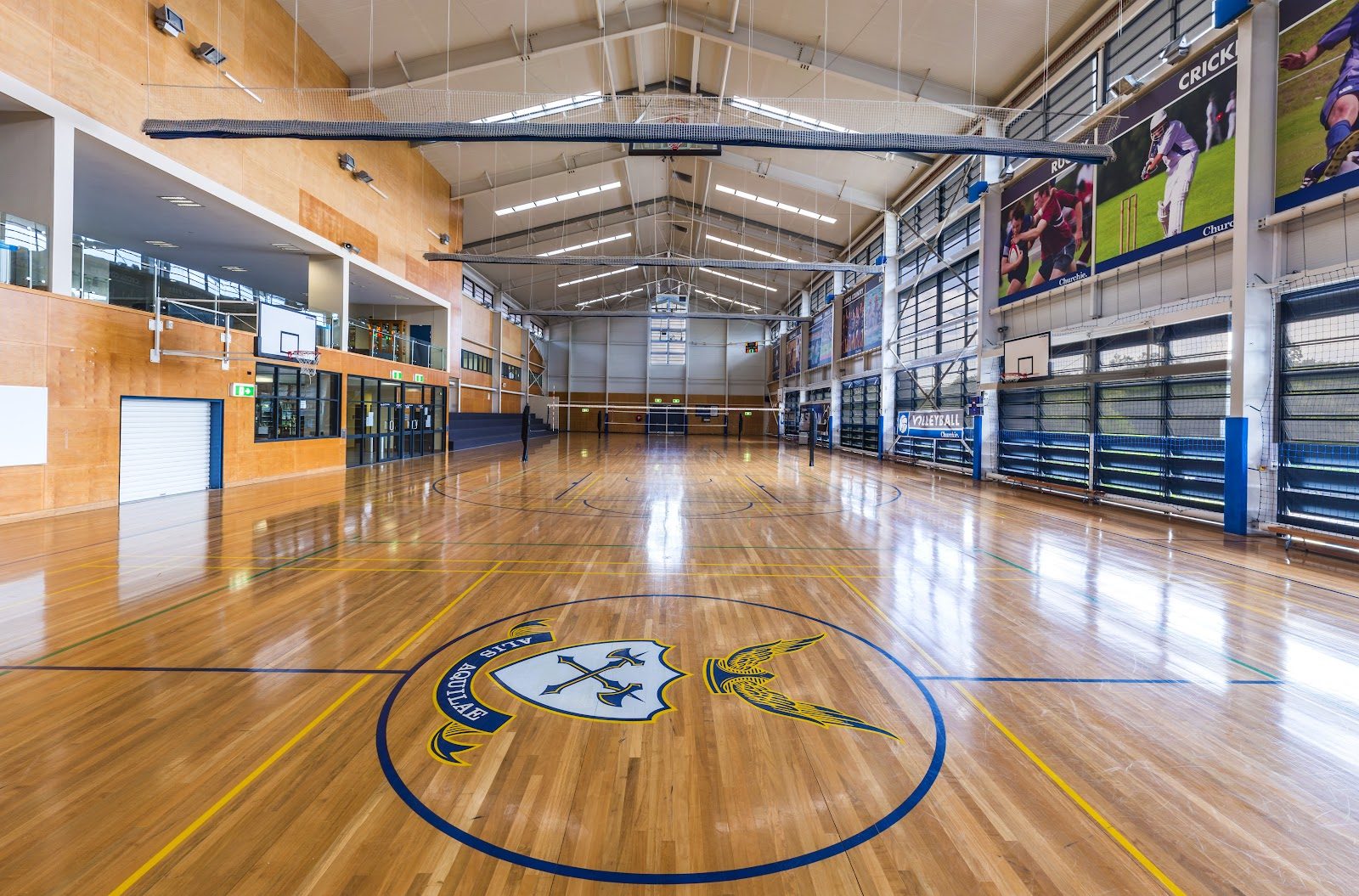
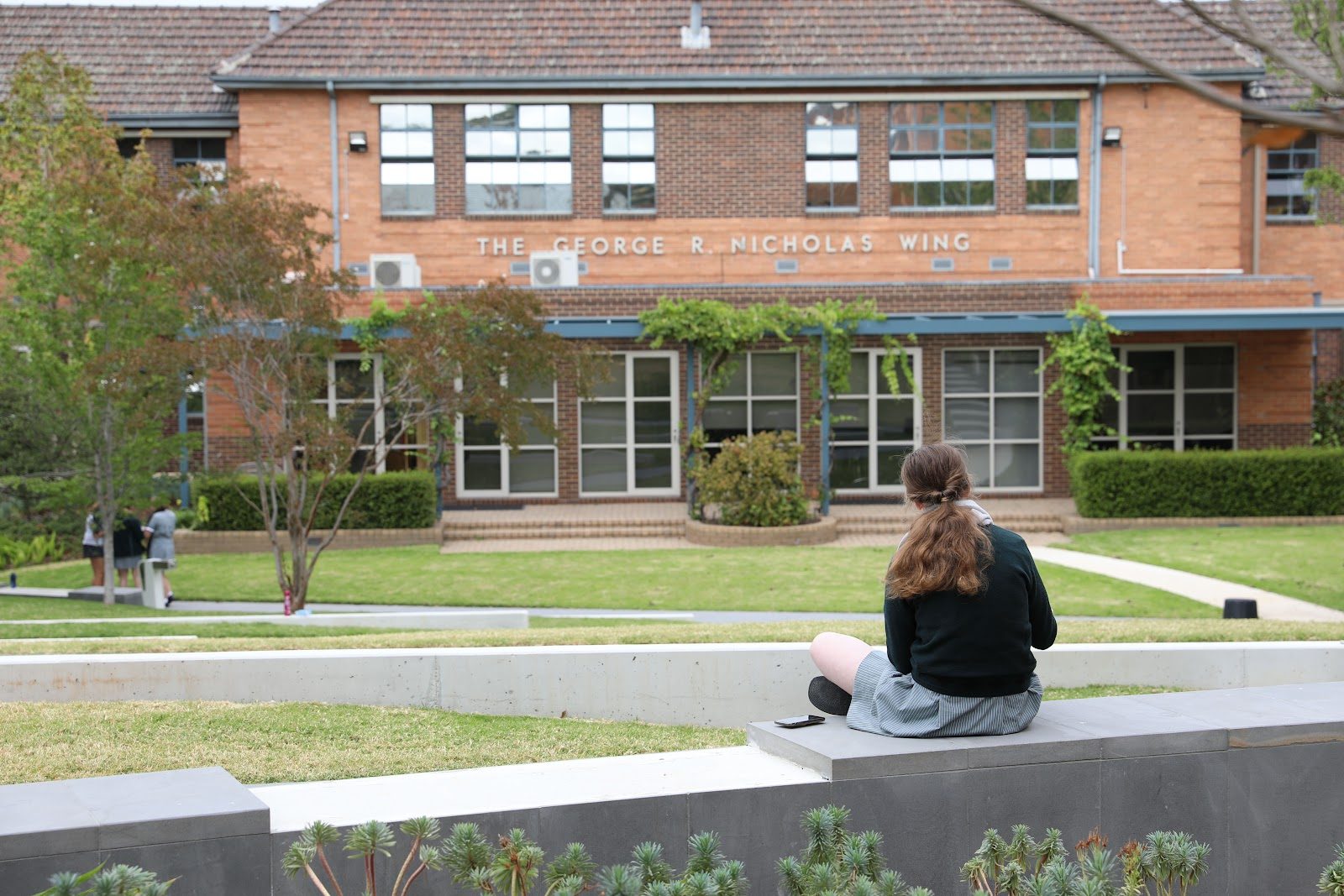
Photo © Anglican Church Grammar School (Churchie) via Google Maps
Type
Both
Ages
11–18
Curriculum
—
Ratio
11:1
The Verdict
Editor's commitment
Right for
Brisbane families wanting a boys' school in East Brisbane with day and boarding options, spanning ages 11 to 18.
Wrong for
Parents who want co-education, a secular foundation, or a cheaper option than the AUD 31,200 average annual day fee.
Watch out for
Founded in 1912, Churchie trades on deep establishment roots; boys who dislike tradition-heavy schools will feel the weight of it.
Peer & Industry Review
How Anglican Church Grammar School is regarded in the sector
68
Respected · medium confidence
Anglican Church Grammar School (Churchie) is consistently listed among Brisbane's leading GPS (Great Public Schools) associate institutions, regularly featured in Australian media rankings (e.g., The Australian's school performance tables, Courier-Mail 'best schools' coverage) for academic and rowing/rugby achievement, and has a notable alumni network including business and sports figures. It lacks the international profile of Sydney/Melbourne's top-tier GPS/AAGPS schools or Tatler-level global recognition, placing it as a respected regional player rather than a nationally unanimous top-tier institution.
Evidence sources
Editors' overview
Churchie sits in East Brisbane and does something that many old Australian boys’ schools do not: it keeps one foot in tradition and the other in programme choice. This is a school founded in 1912, for boys aged 11 to 18, with both day and boarding provision, and it gives families a route that includes both the IB and the QCE. That matters. For parents who want a school with a long institutional memory but do not want to be trapped in a single senior pathway, Churchie earns a place on the shortlist. The average annual day fee is A$31,200, which puts it in the expensive but not absurd end of the Brisbane independent market.
What is special here is not novelty. It is the combination of age, scale implied by a full 11–18 ladder, and a dual academic exit in a boys’ setting that still carries the weight of an established name in Brisbane. The school is in East Brisbane rather than on a remote edge-of-city campus, and that urban position will suit families who want access rather than seclusion. The boarding option widens the catchment beyond the immediate suburb and gives it a different reach from a standard local day school. Parents looking for a plainly traditional school wrapped around a single narrow definition of success need to ask hard questions; the attraction here is breadth within a disciplined, clearly defined structure.
The right student for Anglican Church Grammar School is a boy who will thrive in an all-boys environment and who wants a school with institutional heft rather than a startup mood. He needs to be comfortable in a place with history, expectation and a distinct identity. The IB/QCE mix makes Churchie a stronger proposition for families who want options at the senior end, whether that means a broad international curriculum or a Queensland pathway. Boys who want co-education, a less formal culture, or a school that softens its edges for every temperament should look elsewhere. For the right family, this is a serious Brisbane school with 1912 stamped all over its character and 11–18 continuity that gives it real staying power.
Academic Performance
Churchie’s academic proposition turns on choice at the top end, not on any published record of headline outperformance. The school offers two senior routes, which broadens university options and gives families a practical escape from the one-track model common in established boys’ schools. That is a serious advantage for students whose strengths do not fit a single assessment style. It also raises the bar on delivery: dual pathways only matter if both are staffed well, timetabled sensibly and treated as first-rank options rather than a prestige hierarchy. On public evidence, the school does not publish the kind of aggregate external-results data that would let parents place it cleanly against Brisbane’s strongest academic competitors. We have not seen cohort-wide IB averages, top-score distributions, median ATAR outcomes or subject-by-subject tables.
That opacity matters. In a market where leading independents use hard numbers to prove academic strength, the absence of published results leaves Churchie harder to rank with confidence and less transparent than the best comparators. That does not make it weak; it makes it difficult to verify. The school’s standing, long-established name and selective appeal will carry weight with many families, but editorially that is not enough. Parents who care about external examination performance need to ask direct questions: IB point averages, the share of students at high ATAR bands, score spread across both pathways, and results consistency over at least 3 years. Without that, Churchie sits in the bracket of credible but unproven academic heavyweights rather than the plainly evidenced top tier.
Facilities
Publicly, Churchie does not make a detailed facilities case. That in itself is worth noting. At this end of the market, strong schools publish clear, campus-level evidence: specialist science spaces, serious performing arts provision, sport infrastructure, boarding houses, libraries, design and technology workshops, and the practical detail that lets parents judge whether capital spending matches reputation. Here, we have the fact of a long-established boys’ school with day and boarding provision, but not the published inventory that top comparators now treat as standard. That leaves the campus harder to assess than it should be and puts Churchie behind peers that are plainly more transparent about what students use every day. For a school charging an average of A$31,200 a year, vagueness is a weakness.
The benchmark matters because Brisbane’s leading independent boys’ schools compete hard on physical plant as well as outcomes. Parents in this bracket should expect serious sports provision, properly equipped labs, convincing music and drama spaces, and boarding facilities that do more than cover the basics. Churchie may well have much of that, but the school does not publish enough for a clean editorial verdict on where it sits within that peer group. Until it does, the facilities picture reads as credible but under-evidenced: consistent with an established institution, short of the hard proof that marks out the best-run competitors. Parents should ask for a campus map, recent capital works, boarding-house detail and subject-specific facilities before treating the estate as a decisive strength.
Churchie’s academic proposition turns on choice at the top end, not on any published record of headline outperformance
Prestige
Churchie carries real social weight in Brisbane. The name is old, recognisable and attached to a slice of the city’s professional class that still treats certain boys’ schools as status institutions as much as educational ones. That matters in two ways. First, it gives the school a strong local cachet with families who value tradition, network and a defined masculine culture. Second, it keeps expectations high: a school with this kind of standing does not get judged as merely competent. The average annual day fee of A$31,200 reinforces that position. This is an expensive education, but not one priced at the outer edge of the market, which gives Churchie prestige without the rarefied exclusivity of the most financially forbidding schools.
Our rating stops short of the very top rank because the school’s public case for elite academic distinction is less hard-edged than its reputation. Prestige built on history, name recognition and alumni network is still prestige, but the strongest schools also publish results that leave no room for doubt. Churchie does not do that. For some families, the school’s long-standing place in Brisbane society is enough; for others, that will read as *reputation carrying more of the load than evidence. The result is established prestige*, not untouchable prestige: a school that opens doors socially and signals seriousness, but one that still needs sharper public proof to command the highest academic esteem.
We have not seen cohort-wide IB averages, top-score distributions, median ATAR outcomes or subject-by-subject tables
Communications
Churchie communicates from a position of institutional confidence. Schools with this kind of entrenched local standing do not need to shout, and the parent experience tends to hinge less on glossy persuasion than on whether information is timely, orderly and specific. That is where the public picture falls short. We have not seen a strong enough published trail of practical detail on core matters such as facilities, outcomes and the day-to-day mechanics that matter to parents choosing an expensive school. When a school charges an average of A$31,200 a year, parents are entitled to clean, usable communication, not reliance on name recognition and inherited trust. The tone attached to the school’s identity is clear; the operational transparency is less so.
That does not mean communication inside the school is weak. Long-established day-and-boarding schools survive because they run disciplined systems for notices, routines and pastoral contact. But editorially, effectiveness has to be visible, and Churchie does not publish enough to prove best-in-class parent communication. The benchmark in this market is straightforward: clear leadership voice, regular news, accessible policy information, and prompt answers to obvious parental questions before a family has to ask them. Churchie gives the impression of a school that expects parents to meet it on its own terms. For families comfortable with a formal, school-led relationship, that will suit. For parents who want full-blooded transparency and abundant practical detail up front, it will feel too guarded.
Uniqueness
Churchie’s distinctiveness lies in combination, not gimmick. Few established boys’ schools hold onto a deeply traditional identity while giving families more than one serious route through the senior years. That matters for students because it widens the definition of success inside a setting that still prizes structure, ritual and institutional continuity. A boy does not have to choose between an old-school environment and a broader academic menu; here he gets both. The boarding element changes the school again. It creates a community that runs beyond the end of the day, pulls in students from outside the immediate neighbourhood, and gives the place a bigger social range than a pure local commuter school. For the right student, that produces a high-expectation culture with more breadth than the stereotype of the narrow Brisbane boys’ school.
What this brings to students is clarity. Churchie offers a recognisable model of education: all-boys, tradition-conscious, academically varied, and backed by the reach that boarding gives. That can be formative for boys who respond well to defined expectations, team culture and a strong collective identity. It also gives them access to peers from different home bases and ambitions, which matters in adolescence. The trade-off is plain. A school with this much inherited character asks students to fit into it, not the other way round. Boys who want a softer-edged or more fluid environment will find that constraining. Boys who want belonging, continuity and a school identity that still carries force into adult life will find real value in it.
Without that, Churchie sits in the bracket of credible but unproven academic heavyweights rather than the plainly evidenced top tier
Student Profile
The boy who fits here is comfortable with structure, hierarchy and a school identity that carries weight beyond the classroom. He does not need a culture built around constant personal customisation; he can work within established expectations and find his place inside them. That suits students who respond to routine, competition and a strong peer code, whether in academic work, co-curricular life or the daily social rhythm of a boys’ school. It also suits families who want an education with clear edges and institutional seriousness, not a loose or highly therapeutic environment. The age range starts at 11, so this is a secondary-school culture from the outset rather than a gentler all-through setting.
The less suitable student is easy to identify. A boy who wants co-education, informal adult-student dynamics or a school that bends quickly around individual preference will chafe here. So will one who dislikes the intensity that old-name boys’ schools can generate around belonging, performance and social confidence. Churchie will work best for students who can absorb a high-expectation culture without being flattened by it: boys with some resilience, a measure of self-discipline and enough social ease to handle a community that reads as distinctly traditional and at times not for the faint-hearted. For the right family, that profile is a draw, not a drawback.
The benchmark matters because Brisbane’s leading independent boys’ schools compete hard on physical plant as well as outcomes
Co-curricular strengths
Arts & sport, on a separate axis
Overall 8.22/10
Scored 0-10 from the school's own published evidence. This axis is editorial-only — it does not feed the main WTS ranking.
Sports
9.5/10
Drama
8.8/10
Dance
5.5/10
Music
9.3/10
Visual Arts
8/10
Strengths
- +Authorised as an IB World School since 2017, offering both the Primary Years Programme and Diploma Programme alongside the giving families a genuine choice of senior pathway.
- +2025 leavers posted a median ATAR of 90.85 with 55% of the QCE cohort above 90 and the top IB score was 44/45 against a world average of 29.
- +Boarding is available from Year 7 to Year 12 on a large inner-city campus, with a housemaster, resident tutors and a staffed health centre supporting boarders.
- +Member of the Great Public Schools (GPS) Association, giving students a long-established weekly fixture of academic, sporting and cultural competition against peer Brisbane schools.
- +Offers a Vocational Education and Training pathway, including a Certificate II in Rural Operations with the University of Queensland's Gatton campus, alongside academic tracks.
Considerations
- −Boys-only school; families wanting a co-educational environment through to Year 12 will need to look elsewhere.
- −Fees sit at the premium end of the Brisbane market, with tuition reported at roughly AUD 24,820 to 47,579 a year and boarding adding a further sum on top of tuition and levies.
- −The school's long history includes a historical child sexual abuse case from the 1940s-50s that was only publicly revealed decades later, a fact due-diligence families should be aware of when researching any century-old boarding institution.
- −Academic results, while solid, place Churchie mid-table among Brisbane's traditional GPS boys' schools on median ATAR, behind several close competitors.
Availability
Primary entry gate & tests
Academic Record + Interview (Boys)
Gallery
Photo © yamin shah via Google Maps
Photo © Anglican Church Grammar School (Churchie) via Google Maps
Photo © Anglican Church Grammar School (Churchie) via Google Maps
Photo © Rainbow via Google Maps
Photo © Rainbow via Google Maps
Photo © Rainbow via Google Maps
Photo © Anglican Church Grammar School (Churchie) via Google Maps
Photo © Anglican Church Grammar School (Churchie) via Google Maps
Photo © Anglican Church Grammar School (Churchie) via Google Maps
Parent reviews
Have you sent your child here?
Voice reviews carry the strongest trust badge — we transcribe them for you to tidy up before they go live. Prefer to type? A written review is fine too.
Add your voice
In 60 seconds, tell other parents: what's the best thing about Anglican Church Grammar School, and what surprised you when your child joined?
We ask for a Google sign-in so every review has a real face behind it — no anonymous drive-by attacks on schools, and no faked positive reviews. Your email is never shown publicly.
Send this profile to a friend
International parents rely on word-of-mouth. Share this review with someone weighing the same decision.
Explore further
Schools families also compare with Anglican Church Grammar School
Schools with places
Similar schools to Anglican Church Grammar School with places available now.
Wesley College
Melbourne · Australia
- 2026-27
- WAITPOOLVacancy-dependent
- 2027-28
- PLACES OPEN
The King's School (Parramatta)
Parramatta · Australia
- 2026-27
- WAITPOOLVacancy-dependent
- 2027-28
- PLACES OPEN
Methodist Ladies' College
Melbourne · Australia
- 2026-27
- WAITPOOLVacancy-dependent
- 2027-28
- PLACES OPEN
Pymble Ladies' College
Sydney · Australia
- 2026-27
- WAITPOOLVacancy-dependent
- 2027-28
- PLACES OPEN
Availability first, then country, area, curriculum, price, co-curricular
Consider also
Also worth looking at alongside Anglican Church Grammar School.
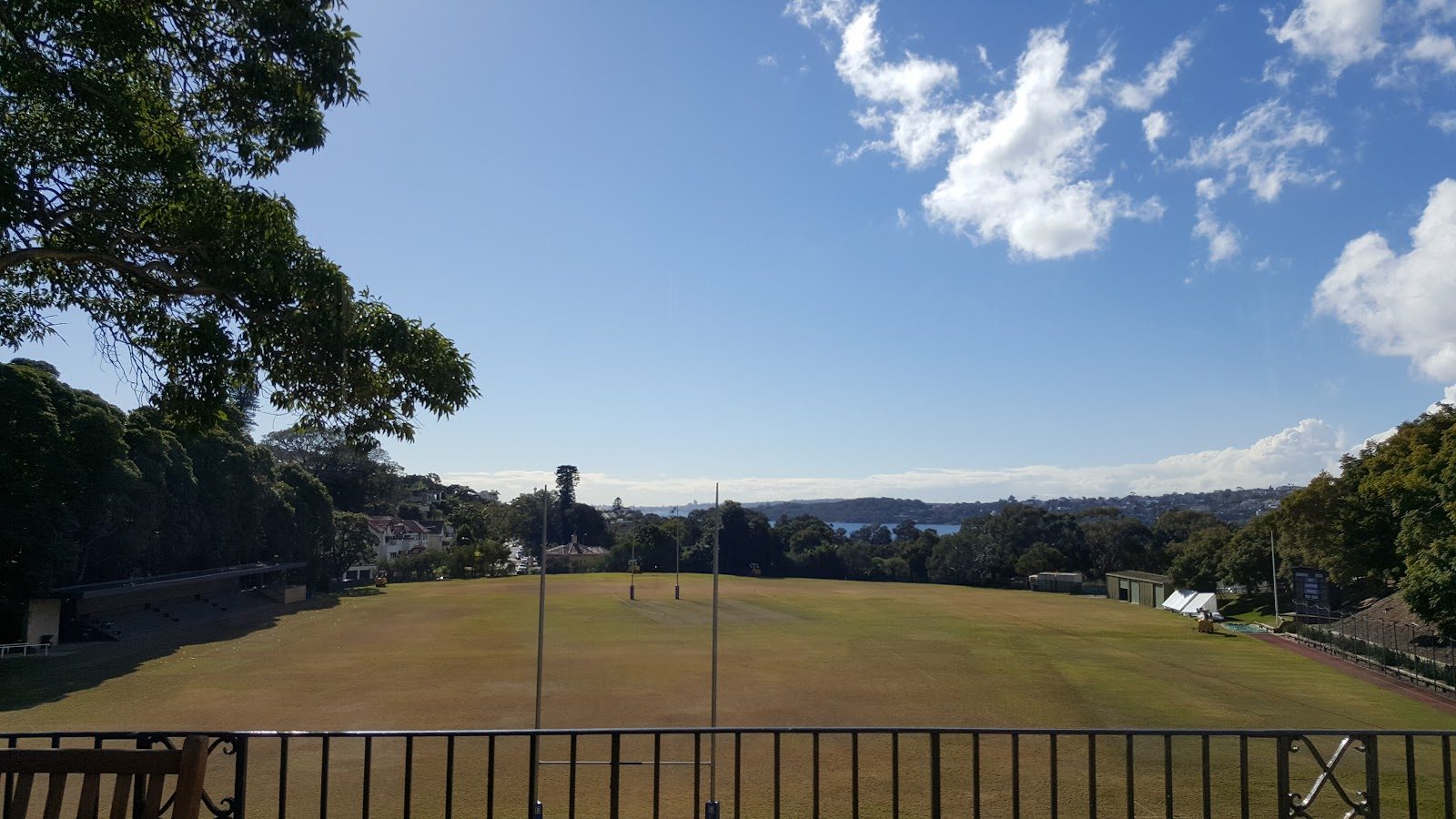
Cranbrook School
Sydney · Australia
Sydney's first IB Continuum School, pairing Bellevue Hill harbour views with a Blue Mountains bush campus for experiential learning.
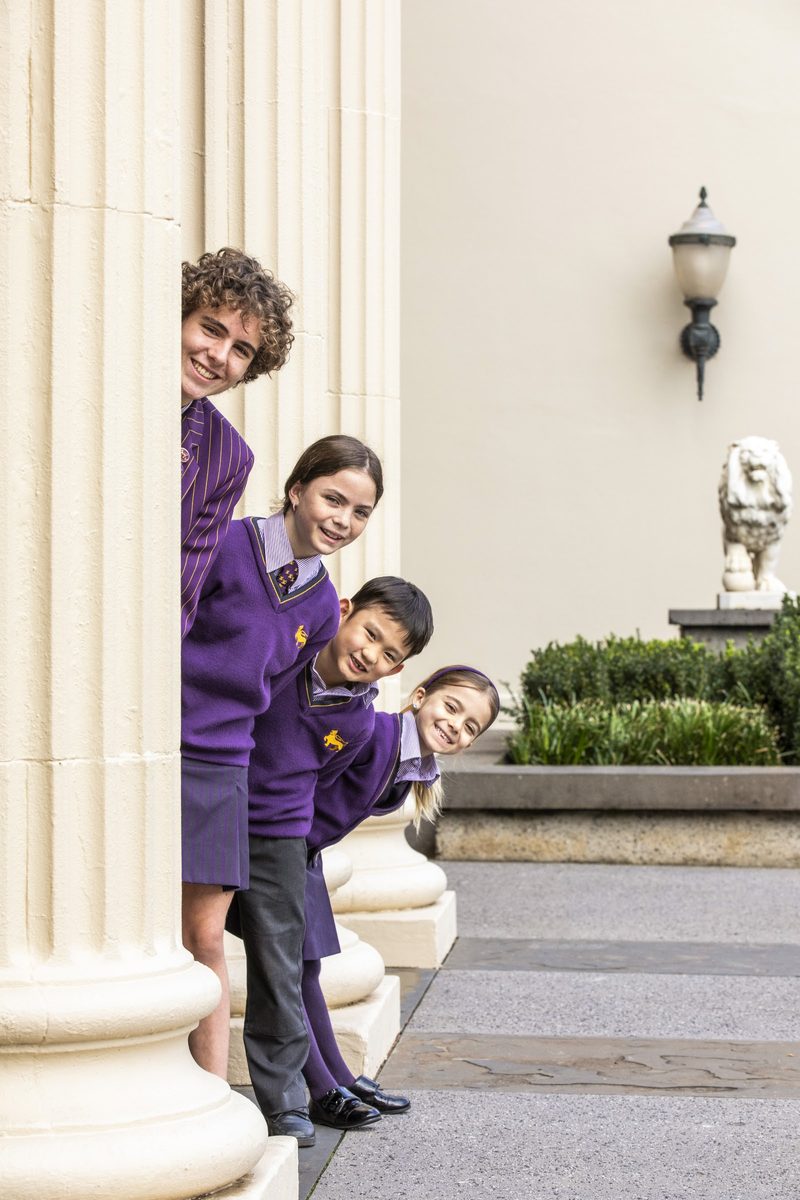
Wesley College
Melbourne · Australia
Runs the full IB continuum alongside VCE across three Melbourne campuses, reaching all the way to a studio school in the Kimberley outback.
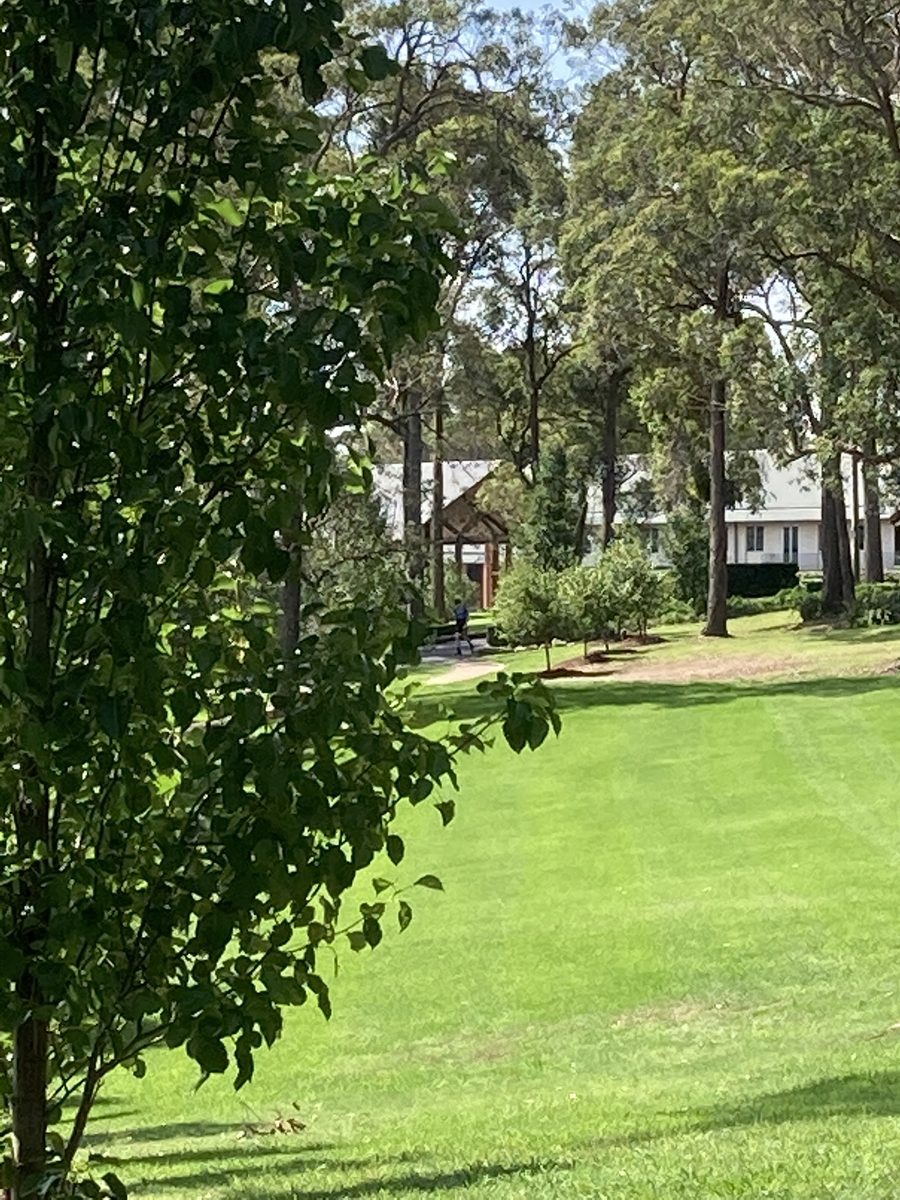
The King's School (Parramatta)
Parramatta · Australia
Australia's oldest independent school, where an 1831 foundation still marches in the country's oldest surviving military uniform and cadet corps.
Methodist Ladies' College
Melbourne · Australia
First school worldwide to put laptops in every student's hands in 1990, now pairing deep VCE-IB choice with an eight-week Marshmead wilderness term.
Same country and curriculum — closest matches within ±10 points either way