
New South Wales
Newington College
high confidence· 6/6 cats · 2.83 avg sourcesGothic Revival GPS founder in Sydney's inner west, home to Australia's first schoolboy rugby match, now turning fully co-educational by 2033.
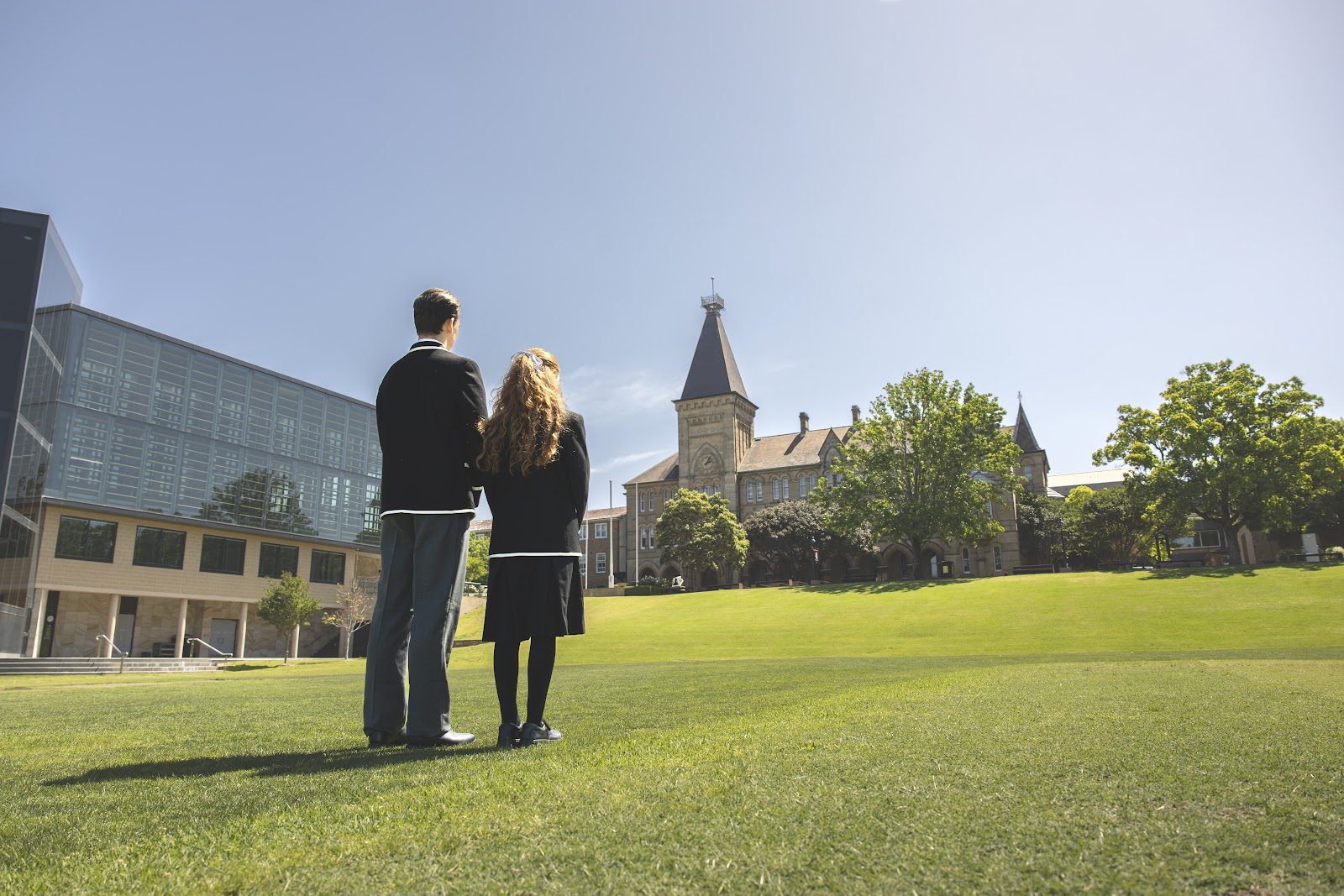
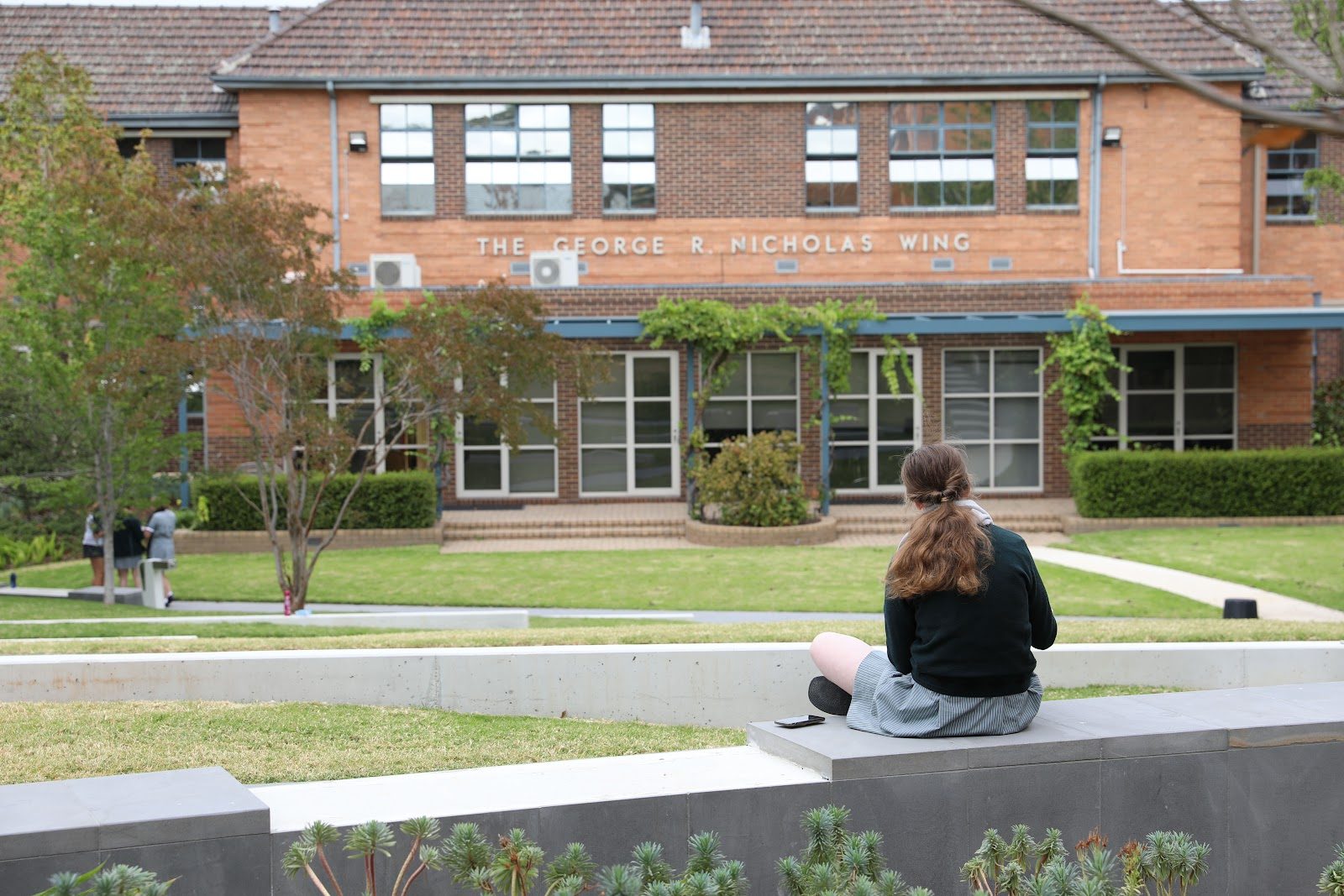
Photo © Newington College via Google Maps
Type
Both
Ages
3–18
Curriculum
Australian
Qualifications
HSC
Ratio
—
The Verdict
Editor's commitment
Right for
Families wanting a Sydney old-guard school with substance: founded in 1863, AAGPS member, Australian curriculum, co-educational by 2033.
Wrong for
Parents after a settled co-ed model now, or a secular culture; Newington is a Uniting Church school and still mid-transition.
Watch out for
At AUD 39,011 for day pupils and AUD 84,613 for boarding, this is expensive; check whether Stanmore, Lindfield or Eungai Creek fits.
Ranking breakdown
Newington College · # of 1591
Composite score 71.4. 8 weighted criteria.
By criterion
Academic Outcomes
Weight 20%
#449
of 1529 scored
University Placement
Weight 16%
#459
of 1529 scored
Prestige & Heritage
Weight 12%
#369
of 1571 scored
Alumni Network
Weight 12%
#231
of 1530 scored
Facilities
Weight 12%
#395
of 1534 scored
Transparency & Communications
Weight 8%
#551
of 1532 scored
Peer & Industry Review
Weight 10%
#598
of 1548 scored
Admissions Selectivity & Demand
Weight 8%
#369
of 1529 scored
Peer & Industry Review
How Newington College is regarded in the sector
60
Respected · medium confidence · editor-reviewed
Newington College is a well-established GPS (Athletic Association of the Great Public Schools of NSW) member school, consistently featured in Australian independent school rankings (e.g., Sydney Morning Herald HSC league tables, Good Schools Guide Australia coverage) and recognised for its extensive Old Boys' alumni network including notable figures in law, business and sport. It is regularly benchmarked alongside other prestigious Sydney GPS schools like Sydney Grammar, Scots College and The King's School in peer and media comparisons, though it does not achieve the singular global name-recognition of a handful of top-tier Australian schools.
Editor's note
Strong Sydney GPS boys' school. Australian top-20 defensible; not top-30 global.Evidence sources
Editors' overview
Newington trades on three things that still carry weight in Sydney: deep history, GPS membership and a serious inner-west footprint. Founded in 1863, it sits in Stanmore as a Uniting Church school with campuses stretching from the early learning years to senior school, plus boarding at Eungai Creek. The school is now in the middle of its biggest structural change in generations: a full shift to co-education by 2033. That matters. Parents are not buying a static institution here; they are buying into a legacy school in transition, with all the opportunities and friction that brings. For the right family, that is a strength rather than a warning sign.
What puts Newington on a shortlist is not novelty but range and institutional heft. It covers ages 3 to 18, teaches the Australian curriculum in English, and offers both day and boarding places. It is also a member of AHISA and the AAGPS, which fixes it firmly in the established New South Wales independent-school market. The average annual fee is AUD 39,011 for day students and AUD 84,613 for boarders, so this is an expensive, top-tier choice rather than an aspirational mid-market school. The attraction for many families will be the combination of old-school structure, broad co-curricular provision and access to a recognised Sydney network. The school also leans hard into its own history: it does not hide the fact that tradition is part of the product.
The sharper question is whether your child will thrive in that culture. Newington suits students who want a big, established institution rather than a boutique school; children who enjoy sport, performance, service and the visible rituals of school life; and families comfortable with a school that has public identity and clear traditions. It also suits parents who want the social and practical flexibility of a school with multiple campuses and a boarding option. It will appeal less to families looking for a small-scale, intimate setting or a school defined by progressive informality. Newington’s co-educational future broadens its reach, but its centre of gravity remains that of a historic GPS founder: ambitious, structured and conscious of its place in Sydney.
Academic Performance
Newington at least gives parents a direct line to public exam outcomes: the school maintains dedicated pages for both HSC and IB results. That matters, because many schools in this bracket still hide behind anecdote, university offers or glossy destination lists. The catch is that headline aggregate data are thin. We have not seen cohort-wide summary figures, state ranking claims or published distribution tables that would let parents place Newington cleanly against the hard-driving Sydney academic field. In a market where selective schools and the city’s most results-obsessed independents publish sharp metrics or attract heavy external scrutiny, that leaves Newington’s academic position more opaque than the strongest performers at the top of the table.
That does not make it weak; it places it in the broad band of major all-rounders whose value rests on a full school experience rather than a single-minded exam factory model. The existence of both HSC and IB pathways gives families real choice, and it also complicates straight comparisons with schools that channel everyone into one route and then market a single set of outcomes. Relative to peers, Newington fits the established, high-fee independent category with visible academic intent, but not the data-rich, rankings-first cohort that dominates Sydney’s exam conversation. Parents who need forensic proof of academic outperformance will want more published detail. Parents who want solid outcomes inside a larger institutional offering will find the academic picture credible, if not unusually transparent.
Facilities
Newington’s facilities story starts with spread rather than spectacle. This is a multi-campus school with distinct sites for the early years, junior provision, the main secondary years and boarding, and that matters operationally: age groups are not squeezed into one compromised plot. The Stanmore senior campus carries the weight of the institution’s public identity, while the dedicated early learning and junior settings give younger children room to operate outside the shadow of older pupils. The school also flags specialist spaces such as the Concordia Gallery and a named Centre for Critical Thinking and Ethics, which points to infrastructure beyond the standard classroom-sports formula. Add the published senior arts events programme and sports facility hire, and the picture is of a school with real breadth in arts, ideas and physical provision, not a campus trading on one strong oval and a chapel.
Against Sydney peers, that places Newington in the big-school, full-service bracket rather than the architectural showpiece tier. Some rival independents have more publicly legible signature assets — major performing arts centres, standout aquatic complexes, sharper published campus photography, or clearer detail on labs and maker spaces. Newington’s estate reads as substantial rather than theatrical. For many families, that is enough: separate campuses, boarding infrastructure and visible support for sport and the arts cover the essentials at a serious level. For parents comparing top-fee schools line by line, the weakness is detail. Newington does not publish a crisp inventory of standout facilities, so its hardware lands as *credible, established and slightly opaque* rather than indisputably market-leading.
Parents who want solid outcomes inside a larger institutional offering will find the academic picture credible, if not unusually transparent
Prestige
Newington carries real social and institutional prestige in Sydney because it sits inside an old independent-school network that still opens doors. Membership of the GPS matters here: it signals status, sporting tradition and a place in a long-established pecking order that many local families understand instinctively. This is not prestige built on league-table swagger alone. It rests on continuity, recognisable rituals, a substantial alumni community and the durable cachet of a school name that has circulated through generations. The co-educational shift does not erase that inheritance; it tests whether the school can modernise without diluting the brand that made it valuable in the first place.
That is why the prestige rating lands high, but not at the untouchable summit. Newington has serious old-school weight, broad recognition and the confidence of a school that knows its place in the market. It also lacks the singular academic mystique of the city’s most exam-dominant institutions, and that limits its standing for families who define prestige by raw results rather than network, tradition and breadth. In plain terms, this is establishment prestige: visible, durable and expensive, with average annual fees of AUD 39,011 for day students and AUD 84,613 for boarders. For families who want a school with deep-rooted status and a strong public identity, Newington delivers. For families chasing the most rarefied academic aura, other Sydney names carry more force.
For parents comparing top-fee schools line by line, the weakness is detail
Communications
Newington communicates like a large, procedural institution rather than a boutique school. The website does the heavy lifting: admissions, fees, tours, calendars, uniforms, online payments, safeguarding policies, scholarships, international-student information and separate campus pages are all easy to find from the top navigation. That breadth matters. Parents do not need to hunt for the practical basics, and the school has built clear public routes into key areas of family life. The site also carries named sections for wellbeing, service learning, leadership, outdoor education, creative and performing arts, and published pages for 2025 HSC and 2025 IB results. Add direct social channels and a visible news-and-events structure, and the communications model reads as systematic, centralised and geared to a community operating across multiple campuses.
The weakness is tone. Newington writes with the confidence of an old institution and, at times, the weight of one too. Vision language, governance framing and community messaging carry a ceremonial, top-down feel that will reassure families who want order and stature, but it lacks warmth and plain-spoken immediacy. For a school managing a major cultural transition, parent communication needs more than architecture; it needs candour. Newington covers the mechanics well and publishes more than some peers, but the public voice still leans institutional rather than intimate. Effective overall, then, but not exceptionally transparent or distinctly personal.
Uniqueness
What marks Newington out is the collision of old-guard prestige with live institutional change. Plenty of historic schools trade on memory; fewer are rebuilding their core identity in public. Newington is doing that through a staged move to full co-education by 2033, while still carrying the habits, rituals and social code of a long-established GPS school. That gives students a rare vantage point: they inherit the confidence, networks and co-curricular scale of a tradition-heavy institution, but they do so inside a school that is being forced to re-examine who it serves and how it works. Add the parliamentary governance arrangement dating from 1922, and Newington reads less like a conventional private school and more like a civic institution with school functions.
The student experience that flows from that is distinctive rather than cosy. Children get a strong sense of belonging to something bigger than their year group or campus, with visible continuity across early learning, junior, senior and boarding life. The school’s Christian foundation still matters, but it sits alongside an intake open to families of all faiths and backgrounds, which broadens the culture beyond denominational identity alone. The benefit is breadth: sport, arts, service, leadership and public-school ceremony all carry weight. The trade-off is that Newington will not suit families who want a soft-edged, low-profile education. Its appeal rests on scale, identity and expectation.
Effective overall, then, but not exceptionally transparent or distinctly personal
Student Profile
Newington suits students who are comfortable in a big-identity school where belonging is public, expectations are visible and co-curricular life carries real weight. The best fit is a child who wants more than classroom competence: someone ready to throw themselves into sport, performance, service, leadership and the routines of organised school life. There is a place here for academically serious students, but the centre of gravity is the all-rounder with stamina rather than the solitary specialist or the child who wants to keep school at arm’s length. The school’s spread across ages 3–18 also favours families looking for continuity and children who benefit from growing up inside one institutional culture rather than resetting every few years.
It is less well suited to students who need a low-pressure, soft-edged environment or who bridle at hierarchy, ceremony and collective tradition. This is an expensive school with a strong social signal, and some children will relish that while others will find it constraining. The current move to full co-education also matters to fit: families need a degree of confidence in change, not just affection for heritage. Boarders and day pupils both have routes in, but no child will disappear into anonymity here. The students who do best are those who can handle scale, join in visibly and make use of a school that asks for energy, resilience and a willingness to be part of something larger than themselves.
The student experience that flows from that is distinctive rather than cosy
Co-curricular strengths
Arts & sport, on a separate axis
Overall 9.18/10
Scored 0-10 from the school's own published evidence. This axis is editorial-only — it does not feed the main WTS ranking.
Sports
9.5/10
Elite AAGPS athletic titan; fields historically dominant varsity rowing crews (based at its Hen and Chicken Bay boathouse) and premier rugby programs.
Drama
9.2/10
Active theatrical tracking inside the Playfair Hall, emphasizing technical stagecraft and classical acting styles.
Dance
8.5/10
Maintained strictly as a minor auxiliary component for stage movement in musical theater rather than an independent discipline.
Music
9.5/10
Deeply institutionalized music school supporting massive symphonic bands, chapel choirs, and regular community concert showcases.
Visual Arts
9.2/10
The state-of-the-art visual arts center runs advanced technical design and sculpture portfolios built for the rigorous HSC syllabus.
Editor-verified · 8/6/2026
Strengths
- +Founded in 1863, Newington is one of Sydney's oldest GPS schools, with a Uniting Church affiliation and roughly 2,000-2,100 students across its campuses.
- +2025 HSC results showed 68 per cent of student results in the top two bands (5 and 6), up from 59 per cent in 2024, with 90 per cent of Extension results in the top two performance bands.
- +The school operates a dedicated boarding and outdoor/service-learning campus at Eungai Creek on the NSW Mid North Coast, alongside junior campuses at Stanmore and Lindfield.
- +As a member of the GPS (Athletic Association of the Great Public Schools of NSW), the school has a long-standing rowing and rugby tradition and a large Old Newingtonians alumni network.
- +The college is in the midst of a structured transition to full coeducation, admitting girls to Kindergarten and Year 5 from 2026 and to Year 7 and Year 11 from 2028.
Considerations
- −Newington remains substantially a boys' school during its transition; full coeducation across all year groups is not scheduled until 2033, limiting entry points for girls in the near term.
- −Senior secondary tuition is high: 2024 fee schedules list Years 11-12 tuition at AUD 42,201 plus a non-refundable enrolment fee of AUD 5,000, with boarding an additional AUD 33,000-plus annually.
- −The school's strong GPS sporting culture (rowing, rugby) is a defining feature of campus life, which may not suit families seeking a less sport-centric environment.
- −With the co-ed rollout staggered by year group over roughly a decade, the gender mix and campus culture will differ depending on which year a child enters, adding a layer of complexity for planning.
Availability
Primary entry gate & tests
Academic Record + Interview (Boys)
Gallery
Photo © Newington College via Google Maps
Photo © Archie via Google Maps
Photo © Ellen Kim via Google Maps
Photo © ming so via Google Maps
Photo © Karl Kovarik via Google Maps
Parent reviews
Have you sent your child here?
Voice reviews carry the strongest trust badge — we transcribe them for you to tidy up before they go live. Prefer to type? A written review is fine too.
Add your voice
In 60 seconds, tell other parents: what's the best thing about Newington College, and what surprised you when your child joined?
We ask for a Google sign-in so every review has a real face behind it — no anonymous drive-by attacks on schools, and no faked positive reviews. Your email is never shown publicly.
Send this profile to a friend
International parents rely on word-of-mouth. Share this review with someone weighing the same decision.
Schools with places
Similar schools to Newington College with places available now.
The King's School (Parramatta)
Parramatta · Australia
- 2026-27
- WAITPOOLVacancy-dependent
- 2027-28
- PLACES OPEN
Ascham School
Sydney · Australia
- 2026-27
- WAITPOOLVacancy-dependent
- 2027-28
- PLACES OPEN
Pymble Ladies' College
Sydney · Australia
- 2026-27
- WAITPOOLVacancy-dependent
- 2027-28
- PLACES OPEN
Sydney Grammar School
Sydney · Australia
- 2026-27
- WAITPOOLYr 7 closed; Yrs 8-11 enquire
- 2027-28
- WAITPOOLYr 7 closed; Yrs 8-11 enquire
Availability first, then country, area, curriculum, price, co-curricular
Consider also
Also worth looking at alongside Newington College.
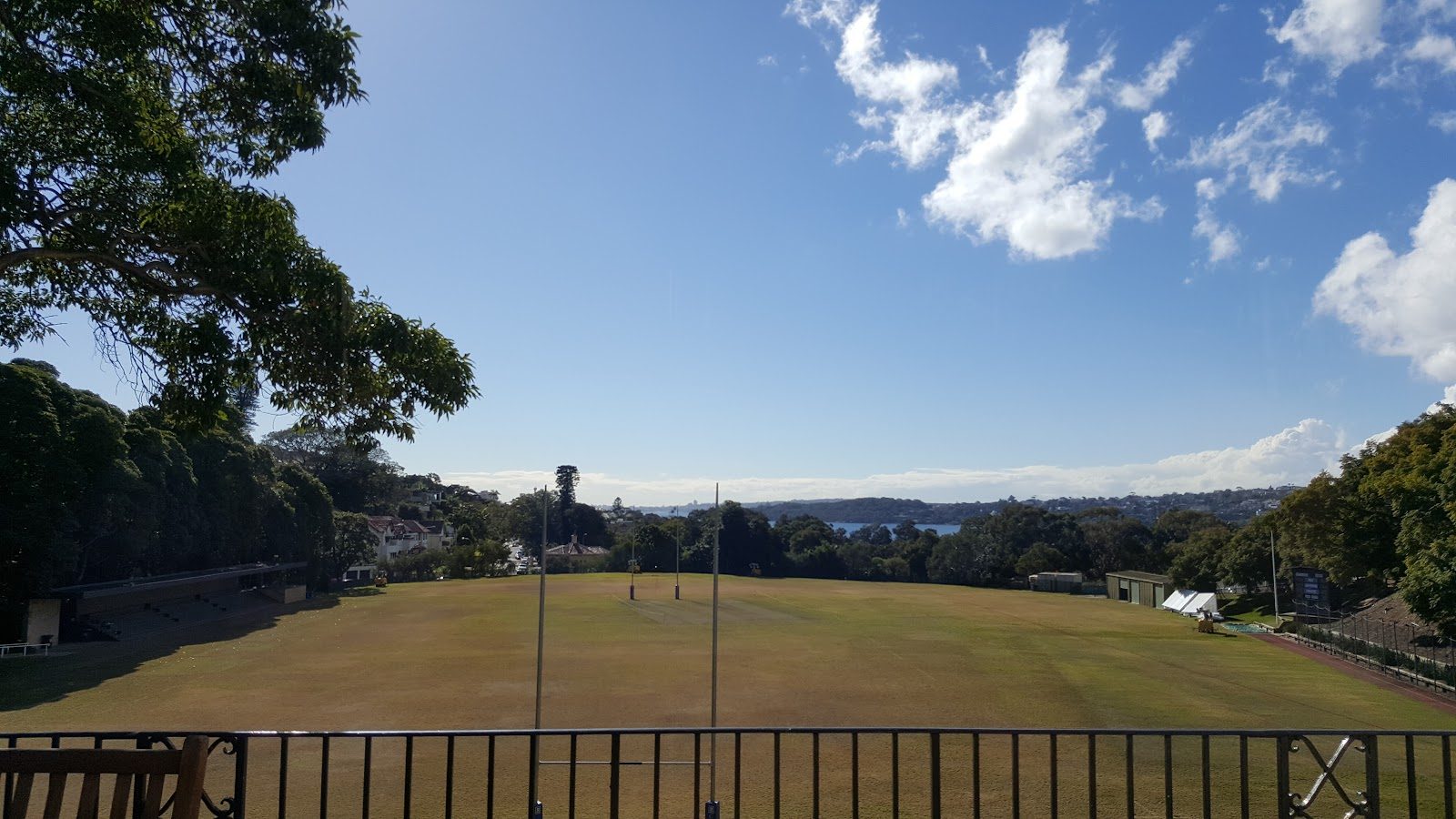
Cranbrook School
Sydney · Australia
Sydney's first IB Continuum School, pairing Bellevue Hill harbour views with a Blue Mountains bush campus for experiential learning.
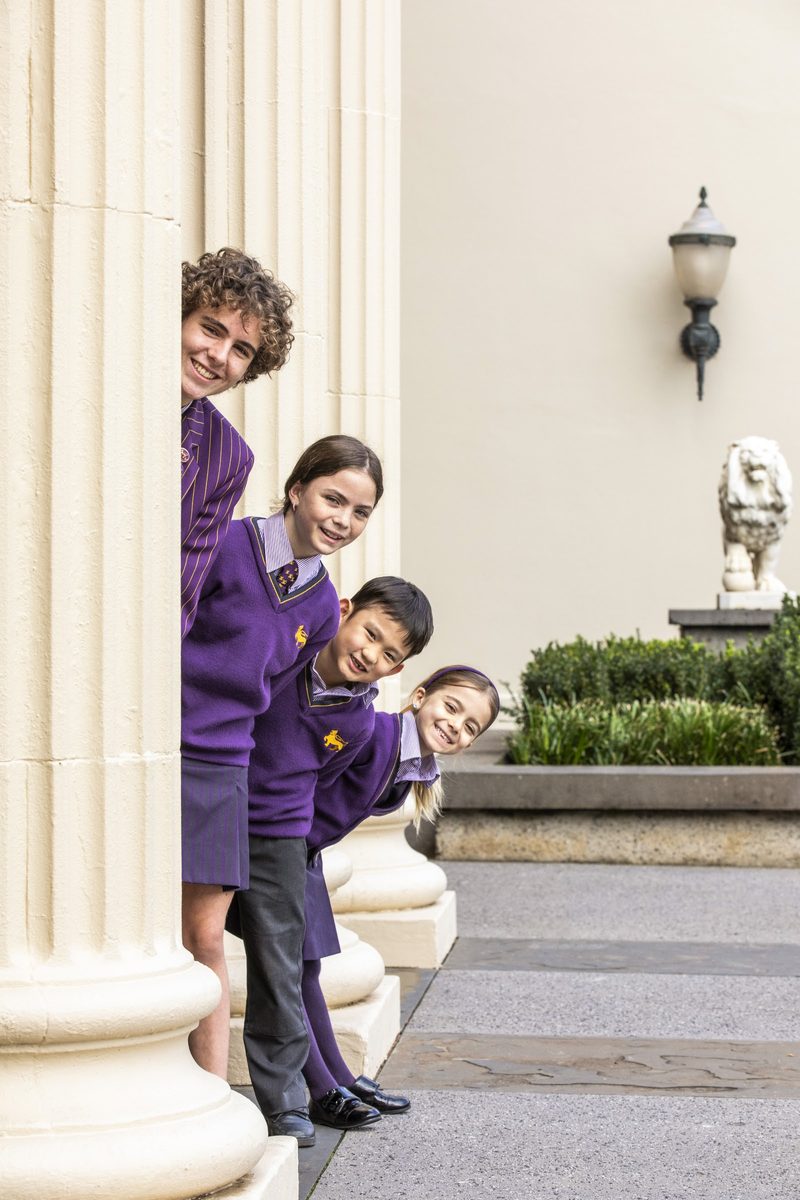
Wesley College
Melbourne · Australia
Runs the full IB continuum alongside VCE across three Melbourne campuses, reaching all the way to a studio school in the Kimberley outback.
The King's School (Parramatta)
Parramatta · Australia
Australia's oldest independent school, where an 1831 foundation still marches in the country's oldest surviving military uniform and cadet corps.
Methodist Ladies' College
Melbourne · Australia
First school worldwide to put laptops in every student's hands in 1990, now pairing deep VCE-IB choice with an eight-week Marshmead wilderness term.
Same country and curriculum — closest matches within ±10 points either way