
Madrid
Colegio Nuestra Señora del Recuerdo
In Chamartin since 1880, this Jesuit day school carries forward a Madrid teaching tradition traced to the 1572 Colegio Imperial.
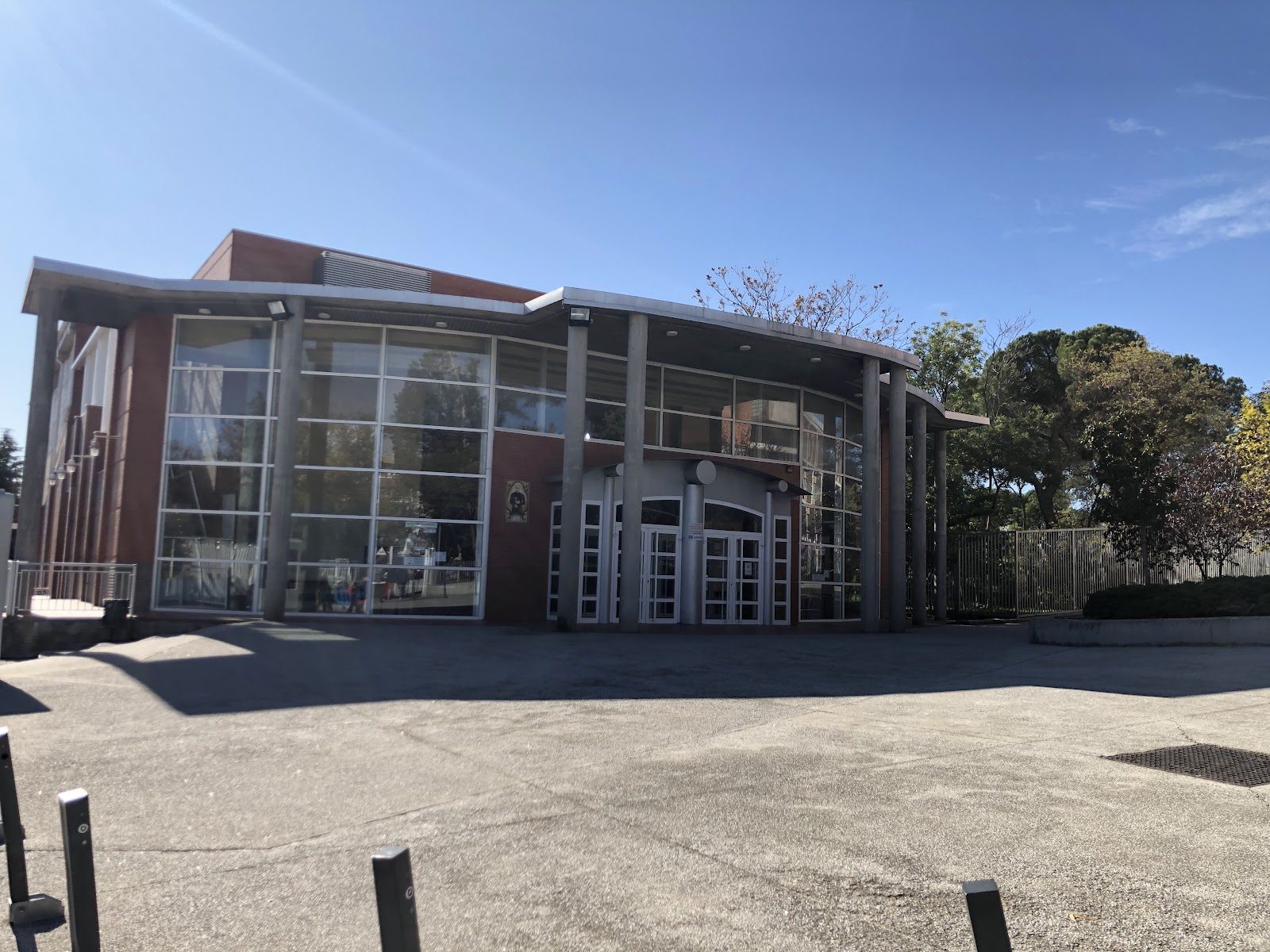
Photo © MENTE IMPERTINENTE (The Impertinent Mind) via Google Maps
Type
Day
Ages
3–18
Curriculum
Spanish National
Qualifications
Bachillerato
Ratio
—
The Verdict
Editor's commitment
Right for
Madrid families who want a Catholic day school in Chamartín, founded in 1889, teaching ages 3–18 in Spanish and English.
Wrong for
Families seeking boarding, a secular ethos, or a non-Spanish National curriculum; this is a Catholic day school for ages 3–18.
Watch out for
The school trades on Jesuit heritage and El Mundo citations from 2007 and 2012; current academic outcomes are not published here.
Ranking breakdown
Colegio Nuestra Señora del Recuerdo · # of 1591
Composite score 51.3. 8 weighted criteria.
By criterion
Academic Outcomes
Weight 20%
#1312
of 1529 scored
University Placement
Weight 16%
#1332
of 1529 scored
Prestige & Heritage
Weight 12%
#1200
of 1571 scored
Alumni Network
Weight 12%
#1165
of 1530 scored
Facilities
Weight 12%
#1326
of 1534 scored
Transparency & Communications
Weight 8%
#1433
of 1532 scored
Peer & Industry Review
Weight 10%
#1495
of 1548 scored
Admissions Selectivity & Demand
Weight 8%
#1077
of 1529 scored
Peer & Industry Review
How Colegio Nuestra Señora del Recuerdo is regarded in the sector
50
Credible · medium confidence
Regard for Recuerdo sits mainly within Spain's network of long-established Catholic congregacion-run day schools rather than the international/British-curriculum circuit that dominates Madrid's expat-facing press. Among comparable centros concertados and privados religiosos in Chamartin and northern Madrid, heads of sister institutions treat it as a solid, traditional academic option with a strong bachillerato pass rate feeding into Universidad Complutense, Autonoma de Madrid and Comillas, though it lacks the newly built Sanders/King's/British Council school profile that grabs university outreach officers' attention. It appears intermittently in the annual El Mundo and ABC 'mejores colegios de Madrid' round-ups that Spanish families use as informal league tables, but is largely absent from anglophone outlets like Good Schools Guide International or WhichSchoolAdvisor, which focus on international schools with IB/A-level tracks. Independent education press coverage is therefore thin and mostly local/diocesan rather than national or international, and conference presence at events like NABSS or COBIS is not evident. Its reputation is best described as solid, faith-based, and locally respected, without the cross-border benchmarking that elite international schools in Madrid actively cultivate.
Editors' overview
Colegio Nuestra Señora del Recuerdo occupies a rare position in Madrid: an old, academically serious Jesuit day school with deep roots in the city’s educational life. The school traces its wider tradition to the Colegio Imperial of 1572, while this campus dates from 1889 in the verified record. That matters because Recuerdo offers more than longevity as a marketing line; it offers continuity of culture. Parents looking for moral seriousness, institutional memory and a school that treats education as formation rather than customer service will find a clear fit here. It runs the Spanish National curriculum from ages 3–18, with teaching in Spanish and English, and sits squarely within the Catholic independent-school tradition in Madrid.
What sets it apart is the Jesuit framework. At its best, that produces intellectual discipline, a strong service ethic and a school culture that asks pupils to think beyond grades. In a market crowded with bilingual schools selling facilities, international labels and brand gloss, Recuerdo’s appeal is more durable: a sense of purpose, high expectations and an older idea of schooling in which character, faith and scholarship belong together. The Wikipedia source notes recognition in El Mundo studies in 2007 and 2012 as one of Spain’s best schools; useful context, but not the core reason to consider it. The stronger reason is that Recuerdo stands for a specific educational model and has held that line for generations.
This school belongs on a shortlist for families who want a Catholic education with weight behind it, and who value discipline without gimmicks over trend-driven innovation. It will suit pupils who can thrive in a structured environment, respect authority and engage with a school identity that is explicit rather than diluted. Children who need constant reinvention, a loose atmosphere or an aggressively international social mix may find it less congenial. For the right student, though, Recuerdo offers deep-rooted belonging, intellectual steadiness and a form of prestige grounded in tradition rather than display.
Academic Performance
Public exam performance is hard to judge because the school does not publish aggregate results for the Spanish university entrance route, nor any school-wide breakdown of top grades, university placements or value-added data. That is a real gap. In a market where many academically ambitious schools advertise every decimal point, Recuerdo asks parents to rely on reputation and institutional confidence instead of hard numbers. The one public signal in the source record is external recognition from El Mundo, which listed the school among Spain’s best in 2007 and 2012. That matters, but it is dated, selective and no substitute for current attainment data. On academic transparency, the school is opaque.
Relative to peers, that places Recuerdo in an awkward position: strong standing in Madrid’s traditional Catholic sector, but little public evidence for parents who want direct comparison with exam-driven competitors. Schools with published university entrance outcomes, subject-level distinctions and destination lists make a clearer case. Recuerdo’s case rests on institutional weight, long-earned prestige and the assumption of solid academic standards inside a demanding Jesuit framework. That will satisfy families who trust old-school reputation. It will not satisfy parents who want proof in black and white. In editorial terms, the school reads as academically credible, but not measurable in the way the strongest transparent performers are.
Facilities
Public detail on facilities is thin, which matters. Recuerdo does not publish the kind of campus inventory that many rival schools now treat as standard: no clear public breakdown of specialist science provision, performing arts spaces, sports infrastructure or dedicated early-years environments. That leaves parents with a blunt gap in disclosure. What can be said with confidence is narrower: this is a long-established Jesuit day school in Chamartín serving pupils from nursery through baccalaureate, so the campus has to support the full age range and the ordinary demands of a large all-through school day. That points to functional breadth rather than showroom excess. Families looking for flashy capital projects, design-led maker spaces or the resort-style sports offer found in newer premium schools will need to ask hard questions.
Against Madrid peers, that places Recuerdo on the traditional side of the market. Older Catholic schools in the city often prioritise classroom teaching, chapel life and institutional routine over public-facing facilities theatre; Recuerdo fits that pattern. The trade-off is familiar: serious schooling can coexist with modest presentation, but modest presentation also makes scrutiny harder. In this segment, the strongest competitors now pair tradition with precise campus disclosure. Recuerdo does not. Until the school publishes a fuller account of its laboratories, arts provision, indoor and outdoor sports spaces, and technology resources, its facilities profile remains credible but under-evidenced rather than clearly best-in-class.
It stops short of the top tier of prestige because modern prestige also requires transparency, and Recuerdo does not provide it
Prestige
Recuerdo carries old-established prestige within Madrid’s Catholic independent sector, and that prestige rests on durability, selectivity of reputation and Jesuit association rather than glossy international branding. The public signal in the source record is narrow but meaningful: El Mundo placed the school among Spain’s best in 2007 and 2012. That does not prove current superiority, and it does not replace published outcomes, but it does confirm that the school has long held national recognition beyond its immediate neighbourhood. In prestige terms, this is not a fashionable newcomer trading on facilities or English-language marketing. It is an institutional name, with the social confidence that attaches to schools families know before they start comparing websites.
That said, prestige here has limits. Recuerdo has cultural weight and a strong traditional profile, but it does not convert that standing into the kind of public, data-backed academic case that now drives prestige in more results-conscious segments of the market. For some parents, that strengthens the aura: schools with nothing to prove rarely advertise hard. For others, it weakens the claim: prestige without disclosure can slip into inheritance prestige. Our rating is high because the school carries genuine status, historical continuity and recognised standing in Spain’s school landscape. It stops short of the top tier of prestige because modern prestige also requires transparency, and Recuerdo does not provide it.
That makes Recuerdo distinctive, cohesive and, for the right child, deeply formative
Communications
Parent communication has the same problem as the school’s wider public face: too little concrete disclosure. We have not seen a robust, parent-facing account of day-to-day channels, response standards, leadership access, calendar detail or the practical information architecture that now separates well-run schools from merely established ones. There is no strong public evidence of the kind of communications discipline international parents now expect: clear reporting rhythms, transparent academic updates, pastoral escalation routes, or a comprehensive digital front end. That does not mean families are left in the dark inside the school gates. It means outsiders cannot test the quality in advance. For a school with such institutional confidence, that opacity reads as complacency.
The most plausible reading is that communication here works best for families already comfortable with traditional Spanish Catholic schooling: parents who value trust, accept hierarchy and do not need constant dashboard-style updates. In that model, communication tends to be functional, selective and authority-led rather than conversational. Some families welcome that. Others will read it as closed and old-fashioned. For prospective parents, the key question is simple: how quickly does the school answer direct queries, how clearly does it explain routines, and how accessible are tutors and senior staff when problems arise? On public evidence, Recuerdo does not make that case strongly. Its communications profile is serviceable at best, not a point of distinction.
Uniqueness
What marks Recuerdo out is not novelty but continuity with backbone. Many schools claim values; this one belongs to a teaching order with a long, disciplined view of what schools are for. That gives pupils something more demanding than a pleasant moral atmosphere. It gives them a framework in which faith, scholarship, conduct and service are treated as parts of the same job. For families who want education to carry an explicit moral grammar, that is a real distinction. The school’s wider lineage reaches back to 1572, which matters less as heritage theatre than as proof of an enduring educational inheritance. Recuerdo does not read like a school built to follow market fashion. It reads like a school built to hold a line.
For students, that brings strengths and constraints in equal measure. The strength is institutional solidity: clear expectations, a stable adult culture and a sense that they are entering something larger than themselves. In the best cases, that produces self-command, seriousness of purpose and habits of responsibility that outlast exam season. The constraint is just as clear. A school shaped this strongly leaves less room for reinvention, irony or loose boundaries. Pupils who flourish here tend to value structure, accept authority and engage with a high-definition Catholic identity. That makes Recuerdo distinctive, cohesive and, for the right child, deeply formative.
Colegio Nuestra Señora del Recuerdo occupies a rare position in Madrid: an old, academically serious Jesuit day school with deep roots in the city’s educational life
Student Profile
The student who fits Recuerdo best is steady, teachable and comfortable inside a school culture with clear authority and strong moral expectations. This is not the place for children who need endless negotiation, a casual relationship with rules or a school that bends itself around individual preference. Pupils who do well here tend to accept structure early, cope with discipline without drama and take adults seriously. The all-through age span from 3–18 also matters: schools like this build identity over time, and the strongest fit comes with families willing to buy into the ethos for the long haul rather than treat each phase as a separate consumer choice.
Socially, the best match is a family that wants Catholic formation to sit near the centre of school life, not hover at the edges as a ceremonial extra. Students who flourish in that environment often value duty, routine and belonging to something older and more demanding than themselves. The profile is less comfortable for children who want a loose social atmosphere, constant novelty or a highly diluted institutional identity. It also suits parents with a high tolerance for tradition: people who respect hierarchy, do not need the school to flatter them, and care more about conduct and seriousness than performative modernity. For the right child, that creates deep-rooted confidence. For the wrong one, it will feel tight, formal and unforgiving.
The school traces its wider tradition to the Colegio Imperial of 1572, while this campus dates from 1889 in the verified record
Co-curricular strengths
Arts & sport, on a separate axis
Overall 8/10
Scored 0-10 from the school's own published evidence. This axis is editorial-only — it does not feed the main WTS ranking.
Sports
8.5/10
Drama
8/10
Dance
7.5/10
Music
8/10
Visual Arts
8/10
Strengths
- +Founded in 1880 on the Chamartin estate donated by the Dukes of Pastrana, making it one of Madrid's longest-established Jesuit schools, continuing a lineage the Society of Jesus traces back to the 16th-century Colegio Imperial.
- +The school's official offering explicitly includes bilingual education alongside the standard Spanish curriculum stages.
- +At Bachillerato level the school runs both the national Spanish track and an International track, with 472 students across the two Bachillerato options, giving families an internal alternative to the purely national route.
- +The school opened a second dedicated classroom for students with autism spectrum disorder (TEA) at the start of the 2024-2025 academic year, indicating expanding special-needs provision.
- +Facilities include seven laboratories, four museums, a theatre-cinema and a large library, along with extensive sports grounds and gardens, unusually extensive for a day school of its type.
Considerations
- −Admissions priority criteria favour children of existing Recuerdo alumni, alumni of other Jesuit schools in Spain and Portugal, siblings already enrolled, and staff children, which can disadvantage newly arrived expat families with no prior Jesuit-network connection.
- −While Infantil, Primaria and ESO are state co-funded (concertado), Bachillerato reverts to a fully private fee model, with monthly costs cited around 100-300 euros, meaning costs rise noticeably at the senior stage.
- −The school is very large, with roughly 2,600 pupils across Infantil (400), Primaria (973), Secundaria (755) and Bachillerato (472), a scale that can mean bigger year groups and less individual attention than smaller day schools.
- −As a Jesuit-run Catholic institution with an explicit faith character, the school's ethos and religious practice may not suit strictly secular or non-Christian families.
Availability
Primary entry gate & tests
Academic Record / CAM Rules
Gallery
Photo © Francisco Diaz de Rojas via Google Maps
Photo © Emilio pp via Google Maps
Photo © Emilio pp via Google Maps
Photo © Pedro S.R. via Google Maps
Photo © Jose Gomez via Google Maps
Photo © Jose Gomez via Google Maps
Photo © Emilio pp via Google Maps
Parent reviews
Have you sent your child here?
Voice reviews carry the strongest trust badge — we transcribe them for you to tidy up before they go live. Prefer to type? A written review is fine too.
Add your voice
In 60 seconds, tell other parents: what's the best thing about Colegio Nuestra Señora del Recuerdo, and what surprised you when your child joined?
We ask for a Google sign-in so every review has a real face behind it — no anonymous drive-by attacks on schools, and no faked positive reviews. Your email is never shown publicly.
Send this profile to a friend
International parents rely on word-of-mouth. Share this review with someone weighing the same decision.
Schools with places
Similar schools to Colegio Nuestra Señora del Recuerdo with places available now.
American School of Madrid
Madrid · Spain
- 2026-27
- WAITPOOLSpace-dependent
- 2027-28
- PLACES OPENRolling
King's College, Soto de Viñuelas
Madrid · Spain
- 2026-27
- WAITPOOLSpace-dependent
- 2027-28
- PLACES OPENRolling
Availability first, then country, area, curriculum, price, co-curricular
Consider also
Also worth looking at alongside Colegio Nuestra Señora del Recuerdo.
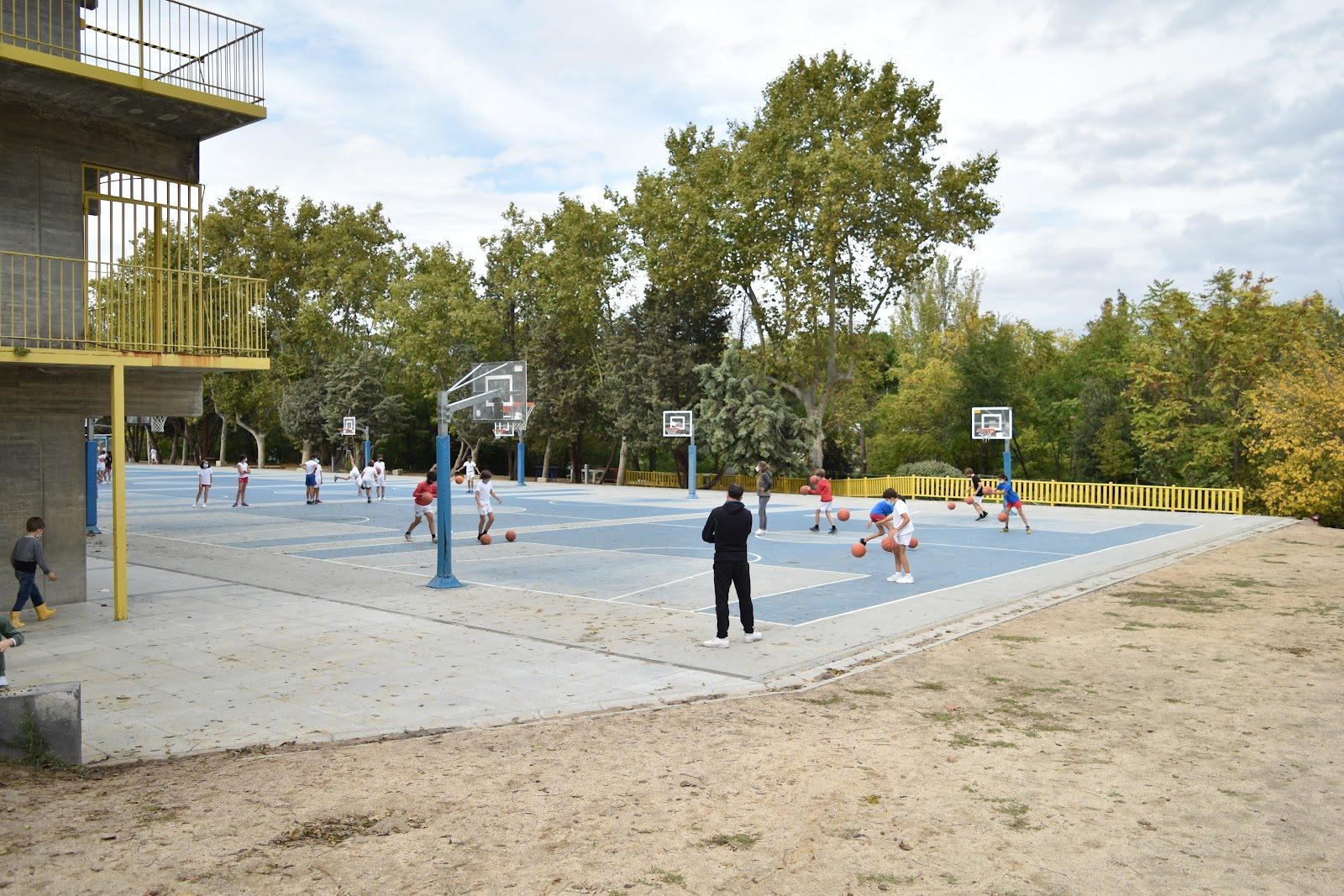
Colegio Estudio Madrid
Madrid · Spain
Founded in 1940 by three women to keep Spain's Institucion Libre de Ensenanza tradition alive, on a campus built by architect Fernando Higueras
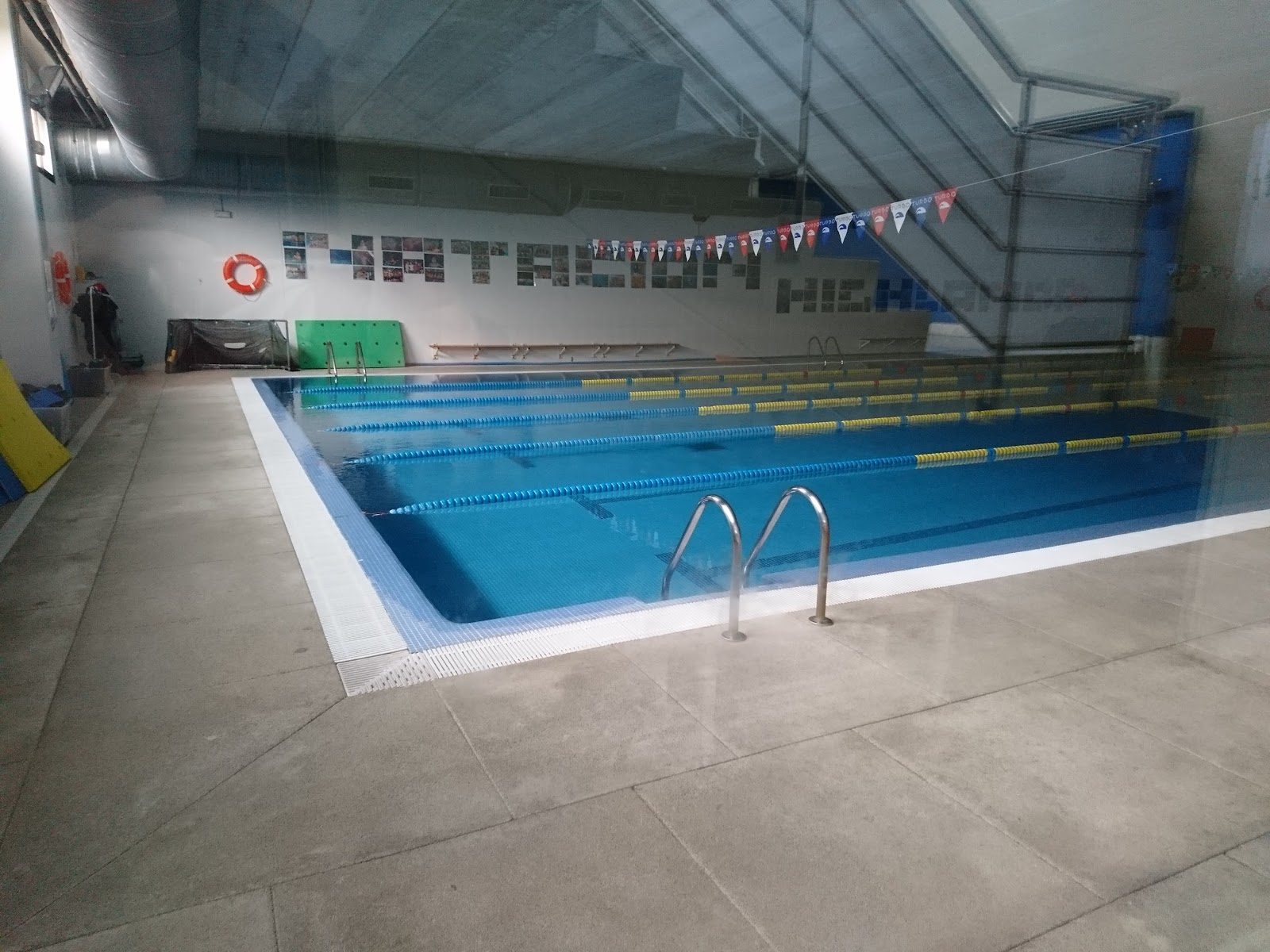
Highlands School Madrid
Madrid · Spain
In La Moraleja's green belt, a Cambridge-accredited trilingual campus pairs British rigour with a public-speaking programme built into daily lessons
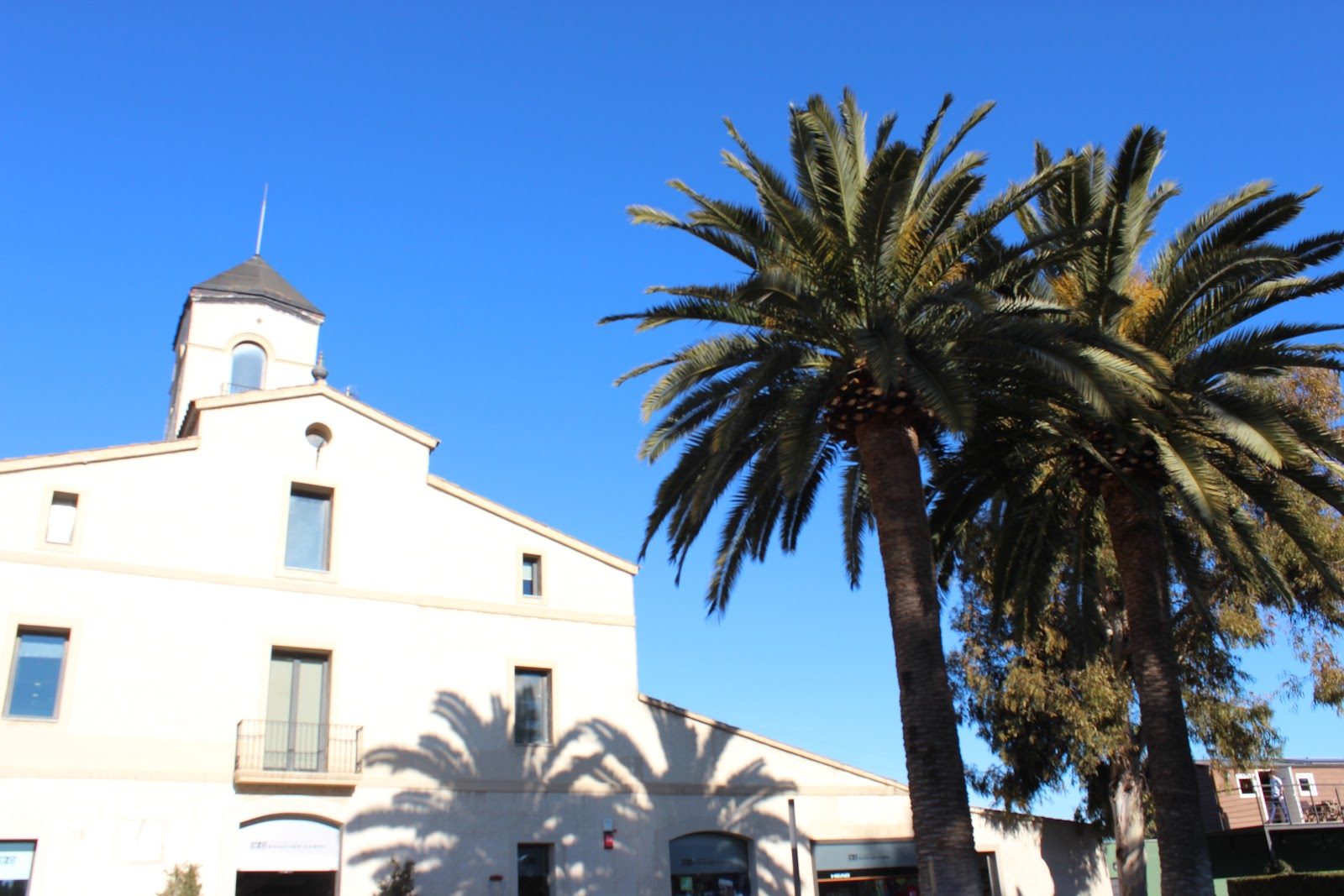
ES International School of Barcelona
Barcelona · Spain
An American diploma earned between classrooms and clay courts at the Sanchez-Casal tennis academy outside Barcelona.
Caxton College
Puçol · Spain
On Valencia's coast between mountains and sea, a family-run British school pairs A-Levels with native Spanish literary strength.
Same country and curriculum — closest matches within ±10 points either way